Power Tools
Ridgid 18V Hybrid Dual Function Inflator vs Ryobi 18V Inflator: Which Cordless Tire Pump Makes More Sense
Two cordless inflators from the same family of tools, one beefier and dual-powered, one easier on the wallet. Here is how they compare.
Introduction
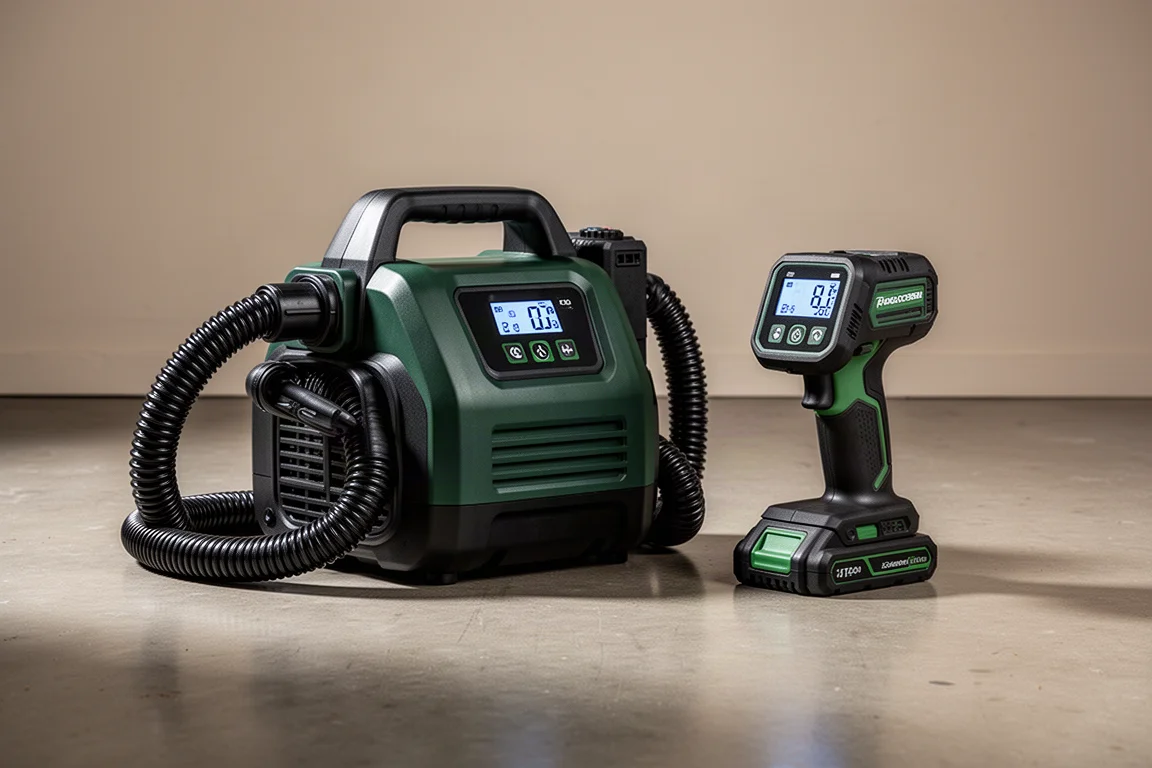
When a popular cordless tool does well, it is common for a sibling brand to release a beefier version of it. That is exactly what happened here: Ryobi launched an 18V battery-powered inflator that works really well, and then Ridgid followed up with the 18V Hybrid Dual Function Inflator, a larger, more prominent unit with a few extra tricks.
Both are aimed at the same frustrating problem: seasonal temperature swings that drop your tire pressure overnight and leave you hunting for a working gas station air pump. A cordless inflator you keep in the trunk solves that permanently.
Why a Cordless Inflator Is Worth Having
Cold weather is brutal on tire pressure. If your region swings between mild and freezing days for much of the year, you will deal with low pressure alarms again and again. Walking out to a flat tire in the morning, or waiting in line at a gas station compressor, is exactly the situation these tools exist for.
Both inflators let you top up tires at home, on the road, or on a job site. The difference between them comes down to power delivery, features, and price.
Ridgid 18V Hybrid Dual Function Inflator
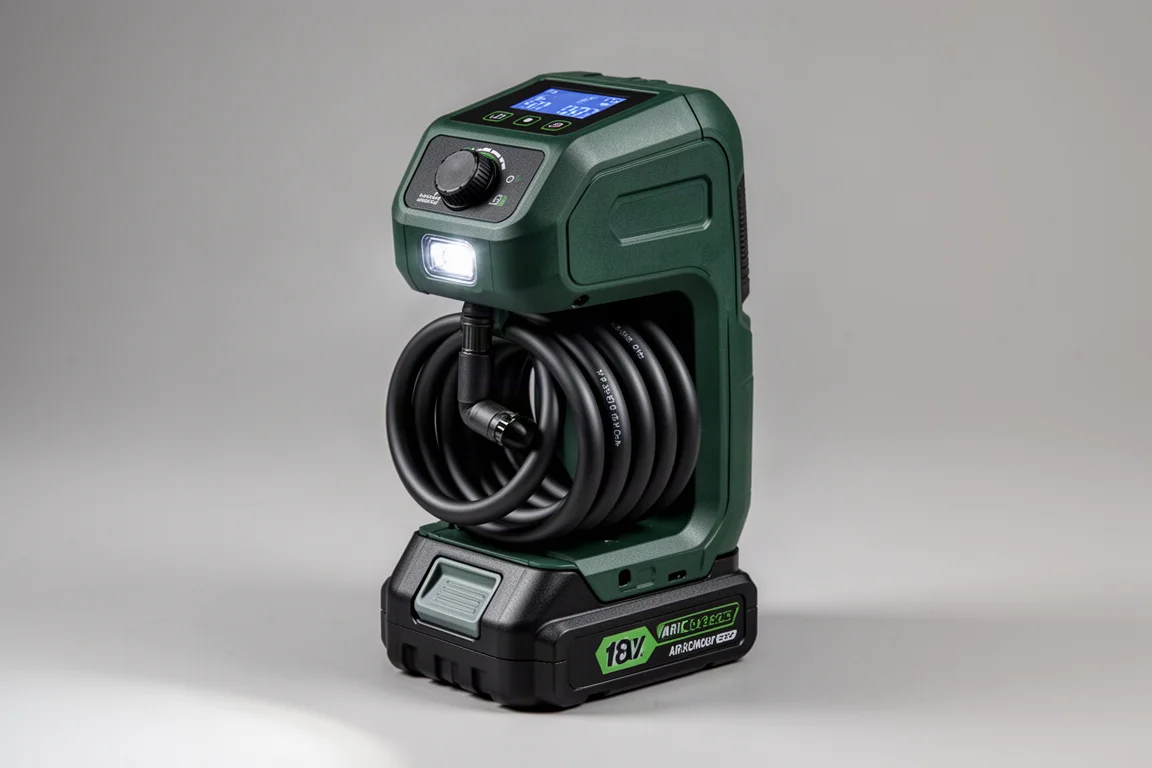
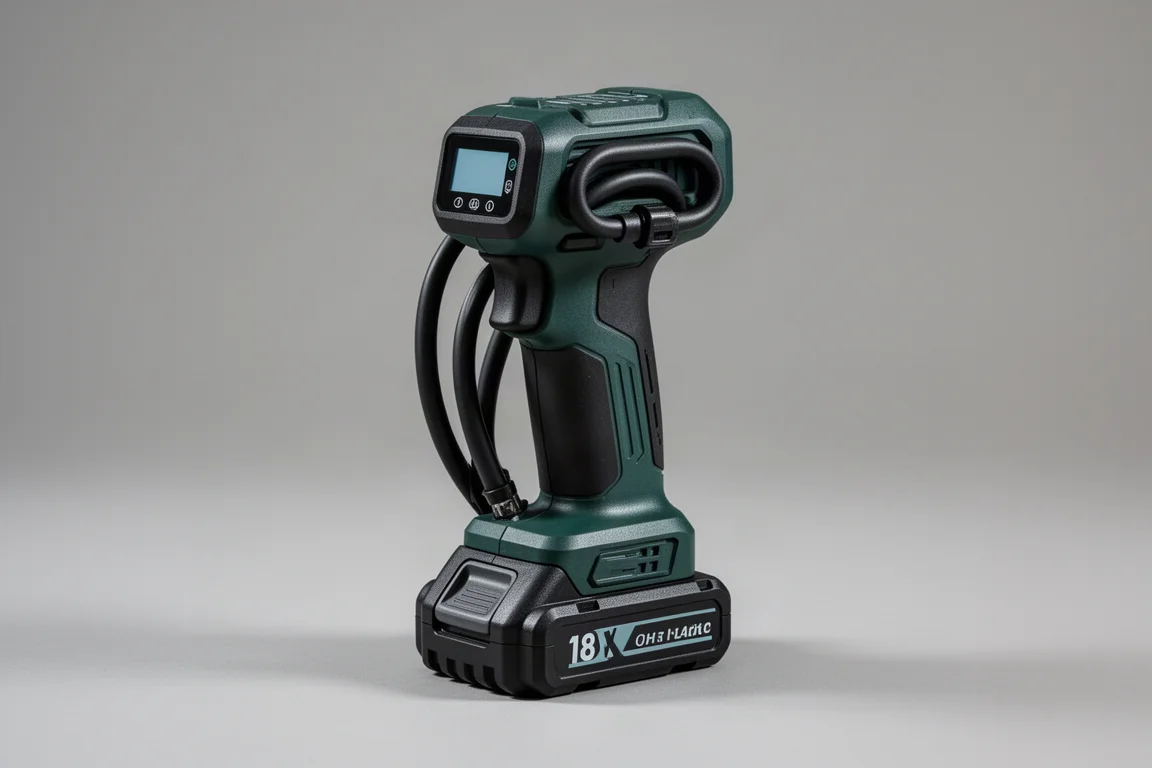
This is the beefier, bulkier of the two, and it earns the “dual function” name in two ways. First, it is hybrid-powered: it runs on an 18V battery, or you can plug it into a vehicle’s 12-volt accessory outlet using the included cable. Second, it is dual function: besides pumping tires, it has a dedicated blow mode for inflating pool equipment, balls, and other inflatables.
The kit includes a hose that wraps and stores on the unit, a needle, a stem, and other attachments, plus a built-in light. Registering the tool within 90 days unlocks Ridgid’s Lifetime Service Agreement.
The digital display and rotary knob let you set a target pressure, and the unit automatically shuts off once it reaches that rate. Settings range from low single-digit PSI all the way up to 160 PSI, and the high volume flow rate is 16s CFM. Adjusting targets is quick and precise.
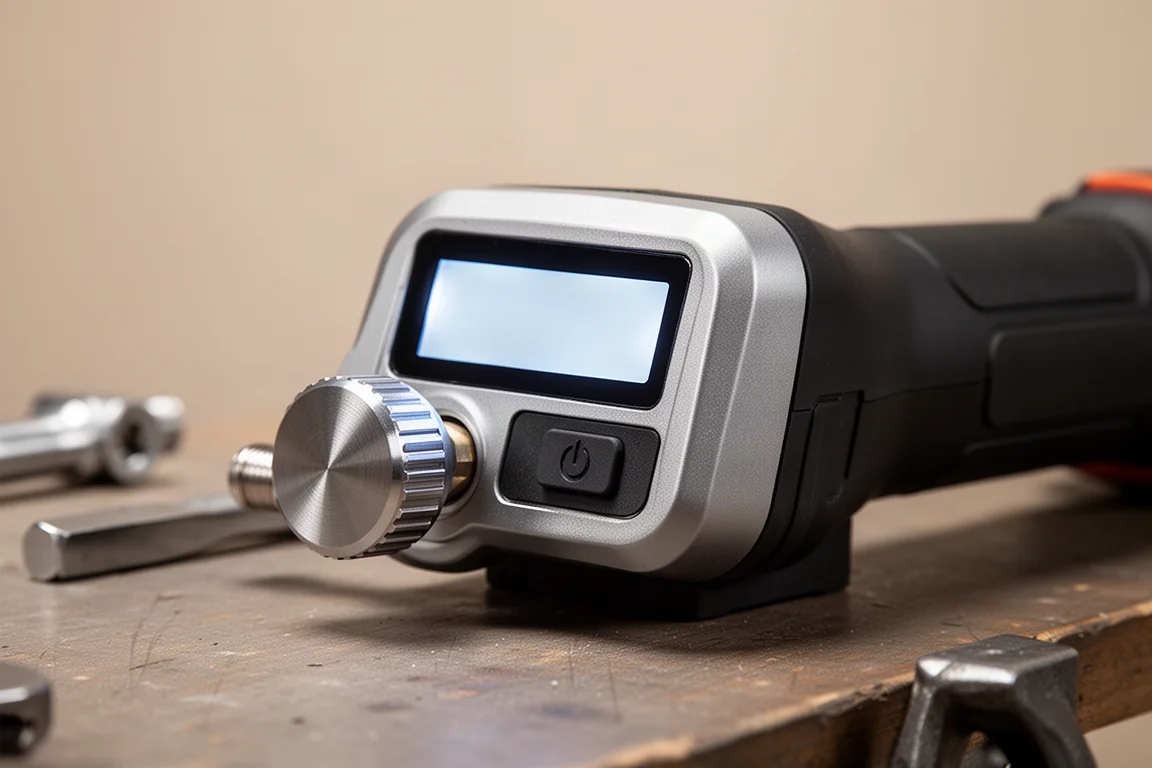
In testing, a tire inflated from 17 PSI to 35 PSI took roughly 6 minutes on the 18V battery. It is also noticeably quieter than most tire inflators, with real noise dampening that makes it far less obnoxious than typical compressors.
Ryobi 18V Inflator
The Ryobi 18V inflator came first, and it remains a genuinely good tool. It is fully battery powered, handles tire inflation without fuss, and has been used multiple times with solid results. If your goal is to save a little money, this is the one to grab.
It shares the same core use case: topping up car and truck tires whenever pressure drops. What it gives up compared to the Ridgid is the hybrid 12-volt option, the blow mode, and the more substantial build. If you only need a simple, reliable tire pump, that trade-off is easy to accept.
Battery vs 12-Volt Power: Real-World Speed
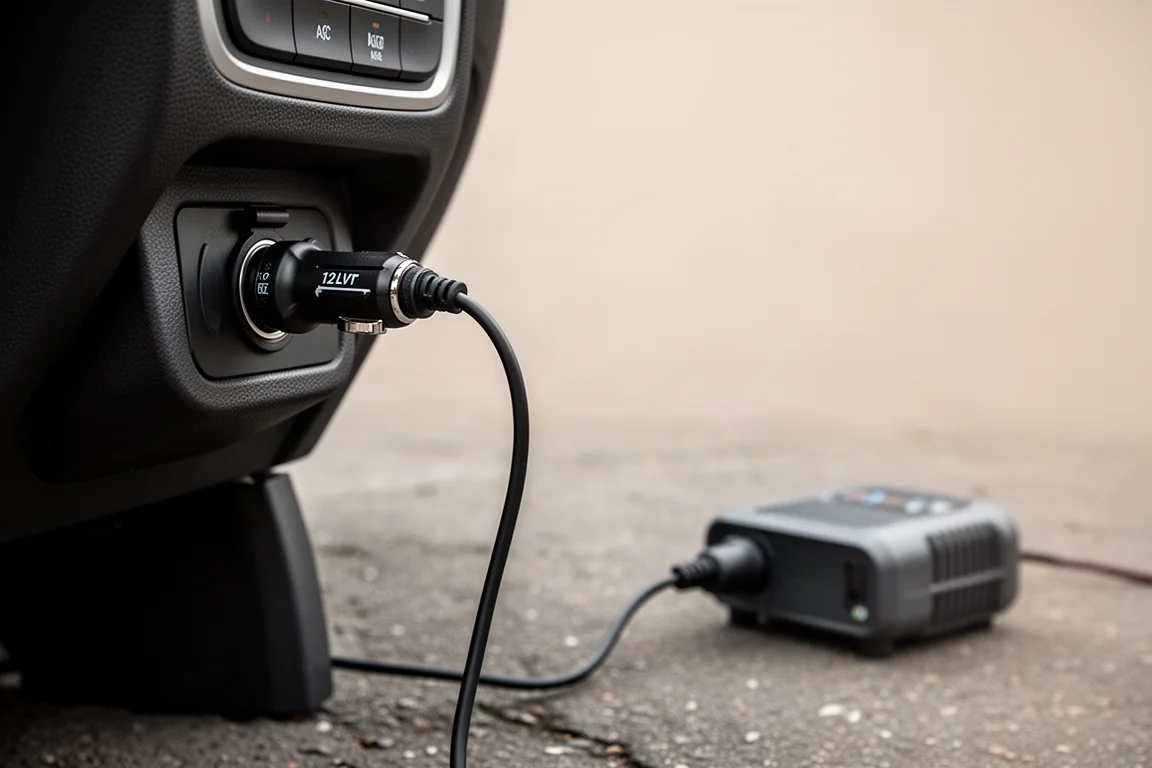
The hybrid option matters more than you might expect. Running the Ridgid from a vehicle’s 12-volt outlet works fine, but it is slower: the same tire that took about 6 minutes on the 18V battery took around 12 minutes on 12-volt power, twice as long. The 12-volt mode is a little quieter simply because less power gets through.
That makes 12-volt mode best as a backup when no charged battery is available, not the primary way to use the tool. With the included 4Ah max output battery, the unit delivers more power, more runtime, and quicker charging than previous battery generations.
Inflating More Than Tires
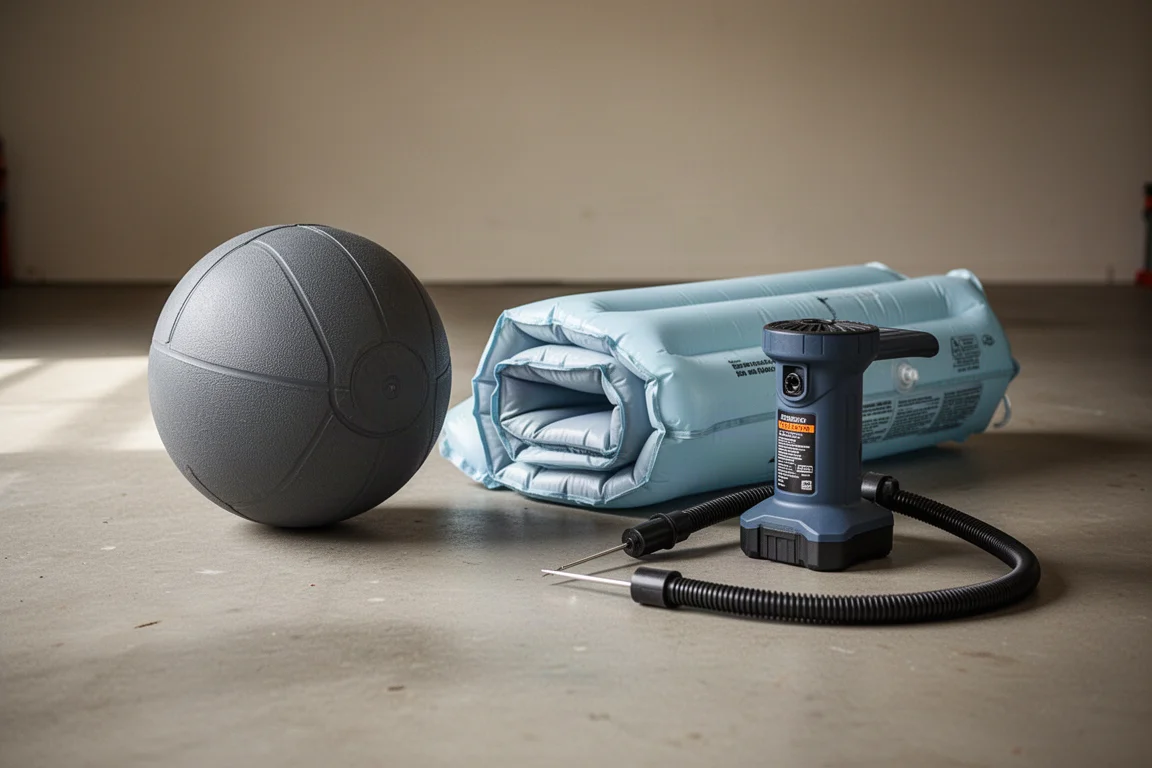
The blow mode is where the Ridgid pulls ahead for many buyers. Switch modes on the digital display, hit play, and you get a decent stream of air for balls, pool floats, and other inflatables. In testing, a ball went from flat to properly inflated in seconds, with the target pressure adjusted on the fly.
Everything stows neatly: the hose wraps under the unit, and the attachments store inside the body, which makes it easy to keep the whole kit together in a vehicle or on a work truck.
Everyday Use and Who Each One Suits
Both tools are genuinely easy to use; anyone can pick them up. The question is fit. If you keep a maintenance or utility vehicle, road-trip often with plugs and a pump in the back seat, or just want a garage-ready unit for wild temperature swings, the Ridgid’s dual power and dual function justify its size and price. If you want a straightforward, cheaper tire inflator that works great, the Ryobi is the better value.
Conclusion
The Ryobi 18V Inflator is the sensible budget pick: battery powered, reliable, and good at the core job of keeping tires topped up. The Ridgid 18V Hybrid Dual Function Inflator is the upgrade: faster on battery, quieter than almost anything else in the category, and flexible enough to handle inflatables and 12-volt backup power. Choose based on how many of those extras you will actually use.
Further reading
Related Reviews
Power Tools
Best 1-Inch Pistol Impact Wrenches: Three Heavy-Duty Options Compared
We compare three 1-inch pistol impact wrenches, from a budget-friendly Harbor Freight model to a premium Caterpillar unit, to help you choose the right one.
Power Tools
Best 3/4-Inch Impact Wrenches 2026: Five Contenders Compared
We compare five 3/4-inch impact wrenches across price and performance, from a budget Amazon option to Snap-on's most powerful model yet.
Power Tools
Best Budget Cordless Tools 2026: Walmart Finds That Punch Above Their Price
We tested five cordless tools from Walmart, including a high-torque impact wrench that trades blows with Milwaukee and a $35 duster that outperforms its price class.