Power Tools
Ridgid 18V SubCompact vs Milwaukee M12 Fuel Jigsaw: Which Compact Jigsaw Deserves Your Money
Two compact cordless jigsaws go head to head on price, build quality, bevel adjustment, blade changes, and real cutting feel.
Introduction
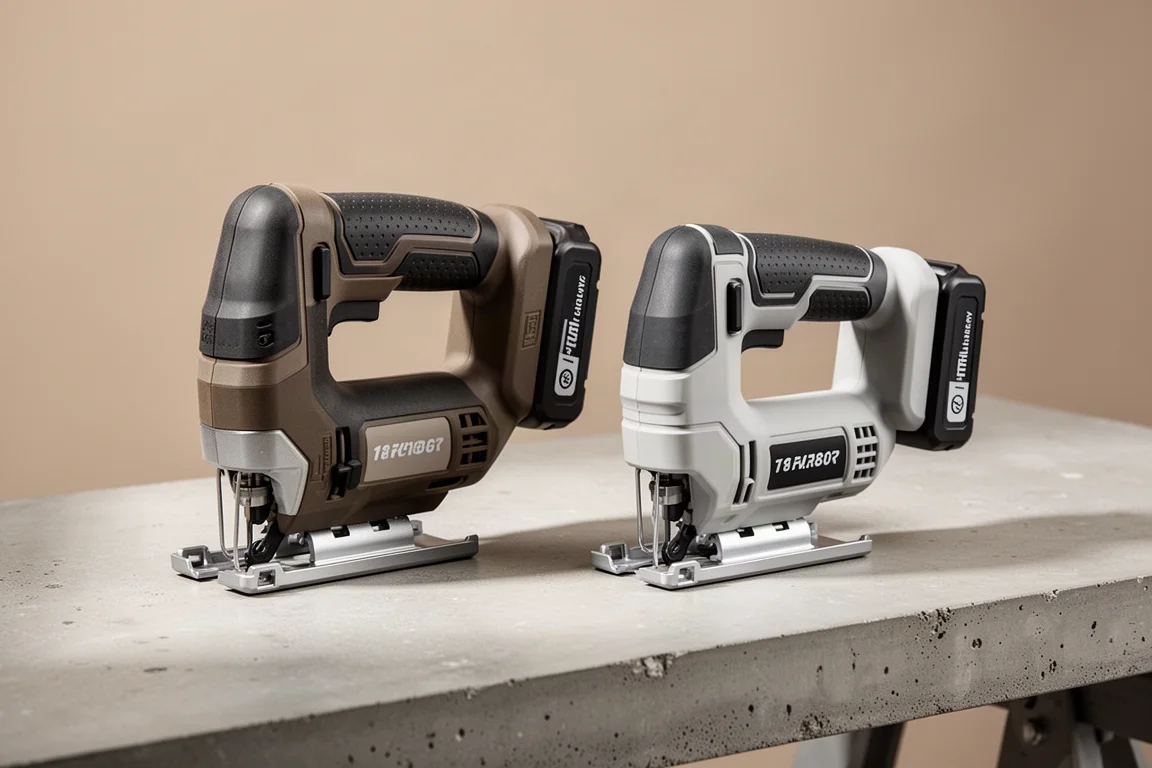
If you are a carpenter, woodworker, or a DIYer who builds things on weekends, chances are a jigsaw already lives in your toolbox. This comparison looks at two newer compact options: the Ridgid 18V SubCompact jigsaw and the Milwaukee M12 Fuel jigsaw. One is a larger battery platform tool, the other is built on Milwaukee’s compact M12 system, but the size gap between them is smaller than you might expect.
Price: A Genuine Surprise
Milwaukee tools usually cost more as a pro brand, while Ridgid sits in the pro-consumer space. That makes the pricing here genuinely surprising: the Milwaukee M12 Fuel jigsaw comes in at $169 as a tool-only purchase, while the Ridgid 18V SubCompact is $179, also tool only. So the pro-brand option is actually the cheaper of the two.
For context, Milwaukee’s larger M18 jigsaw runs $199 tool only, which makes the M12 an interesting value play if you already own M12 batteries.
Size and Design First Impressions
Side by side, the M12 is clearly the smallest of the bunch, even though all three tools share a similar height profile. It is shorter, lighter, and overall more compact. That said, Ridgid deserves real credit here: for an 18V tool, the SubCompact is genuinely small, and the SubCompact branding on the body is not just marketing.
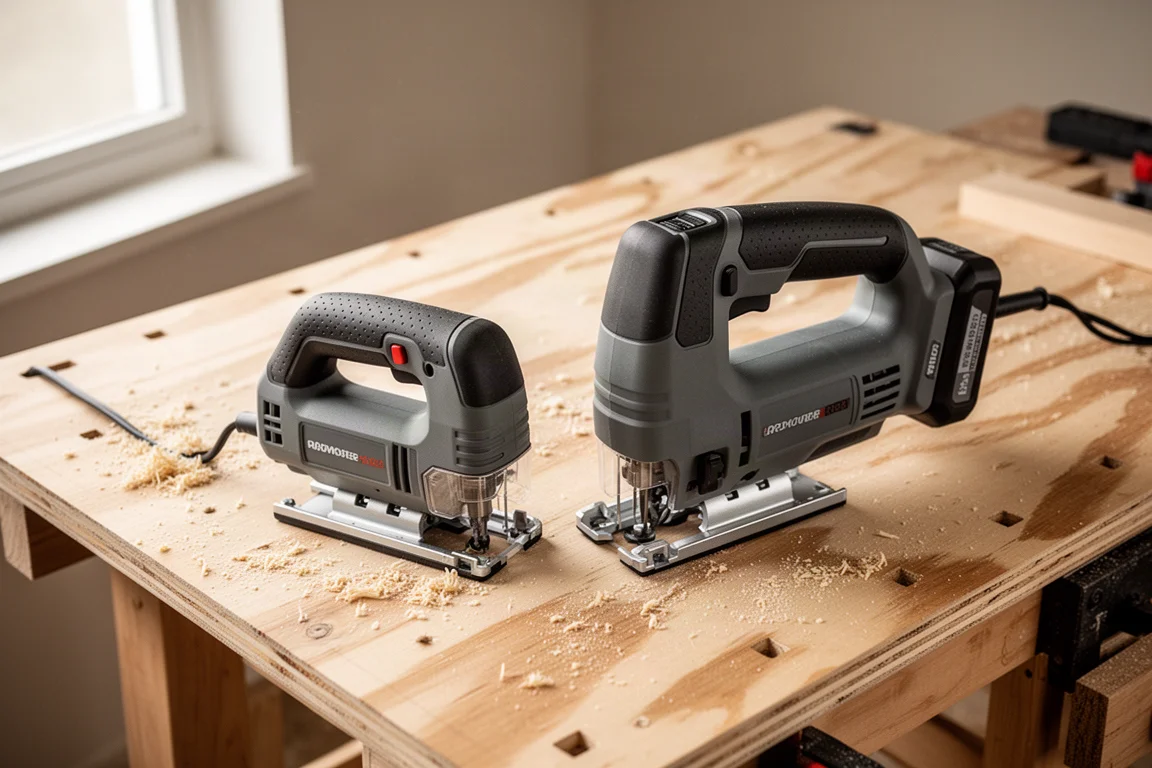
If compact size is your top priority, the M12 has the edge, but the Ridgid is impressively close for a tool running a bigger battery.
Controls, Switches, and Build Quality
The speed control dial tells a story about each brand’s design philosophy. On the Milwaukee, the dial sits near the barrel grip where your hand naturally rests, easy to adjust and tucked out of the way. On the Ridgid, it is a large plastic dial that feels old-fashioned and clunky by comparison.
Both tools offer orbital action adjustment, but the Milwaukee gives you five positions (off plus four settings) versus four on the Ridgid, and the Milwaukee’s dial feels more heavy duty.
Dust management works well on both: each can shoot dust out the side or accept a vacuum hose, and the Milwaukee’s port sticks out slightly further, making vacuum hookup a bit easier. Both also have LED lights on the front. The Ridgid’s light comes on automatically when you pull the trigger, while the Milwaukee requires a separate button press.
One shared limitation: both switches are set up for right-handed users. If you are left-handed, you will be working your index finger around to the opposite side on either tool.
Overall, Milwaukee wins on the little things. Its levers, buttons, and switches are easier to reach, feel more robust, and generally more refined.
Bevel Cuts and Adjustment
For bevel cuts, the Ridgid requires removing a cover to access the shoe bolt, but it fights back with a genuinely useful feature: a built-in wrench stored right on the tool. The shoe adjusts to 45 degrees in each direction, though the movement is not the smoothest and needs some manipulation.
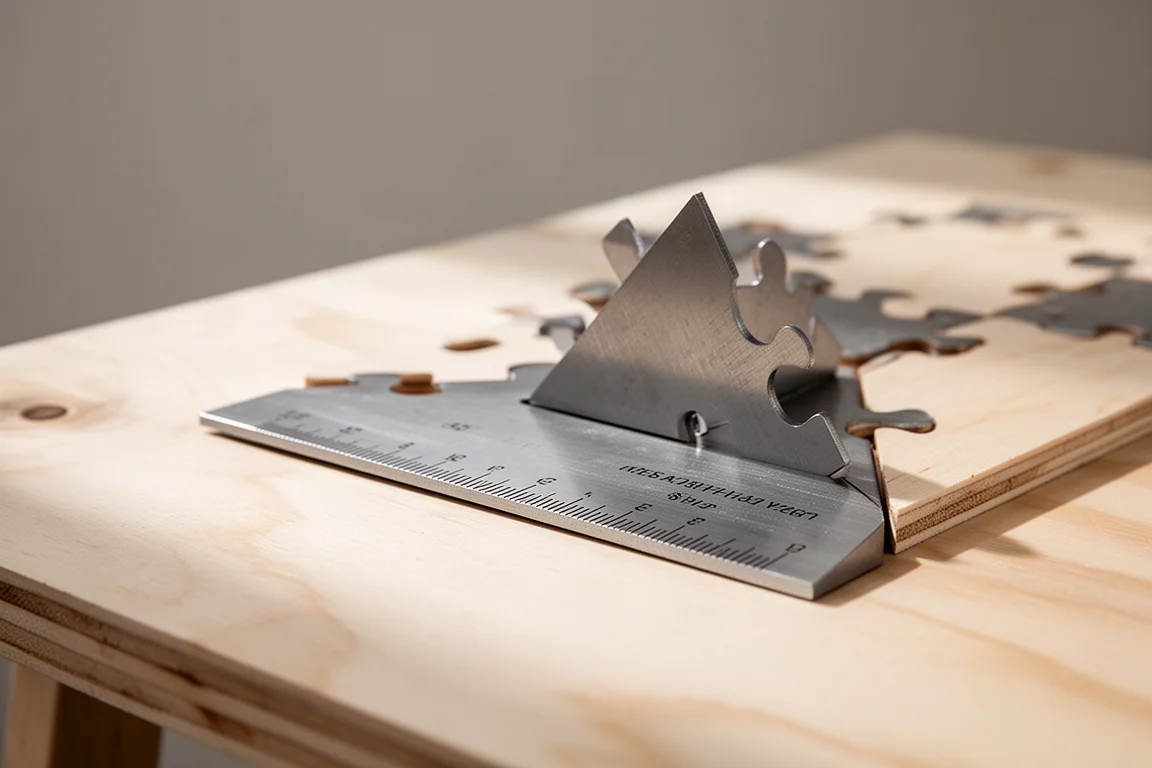
The Milwaukee uses the same style bolt (a 5/64 inch size) but offers no onboard tool storage, and no wrench came bundled with the tool at all. In exchange, the Milwaukee’s shoe adjustment is noticeably smoother and easier to move back and forth. It also offers seven locking bevel positions versus three on the Ridgid, and it displays the exact angle you are set to, something the Ridgid does not show. A tip from extended use: keeping the bolt slightly loose rather than fully loose makes the shoe lock into position smoothly.
Blade Changes: Where Ridgid Shines
This is Ridgid’s standout feature. The blade insert is fully tool-free: you slide the blade straight in and it locks into the collet automatically. No twisting, no turning, nothing. To release, you simply pull a lever and the blade drops out.
The Milwaukee requires you to twist the chuck before inserting the blade, then it locks in tight, and it does offer a quick-release function for removal. It works fine, but it is an extra step every time.
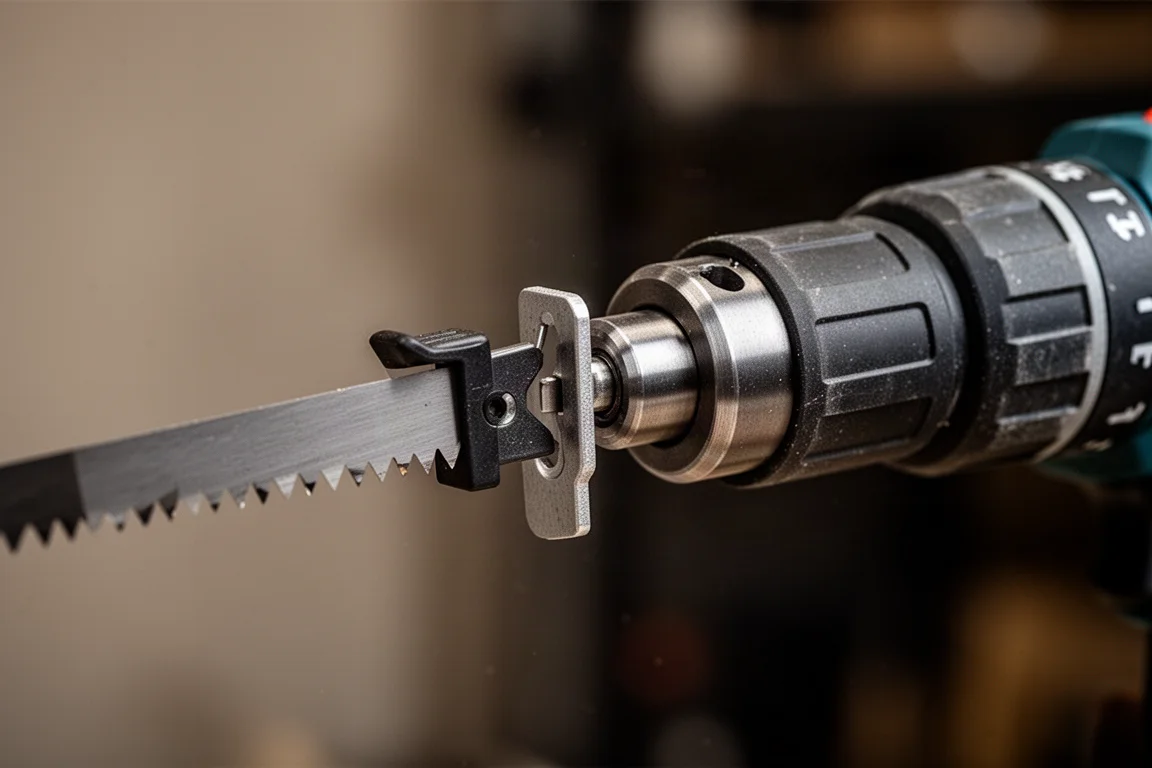
If saving seconds on every blade change matters to you, Ridgid’s system is the one to beat here.
Cutting Performance and Feel
Out of the hand, the Ridgid is impressively smooth. Even at its top speed setting, vibration is nearly non-existent, and it stays comfortable even in full orbital mode. With a Diablo blade in 1-inch particle board topped with plywood veneer, it produced smooth, clean cuts with the oscillation off, and more aggressive cuts with orbital action maxed out.
The Milwaukee, running at its highest speed setting of five, is a little quieter, and the cuts felt precise. The real surprise came in the feel of the cutting itself. In the hand alone, the Ridgid felt better, but once the blade started biting into the material, the M12 felt locked in and somehow more powerful despite its smaller battery. The cuts were genuinely excellent, to the point where it was a more satisfying cutting experience than even Milwaukee’s larger M18 jigsaw.

Which One Should You Buy
The honest takeaway is that both are good jigsaws, and the right choice mostly comes down to your battery platform.
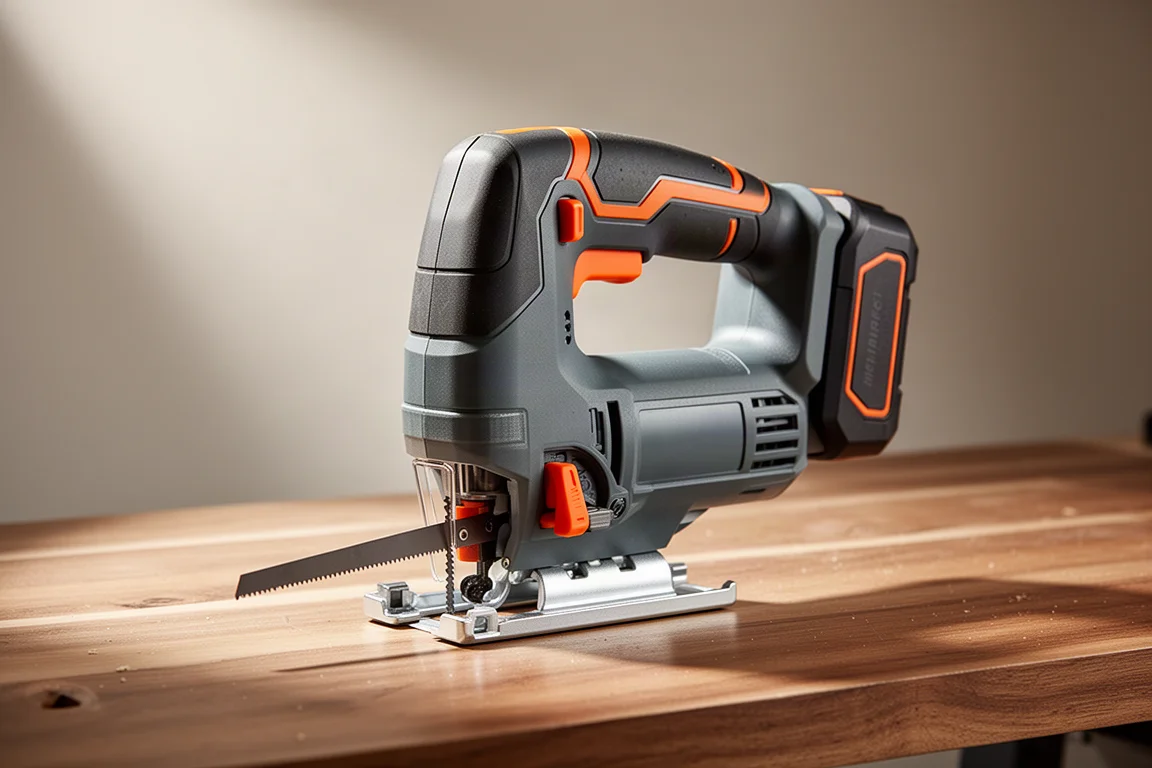
If you are already invested in Ridgid’s 18V batteries, the SubCompact jigsaw is a good buy. It is lightweight, more than powerful enough for any job you need it to do, handles 45-degree bevel cuts, and the quick blade change plus built-in wrench storage make daily use easier. The main gripes are the dated-looking speed dial and a slight lack of cutting power relative to the Milwaukee.
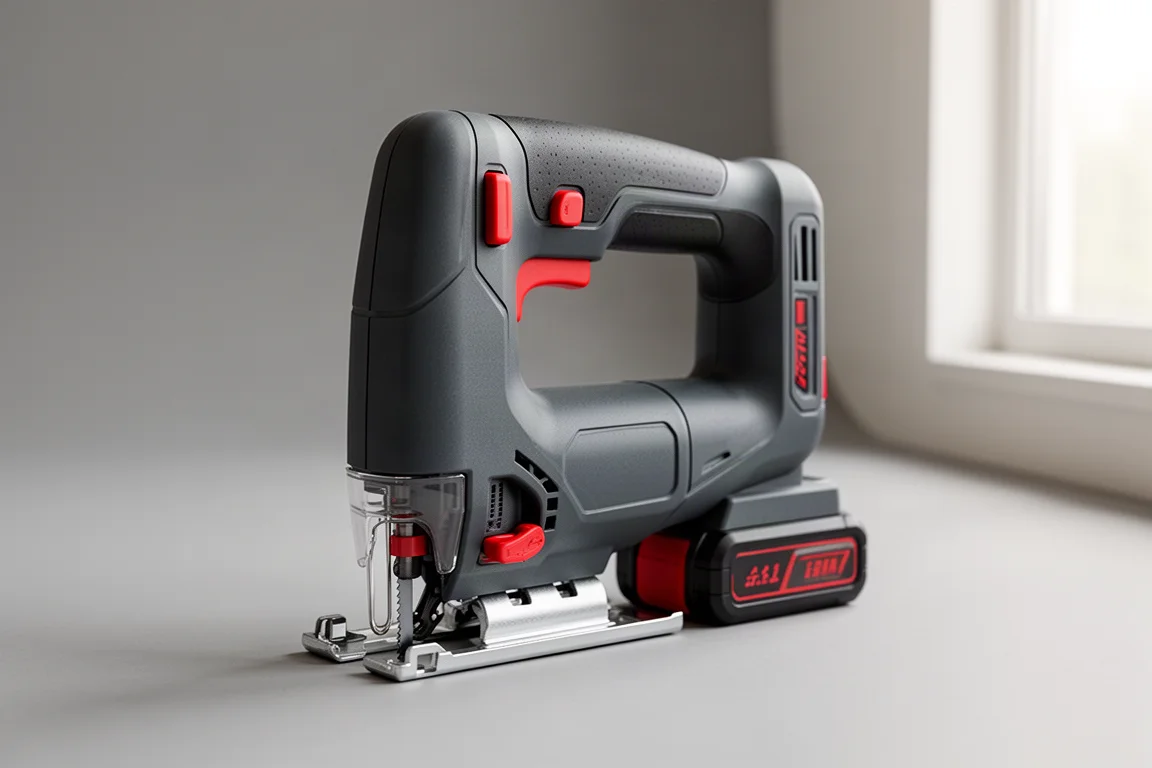
If you are a carpenter or woodworker in the Milwaukee M12 platform, this jigsaw deserves a serious look. It feels more solidly built than its size suggests, and its cutting performance punches well above its compact footprint. Just do not let the smaller battery fool you into thinking it is anything less than a fantastic jigsaw.
Conclusion
The difference between a pro brand and a pro-consumer brand shows up here in fit and finish: Milwaukee’s M12 Fuel jigsaw takes the overall win with better controls, smoother bevel adjustment, and a more confident cutting feel, all while costing less. But the Ridgid 18V SubCompact holds its own with the best blade-change system of the two, built-in wrench storage, and buttery-smooth operation. Both are impressive; pick the one that matches your battery platform.
Further reading
Related Reviews
Power Tools
Best 1-Inch Pistol Impact Wrenches: Three Heavy-Duty Options Compared
We compare three 1-inch pistol impact wrenches, from a budget-friendly Harbor Freight model to a premium Caterpillar unit, to help you choose the right one.
Power Tools
Best 3/4-Inch Impact Wrenches 2026: Five Contenders Compared
We compare five 3/4-inch impact wrenches across price and performance, from a budget Amazon option to Snap-on's most powerful model yet.
Power Tools
Best Budget Cordless Tools 2026: Walmart Finds That Punch Above Their Price
We tested five cordless tools from Walmart, including a high-torque impact wrench that trades blows with Milwaukee and a $35 duster that outperforms its price class.