Power Tools
Ridgid Nuke Stealth Force vs the Quiet Impact Crowd: What the Numbers Say
Ridgid's new hydraulic Nuke line goes up against Milwaukee's Surge Gen 2 and DeWalt's DCF870, with measured torque, driving speed, noise, and vibration data.
Introduction
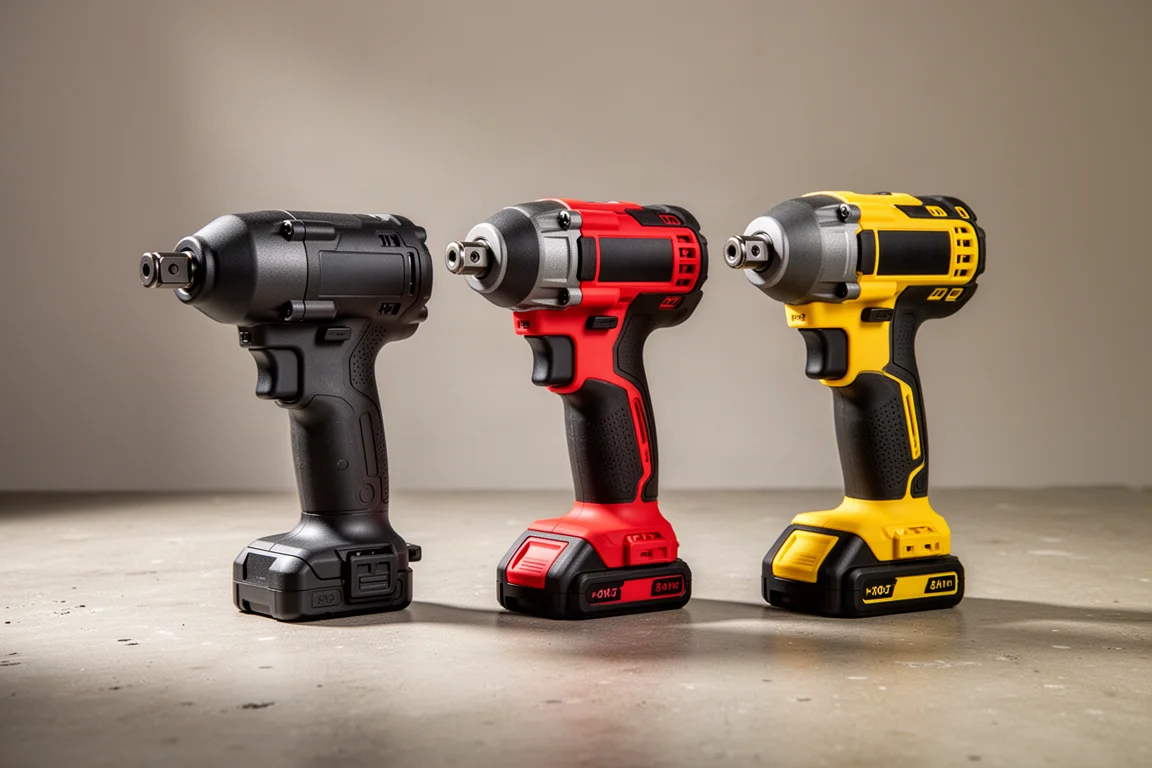
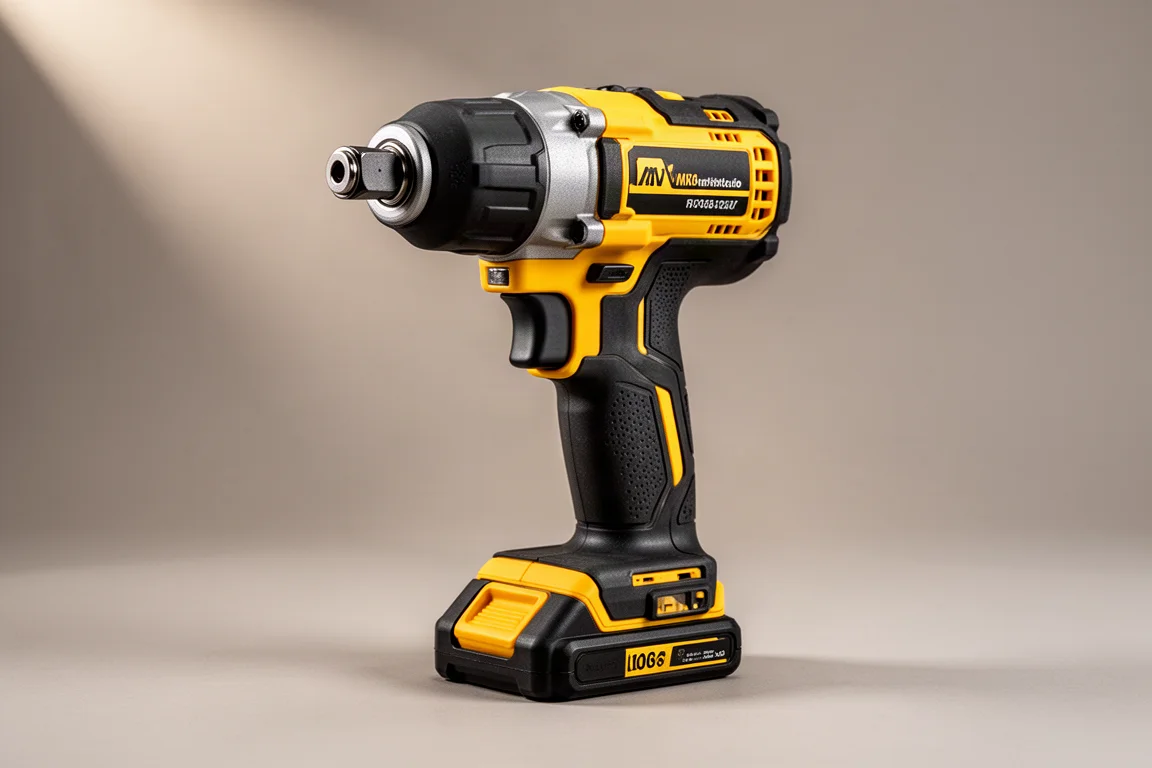
Hydraulic impact drivers are a small club. For years it was essentially Milwaukee with its Surge line, and more recently DeWalt with the DCF870. Ridgid has now re-entered with the Nuke Stealth Force, a quiet hydraulic impact driver that behaves unlike anything else in its price range. Alongside it, the new Nuke line also brings a conventional impact driver and a compact drill. This roundup looks at all five tools: what they measure, where they shine, and which one fits your work.
What We Measured
Raw torque only tells part of the story with these tools. We looked at bolt-breaking torque in forward and reverse, driving speed on half-inch nylon lock nuts, sound level readings, and vibration and shock data captured with onboard sensors during real fastener driving. Comfort scores combine shock, vibration, and wrist twist into a single comparison, with 100 being the best result in the group.
Ridgid Nuke Stealth Force: The Quiet Hybrid
The Stealth Force is the reason this comparison exists. It uses hydraulic fluid pressure and spikes instead of metal hammers striking an anvil, so it drives fasteners with a low thud rather than a rattle. At $169 it is some coin, but it is also the cheapest hydraulic impact driver you will find from a hardware store. Uniquely, Ridgid does not publish a torque rating for it at all, which is unusual and part of the intrigue.
In testing, it produced around 69 ft-lb of forward torque, comfortably above the Milwaukee Surge Gen 2, though below the DeWalt in forward runs. Where it genuinely excels is driving speed: it ran the half-inch lock nut test in 4.3 seconds, quicker than any traditional Ridgid impact driver to date, faster than a Milwaukee Gen 4 impact driver, and even quicker than the Flex 24V. The trick is that it rarely impacts at all at full throttle. It turns fasteners like a drill for most of the run and only hammers when it truly needs to.
Sound is the headline. It registered roughly 91.5 to 92.1 dB while driving, versus 102 to 104 dB for conventional impact drivers, the lowest reading recorded among hydraulic drivers to date. Vibration data was also strong during driving, with balanced hits canceling much of the shake. The caveats matter, though: on large lags or stuck bolts it becomes the most hand-numbing impact driver in this comparison, it gets hot faster than other hydraulics and loses power as it warms, and at low throttle it develops a twist shimmy. On light and medium fastener work, however, it is a genuinely different kind of tool.
Ridgid Nuke Impact Driver: The Conventional Option
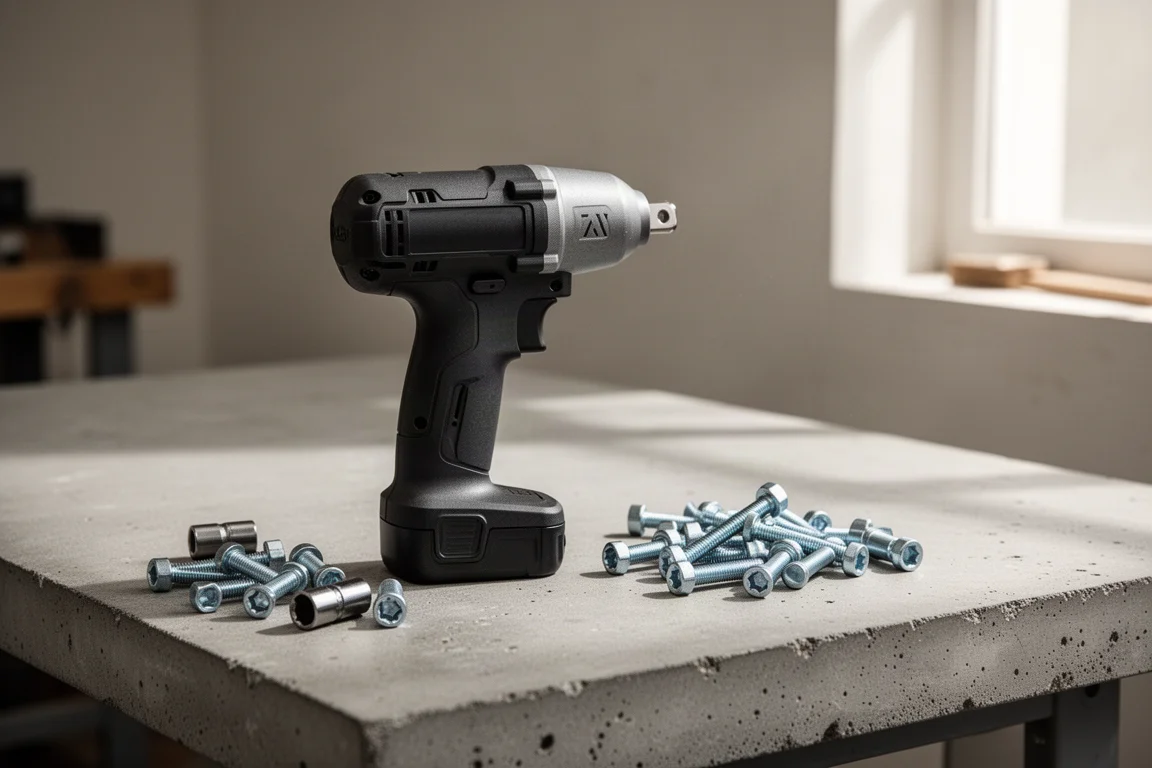
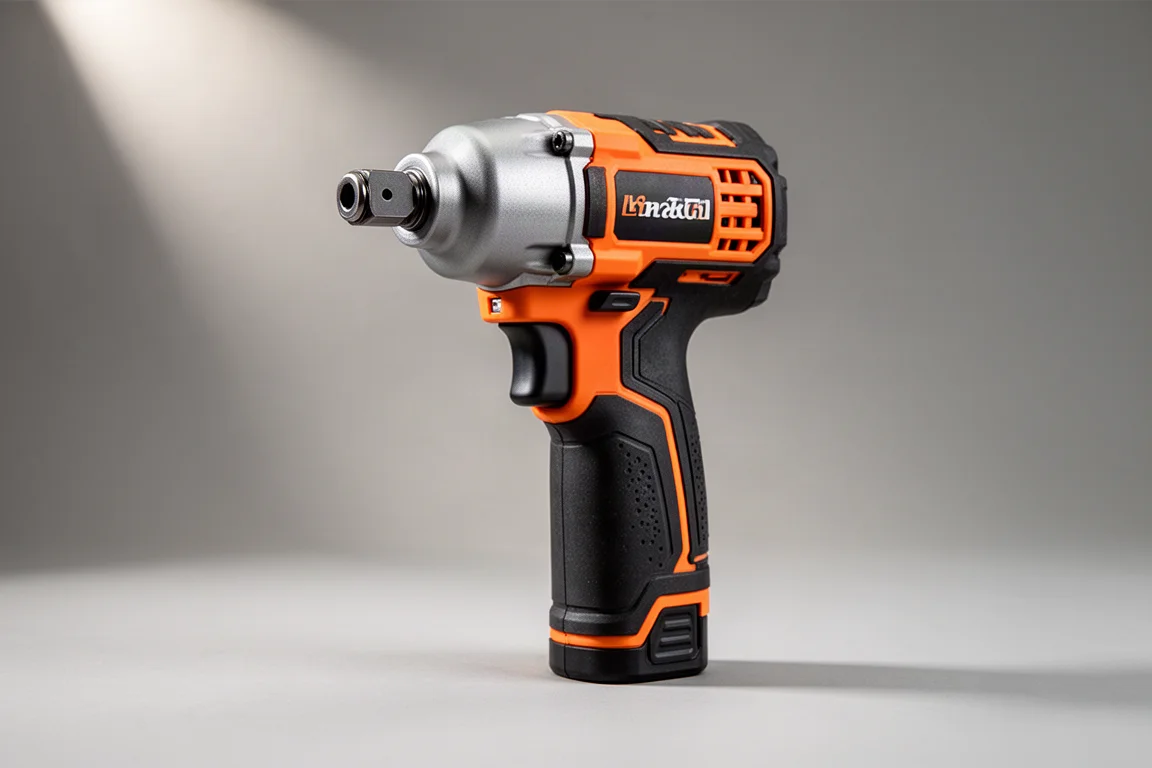
If you want a more traditional clickety-clackety impact driver, the standard Nuke is that tool. It is rated at 2,000 in-lb, which tested out at around 71 percent of that claim at roughly 106 ft-lb, still well above both hydraulic tools here. It is light at about 1.9 pounds and shares the same 4.47-inch length as the Stealth Force, though it is slimmer in the other dimensions. At around $109 bare, it is slightly cheaper than the previous Ridgid impact driver on the leaderboards.
Its driving speed of 6.07 seconds is quick, in line with the fast-hitting reputation Ridgid impacts tend to have. Where it falls short is refinement: sensor data put its comfort score at just 40.1 out of 100, by far the lowest here, with high peak shock, strong vibration, and the most wrist twist of the group. It is a capable, compact workhorse, just not the smooth one.
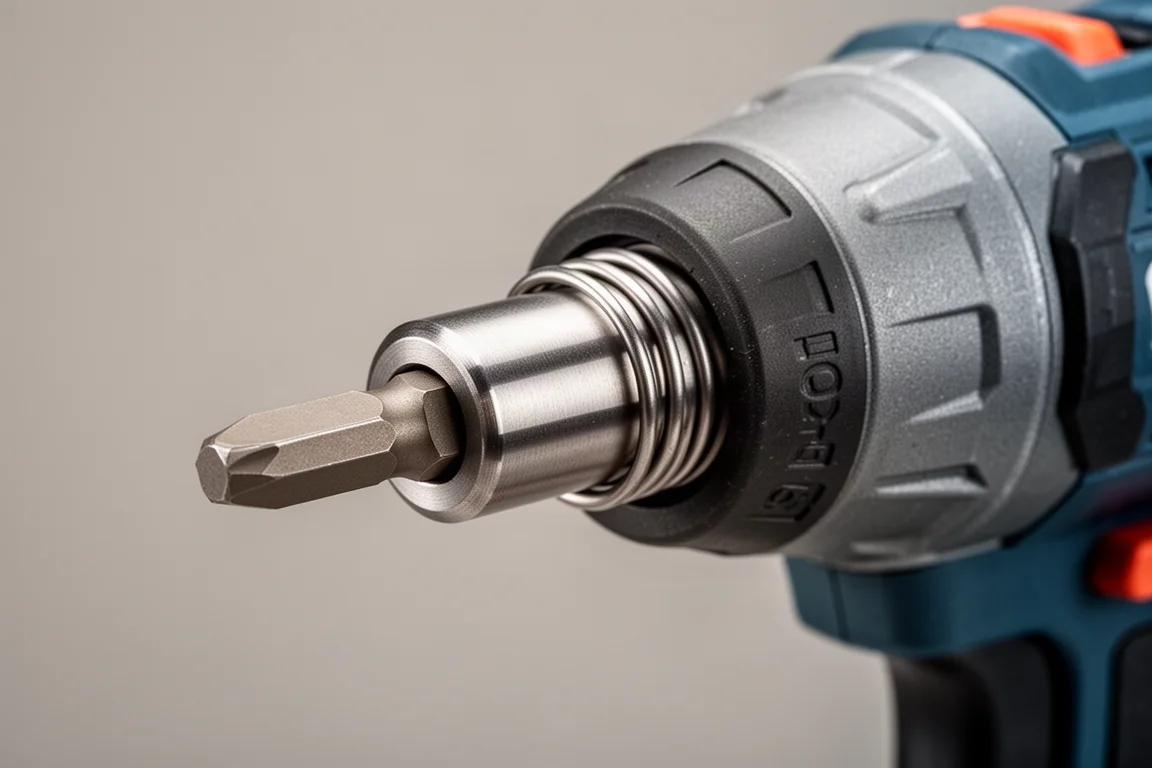
Both Nuke impacts also share some of the better bit collets you will find, with auto insert and a sprung auto eject, a feature often missing on compact models at this price.
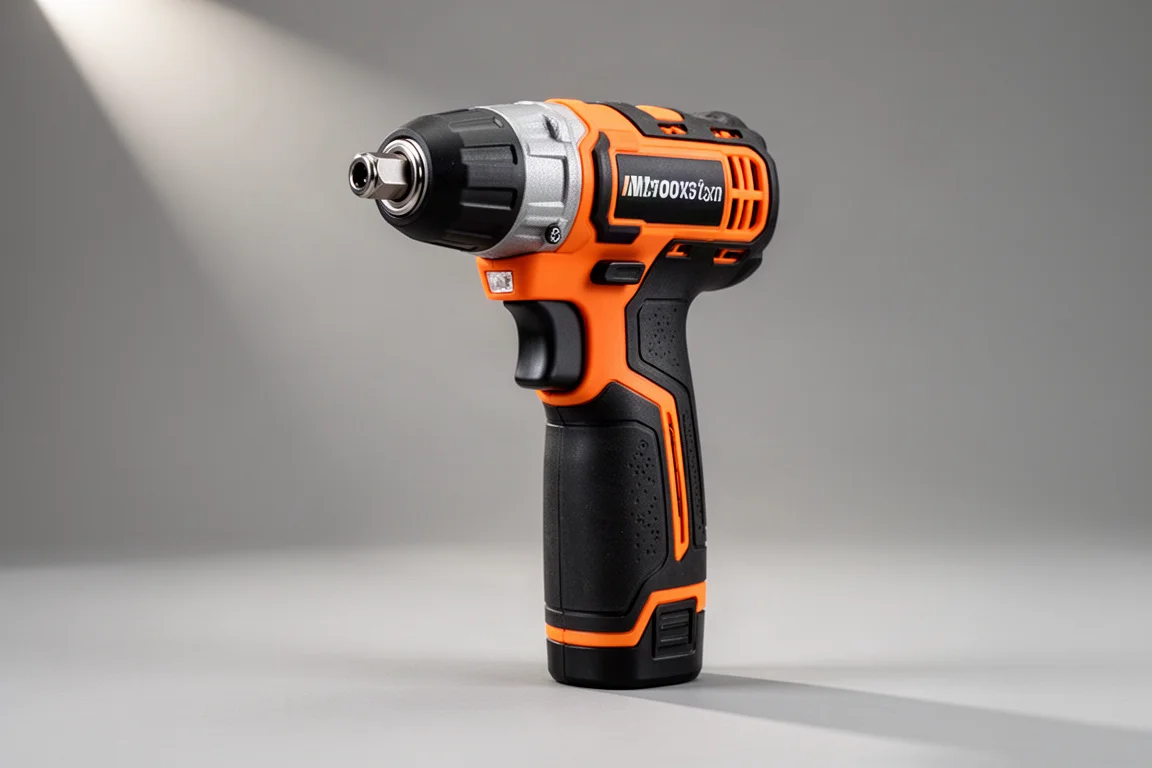
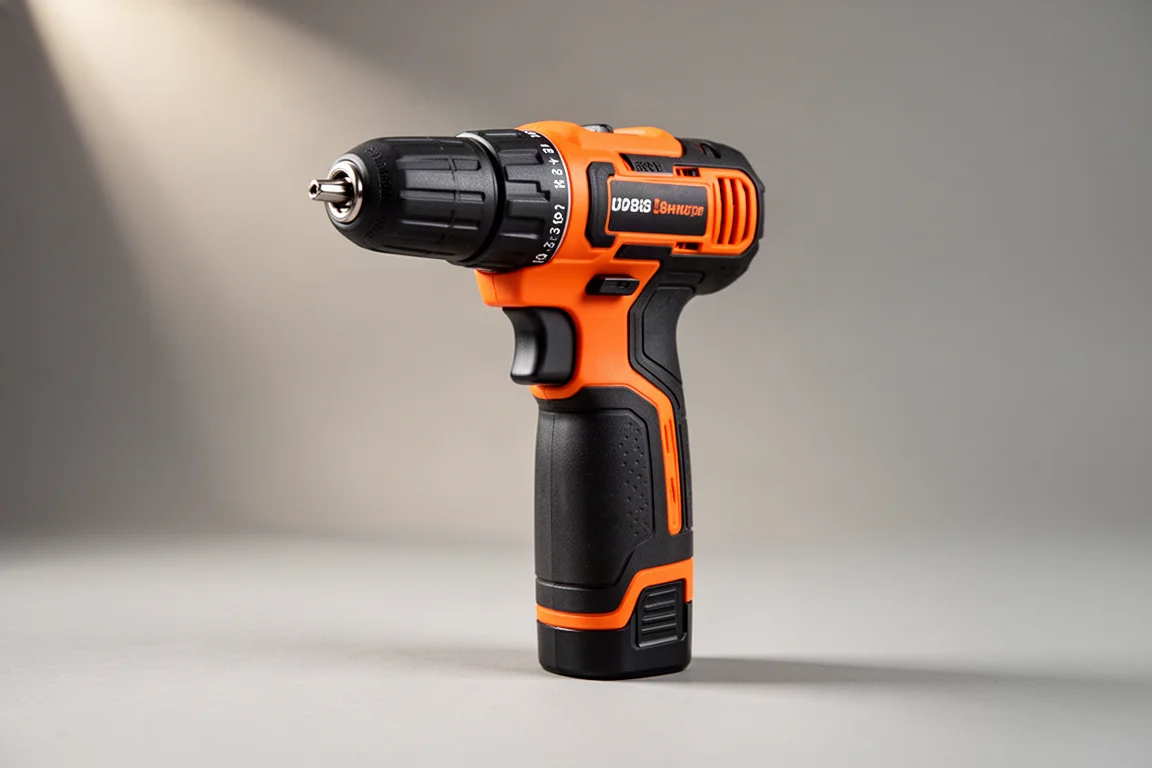
Ridgid Nuke Compact Drill: The Sleeper of the Kit
The Nuke kit also includes a compact drill, and it quietly turned out to be excellent. At just 6.1 inches long, it pushed up to 730 watts in high before dipping below 1,000 RPM and losing the ability to sustain driving speed. With its other measurements, that currently seats it at the top of standard drill driver rankings, and that is with the included 2 amp hour battery.
Even compared against hammer drill rankings it would hold its own: with an 8 amp hour battery, its performance would place it between the much more expensive Snap-on and DeWalt options, not far off the flagship Ridgid drill. Most modern compact drills are powerful enough for everyday tasks, but this one measures exceptionally well for its size.
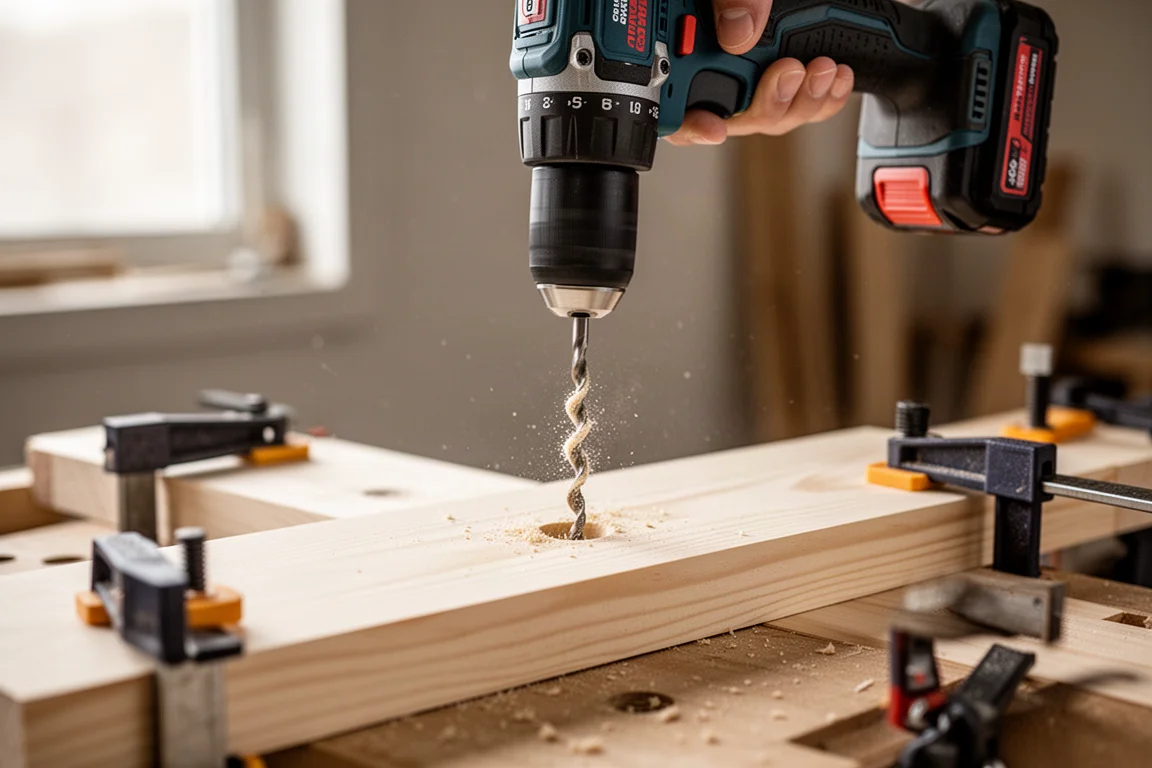
Milwaukee M18 Surge Gen 2: The Refined All-Rounder
The Surge Gen 2 is the hydraulic impact most people would compare the Stealth Force against, and it measures differently. Its torque of around 58 ft-lb is lower than the Ridgid in that direct test, but its driving speed of 13 seconds on the lock nut test sits right about in the middle of all impact drivers tested, which is respectable for a hydraulic.
Where the M18 earns its reputation is feel. It recorded the best comfort score of the group at 92.6, with the lowest peak shock at 1.61 G, and in fine detail work it has a measurable edge because it impacts gently and predictably even on small fasteners. It is the opposite philosophy to the Ridgid: less dramatic, but consistently smooth. One quirk to note is that M18 tools often need to warm up a little before they will impact at full power for long stretches.
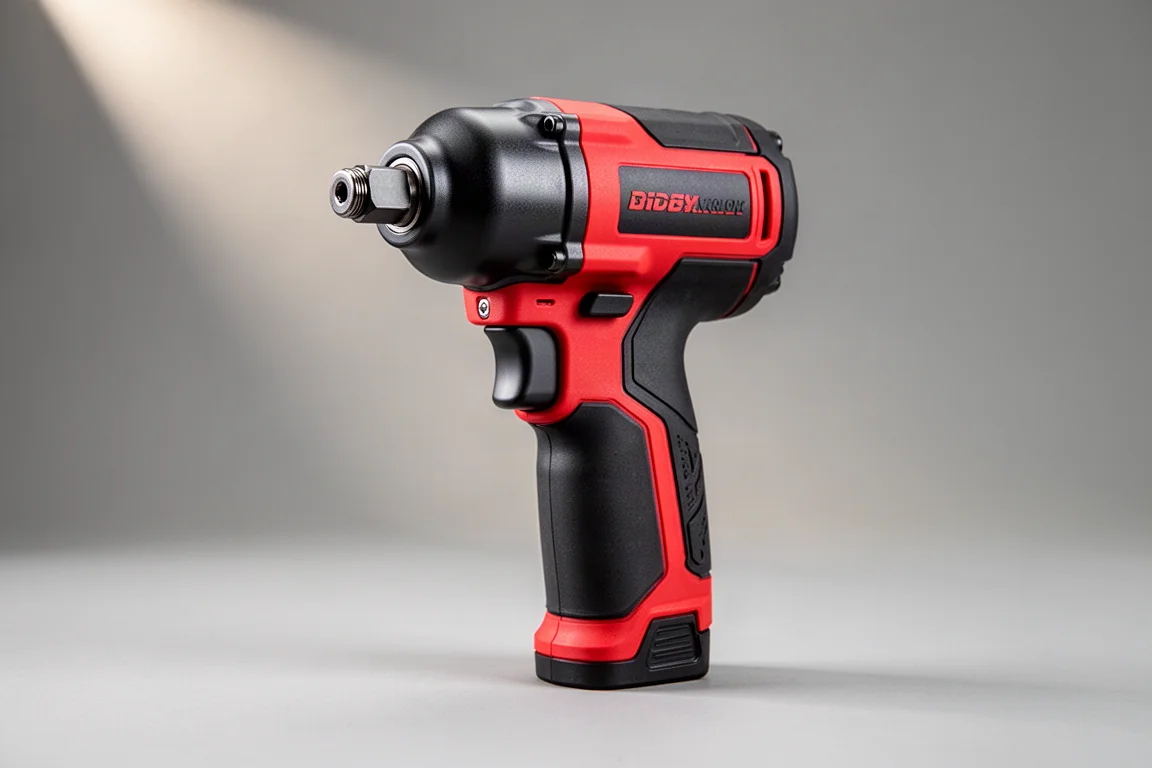
DeWalt DCF870: The Power Benchmark
The DCF870 is not a beefcake in size, but it is in power. Among all hydraulic impacts available today, it remains the one that could realistically replace a standard impact driver entirely, delivering the strongest forward torque of the group with larger, fewer hits per rotation. In the comfort scoring it landed at 72.5, hampered by constant impacting even on tiny fasteners and the most vibration over time of the hydraulic tools here.
It has quirks too. It shakes noticeably when working up to peak torque, it is always impacting, which makes fine work slightly trickier, and interestingly it struggles more in reverse than its forward runs suggest. If brute capability across everything is your priority, it is still the benchmark.
Which One Should You Buy?
If you drive a lot of fasteners and dislike job-site racket, the Stealth Force is hard to argue with: quietest, fastest at driving, and the cheapest fully functional hydraulic available. Its 139.4 ranking score places it closer to the DeWalt than the Milwaukee, and it even manages an impressive 73 ft-lb in reverse.
If fine detail work and smooth feel matter most, the M18 Surge Gen 2 is the safest bet. If you need maximum torque from a hydraulic and want one tool for everything, the DeWalt DCF870 still holds that crown. And if you want conventional power in a small, light package, the standard Nuke delivers strong numbers for the money, just expect more shake in the hand.
A final trick worth knowing: the Stealth Force actually gains power when cold. After a couple of hours in a freezer, its 69 ft-lb forward result jumped to 92 ft-lb, the opposite of most tools, which need warming up. It is an odd quirk of the hydraulic fluid, and possibly a useful one if you only have this tool and something stuck to loosen.
Conclusion
Ridgid’s Nuke line makes a real entrance. The Stealth Force is a genuine hybrid between a drill and a quiet impact driver, the fastest and quietest option at the lowest price in its class, with clear limits on heavy-duty work. The standard Nuke offers strong conventional performance at a friendly price, and the compact drill tops its size class outright. Milwaukee and DeWalt still hold the refinement and raw power crowns respectively, but the quiet corner of the impact driver market just got a lot more interesting.
Further reading
Related Reviews
Power Tools
Best 1-Inch Pistol Impact Wrenches: Three Heavy-Duty Options Compared
We compare three 1-inch pistol impact wrenches, from a budget-friendly Harbor Freight model to a premium Caterpillar unit, to help you choose the right one.
Power Tools
Best 3/4-Inch Impact Wrenches 2026: Five Contenders Compared
We compare five 3/4-inch impact wrenches across price and performance, from a budget Amazon option to Snap-on's most powerful model yet.
Power Tools
Best Budget Cordless Tools 2026: Walmart Finds That Punch Above Their Price
We tested five cordless tools from Walmart, including a high-torque impact wrench that trades blows with Milwaukee and a $35 duster that outperforms its price class.