Snowboard Reviews
Ride Burnout Review: A Stiff, Camber-Dominant Freestyle Twin
The Ride Burnout pairs minimal tip and tail rocker with a deep camber section underfoot, delivering stability and power at the cost of playfulness. Here is what to know before buying.
Introduction
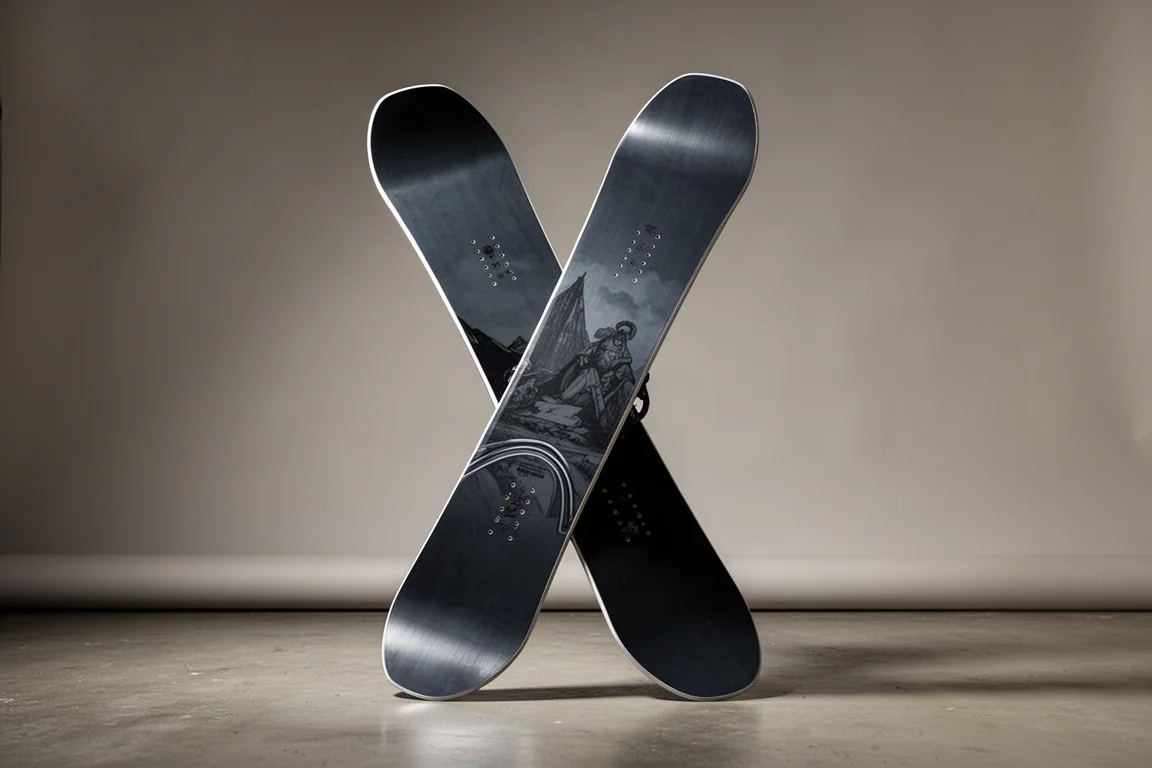
The Ride Burnout is a twin snowboard built around the brand’s Twin Extra Camber profile, which Ride describes as twin cam rocker. In practice that means a very small amount of rocker in the tip and tail paired with an abundance of camber through the middle of the board. The rocker sections are there to ease entry into and out of turns and to create a better sweet spot for pressing, while the camber underfoot supplies the load, pop, snap and drive.
It comes in 149, 152, 155 and 158, plus a 154 wide and a 157 wide, so most riders can find a length that suits their weight and stance.
This board was ridden at Copper Mountain across a genuinely mixed spring day: overcast and blue skies, high winds at times, chopped chunder, warmer temperatures, leftover hot piles, perfect hero snow and corduroy. That spread of conditions is a useful test bed, because it puts both edge hold and stability underfoot on display at the same time.
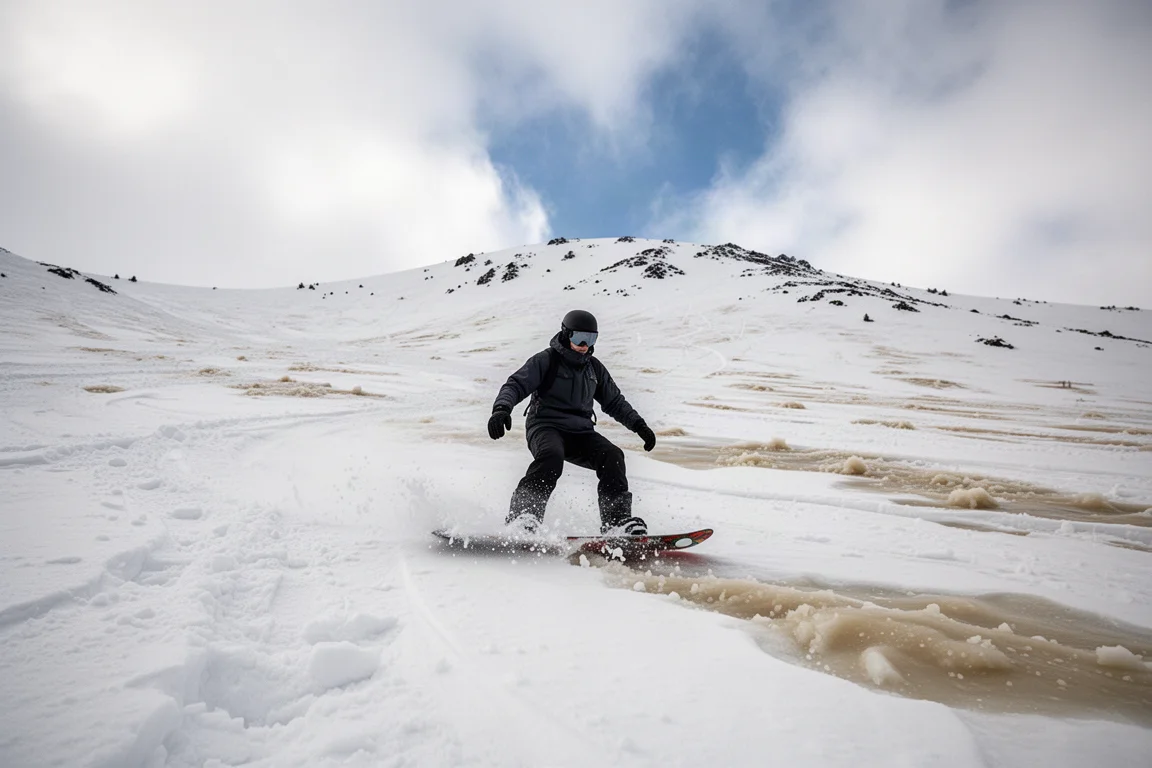
The short version is that the Burnout is a stiff, high-end twin plank. Flex in the tip and tail where the rocker sits is very minimal, and the midsection is simply stiff. Torsional flex is minimal as well, and when you do engage it, it rebounds quickly.
Who This Snowboard Is For
This is a board for heavier riders who want a hard-charging twin for freestyle and carving, and for anyone specifically hunting a super stiff, aggressive twin. It is also aimed at riders who are mostly camber-dominant in their preferences and want a freestyle shape that can still hold a serious edge.
It is not a board for riders who want an easy, forgiving, pressable feel. Ridden in a 155, it delivered a total workout and made clear that it was in charge of the ride rather than the other way around. If you want a board that lets you relax into butters and low-speed jibs, this is the wrong end of the spectrum.
Camber Profile and Ride Feel
The Twin Extra Camber profile does exactly what the name suggests. Minimal rocker at the tip and tail, abundant camber through the middle. The rocker gives you ease of entry in and out of turns, and it creates a better sweet spot for pressing. The camber underfoot gives you the load, pop, snap and drive.
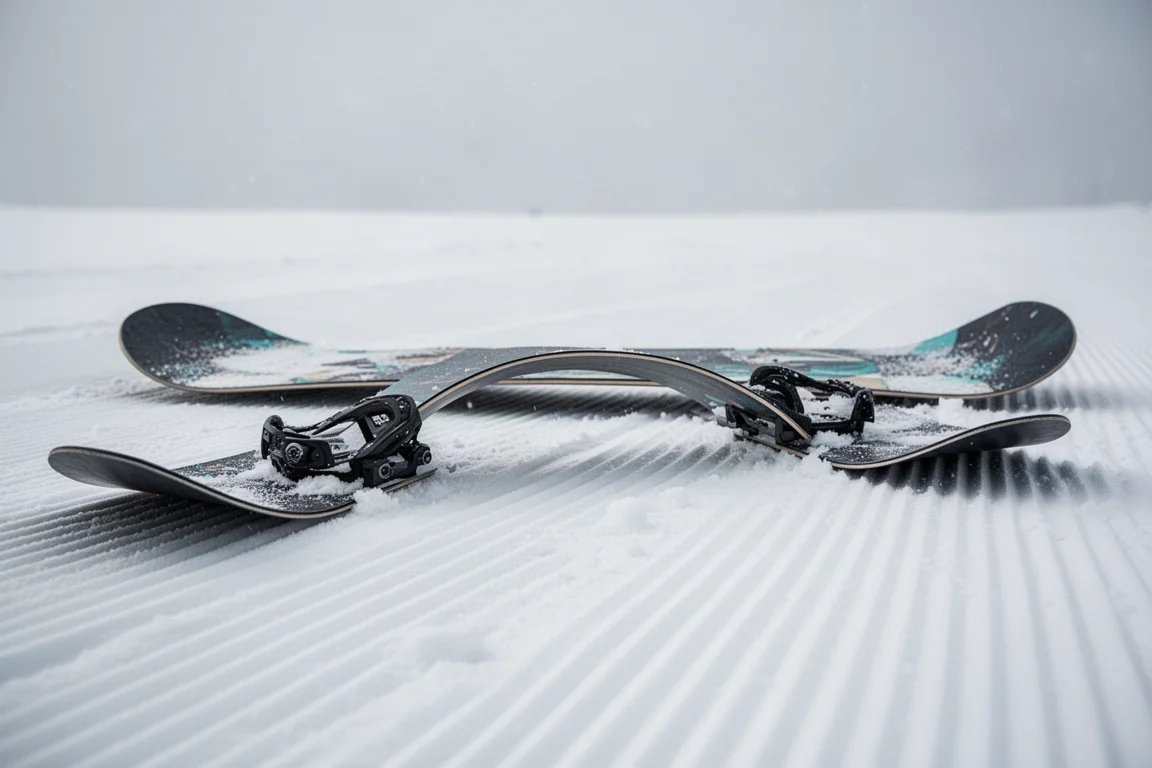
That combination is why the ride feels planted rather than loose. With the stiffness of the board you get a very stable ride, and it pushes through chop and chunder with ease. Even when it is having an issue, it will not let you know: it skips across big ruts without drama. The only way you get bucked from this board is through its own reactivity, when you are not prepared for how quickly it comes back at you.
Power transmission is a defining trait. There is an immense amount of power here, and the edge-to-edge transmission is very smooth. Smooth is not the same as quick or nimble. You go to turn, it engages, and it rolls in. You do engage it from outside the front foot, but you drive it all from the centre of the board back through the tail, and you have to be aggressive with how you drive your knee and load that camber section to get it to grip.
Main Strengths: Stability, Power and Pop
Stability is the headline. This board holds its line in rough, tracked, wind-affected snow and keeps skipping along when other shapes would be chattering or deflecting.
The pop is distinctive, and it rewards a specific technique. If you aggressively load it up and then roll back and snap, you will get in the air, but it is nothing great. If you wait until the very last minute and pop it in an almost skate-like way, rolling back really quickly to engage it, you can boost properly. Spend the time to be calculated with the load and the board dissipates the rebound; leave your load to the last moment and you get more out of it.
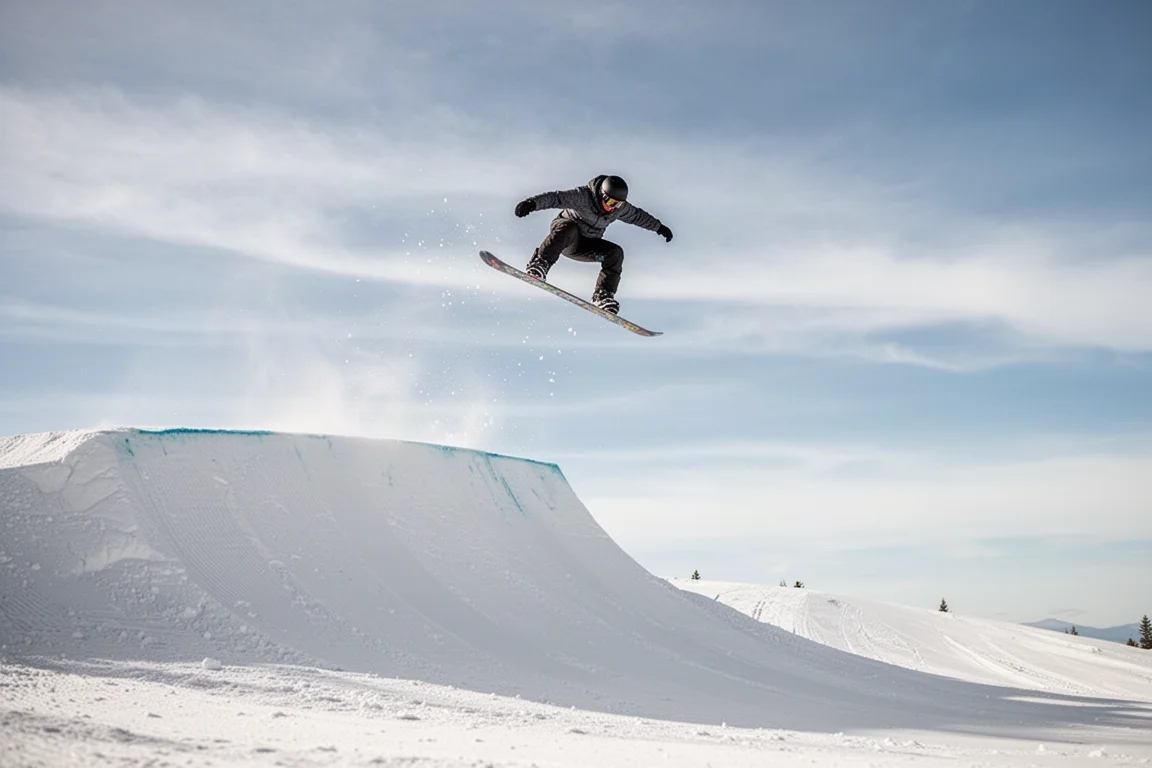
On jumps, skip the small stuff and head straight to the big line. This is where the Burnout is most at home. You can let the lip throw you, or load it up at the last minute and pop. It can handle small features, but it simply does not care for them.
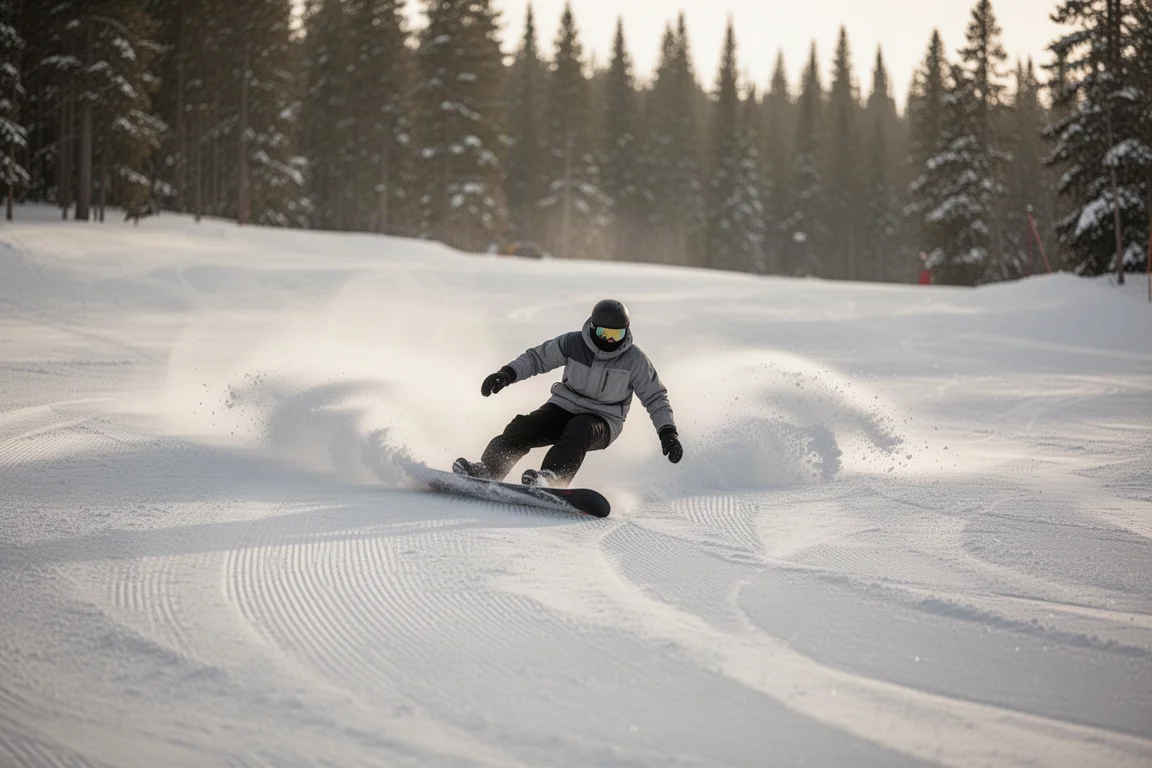
When you want to lay a trench, you can absolutely lay a trench on it, no questions asked. It is at its best in medium carves or deep, hard carves rather than short, tight, quick turns. Those short turns initiate smoothly, but locking in on edge and staying locked in takes real effort.
Things to Consider Before Buying
The stiffness cuts both ways, and it is the main thing to weigh up.
Buttering is where the board gives least back. Because of the flex pattern you do less pressing and more leveraging, meaning you put all your weight into either the nose or the tail and roll into the rocker to get it to lock in. The whole time it fights you, and you get the most minimal butter out of it. In the jib park, unless you are an X Games slopestyle-level rider, you will probably hate it. There is no sweet spot that really presses, you are aggressively leveraging your weight, and it just goes up on the nose or the tail. When you go sideways it is a balancing act rather than something that cradles you.
There is also a clear generational point. Having ridden the previous Burnout and knowing that it was already aggressive, this version is noticeably stiffer than that one. It is a next-level flex by comparison. That is worth knowing if you liked the older board and are expecting a like-for-like replacement.
On the plus side, the tip shape is genuinely appealing. It is very reminiscent of a late nineties or early two-thousands deck, and it gives the board a distinctive, purposeful look.
Size Options and Setup
The size run covers 149, 152, 155 and 158 in the standard widths, plus a 154 wide and a 157 wide. Because the board is stiff and demands a lot of input, sizing is worth taking seriously: it wants a rider who can drive it, and the 155 was already a full-body effort to steer in short, tight turns.
Setup matters here too. A stiff, powerful, camber-dominant twin pairs best with a binding and boot setup that can transfer your input quickly and without slop. If your current setup is soft and forgiving, you will feel the mismatch before you feel the board’s strengths.
Buying Advice
Buy the Ride Burnout if you are a heavier or stronger rider who wants a hard-charging twin for freestyle and carving, and if you are happy to bring your A-game to every turn. It rewards deliberate, well-timed input and punishes hesitation, which is exactly the trade-off you accept when you buy a board this stiff.
Do not buy it if you want a playful, pressable, low-consequence park board, or if you spend most of your time on short, tight, quick turns where you need the board to do some of the work for you. The effort required to lock it in and keep it locked in is real, and the minimal butter and jib performance will frustrate anyone who wants that side of freestyle.
The fair way to frame it is this: if you are looking for a high-end, stiff freestyle twin that is mostly camber dominant, the Burnout is not a bad option. It is a specialist board with a clear brief, and it delivers on that brief.
Conclusion
The Ride Burnout is a stiff, mostly camber twin with minimal tip and tail rocker, built for stability, power and a very particular style of last-minute pop. It skips through chop and chunder without complaint, lays a serious trench, and shines on big jumps and medium to deep carves. It fights you in the butter and jib department, and the current version is stiffer than the Burnout that came before it. Buy it for what it is good at, and it will reward a rider who is prepared to drive it hard.
Product link
View more details for Ride Burnout
This product is mentioned in the review. Check the specifications, options, and compatibility before buying.
View more details for Ride BurnoutFurther reading
Related Reviews
Snowboard Reviews
Arbor Element Rocker vs Camber: One Shape, Two Ride Personalities
A practical look at the Arbor Element all-mountain twin in both System Rocker and Camber profiles, covering Grip Tech edge hold, sustainability, sizing, and who each version suits.
Snowboard Reviews
Battalion Whatever 157 Review: A Forgiving Directional Twin With Real Freestyle Potential
A soft-flexing directional twin aimed at riders who want a playful, forgiving all-mountain board that refuses to catch an edge.
Snowboard Reviews
Capita Ultrafear Camber Review: A Consistent Park Board for Freestyle Riders
A practical look at the Capita Ultrafear Camber, its Resort V1 profile, flex character, jib and jump behaviour, and who it genuinely suits.