Flashlights
Reylight Pineapple Mini Mark III Review: A Titanium EDC Flashlight Worth the Hype
A compact titanium everyday carry flashlight with four programmable groups, a 0.2-lumen moonlight mode, and a genuinely excellent pocket clip.
Introduction
Some everyday carry flashlights earn their spot through raw power. The Reylight Pineapple Mini Mark III earns it differently: it is small, thoughtfully built, and tuned for the way people actually use a pocket light day to day. It is available in aluminum and titanium, and the titanium version reviewed here sits just under $70 at $69.99. The aluminum version costs considerably less if you want the same light in a cheaper material.
After extended use, this light has quietly become a favorite daily carry, and it is easy to see why once you look at the details.
Build, Finishes, and Pocket Clip
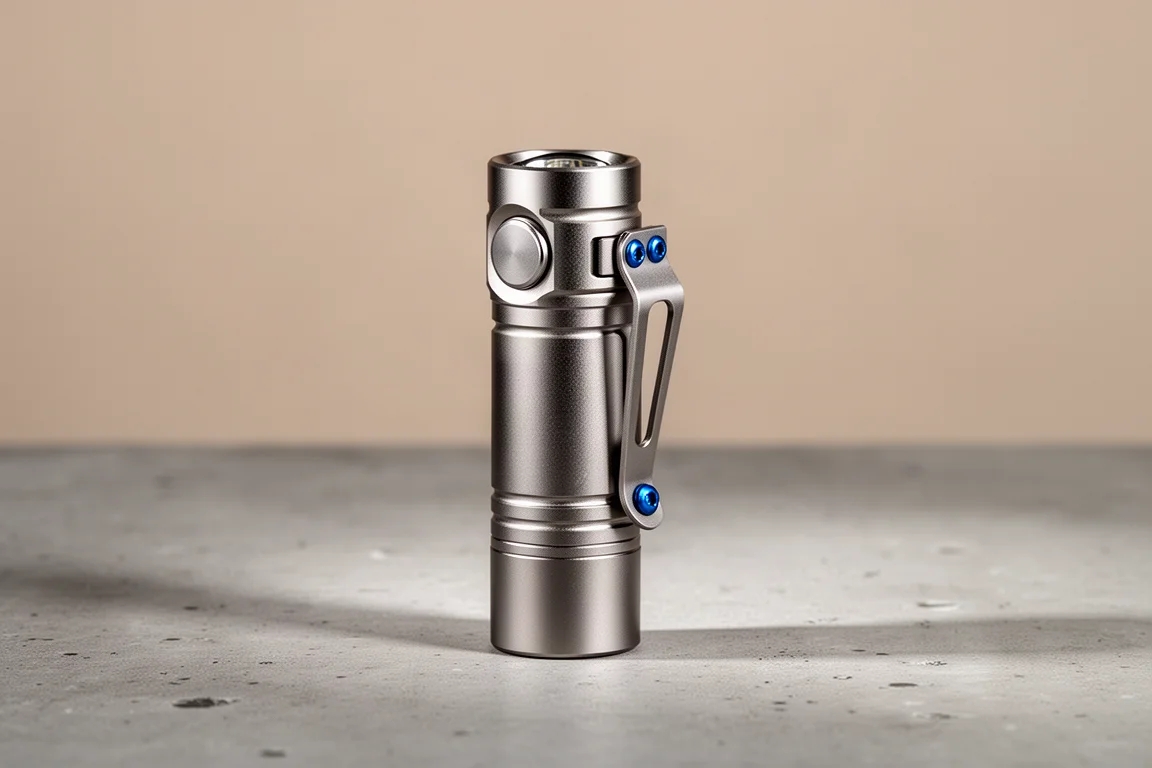
The titanium version ships in three finishes: raw, bead blasted, and stone washed. Within those finishes there are three styles: smooth, ribbed, and a frag pattern. The raw frag pattern looks particularly striking, but the clean aesthetic of the raw smooth version is equally appealing. Fit and finish across the body is top-notch, with a satisfying overall build quality that feels a step above most lights at this size.
The CNC machined titanium pocket clip deserves special mention. It is one of the better pocket clips around, with plenty of tension, and it leaves about half an inch of the light exposed above the pocket. It is not a true deep-carry clip, but the partial exposure makes grabbing it quick and easy. The clip screws are anodized titanium in blue, a small contrast detail that looks great against the smooth raw titanium body.
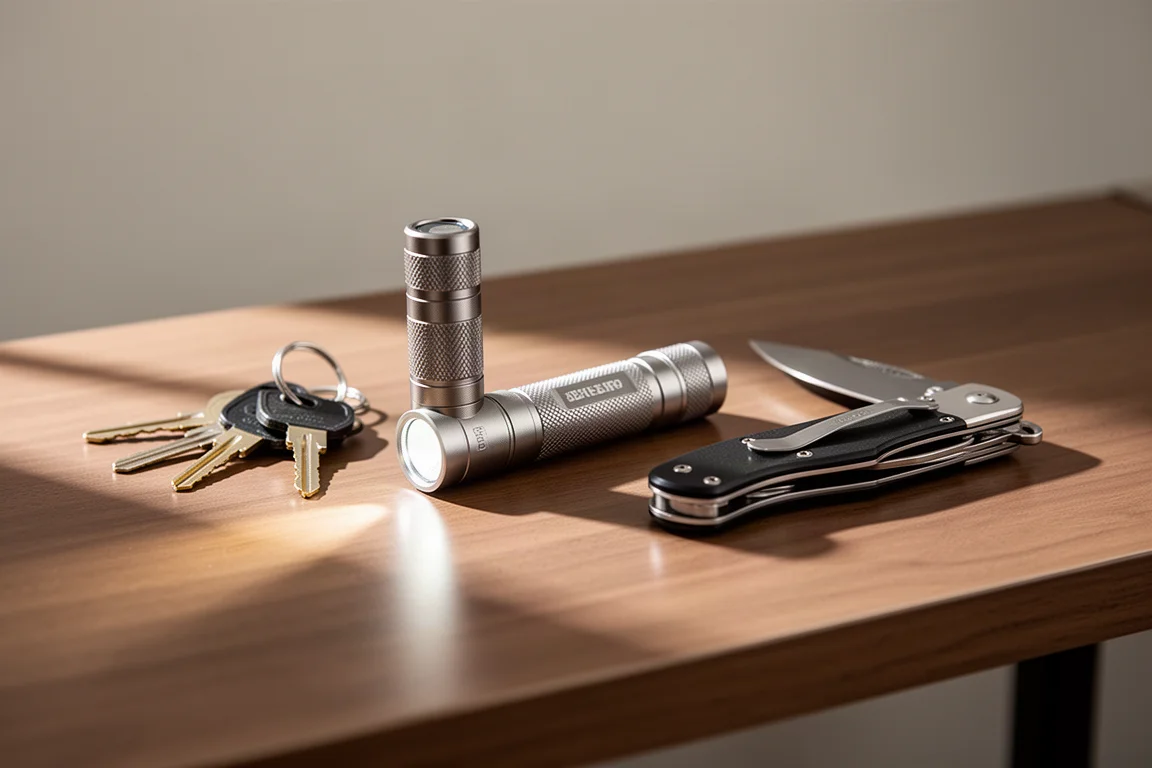
There are also tritium slots on the pocket clip and tail switch, ready for tritium vials if you want a permanent glow marker. A subtle glow ring around the inside of the lens lights up briefly after use, though it fades quickly. The metal, recessed tail switch also allows the light to tail stand, a nice practical touch.
Emitter and Light Quality
Down the barrel sits a Firefly Light FFL-351A emitter, offered as an alternative to the Nichia 519A, both of which are available with this light. The main difference is color temperature: the Nichia runs about 4,000K, while the FFL-351A is about 4,500K. Both are high CRI emitters.
The 4,500K output is a very pleasant warm-to-neutral white, which suits a small everyday carry light far better than a cool white. The reflector is shallow with a slight orange peel texture, so this is not a thrower and it never tries to be. It simply delivers capable, even light whenever you need it.
Modes, Programming, and UI
The Pineapple Mini Mark III has four programmable group modes. Out of the box it ships in group one, which runs moonlight, low, medium, and high. Four modes sounds limited on paper, but it still offers more configurability than the vast majority of flashlights on the market.
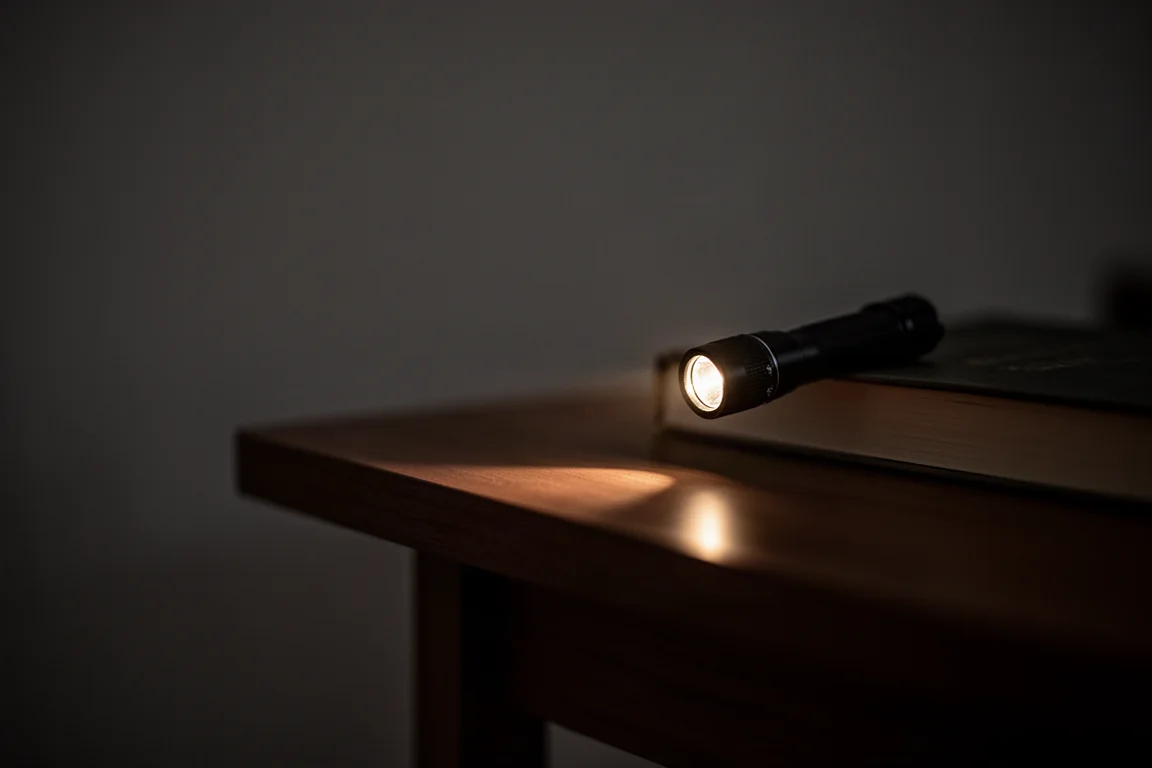
The standout is moonlight mode at 0.2 lumens. That is genuinely, impressively dim, and it is perfect for navigating a dark room at night without disturbing anyone. One full press of the tail switch starts on moonlight, then half presses step through the modes.
Programming is simple once you get the hang of it: with the light on, half press the tail switch eight times, and the light flashes out the group number before a strobe. Half press during the strobe to accept the group that was flashed. Beyond group switching, you can toggle memory on or off, enable or disable moonlight, reverse the mode order so it starts on high, or perform a factory reset.
Beam Profile and Runtime
In real-world testing, the light peaked at about 320 lumens on high. For a compact everyday carry light, roughly 300 lumens is plenty for most tasks. The trade-off is runtime: you only get about a minute at full 300-plus lumen output before brightness drops off noticeably.
On medium, the beam profile is well balanced. There is a defined hotspot with a soft outer perimeter, and the transition between the two is fairly smooth. The light will barely reach a distant barn or tree line at distance, which confirms its character: this is a flood-oriented utility light, not a thrower, and the beam is pleasant and usable for everything at hand.
Things to Consider Before Buying
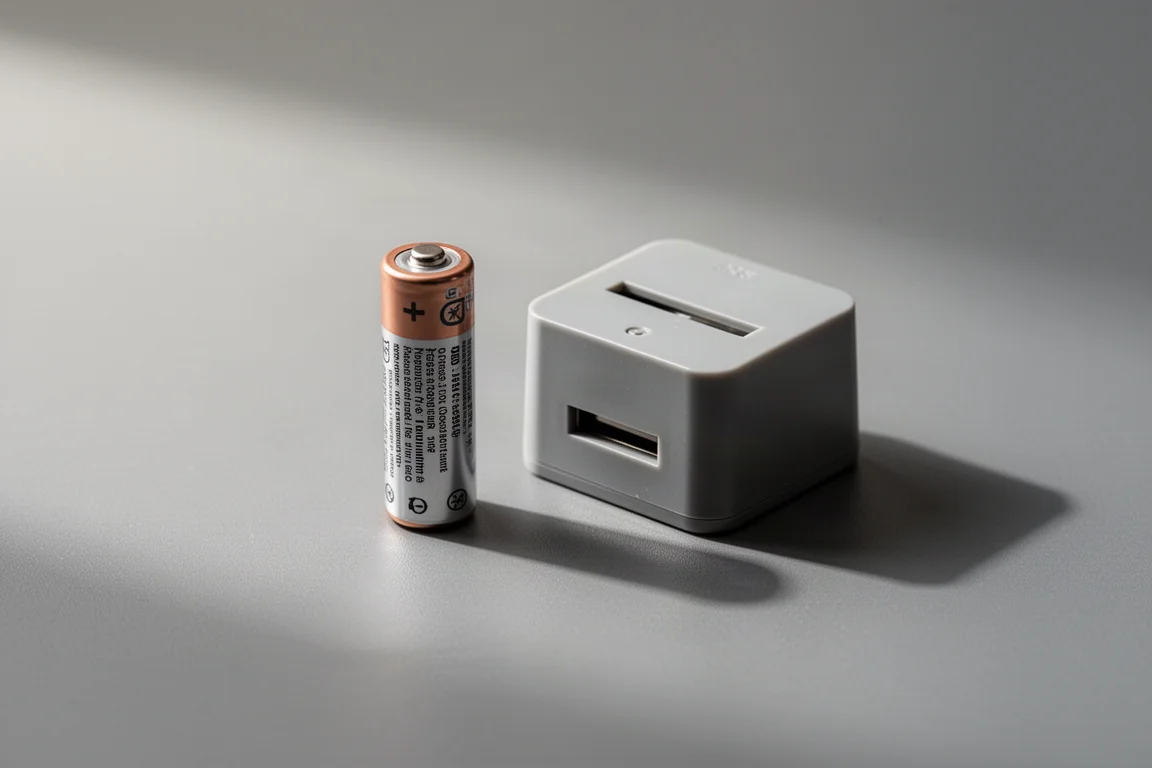
The most obvious compromise is the battery. The included 10440 rechargeable lithium-ion cell is only 350mAh, roughly the size of a AAA battery. It charges quickly in a slot charger, but the cell does not have a USB port, so external charging is required. The second consideration is throw: there is very little of it, though the light never positions itself as a thrower in the first place.
Finally, there is price. At $69.99 the titanium version is pricey for what it is, and the aluminum version delivers much of the same experience for less money. Whether the titanium premium is worth it comes down to how much you value the material, the finish options, and the feel in hand.
Buying Advice
Choose the titanium Pineapple Mini Mark III if you appreciate premium materials, want the finish and style options, and plan to carry it daily for years. Choose the aluminum version if you want the same interface, emitter options, and compact size at a lower price. Fans of warm-neutral EDC lights should pick the FFL-351A emitter at 4,500K; those who prefer a slightly warmer tint can go with the 4,000K Nichia 519A.
Conclusion
The Reylight Pineapple Mini Mark III is a genuinely excellent compact everyday carry flashlight. Excellent build quality, a superb titanium pocket clip, flexible programmable groups, and a beautifully dim 0.2-lumen moonlight mode make it easy to recommend, as long as you accept the small battery, limited throw, and titanium pricing. For daily carry use, it is hard to beat.
Product link
View more details for Reylight Pineapple Mini Mark III
This product is mentioned in the review. Check the specifications, options, and compatibility before buying.
View more details for Reylight Pineapple Mini Mark IIIFurther reading
Related Reviews
Flashlights
Best Flashlights 2026: Brightness, Battery, and Value Compared
We tested 18 flashlights across a wide price range to find the best performers in brightness, battery life, and durability.
Flashlights
Nitecore LA10 Review: A Tiny 2-in-1 Lantern That Nails the Basics
The Nitecore LA10 pairs a pocket-sized lantern with a single AA battery, a magnetic tail cap and a five-year warranty. Here is where it shines and where it struggles.
Flashlights
Wuben G5 Review: A Compact Everyday Carry Flashlight
The Wuben G5 is a small, rechargeable flashlight with a pivoting head, magnetic base, and color modes. Here is how it performs as an everyday carry light.