Everyday Carry
Renovation EDC Lessons: The Everyday Gear That Earned Its Pocket Time
Two months of moving into a 70-plus-year-old house revealed which everyday carry items actually build confidence, and which ones end up lost in a drawer.
Introduction
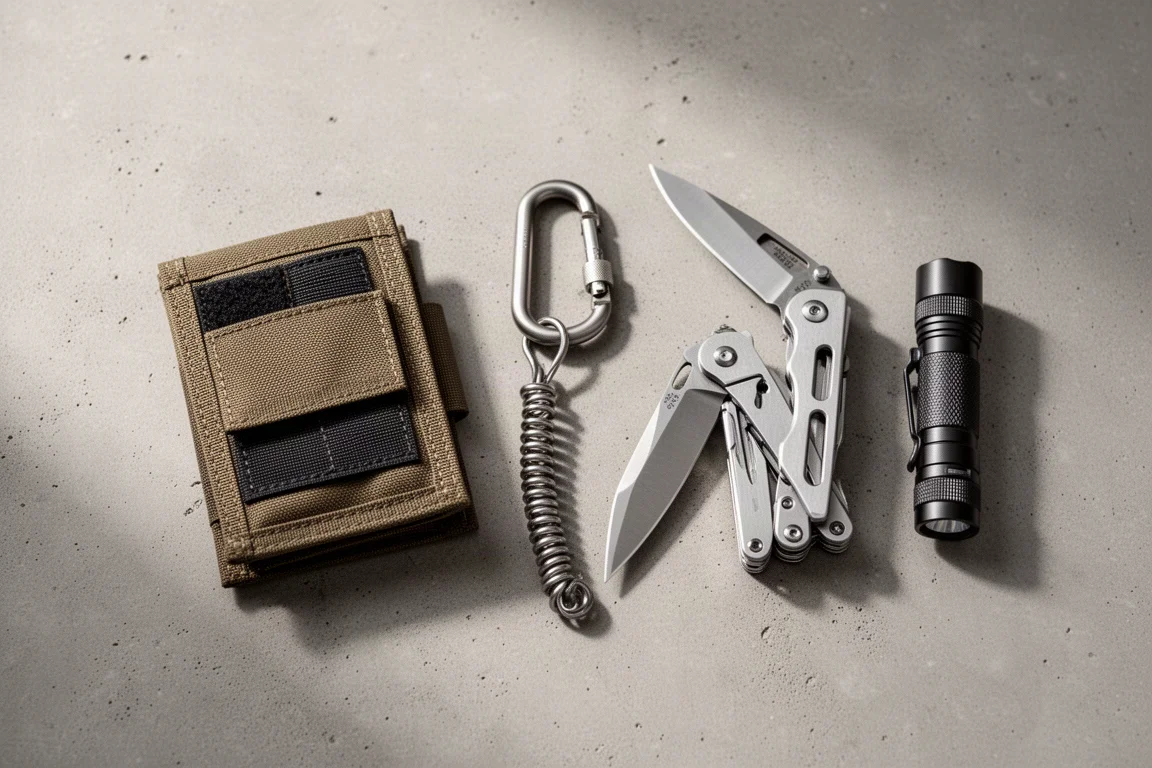
After roughly two months spent moving into a 70-plus-year-old house full of original windows, doors, and hardware, one thing became clear: the everyday carry that works on an average day is not always the everyday carry that works during a renovation. Hundreds of small tasks, from scraping paint splatter off window panes to pulling splinters, reshaped which items actually earned pocket time.
Two big lessons came out of the experience. First, it does not matter how expensive or well-made something is. If it does not give you confidence in your capability, do not carry it. A $30 tool you trust beats a $200 tool you second-guess. Second, constantly swapping gear prevents you from developing muscle memory. During the move, four tape measures and five flashlights ended up scattered across three floors with none findable when needed. Use the same tool repeatedly, and it stops getting lost.
Here is the gear that survived the process, and what was learned about each piece.
The Wallet: Lochby Sidekick
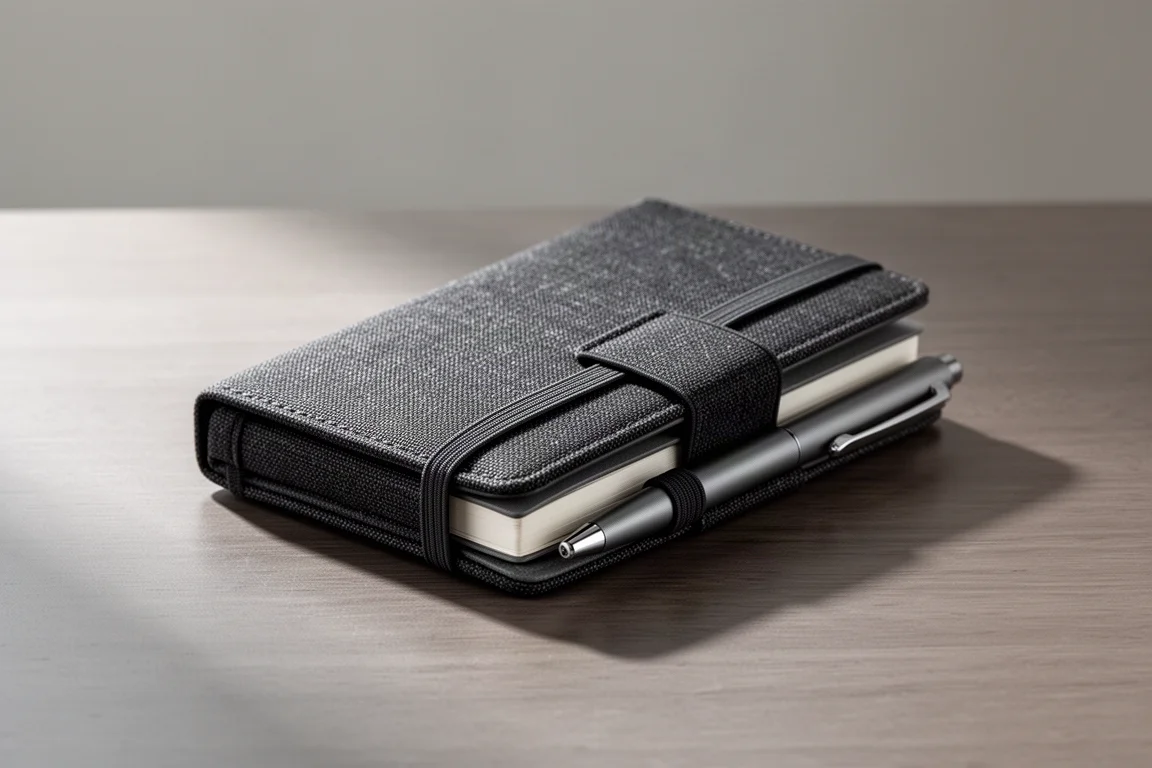
The wallet has not changed in over a year. The Lochby Sidekick is a collaborative design that carries a notebook, a pen, and a couple of key items: an MRF ruler card and a tiny bladeless scissors. The wallet itself is currently out of stock, with a version three planned that was not part of the original collaboration.
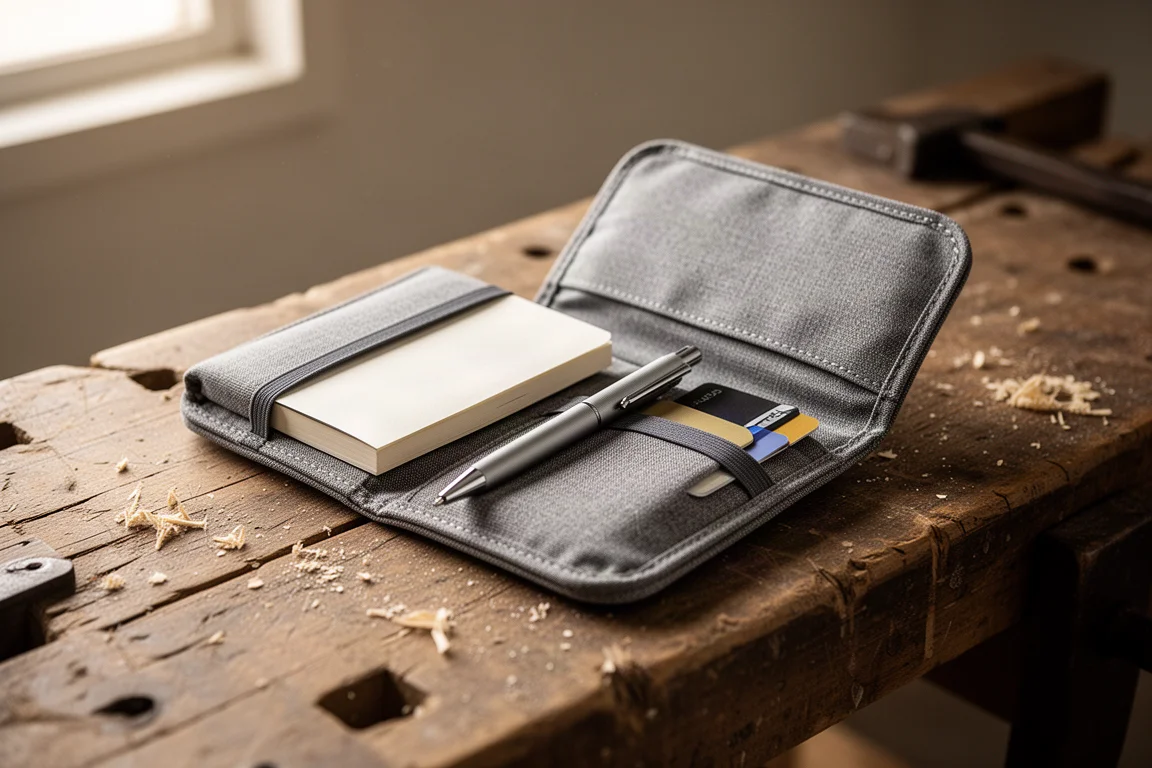
One small addition proved its worth repeatedly. After grinding a pair of tweezers in the wallet’s scissors to a sharper point, they began working similarly to a dedicated sliver gripper. The wallet setup with tweezers tucked inside is a configuration that is not changing anytime soon.
Uncle Bill’s Sliver Tweezers
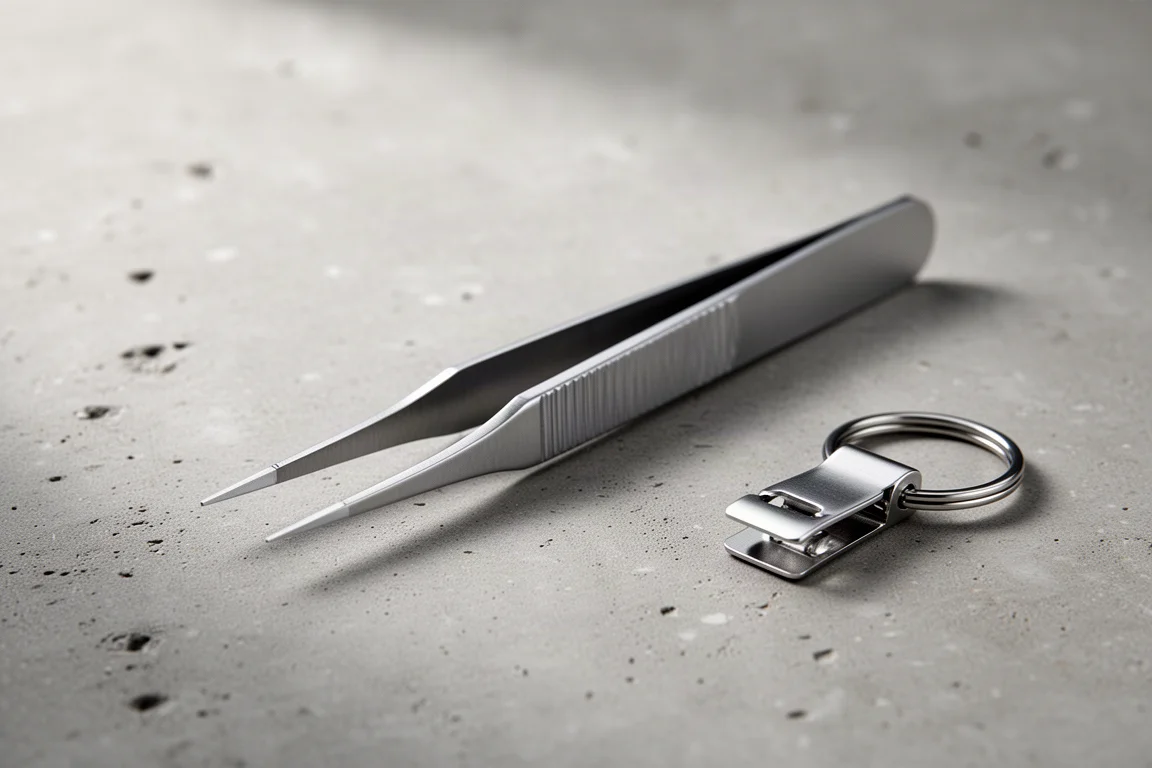
Tweezers turned out to be the surprise MVP of the whole project. Over about 60 days, splinters needed pulling roughly a dozen times, either from the writer or from someone else. The Uncle Bill’s Sliver Gripper, clipped to a keychain, was the right tool every single time.
Made in America, easy to attach to a keychain, and far more effective than the tweezers found on many multi-tools, it is a small, inexpensive addition with an outsized payoff. It is hard to think of another item at this price that gets used this often.
The Keys: A Titanium Carabiner Setup
Getting locked out multiple times in under two months forced a rebuild of the key setup. The solution that finally worked was simple: an inexpensive titanium carabiner with a magnetic attachment for the car key, a shortened steel coiled lanyard, and a Nite Ize carabiner holding the rest of the keys.
The titanium mattered because a steel carabiner from another brand interfered with the magnetic connection, and a larger titanium option from another maker was simply too big. The final setup keeps the car key hanging outside the pocket and everything else inside, silent, with keys that never come off by accident. Once switched over, key problems disappeared entirely.
Victorinox 58mm Custom
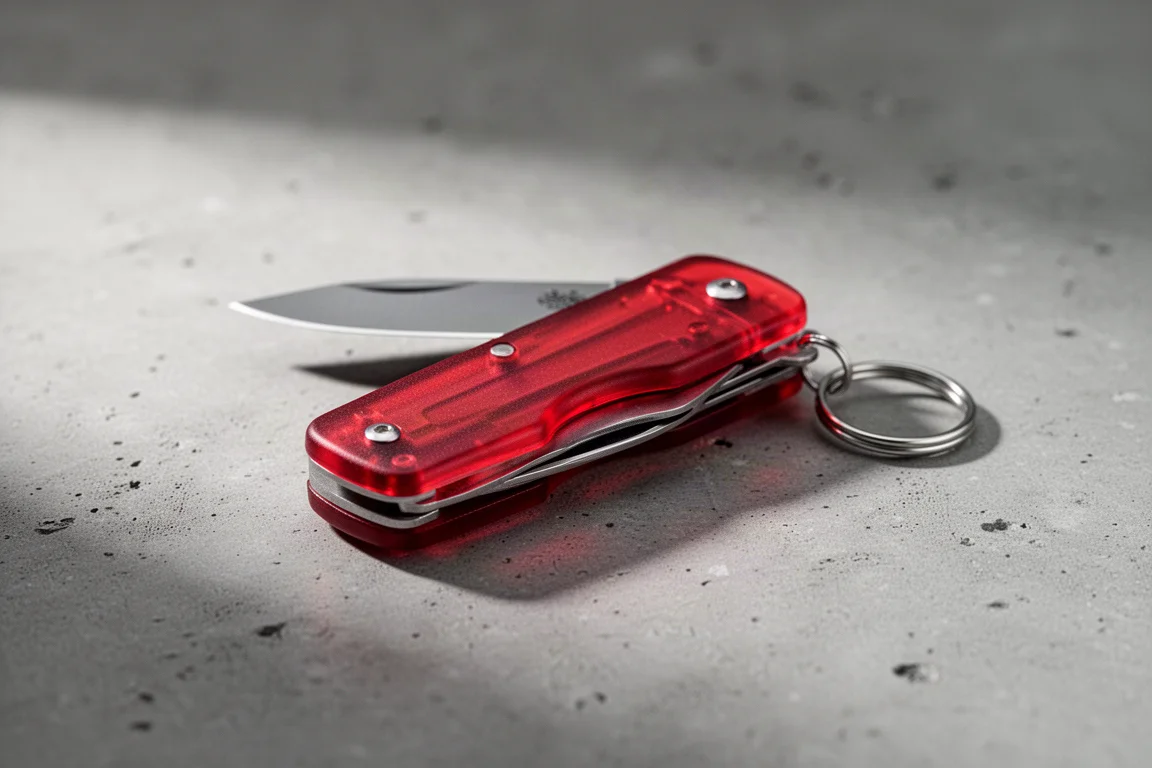
The Victorinox 58mm Custom rode along on the keychain during the heaviest part of the work. Nearly nothing on it got used except the small light on the modular scale, and that light came in clutch again and again whenever a flashlight got set down and lost.
It was not the perfect flashlight for the job, but it saved real time on multiple occasions. Once the larger flashlight routine got solved with better habits, the 58mm came off the keyring, but it is a compact piece of insurance worth considering.
Utility Knife and Tape Measure
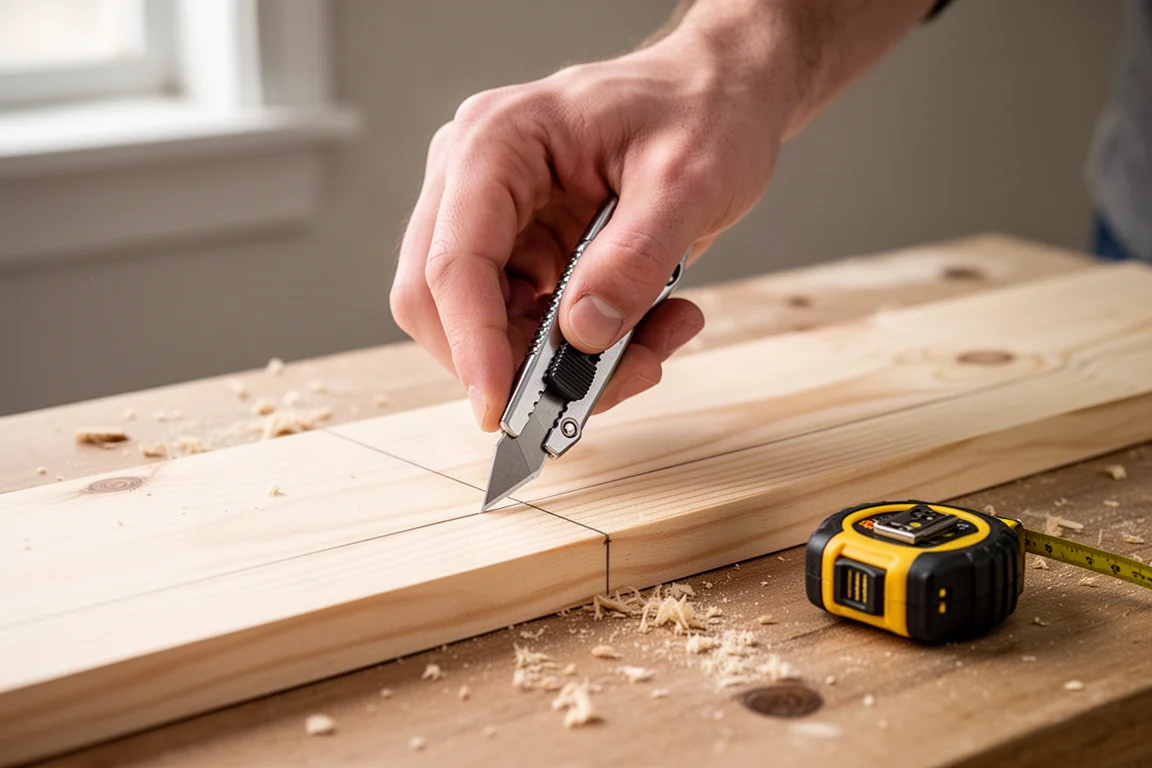
During renovations, the most important pocket tools are a cheap utility knife and a pocket tape measure. Expensive knives are not the answer here. You need something you can drop, lose, and replace without wasting time hunting for it.
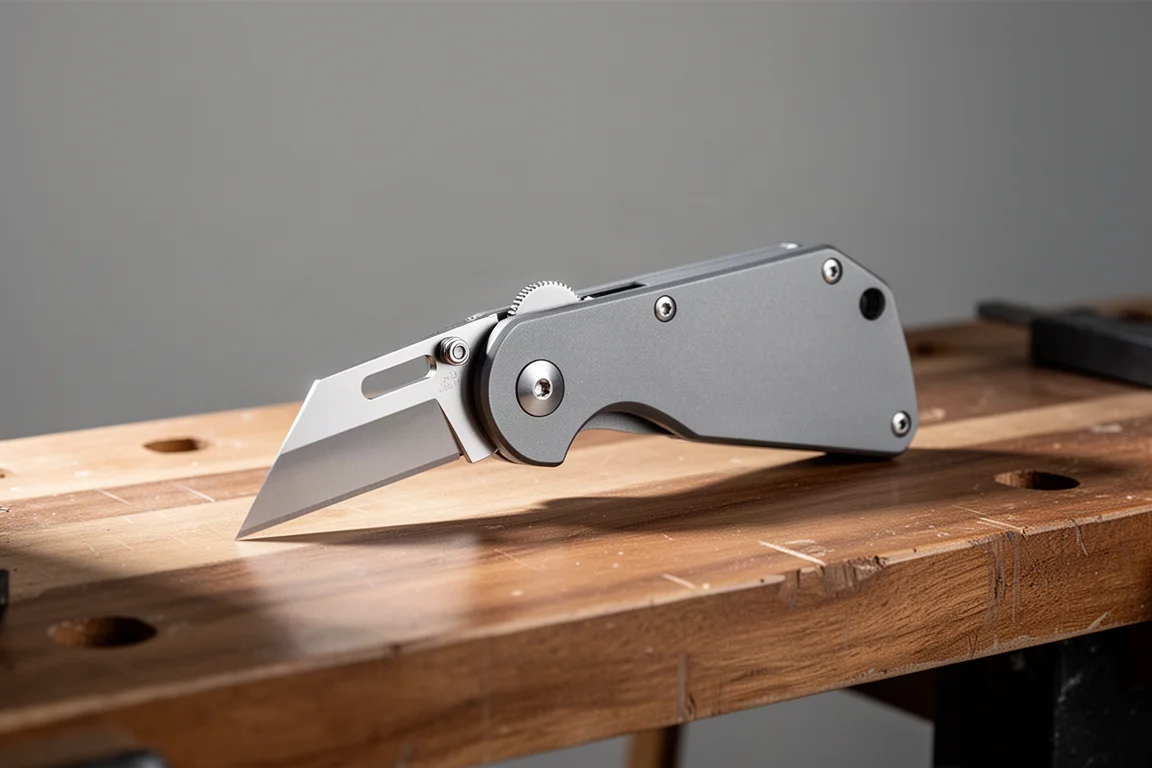
The Milwaukee Fastback 6-in-1 started things off. It is a genuinely good one-handed utility knife with spare blade storage and a 1/4-inch bit driver on the back. In practice, that bit driver went unused because the Phillips and flathead drivers on the carried multi-tool were better, making it feel somewhat redundant.
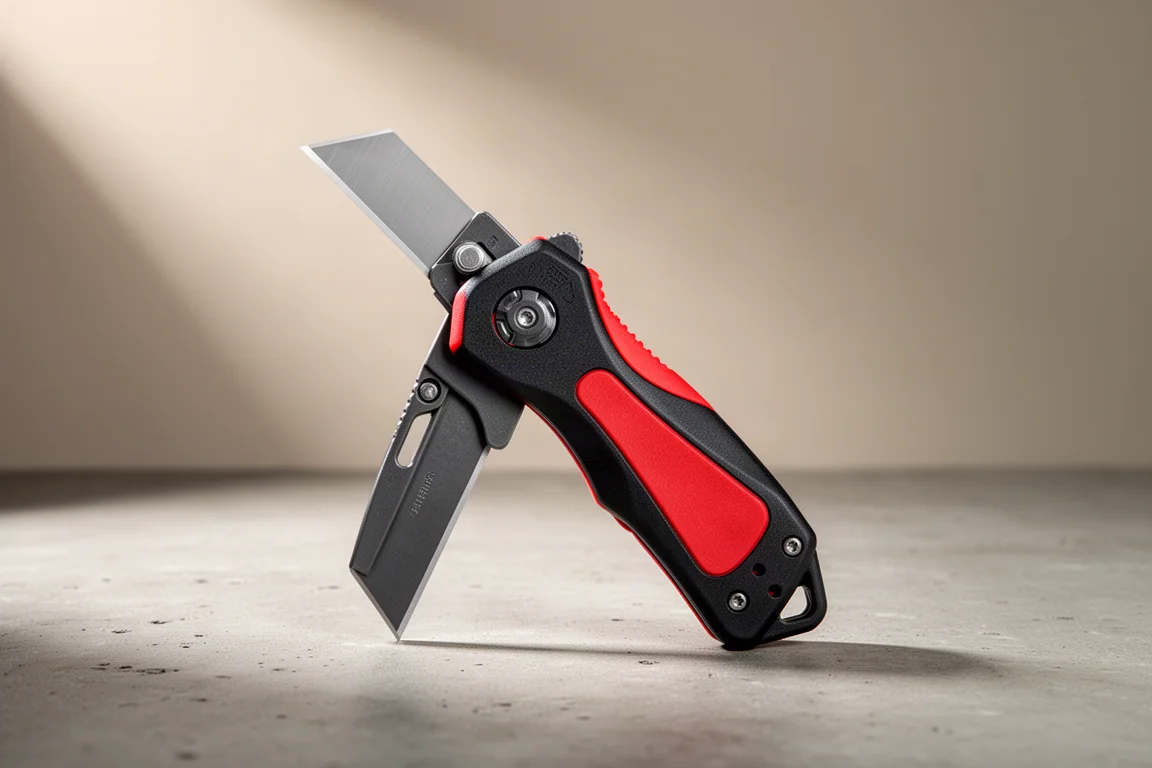
The Klein Flick Blade became the favorite. Found at a big box store for about $10, it offers a standard utility knife, a lockable angled position for aggressive cuts, and the standout feature: a scraper in the back that uses standard utility knife blades. After a painter left splattered paint on nearly every window pane and grout residue covered tiles, the scraper saw more use than ever before in years of carrying tools.
Two critiques keep it from perfection: the pocket clip is not tall enough and can bend out on thicker reinforced work pants, and it lacks the small cutout next to the blade that the Fastback has, which engages a tape measure hook for exact measurements before a cut. Fix those two things and it would arguably be the best utility knife available. Three of them now live in rotation: one in a pocket, one in a junk drawer, one in a toolbox.
On the tape measure side, larger belt-clip models kept getting misplaced. The solution was a compact pocket-sized tape measure with graduations on the bottom, an architectural scale, hooks on both the top and bottom, and a tension-hold button that is not a full lock. It fits in a pocket, was inexpensive, and had roughly 9 feet of standout rigidity before breaking over. Unless you are doing major construction with lumber and sheet goods, this size covers nearly everything an average person needs.
The Multi-Tool Tests: Leatherman Arc and Gerber Center Drive
As a multi-tool-first person, the bench marks for this category were set high. Two alternatives got honest trials against the favorite.
The Leatherman Arc is a solid platform, and the one-handed opening is undeniably convenient. Notable findings came from comparing it with the 40th anniversary edition, whose spring-loaded pliers with adjustable pivot are excellent and arguably what Leatherman should be offering across the line. The Arc’s pliers feel slightly tight and overpinned but remain useful.
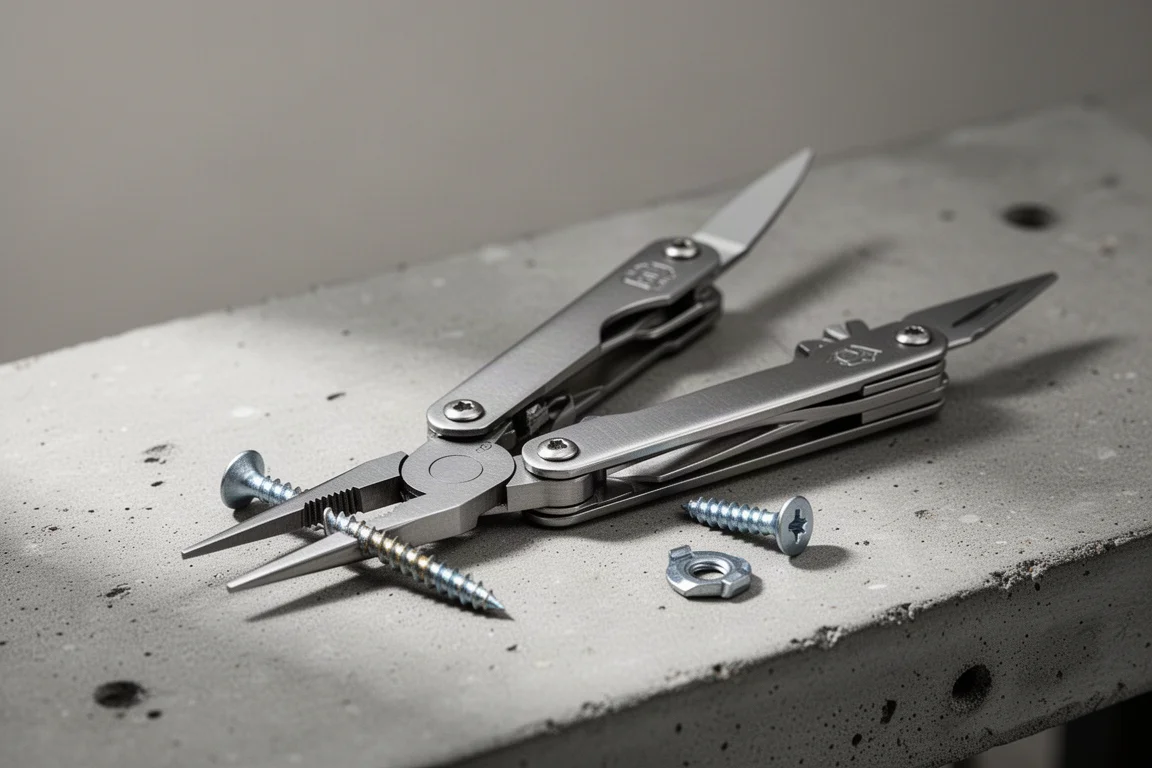
Where both fell down is the flat bit holder system. Within four uses of the Phillips bits, one bit was already replaced and one screw already stripped, even with careful pressure. The flat bits barely engage fasteners, offer only about a centimeter of reach into recessed areas, and are a clear step down from a dedicated driver. Unless a bit extender allows standard quarter-inch bits, this system is hard to recommend. Everything else on the tool, including the hammering section, performed fine. The comparison made the Leatherman Free P4, with its dedicated drivers, look better by contrast.
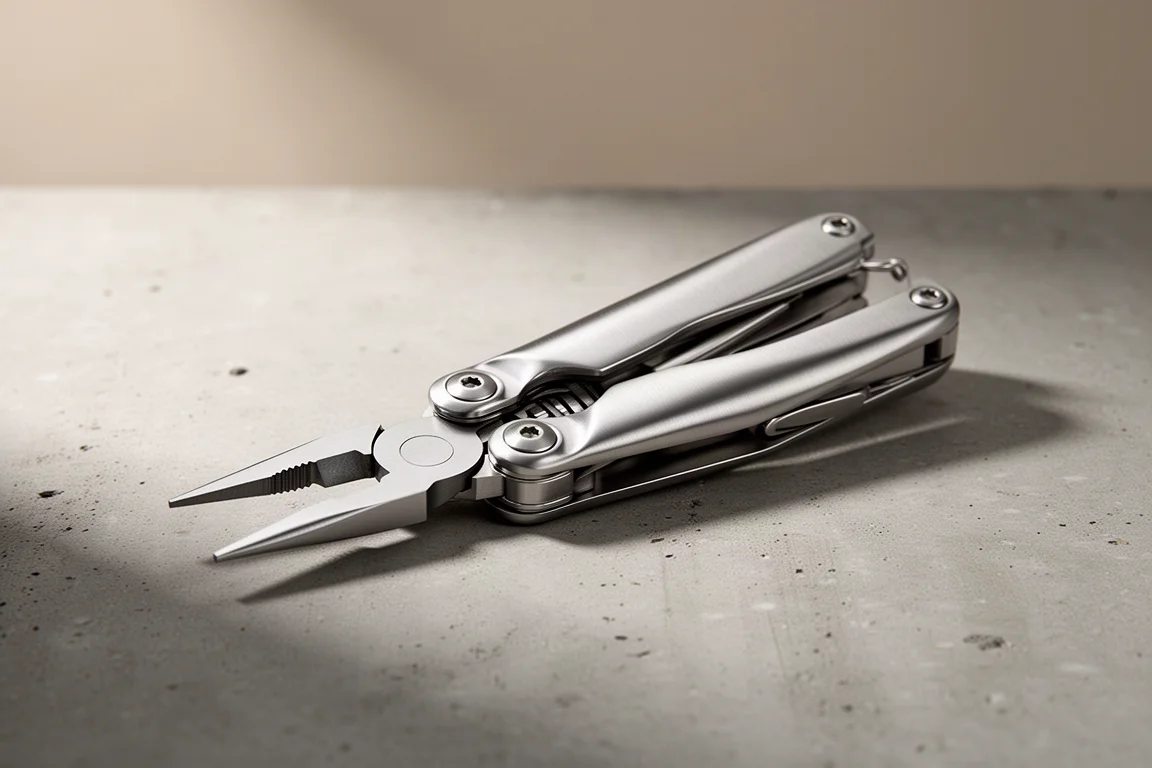
The Gerber Center Drive spent six or seven days on the hip and came away well regarded. It pairs full 1/4-inch bits in a quality sheath with comfortable spring-loaded pliers, a comfortable one-handed blade, and its namesake center-mounted bit driver that feels close to using a normal screwdriver. The one concern: when tightening a hex fastener to higher torque, the cast steel driver began to feel like it was twisting slightly. Nothing broke, but it did not inspire the same confidence as a forged dedicated driver. Overall, a strong tool with a small asterisk on high-torque work.
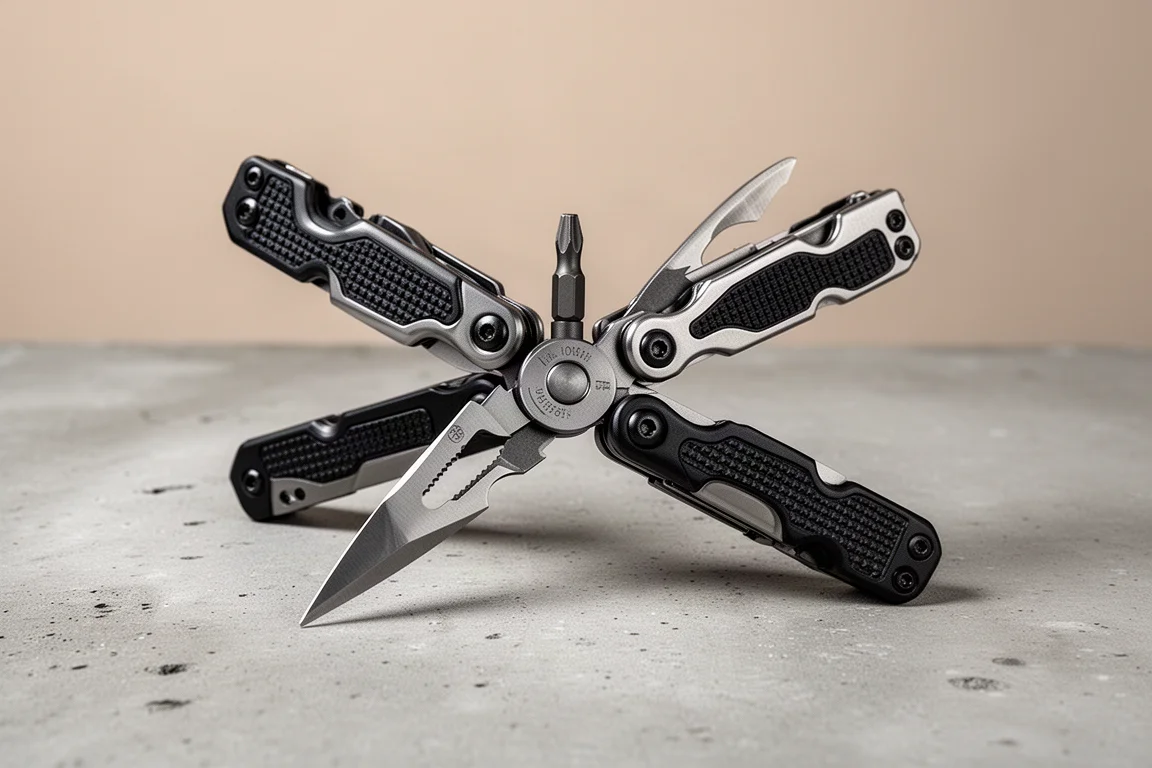
Victorinox SwissTool MX Clip
The SwissTool MX Clip is the favorite, and after weeks of use well beyond its normal scope, confidence in it is now even higher. This tool overperforms dramatically. Prying jobs that frankly called for a crowbar were attempted with the flathead, which took slight damage, was easily reprofiled, and kept working. The limits were pushed and never actually found.
Nearly every implement got used except the saw and can opener. The reamer drilled holes, the chisel scraped and dug glue out of corners, and the Phillips driver, arguably a favorite Phillips of any multi-tool, engaged recessed fasteners completely and transferred serious force without slipping. After a couple of weeks, this remains the one tool that could be recommended to almost anyone.
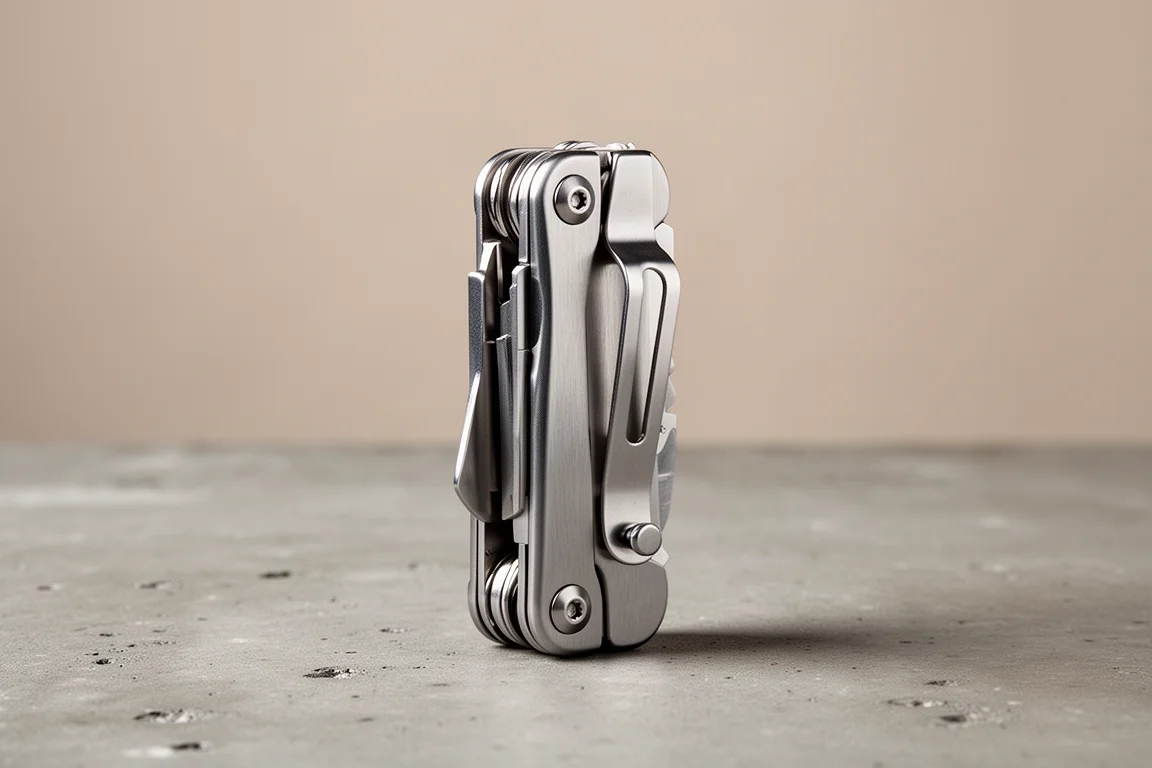
Victorinox SwissTool X
The SwissTool X, Victorinox’s scissor-based heavy-duty tool, was one of the biggest surprises of the entire period. The pliers are noticeably beefier and stronger than the Spirit’s, and the extra centimeter of length adds leverage that reduces the force needed at the handles. It is a monster.
A few elements are worse than the Spirit: the chisel needs a redesign to match it, and the flathead, while still good for prying, is not as robust. For pure pocket carry, the Spirit still has the edge, but as a heavy-duty option, the SwissTool X over-delivered.
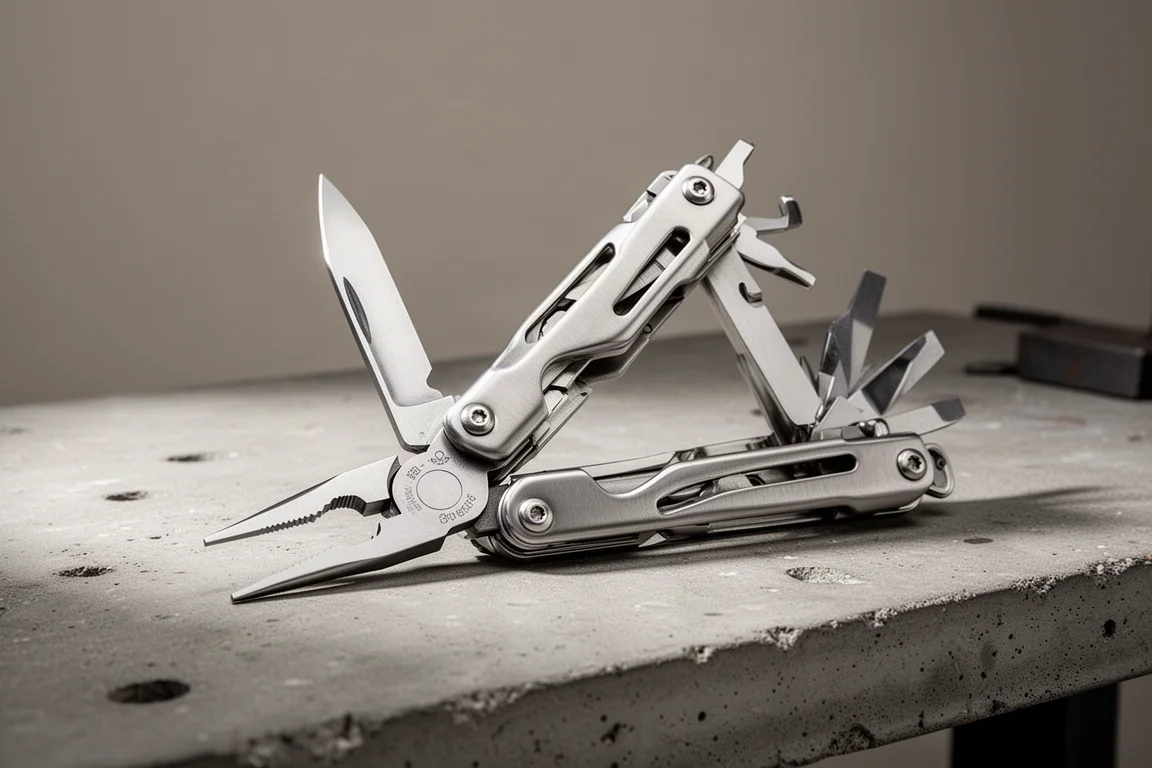
Victorinox SwissTool Spirit
The Spirit remains the pick for in-pocket carry. Its flathead is more robust for prying, its chisel design is better executed, and it is generally the more refined everyday package. The scissors, however, are consistently better on the SwissTool X side of the family, so the choice depends on whether everyday refinement or heavy-duty pliers matter more to you.
Both tools benefit from a simple rule learned during the project: if a job needs more than a Phillips or flathead, go get the real tool. Bit kits are not worth carrying on your person.
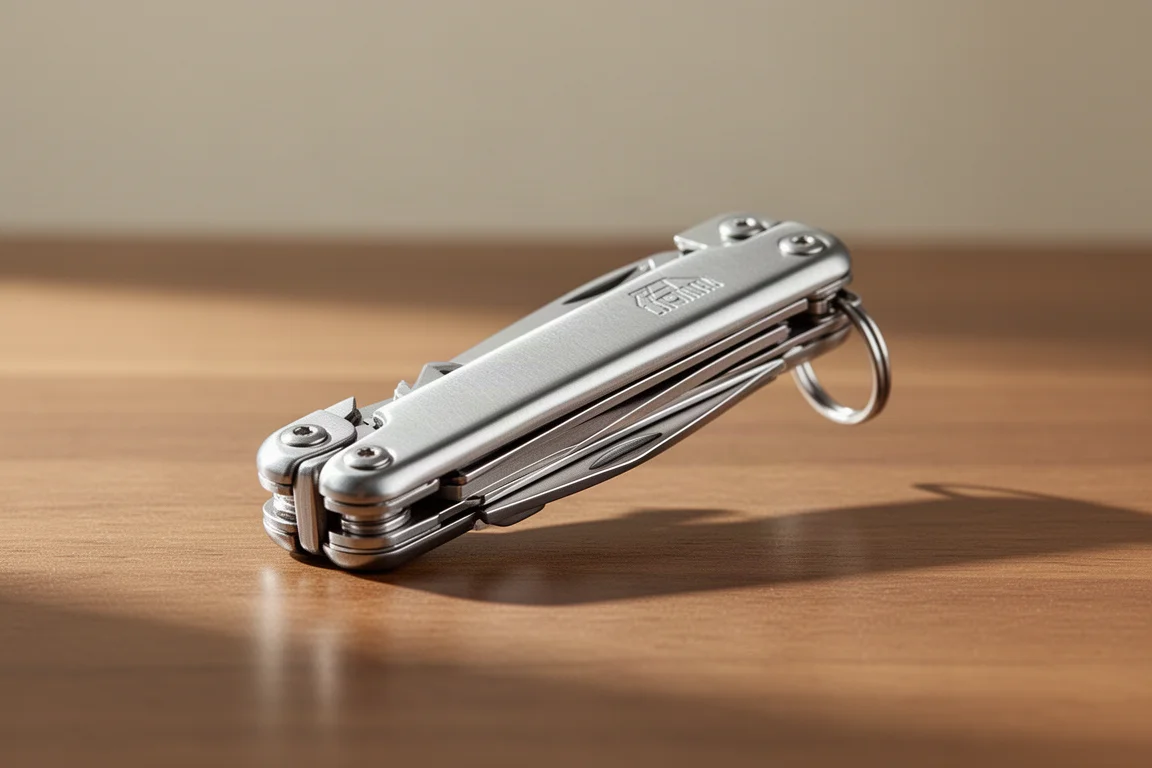
Smith’s Diamond Sharpener
The Smith’s diamond sharpener turned out to be a natural companion to the SwissTool system. Beyond sharpening, it was used for modifying a few metal parts, and it fills in some of the gaps the multi-tool system otherwise leaves. It slots into the kit’s storage without adding bulk, making it a practical finishing touch for the setup.
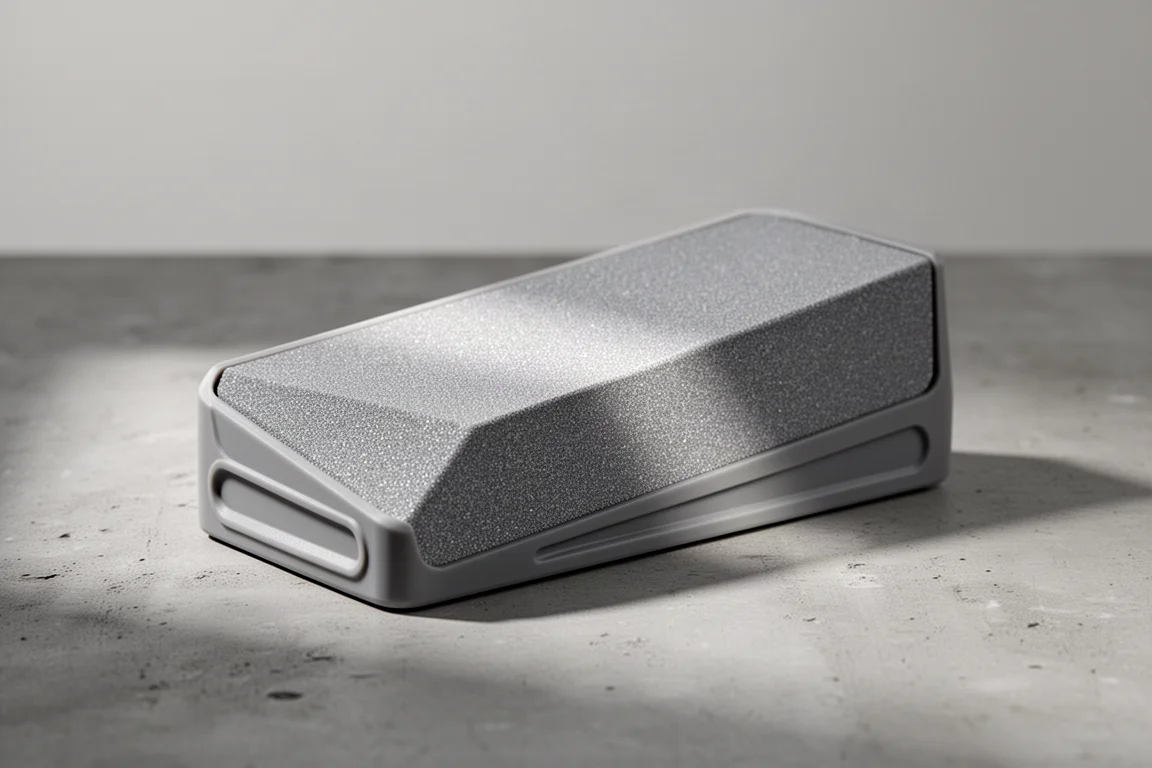
The Flashlight Problem: Olight Ark Pro
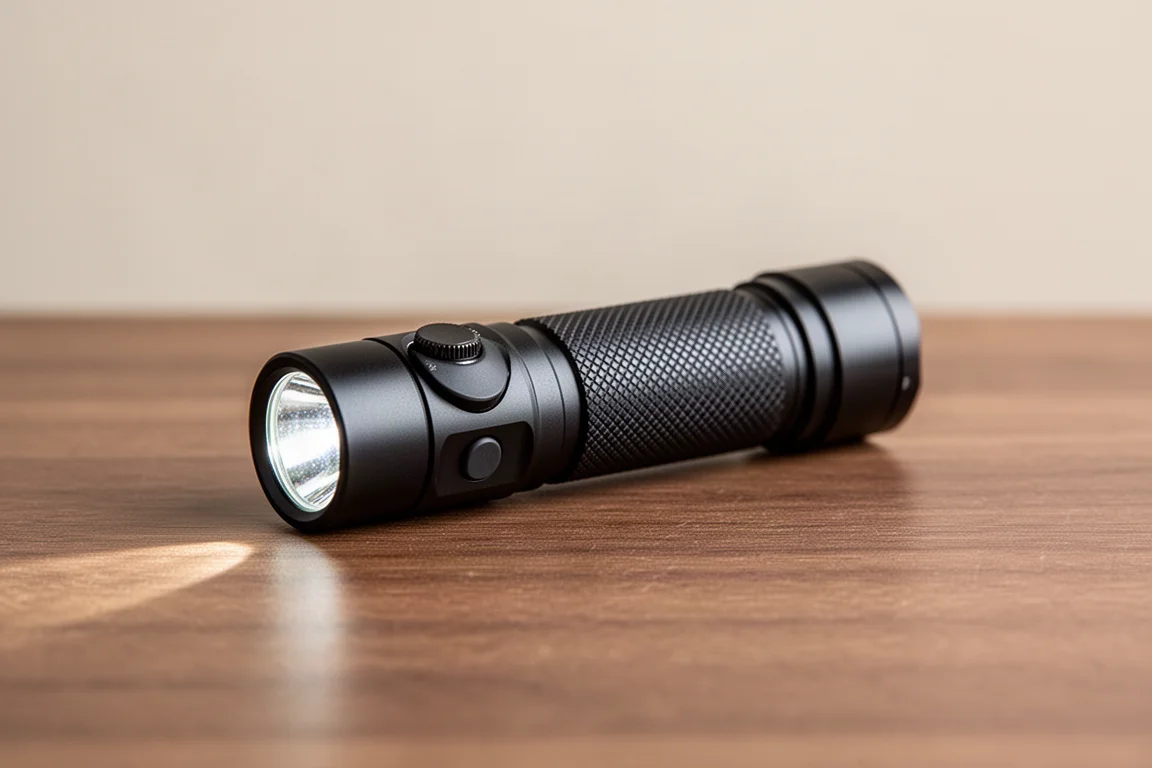
The flashlight was the hardest category to manage, with five floating around the house at one point. The one used most was the Olight Ark Pro. Occasionally the laser came in handy, but the one-handed LED use was essential, and the magnetic attachment let it mount to metal surfaces for hands-free work.
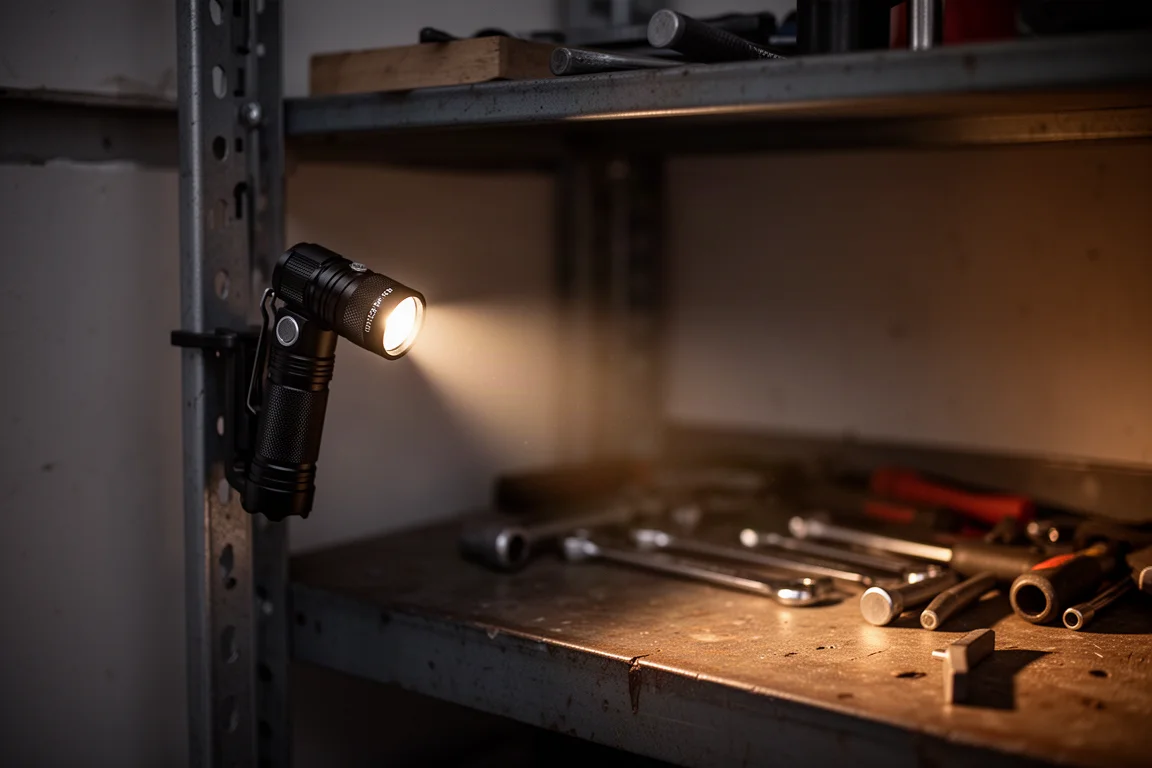
Charging also worked well: a single cable handled both units, and the built-in USB-C port meant the flashlight could top up in the car, so it was always functioning. The real lesson, though, was not about the flashlight itself. The problem was putting it down instead of returning it to a pocket. Switching back to a sheath with a dedicated flashlight slot finally fixed the muscle memory, and the light was never lost again. That final sheath, holding dedicated scissors in the pen slot, the SwissTool MX Clip, and the flashlight, was the setup that finished the project.
Buying Advice
The through-line from two months of heavy use is simple. Carry what builds confidence and what you can keep track of. A $10 utility knife with a scraper outperformed fancier knives for real work. A pocket tape measure beat the belt-clip monsters simply because it was always there. The Victorinox SwissTool line delivered the strongest overall confidence, and the Olight Ark Pro solved the flashlight problem once its storage habit was fixed. Match the tool to the tasks ahead, stick with it long enough to build muscle memory, and skip anything that does not earn its place.
Conclusion
Renovation work is the ultimate stress test for everyday carry. The gear that survived was not the most expensive or the most impressive on paper; it was the gear that stayed in the pocket, did the job without hesitation, and never got lost. Cheap utility knives with a scraper, dedicated sliver tweezers, a trustworthy multi-tool, and one reliable flashlight covered hundreds of tasks. Build your carry around confidence and consistency, and the rest takes care of itself.
Further reading
Related Reviews

Everyday Carry
Everyday Gear That Deserved a Second Look
A roundup of solid everyday carry items: watches, pens, a pencil, a knife, and a smart ring that each earned a place on the table.

Everyday Carry
KORE Tactical Bifold Wallet Review: A Durable Everyday Carry Option
A close look at the KORE Tactical Bifold Wallet, a reinforced nylon wallet with magnetic closure and room for cards, cash, and IDs.

Everyday Carry
Krabby Wallet Review: A Slim, Simple Carry That Has Stood the Test of Time
A closer look at the Krabby Wallet, a slim canvas and elastic design with a loyal following and a simple, functional approach to everyday carry.