Snowboard Gear
Remind Solution Aftermarket Liner: A 15-Day Long-Term Test
We rode the Remind Solution aftermarket liner for 15 days across multiple boots and conditions to see if it can bring a worn snowboard boot back to life.
Introduction
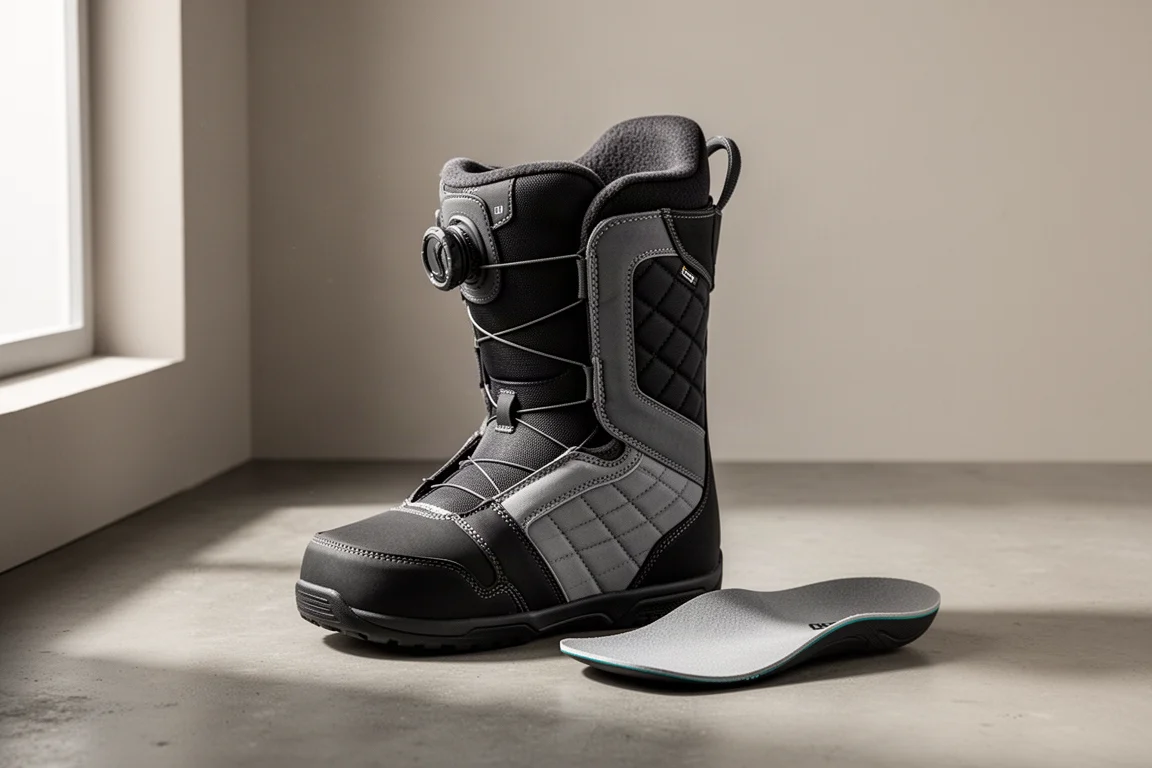
Aftermarket liners are one of those quietly useful upgrades in snowboarding: when the shell of a boot is still solid but the foam inside has packed out, a fresh liner can make an old boot ride noticeably better. The Remind Solution aftermarket liner promises exactly that, and we put it through a proper long-term test to find out whether it delivers.
The test setup: the liner went into a pair of K2 Thraxis boots with somewhere between 150 and 180 days of use on them, a well-worn shell that was definitely ready to be tested as a used boot. We rode the liner for a first day, then at five days, and again with updates at 10 and 15 days. The stock ride started without heat molding, with the included Remedy footbeds, and a second heat mold and shell swap followed later in the test. We even tried it in a Burton Photon Step-On boot to see how it behaved outside its natural habitat.
First Impressions: Day One On Snow
Right out of the box, the Solution sucks up a lot of volume, especially through the toe and forefoot. On the first day, the toes felt squished, and there were some pins-and-nesles circulation issues after stepping out of the boot. That said, the liner snugged up everything and stiffened the boot noticeably. The old shell had been so collapsed that it had basically no life left, and the liner brought actual rebound back into it. More power came out of the boot, and the response was genuinely good.
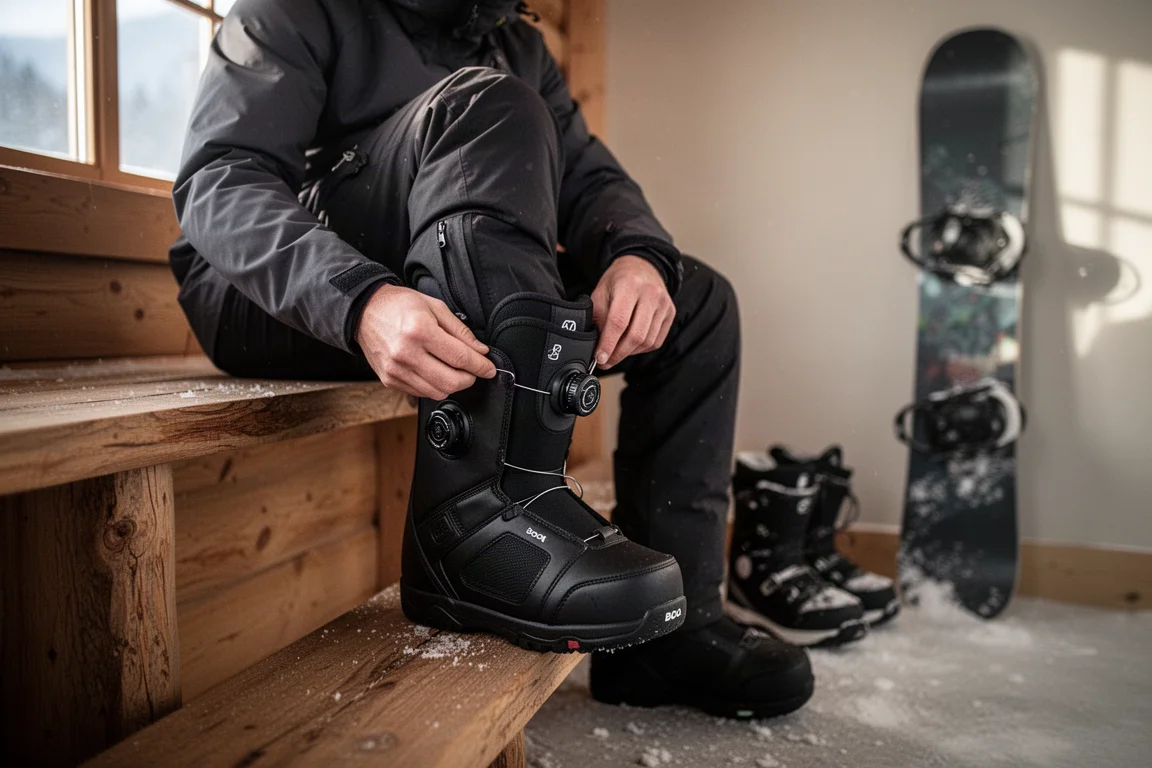
An early observation on fit: the stock insole worked fine without modification. Rather than cutting a heelstrap notch through the instep to help the liner collapse, it rode fine as-is. That will vary by foot, but for flatter feet it seems you can get away without customizing right away.
The downsides on day one were real. The heel pocket is quite U-shaped, so lockdown came more from the boot’s Boa system and the internal harness than from the liner itself. The top Velcro alone was not enough either; a booster strap would help cinch the liner tight at the calf. It took three tries of lining up the tongue and tightening before lockdown felt secure, and by the end of the day there was a little more play around the calf than we’d like.
Heat Molding and Fit Adjustments
By days 9 through 11, the liner was cutting off circulation, so it went in for its first heat mold. That changed the heel pocket and did not leave enough room in the toe, so a second heat mold followed with the toe cap in and a custom foam pad cut for the side of the foot. Cooking it for 20 minutes instead of 15 pushed the foam out enough to open up the toes, though it sacrificed a bit of heel hold in the process, which is where J-bars come in.
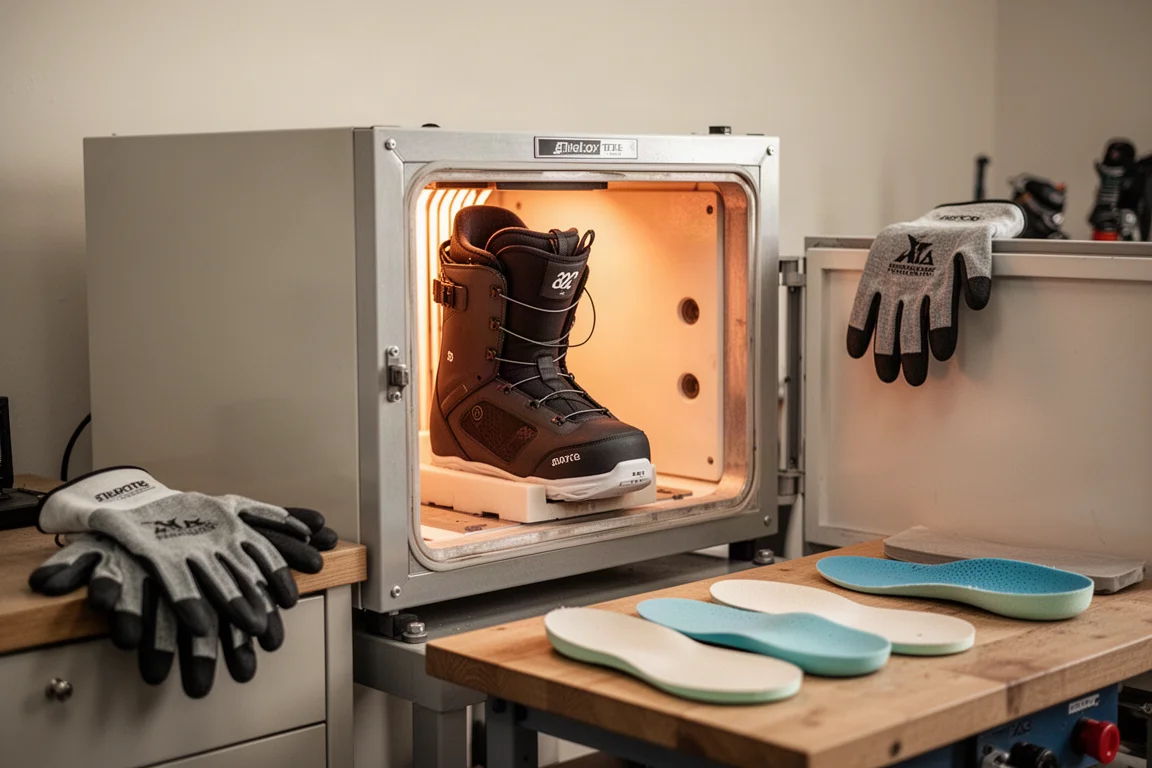
One practical note: the first heat mold was done with the footbeds inside the liner, which changed the fit slightly. Whether that’s better or worse took a few more days of riding to judge. What became clearer was the liner’s stiffness working both ways. In the original Thraxis shell, the stiffer liner pushed through a shell that was already worn out, effectively finishing it off. The liners then moved into a new Thraxis shell to see how they behaved in something fresh.
Heel Hold and the Internal Harness
The removable internal harness is one of the most interesting design decisions here. In a triple-Boa boot like the Thraxis, one of the Boa dials already acts as an internal harness, so leaving the liner’s harness in place produced double heel hold. If your heel hold is poor, keep it in; if you’d rather rely on your boot’s own system, it removes easily via a small knot on the back of the pull tab.
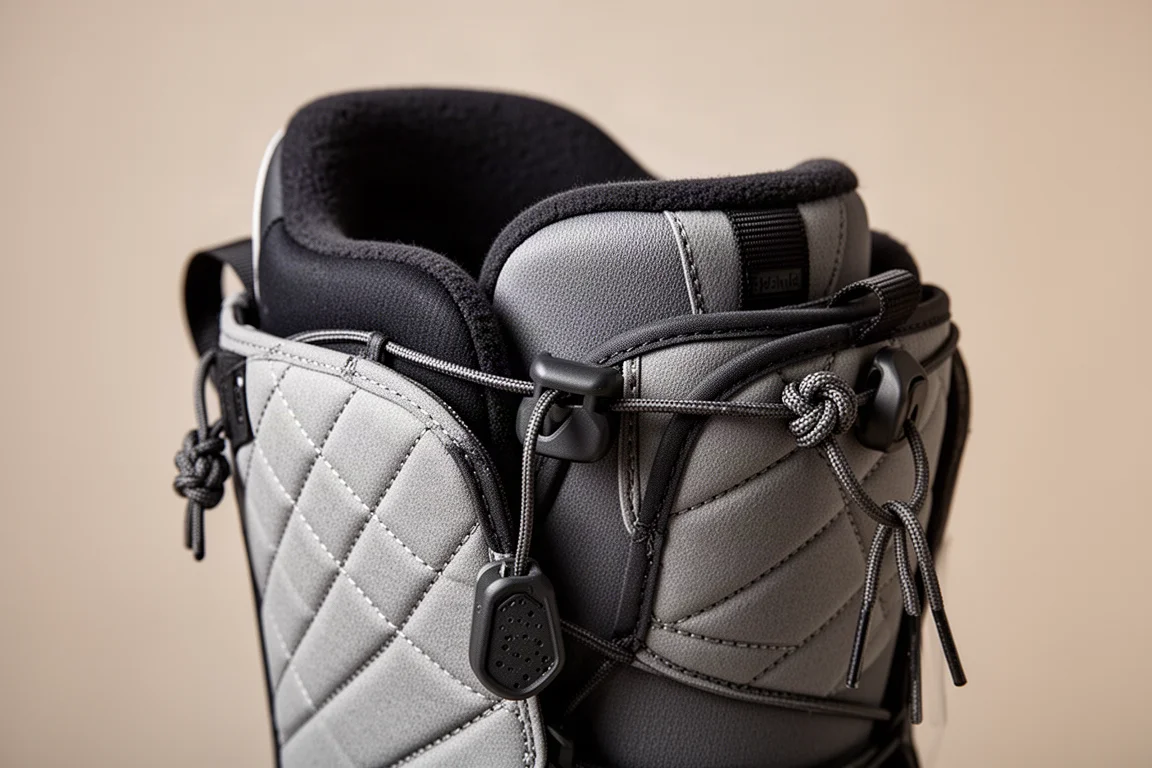
The trade-off with the U-shaped heel pocket is that riders with very narrow heels or narrow feet may struggle. For average width to wide feet, heat molding gets you there. Ultra-wide feet will need more work than heat molding alone can provide.
Testing in a Different Boot
Days 12 through 16 included a swap into a Burton Photon Step-On boot, which was described in less than flattering terms on its own. The Solution stiffened that boot up so much it finally functioned like a proper snowboard boot. The pattern held: this liner stiffens whatever you put it into, for better or worse.
After two heat molds there was a little heel play, but not enough to demand J-bars, and over four days of riding four to five hours a day there was no additional pack-out. The Remedy footbed also settled in beautifully after the second heat mold, to the point where it was hard to feel a difference between it and a familiar everyday setup. That’s a strong result for an included footbed.
Who This Liner Is For
The core value proposition is simple: if a liner plus footbed costs around $200 and a new pair of boots runs closer to $350, and your shell is still in decent shape, the liner can save you roughly $150 while making the boot ride noticeably stiffer and more responsive. After 15 days in poor, variable conditions across multiple boots and boards, the liner handled everything thrown at it.
If your shell is solid but the liner foam has gone soft, this is an option worth serious consideration. The wish list for future versions includes a burrito-wrap option, a narrower heel pocket, a more aggressive built-in J-bar, and a wide fit, but what’s here now earns its place.
Things to Consider Before Buying
- These liners take up significant volume, particularly in the toe box. Expect a break-in period, with pins and needles fading as the liner packs in.
- The U-shaped heel pocket favors average-width to wide feet. Narrow heels may struggle even after heat molding.
- A booster strap on the liner helps if you want maximum lockdown at the calf; the top Velcro alone may leave some play.
- The stiffness is a feature, but in an already marginal shell it can accelerate that shell’s demise.
- Heat molding may need more than one session, and adding J-bars or side foam is a reasonable expectation for a dialed fit.
Buying Advice
If your boots’ shells are structurally sound but the foam has packed out, the Remind Solution is a genuinely cost-effective way to revive them rather than buying a whole new boot. Run it stock first to see how it fits, then heat mold if you need the space, and don’t be afraid of a second mold session with adjustments like toe caps or side foam. Keep the internal harness in if heel hold is your enemy, and pull it out if your boot already handles that job.
Conclusion
Across 15 days, multiple shells, two heat molds, and genuinely poor snow conditions, the Remind Solution aftermarket liner did what it promises: it brought rebound, stiffness, and response back to boots that had lost them. From both a boot fitting and a rider’s perspective, it earns a stamp of approval.
Product link
View more details for Remind Solution aftermarket liner
This product is mentioned in the review. Check the specifications, options, and compatibility before buying.
View more details for Remind Solution aftermarket linerFurther reading
Related Reviews
Snowboard Gear
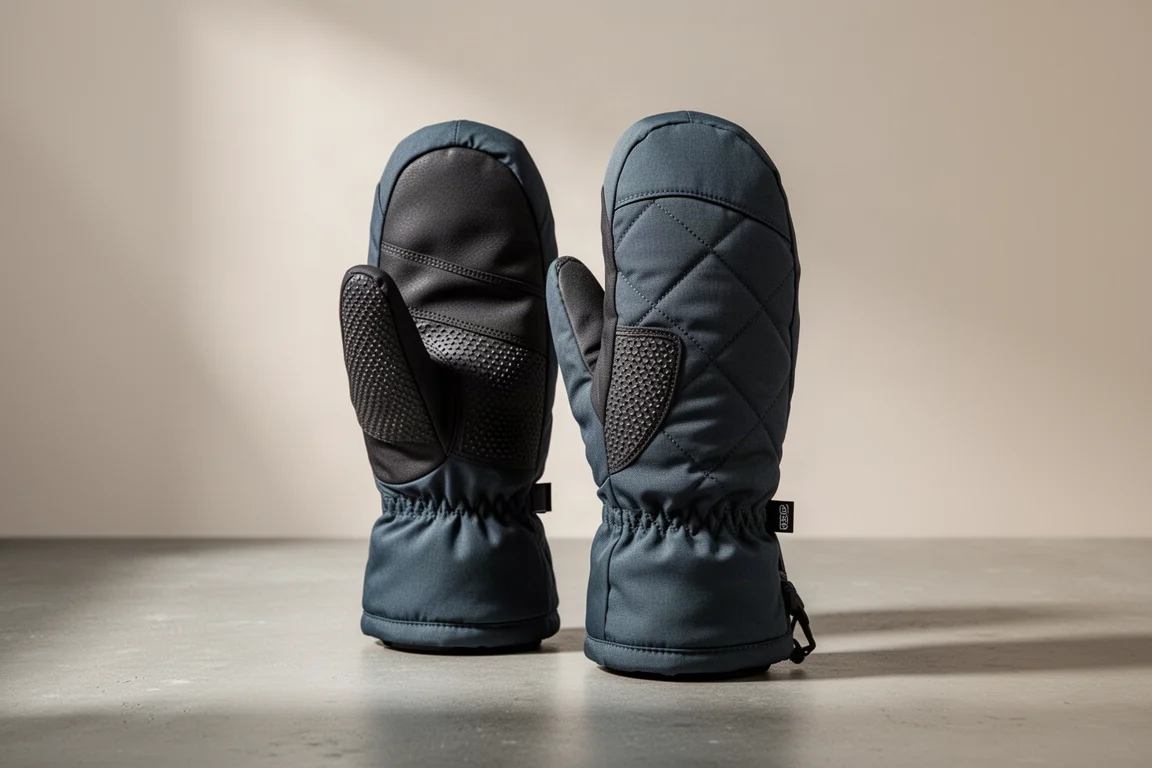
686 Smarty Gauntlet Mitt Review: A Warm, Waterproof Snowboard Mitten With Smart Extras
A GoreTex snowboard mitten rated for -20 to 20°F, with a wrist strap, grippy palm, ventilation zipper, and an included base layer glove liner.
Snowboard Gear
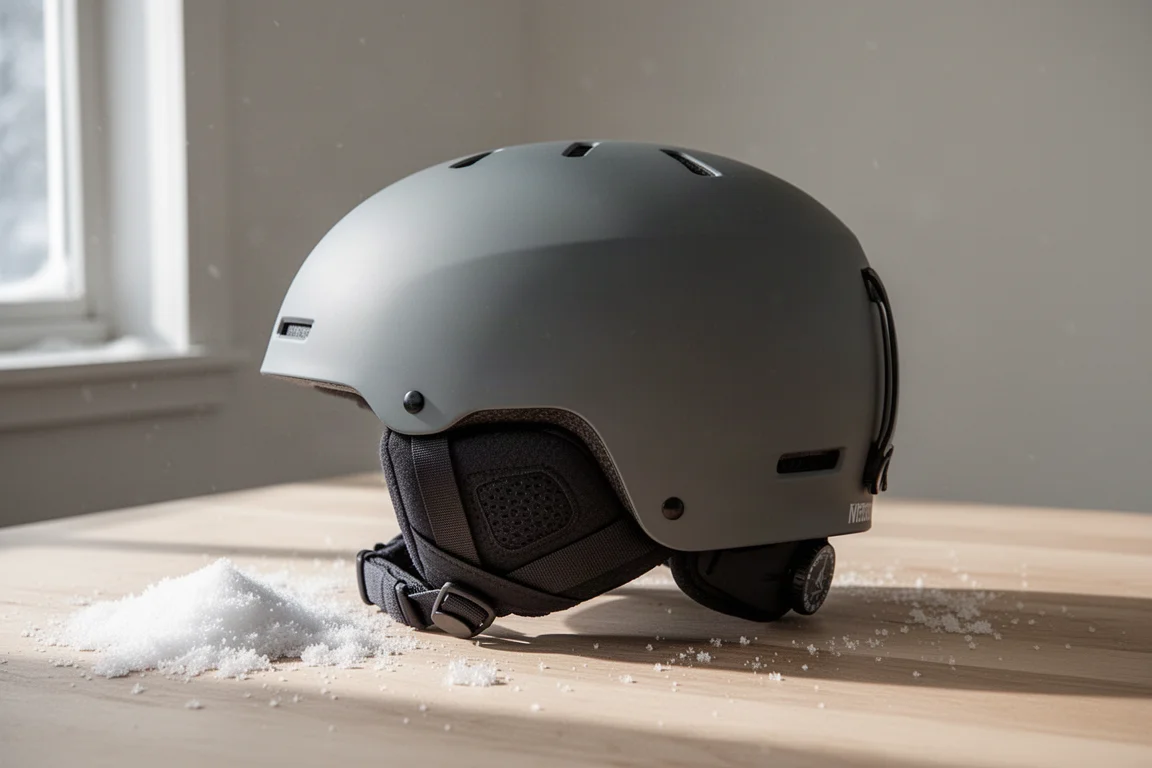
Anon Logan Snowboard Helmet Review: A Helmet That Earns Its Place
After a hard crash on a powder day, the Anon Logan proved its worth. Here is what makes this helmet a smart first purchase for snowboarders.
Snowboard Gear
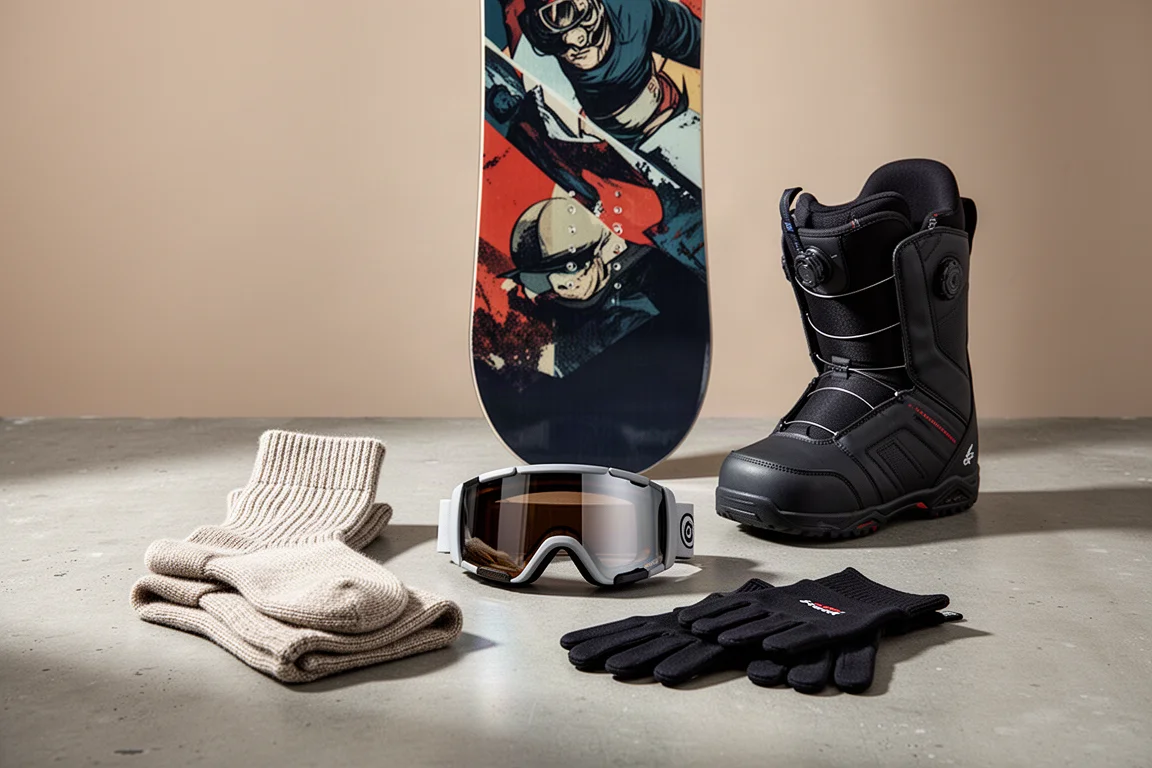
Best Snowboard Deals This Month: Accessories, Goggles, Boots, and Boards Worth a Look
October brings deep discounts across snowboard accessories, goggles, boots, and boards, with highlights from Stance, Anon, Union, Capita, Burton, and more.