Travel Backpacks
REI Ruck Pack 30 Review: A Lighter, Smarter Update to a Budget Travel Favorite
The updated REI Ruck Pack 30 adds a real padded laptop sleeve, two harness sizes, and better structure while keeping the price low. Here is how it compares to the older Ruck Pack 28.
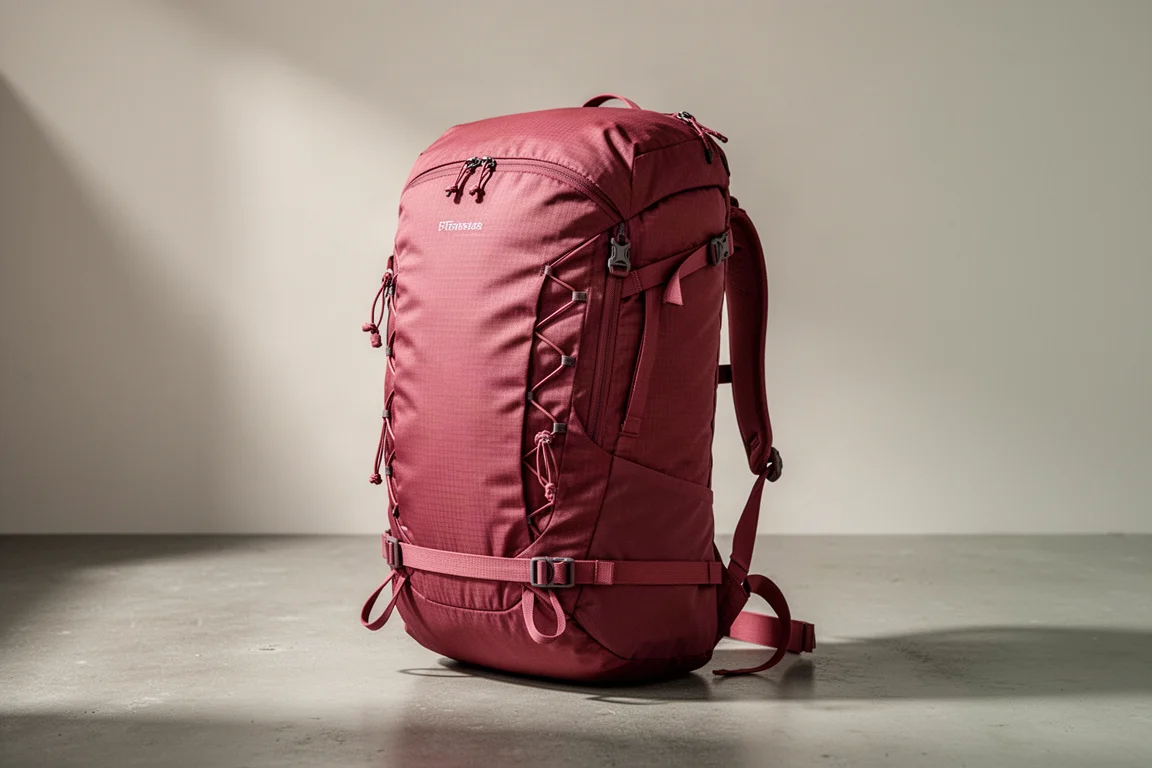
Introduction
REI’s Ruck Pack has quietly become one of the best value picks for people who want one bag that covers both light hiking and minimalist travel. The latest update renames the lineup with a new size: the previous Ruck Pack 28 becomes the Ruck Pack 30, and it arrives with a handful of meaningful changes rather than a full redesign. With the new model frequently discounted around 30% at REI, it is worth a close look before the sale window closes.
What the Ruck Pack Is Designed For
The Ruck Pack is a hybrid bag. It works well as a lightweight hiking backpack, but it also includes travel-friendly touches like a padded laptop sleeve. REI currently sells it in two volumes, a larger 40 L option and this smaller 30 L version.
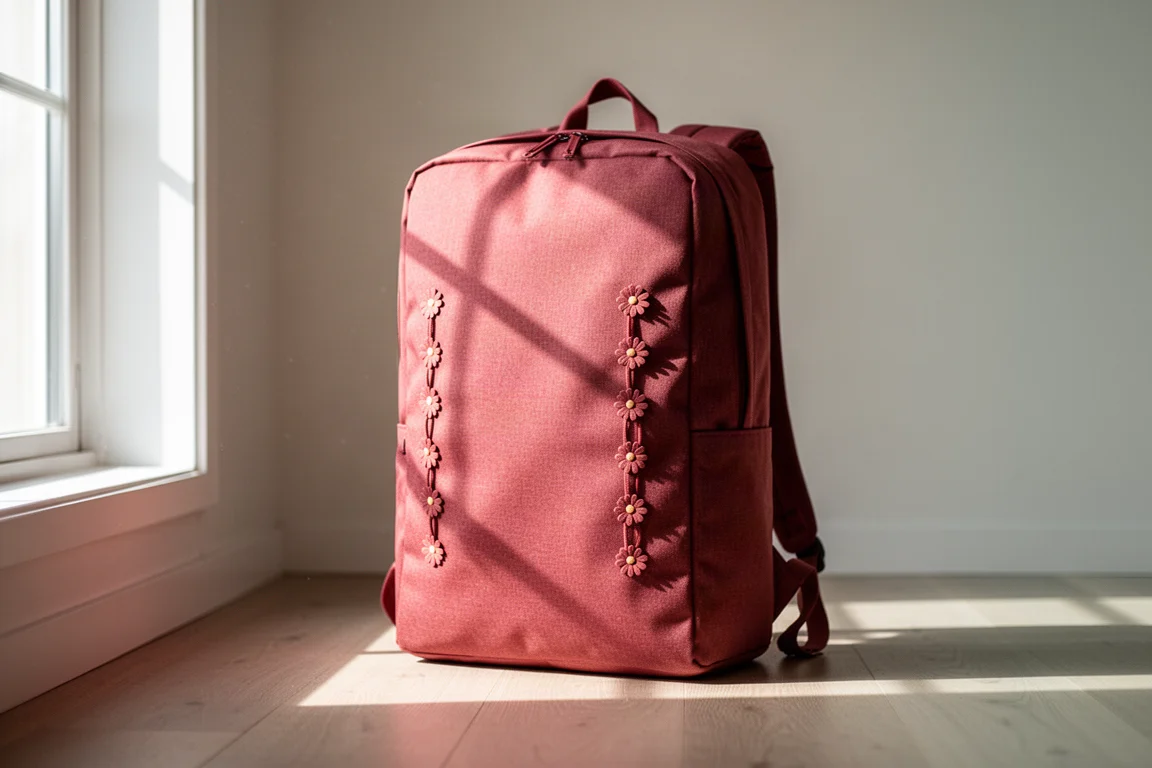
One of the most welcome updates is that the bag now comes in two harness sizes. The smaller harness fits hip widths from 28 to 46 inches, while the larger version uses wider shoulder straps and a bigger hip belt for hips from 42 to 58 inches. That flexibility makes it much easier to get a proper fit, which matters more than most spec-sheet details.
Capacity: Does the 30 Really Hold 30 Liters?
The listed dimensions are mostly accurate, though the claimed width of about 10.5 inches reads closer to 12 inches on a packed bag. The main dimensional change between the old 28 and the new 30 is depth: the update is an inch or two deeper, which suggested more than a 2 L increase on paper.
Filling both bags with packing peanuts settles the question. The old 28 L packs out almost exactly to its claimed capacity, and when that same load is moved into the new bag, it nearly fills the main compartment with a small gap at the top, roughly two or three liters. The 30 L claim is fair.
The reason the volume gain feels smaller than the extra depth suggests is extra padding behind the main compartment for the new laptop sleeve. That padding eats into capacity slightly, which effectively evens out the deeper body.
Exterior Updates: Mostly Refinements
Feature changes on the outside are fairly minor. There is a new front aesthetic, a swapped ripstop fabric, larger side water bottle pockets, and a change to the hip belt attachment strap. The fabric is still a midweight polyester that keeps the bag light while offering more durability than typical ultralight packs, which is part of why it works so well for travel.
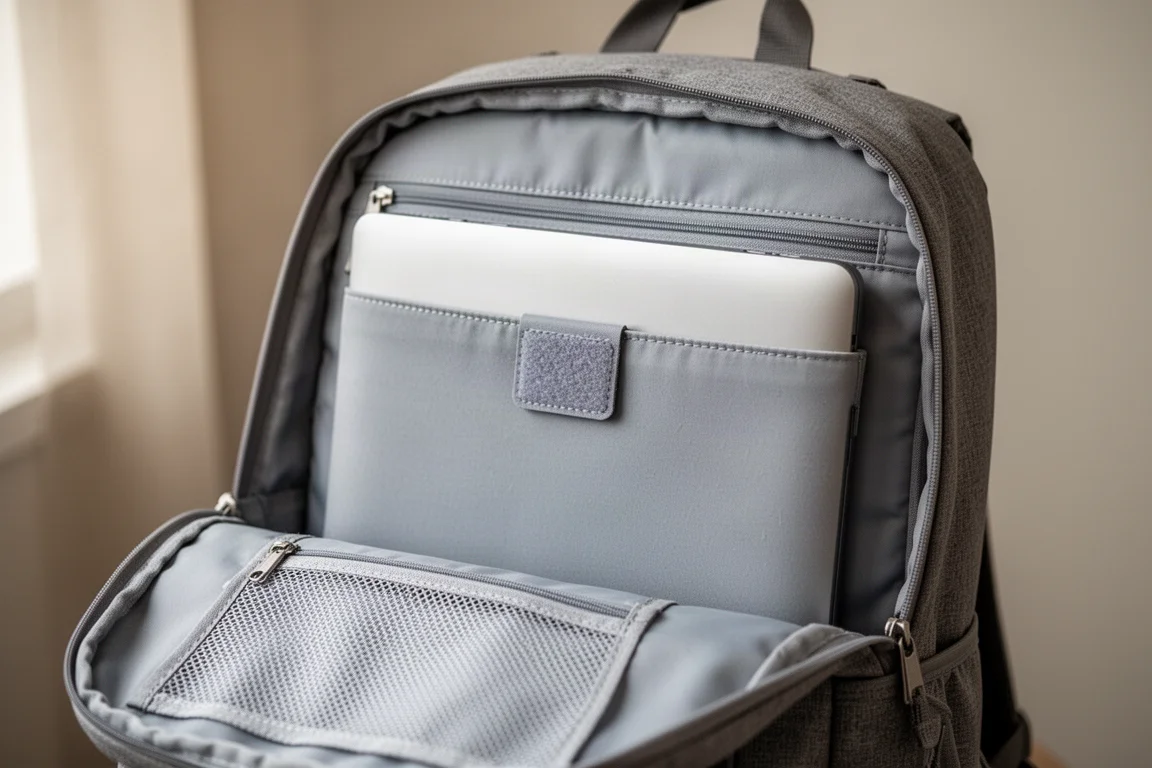
The daisy chain design on the front has been reworked. The new loops are thicker and no longer hidden behind a fabric flap, making them less likely to catch on things. The top bungee strap is a genuinely useful addition for hikers who want to strap trekking poles to the outside of the pack, even though the older bag’s daisy chains allowed a DIY version of the same thing.
Side pockets got a mixed set of changes. The stretchy water bottle pockets are deeper and wider, now holding skinny bottles securely and even fitting a fat one-liter style bottle. The left-side access pocket into the main compartment is longer and flatter for slightly better reach, but here is one change worth flagging: the old version included a small fabric loop so you could lock the side zipper shut. The new single zipper cannot lock to itself, so that bit of security is gone.
Interior Changes: The Laptop Sleeve Is the Real Upgrade
Inside, the layout is largely familiar: the same top-opening zipper and the same mesh zipper pocket on the lid. The big difference is laptop protection. The old sleeve was a thin, unpadded pocket that worked better for a water bladder than a laptop. The updated version has a genuinely padded sleeve, a Velcro flap to stop the laptop from shifting, and a decent false bottom to protect the base of the machine.
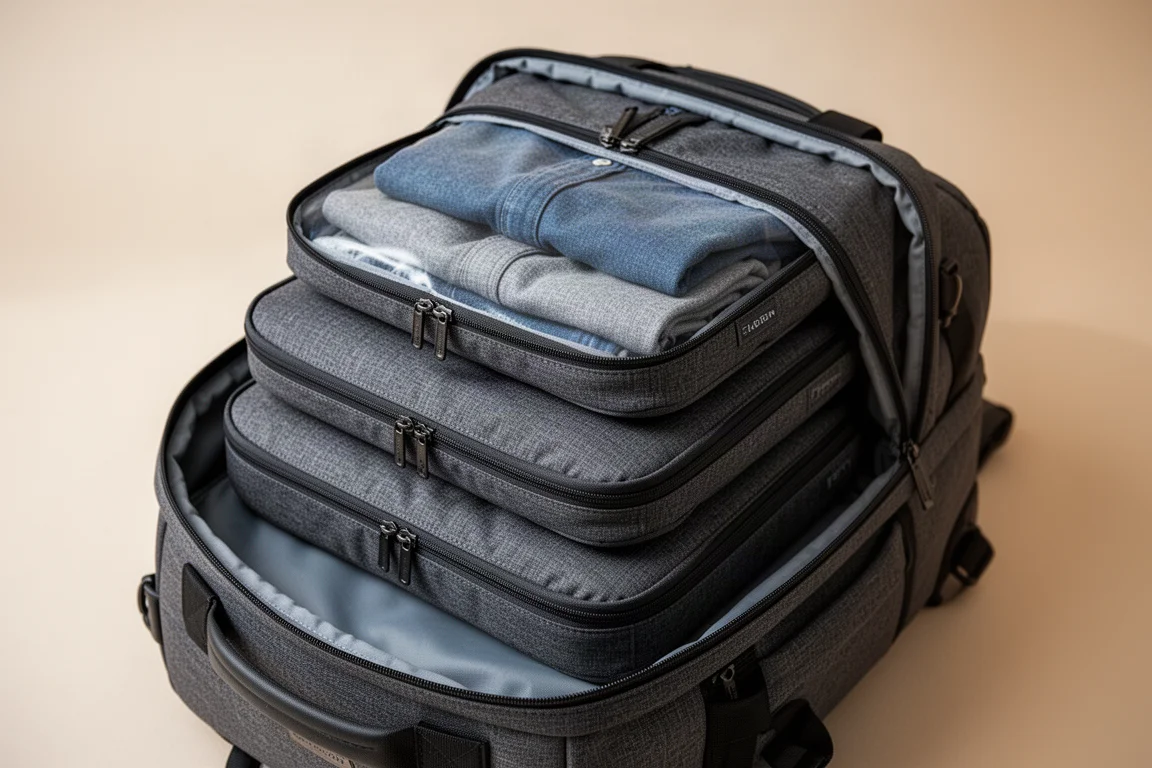
Because this is still a hybrid bag, the sleeve also works fine for a hydration bladder. Tuck the bladder in, attach it to the small fabric loop, and run the hose out through the pocket hole at the top. One missed opportunity: the side zipper opens into the main compartment rather than into the laptop sleeve, so you do not get the quick laptop access a traditional travel backpack offers.
Carry System: Two Sizes and Firmer Padding
The carry system sees the biggest practical improvements. Beyond the two harness sizes, the shoulder strap padding has been upgraded. Both versions keep a soft squishy mesh surface, but the new one uses a thinner mesh layer over a much denser, firmer structural backing. It still feels soft, but it holds its shape better under heavier loads and gives the bag noticeably more structure.
Back padding is essentially unchanged, with ridged foam up top and well-ventilated channels. The hip belt remains a thin, unpadded webbing strap, and the new attachment uses a simple girth hitch through a fabric loop instead of a buckle and adjuster, which makes it quicker to remove. The carry handle is slightly longer and angles up a bit more; in theory the longer strap could contact the back of the neck for some people, though it has not been an issue in use.
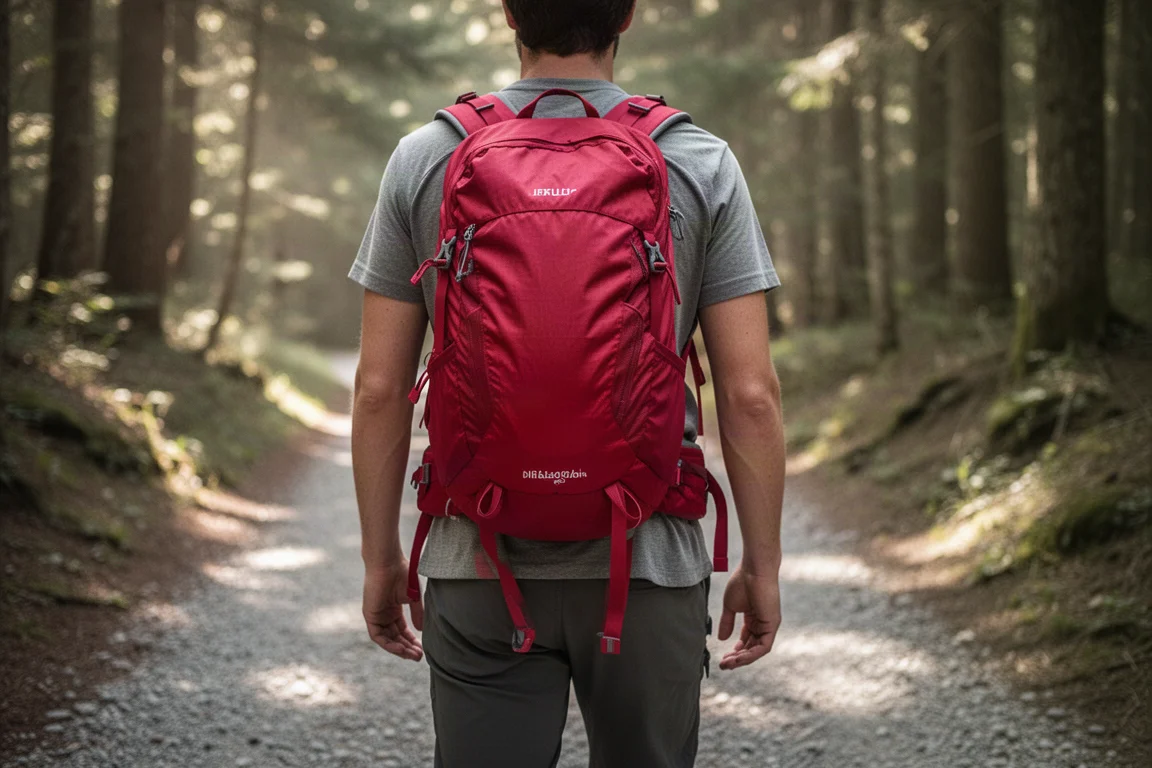
On the trail, the new 30 carries about the same as the old model: comfortable shoulder straps, good back ventilation, solid adjustability through the sternum strap, and that thin but functional hip belt for taking weight off your shoulders. It fits the same way the previous version did and has handled multiple hikes comfortably.
Is the Older Ruck Pack 28 Still Worth Buying?
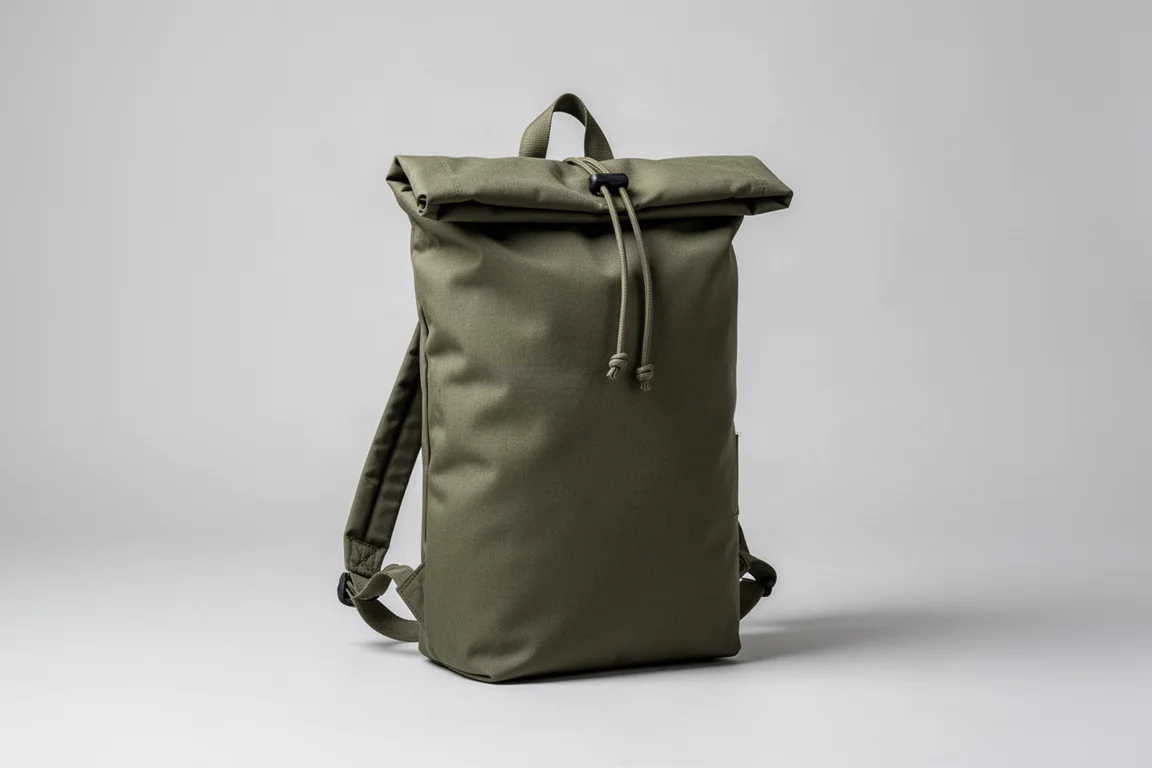
If you find the previous Ruck Pack 28 on clearance, it remains a genuinely good bag. Its capacity tested true at 28 L, the carry is comfortable, and it still includes the lockable side zipper loop that the new model dropped. Its main weakness is the unpadded laptop sleeve, which is fine for a water bladder but not reassuring for a computer.
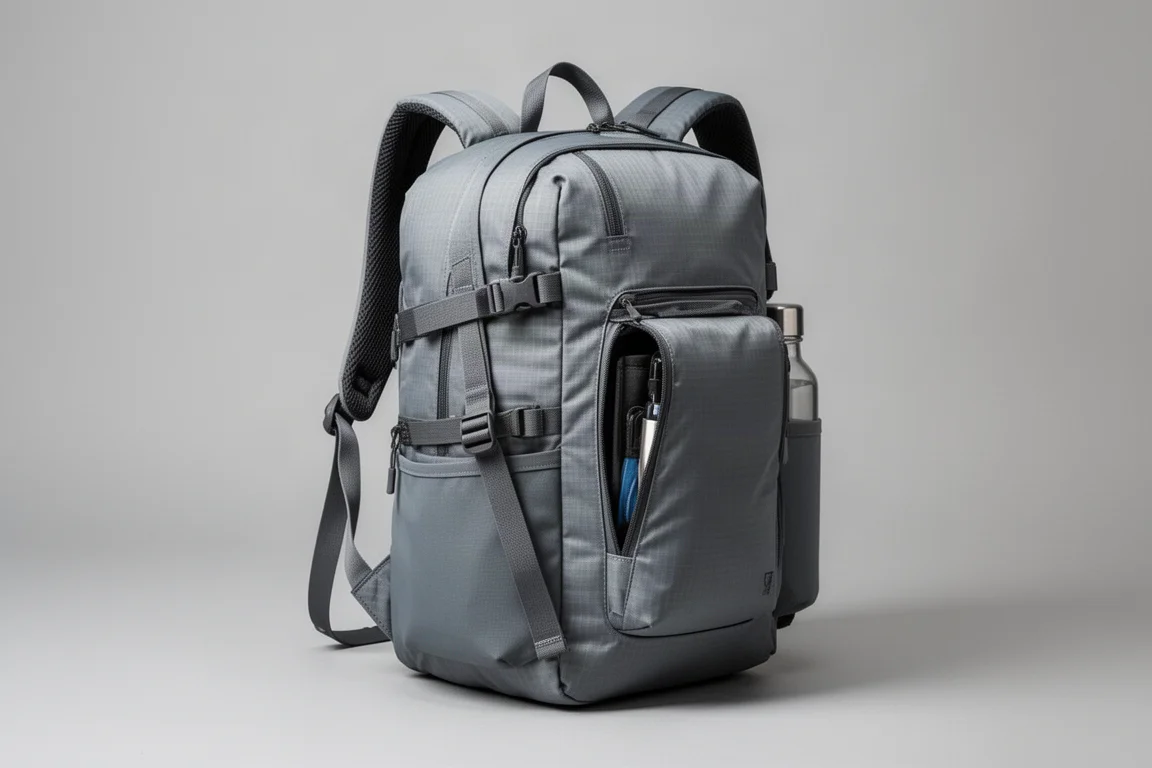
For most buyers, the newer 30 is the better pick because of the padded laptop compartment and the two harness sizes, but the 28 is a reasonable way to save money if laptop protection is not a priority.
Packing the Ruck Pack: Gear Cubes Fit the Layout
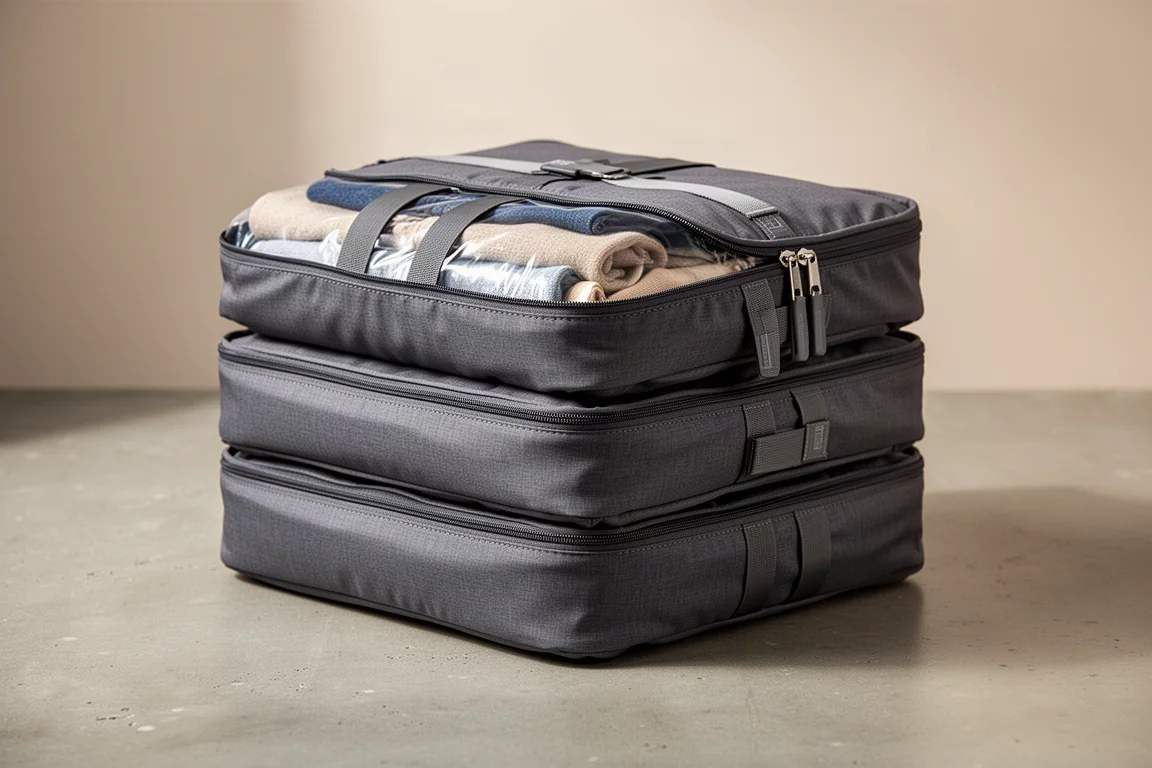
Because the Ruck Pack is a tall, top-opening bag, compression packing cubes are the natural companions. Matador’s gear cubes come in a set of three, all the same width, so they stack neatly and slide in and out of the main compartment easily. Three cubes take up most of the main space, leaving room on top for a jacket or a toiletry bag.
REI also sells a 3 L Ruck waist pack designed to fit perfectly in the top of the main compartment. Pop it in and out when boarding a plane, or use it on its own as a light day pack, a handy pairing for travel use.
Buying Advice
At full price the Ruck Pack 30 is already competitive, and at around 30% off it becomes one of the easiest recommendations in the budget hybrid backpack category. Choose it if you want a light hiking bag that can double as carry-on-friendly travel luggage with real laptop protection. Pick the larger 40 L if you pack more, and consider the previous 28 only if you find it discounted and can live without the padded sleeve.
Conclusion
The Ruck Pack 30 is a thoughtful update rather than a reinvention. The firmer shoulder padding, two harness sizes, and a proper padded laptop sleeve address the previous model’s weak spots, while the capacity test confirms the new volume claim. For lightweight travel and day-hike duty on a budget, it is an easy bag to recommend.
Further reading
Related Reviews
Travel Backpacks
Outdoor Vitals Dakota UL Review: One 45L Pack for Travel and Backpacking
A practical look at the Outdoor Vitals Dakota UL, a 45 liter pack that opens like luggage, carries a laptop, and converts for trail use with a removable frame and detachable hip belt.
Travel Backpacks
Outdoor Vitals Koda UL Review: One Bag From Terminal to Trail
A hybrid travel and backpacking pack with a sleek carry-on shape and a frame tuned for all-day comfort under a real multi-day load.
Travel Backpacks
Outdoor Vitals Kota UL Review: One Pack for Flights, Cars, and Backcountry Camps
A close look at the Outdoor Vitals Kota UL, a travel-first backpack designed to stay comfortable under backpacking loads and still slide into an overhead bin.