Travel Backpacks
REI Ruck Pack 28 Review: A Hiking Pack That Doubles as a Travel Bag
A 28-liter backpack with strong hiking carry comfort and generous organization, plus a few travel quirks to weigh before buying.
Introduction
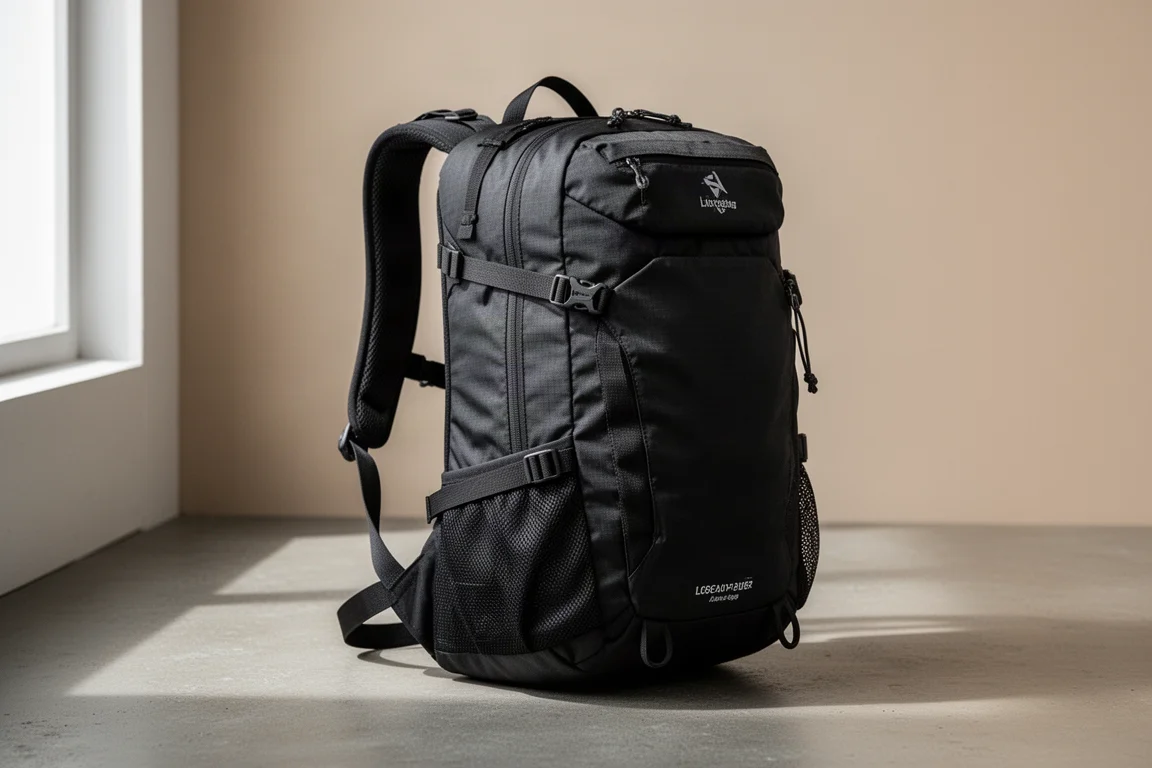
The Ruck Pack 28 sits in an interesting spot. It borrows the feature set of a solid day hiking pack, then leans into minimalist one-bag travel. Anyone who has spent time traveling with a single bag knows the pattern: the more experience you gain, the smaller the pack you are comfortable carrying becomes. This 28-liter version reflects that shift, coming after a larger 40-liter predecessor released back in 2019. The short version of the verdict: it is a good hiking bag that can also be used for travel, rather than the other way around.
Sizing and Carry-On Fit
The listed dimensions are fairly accurate: roughly 20 by 11 by 9 inches deep, or 50 by 28 by 23 centimeters. That easily fits carry-on limits on most airlines. The catch is the personal item box. A typical airline personal item runs about 18 by 14 by 8 inches, and because this pack has a solid plastic panel in the back, it cannot be squished down much. Fully packed, it will squeeze into that box, but it is tight.
One welcome change from the previous version is the split into men’s and women’s versions with more color options. Both come in black, the men’s adds a tan option, and the women’s comes in a stone blue that arguably looks the best.
Hiking-First Design Features
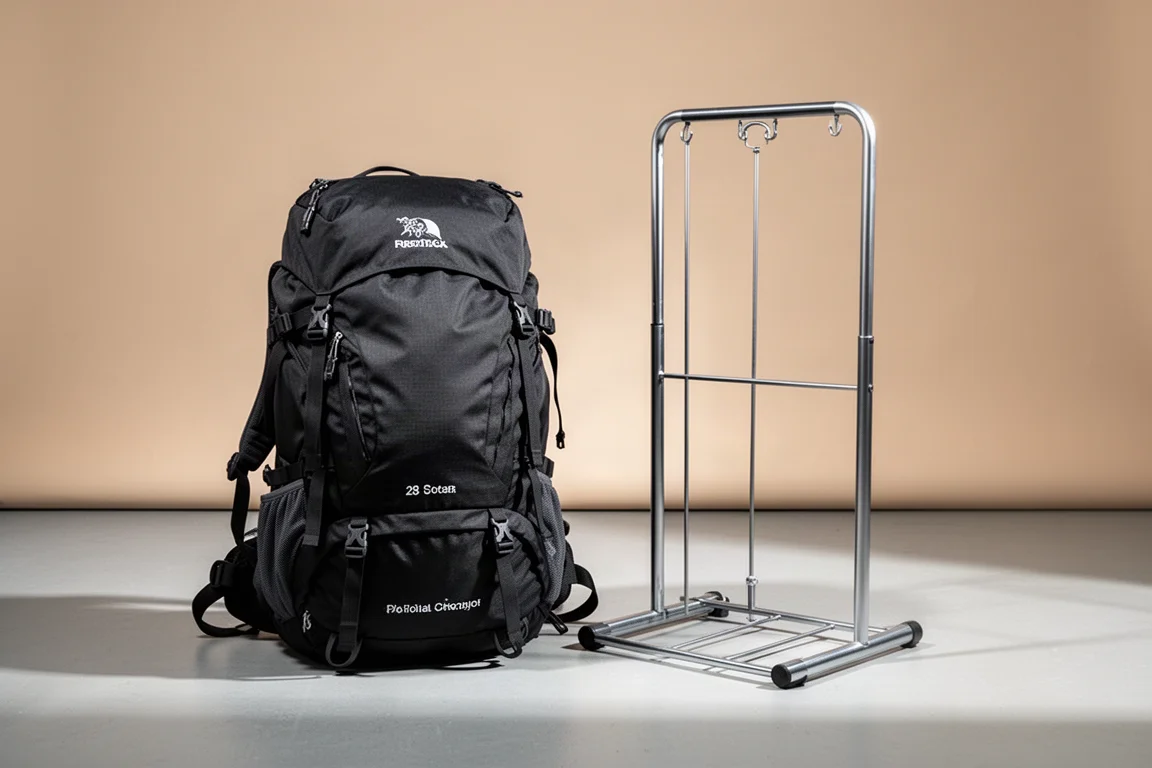
The exterior reads clearly as a hiking pack. There are two large stretchy mesh water bottle pockets that easily hold one-liter bottles, with loops and straps above them for attaching taller gear or using a compression strap. A smallish top lid pocket works well for snacks or small electronics, and the opposite-side pocket is a separate organizer compartment with a notebook sleeve and stretchy dividers for pens, tall enough for a travel tripod.
A nice bonus: a small pocket at the back includes an integrated rain cover, which matters because the bag itself is definitely not waterproof.
Build Quality and Hardware
The hardware is decent across the board. The main compartment uses a locking YKK zipper, paired with a smaller non-locking zipper, and the buckles and adjusters are quality Duraflex parts, though most sit on the smaller side, with the 1.25-inch hip belt buckle being the largest. Fabric-wise, the front panel is now a more sustainable bluesign-approved recycled ripstop nylon, but only on that panel. The rest of the pack looks like a mid-weight polyester, and the material is not specified.
Weight is worth noting. The claimed figure of one pound three ounces does not match reality; on a scale it comes in closer to two pounds, about 0.9 kilograms. That is still slightly lighter than the previous version’s roughly 2.5 pounds, but it is a reminder not to trust website specs blindly.
The Side Zipper Security Trade-Off
Here is the biggest travel compromise. The locking zipper at the top leads into the main compartment, but a long side zipper also opens the same compartment. On the trail, full-length side access to your gear is a genuinely useful feature. On crowded public transportation, it is a security concern, because the side zipper is not lockable.
REI did add one improvement: a small fabric loop so you can secure the side zipper with a travel lock, or attach a carabiner to the zipper pull as a simpler workaround. It helps, but it does not fully solve the issue, and it reinforces the sense that this pack is at its best as a hiking bag first.
Carry Comfort and Suspension
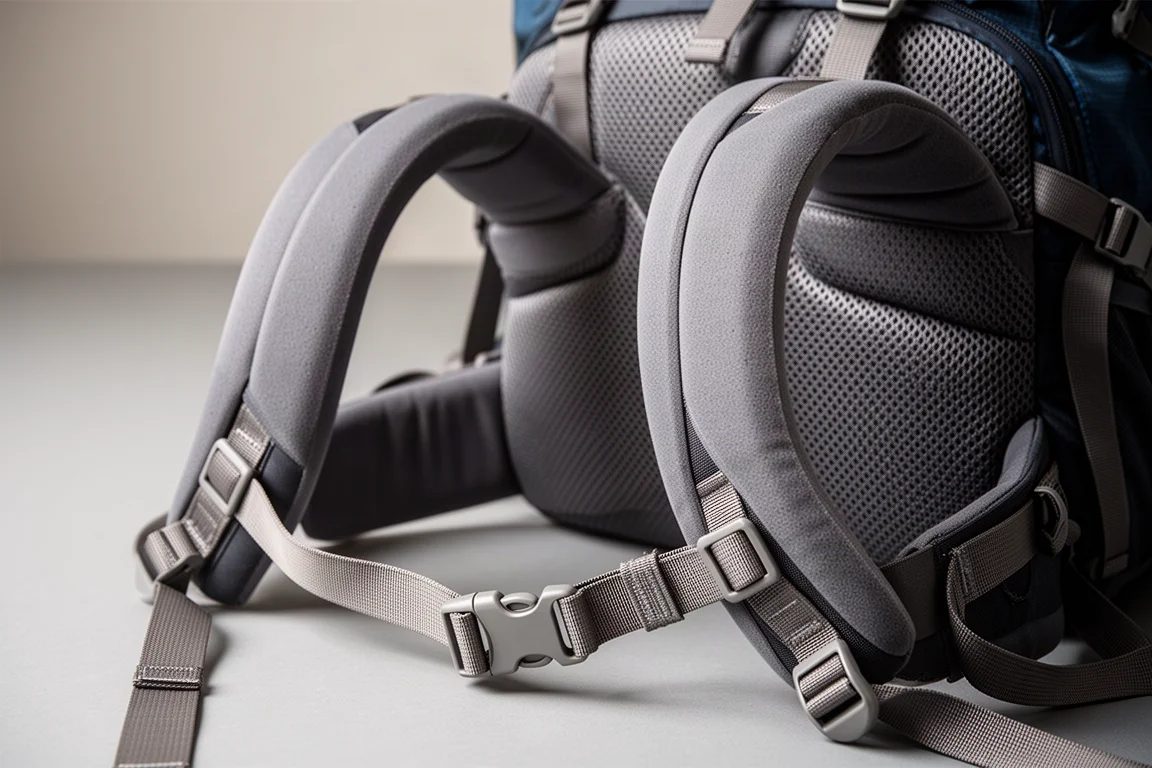
The carry system is set up very much like a hiking backpack: wide shoulder straps with thick padding, soft breathable mesh on the back panel, an adjustable sternum strap, and a hip belt. At 28 liters you are right on the edge where a hip belt starts to matter, and here it is just a simple strip of nylon webbing with a buckle. It is quite short, and when maxed out it is barely long enough to fasten.
There is a small adjustment point at the corner of the pack, so the strap can be adjusted in two locations to keep it from dangling. Run it through backwards and you can remove the hip belt entirely. The back padding itself is very good: two columns of thick rigid foam with an air channel running down the middle, thicker at the top where the pack presses into your shoulders.
For comparison, the 40-liter version has a much thicker padded hip belt that transfers weight onto the hips more effectively, plus a zip-away strap panel and a side carry handle, neither of which the 28 really needs.
Interior Organization and Laptop Protection
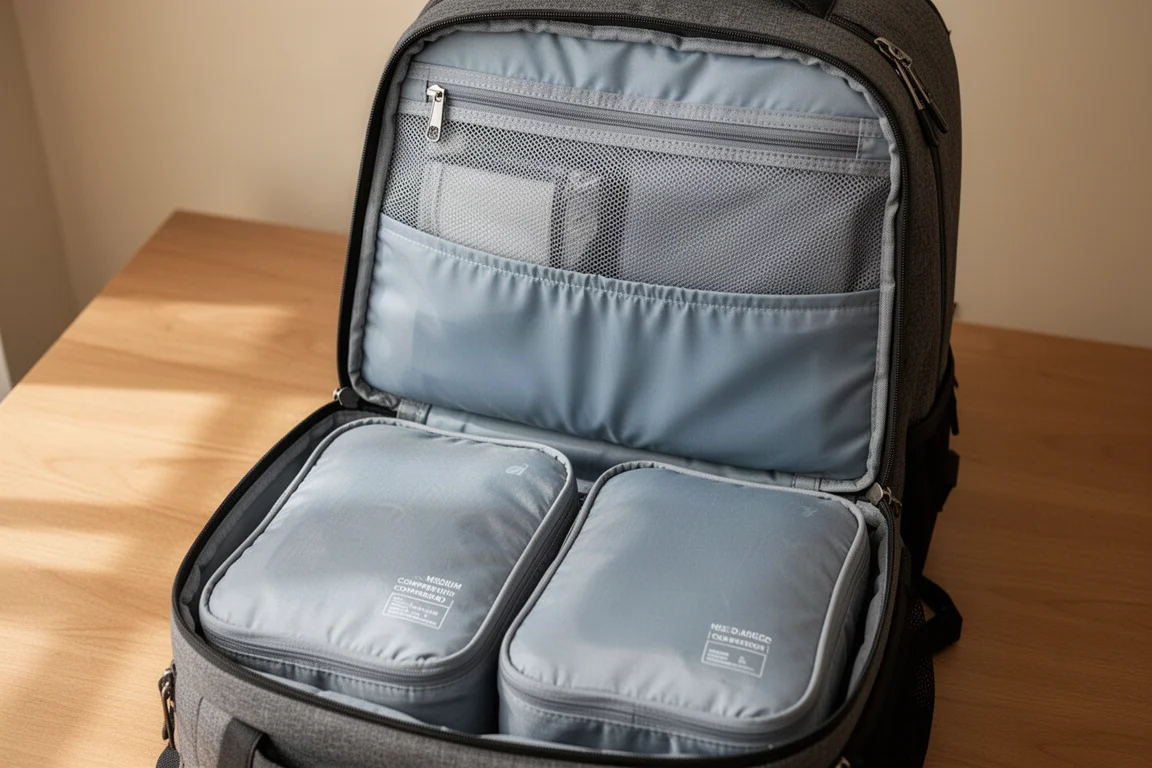
Inside, the large top-opening zipper works similarly to other top-loading travel packs. There is a tall mesh zippered sleeve under the lid, and a combined laptop and hydration sleeve against the back panel. That sleeve is thin and stretchy with a loop to hold a water bladder in place, and it is honestly better suited to a bladder than a laptop.
A 15-inch laptop fits easily, and there is decent padding behind it thanks to the back panel and the thick foam. A good false bottom raises the laptop about three inches off the floor of the pack. But there is nothing keeping it in place, it can slide around, and the inner side has essentially no protection, so whatever you pack around it becomes the laptop’s defense.

Packing Capacity in Practice
The packing style is generous for 28 liters. Two medium compression cubes fit easily at the bottom, with room on top for a toiletry kit and a jacket. Add the exterior organization, electronics and pens in the side pocket, a travel tripod in the organizer pocket, a water bottle on the other side, and a few minimalist electronics in the lid, and the fully loaded weight comes to about 9.9 pounds, or 4.5 kilograms.
Taken on several long hikes fully packed, it proved very comfortable, even without using the barely-long-enough hip belt.
Should You Buy It
If your primary use is hiking with occasional minimalist travel, the Ruck Pack 28 makes a lot of sense: good carry comfort, excellent water bottle pockets, a large easy-to-pack main compartment, and strong external small-item organization. If your primary use is travel, the full-length unlocked side zipper and the lightly protected laptop sleeve are real drawbacks to think through. Both versions share the same 17 to 19 inch torso fit range, which runs a little tall for some people, so check your torso length before ordering, especially since competing travel packs offer a much wider fit range.
Conclusion
The Ruck Pack 28 is best understood as a capable hiking daypack with travel-friendly capacity, not a travel backpack with hiking features. Buy it for trail days and light carry-on travel, and plan around the side zipper and laptop sleeve if security and device protection are priorities.
Product link
View more details for REI Ruck Pack 28
This product is mentioned in the review. Check the specifications, options, and compatibility before buying.
View more details for REI Ruck Pack 28Further reading
Related Reviews
Travel Backpacks
Outdoor Vitals Dakota UL Review: One 45L Pack for Travel and Backpacking
A practical look at the Outdoor Vitals Dakota UL, a 45 liter pack that opens like luggage, carries a laptop, and converts for trail use with a removable frame and detachable hip belt.
Travel Backpacks
Outdoor Vitals Koda UL Review: One Bag From Terminal to Trail
A hybrid travel and backpacking pack with a sleek carry-on shape and a frame tuned for all-day comfort under a real multi-day load.
Travel Backpacks
Outdoor Vitals Kota UL Review: One Pack for Flights, Cars, and Backcountry Camps
A close look at the Outdoor Vitals Kota UL, a travel-first backpack designed to stay comfortable under backpacking loads and still slide into an overhead bin.