Camping Chairs
REI Co-Op Flexlite Camp Dreamer Chair Review: Light, Wide, and Worth Testing Early
A close look at the REI Co-Op Flexlite Camp Dreamer Chair: 3.4 pound weight, wide seat, tall backrest, low seat height, and a durability caveat worth checking early.
Introduction
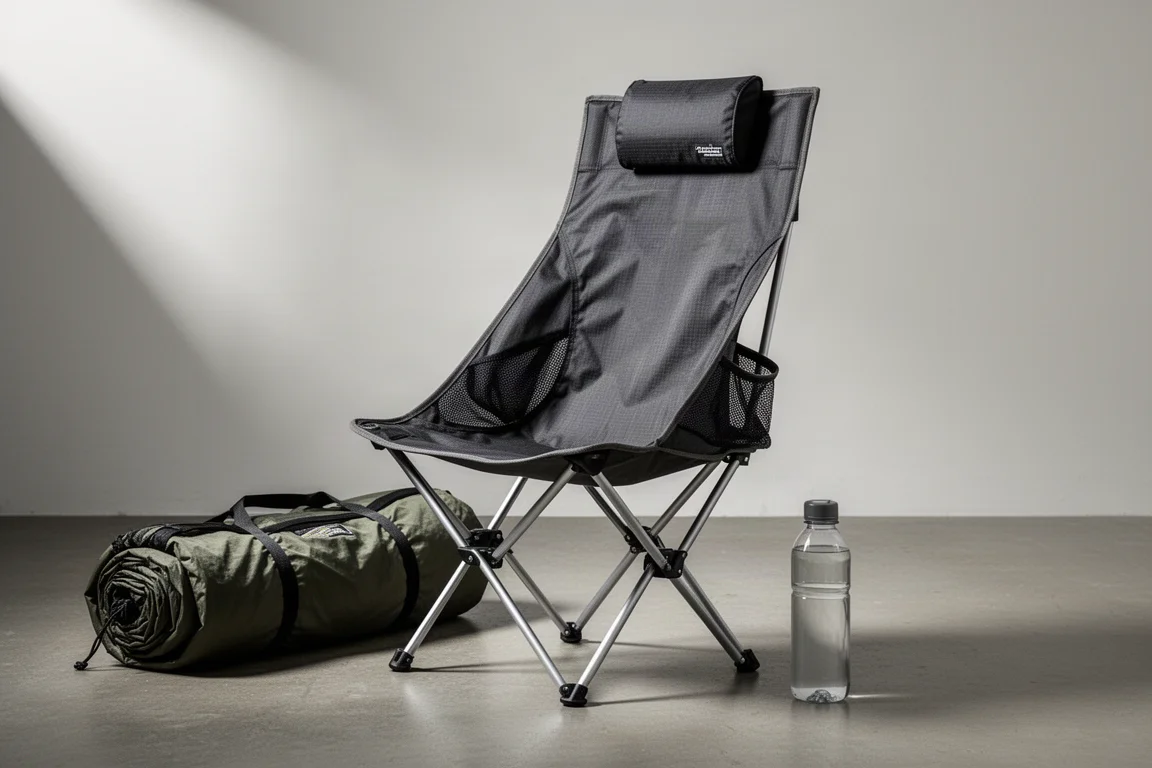
The REI Co-Op Flexlite Camp Dreamer Chair targets a familiar camping compromise: a tall, comfortable backrest that still packs small enough to carry. It weighs 3.4 pounds as a complete package, folds into a carry bag measuring roughly 21 by 7 by 6 inches, and sits at a list price that regularly drops by around 30 percent during sale periods.
That mix of a high back, a wide seat, and a low weight is what makes the Camp Dreamer interesting. It is also where the caveats begin, because the seat sits low to the ground, the first few setups demand real effort, and one unit developed a fabric failure after only a few days of use. Here is what the chair does well, and what to verify before you commit.
Who This Chair Is For
This chair suits campers who want a high backrest for leaning back and reading, a wider than average seat, and a packed weight that stays near three pounds. It also fits buyers who want a lightweight high-back chair without paying the premium many comparable models command, particularly when it is discounted.
It is a poor match for anyone who struggles to rise from low seating. The seat height is the second lowest among the comparable lightweight high-back chairs used as reference points, and it sinks noticeably once you sit down.
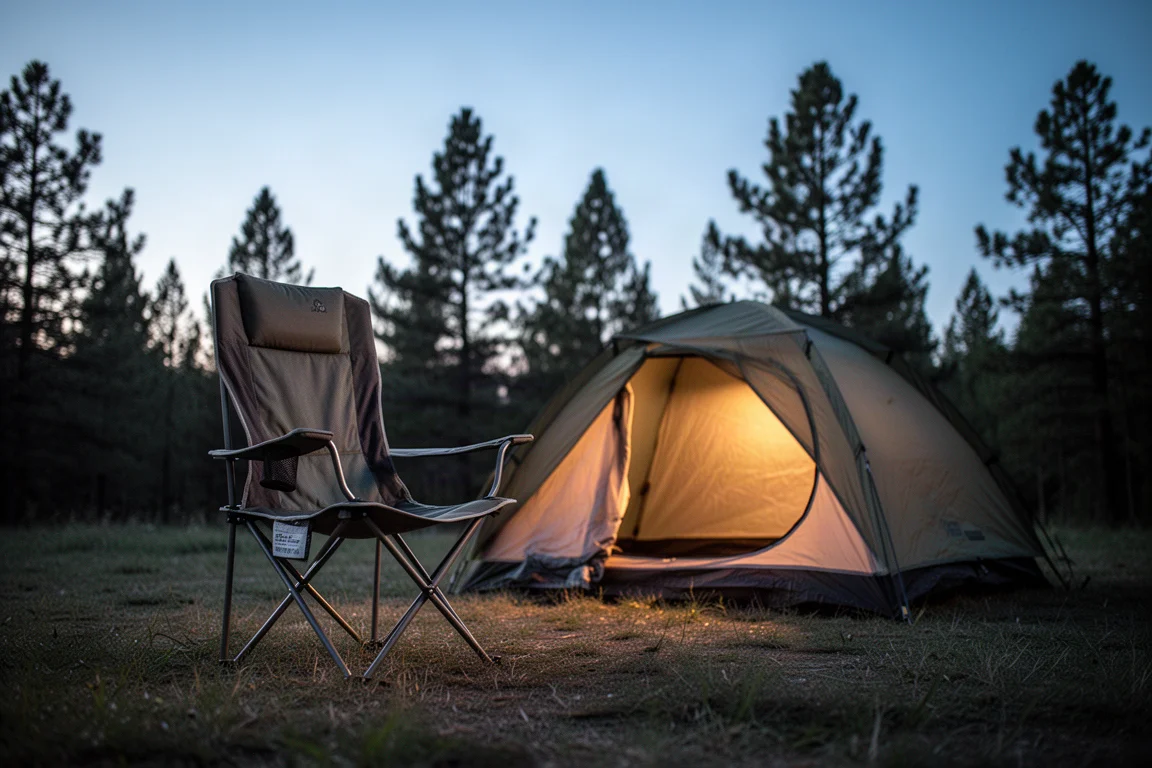
The removable headrest adds another layer of flexibility: keep it in place for lounging, sweep it behind the backrest when you want it out of the way, or leave it at home entirely.
Setup and Pack-Away
Setup follows the shock-corded pole structure, which guides each section into place. Four shorter poles form the base, while the longer poles at the back support the top of the chair. The fabric goes on next: the logo marks the top of the chair, and the pole pockets near that logo slide over the tall rear poles. The two bottom ends then clip into position.
The last corner is the tight one on a new chair. Every corner has a webbing loop, and slipping a finger into the loop to pull the fabric into place makes that final connection far easier. Once the fabric is seated, the headrest attaches at the top with toggles. After a few days of use the fabric loosens slightly, and setup settles at around one minute and twelve seconds.
Packing away runs in five steps. The headrest goes into the carry bag first, then the fabric comes off the poles and the excess ends at the pockets fold inward. The poles break down and fold toward the center pole, and the fabric wraps around them and compresses as tightly as possible. Because the carry bag is top loading with a fairly small opening, the bundle has to be compact before it goes in. The wrapped poles and fabric then sit on top of the headrest and the drawstring tightens. Pack-away time lands at roughly one minute and ten seconds.
Seat Size, Comfort, and Support
Measured unfolded dimensions come in slightly larger than the marketed figures. Pocket to pocket, the widest point is about 25 inches. The length from the back of the chair to the front of the seat is about 26 inches, and the height from the ground to the top of the chair is about 37 inches.
The seat itself is generous for the category: total width is almost 24 inches and seat depth is 13.5 inches, both larger than the comparable lightweight high-back chairs used for reference. That depth still does not cover the full length of an adult thigh, which creates a little sitting pressure. It is a mild comfort trade-off rather than a deal-breaker.
Height is where the numbers need context. The marketed seat height of about 12.5 inches measured at 12 inches, which is accurate on its own, but the chair compresses more than two inches under a seated load, so the effective seat height falls below 10 inches. The front of the chair sits closer to 17 inches. The backrest measures 28.5 inches from the seat to the top and about 19 inches wide, enough to cover an entire back and extend past the top of the head for a shorter sitter. Recline angle is roughly 29 degrees, a noticeably laid-back position.
The included pillow is removable and can also be swept behind the chair to hang off the top. It is stiff rather than soft, and a plusher fill would suit lounging better.
Materials, Features, and Build Quality
The fabric is a 300 denier ripstop polyester with a DWR finish on the underside. The poles are regular aluminum: the center bar that the rest of the frame connects to is the thickest at almost 0.8 inches, while the remaining poles measure about 0.67 inches. Stitching is clean all around the chair and the feet match what most lightweight chairs use. The chair is made in the Philippines.
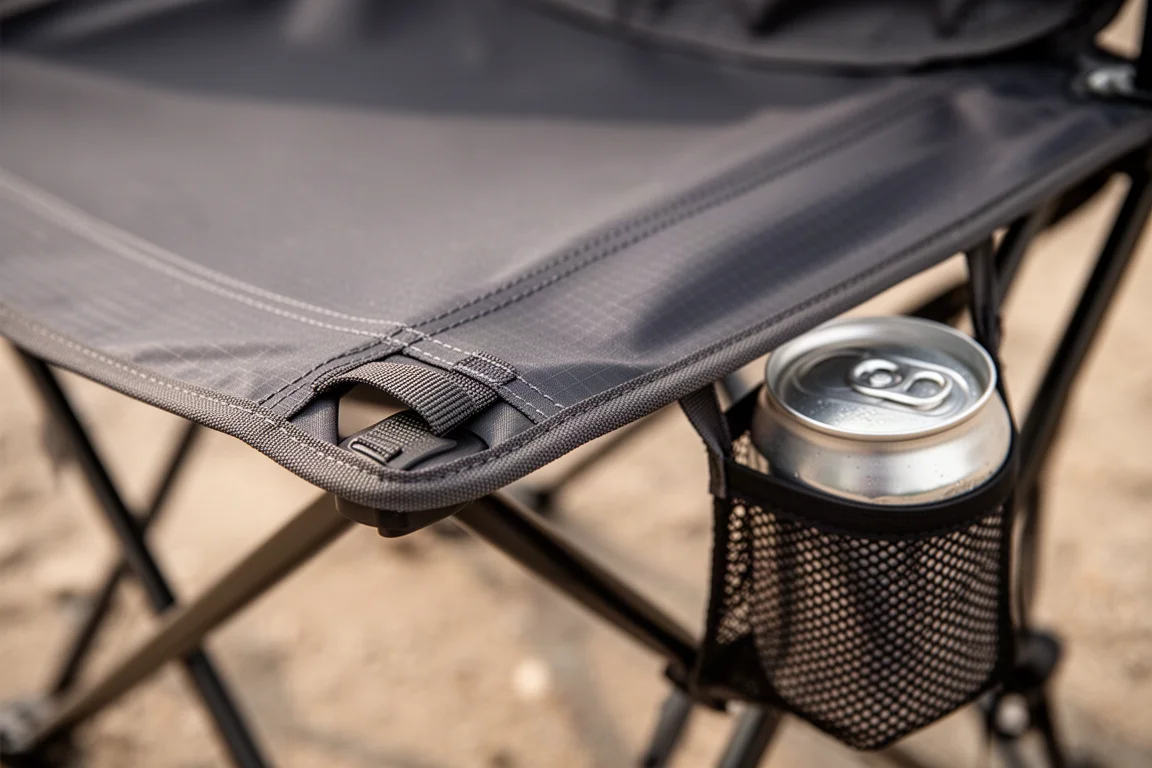
Two mesh pockets sit one on each side, each measuring about 6.5 by almost 4 inches. That is enough for a phone placed horizontally, and a canned drink fits as well and stays reasonably secure as long as the can is not too full.
Ventilation is limited. There is no mesh anywhere in the chair, only the lightweight fabric and two slits near the bottom, and seat temperature rose slightly more than expected after an hour of sitting. Breathability is not as strong as on other lightweight high-back chairs.
Two build notes matter. The pole structure is reversed compared with most chairs, running narrow at the front and wide at the sides, which makes the chair less stable when you shift your weight; most designs run wide at the front and feel steadier. More seriously, one unit failed after roughly three days when the end of a pole pushed through a bottom pole pocket and left the chair unusable. The chair carries a 300 pound weight limit, and the failure appeared to be a manufacturing defect rather than an overload.
Portability and Packed Size
The complete package weighs 3.4 pounds, matching the marketed figure closely: the chair alone is almost exactly 3 pounds, the headrest 0.26 pounds, and the carry bag 0.14 pounds. The carry bag has only a small handle near the opening, so it is better suited to being carried inside a larger pack or duffel than swung from a shoulder.
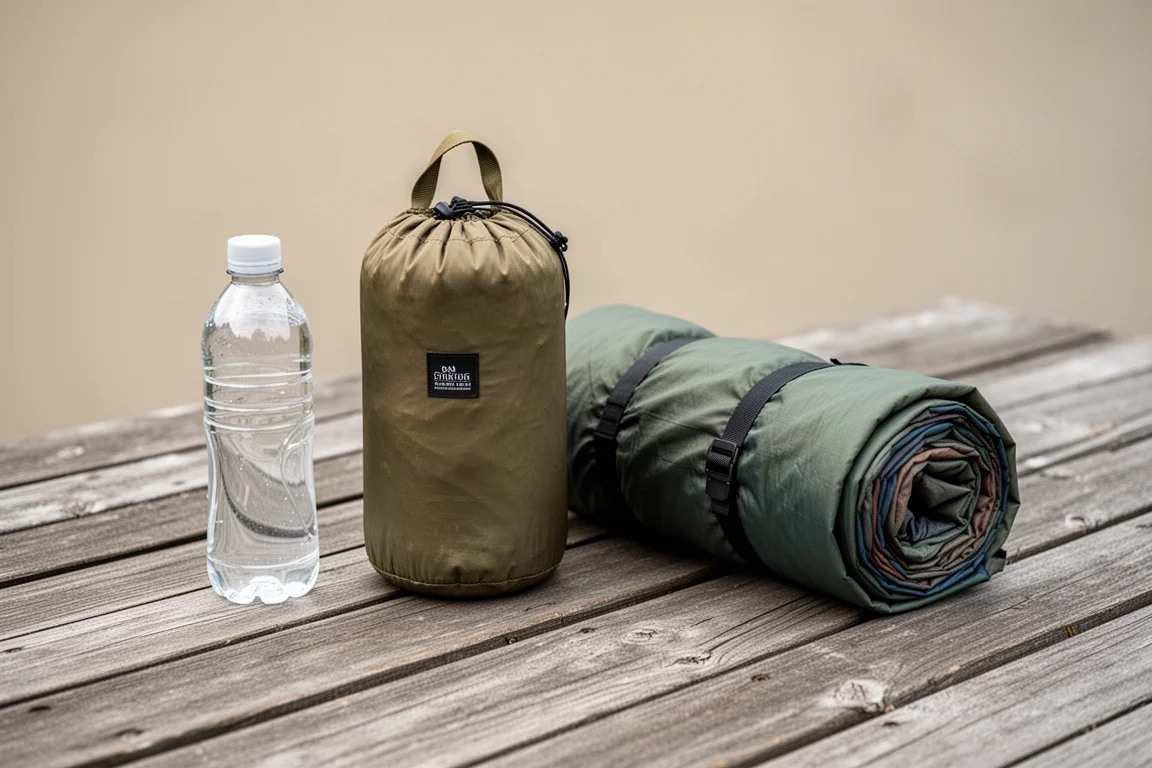
Packed size measured about 21 by 7 by 6 inches, roughly 15 percent smaller than a two person tent used for scale, and compact enough to sit beside a one liter bottle without dominating the load.
Main Strengths
Weight and packed size are the headline strengths. At 3.4 pounds complete, this is genuinely portable for a high-back camping chair, and the folded bundle stays manageable in a pack.
Value is the other big one. At list price the chair competes with the cheapest lightweight high-back options around, and the 30 percent sale price makes it an easy recommendation for budget-conscious campers. Materials and construction feel reasonable for what you pay on sale.
Comfort holds up better than the price suggests. The seat is wider and deeper than most rivals in its class, the backrest is tall enough to support the full back and head, and the removable headrest is a useful extra even if the fill is firm.
Things to Consider Before Buying
Seat height is the first thing to check against your own needs. This is a low chair that compresses further under load, so anyone who finds low seating difficult to exit should look elsewhere.
Setup tension is the second. New chairs are tight, and getting the pole into the bottom pocket on the first attempts takes real muscle. The webbing loops help and the fabric relaxes with use, but the first few setups are not effortless.
Stability and breathability are worth weighing too. The reversed pole layout is less planted when you move around, and the fabric breathes less than other lightweight high-backs.
Finally, durability. One unit failed within days through a pole pocket, which points to a possible defect rather than normal wear. That makes early testing essential rather than optional.
Buying Advice
Buy this chair on sale if you want a light, tall-backed seat with an unusually wide seat for the money. At full list price it is still competitively priced against comparable lightweight high-back chairs, and the discounted price is where the value case becomes clear.
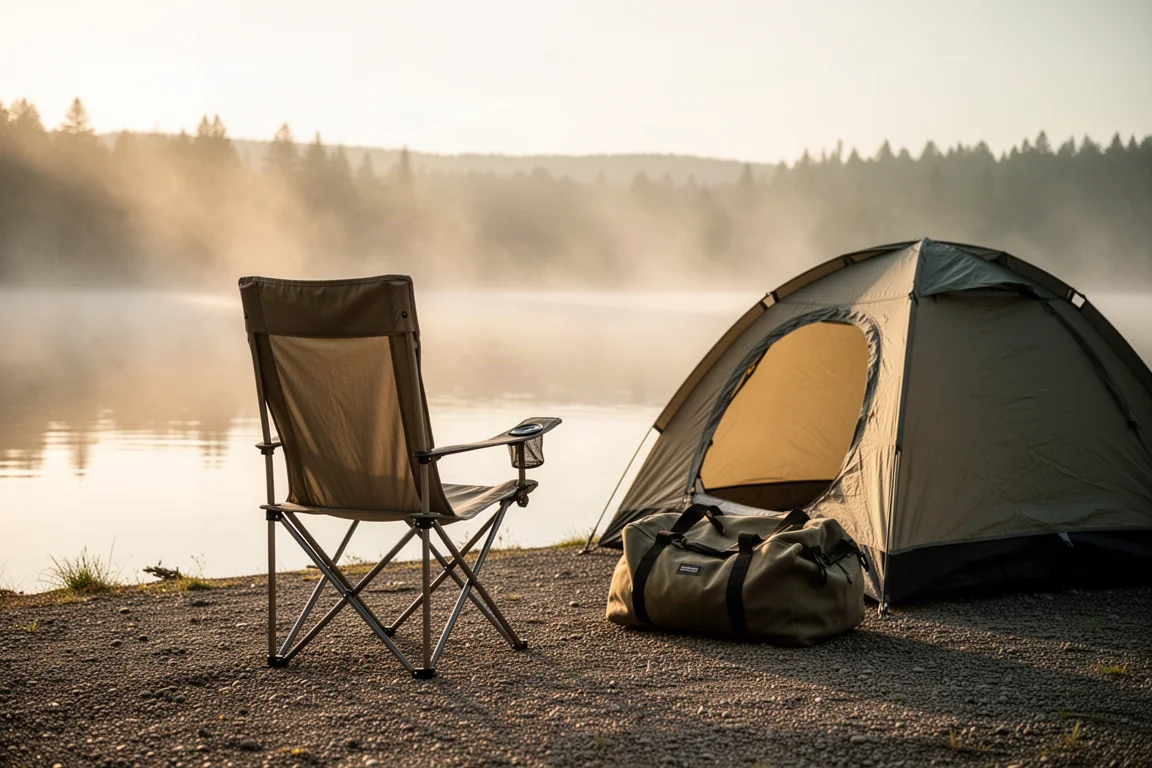
Test it properly within the first week. Set it up several times, sit in it for extended periods, and check the bottom pole pockets for any sign of stress where the pole ends meet the fabric. If something looks wrong, address it while the chair is still covered by the retailer’s return window.
Confirm the seating height works for you before you rely on it as well. If you want a chair you can rise from easily, a taller seat will serve you better regardless of price.
Conclusion
The REI Co-Op Flexlite Camp Dreamer Chair gets a lot right for the money: 3.4 pounds, a compact packed size, a wide and deep seat, a tall backrest, and a removable headrest. Its weak points are equally clear: a low seat that sinks under load, tight early setups, limited breathability, less stability than a conventional pole layout, and a durability question raised by one early failure. Bought on sale and tested promptly, it remains a sensible value pick for campers who prioritize weight and back support over seat height.
Product link
View more details for REI Co-Op Flexlite Camp Dreamer Chair
This product is mentioned in the review. Check the specifications, options, and compatibility before buying.
View more details for REI Co-Op Flexlite Camp Dreamer ChairFurther reading
Related Reviews
Camping Chairs
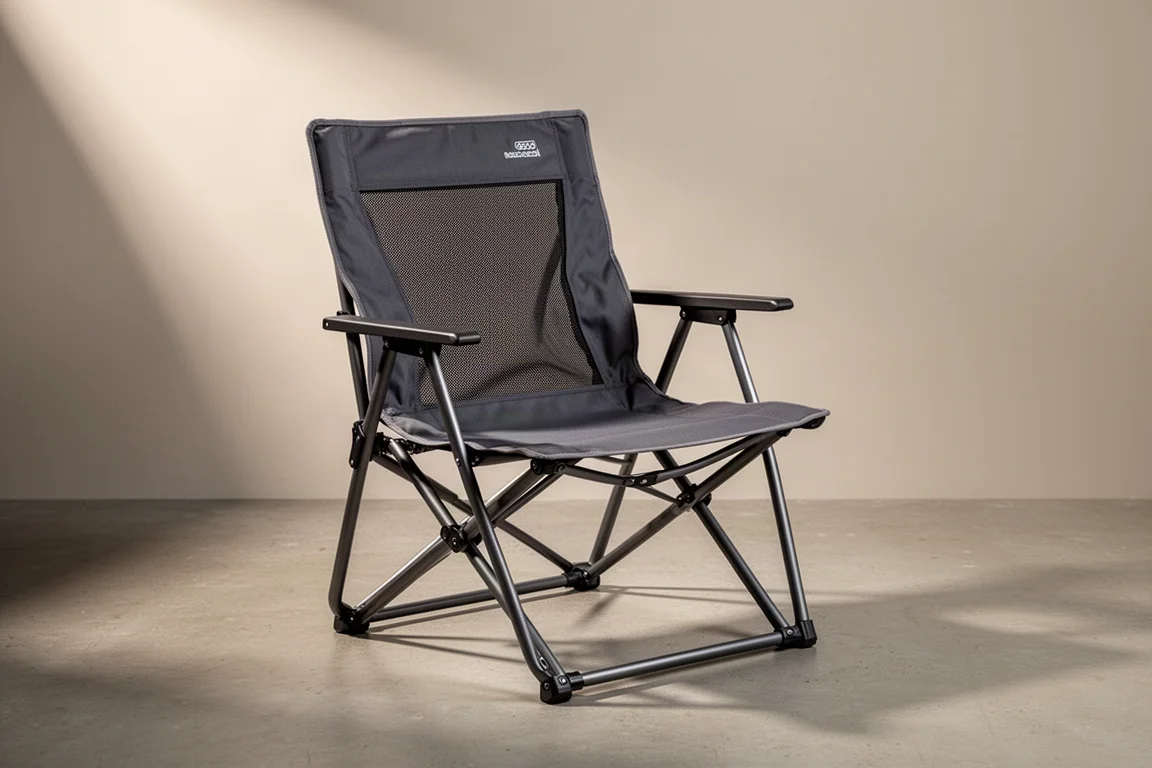
ALPS Mountaineering Rendezvous Chair Review: Fast Setup, Compact Pack, Real Trade-Offs
A practical look at the ALPS Mountaineering Rendezvous Chair: measured seat dimensions, setup and pack-away speed, materials, and who it genuinely suits.
Camping Chairs
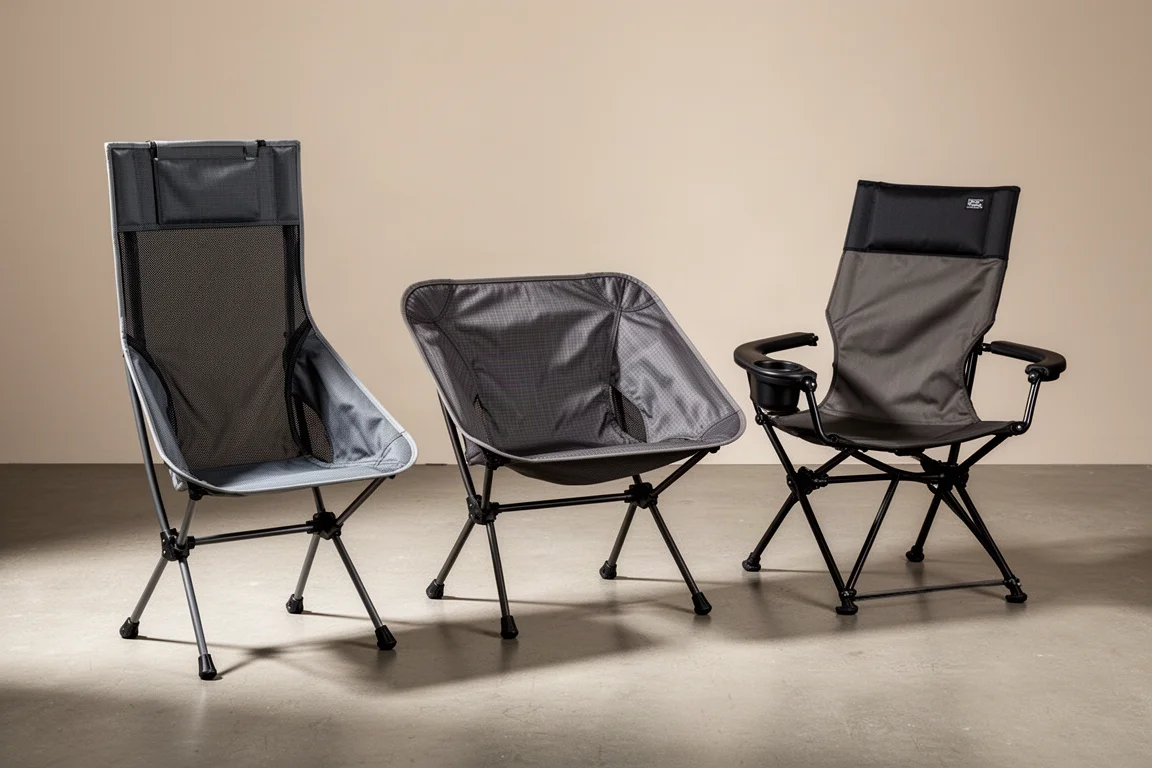
Best Lightweight High-Back Camping Chairs: Helinox Sunset vs REI Flexlite Camp Dreamer vs Big Agnes Big Six
A measured comparison of three lightweight high-back camp chairs, covering setup times, seat dimensions, breathability, storage, materials, warranty, and price positioning.
Camping Chairs
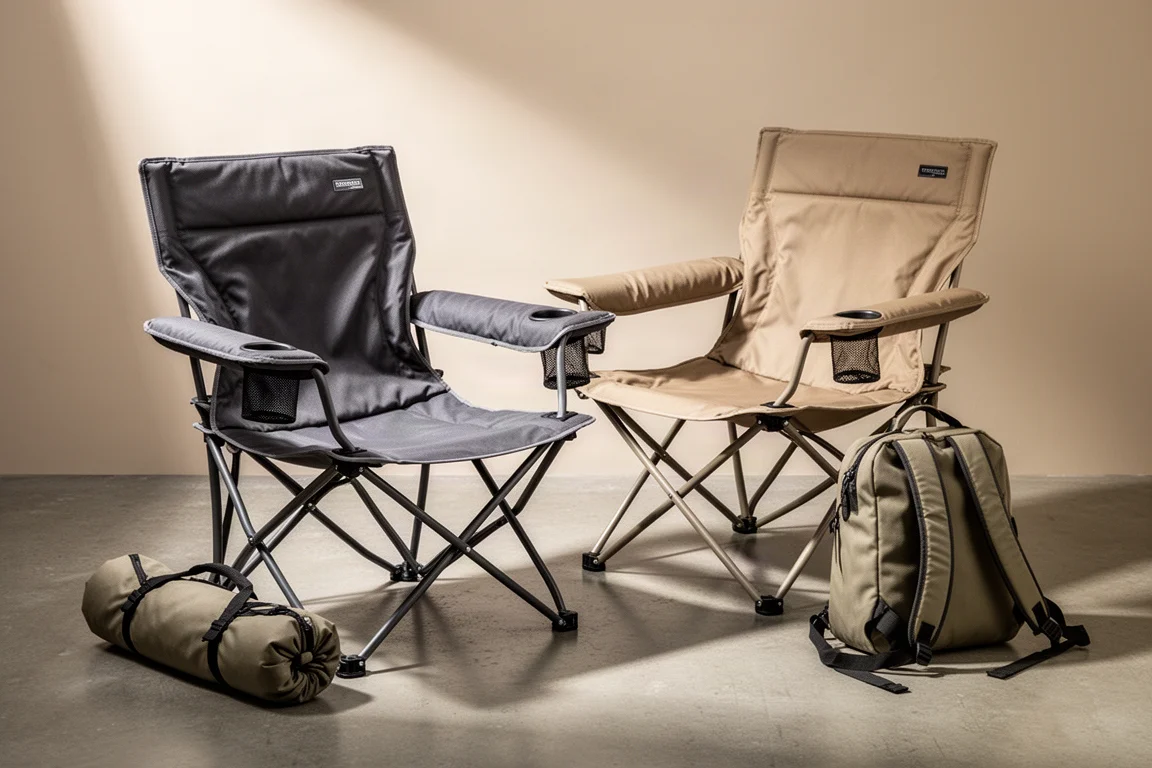
Best Oversized Camp Chairs: ALPS King Kong vs Coleman vs YETI Trailhead
Four of the largest camp chairs compared on seat size, seat support, materials, storage, portability, and price, with clear guidance on which one is worth buying.