Gravel Bikes
Rehobos Sandman 6 Review: A Carbon Gravel Bike Built for Versatility
A closer look at the Rehobos Sandman 6, a direct-to-consumer carbon gravel bike with Shimano GRX, huge tire clearance, and a genuinely flexible build.
Introduction
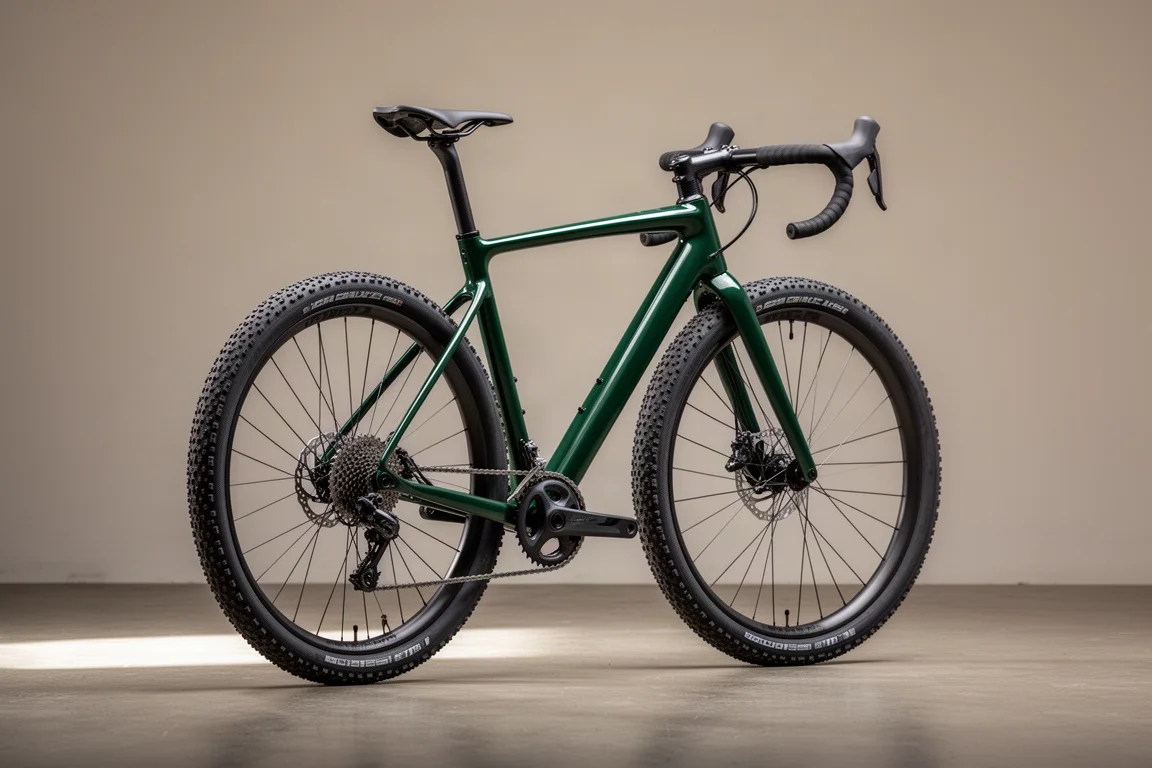
Gravel bikes have settled into a fairly predictable formula, which makes it genuinely interesting when a brand tries to squeeze real carbon performance into a price bracket that usually means aluminium. The Rehobos Sandman 6 comes from a German direct-to-consumer brand, which means no dealer network and no showroom markup, and it sits in the middle of the Rehobos gravel range at roughly two thousand pounds.
The headline claim is straightforward. Rehobos wants riders on a full carbon frame and fork without paying the premium that a traditional brand would charge, and the company describes its bikes as hitting a sweet spot between performance, everyday durability and value. The Sandman 6 pairs that frame with an 11-speed Shimano GRX groupset.
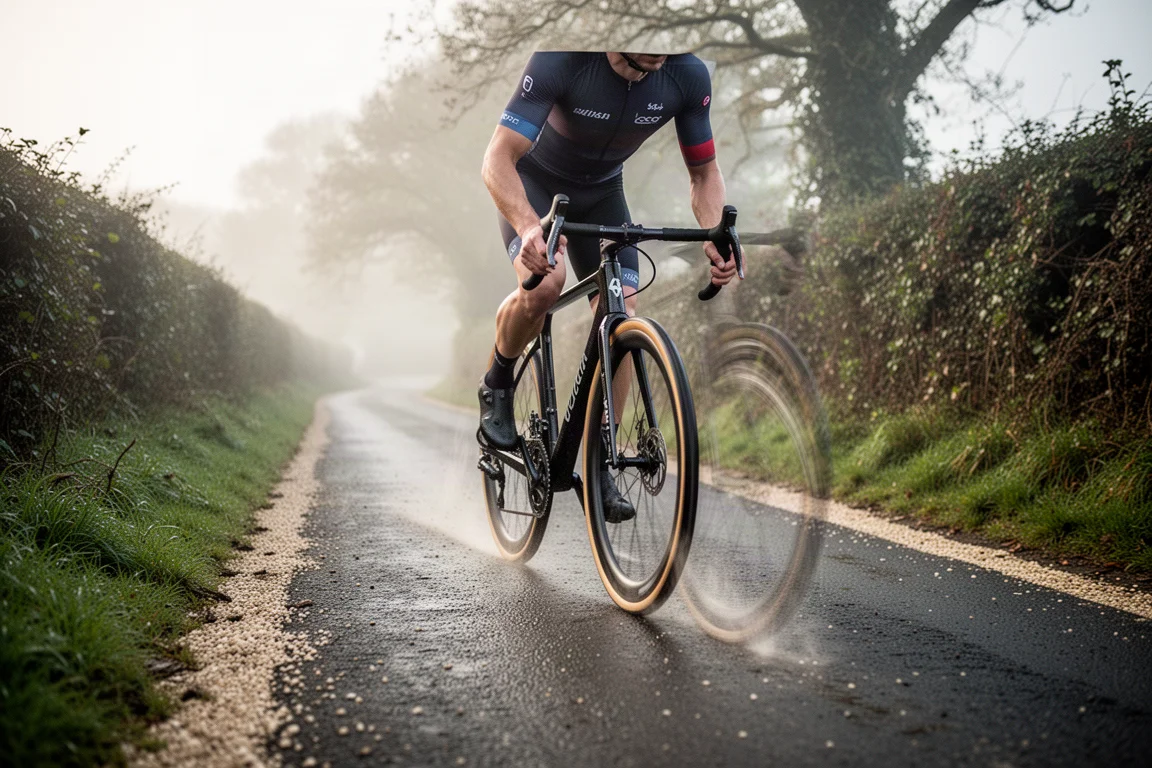
What makes the Sandman 6 worth a closer look is not a single standout component but the way the whole package has been assembled. It is a bike designed to do several jobs reasonably well rather than one job brilliantly, and that is a design brief a lot of riders quietly need.
Who the Sandman 6 Is For
Rehobos positions the Sandman as a do-it-all gravel bike, and the specification backs that up. The intended use cases run from light off-road riding through bikepacking and commuting, plus any combination of the three. That is a broad remit, but the frame and mounting hardware support it.
The geometry is deliberately approachable. A medium frame has 373 mm of reach and 579 mm of stack, which keeps the front end tall enough and the reach short enough to avoid feeling intimidating for newer riders or on steeper terrain. Nothing here is extreme, and that appears intentional.
The brand also has a clear target in mind for newer riders and those working to a tighter budget who want to get onto a proper carbon platform with a minimum of compromises. Riders who already know exactly what geometry they want from a race bike are probably not the core audience. Riders who want one bike for the school run, the towpath and the weekend loop very much are.
Frame and Geometry
The same full carbon frame and fork are used across the entire Sandman range, regardless of which drivetrain you choose, and they are built from Toray T800 fibres. Frame construction is a significant part of the value argument here, because the frame does not get downgraded on the cheaper builds.
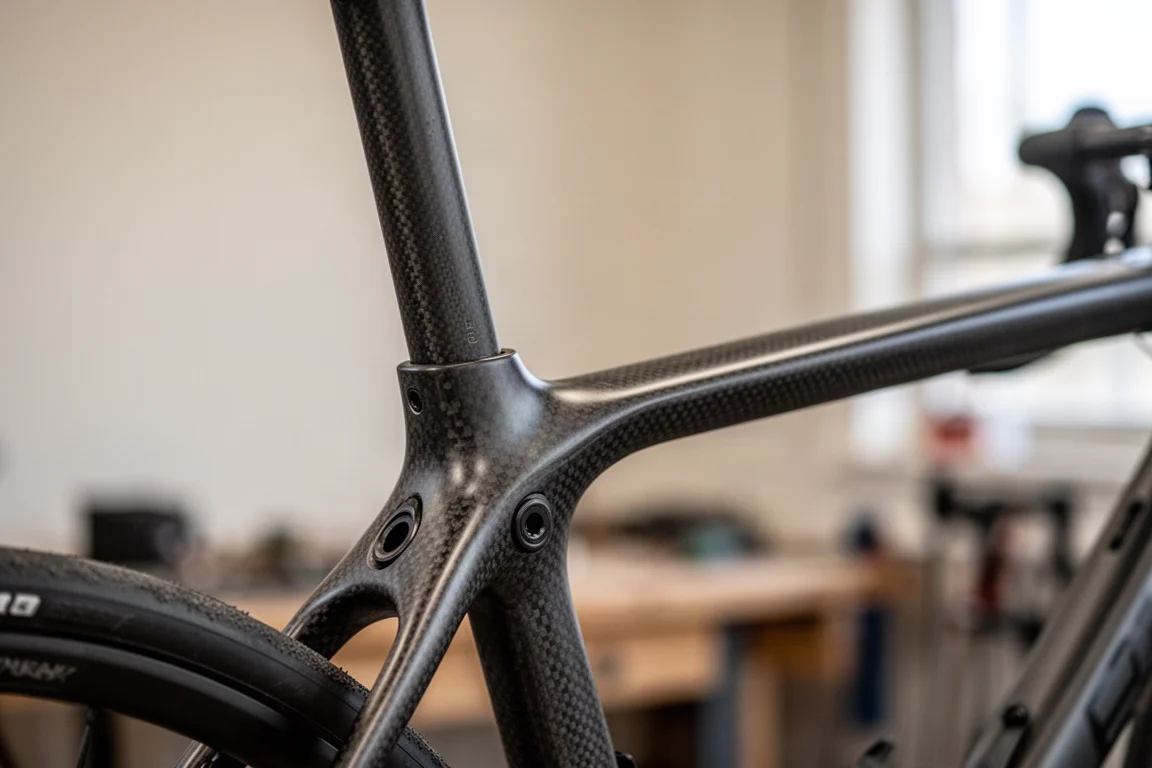
There is a decent amount of sculpting around the seat cluster, and a healthy length of exposed seat post, which should translate into useful rear end compliance over rough surfaces. The overall design is notably clean. A hidden seat clamp and fully internal cable routing keep the lines tidy, and the bike runs a one-piece carbon cockpit with a subtle flare in the bar for off-road handling confidence without going to an extreme shape.
The internal routing is worth a moment of honesty. It looks excellent, but it does make maintenance and fit adjustments more involved than external cables would. That is a trade-off rather than a flaw, and it is one that most riders buying a bike like this will accept.
Colour options are green, blue, gold and ivory, and the green finish suits a bike built for this kind of terrain rather well.
Drivetrain and Brakes
The Sandman 6 runs Shimano GRX RX600, an 11-speed setup combining a double crankset with an 11-speed cassette for 22 gears in total. The ratios are sensibly chosen for mixed terrain. A 32-tooth inner ring paired with a 34-tooth cassette sprocket gives you enough leverage for serious gradients, while the 46-tooth chainring and 11-tooth cog are tall enough for any descent you will find off-road and remain workable on tarmac.
The 11-speed components also bring tighter gear spacing than a 10-speed system, which is a real benefit on longer rides, and the whole groupset is built specifically for gravel rather than adapted from road parts.
One GRX detail deserves highlighting. The rear derailleur uses a mountain bike style clutch, which stops the chain from flapping around or dropping off when the surface gets bumpy. It is the sort of feature you stop noticing precisely because it works. The same applies to the universal derailleur hanger, or UDH, which Rehobos has specified here. Because the standard is used on a huge number of bikes, you will never struggle to find a replacement hanger, which is a meaningful advantage over the proprietary designs many frames still use. The hanger is the sacrificial part that is designed to break away in a crash and protect the frame.
Shimano’s brakes round out the package with a solid lever feel and good modulation, which matters most when the riding gets technical.
Wheels and Tires
Rehobos fits its own alloy wheels, and they will accept tires anywhere from 25 mm to 50 mm wide, so the same wheelset can serve a fast tarmac setup or a much chunkier off-road build. The bike ships with 40 mm CST gravel tires as standard, a sensible all-rounder choice that works on and off road without becoming draggy during long stretches on tarmac.
There is a notable detail in how those wheels are built. Rehobos uses a system called Truedy, developed by Bird, the company behind those distinctive rope-spoke wheels. Truedy is essentially a computerised truing stand that calculates the adjustments a wheel needs on the fly and guides the builder through them. The goal is consistent, precise wheels produced more quickly and more affordably than conventional methods allow.
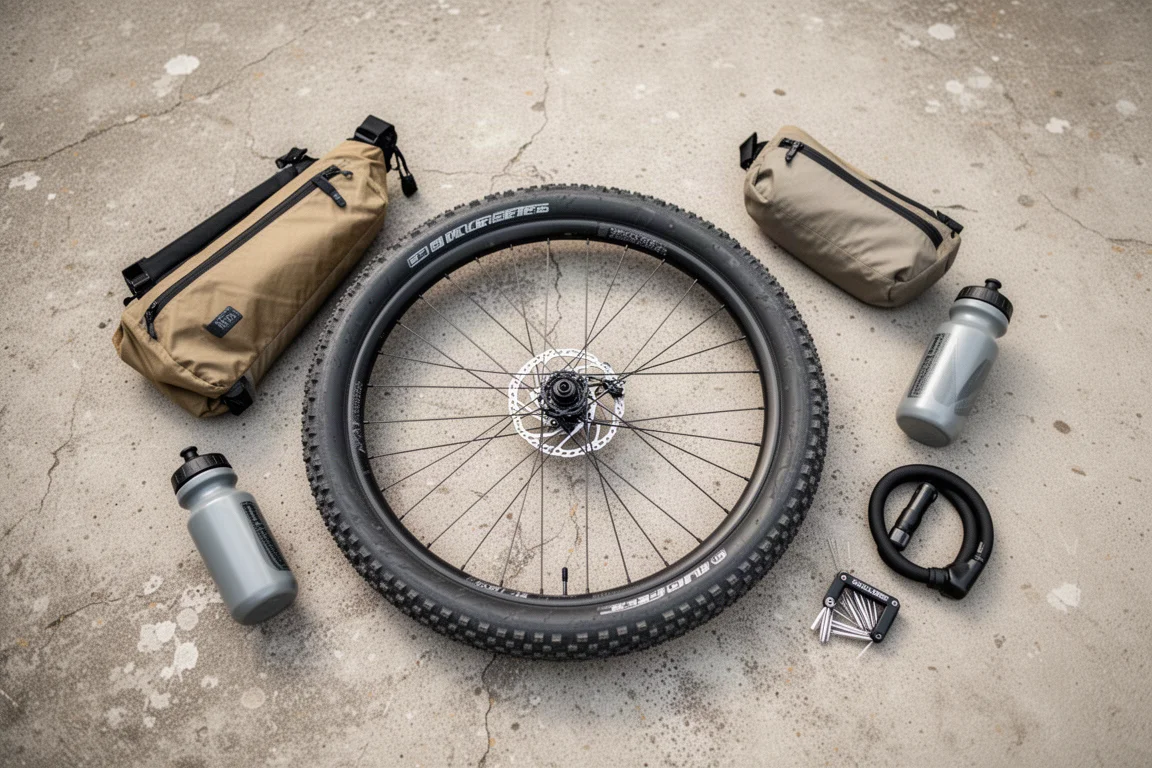
If the standard 40 mm rubber feels limiting, the frame has the clearance for genuinely large 50 mm tires, so a more mountain-bike-adjacent setup is entirely possible.
Things to Consider Before Buying
The biggest practical difference with a direct-to-consumer brand is that there are no physical shops. Your bike arrives 95 percent assembled, which means fitting the front wheel, inserting the seat post, pumping up the tires and heading out. For many riders that is a small task. For anyone who would rather have a mechanic hand over a finished bike, it is a real consideration.
The internal cable routing is the other point worth weighing. It looks superb and it is a genuine part of the bike’s appeal, but routine cockpit changes will take longer than they would on a frame with external lines.
It is also worth being clear about what the Sandman 6 is not. The geometry is deliberately relaxed and the build is aimed at reliability rather than outright race pace. Riders chasing the sharpest possible front end will want to look elsewhere.
Buying Advice
The Sandman 6 sits in the middle of the Rehobos range, with prices starting from around fifteen hundred pounds for a Shimano Sora build and rising to roughly three thousand pounds for a 105 Di2 version. Crucially, the frame and fork are identical across all of them, so the cheaper builds are not compromised on the part that matters most.
That changes the buying decision considerably. If the frame is the same throughout, the sensible approach is to pick the drivetrain that matches how you actually ride and plan to upgrade components later. The 11-speed GRX build is a strong middle ground. It offers tight gear spacing, a genuinely wide range and the clutch derailleur that makes rough surfaces far less eventful, at a price that stays reasonable.
The claimed weight of around 9.8 kg is competitive for a bike with this much tire clearance and mounting provision. Between the 26 mounting points for bottles, luggage, racks and mudguards, the room for 50 mm tires and the relaxed geometry, the Sandman 6 is designed to be adapted rather than replaced. If you want one bike that covers commuting, light off-road riding and bikepacking without excuses, that flexibility is the strongest argument in its favour.

Riders on a tighter budget who have been assuming carbon is out of reach are the people Rehobos is aiming at, and on specification alone the Sandman 6 makes a persuasive case for itself.
Conclusion
The Rehobos Sandman 6 is a coherent, well-considered gravel bike. The full carbon frame and fork carry across the whole range, the GRX drivetrain is properly suited to mixed surfaces, clearance for 50 mm tires keeps options open, and 26 mounting points make it genuinely adaptable over time. The trade-offs are the ones that come with the direct-to-consumer model and the tidiness of fully internal routing, and neither is a dealbreaker for most riders.
For anyone who wants a versatile carbon gravel platform without paying a premium brand tax, the Sandman 6 deserves a place on the shortlist.
Product link
View more details for Rehobos Sandman 6
This product is mentioned in the review. Check the specifications, options, and compatibility before buying.
View more details for Rehobos Sandman 6Further reading
Related Reviews
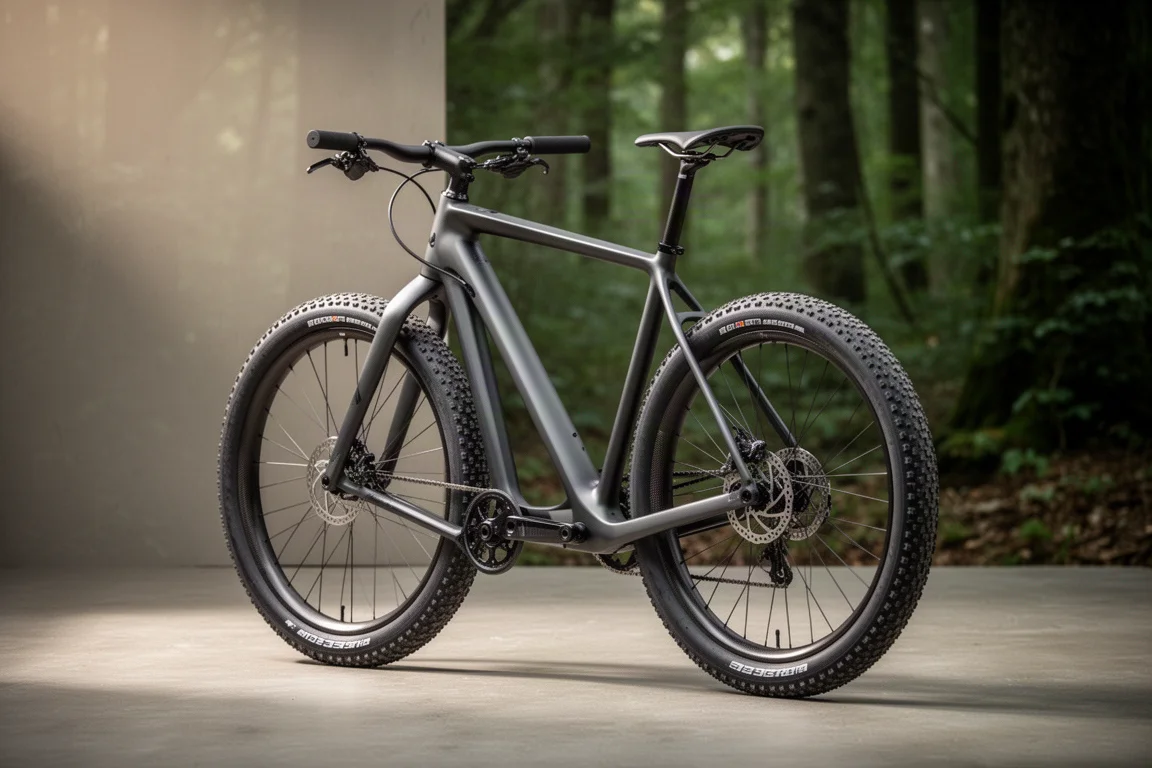
Gravel Bikes
3T Exploro Ultra Review: A Fast Gravel Bike Built for Big Tyres
A close look at the 3T Exploro Ultra, an aero carbon gravel bike designed around wide tyres, with road-like handling, a 980 g frame and genuine rough-terrain capability.
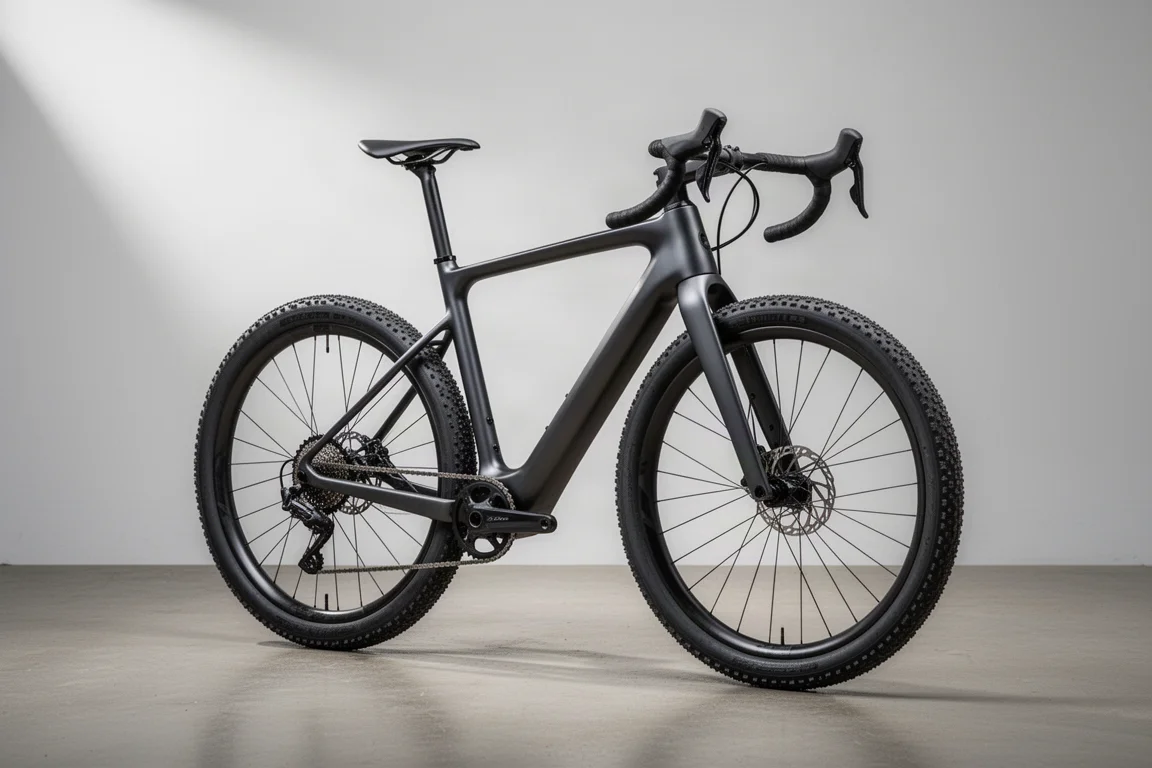
Gravel Bikes
3T Extrema Italia Review: Aero Gravel Speed With Room for 57 mm Tires
The 3T Extrema Italia pairs an aero frame with huge tire clearance, Italian-made carbon and a more comfortable ride than the RaceMax. Here is what to know before buying.

Gravel Bikes
3T Race Max 2 Italia Review: An Aero Gravel Race Bike Made in Italy
A closer look at the second-generation 3T Race Max 2 Italia, covering its aero updates, ride character, tire clearance, internal storage and who it suits.