Aquarium Pumps
Reef Octopus OctoPulse Plus Pumps: OctoPulse 2 vs OctoPulse 4 Compared
Reef Octopus refreshes its OctoPulse propeller pumps with a new touch controller, dual-pump support, Wi-Fi app scheduling, and a laminar flow mode.
Introduction
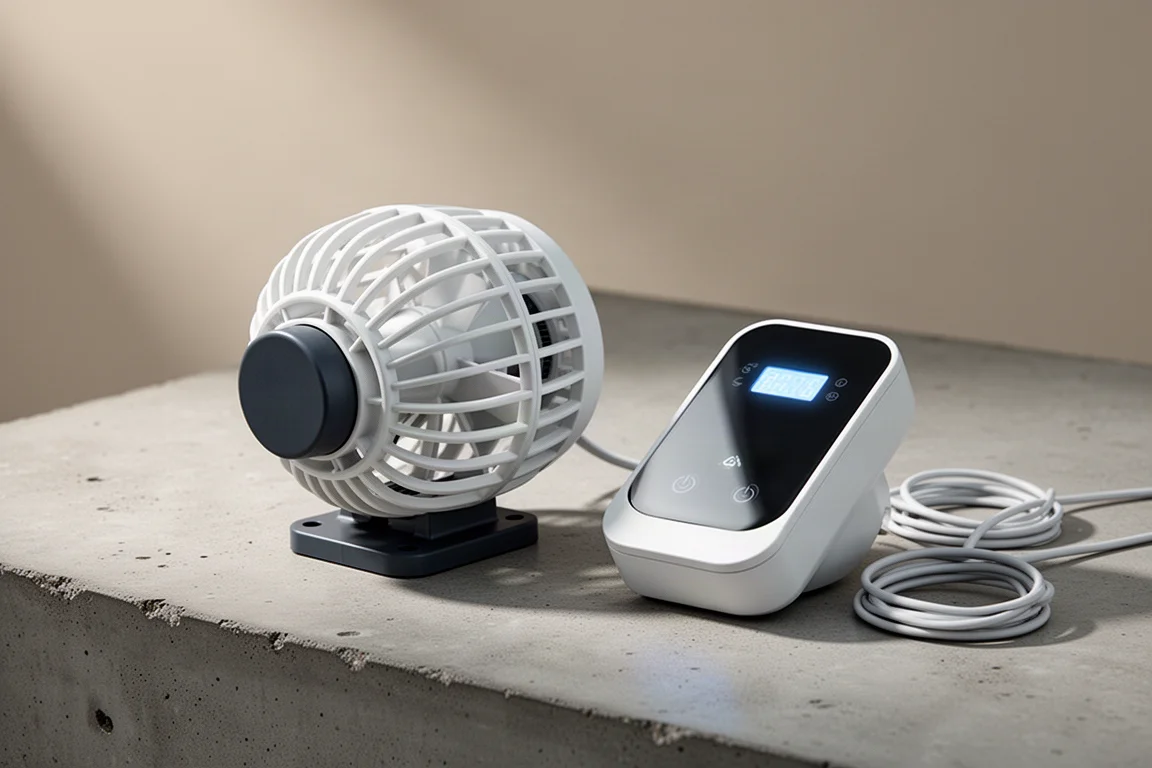
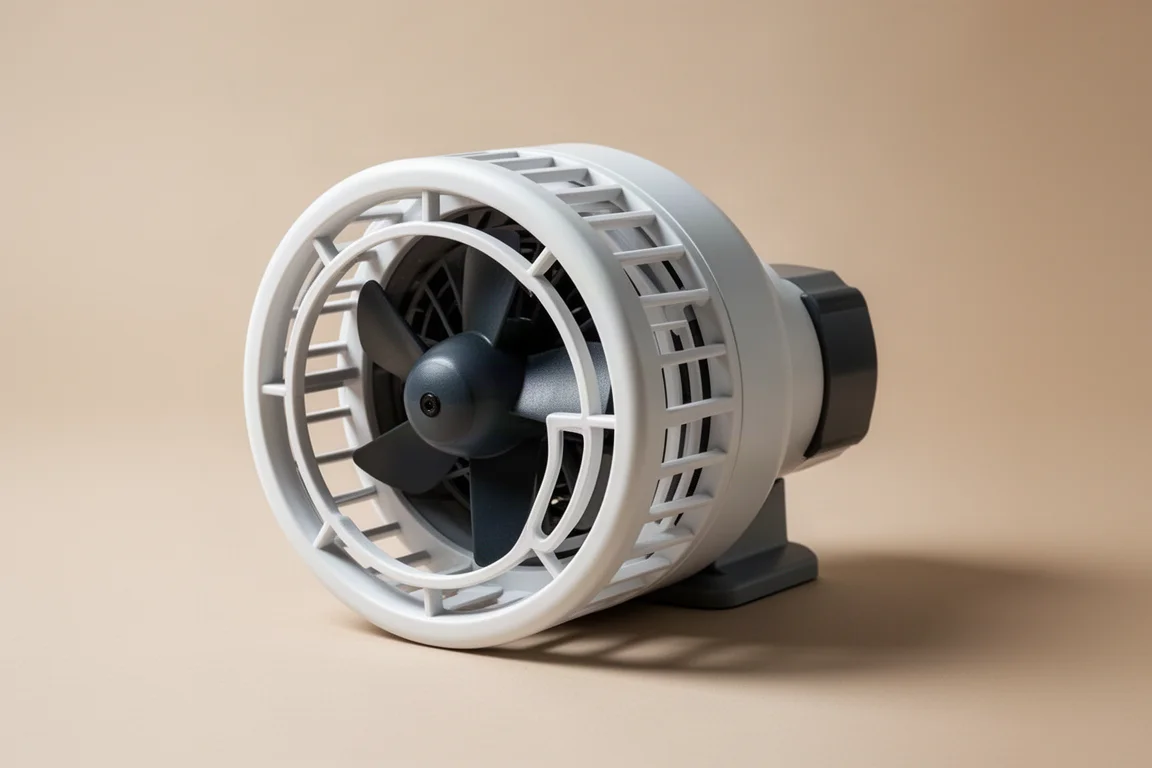
Reef Octopus has a new generation of its OctoPulse propeller pumps, and the update is almost entirely about the controller. The pump bodies carry over the same low-profile housing, the same magnetic mount that lets you aim the outlet where flow is needed, and the same medium-wide output pattern of roughly 30 degrees that disperses quickly instead of firing a narrow jet at nearby coral colonies.
What is new is everything the pump plugs into: a glossy touch interface instead of physical buttons, a small LCD screen, support for two pumps on a single controller, a new laminar flow mode, and Wi-Fi app control with daily scheduling. The line is offered in two flow ratings, 1,600 and 4,500 gallons per hour, and both sizes can be mixed on one controller.
What the New OctoPulse Plus Controller Changes
The earlier controller relied on physical buttons and LED indicator lights. The new one swaps them for a glossy capacitive touch surface that is easy to wipe clean, plus a small LCD screen that shows what the pumps are doing at a glance. Three things stay the same: the solid mounting bracket, the plain white finish, and the locking pump connectors.
The bigger change is capacity. One controller can now run up to two pumps, in any combination of the compact and larger models, and each port can be assigned to the model connected to it. You can set a flow pattern, intensity and duration for pump A, then do the same for pump B, or have pump B run in sync or anti-sync with pump A.
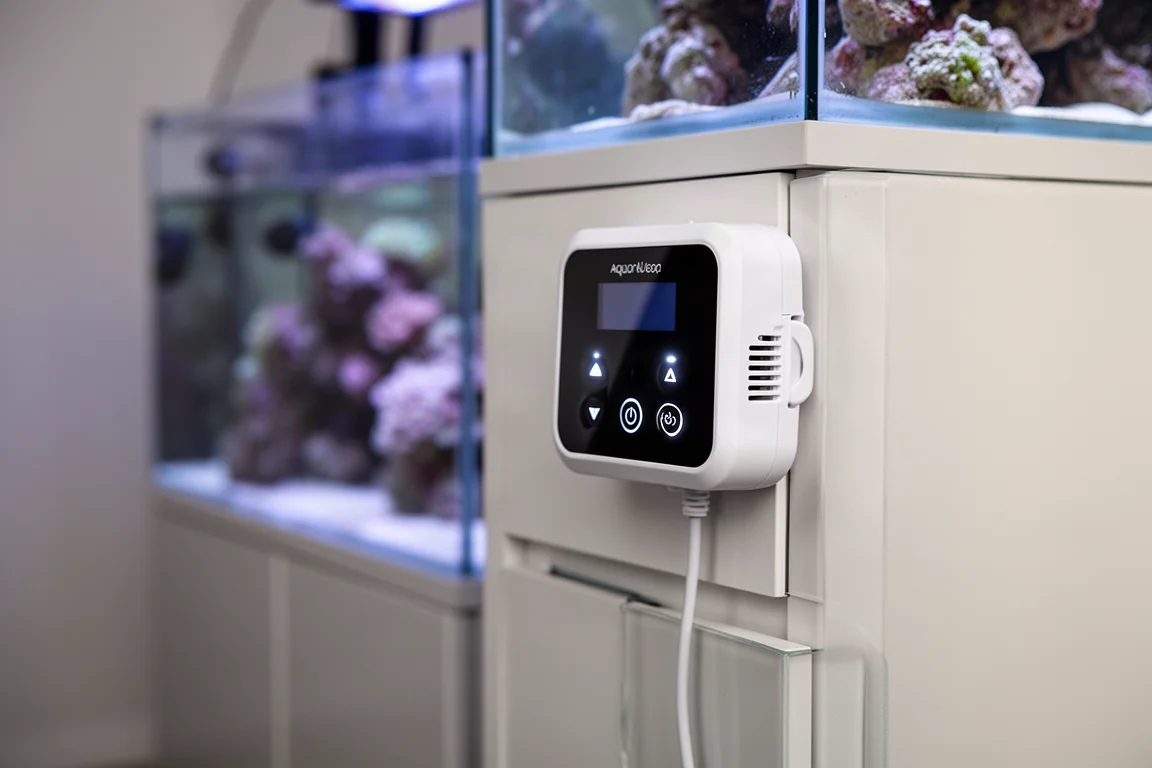
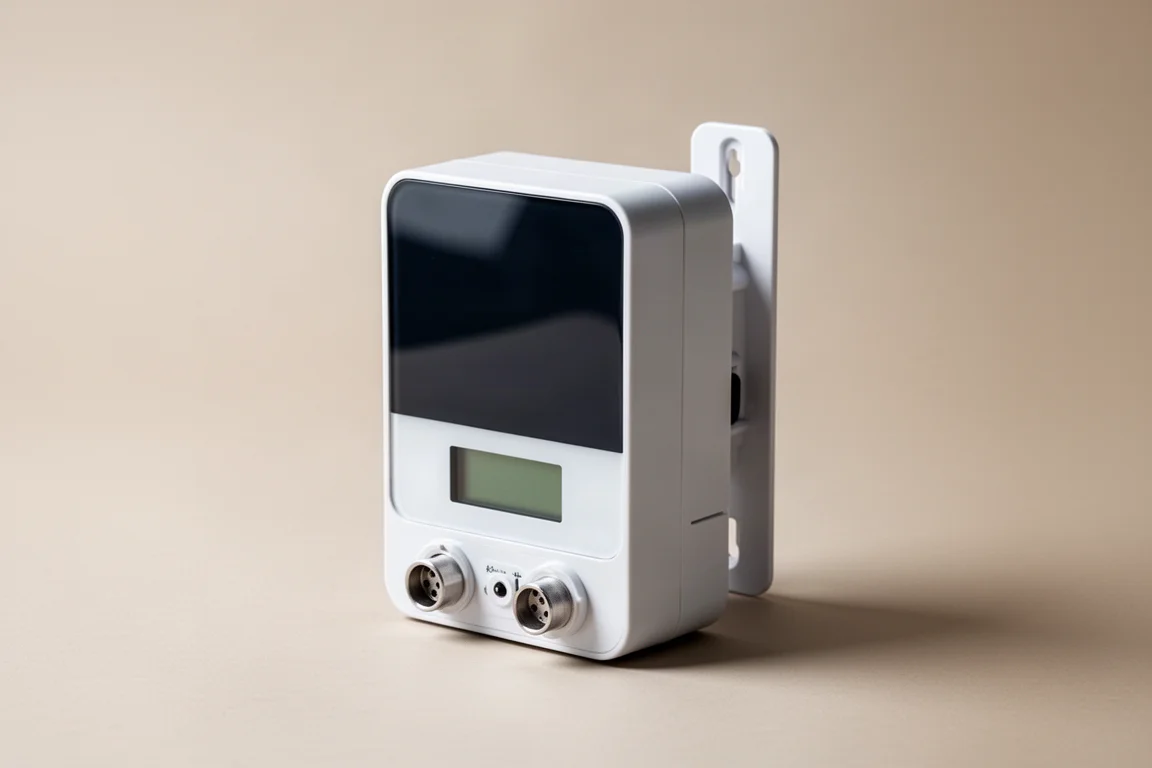
For reef keepers who have been running two separate controllers, a single unit is a practical simplification. Control through an external aquarium controller is still possible as well: the new unit keeps its 0-10V input, so it can be driven by a system such as an Apex if that is how the rest of the tank is managed.
Flow Patterns: Constant, Pulse, and Laminar
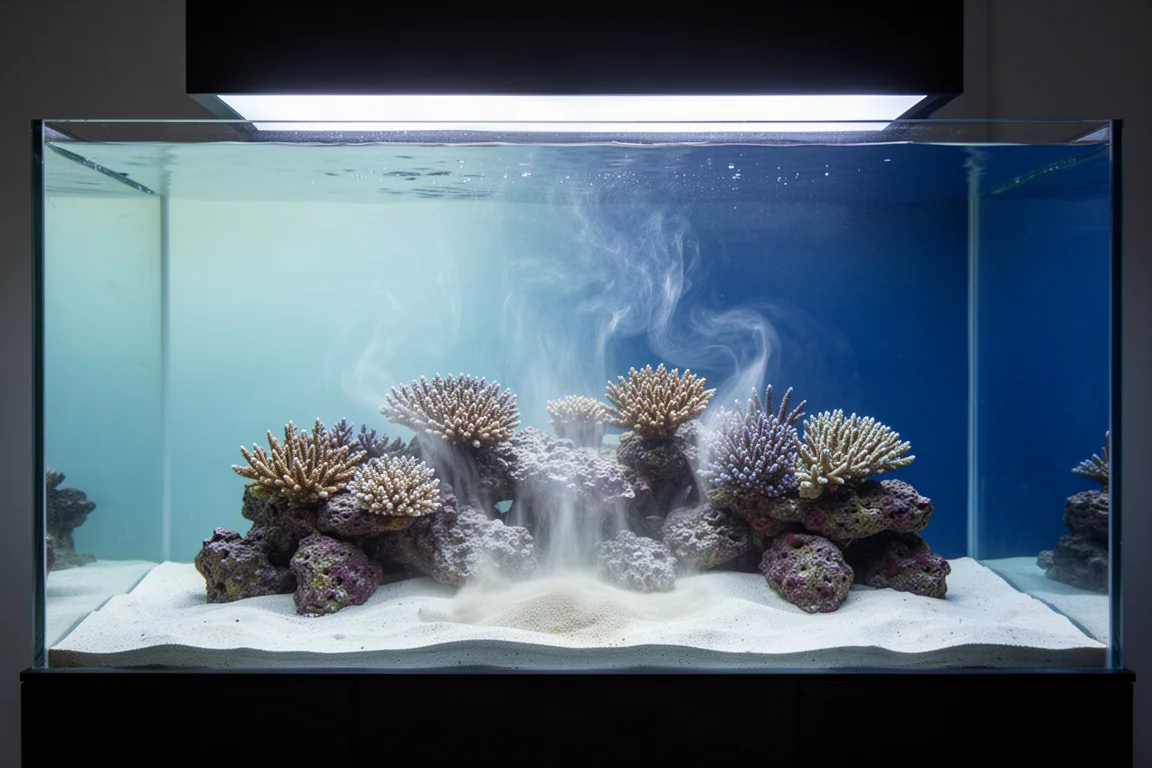
The new controller offers three flow patterns. Constant and pulse are self-explanatory. Laminar is the interesting one: it behaves like a long pulse, but instead of dropping to a lower speed at the bottom of the cycle, it runs the power in reverse. Water is drawn through the face of the pump and spread as a sheet along the glass in all directions.
The result is a push and pull motion with a gyre-like effect, which can lift detritus that tends to settle below the pumps. It is a genuinely different way to move water in a tank, and it works alongside the medium-wide pattern the pumps already produce.
Reef Octopus OctoPulse Plus
The OctoPulse Plus generation keeps the pump design that made the line easy to live with. The housing sits close to the glass, the magnetic mount makes it simple to reposition and aim, and the wide, dispersed output moves a lot of water without stripping tissue from corals placed nearby. Aim matters here: because the pattern spreads quickly, small changes in angle can make a noticeable difference to where the flow lands.
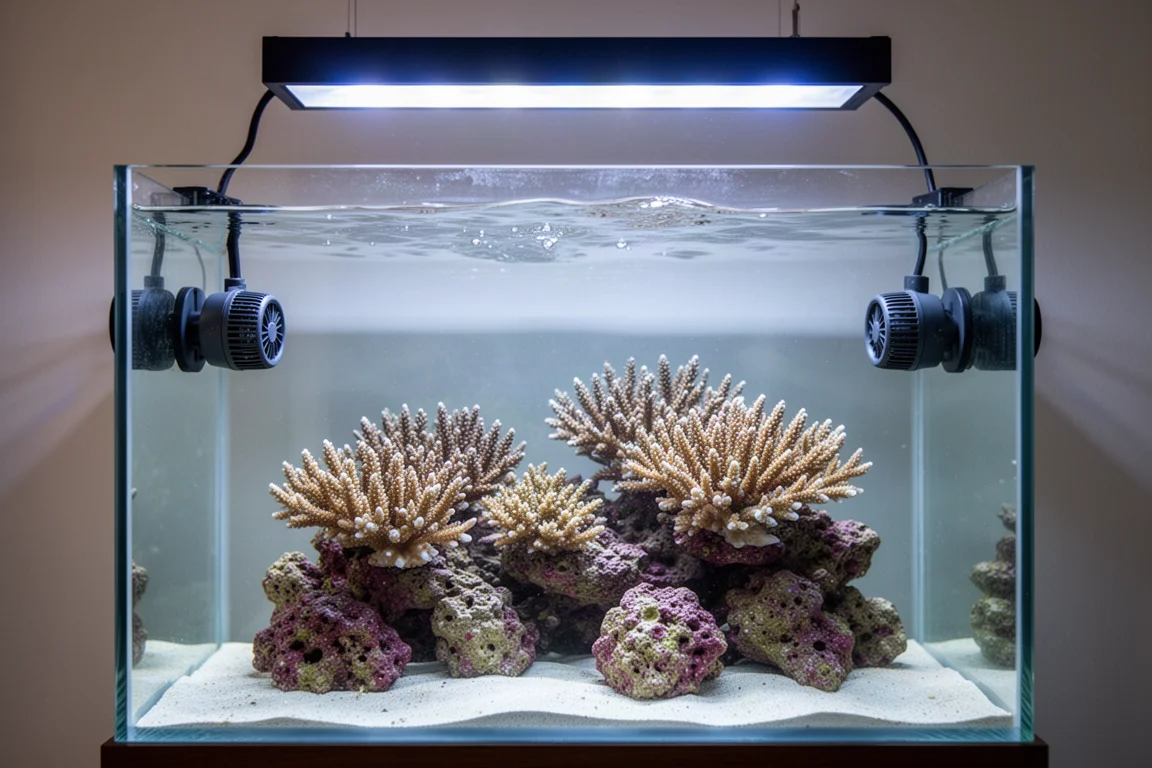
The Plus part is the control layer. App control, dual-pump support and the laminar mode all sit in the new controller, which is what makes this generation worth a look for anyone who previously found a physical-button interface limiting. If the controller was the only thing standing between you and the pump itself, the Plus version removes that objection.
Reef Octopus OctoPulse 2
The compact model is rated at 1,600 gallons per hour. It uses the same low-profile body and magnetic mounting system as its larger sibling, so it hides easily against the glass and can be angled toward the areas that need flow most. The roughly 30 degree output pattern disperses quickly, which makes it a reasonable choice for smaller and medium displays where a narrow, aggressive jet would be harder to place well.
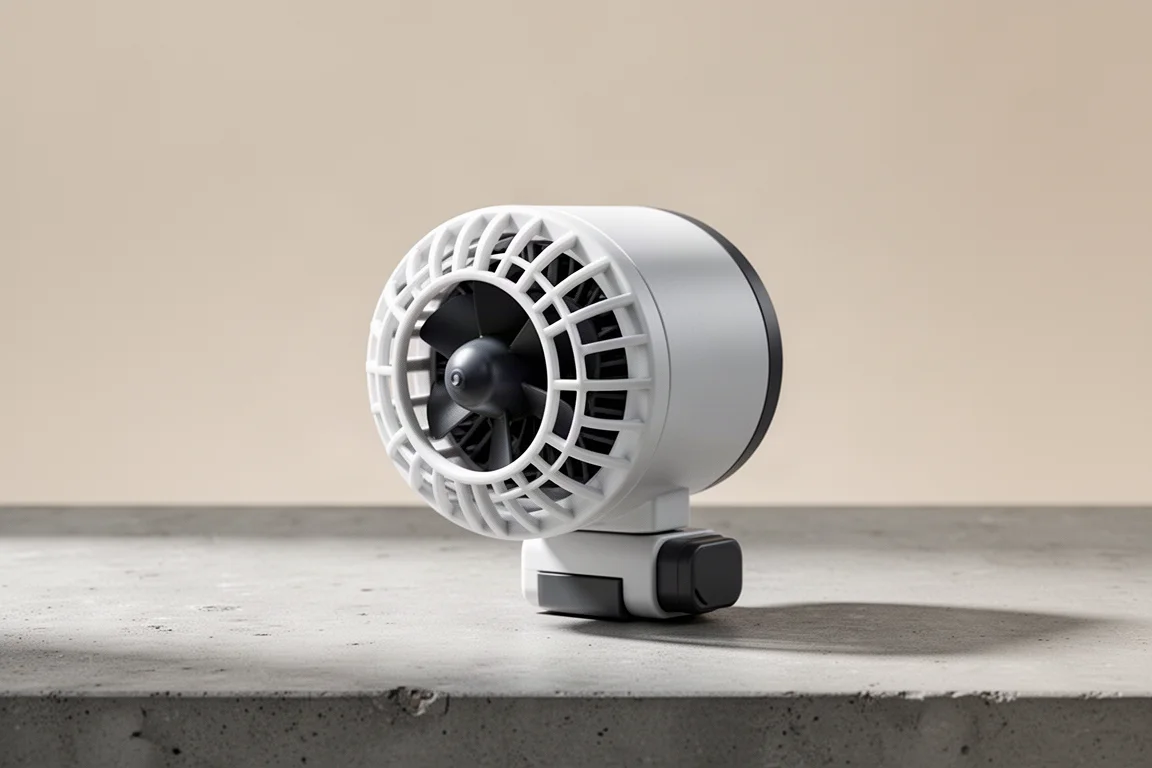
Reef Octopus OctoPulse 4
The larger model is rated at 4,500 gallons per hour and follows the same approach: low profile, magnetic mount, medium-wide pattern. The difference is simply how much water it can move, which makes it the better fit for bigger systems that need more turnover. It can also be paired with the compact model on a single controller, so a tank can run one of each and still be managed from one screen.
Using it alongside a smaller pump is where the sync and anti-sync options become useful: the two can alternate to create a broader, less predictable flow across the display rather than one steady push from a single direction.
App Control and Daily Flow Scheduling
Wi-Fi app control covers much of the same ground as the physical controller, which is convenient for anyone who would rather program pumps from a phone than step through small menus on an LCD screen. The app goes a step further by allowing a simple flow schedule with up to five changes across the day. Each change gets a start time and flow settings for each pump.
That is a straightforward way to introduce more variation into the flow corals receive through the day, rather than leaving the tank on a single setting from morning to night. The on-device controller remains fully usable for anyone who prefers to keep the setup off the network.
Which OctoPulse Model Fits Your Tank
Choose the compact 1,600 gallon per hour model for smaller and medium tanks, or for larger systems where you want gentler movement in one area and stronger flow elsewhere. Choose the 4,500 gallon per hour model when the system is large enough to absorb that much movement, or when a single pump needs to carry the flow for the whole display.
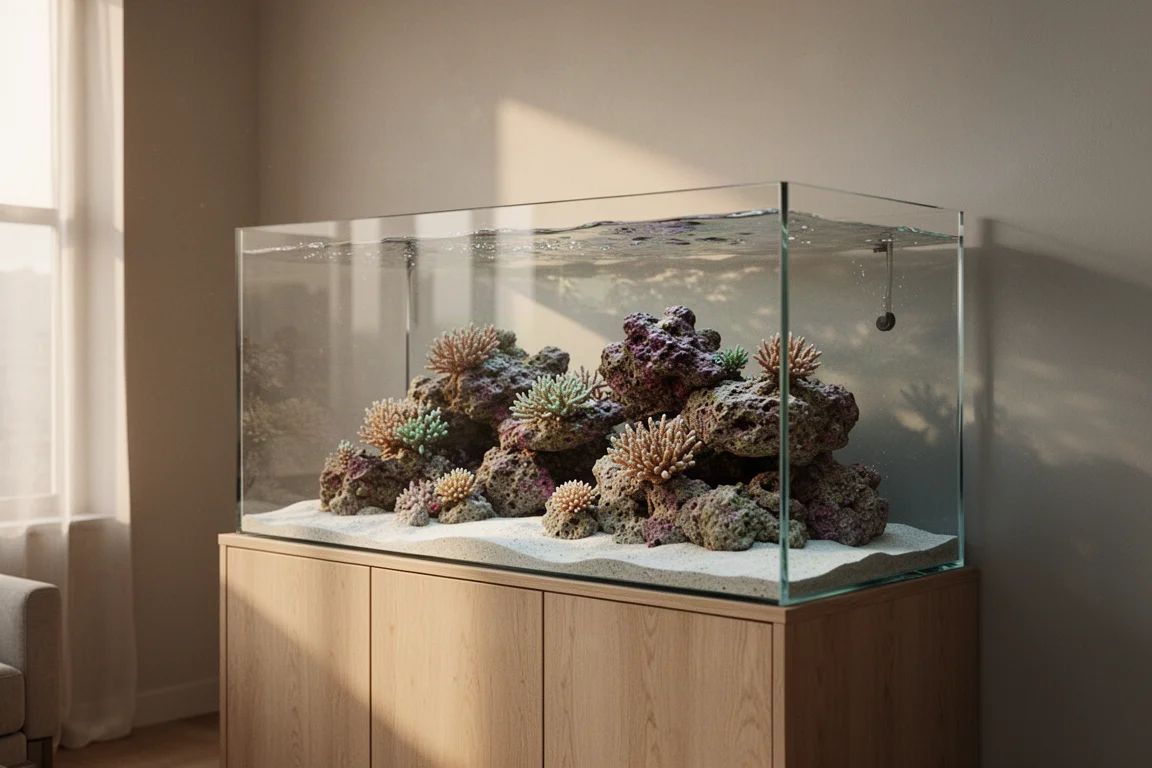
There is no rule that says you have to pick one. Mixing a compact and a larger pump on the same controller gives you a wider spread of flow, and the sync and anti-sync options let the two work together rather than against each other.
If daily variation matters to you, app scheduling with up to five changes per day is the feature to weigh. If your tank already runs on an aquarium controller, the retained 0-10V input means the pumps can slot into that system without adding another app to your routine.
Conclusion
The OctoPulse Plus update leaves the pumps alone and rebuilds the part owners interact with most. A touch surface that is easy to clean, a small screen that shows status clearly, two pumps per controller, a laminar mode that lifts settled detritus, and app scheduling with up to five changes a day add up to a more flexible flow setup. Pick the compact model for smaller systems, the larger one for high turnover, or one of each if your tank benefits from both.
Further reading
Related Reviews
Aquarium Equipment
Abyzz Professional DC Pumps: A100, A200, and A400 Reviewed
A closer look at three German-made DC return pumps built for large reef systems, with titanium internals, fine flow control, and a 10-year warranty.
Aquarium Equipment
Adaptive Reef Custom EcoTech Controller Board Review: Tidy Gear, Tidy Tank
A purpose-built controller board that mounts EcoTech pumps, dosers, and battery backup in a clean, pre-drilled layout with thoughtful cable management.
Aquarium Equipment
AquaIllumination Nero 7 Review: A Larger Low-Profile Wave Pump for Bigger Reef Systems
The Nero 7 scales up a familiar low-profile wave pump formula with a 4,000 gallon per hour flow rate and full app control, aimed at longer, larger reef aquariums.