Power Tools
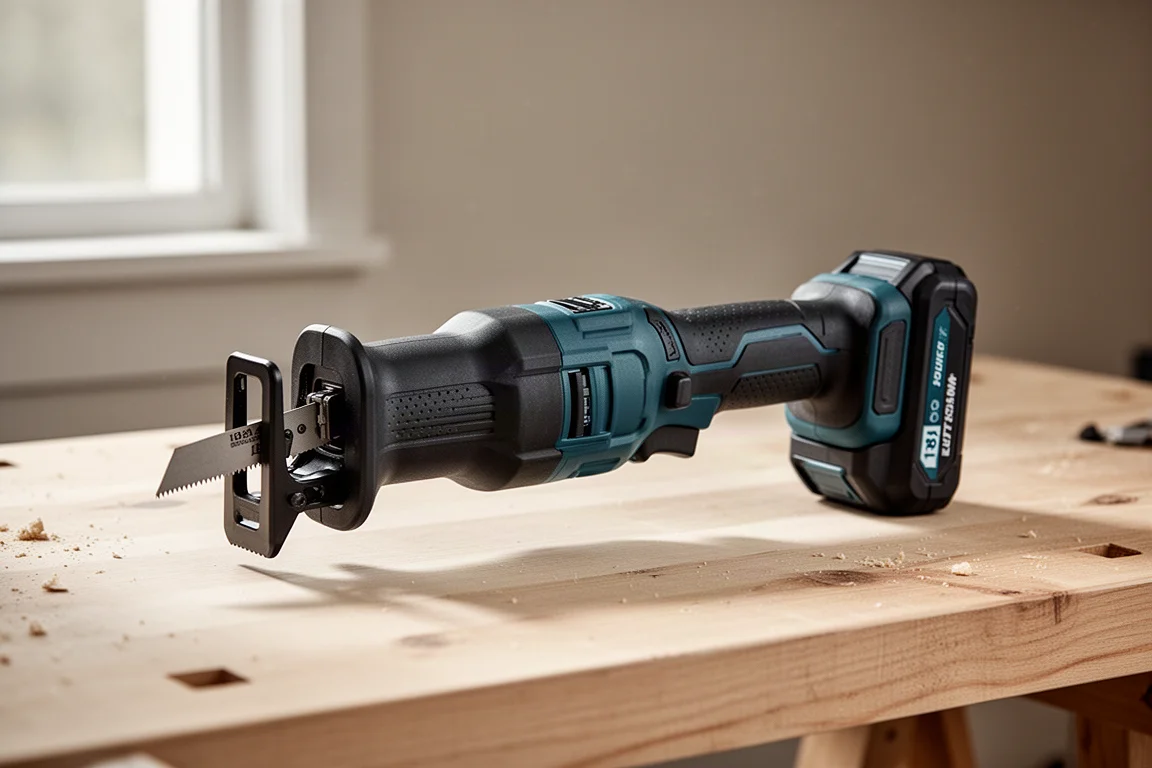
Smoothest Cordless Reciprocating Saw: Flex vs Metabo HPT vs Makita
A hands-on water-bottle vibration test pits the Flex reciprocating saw against the Metabo HPT 36V, Makita XGT, and Makita 18V brushless models to find the smoothest option.
Introduction
Reciprocating saws live or die on how they feel in the hand. If you have ever spent hours tearing out a fence, a deck, or an old patio, you know exactly what too much vibration does: your hand goes numb, your grip gets sore, and every cut feels like a fight. So when Flex ran a promotional demo claiming its reciprocating saw produced dramatically less vibration than the competition, skepticism was fair. Flex has a mixed reputation when it comes to promotional claims.
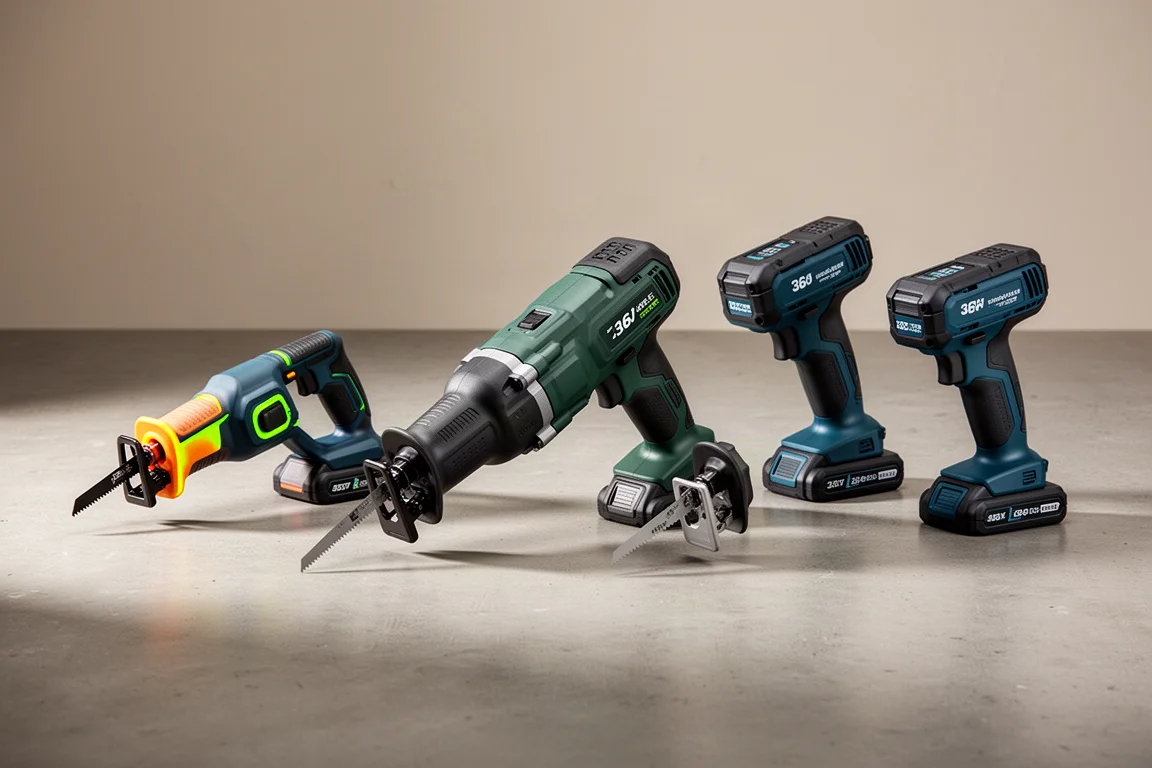
This time, though, the claim held up. We rebuilt the same water-bottle test rig used in the original demo, then ran four popular cordless reciprocating saws through it: the Flex, the Metabo HPT 36V, the Makita XGT, and the Makita 18V brushless. The Flex came out surprisingly smooth, and the results from the other three were genuinely unexpected.
How the Vibration Test Worked
The test is simple. A water bottle is strapped to the body of the saw, the trigger is held down, and the water surface becomes a crude but honest vibration gauge. A smooth saw keeps the water calm. A rough one makes the bottle jump.
A few things were kept consistent across all four tools: no blade installed, the same straps and bottle, and the bottle placed first near the handle, then moved toward the blade end of the tool. Orbital action was toggled on and off where the tool offered it, and speed was set to the highest usable setting on each saw.
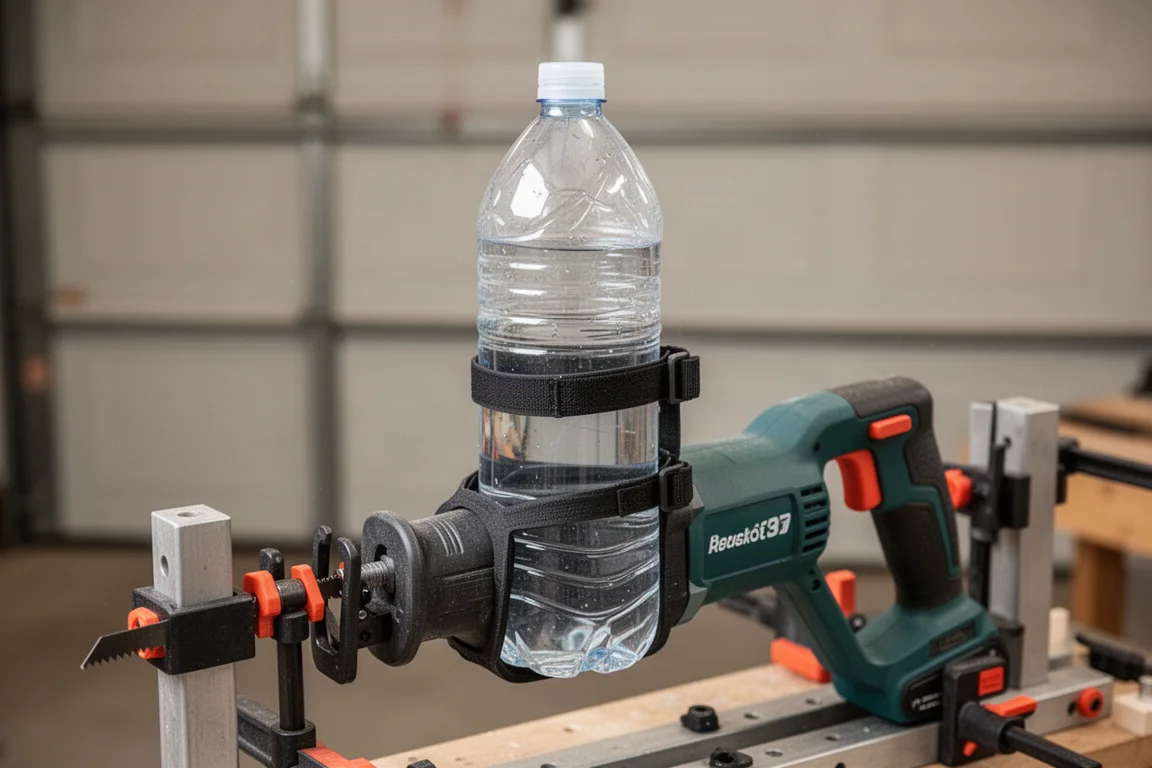
One honest caveat: battery weight matters. Heavier batteries dampen vibration, so a saw running a large pack has a slight advantage. The Flex ran a smaller battery in our test, which if anything made its result more impressive. Note also that the Flex has no speed presets at all, only a fully variable speed trigger, so trigger control matters.
Flex Reciprocating Saw: The Surprise Winner
The Flex delivered remarkably little vibration, especially with the bottle near the handle. The water barely rippled, whether orbital action was on or off. Moving the bottle toward the blade end naturally increased the movement, but the handle zone stayed impressively quiet in both modes.
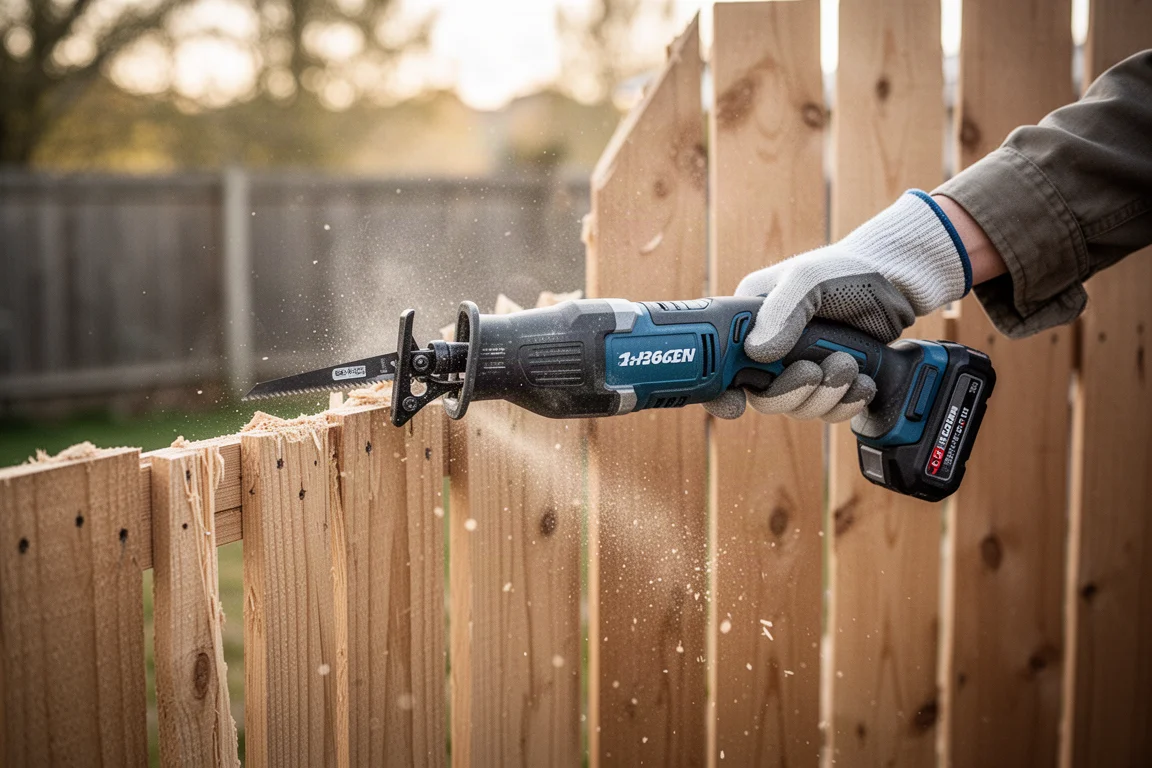
Holding the trigger by hand confirmed it too: the Flex simply feels smoother than the competition. Given the brand’s history of questionable promotional demos, this one turned out to be an honest claim, and it earns the tool real credit. If low vibration for long demolition sessions is your priority, this is the saw to beat based on these results.
Metabo HPT 36V: Strong Tool, Strong Shaking
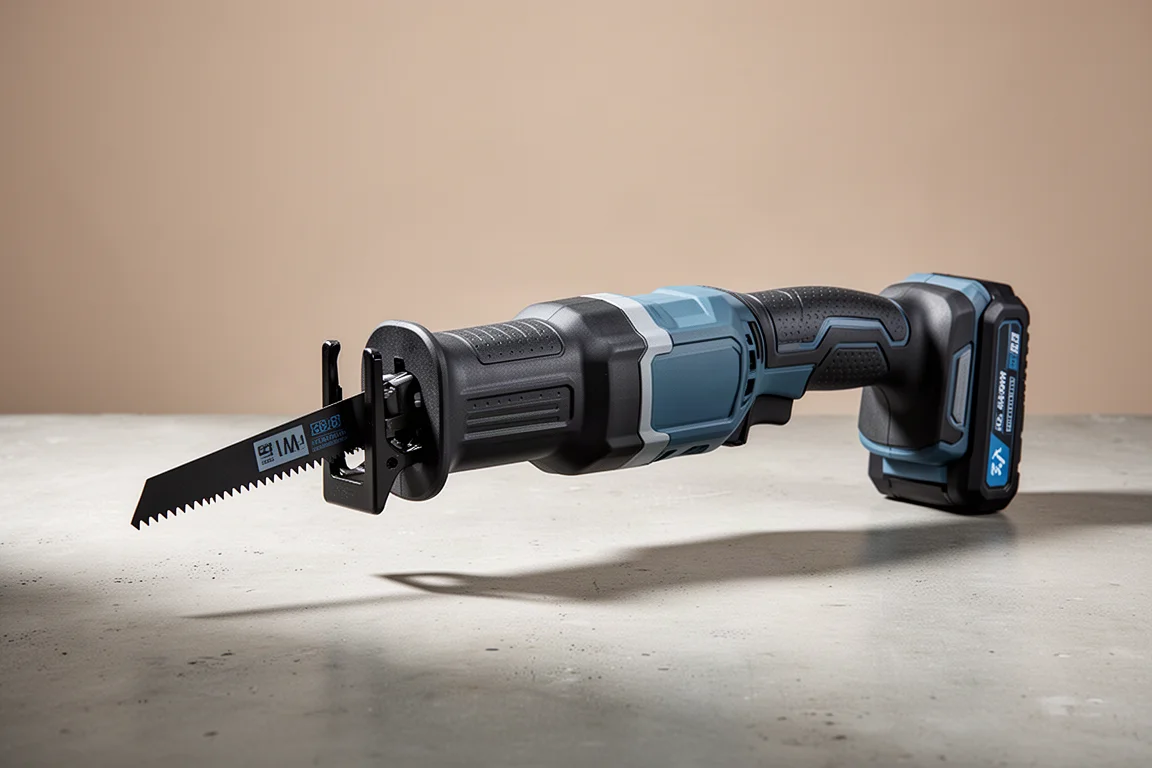
Metabo HPT is known for its anti-vibration technology, so expectations were high. The 36V model was set to speed four, its highest, with orbital action off first, using a 4Ah MultiVolt battery, the closest match available to the Flex’s smaller pack. The tool itself is also noticeably heavier, which should have helped it.
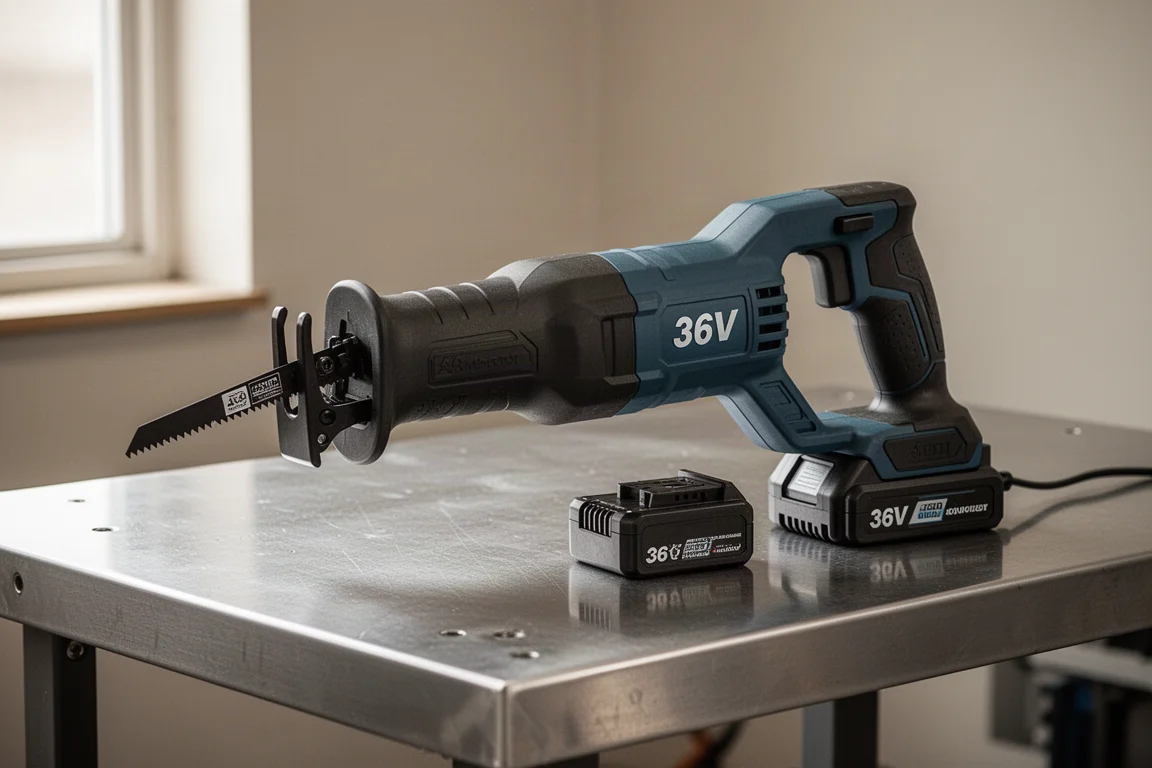
It did not. The water bottle jumped noticeably more than on the Flex, both at the front of the tool and back at the handle. With orbital action on, results stayed roughly the same. Whatever the user-vibration technology is doing, it did not translate into a calmer bottle in this test. It is a powerful, well-built saw, but on smoothness it clearly trails the Flex.
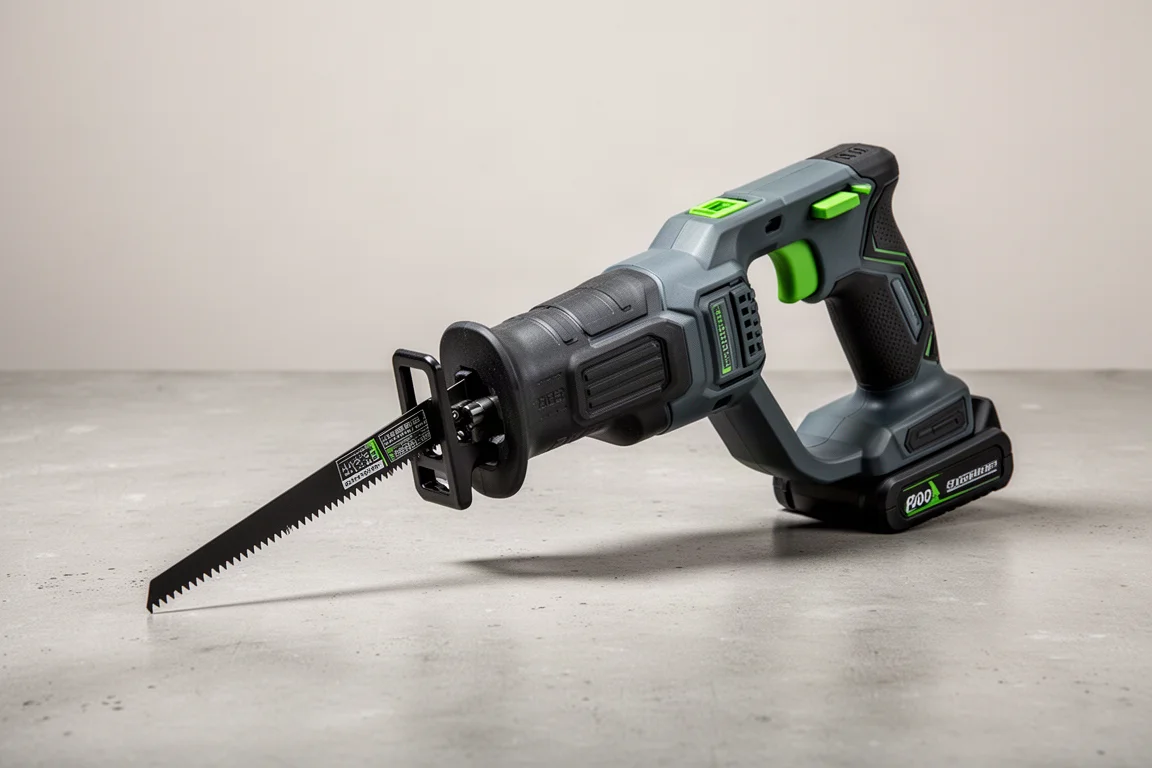
Makita XGT: The Roughest of the Bunch
The first-generation Makita XGT reciprocating saw has no orbital action, and it was tested at speed two, its most powerful setting, with a 4Ah 40V battery. The vibration pattern differed from the Metabo, reading more front-to-back than up-and-down, but the magnitude was worse.
At the blade end of the tool, the XGT put out more vibration than the Metabo HPT, and likely the most of any tool in this comparison. The bottle repeatedly tipped over rather than just rippling. For a first-generation XGT tool, that is a disappointing result on the comfort front.
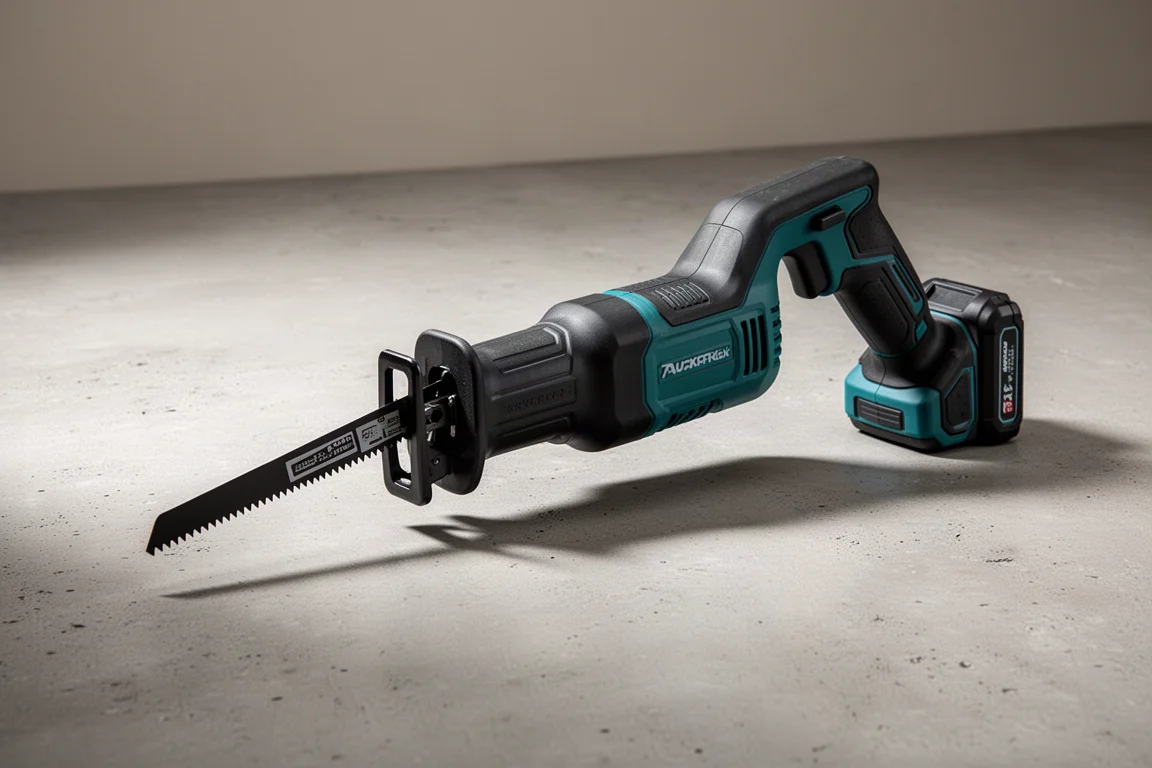
Makita 18V Brushless: Just as Rough
The Makita 18V brushless reciprocating saw was expected to do better. It did not. Back at the handle, it produced some of the most visible movement of the whole test, with the bottle not only sloshing but physically rocking back and forth.
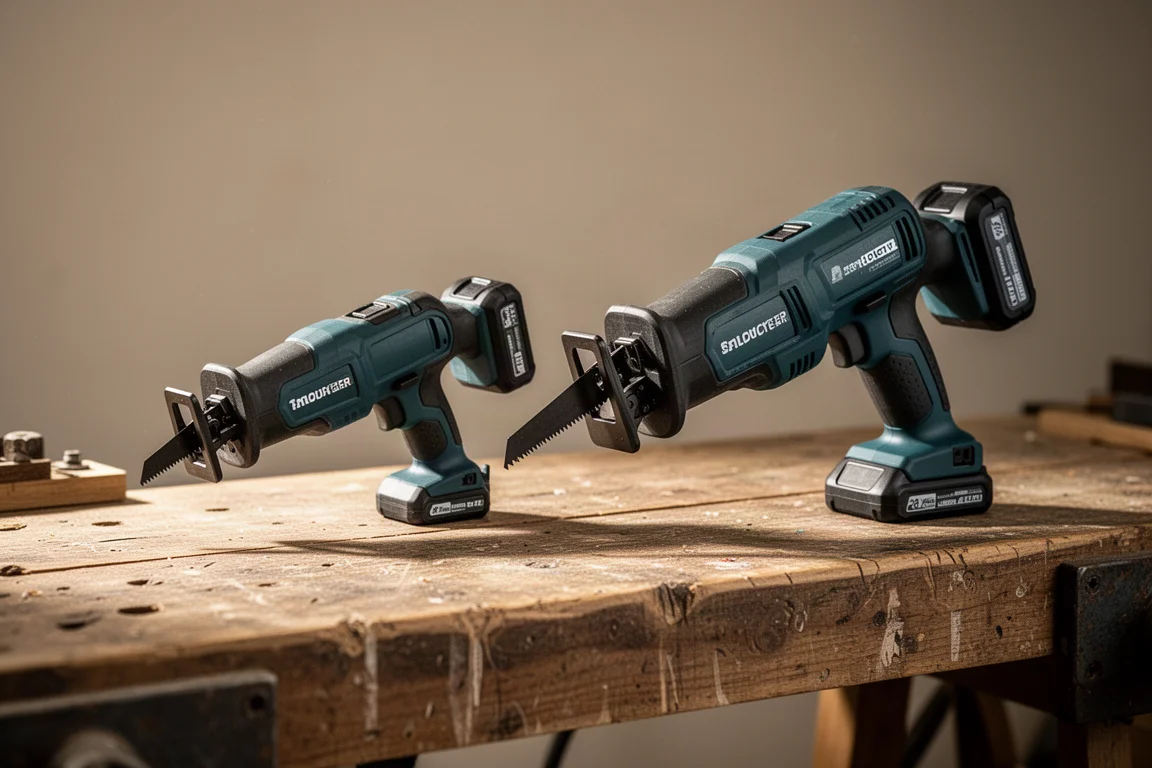
There is no orbital action on this model, and it was tested on speed two with the trigger pulled fully. At the blade end, it behaved much like the XGT, kicking the bottle right off its perch. If you own Makita batteries and want this form factor, it will cut fine, but vibration comfort is not its strength.
Buying Advice: Which One Should You Pick
If vibration comfort drives your decision, the Flex is the clear pick from this comparison. It stayed smooth with orbital action on or off and at every bottle position, and it felt noticeably calmer in hand than any of the other three.
If you are already invested in a battery platform, the calculus changes. The Metabo HPT 36V is a heavier, capable tool with anti-vibration marketing that did not show up in this test, but it may still make sense if you own MultiVolt batteries and value its power. The two Makita options make sense for Makita users who prioritize cutting power and platform convenience over smoothness, though anyone sensitive to hand fatigue should test one in person before committing.
It would also be worth rerunning this test against a Milwaukee, since the original Flex demo compared itself to an M18 Fuel model that showed far more vibration.
Conclusion
The takeaway is simple: not all cordless reciprocating saws are equally comfortable to use for long stretches, and marketing labels do not always predict real-world smoothness. In this water-bottle comparison, the Flex delivered genuinely low vibration and backed up its claim, while the Metabo HPT 36V, Makita XGT, and Makita 18V brushless all produced noticeably more shake. Choose the Flex if smooth, fatigue-free demolition is the goal, and weigh battery-platform loyalty carefully before settling on the alternatives.
Further reading
Related Reviews
Power Tools
Best 1-Inch Pistol Impact Wrenches: Three Heavy-Duty Options Compared
We compare three 1-inch pistol impact wrenches, from a budget-friendly Harbor Freight model to a premium Caterpillar unit, to help you choose the right one.
Power Tools
Best 3/4-Inch Impact Wrenches 2026: Five Contenders Compared
We compare five 3/4-inch impact wrenches across price and performance, from a budget Amazon option to Snap-on's most powerful model yet.
Power Tools
Best Budget Cordless Tools 2026: Walmart Finds That Punch Above Their Price
We tested five cordless tools from Walmart, including a high-torque impact wrench that trades blows with Milwaukee and a $35 duster that outperforms its price class.