Power Tools
Rear Handle Circular Saw Comparison: Milwaukee, Makita, and Metabo HPT on Dust and Power
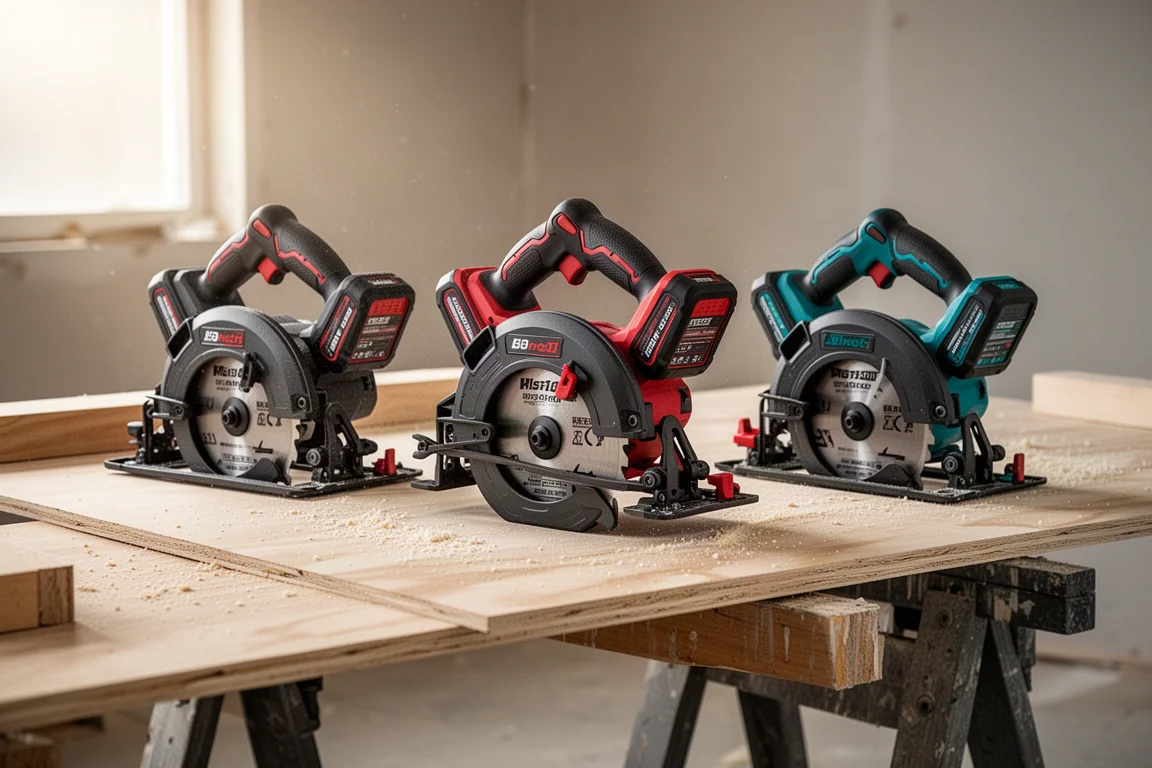
Three rear handle circular saws tested with the same Milwaukee Nitrous blade, comparing dust control, chip ejection, and cutting power across OSB and dimensional lumber.
Introduction
Rear handle circular saws are a popular upgrade for framers and serious DIYers, but dust behavior varies far more between brands than most buyers expect. We put three leading rear handle saws through the same cutting tasks, all running the same blade, to see which one throws chips in your face and which one keeps the cut line clean.
How We Tested Dust and Chips
Each saw cut through OSB, dimensional pine, and 2x6 rip cuts at full depth of cut, with the dust port open and pointed down, on a calm day with virtually no wind. All saws ran the same Milwaukee Nitrous thin kerf blade to keep the comparison fair, with sawhorses supporting the material on both sides.
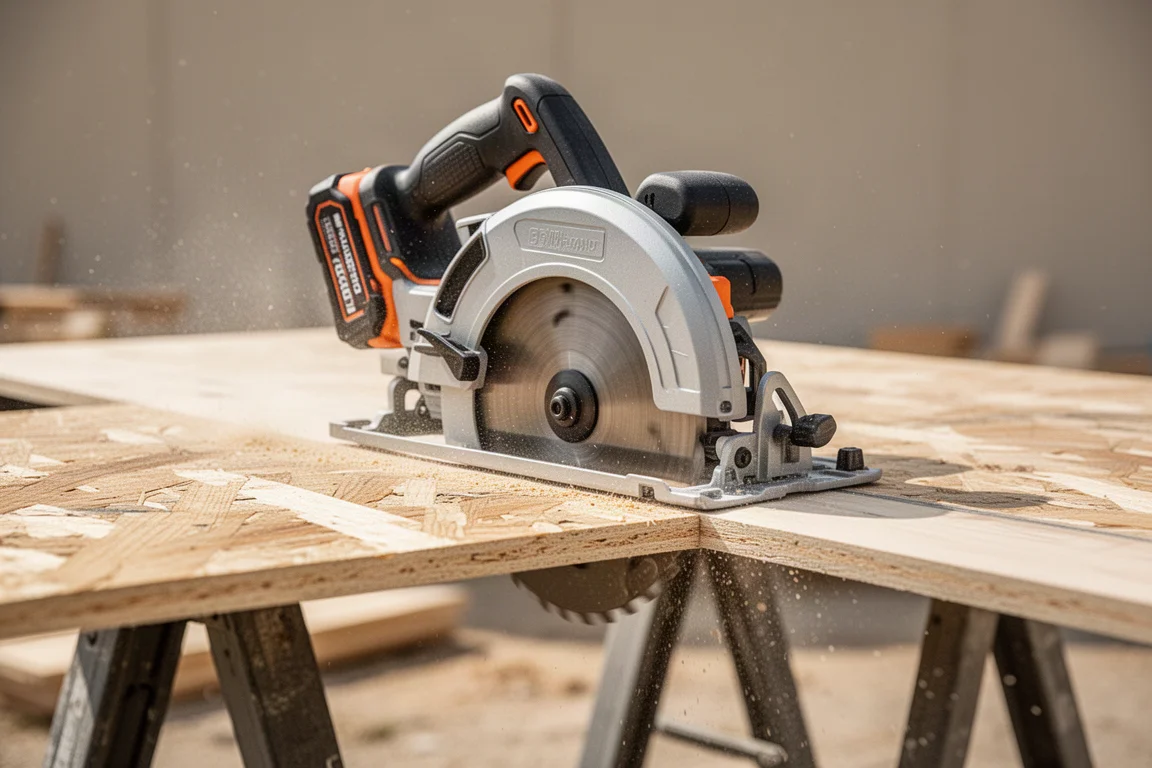
The focus was on two things: how much sawdust and chips came back toward the operator, and whether the dust port plugged up during repeated cuts.
Milwaukee M18 Fuel Rear Handle Circular Saw
The Milwaukee was the clear power leader. With the Nitrous blade installed, it cut the most and powered through material with the least struggle, and there is no doubt it has more cutting power than the Makita in a thin kerf versus thin kerf matchup.
Dust is its weakness. Even on dry OSB with a clean, thin kerf blade, sawdust piled up in front of the saw and a steady stream of chips came back toward the operator, enough to end up inside safety glasses. The dust port also plugged repeatedly, even when it was open, and dust collected behind the battery. Previous work in treated lumber had been blamed for the clogs, but the plugging returned even in shallow cuts on OSB.
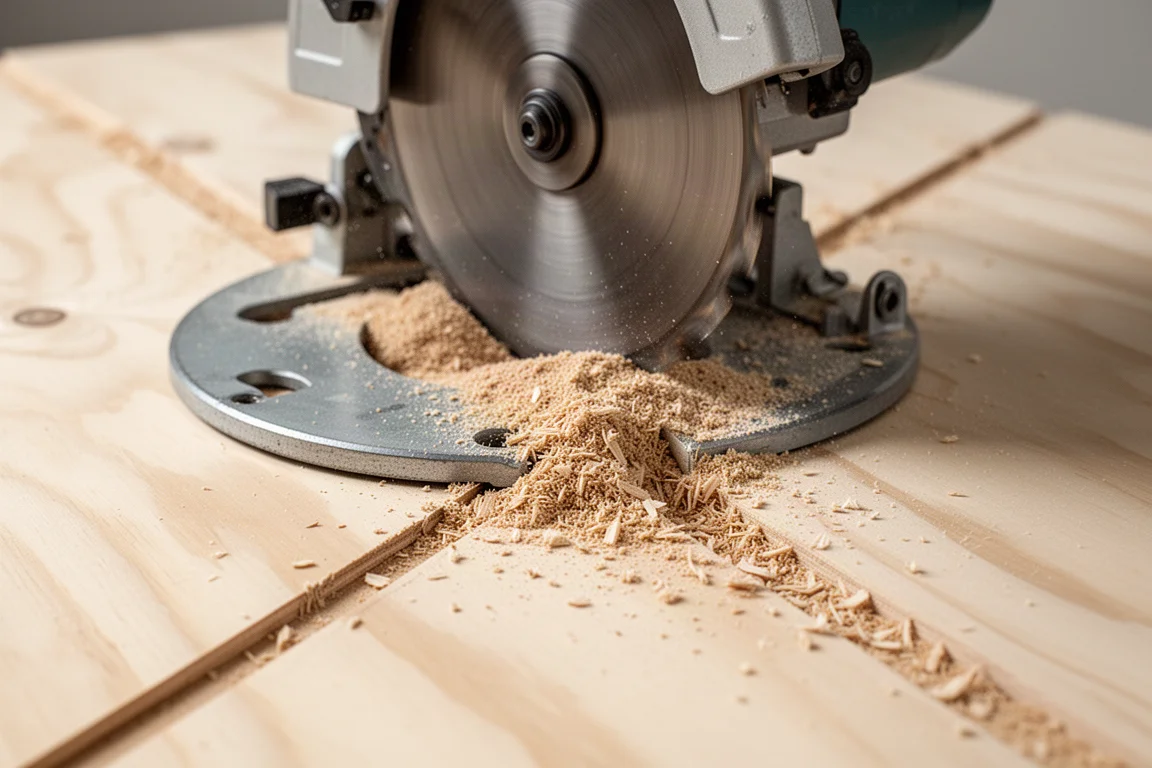
If raw cutting performance is the priority and you can tolerate the dust, the Milwaukee is hard to beat.

Makita Rear Handle Circular Saw
The Makita was the smoothest saw of the group. The cut felt easier, the saw wandered less, and it produced noticeably fewer chips in the face than the Milwaukee. On OSB cuts, dust came forward and around rather than up, and not a single chip hit the operator in the face during the OSB passes.
It did struggle somewhat with the Milwaukee Nitrous blade, since that blade seems happiest in the Milwaukee itself. But even then, dust stayed out of the operator’s face and the saw remained composed. In a previous comparison with its own blade, the Makita performed about as well as or better than the Milwaukee.
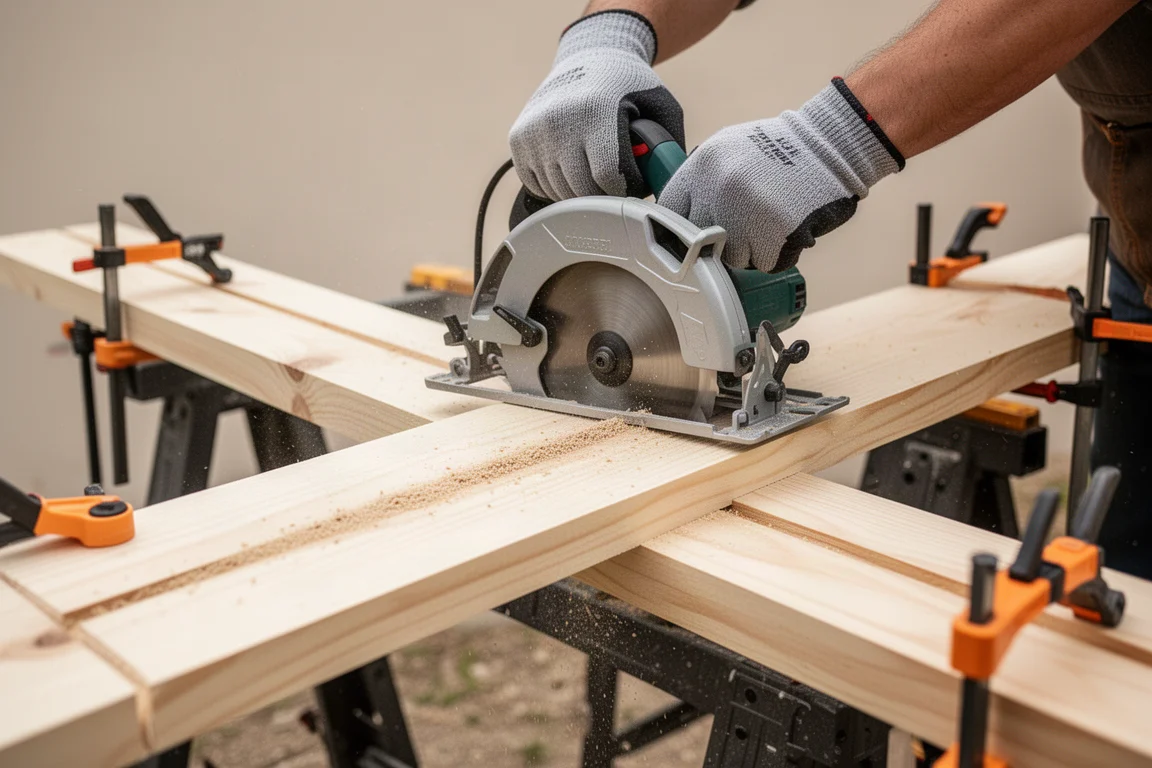
If you want a smoother, more comfortable cutting experience with far less chip blowback, the Makita is the pick.
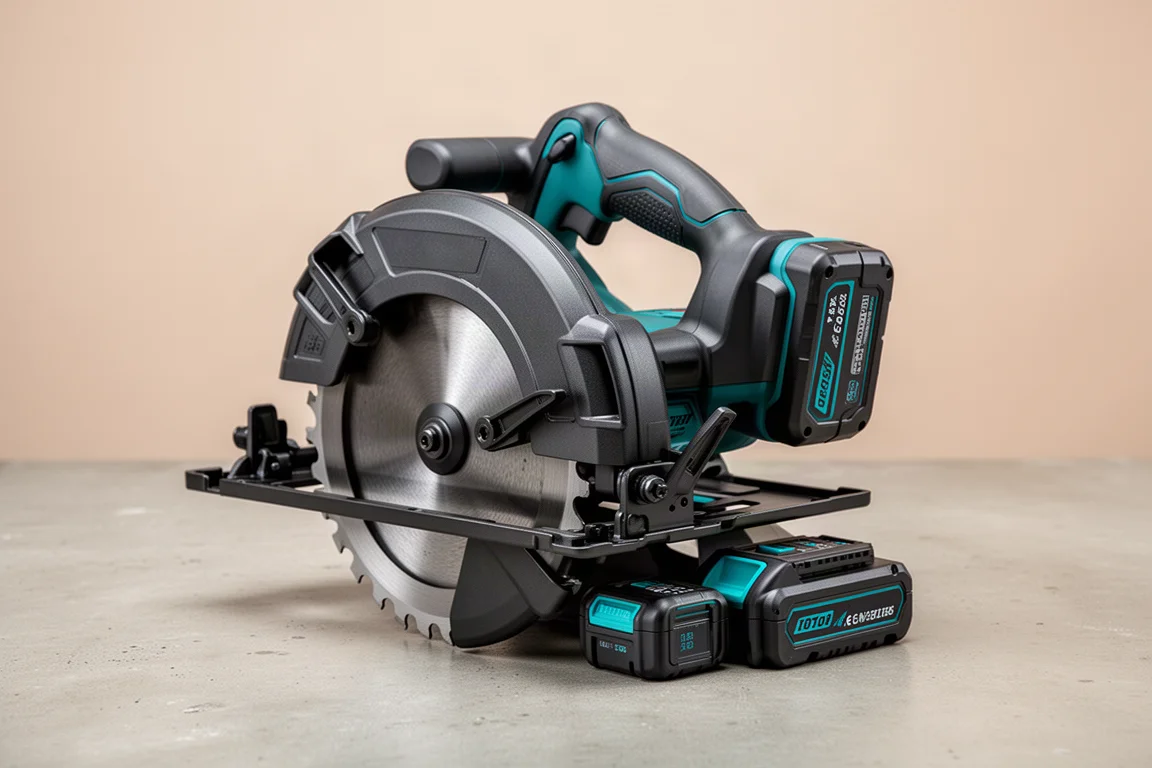
Metabo HPT Rear Handle Circular Saw
The Metabo HPT won the dust contest outright. Across OSB, pine cross cuts, and 2x6 rips, essentially no chips came back at the operator, making it by far the cleanest of the three.
The trade-off is power. Running the Milwaukee Nitrous blade, the Metabo HPT audibly bogged down and clearly did not like that blade, and it was slower than expected in the test cuts. It is also worth noting that this saw does not have a dust collection port, which raises an interesting question: does a dust port actually contribute to chips being pushed up and back? That remains an open question worth watching.
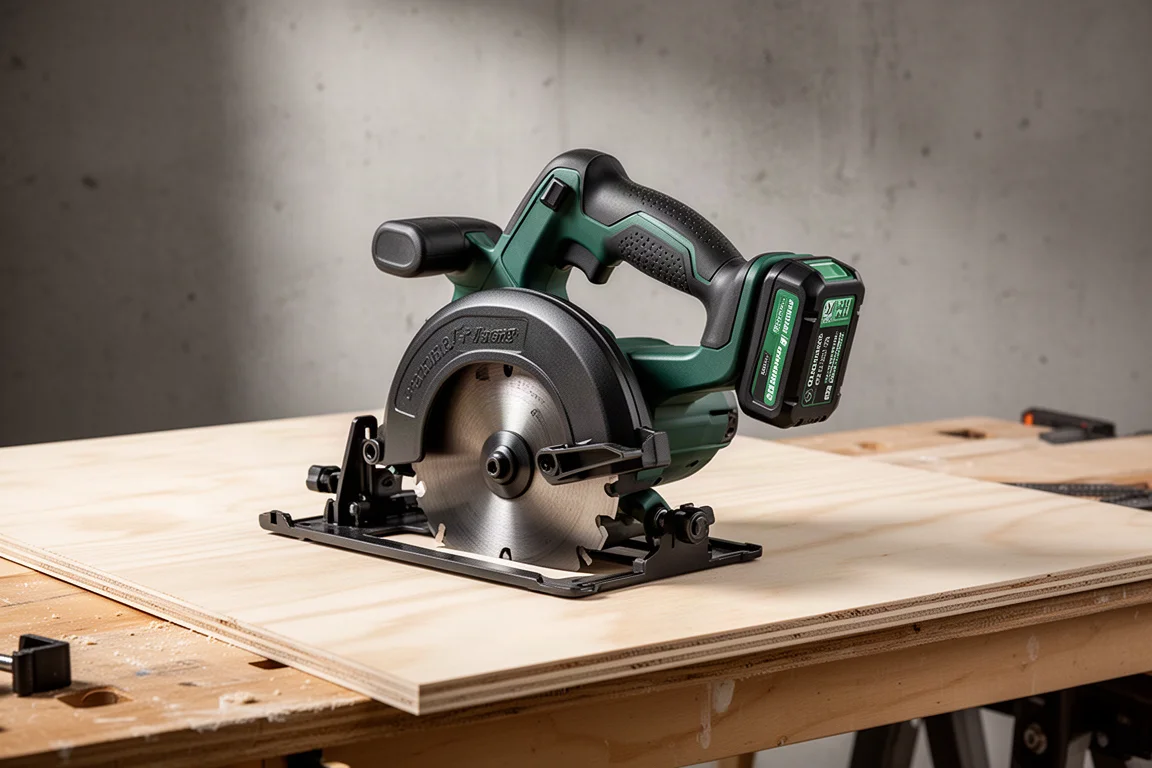
Milwaukee Nitrous Demo Blade
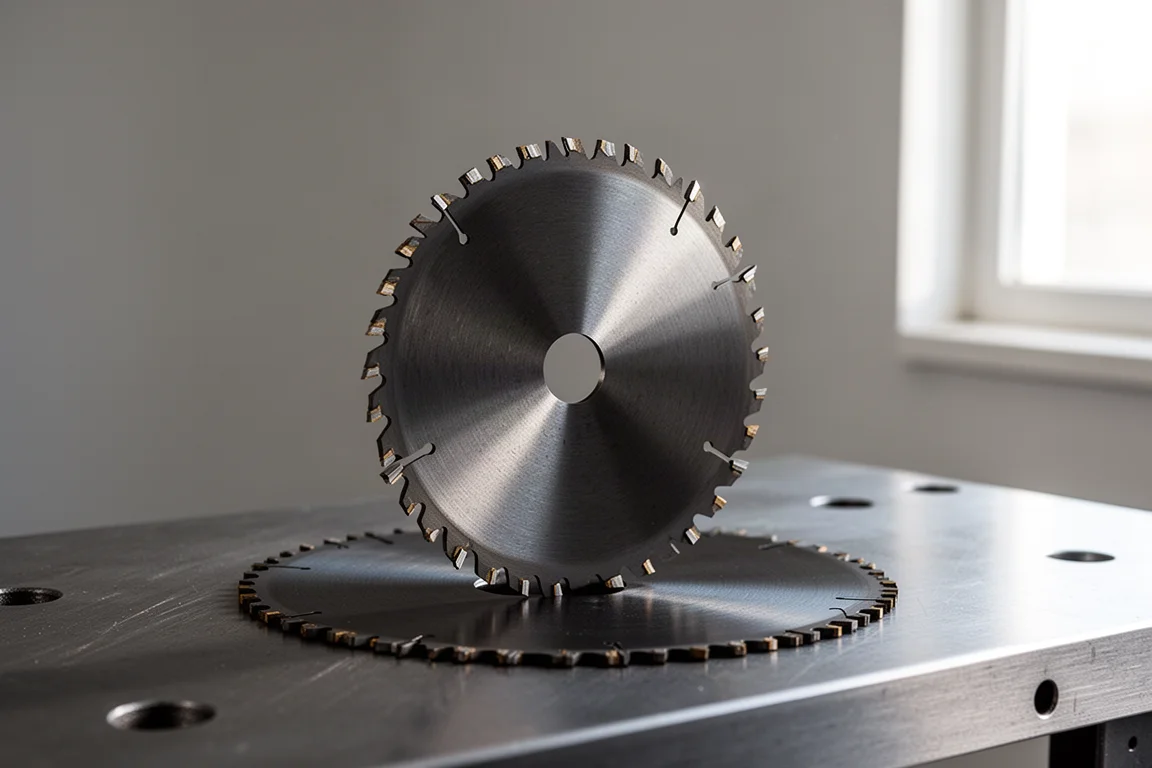
The Nitrous thin kerf blade delivered its best results in the Milwaukee itself, which cut the most and performed the best with it. The Makita struggled a bit with this blade, and the Metabo HPT bogged down noticeably. If you run the Nitrous blade, pairing it with the Milwaukee saw is clearly the intended combination.
Buying Advice: Which Saw Fits Your Work
For power above all, the Milwaukee is the strongest performer, but expect a dusty work environment and occasional dust port clogs, even on dry OSB. For a balance of smoothness, control, and far less chip blowback, the Makita is the most refined of the three. For an operator who wants essentially zero chips in the face and accepts a slower cut, the Metabo HPT stands alone.
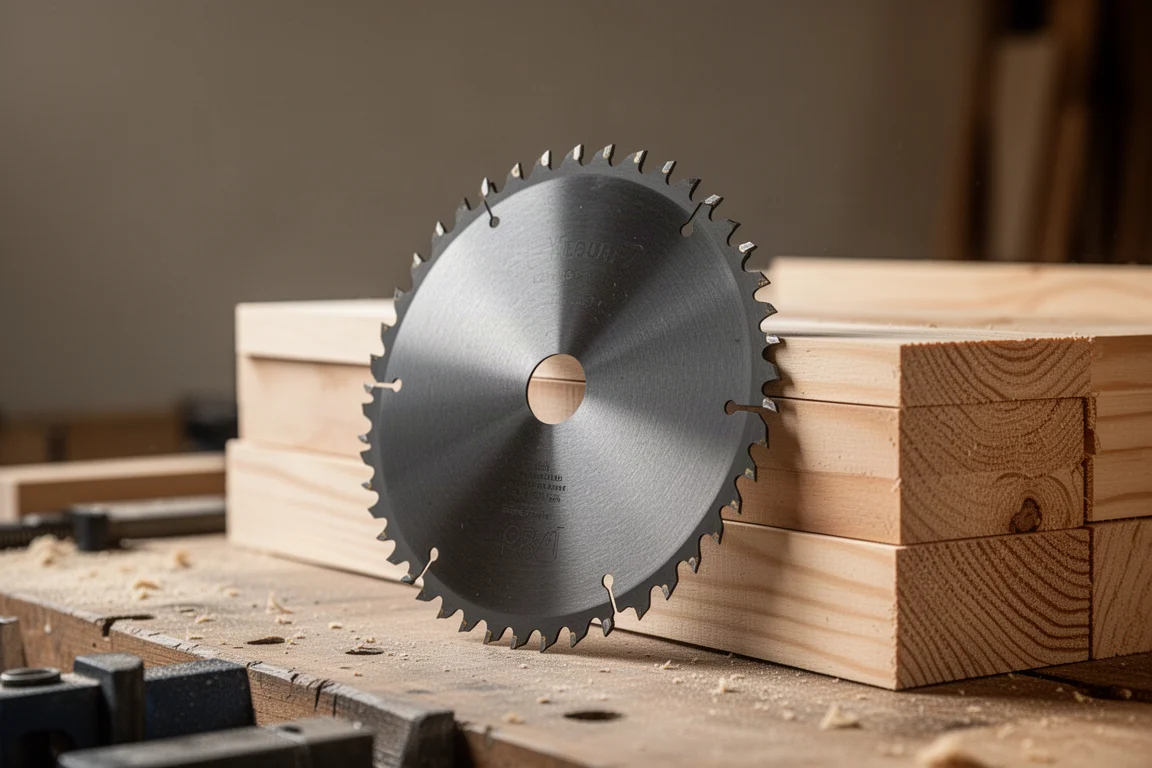
On cross cuts, none of these saws had issues, though rear handle saws are generally not the first choice for cross cuts because of the weight distribution and leverage. If your work is mostly cross cutting, a lighter 6-1/2 inch saw with a blade on the left remains a reasonable alternative.
Conclusion
Thin kerf to thin kerf, the Milwaukee has the most power, the Makita has the smoothest feel and cleaner air around the operator, and the Metabo HPT keeps the dust out of your face entirely at the cost of some speed. Match the saw to what bothers you most on the jobsite: slow cuts, wandering cuts, or a face full of sawdust.
Further reading
Related Reviews
Power Tools
Best 1-Inch Pistol Impact Wrenches: Three Heavy-Duty Options Compared
We compare three 1-inch pistol impact wrenches, from a budget-friendly Harbor Freight model to a premium Caterpillar unit, to help you choose the right one.
Power Tools
Best 3/4-Inch Impact Wrenches 2026: Five Contenders Compared
We compare five 3/4-inch impact wrenches across price and performance, from a budget Amazon option to Snap-on's most powerful model yet.
Power Tools
Best Budget Cordless Tools 2026: Walmart Finds That Punch Above Their Price
We tested five cordless tools from Walmart, including a high-torque impact wrench that trades blows with Milwaukee and a $35 duster that outperforms its price class.