Food & Drink
Real vs Imposter Pantry Staples: Cream, Feta, Ham and Saffron Compared
Eight everyday ingredients, four head-to-head taste tests, and a clear guide to spotting the imposter on the supermarket shelf.
Introduction
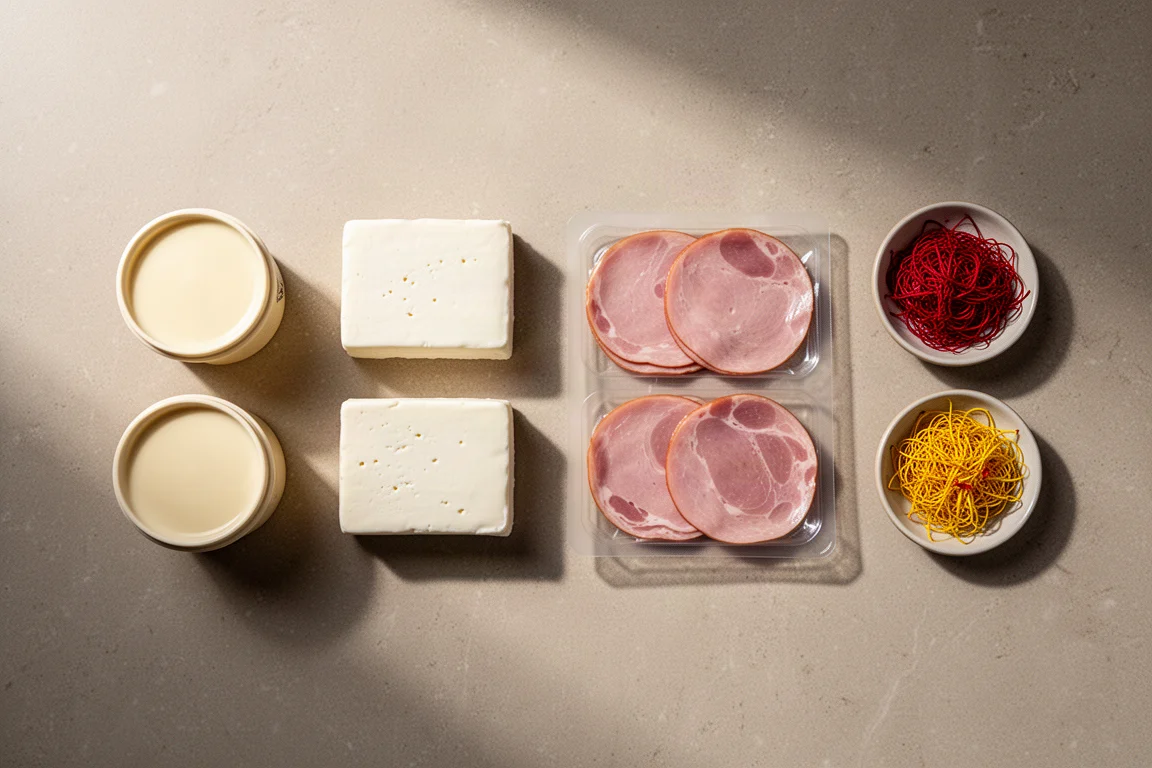
Four everyday ingredients, four blind taste tests, one simple rule: two dishes prepared identically, with a single item swapped for an imposter. The differences that emerged say a lot about how to shop smarter, whether you are pouring cream over a dessert, crumbling cheese onto toast, making a ham sandwich, or seasoning a saffron rice dish.
Round One: Double Cream
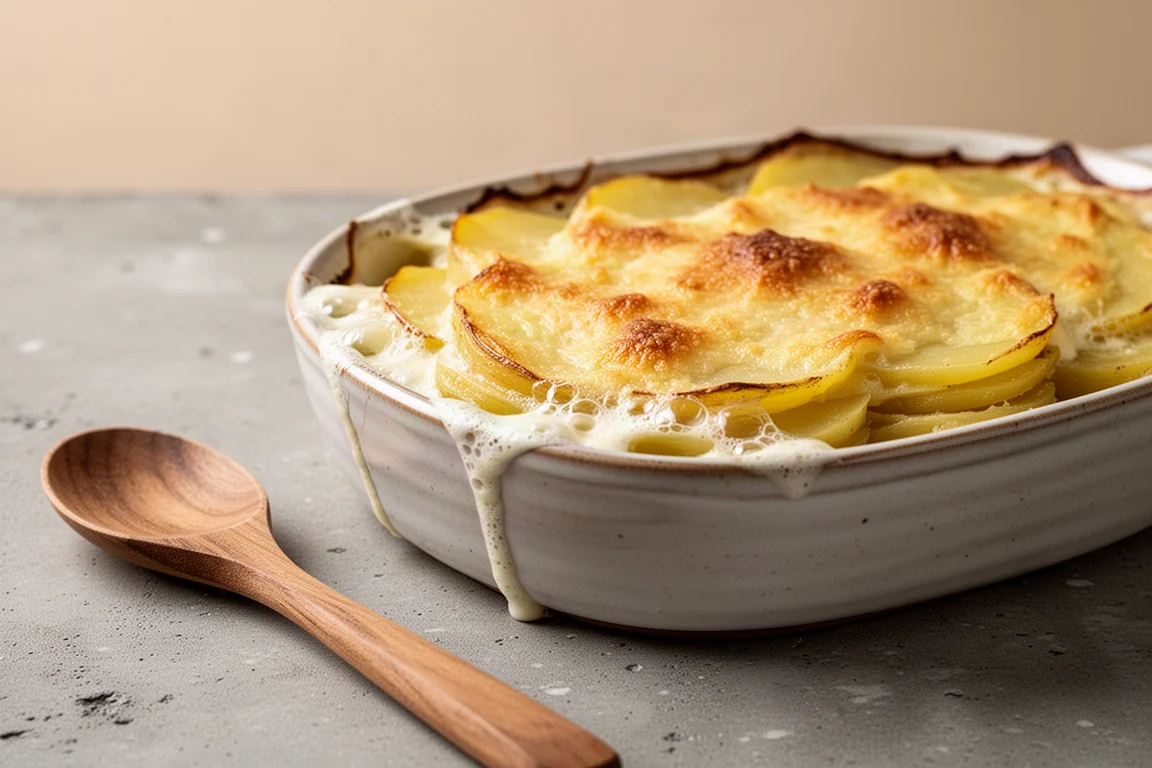
The first test was potato dauphinois: potato, cream, garlic, identical weights, measures, times and temperatures. The real version stood out immediately. It developed more gratination and color, it bubbled over during cooking, and the richness of the dairy fat carried the garlic flavor dramatically further. The imposter dish tasted milder, coated the mouth in something oily, and the potatoes felt different in texture.
The real product is Longley Farm Jersey Extra Rich Double Cream, made with British milk by a dairy producer with well over 50 years of history, pasteurized and nothing more. By law it must hit 48% milk fat to be classed as double cream, and it delivers: rich, glossy, sweet with fresh dairy lactose, and a little of that farmy character. The trade-off is shelf life; it expires quickly once opened.
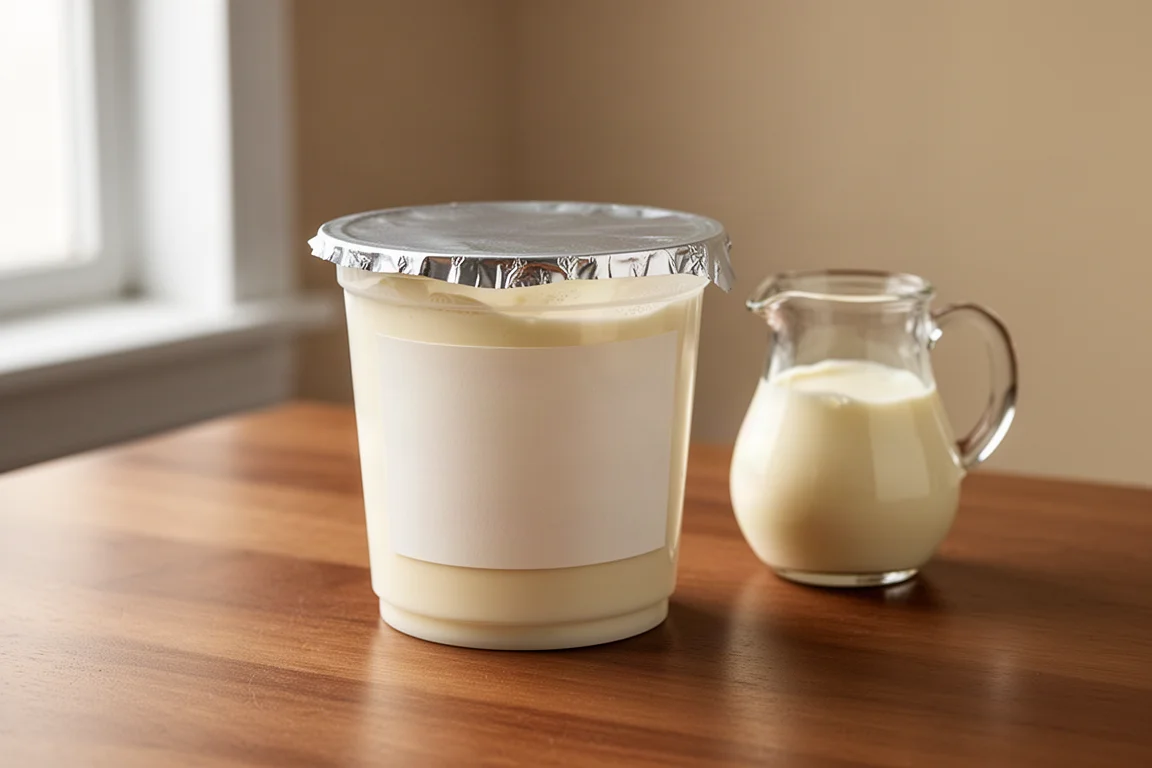
The imposter is Elmlea Double, a blend of 61% buttermilk, the liquid left after the richness of butter has been removed, emulsified with vegetable oil and water, plus a handful of other ingredients. It is not dairy free, but it is an ultra-processed product with a much longer shelf life, over double that of dairy cream both before and after opening. It costs 55 pence per 100 milliliters against 92 pence for the Jersey cream, so it is noticeably cheaper, and it has a place for cooks who prioritize longevity. But if cream is a treat you are pouring over a dessert, the real thing is the one that puts a smile on your face.
Round Two: Feta and Greek Style Salad Cheese
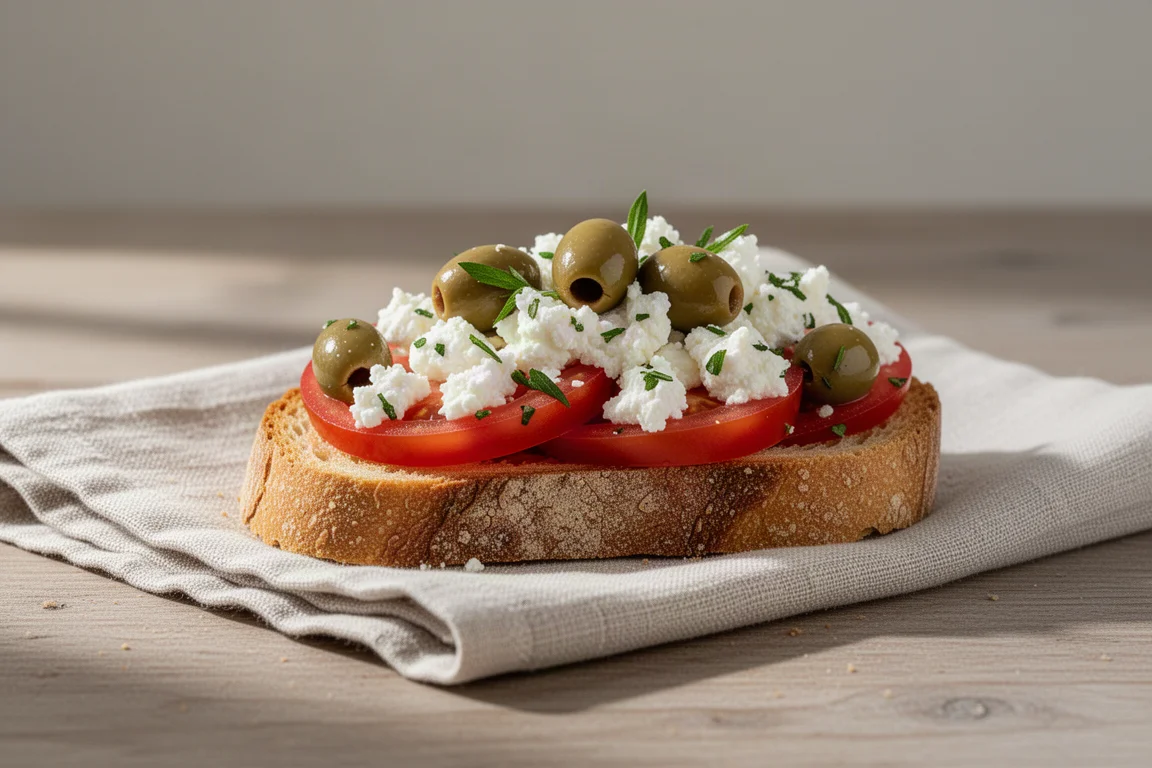
The second round was feta on toast with marinated tomato and olives. Tasters picked up a clear texture difference: one cheese was crumbly with a proper bite that stuck to the teeth, the other creamier, milder, slightly rubbery, and more willing to melt on the tongue. One tasted farmy, the other sweeter and almost fruity.
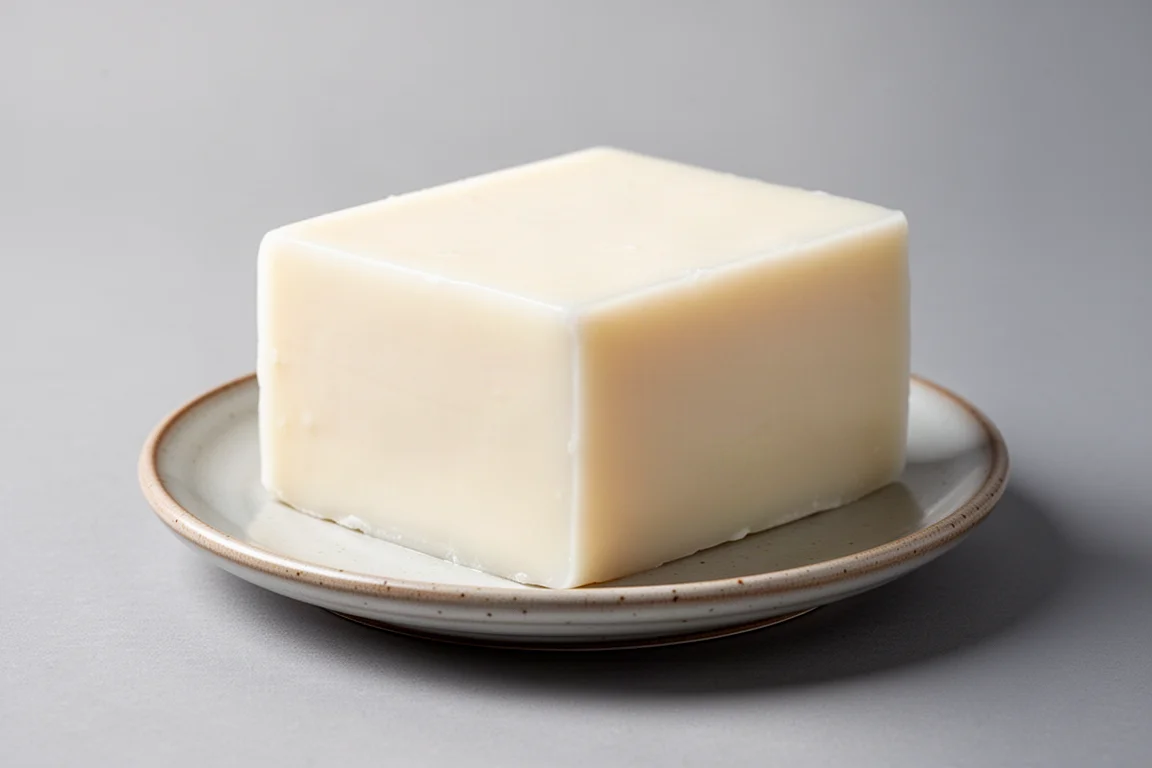
Both tasters identified the imposter as A, and they were right. A was Stamford Street Co Greek Style Salad Cheese, a Sainsbury’s own-brand white brine cheese made from cow’s milk and designed to mimic feta’s look and application. It costs 4.25 pounds per kilo, making it a genuinely accessible option for a simple Greek-style salad.
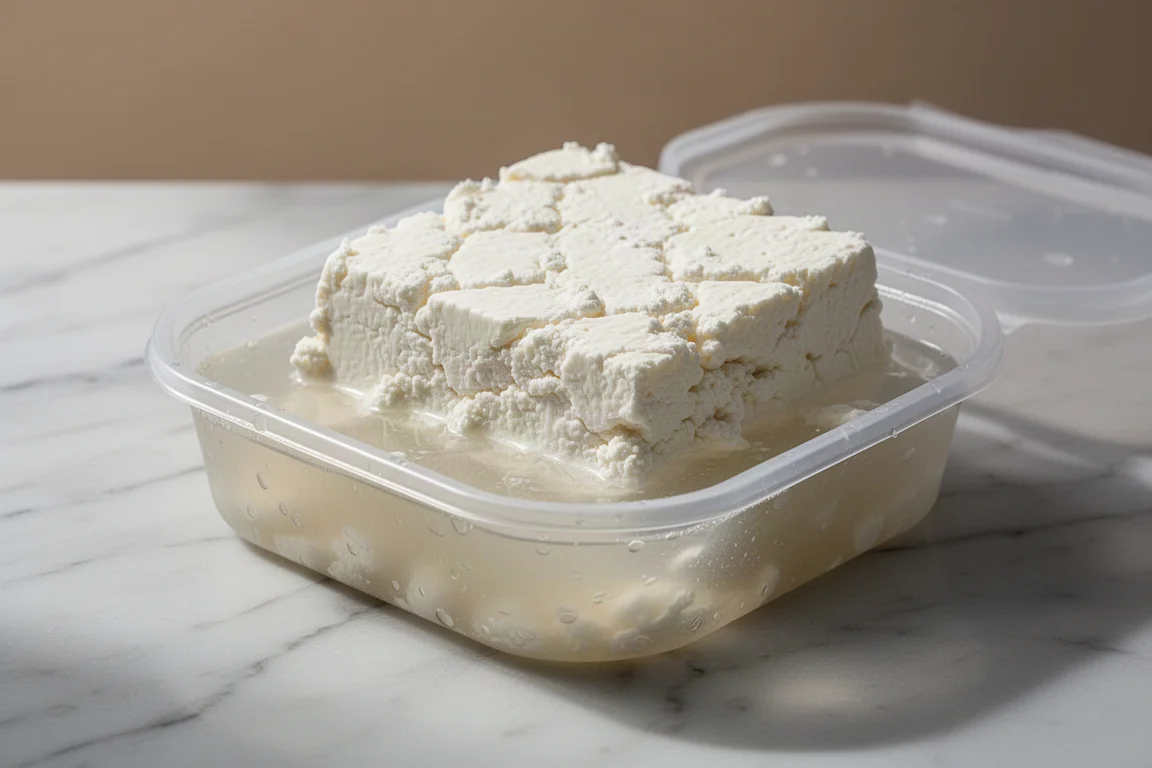
The real thing is Epiros Greek Feta, which holds PDO status from the EU. It must be made in the Epiros region and must use sheep, or sheep and goat, milk. That is the key to its stronger, richer, brinier, saltier and more crumbly character, and it typically comes stored in brine. At 26.25 pounds per kilo it is roughly six times the price of the imposter. If you want the funk and the hit of actual feta, this is the one; if you just want a flake that does the job on a salad, the alternative is fine.
Round Three: Roast Ham
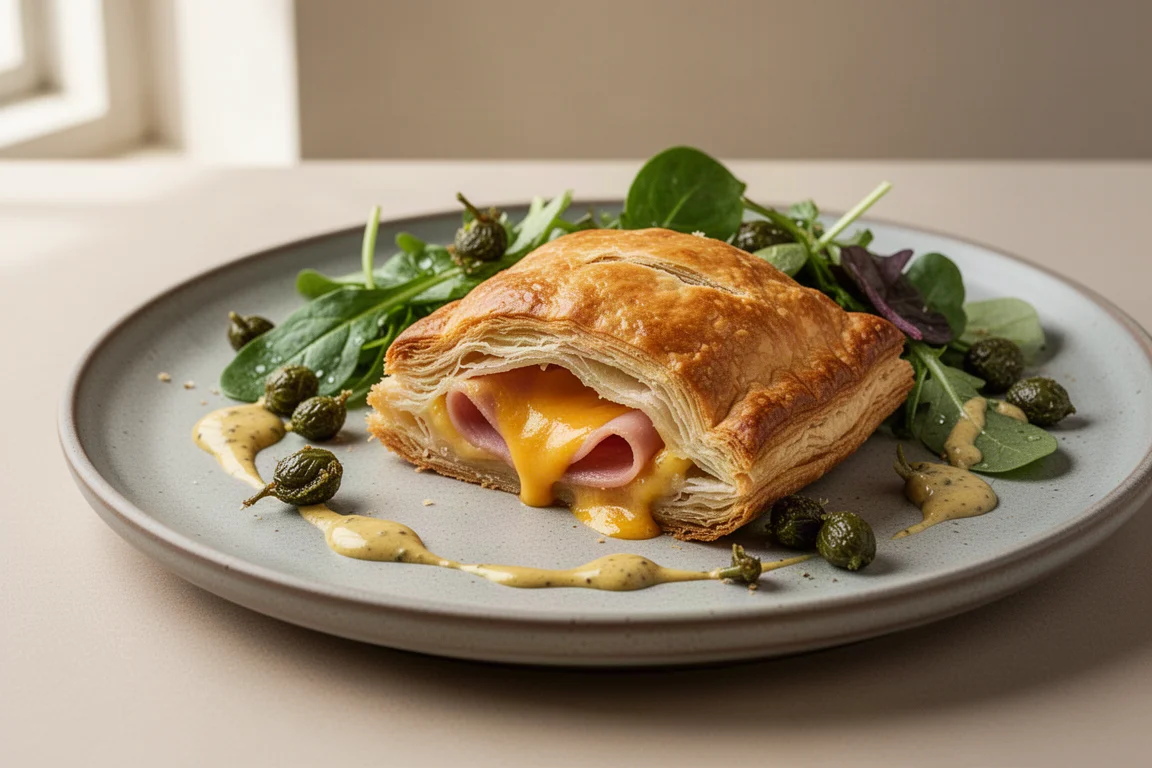
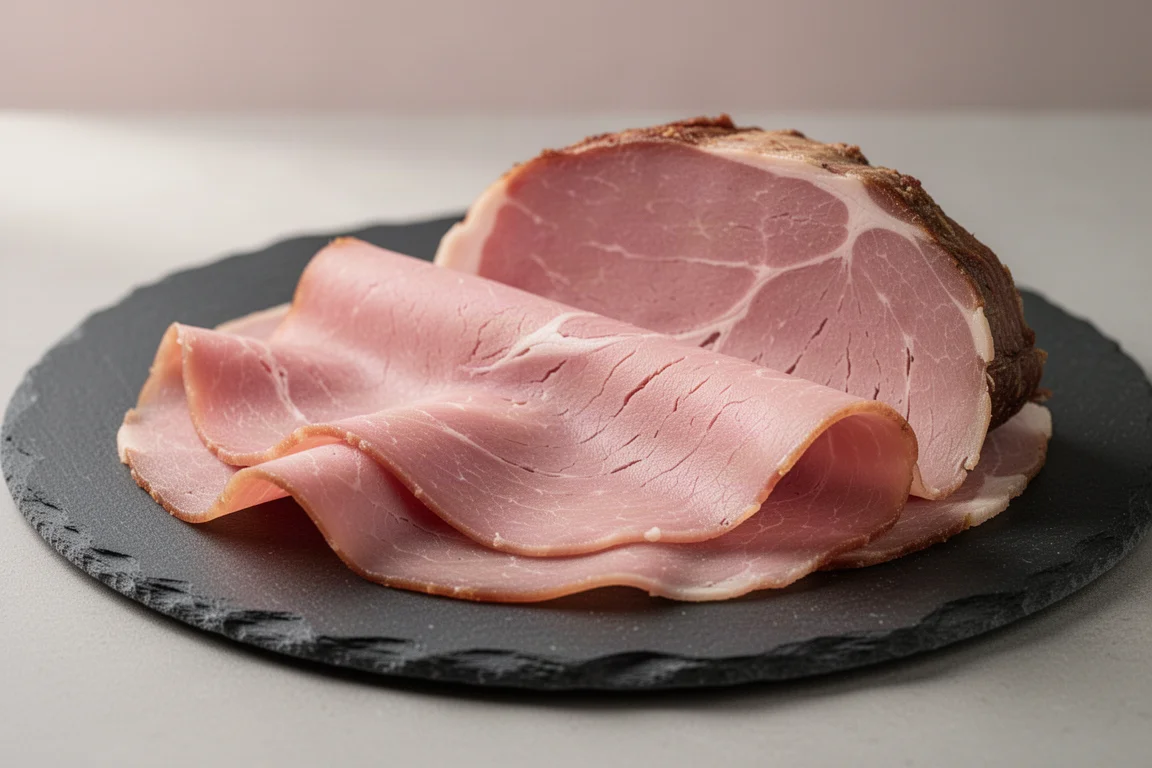
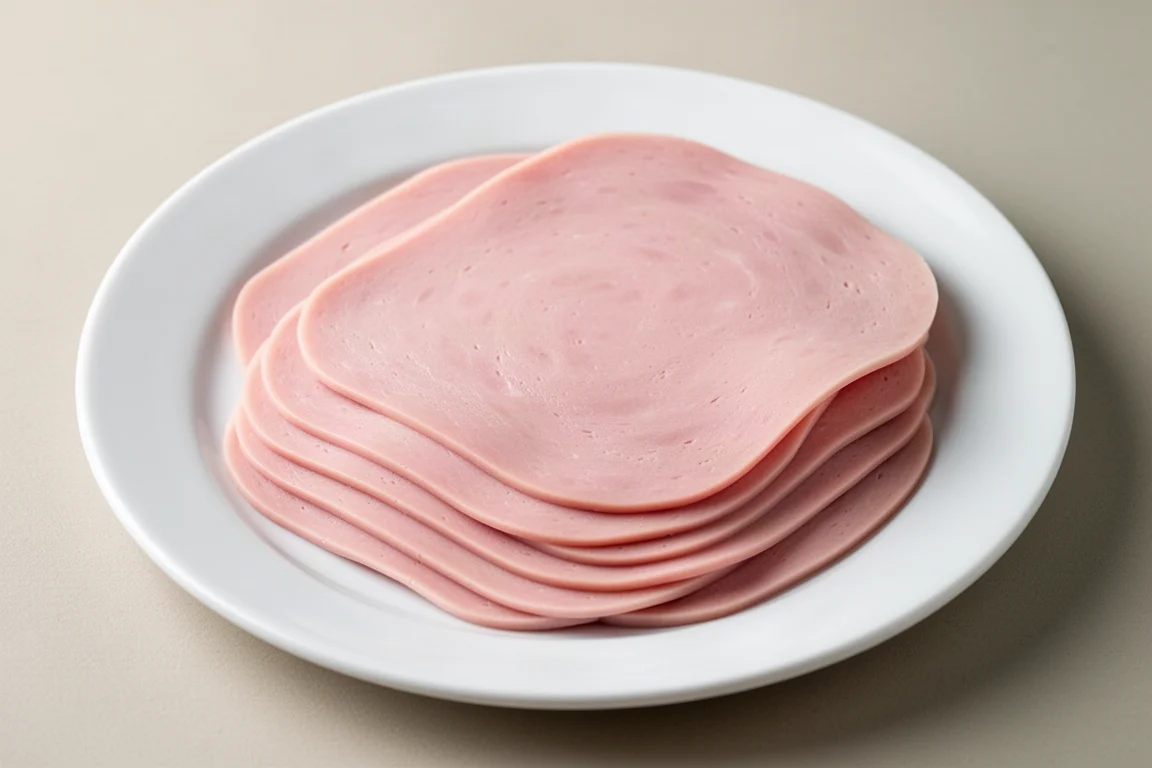
Round three was a cheddar and ham pasty served with dressed leaves, fried capers and mustard dressing. Blind, the tasters found the flavor difference surprisingly small inside a pie. It was only once the blindfolds came off that the difference became obvious: one ham looked like proper meat with visible muscle structure, the other looked like a reconstituted product.
The imposter is Premier Deli Cooked Ham Slices: reformed ham, cured and cooked with added water. It is 77% pork, with a long list of additives including preservatives, stabilizers, antioxidants, dextrose, rice flour, maize flour, starch, pork gelatine, rapeseed oil and flavorings. It tastes sweet, not because it is sweet-cured ham, but because sugar has been added to reconstituted pork that is not necessarily from the leg. It costs 8 pounds per kilo, about 2 pounds per pack.
The real thing is M&S British Wiltshire Roast Ham, sliced roast ham made from British outdoor-bred Wiltshire-cured pork leg. It takes 107 grams of raw pork to make 100 grams of ham, and the only other ingredient is curing salt. At 33.18 pounds per kilo it is just over four times the price. If the ham is going into a sandwich, make it good; if it is chopped into a pie or pasty, a cheaper alternative can get away with it.
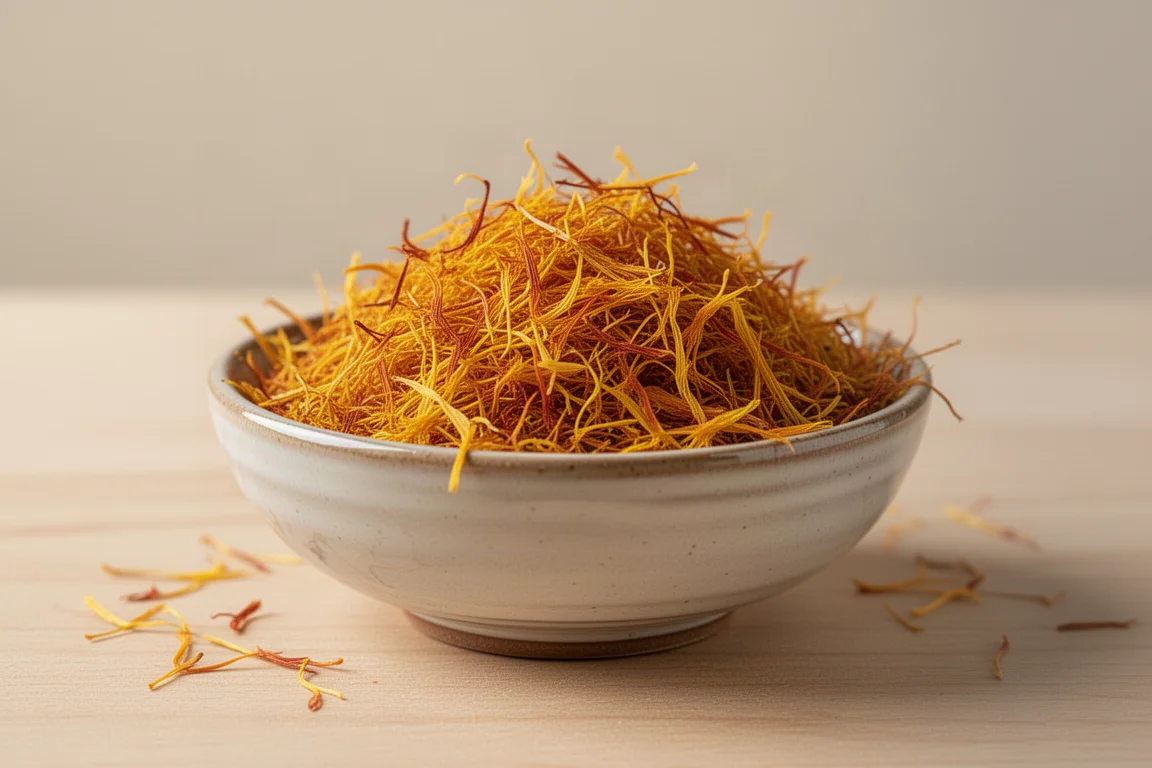
Round Four: Saffron
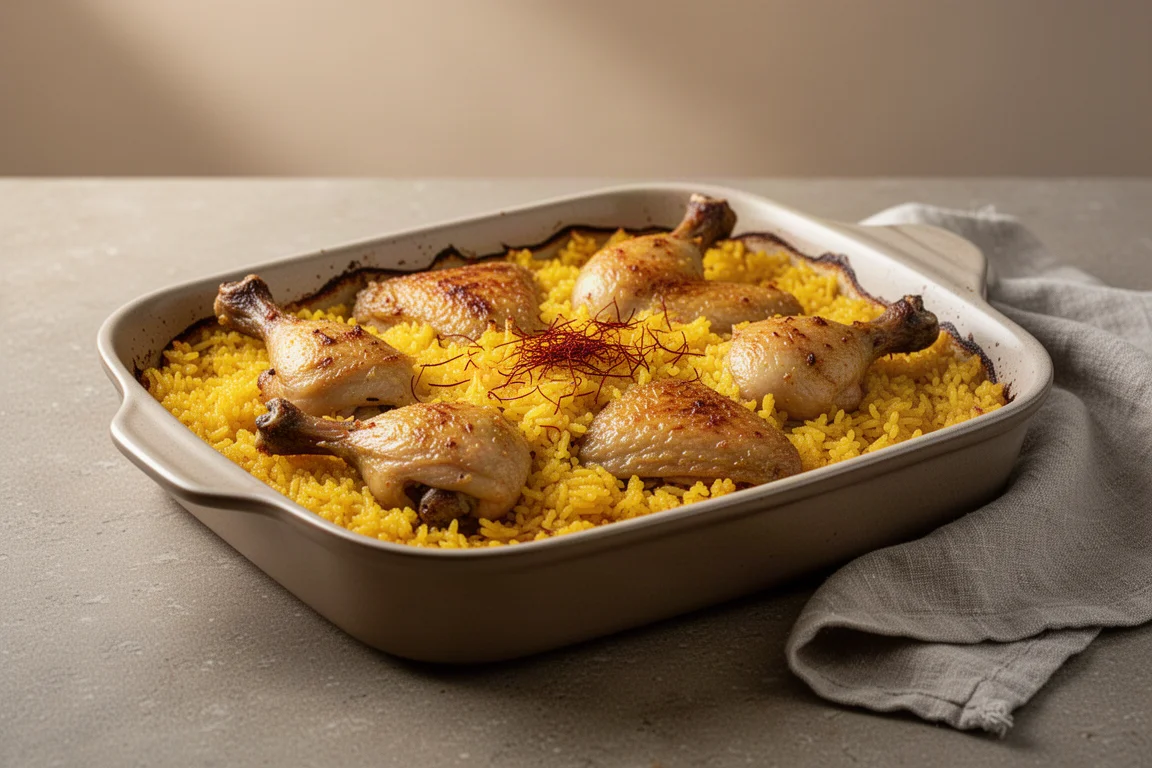
The final round was baked chicken wing rice, a pilau-style dish cooked on the bone for moist, flavorful dark meat. Both dishes contained saffron, but only one hit every sense: deeply floral, fragrant, with that distinctive earthy, subtly bitter, faintly metallic character. The imposter delivered a metallic flavor and a tingle of spice, but none of the fragrance.
The imposter is Low Hill Valley Safflower Petals, dried Carthamus tinctorius petals sold as a visual substitute for saffron. They give a similar yellow-orange hue, and they have been used legitimately for thousands of years in traditional cooking in places like New Mexico, especially in teas and dishes where color matters more than flavor. But they are not really a flavor substitute, and far more of them is needed to achieve the color. At 30 pence per gram they are a smart option when cost is prohibitive.
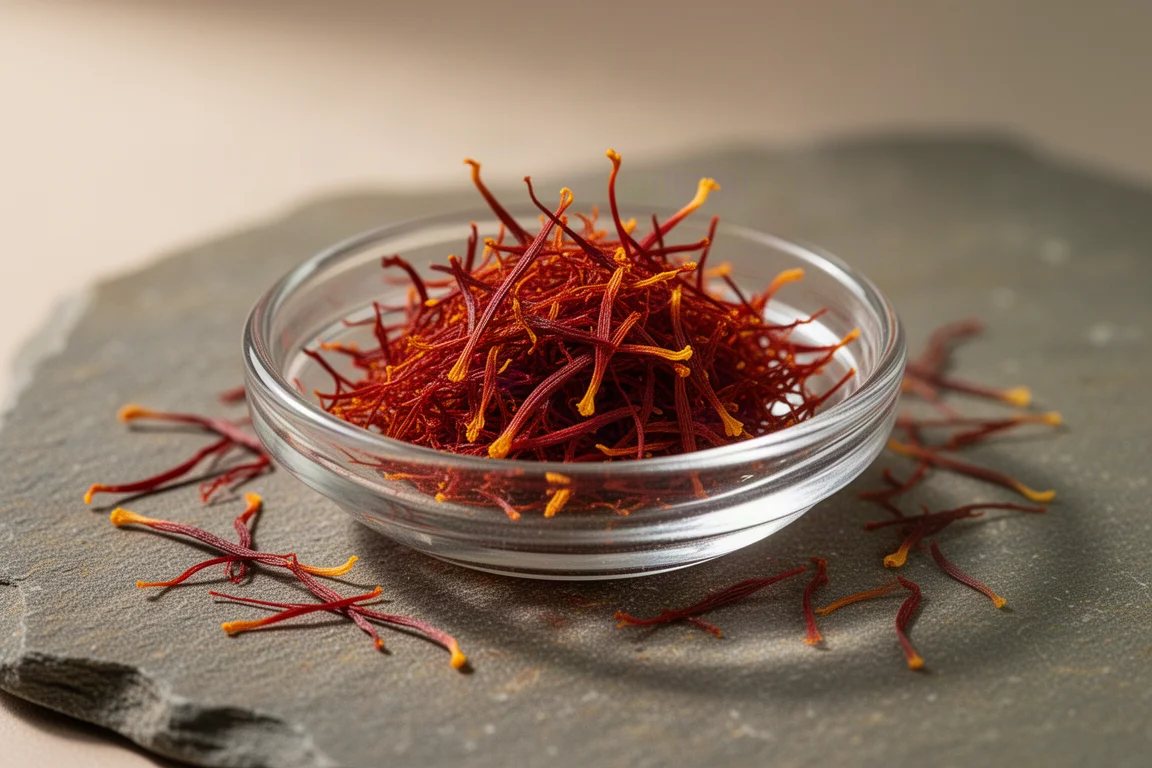
The real thing is Belazu Category One Spanish saffron, handpicked with tweezers from the Castilla-La Mancha region of Spain. It is the stigma, the very center of a crocus flower, and it takes roughly 150 flowers to produce a single gram. That explains the price: one gram costs 7.50 pounds, a 25-fold difference. As a seasoning, though, nothing else delivers what real saffron delivers to a dish.
Overall Buying Advice
A pattern runs through all four rounds: check the ingredients list, check the milk or meat source, and match the product to the application. Real cream, PDO feta, whole-muscle ham and true saffron cost more, but in dishes where they are the star, the difference is unmistakable. The imposters each have a legitimate place, from longer shelf life to lower cost, as long as you know what you are actually buying. For ham specifically, look for visible muscle structure and a savory, salty smell rather than a sweet, homogenous texture.
Conclusion
None of the imposters could fully replicate the real thing, but every one of them does a comparable job somewhere in the kitchen at a fraction of the price. Spend up when the ingredient carries the dish, save when it only needs to play a supporting role.
Further reading
Related Reviews
Food & Drink
Best Plant-Based Burgers From Major Chains: Six Options Rated
Six plant-based burgers from KFC, Leon, McDonald's, Burger King, Shake Shack, and Honest Burgers put to the taste test to see which fast-food options are actually worth ordering.
Food & Drink
Best Dark Chocolate for Less Sugar: Four Picks From 60% to 90%
Four dark chocolates that deliver more cacao and less sugar, from an everyday baking bar to an intense 90% pick.
Food & Drink
Four Kansas City Barbecue Sauces Worth a Spot on Your Table
We compare four very different Kansas City style barbecue sauces, from a classic sweet supermarket staple to three landmark restaurant sauces you can order online.