Food & Kitchen
Real vs Fake Ingredients: 8 Pantry Staples Put to the Blindfold Test
From butter and caster sugar to caviar and pistachio cream, we compare eight real ingredients with their imposters to see which ones are worth buying.
Introduction
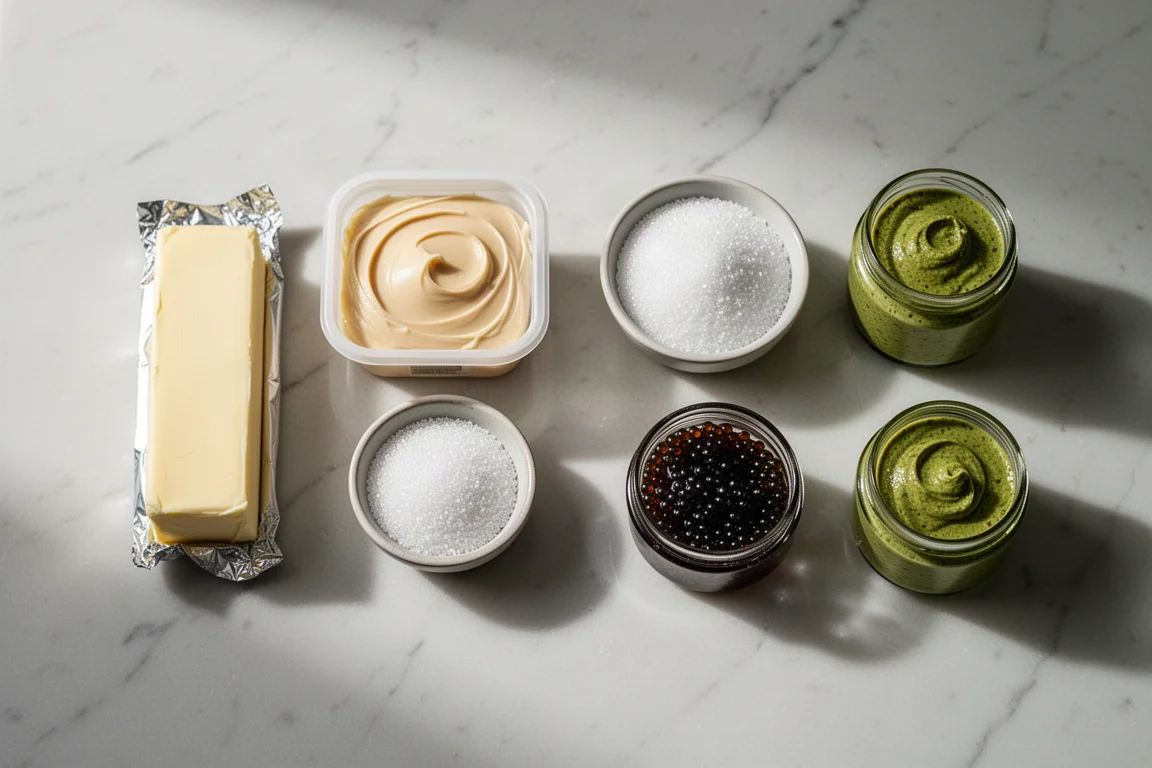
Can everyday home cooks tell the difference between a real ingredient and a clever imposter? In a blindfold taste test, two identical dishes were prepared with one swap in each: a premium product in one version, a cheaper or plant-based stand-in in the other. Across four rounds, covering butter, caster sugar, caviar, and pistachio paste, the tasters scored one point each, ending level overall. The results say a lot about when the real thing matters and when the imposter genuinely has a role to play.
Round 1: Butter
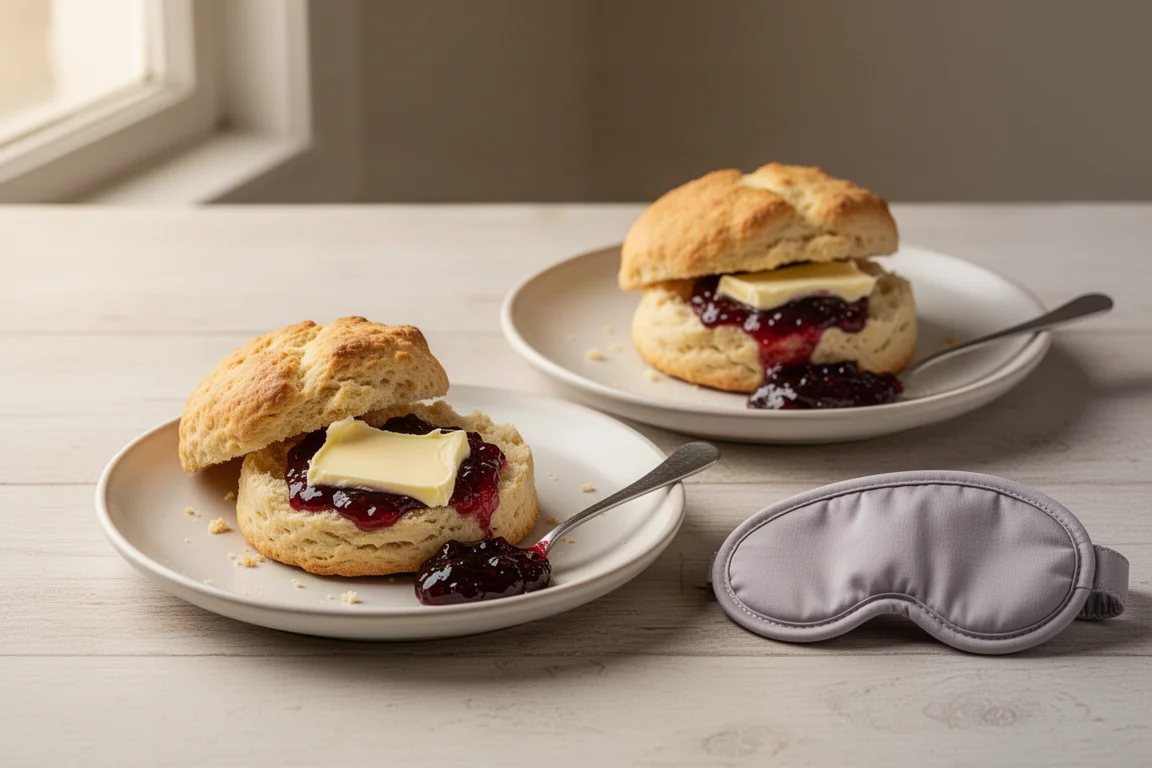
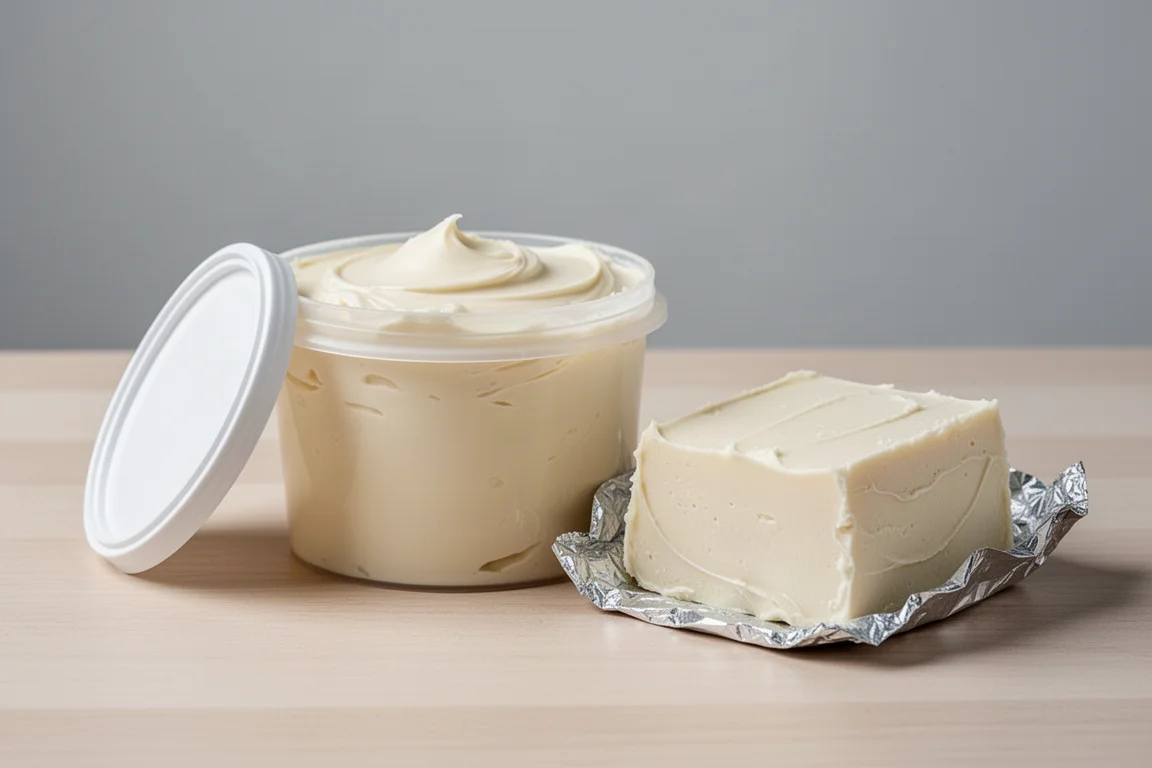
The first test was homemade scones with butter and jam, with the butter also baked into the scones themselves. One spread tasted creamier in both texture and flavour, melting faster on the tongue, while the other felt thicker, almost like buttercream, and was noticeably less airy.
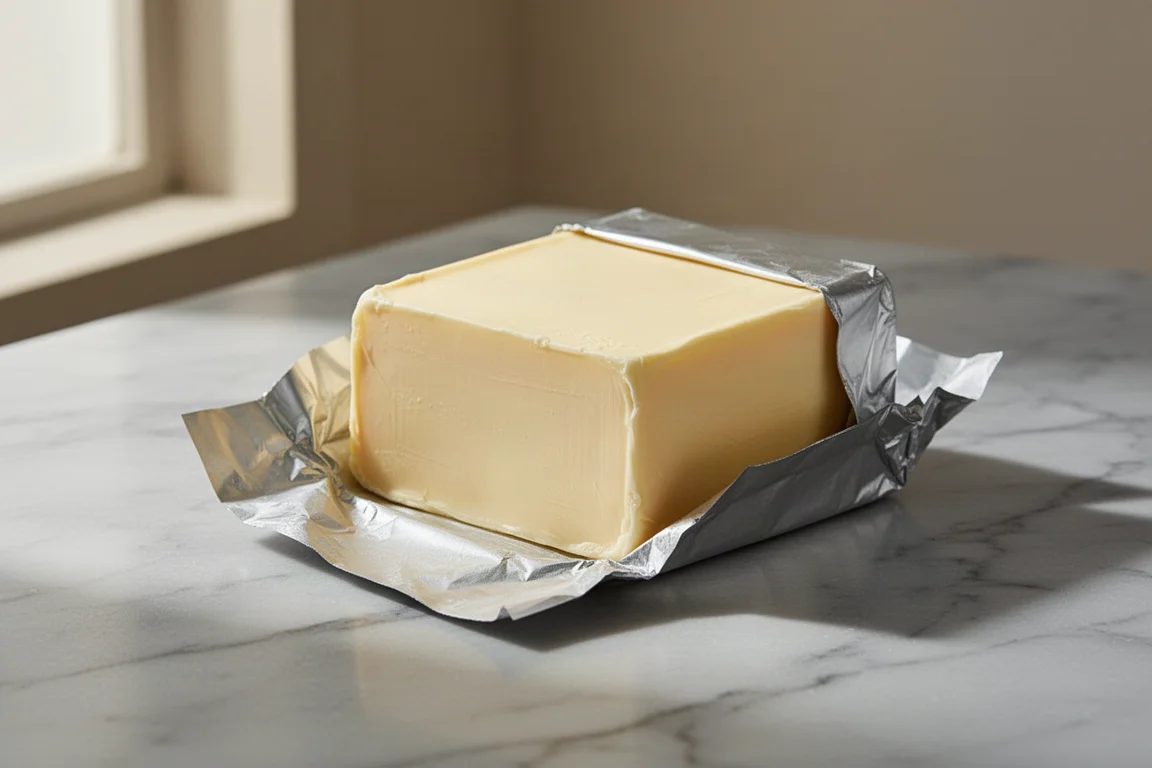
The real butter was Isigny Sainte-Mere from Normandy, a premium French butter made entirely from grass-fed cows using milk sourced exclusively from cattle within 20 miles of the dairy. The tasters described it as insanely delicious and called it one of the best butters they had tried.
The imposter was Stork butter alternative, a baking spread that is 100% plant-based with 70% vegetable fats. It has been around since 1920, largely because it is softer than butter and beats easily into baking mixes, which made it a staple for cakes, cupcakes, and sponges for generations. It does not really taste like butter; it is a super smooth, fatty spread.
On price, the Stork block costs £1.25, while a premium real butter block runs about £3.90, with supermarket own-brand real butter around £2. The differences in baking results were noticeable but not huge; as a spread, the gap is much bigger. Regions with mild, wet climates and good grass, like Normandy and the UK’s west country, make excellent dairy, which is partly why real butter costs more. If you want the genuine article, this is the one to reach for.
If you bake plant-based, or simply want a cheap, reliable creaming spread, Stork still earns its place after more than a century.
Round 2: Caster Sugar
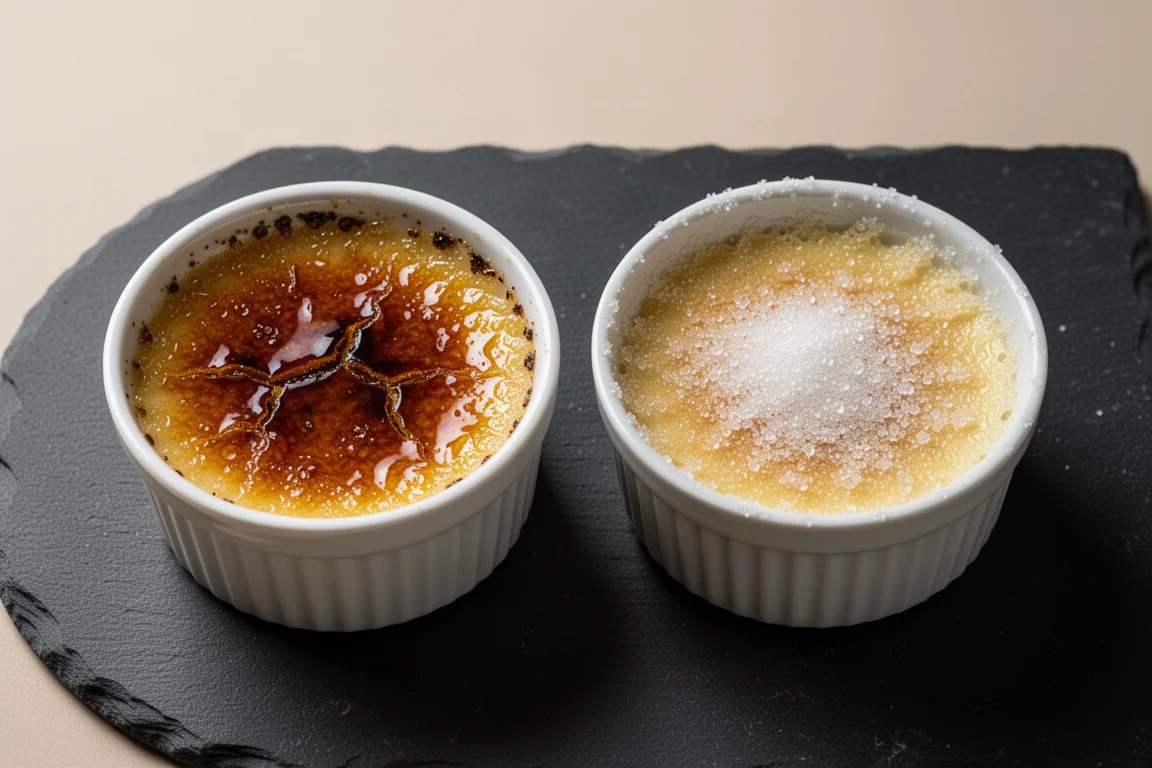
Round two was creme brulee, and this produced one of the widest gaps of the whole test. The sugar topping on one brulee caramelized properly and brought far more flavour, while the other was one-dimensional, with no crack to the top and zero bitterness.
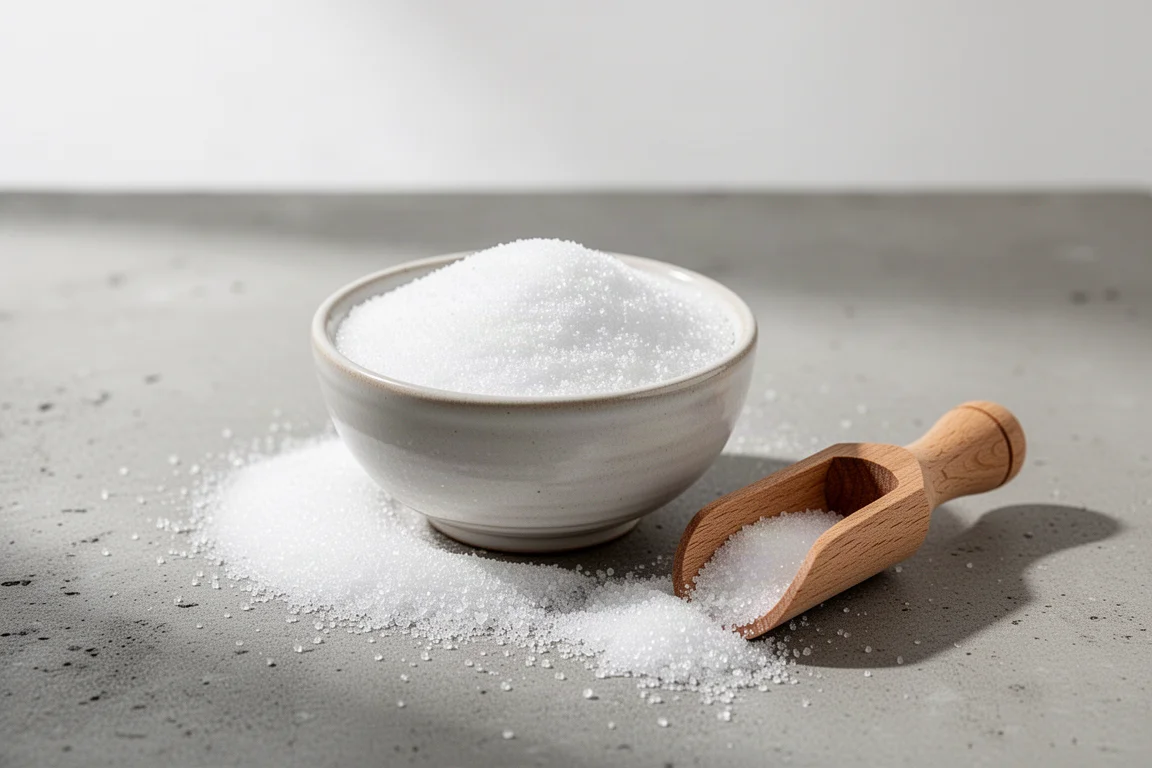
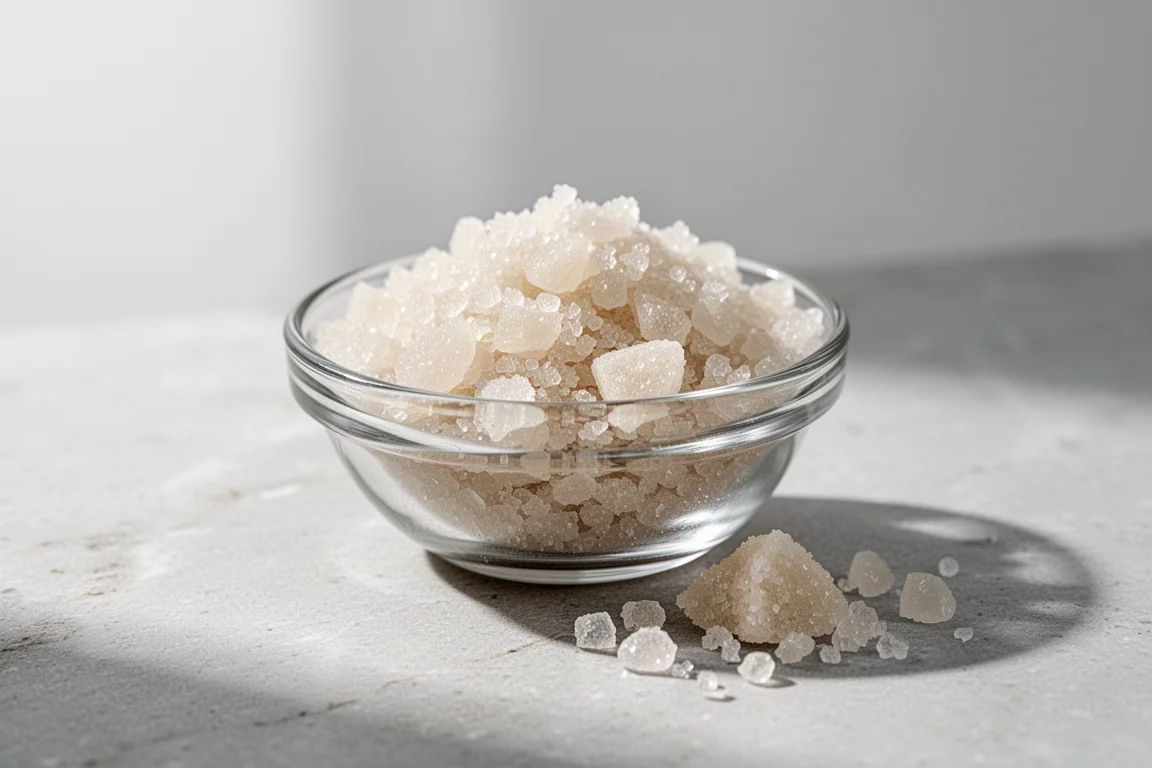
The winner was Tate & Lyle Fairtrade caster sugar, made simply from the juice of sugar cane. The imposter was Pure Via Baker Secret caster sugar alternative, made from stevia. Because stevia is so much sweeter than sugar, the product adds bulking ingredients so it can be swapped gram for gram in recipes. The result uses larger crystals, closer to granulated than caster.
In sweetness level and texture, the two were surprisingly close, and the tasters admitted the alternative version would not raise suspicions if served without the caramelized top. The real differences show up in the caramelization, which the alternative simply cannot manage, and in the more rounded, natural cane flavour of the real sugar. The alternative is gluten-free, vegetarian, vegan, keto, and even described as teeth friendly.
Price is a serious consideration: Tate & Lyle caster sugar costs about £3.20 per kilo, while the alternative works out at roughly £13.24 per kilo, about £10 more. For anything needing a proper caramel top, do it properly with real sugar. But for meringues, mousses, or a homemade lemonade, where no colour or torching is needed and only a couple of tablespoons are used, the alternative gets impressively close, which matters for anyone cutting sugar intake or managing diabetes.
Round 3: Caviar
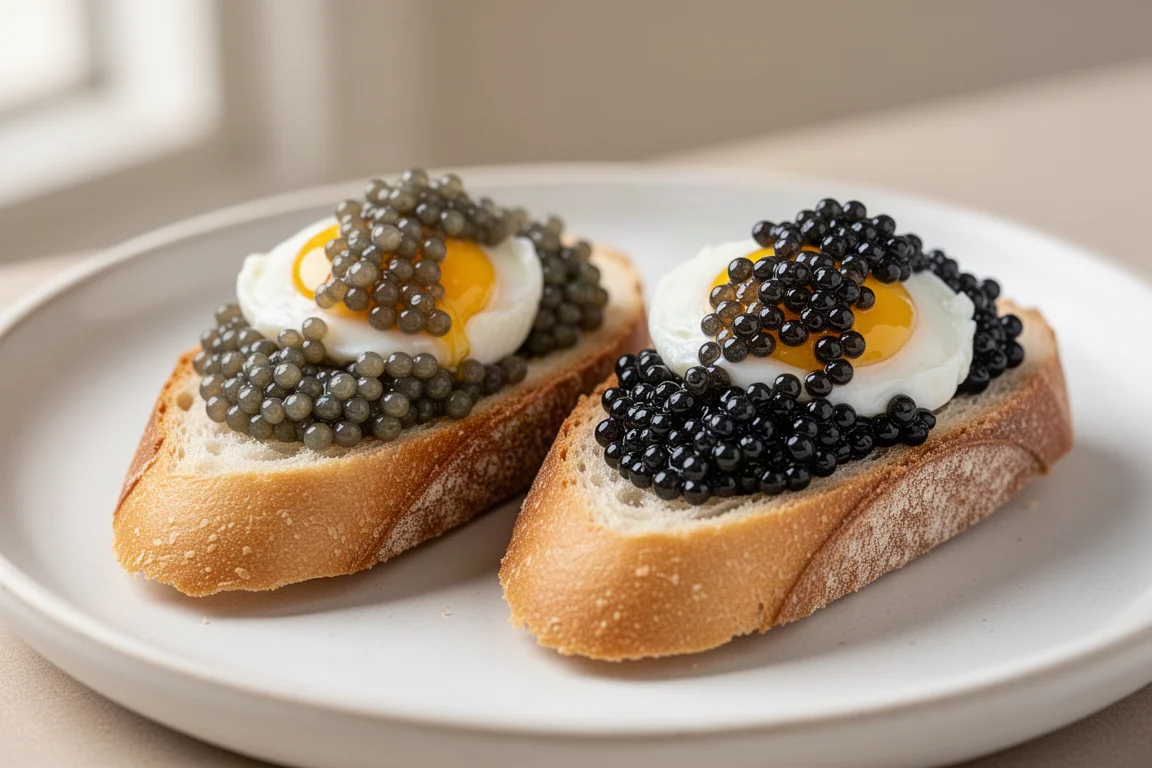
The third round served baguette crudites with soft fried quail’s egg and caviar, and it surprised everyone. The tasters both preferred the imposter, which was saltier, smokier, and more intensely fishy, with more pop in the pearls.
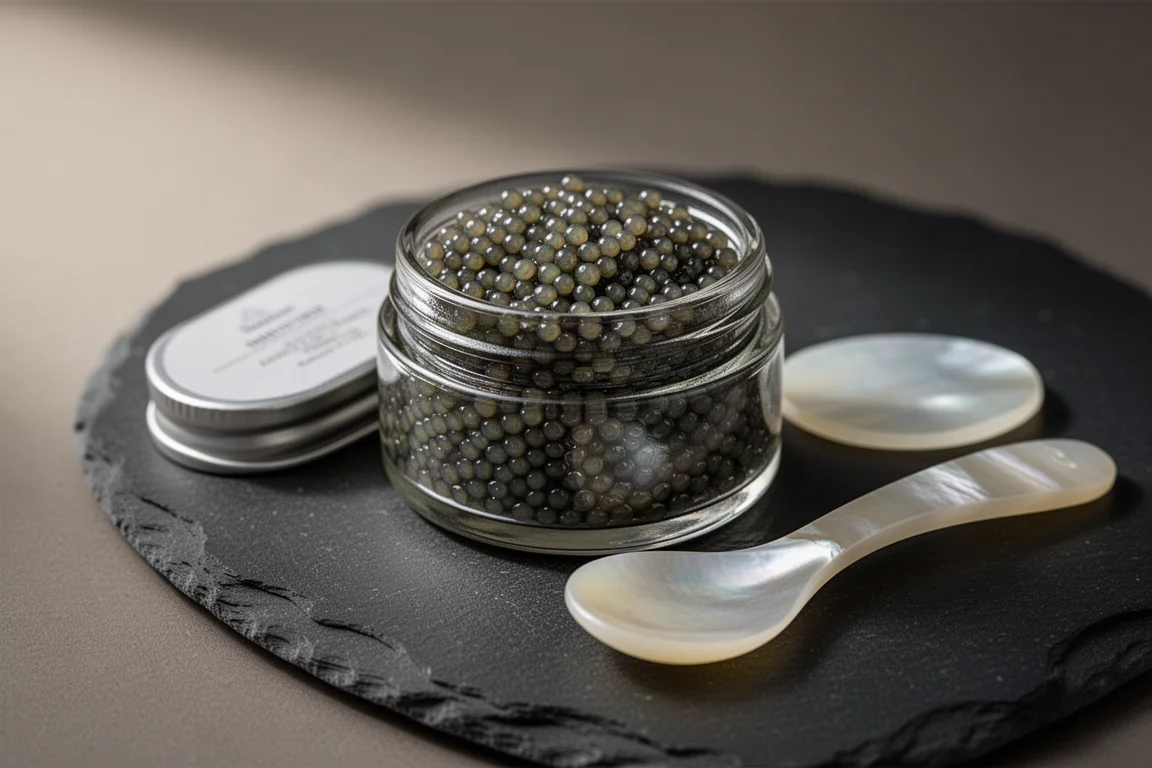
The real caviar was Kings Oscietra, from a British family-run business holding a royal warrant. Its larger, firmer eggs range from dark grey to olive and golden, with a taste described as subtle but complex: creamy, with a pronounced nutty note, a buttery finish, and a slight briny aroma. It is around 96% sturgeon eggs with just salt for preservation, and sturgeon take seven to nine years to mature.
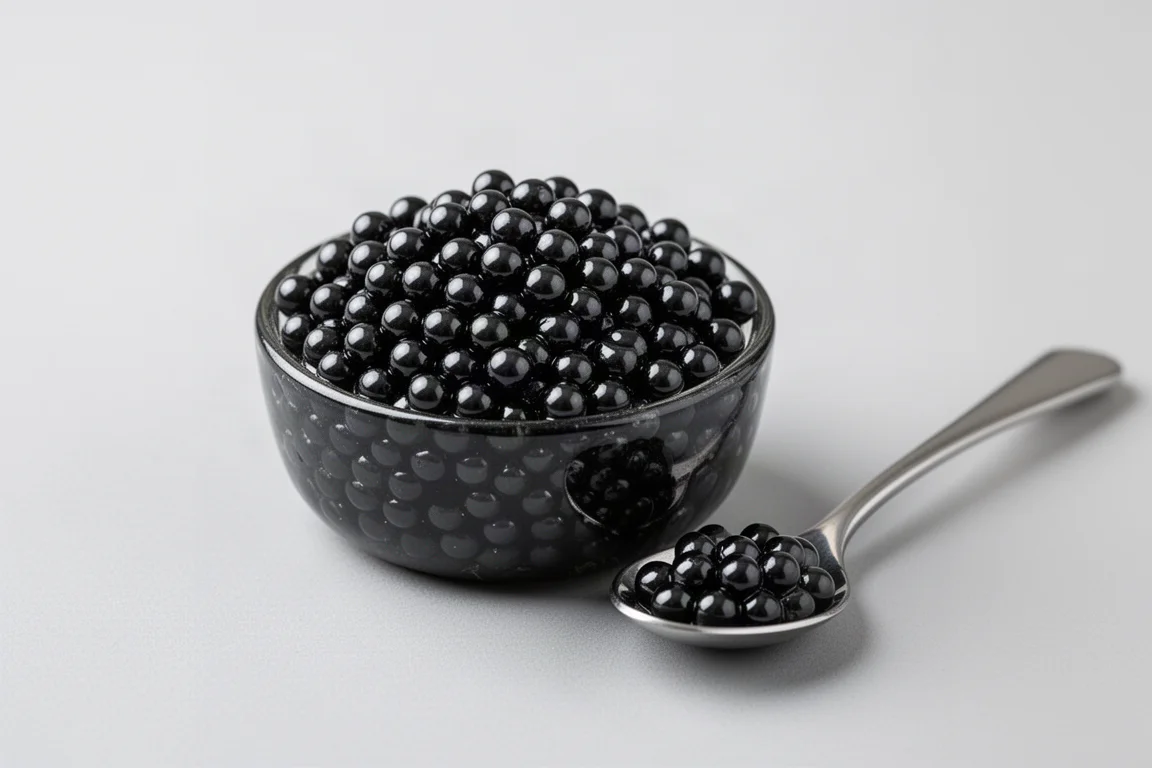
The imposter was Arenkha caviar, made from herring and smoked herring plus cuttlefish ink for colour, along with stabilizers like xanthan gum, emulsifiers, modified corn starch, and lemon juice. It is essentially 40% smoked herring, which explains the smoky, briny, slightly citric character. This is the style you will often see dotted over starters and tasting menus in popular restaurants.
Round 4: Pistachio Paste
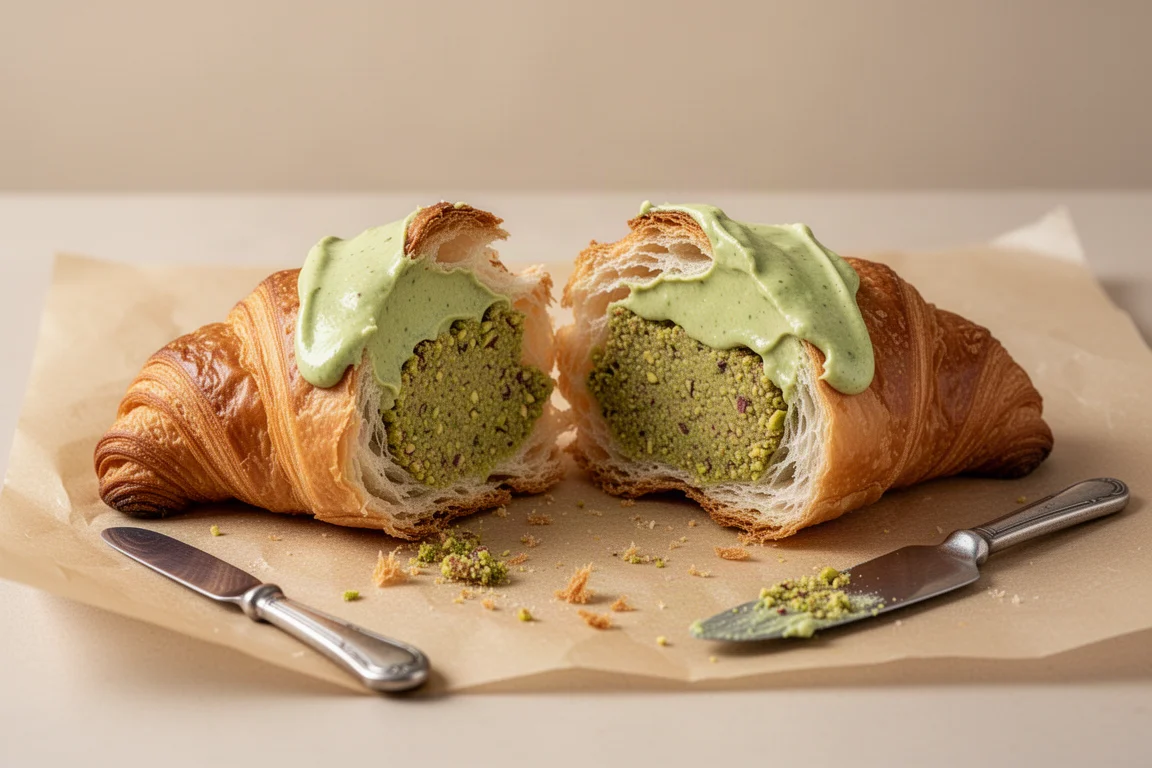
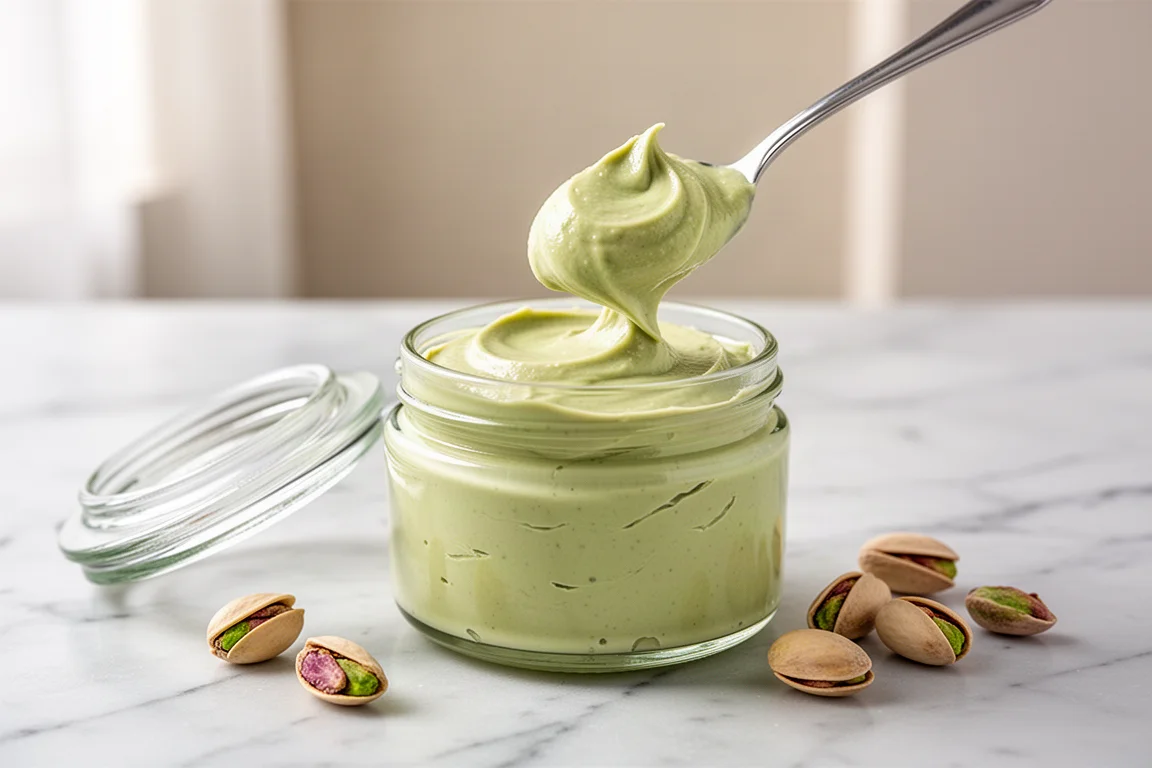
The final round was croissants filled with pistachio paste, topped with a creamier version mixed with cream cheese and cream. One paste was firm, thick, nutty, and savoury rather than sweet; the other was much sweeter, looser, and less nutty, though undeniably delicious.
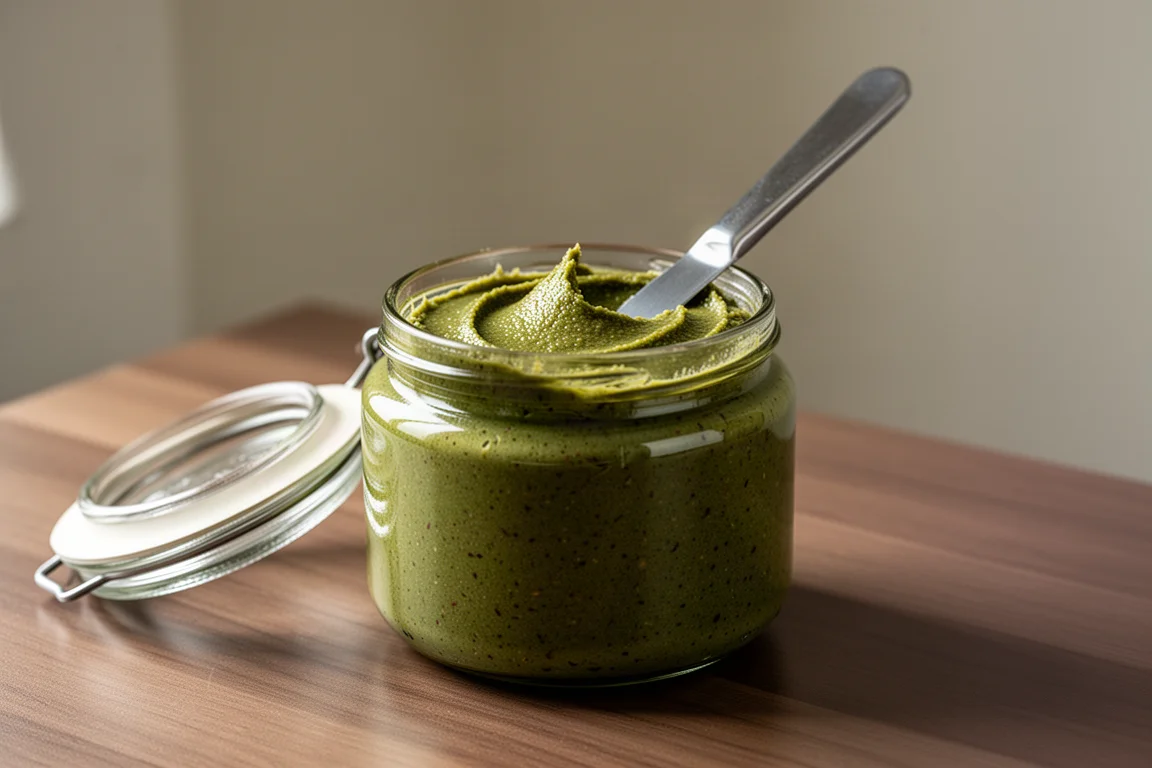
The real product was Borna Smooth 100% Pistachio Butter, made from high-quality pistachios from certified farms with nothing else in the jar. The imposter was Black Milk pistachio cream, which contains just 20% pistachios. Its first ingredient is sugar, followed by vegetable oil, then pistachios, milk powder, whey powder, lactose, emulsifiers, and natural colourings like E141, derived from nettles and grass.
Here the awards tell an odd story: the pistachio cream holds a two-star Great Taste Award, judged blind by a large panel, while the pure pistachio butter holds one star. The cream is described as a pistachio taste inspired by Sicily, and the tasters concluded that it has become its own thing, closer to the perceived idea of pistachio than to the nut itself. The pistachio butter is an excellent ingredient, but it suits a different application than sweet pastries.
On price, the pistachio cream works out at nearly £26 per kilo, about £6 for the jar, while the 100% pistachio butter is £50 per kilo at £8.50 for the jar.
Buying Advice
The pattern across all four rounds is consistent. When an ingredient is the main event, as with butter on a scone or real caviar on an egg, the genuine article is worth the money. When the ingredient plays a supporting role, or when dietary needs call for a substitute, imposters like the caster sugar alternative or pistachio cream can get you remarkably close, though usually at a higher price per kilo. Know which role your ingredient plays before you spend.
Conclusion
The blindfold test ended level on points, which says something encouraging: both cooks could taste differences, but choosing the real thing was not always obvious. Premium products such as Isigny Sainte-Mere butter, Tate & Lyle caster sugar, Kings Oscietra caviar, and Borna pistachio butter deliver depth and authenticity, while the alternatives each hold a genuine, narrower place in the kitchen. Match the product to the job and you will rarely be disappointed.
Further reading
Related Reviews
Food & Kitchen
Apple Products Worth Knowing: From Applesauce to Hard Cider
Applesauce, apple butter, cider, hard cider, apple cider vinegar, and apple juice compared, with two picks that stand out.

Food & Kitchen
Best Bone Broth, Chicken Stock, and Chicken Base: Four Kitchen Staples Worth Knowing
Four warmed-and-tasted pantry staples compared: two bone broths with notably more protein, a classic chicken stock, and a convenient chicken base.
Food & Kitchen
Best Box Brownie Mixes: Four Standouts Worth Baking
We tested popular box brownie mixes for chocolate flavor, texture, and that crackly top. Here are the four that rose to the top of the pan.