Power Tools
Real vs Counterfeit Drills and Impact Drivers: What to Check Before You Buy
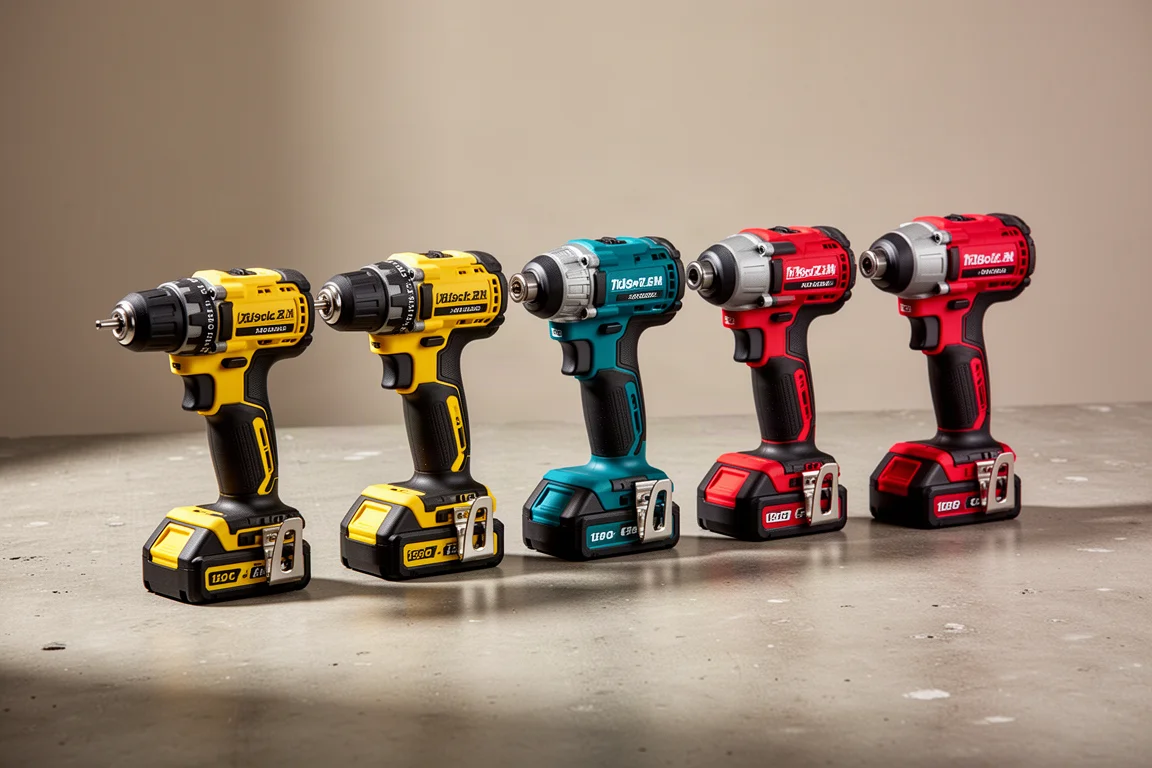
Six popular cordless drills and impact drivers from DeWalt, Makita, and Milwaukee, compared on build quality, performance, and the warning signs of a counterfeit.
Introduction
Counterfeit cordless tools have become a real problem for anyone shopping online. Listings on large marketplaces can look identical to the genuine article, right down to the shape of the handle and the placement of the logos. To find out how convincing these copies actually are, we compared six popular drills and impact drivers from DeWalt, Makita, and Milwaukee against lookalike versions sold through low-cost overseas marketplaces.
The results were eye-opening. Some fakes were sloppy and obvious, while others were convincing enough to fool a careful buyer. Below is what we learned about each model, the tell-tale differences, and how they performed in real use.
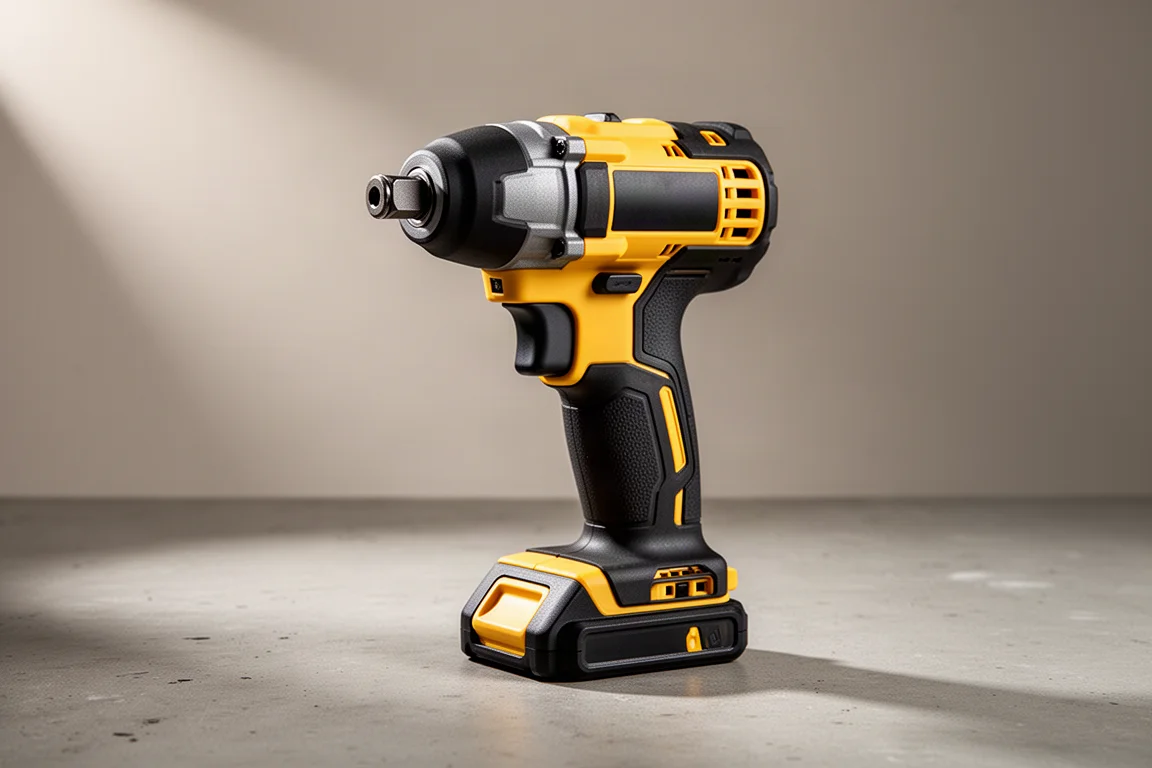
DeWalt Atomic DCF809 Impact Driver
The genuine DCF809 is a compact 1/4-inch cordless impact driver with multiple speed settings and a brushless motor. On a legitimate unit you will find clear side labeling with the model number, safety warnings, and a QR code near the battery terminal. The counterfeit version copies the overall shape and handle design well, but the labels give it away: generic gibberish text, a missing model number, and no safety markings at all.
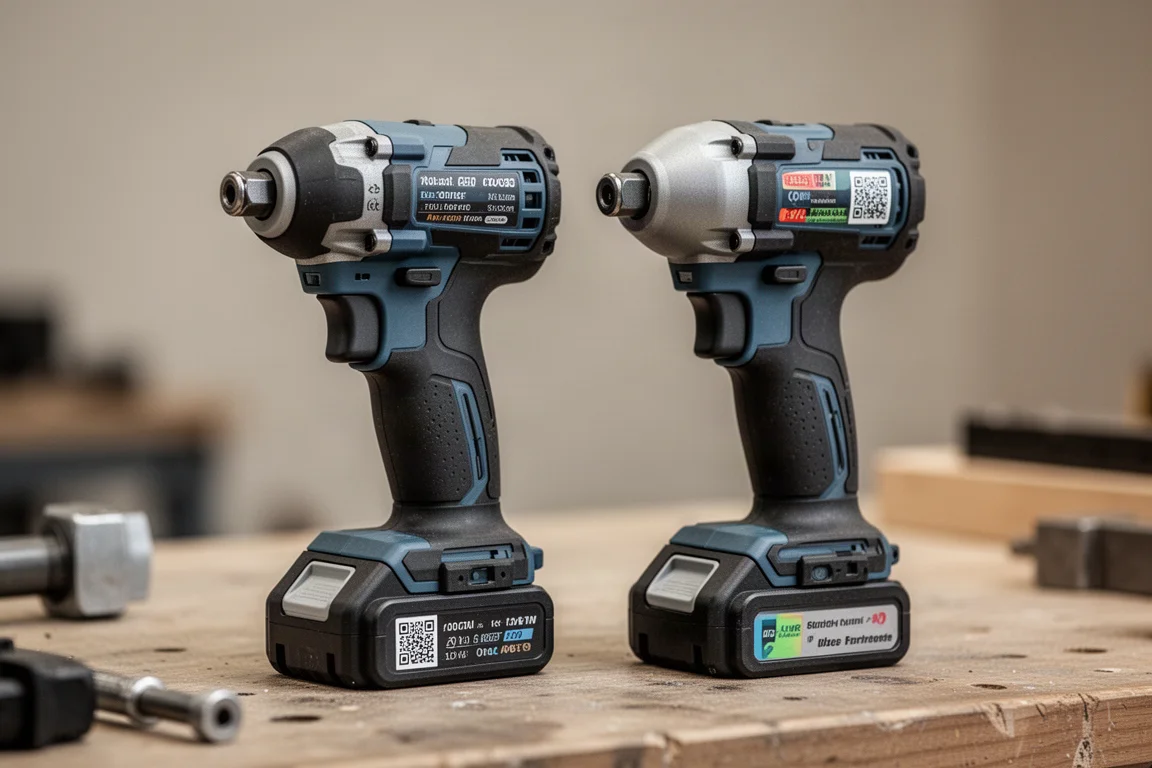
Performance told a different story than we expected. The genuine DCF809 has selectable low, medium, high, and precision drive modes, but in our testing it snapped its collet after driving just two lag screws. The counterfeit unit kept going and handled the same screws without issue. Its brushless claim is questionable, though, as the motor produced a distinct brushed smell and had a noticeable trigger delay.
DeWalt Atomic Drill
The label differences on the drill were even stranger. The counterfeit claimed 18V on a brand DeWalt markets as a 20V Max platform, used rough logo printing, and oddly included a hammer setting the real sub-compact does not have. The genuine Atomic drill has torque settings up to 15 with smooth gear movement and brushless written clearly on the housing.
In use, the genuine drill performed exactly as expected, drilling holes cleanly with no flex. The counterfeit showed a visible seam in the housing, felt like two separate pieces under load, refused to lock bits properly, and even ejected a bit mid-use. That last one is a genuine safety concern.
Weight was another giveaway: the fake weighed 1 lb 15.2 oz against 2 lb 6.7 oz for the genuine tool, a difference of about 7.5 oz. Inside, the real DeWalt was tight and tidy with soldered connections and silicone securing the components, while the counterfeit had loose floating wires and a noticeably smaller drive gear.
Makita XFD13 Drill
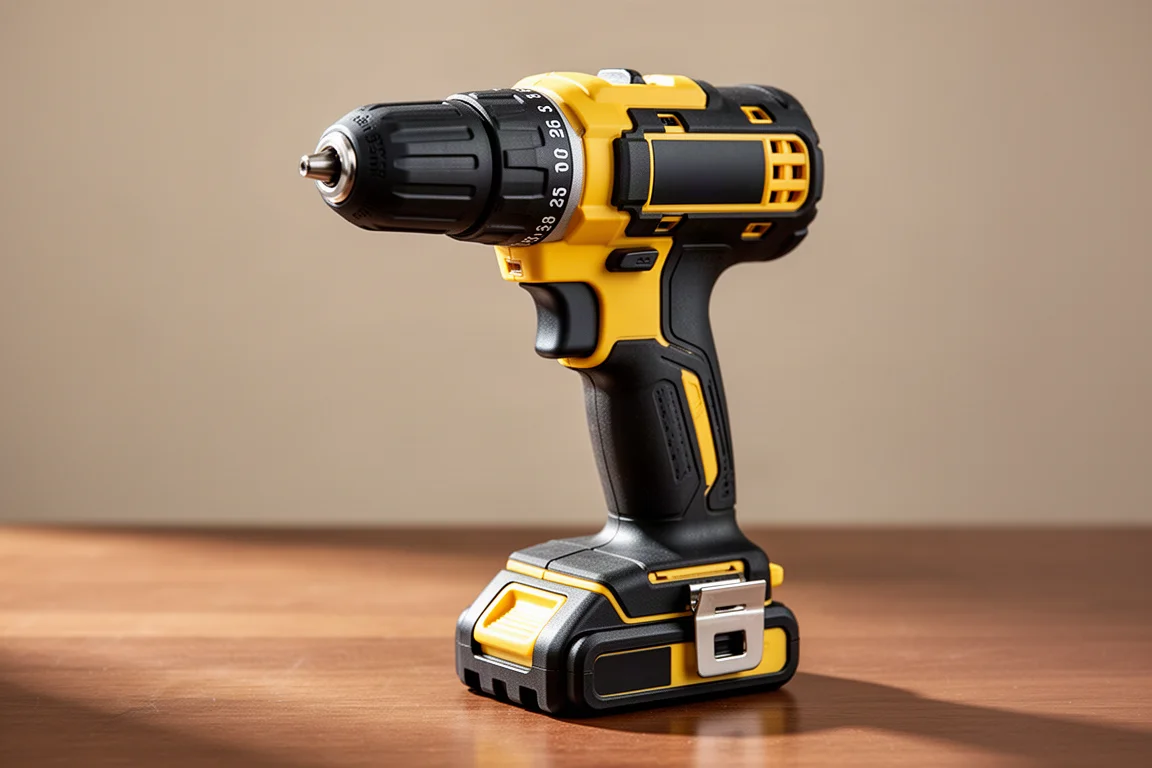
The Makita pair was the closest match of the bunch. Both drills have plastic chucks, similar handles, and very similar internal construction. The real XFD13 has a 21-step clutch with drill mode, brushless labeling, and clearly painted numbering. The fake claimed to be a “rechargeable screwdriver drill,” had 25 steps, and came with a non-functional speed button.
One of the most useful physical checks we found was the battery fitment. The genuine Makita battery has a mounting hook on the bottom; the fake battery housing lacked it, which caused audible rattling and movement in the tool. Size also differed noticeably, with the fake being smaller and harder to grip around the trigger.
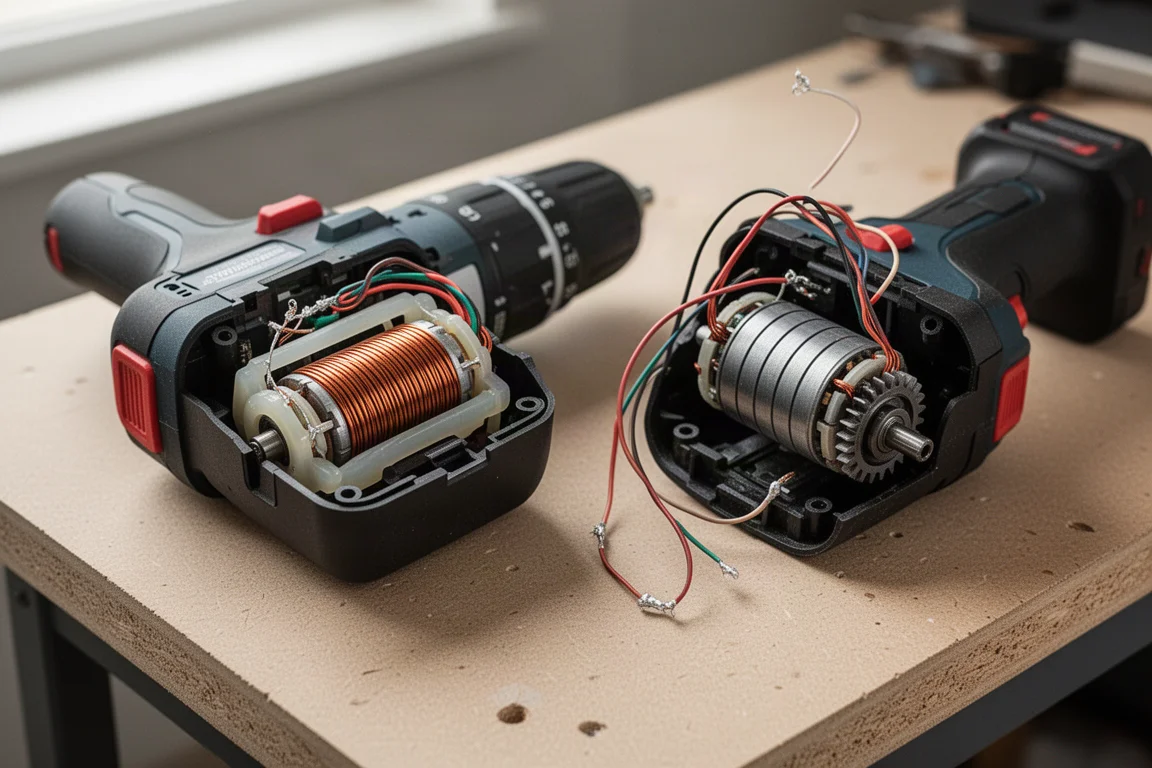
Inside, the counterfeit Makita was surprisingly clean, considerably tidier than the fake DeWalt we opened. The genuine unit was only about half a pound heavier at 2 lb 5.3 oz versus 1 lb 12.4 oz, and performed better under load. If you are shopping for a Makita drill, battery fitment and chuck lock behavior are the details worth checking first.
Makita LXT Impact Driver
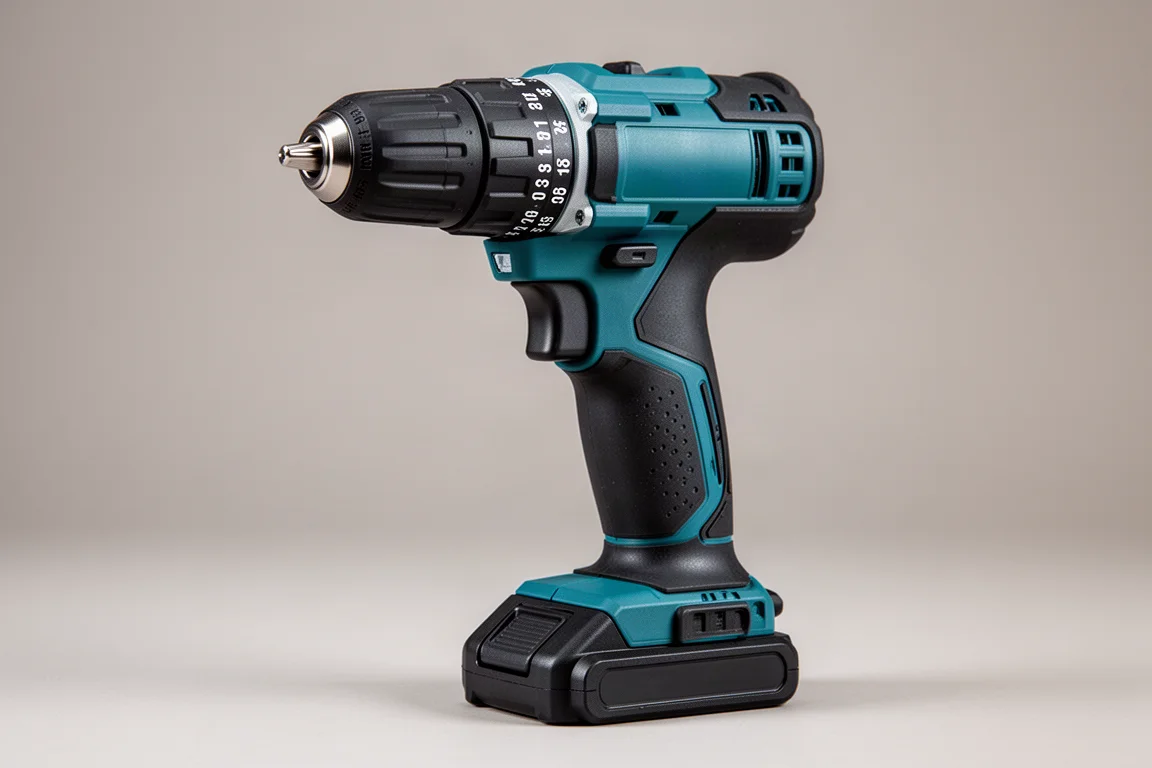
The LXT impact driver comparison was the tightest match we tested. Both tools carry a BL motor marking, an embossed brand mark, similar handle shaping, and nearly identical weight, with the fake at 2 lb 1 oz against the real one at 2 lb 0.7 oz. The differences were subtle: the genuine tool has a gold plate at the base, “brushless” written in silver lettering, and drive mode selectors, while the fake listed a higher mode count than the real tool actually offers.
In speed tests with lag screws, the genuine LXT driver buried screws without struggle while the fake slowed down as it reached the wood. Both ran quietly and felt similar in the hand, which makes this the hardest counterfeit in the lineup to spot by feel alone.
Milwaukee M18 2904 Drill
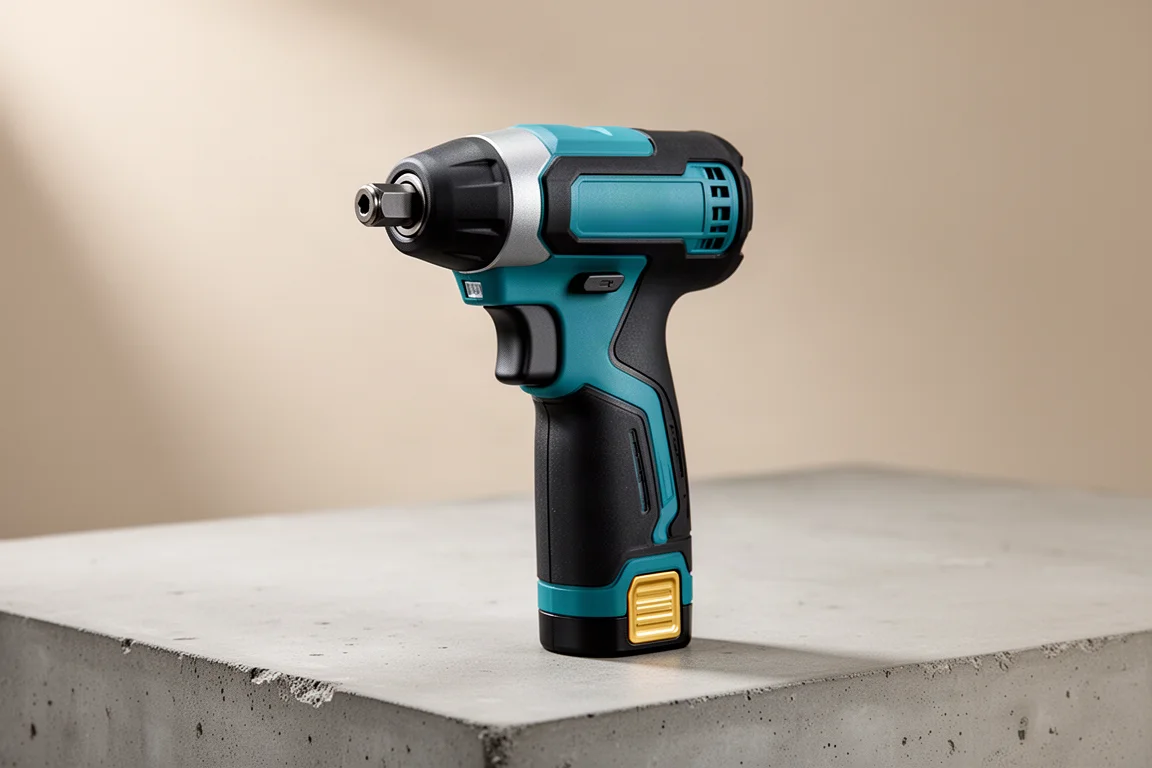
The Milwaukee drill comparison was the most lopsided. The genuine M18 2904 is a hammer-capable drill driver made in Mexico with three modes, 20 speed settings, and a smooth, large collet. The counterfeit used a completely different shade of red, generic “brushless” text on a screwed-on cap, and a collet with visible wobble under load.
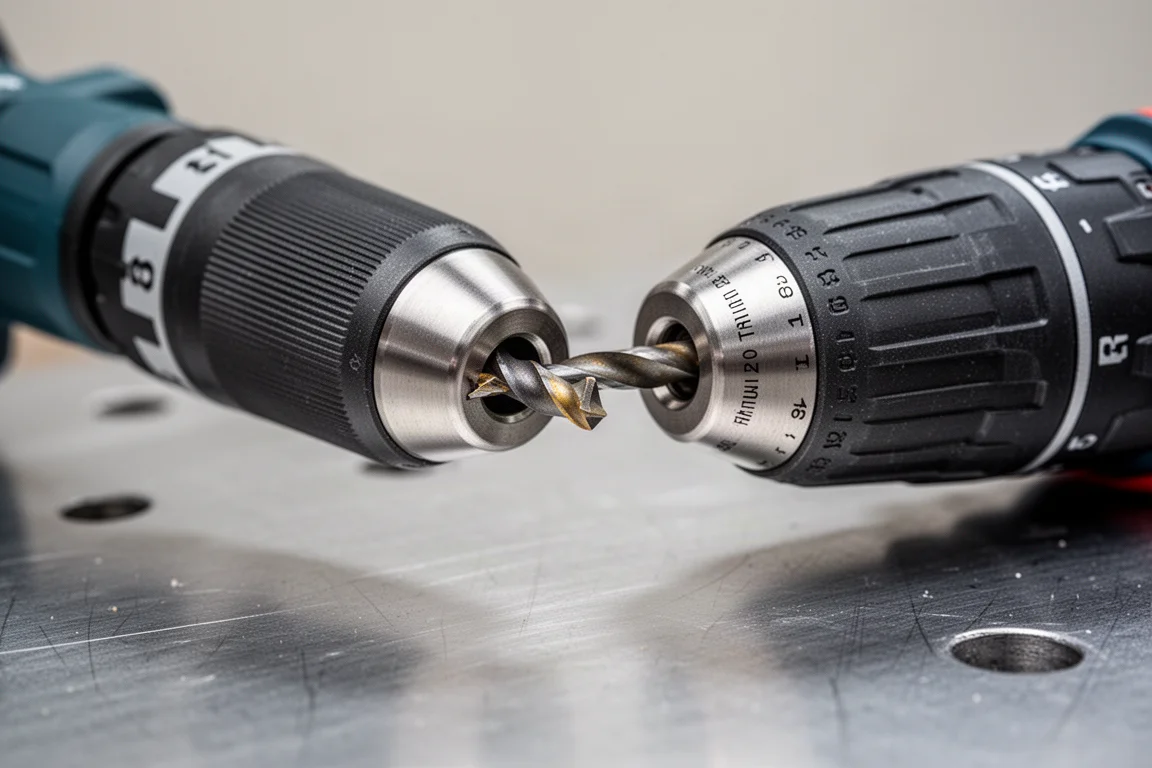
Performance差距 was described as night and day. Running identical bits with 6 Ah batteries, the genuine drill drove holes with considerably more power while the fake hummed, wobbled, and struggled. Inside, the real Milwaukee hides a protected motherboard, lubricated gearing, and metal components where the fake uses simple plastic construction.
At roughly $33 for the fake versus around $150 for the genuine tool, the price gap is large, but the genuine unit is clearly a different class of machine.
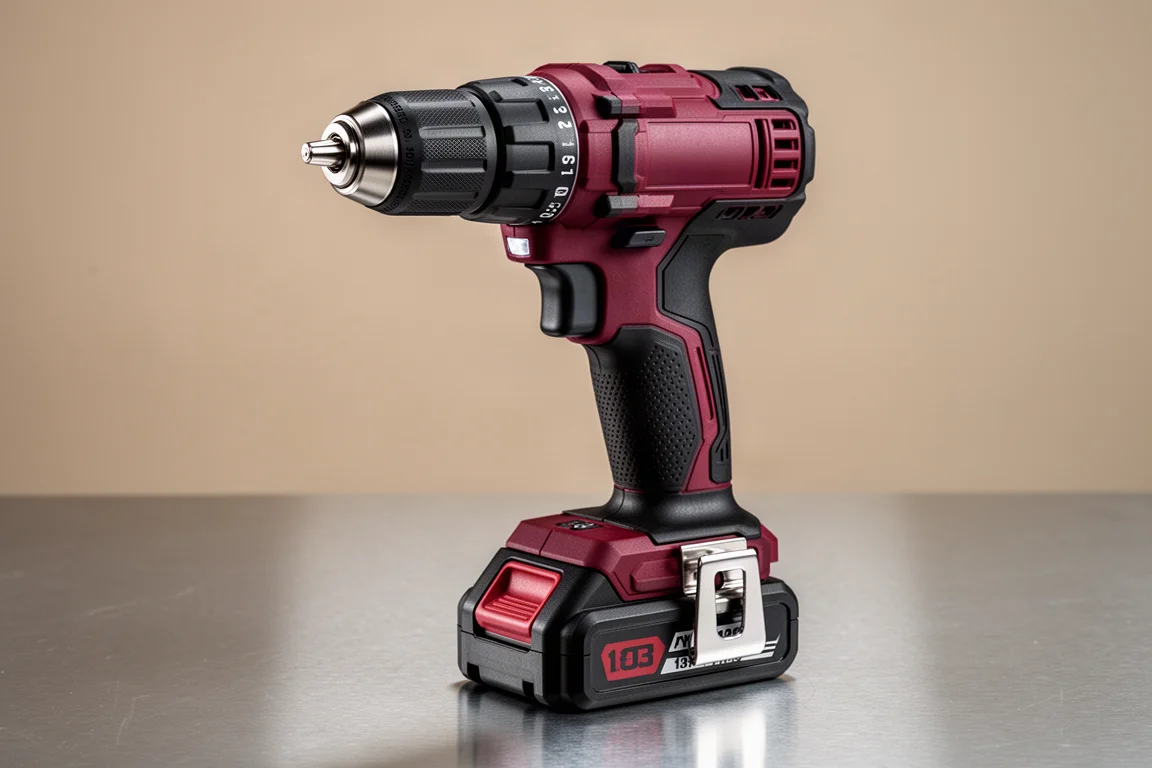
Milwaukee M18 Fuel Impact Driver
The M18 Fuel is Milwaukee’s flagship impact driver, and the counterfeit copy of it was the bulkiest fake of the bunch, actually slightly taller and heavier in feel than the real thing. The genuine tool offers three speeds plus a sheet metal mode, a rubber mode button, and a QR code embedded in its barcode. The fake listed a “license holder” name on its label, which is not something genuine Milwaukee packaging includes.
In back-to-back lag screw races, the genuine Fuel was dramatically faster, and it kept pace with a premium triple-hammer impact driver in a side comparison. Both the real and fake units weighed nearly identically at around 2 lb 3 oz, so weight alone will not help you spot this one. Check the label text and the mode button instead.
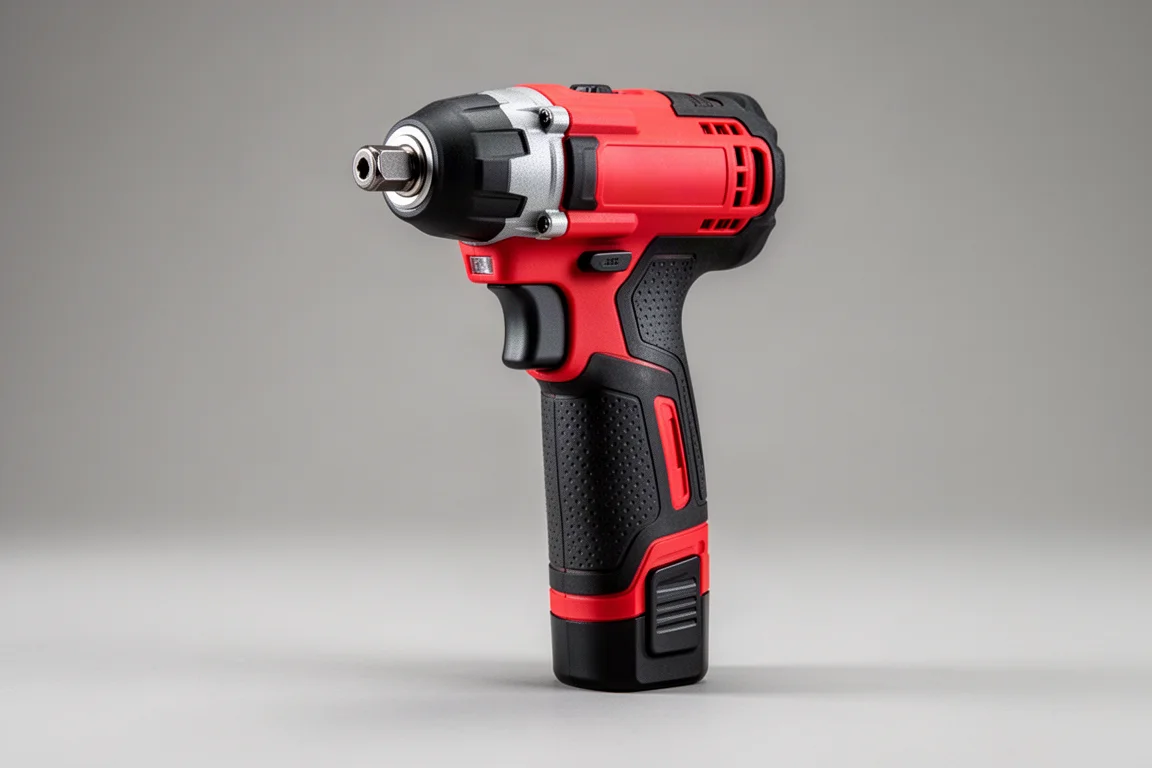
Durability and Drop-Test Notes
We also put every tool through a drop test onto pavement and then a run-over test with a small truck. Most tools survived the drops with only cosmetic damage, though counterfeit badges tended to pop off. The genuine DeWalt impact driver’s earlier collet failure was the only functional breakage during normal use.
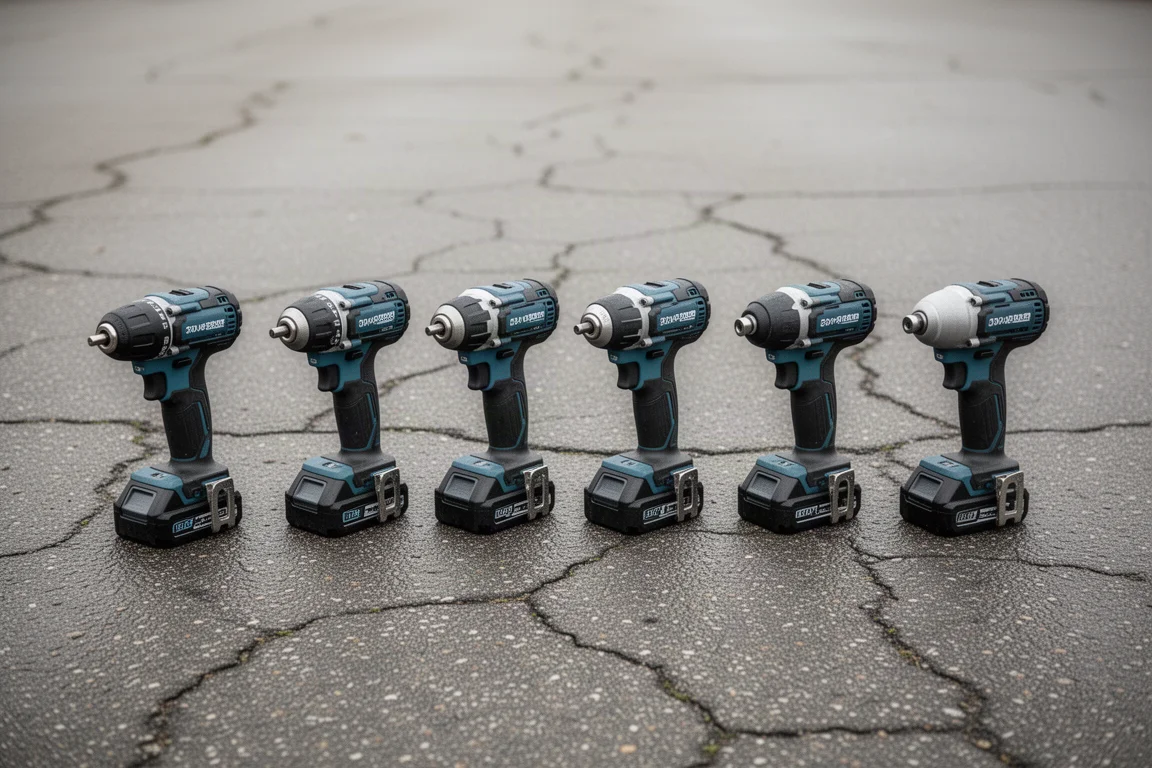
Under the run-over test, no drill or impact driver in either group fully survived being crushed by a 10,000 lb skid steer, so extreme abuse is a losing proposition for any of them. The practical takeaway is that day-to-day durability depends far more on build quality than brand markings, and only one genuine tool failed at a normal task in our testing.
Overall Buying Advice
If you are shopping for any of these six tools, buy from an authorized dealer or the manufacturer directly. The counterfeit versions consistently showed rough labeling, wrong voltage markings, loose internal wiring, and chucks or collets that wobble or fail to lock. Those are not just quality issues; a bit ejecting mid-use or a tool that does not lock is a safety hazard.
Check the model number on the side label, look for safety warnings and QR codes near the battery terminal, confirm the voltage marking matches the brand’s platform naming, and test that the chuck locks bits firmly. These simple checks catch most fakes before you spend money on a tool that will not perform.
Conclusion
Counterfeit drills and impact drivers range from obviously sloppy to surprisingly convincing, and even a genuine tool can have an off day, as our DeWalt impact driver showed. The safest approach is to buy from reputable sources and inspect labeling, weight, and chuck behavior when the tool arrives. The genuine Makita, Milwaukee, and DeWalt tools we tested delivered the power and build quality their prices imply, and that difference is worth protecting.
Further reading
Related Reviews
Power Tools
Best 1-Inch Pistol Impact Wrenches: Three Heavy-Duty Options Compared
We compare three 1-inch pistol impact wrenches, from a budget-friendly Harbor Freight model to a premium Caterpillar unit, to help you choose the right one.
Power Tools
Best 3/4-Inch Impact Wrenches 2026: Five Contenders Compared
We compare five 3/4-inch impact wrenches across price and performance, from a budget Amazon option to Snap-on's most powerful model yet.
Power Tools
Best Budget Cordless Tools 2026: Walmart Finds That Punch Above Their Price
We tested five cordless tools from Walmart, including a high-torque impact wrench that trades blows with Milwaukee and a $35 duster that outperforms its price class.