Hand Tools
Ratchet Wars: Three Japanese Ratchets Compared - Nepro, Koken, and Tone
Three Made-in-Japan ratchets go head to head on back drag, balance, head size, and value. Here is how each one stacks up and which one deserves a spot in your toolbox.
Introduction
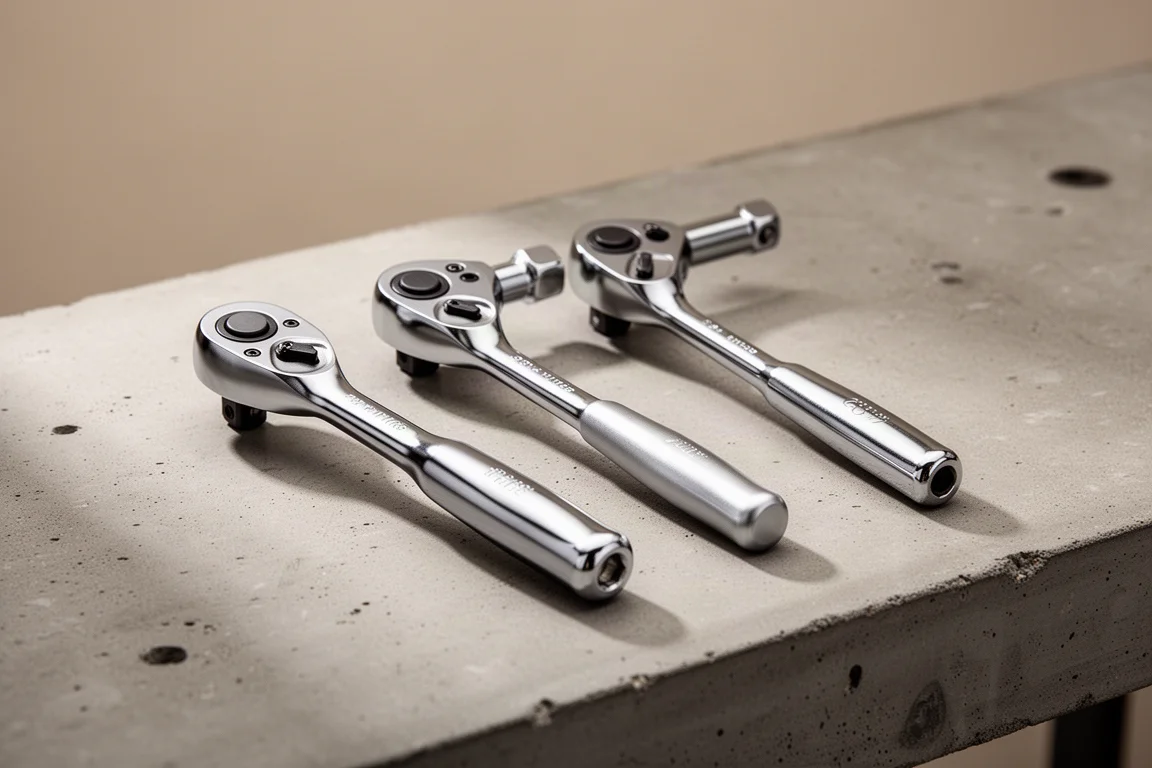
The Ratchet Wars continue, and this round focuses on three Japanese-made contenders: Nepro, Koken, and Tone. All three are beautifully made, all three have compact heads, and all three are strong enough that none of them gets eliminated here. The real question is which one fits your hands, your budget, and your working style.
One thing worth noting up front: Japanese ratchets tend to have much smaller heads than comparable tools from the big US tool truck brands, which makes them excellent in tight spaces. That compact design also means they are lighter-duty tools, not the ratchet you want when the job really calls for a half-inch drive or a breaker bar.
Nepro: The Beautiful One
Nepro makes some genuinely gorgeous tools, and this one runs about $150 to $175. It is made in Japan, comes with a lifetime warranty, and features a 90-tooth ratchet. It weighs in at around 15 ounces, and the balance is reasonably good, though not quite as refined as the Koken.
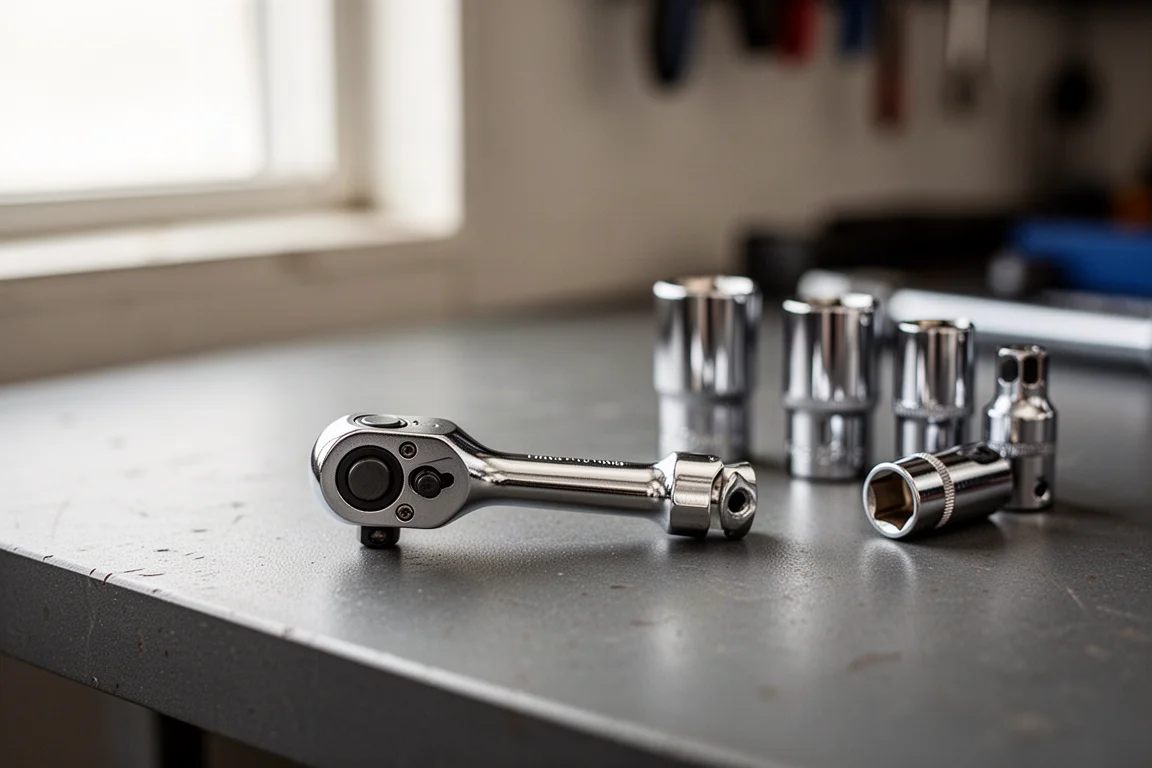
Where it falls short is back drag, which is noticeably more coarse-sounding and heavier than the Koken. It also has a slightly loose socket fit, almost like you need to press the quick-release button to seat a socket fully. The quick-release button itself is fairly recessed in the head.
Still, the aesthetic is stunning, and it is one of the nicest-looking ratchets you can put in a drawer.
Koken: The One That Feels Like Magic
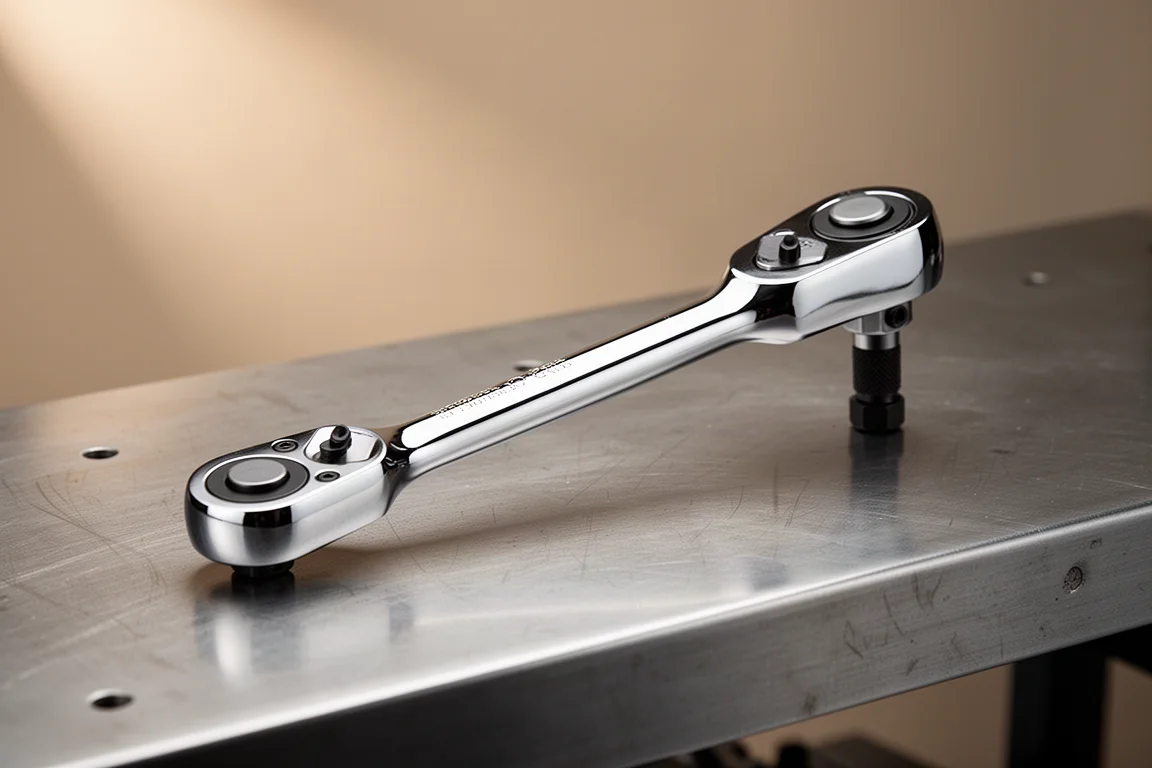
At around $85, the Koken is the standout of this round. It is a touch lighter than the Nepro at about 14 ounces, and the back drag is super light. The gear mechanism is silky smooth, and the way it sits in your hand can only be described as magic.
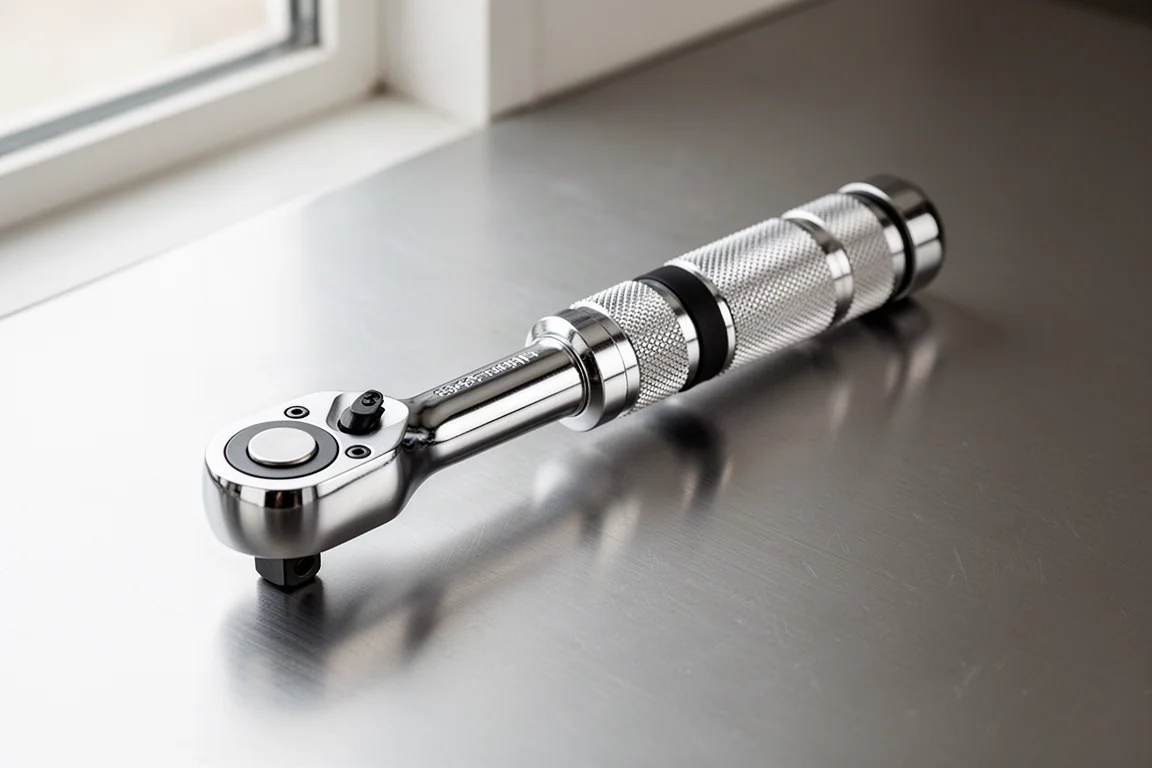
The Koken has one detent to hold the head in the straight-ahead position; otherwise it is a non-detented, non-locking flex-head design. The quick-release button is more proud and easier to reach than the Nepro’s, and the socket interface with Koken sockets is genuinely tight. It also has a lighter-duty construction than a beefy US brand, with a smaller yoke and smaller head, so treat it accordingly on high-torque jobs.
Tone: Japanese Quality at a Friendlier Price
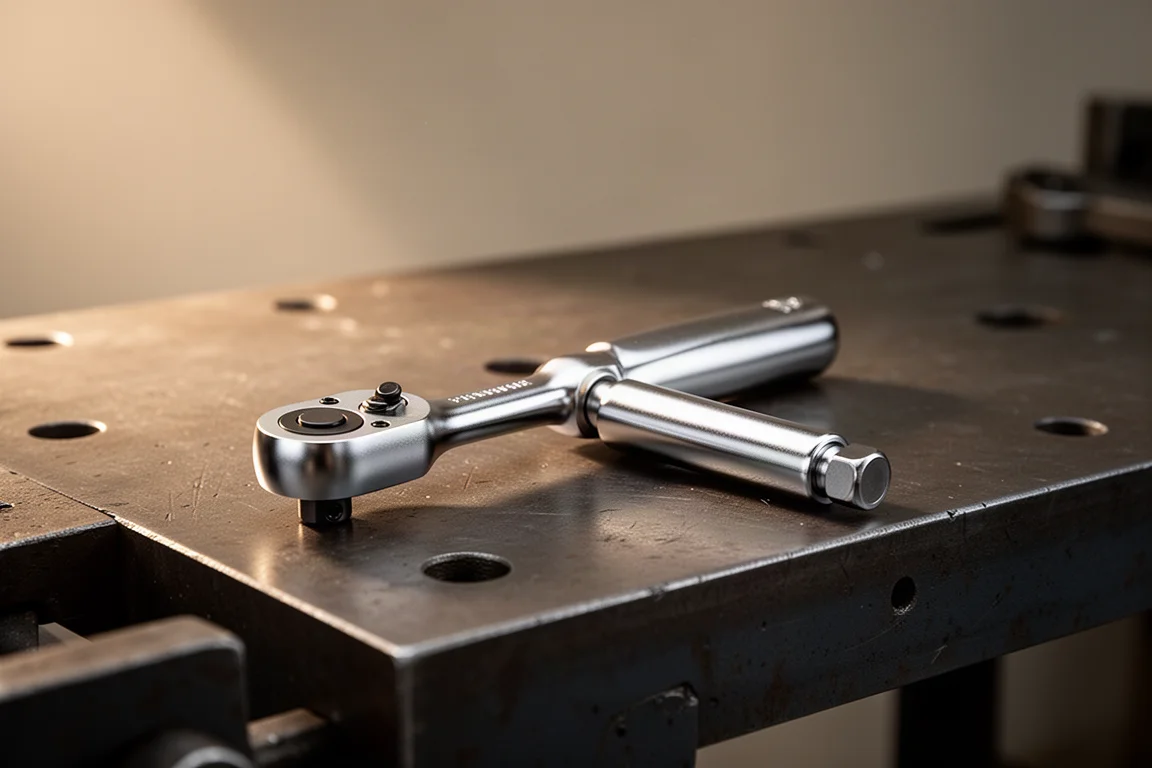
The Tone is the cheaper option here, also made in Japan, and really nicely finished with a satin chrome look and a slightly shorter handle that feels great in the hand. It has more back drag than the Koken, and it uses an indexing head rather than a pure flex head, which comes down to preference.
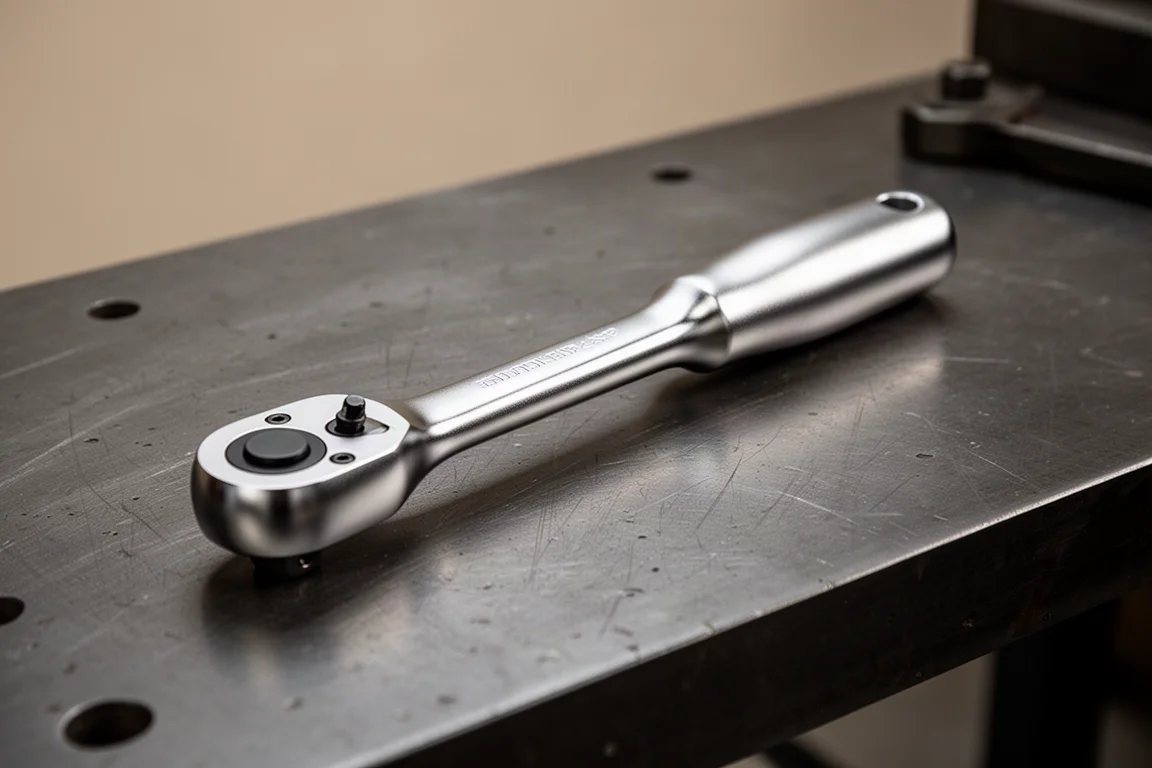
There is some debate about whether these ratchets are genuinely made in Japan, but the tool is labeled Japan, the packaging says made in Japan, and Tone North America confirms that ratchets of this style are 100 percent made in Japan. Not all Tone products are, but this one is. The appeal is simple: Japanese-made quality at a Taiwanese-style price.
Warranty and Ownership Considerations
All three of these ratchets appear to carry lifetime warranties, but getting a replacement may not be as easy as walking into a Harbor Freight or waving down a Snap-On or Matco truck. If you are working with Koken USA or Nepro, they may want proof of purchase to confirm the tool came from a US distributor rather than a grey-market Japanese importer.
The upside is that the likely failure point is the internals, and rebuild kits exist so you can fix it yourself. Snapping a handle seems unlikely; the pivots are the more plausible wear point. Just factor the slightly harder warranty path into your buying decision.
Which One Should You Buy?
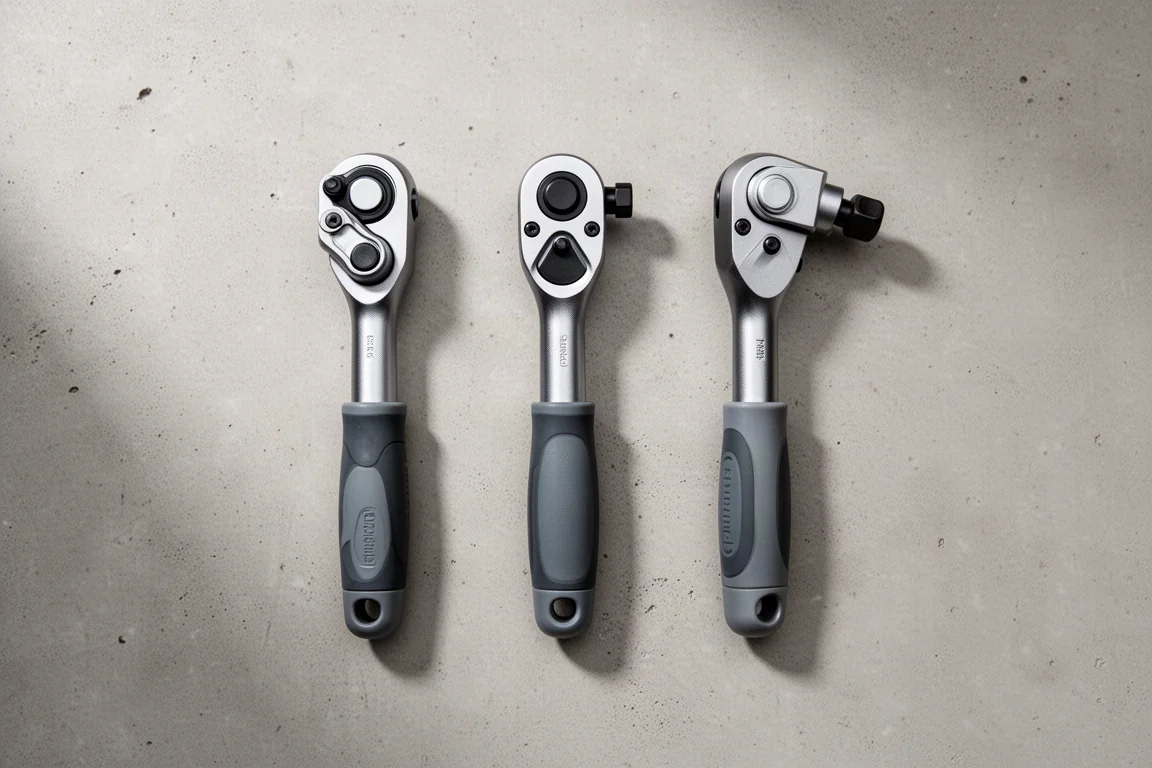
Out of these three, the Koken is fabulous and belongs in your collection even if it ends up being your only ratchet. The Nepro is beautiful and satisfying to own, but it is not the one to reach for when you actually need to turn a fastener; at $150 or more, you had better really want it. The Tone earns its place by delivering a Japanese-made ratchet at a friendlier price.
All three have quick-release mechanisms and very compact heads, which is a genuine advantage in cramped engine bays and tight panels.
Conclusion
None of these ratchets gets eliminated in this round. The Koken is the tool-first pick with the best back drag and feel, the Nepro is the object of desire that shines on the bench, and the Tone is the value play. We will revisit the full field before making final recommendations, but if you buy one today, the Koken is the safest bet.
Further reading
Related Reviews
Hand Tools
Best Diagonal Cutters 2026: 16 Pliers Tested for Cutting Power and Durability
We put 16 diagonal cutters through nail, screw, drill bit, and hex key tests to find the best value picks for your toolbox.
Hand Tools
Best Hex L Key Sets 2026: Nine Sets Tested for Real-World Torque
Nine hex L key sets from budget to premium, tested for torque, fit, and durability. See which sets deliver real performance and which ones to skip.
Hand Tools
Best Locking Pliers 2026: Top Picks Tested for Grip and Durability
We tested 18 brands of 10-inch locking pliers for grip strength, jaw bite, build quality, and ease of release to find the best options for tough jobs.