Hand Tools
Ratchet Showdown: Icon G2, Matco Locking Flex Head, KTC and Titan Swivel Heads Compared
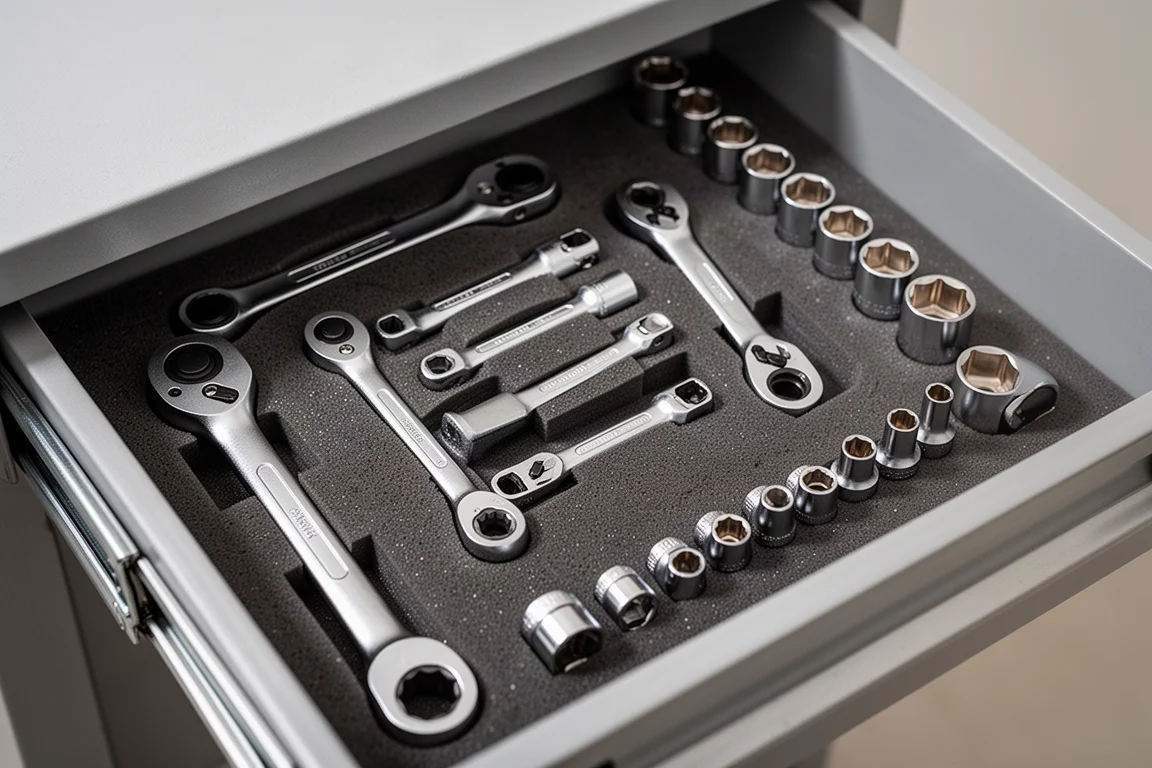
Four ratchets, four very different price tags. We compare two locking flex head designs and two swivel head ratchets to see which ones actually earn a spot in the drawer.
Introduction
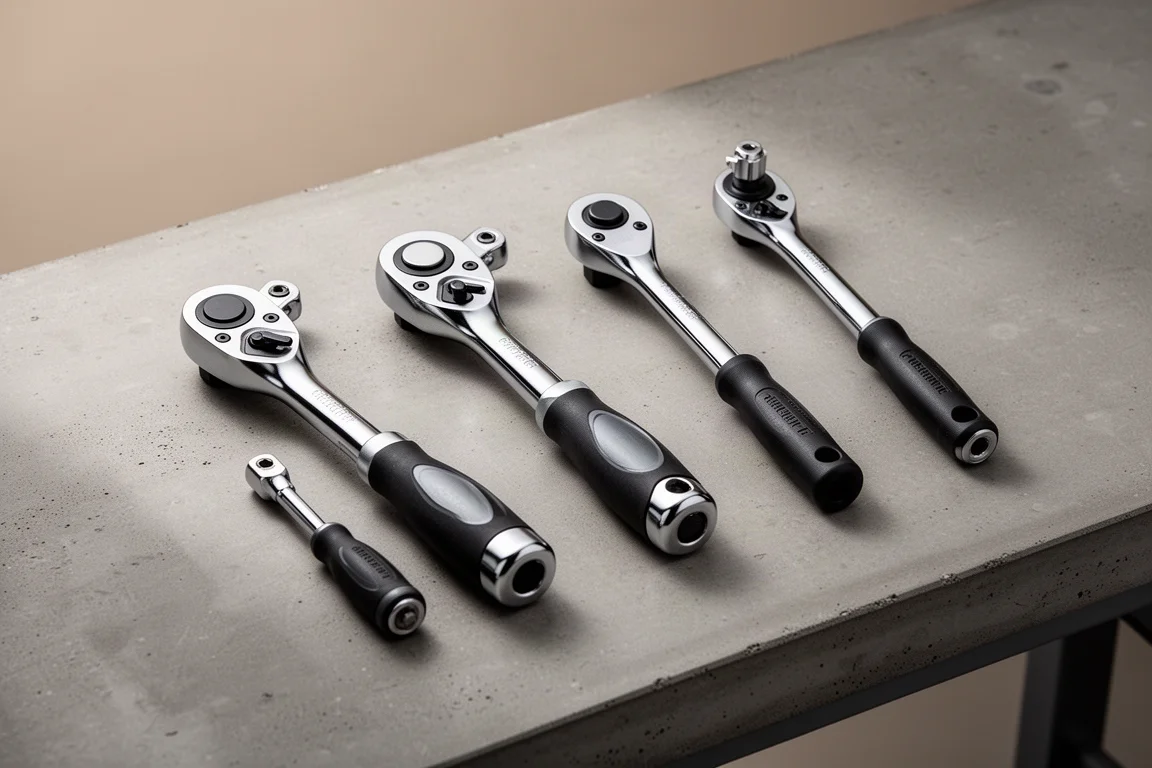
This is the final batch in our ratchet comparison series, and it covers four very different tools: two locking flex head ratchets and two swivel head ratchets. The interesting part is not just how they perform, but how differently they are priced. Two of these cost roughly three times what the others do, and price does not track with performance as neatly as you might hope.
The Lineup at a Glance
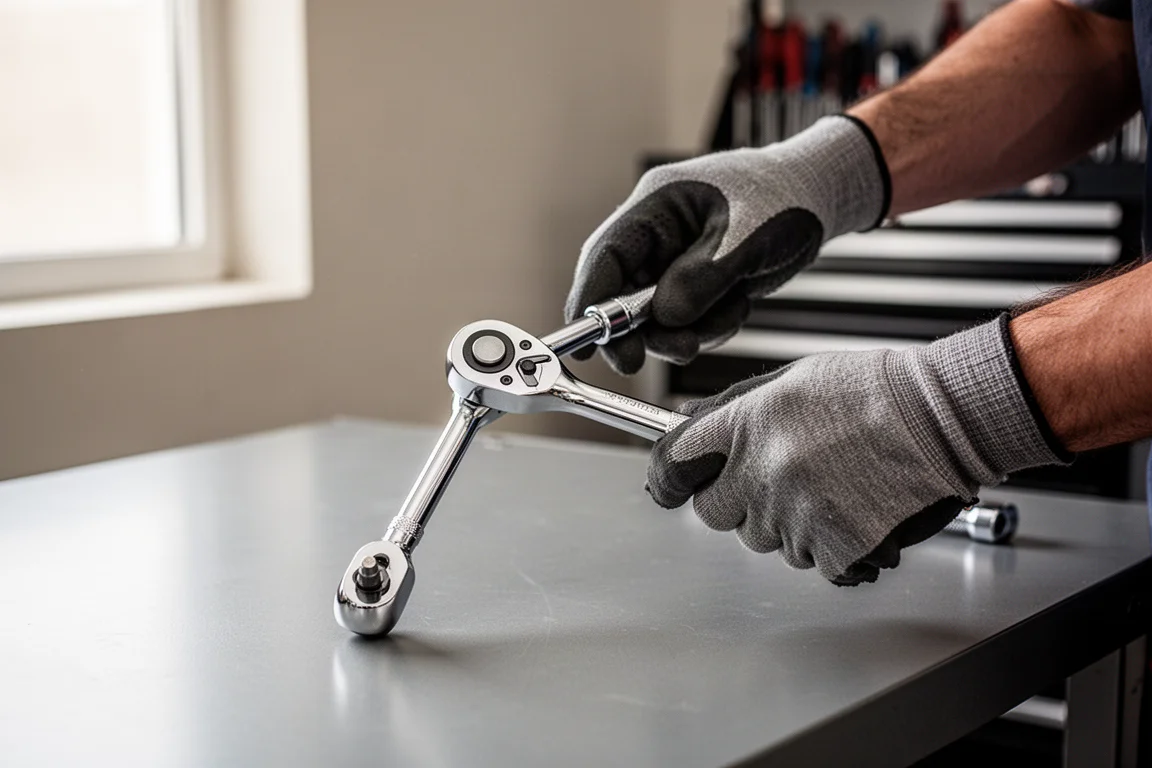
The locking flex head pair is the Icon G2 and the Matco locking flex head ratchet. They are similar in function and size, but not in price: the Matco lists at about $195 while the Icon lists at about $70, and Icon regularly runs sales of at least 20 percent off a single item, with steeper discounts on some products. The swivel head pair is a Japanese-made KTC at around $61 and a Taiwanese Titan at roughly $20.
Weigh-in results tell part of the story: the Icon comes in at 17 ounces, the Matco at 15, and both swivel head ratchets at 13 ounces.
Icon G2 Locking Flex Head Ratchet
The Icon G2 is made in Taiwan and is one of the two locking flex head ratchets here. The locking mechanism is easy to operate, the back drag is moderate, certainly above average, and the flex head unlocks smoothly without fuss. Ergonomically it is a strong performer: the balance is good, the handle feels right, and it is simply a tool you want to keep working with. There is not much negative to say about it.
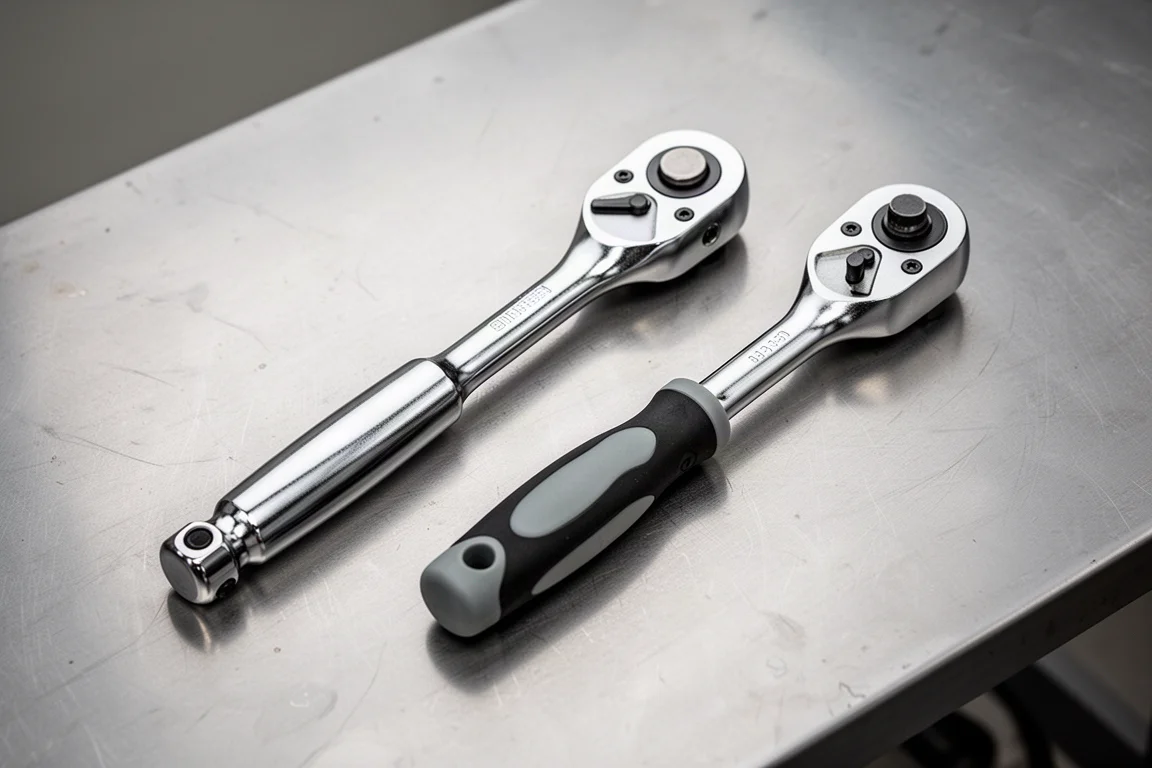
One practical note: at full sticker price you may be overpaying slightly. Wait for one of Icon’s frequent sales and it becomes a very easy recommendation.
Matco Locking Flex Head Ratchet
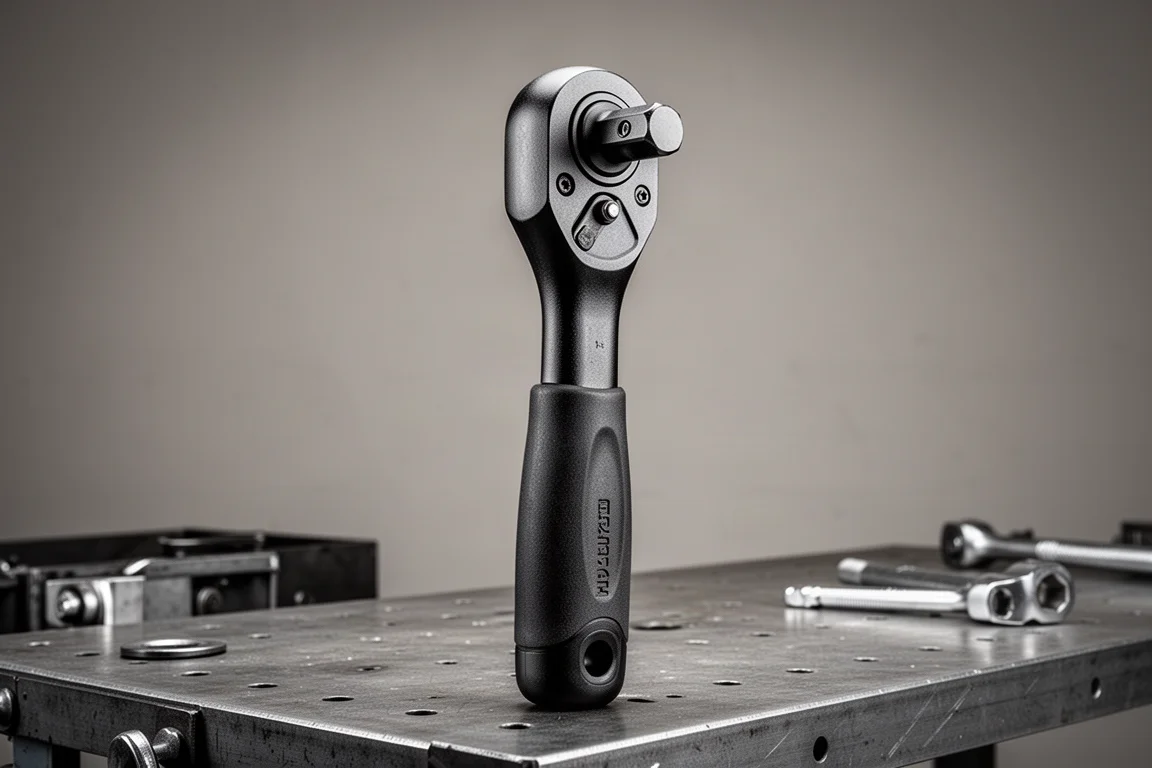
The Matco is beautifully made with nice chrome, a compact head, and good balance. It is also the most expensive ratchet in the group. But two things hold it back: it has a surprising amount of back drag, and the locking flex head mechanism is really tough to operate, to the point of needing two hands. Even after a rebuild kit from Matco, the mechanism stayed the same, and the suggestion to file the parts down is not an acceptable fix on a $195 tool.
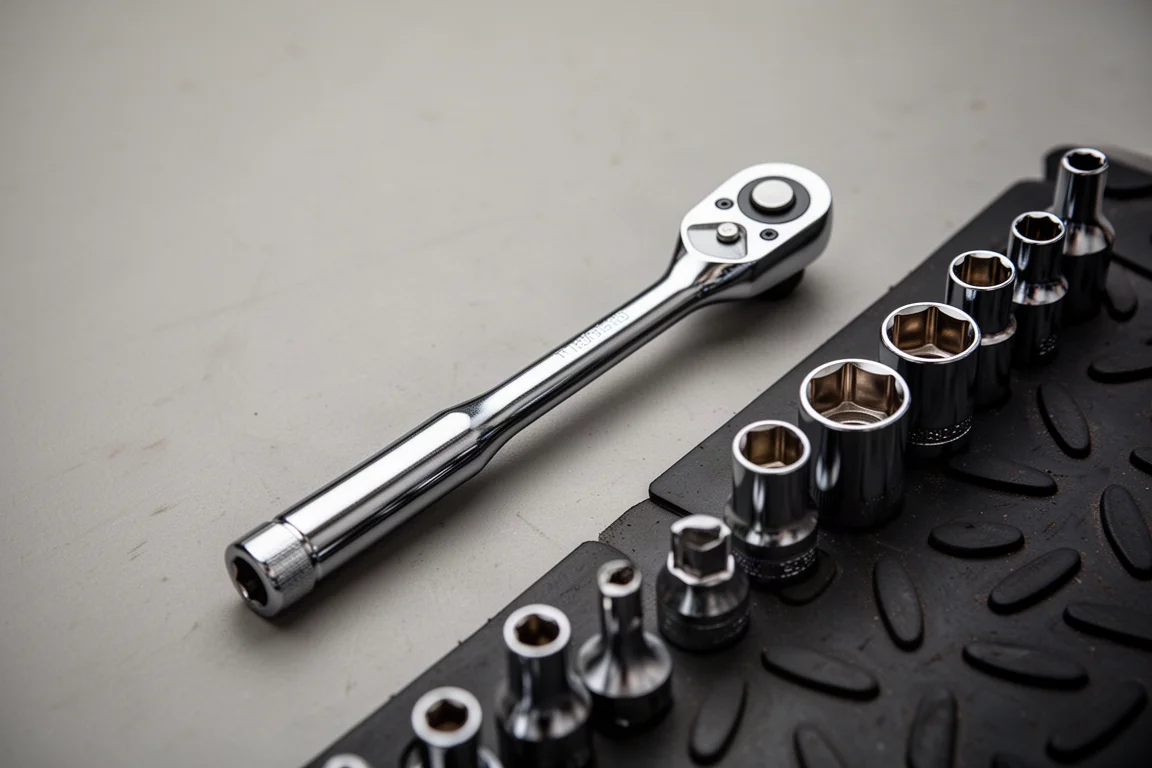
It should work well out of the box, and it simply does not. Between the two locking flex head designs, the Icon wins easily, especially once price is factored in.
KTC Swivel Head Ratchet
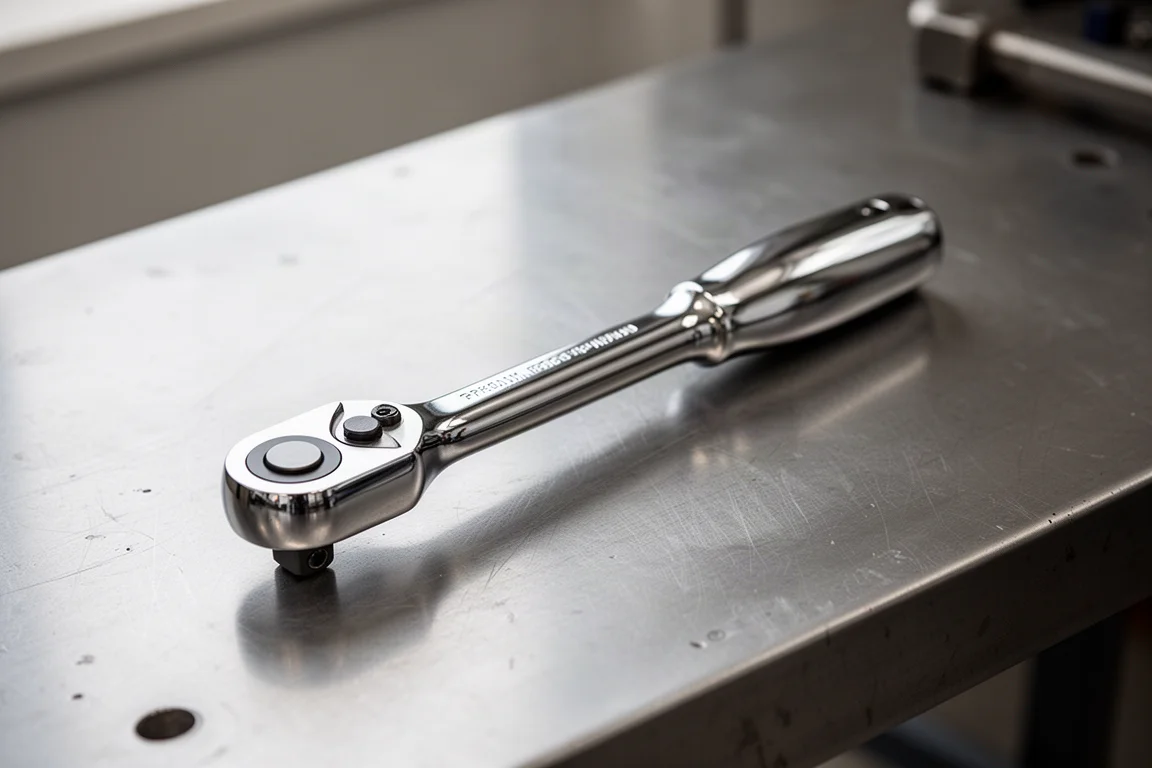
The KTC is the standout of this batch. The Japanese-made swivel head ratchet has super low back drag, a beautiful handle, beautiful finish, and balance that just sits right in your hand. At around $61 it is not the cheapest, and prices on this Japanese-made tool vary a lot depending on where and when you buy; some days it is a great price, other days noticeably higher, and imports can take a while to arrive. The quality makes the hunt worthwhile.
Titan Swivel Head Ratchet
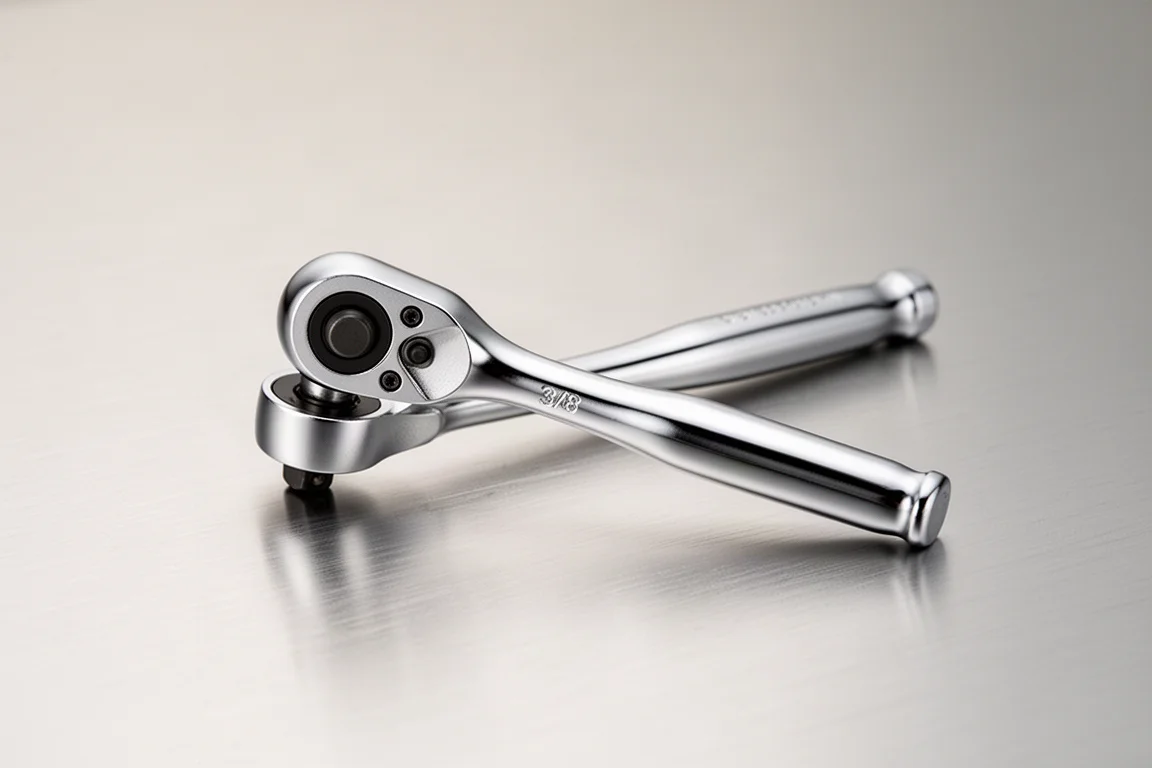
The Titan is the budget option at around $20, made in Taiwan and listed with a lifetime warranty. Honestly, there is nothing special about it. The head is much bigger than the KTC’s, it is hard to judge how strong that head would be under stress, and it is unclear how easy a lifetime warranty replacement would actually be to claim. It was almost left out of the comparison entirely. Of the four ratchets here, this is probably the one to skip.
Buying Advice: Which One Fits Your Drawer
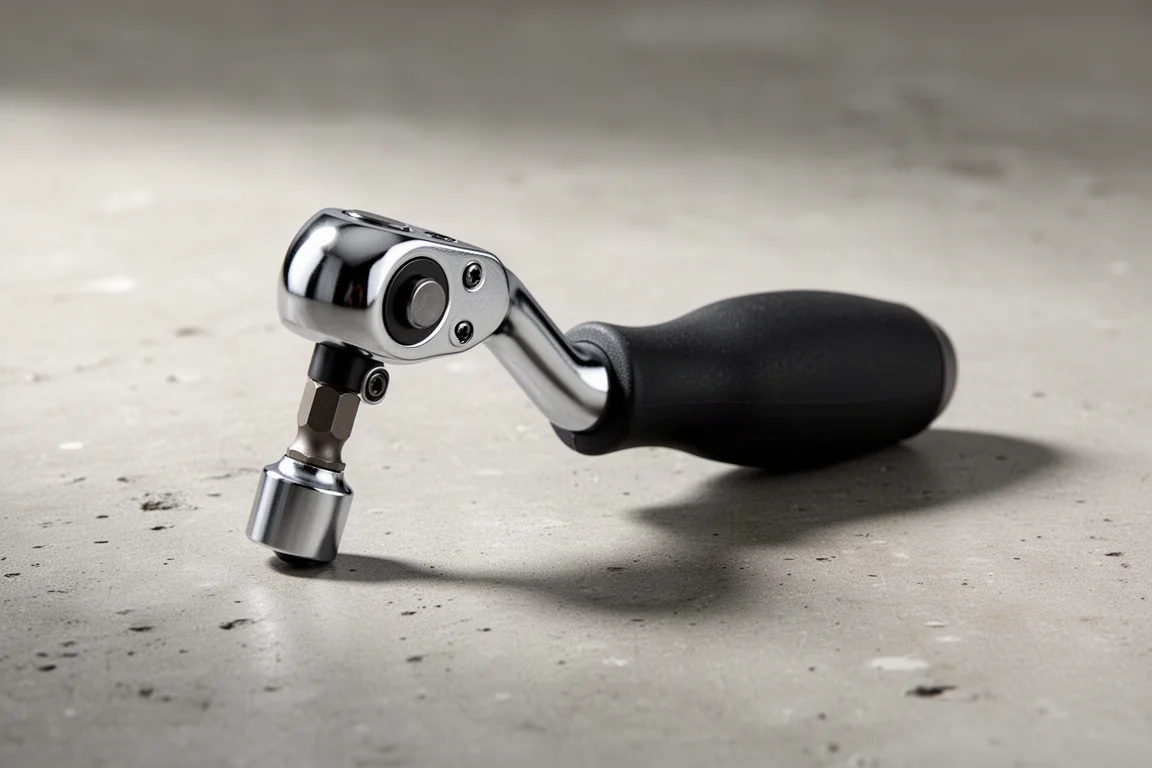
If you want a locking flex head ratchet, the Icon G2 is the clear pick, particularly on sale. The KTC is the quality choice among swivel heads if you can find it at a good price and are patient with shipping. The Matco is hard to recommend at its price given the stiff locking mechanism and higher back drag, and the Titan is a miss despite its low cost.
Conclusion
Four ratchets, four lessons. The Icon G2 proves a mid-priced locking flex head can beat a premium one in daily use. The KTC shows what meticulous Japanese manufacturing feels like in the hand. The Matco demonstrates that a high list price does not guarantee smooth operation, and the Titan is a reminder that cheap tools rarely surprise you in a good way. Choose based on how the tool actually works in your hand, not on the badge or the price tag.
Further reading
Related Reviews
Hand Tools
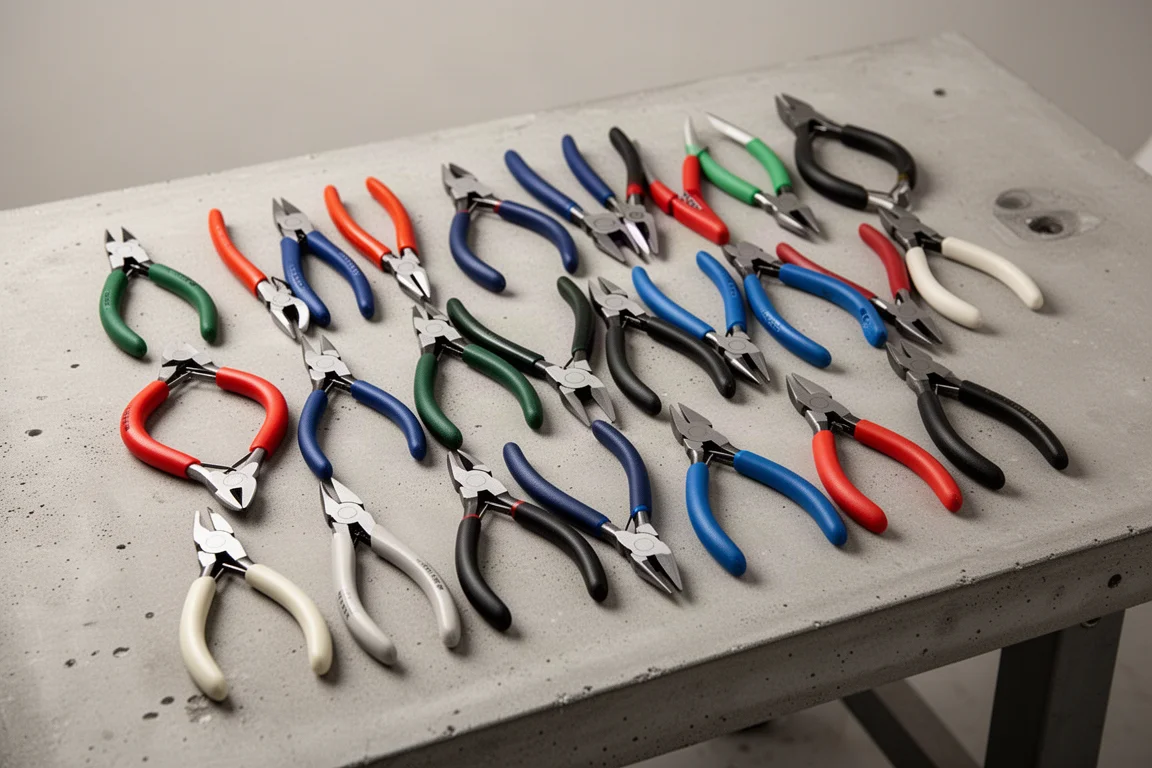
Best Diagonal Cutters 2026: 16 Pliers Tested for Cutting Power and Durability
We put 16 diagonal cutters through nail, screw, drill bit, and hex key tests to find the best value picks for your toolbox.
Hand Tools
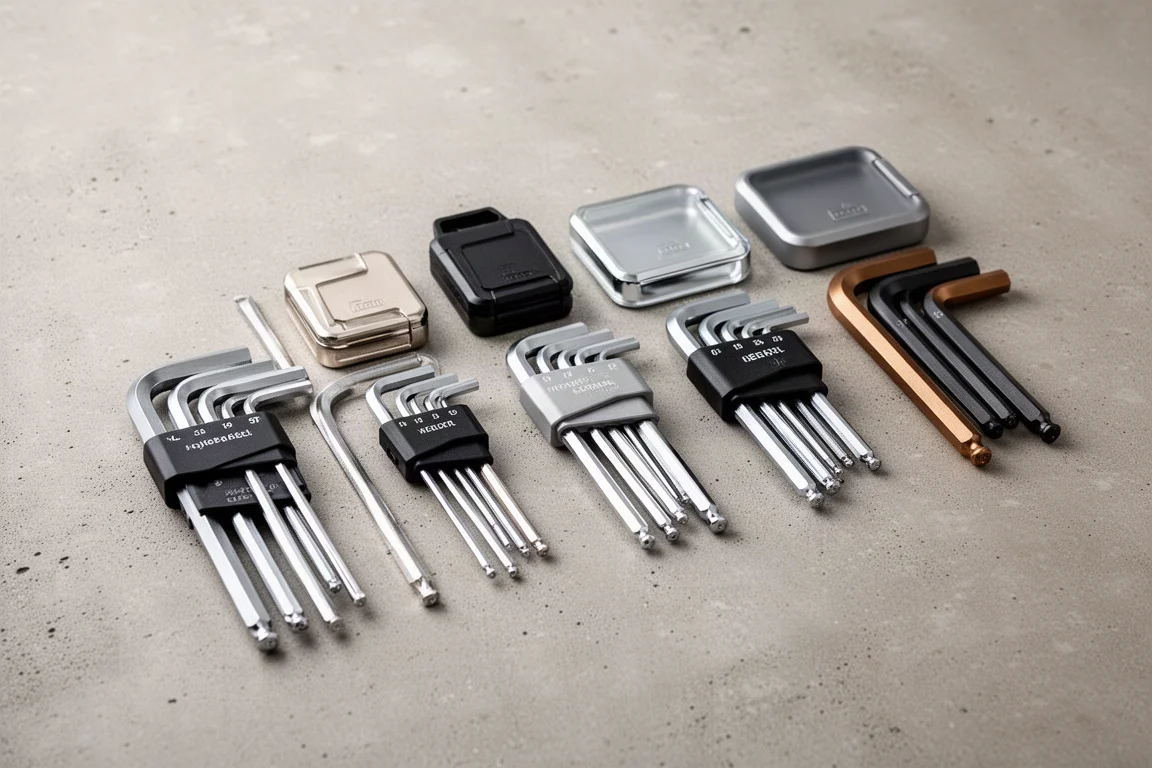
Best Hex L Key Sets 2026: Nine Sets Tested for Real-World Torque
Nine hex L key sets from budget to premium, tested for torque, fit, and durability. See which sets deliver real performance and which ones to skip.
Hand Tools
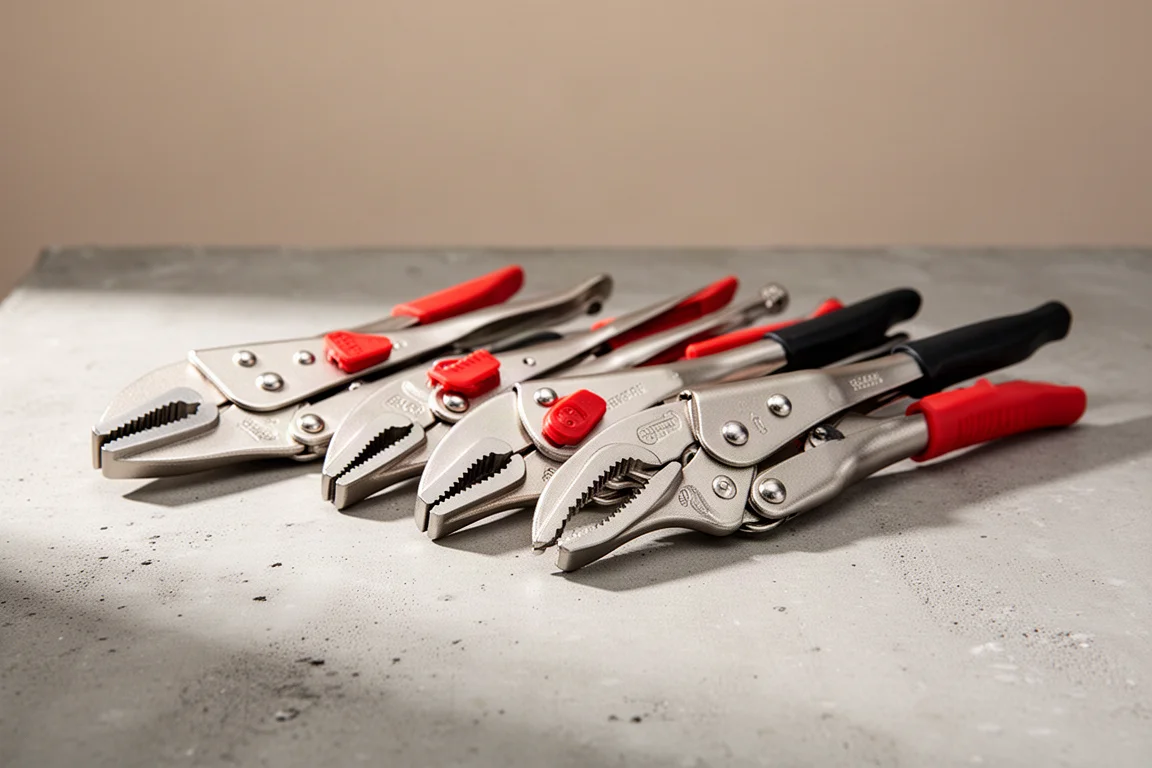
Best Locking Pliers 2026: Top Picks Tested for Grip and Durability
We tested 18 brands of 10-inch locking pliers for grip strength, jaw bite, build quality, and ease of release to find the best options for tough jobs.