Kitchen Knives
The Rarest Japanese Kitchen Knives and How to Actually Get One
Hand-forged blades from legendary blacksmiths like Takeda, Fujiwara, and Hinoura sell out fast. Here is why they are so hard to find and how to improve your odds of getting one.
Introduction
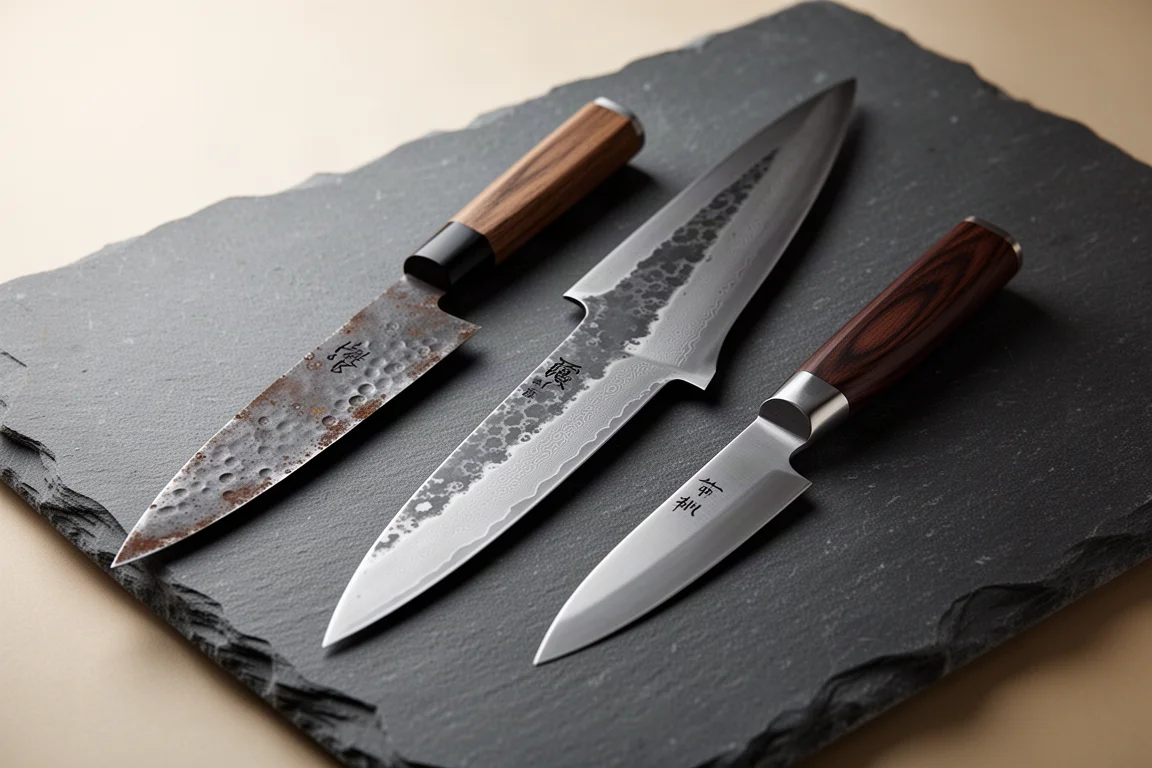
Some Japanese kitchen knives are so sought after that they vanish from stock almost the moment they arrive. These are blades made by hand, one at a time, by blacksmiths who work alone or with just one or two apprentices. Demand has grown enormously over the past decade, but supply has stayed exactly the same.
The good news: for most of these knives, getting one is simply a matter of knowing how the system works. This guide covers the rarest and most coveted lines, what makes each one special, and the practical steps that actually get you to the front of the line.
What Makes These Knives So Rare
Everything starts with production. These blades come from individual blacksmiths who can only make so many knives per year, and the most popular designs tend to be the most labor intensive. Some smiths forge their own steel in-house, which takes far more time than buying pre-laminated material. Others, like Takeda, hammer their blades extraordinarily thin, adding hours of work to every piece.
These details are exactly what make the knives special, and they are also what caps production. There is no scaling up when one person is doing all the forging, sharpening, and finishing.
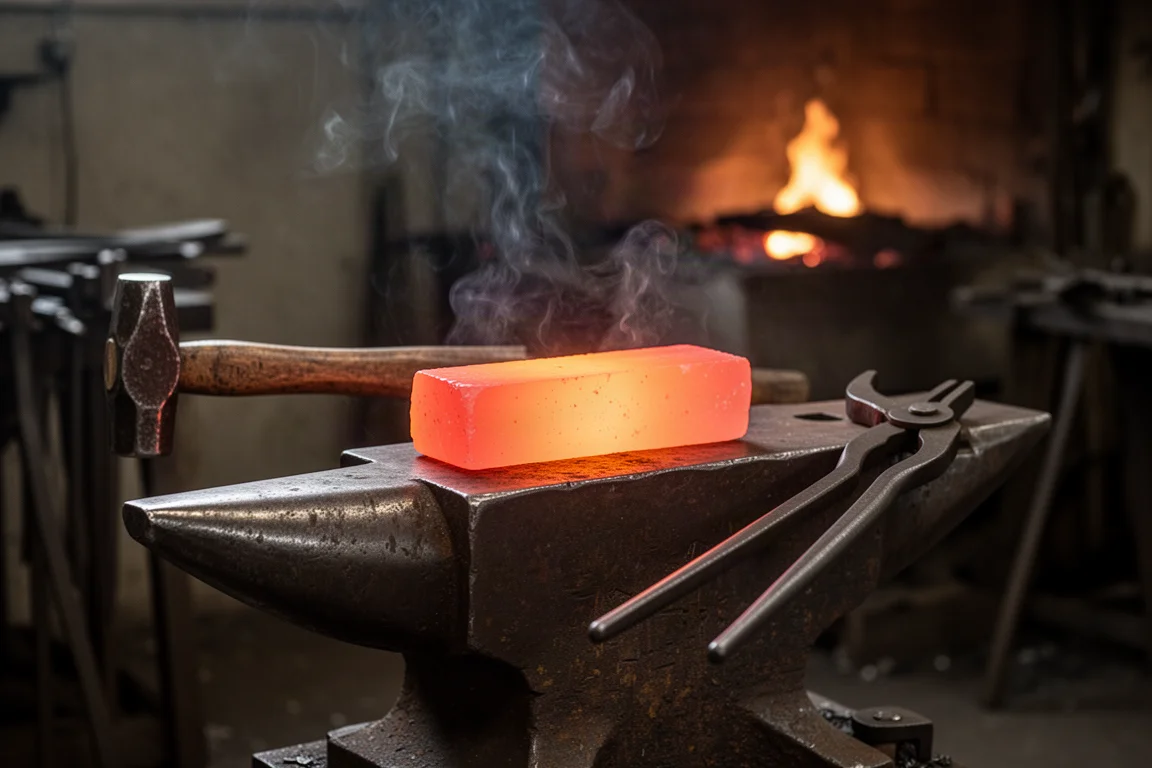
There is also a human factor worth taking seriously. Some blacksmiths have already retired and passed their businesses to apprentices, who are producing knives just as good and sometimes better. Others are getting close to retirement age, and some would simply rather spend their days fishing by the river than at the anvil. If you love the work of an older smith, buying sooner rather than later is a reasonable strategy.
Takeda Knives
Takeda is known for one thing above all: incredibly thin blades. After a chef once told him that the best knife is the thinnest knife, he took that idea to heart and now spends the extra time getting each blade as thin as it can possibly go without breaking. That relentless thinness is the signature of the line and a big part of why production stays limited.
Fujiwara Knives
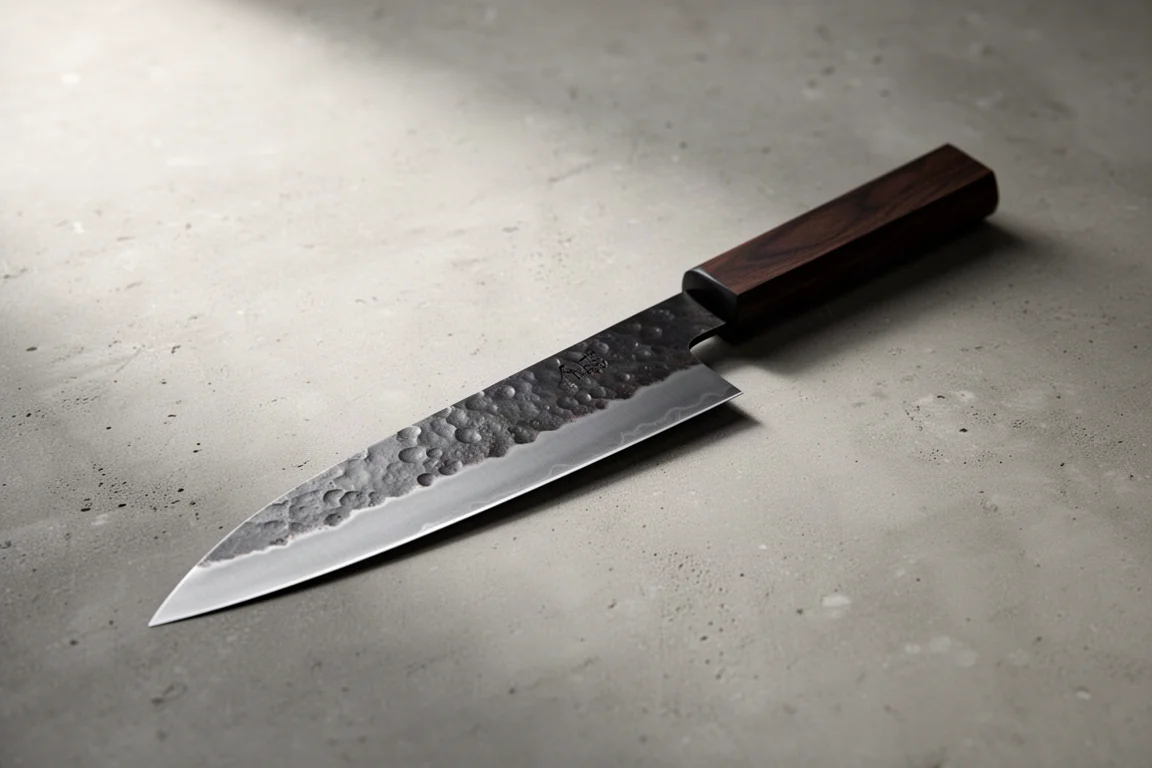
Fujiwara laminates his own steel in-house and pushes it nearly to its limits, hardening it as much as possible without making it brittle. The knives have a slightly rustic look, but they feel excellent in the hand and perform phenomenally. For many collectors, this is a personal favorite line for good reason.
Hinoura River Jump Series
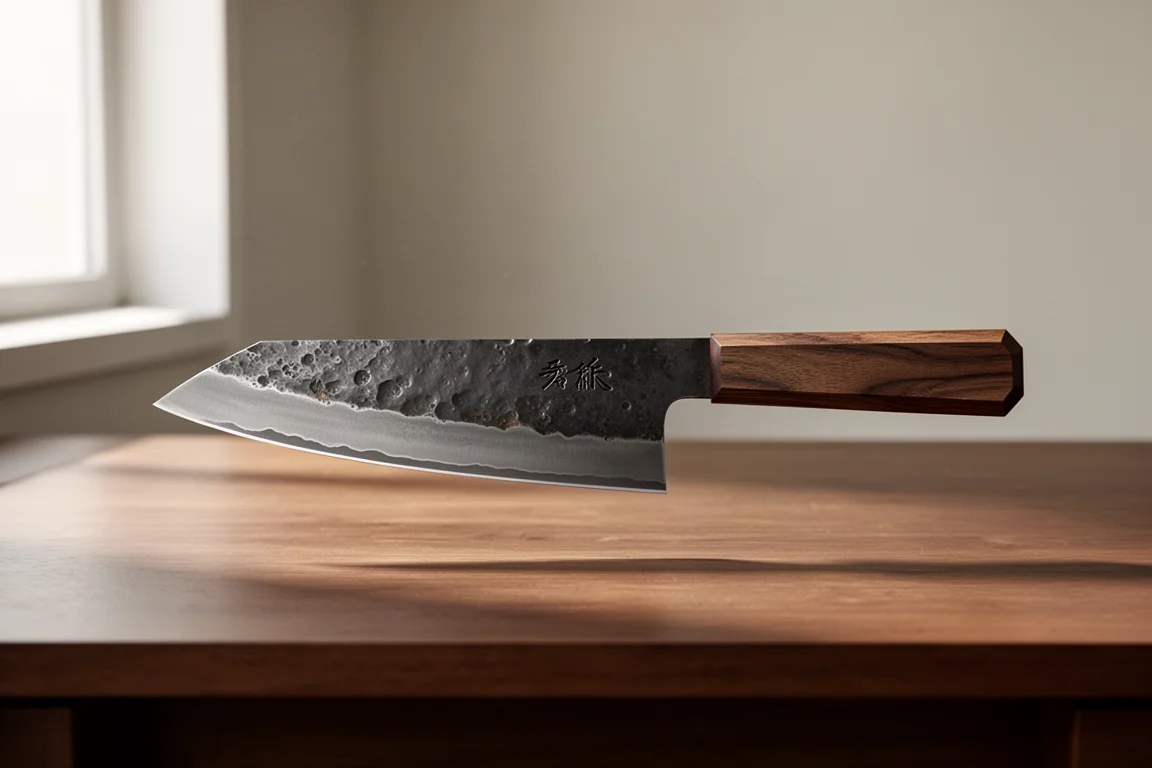
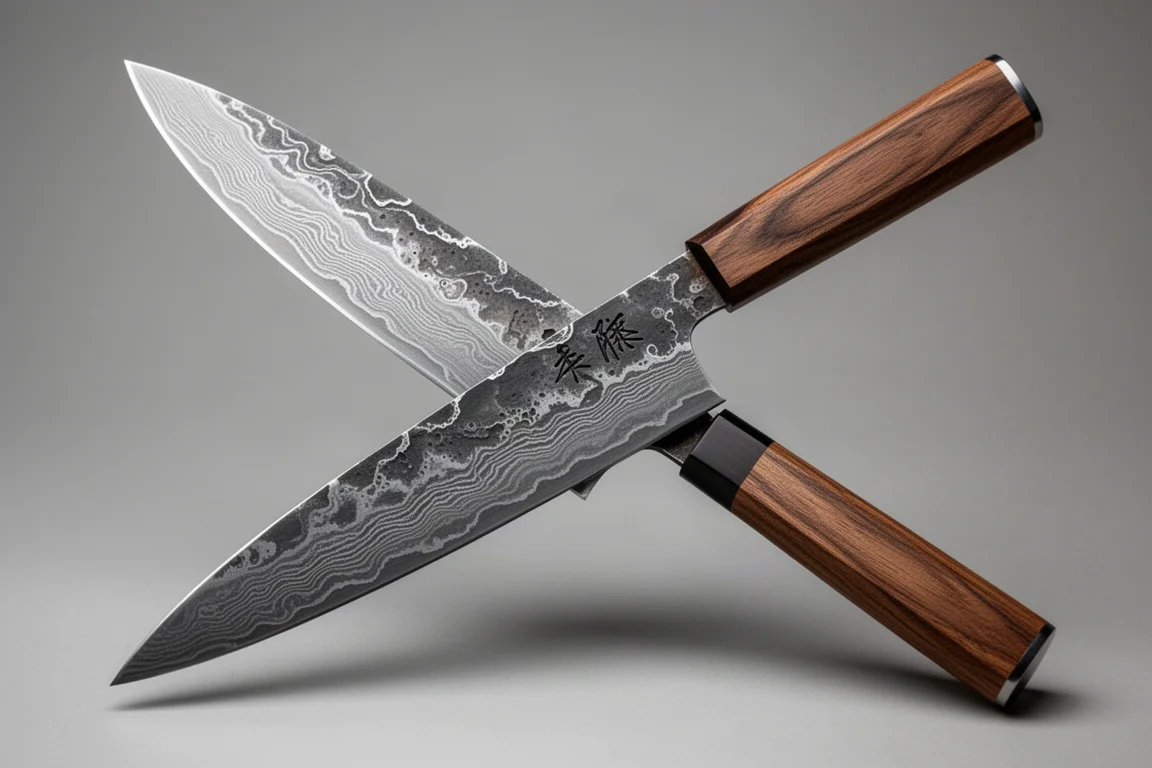
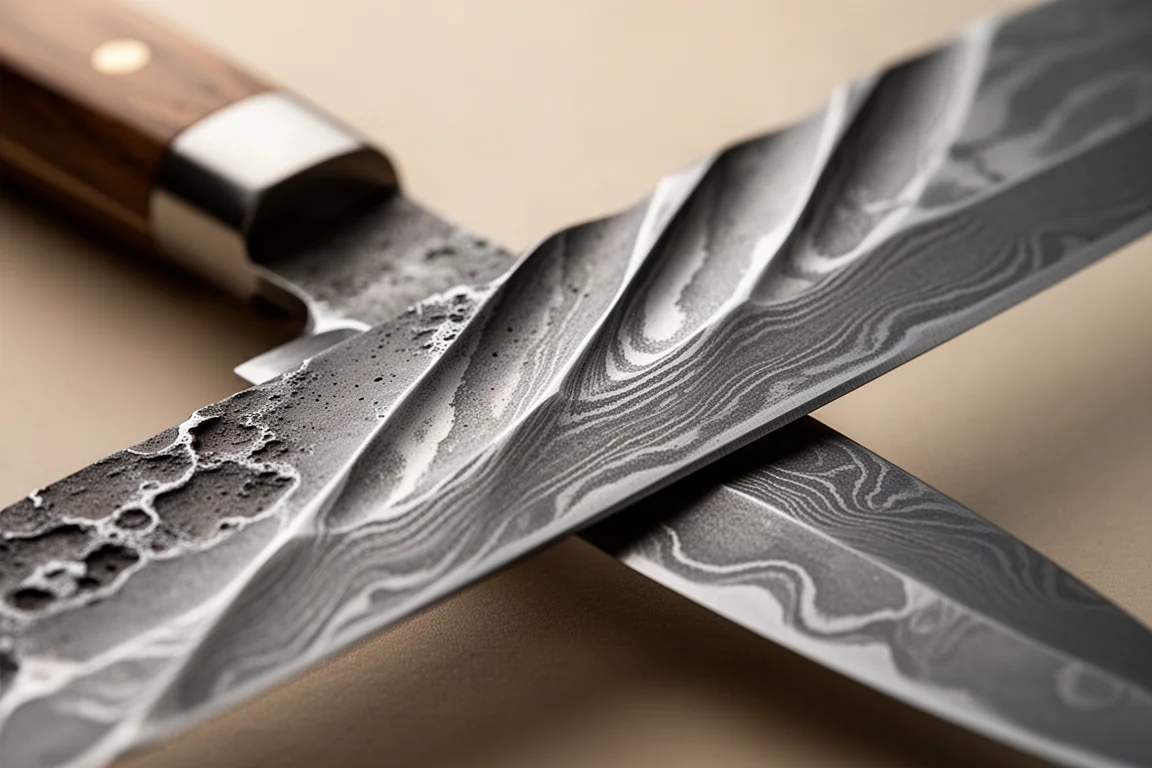
Hinoura is among the most popular and talented knife makers working today, and the River Jump series is about as handmade as a knife can get. He forges the steel himself in a striking twisted pattern, then does all the sharpening, polishing, and finishing in his own workspace. Nothing leaves until he considers it ready.
Takayuki Shibata and Takumi Ikeda Tinker Series
The Tinker series is wild and wacky in the best way, with designs that make it a genuine collector’s piece. The catch is scale: these knives are produced in quantities of dozens per year, and the waiting list runs to hundreds of people. If one appears, it does not linger.
Moritaka Ishime
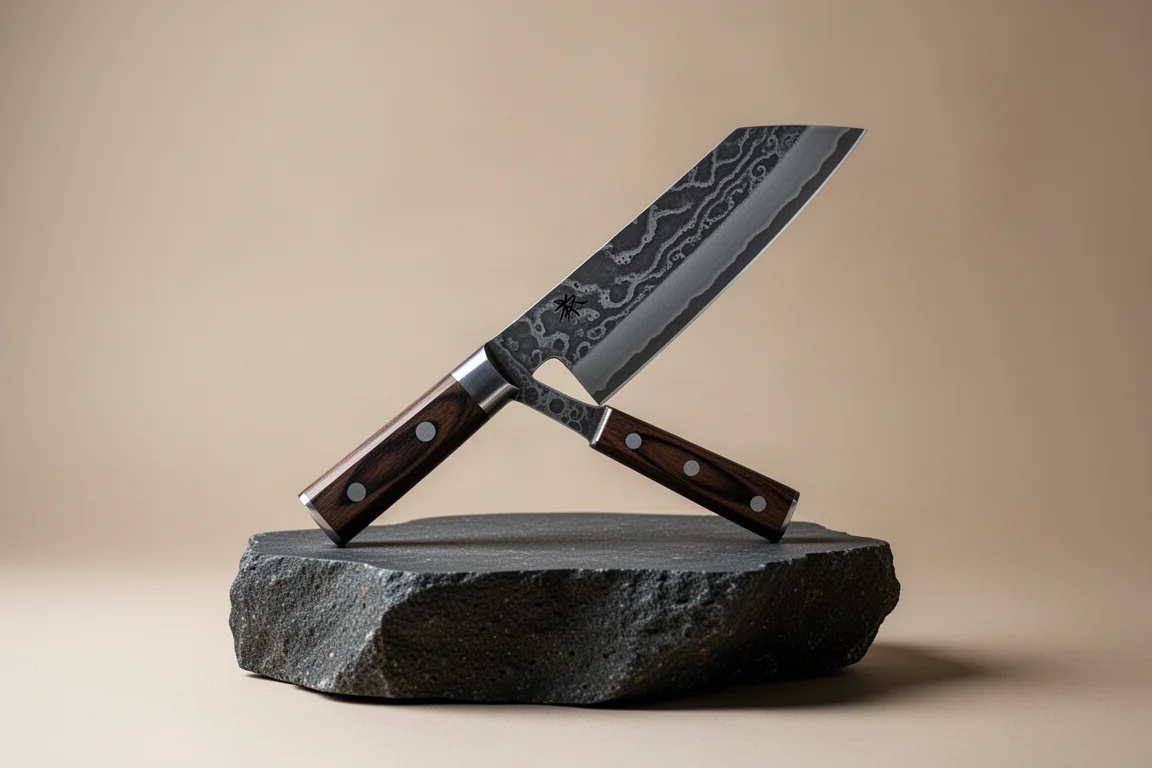
The Moritaka Ishime line is stunning, very popular, and still easier to get than the truly unobtainable blades. For many knife lovers this is a first Japanese kitchen knife, and it makes a memorable one. Expect it to sell out quickly whenever stock arrives, but restocks do come several times a year.
Masakage Koishi
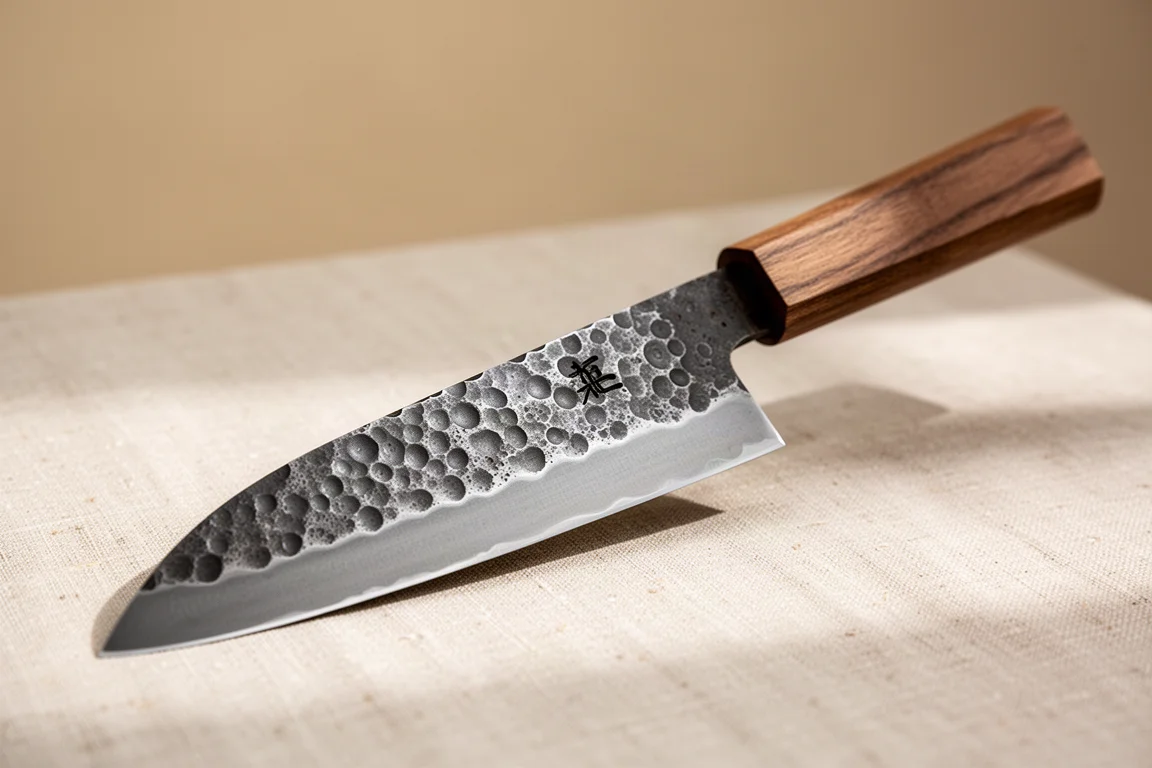
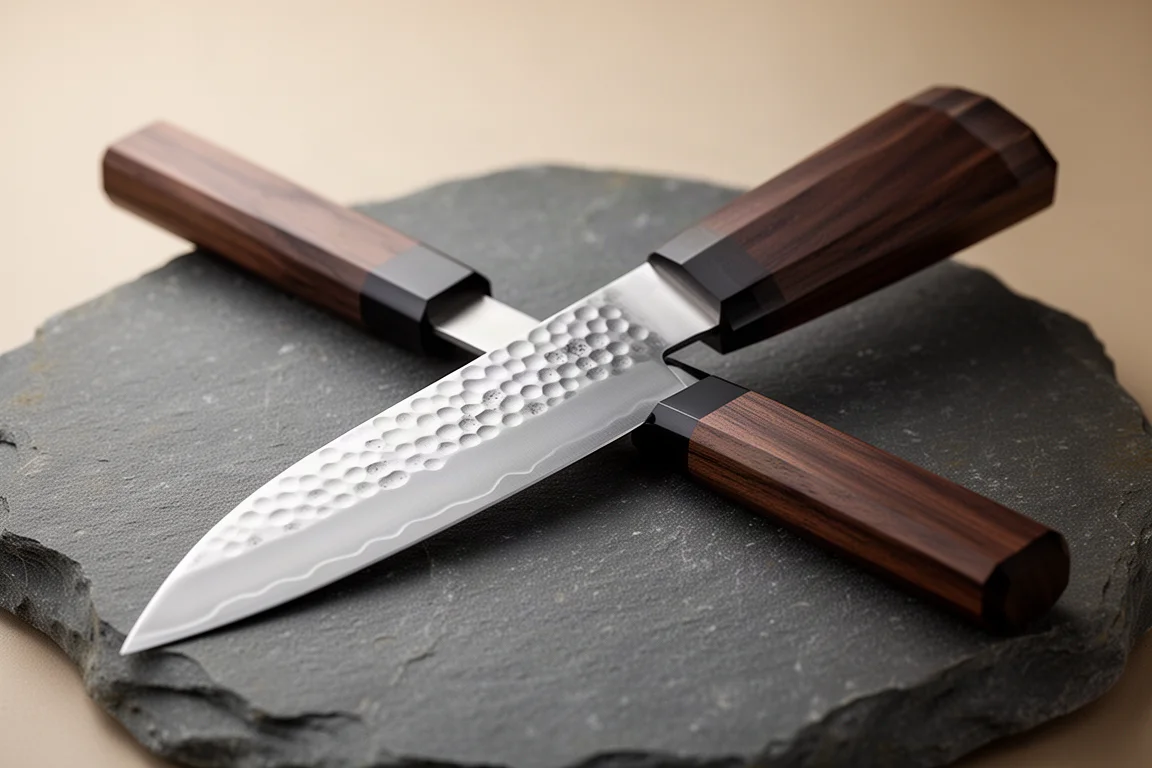
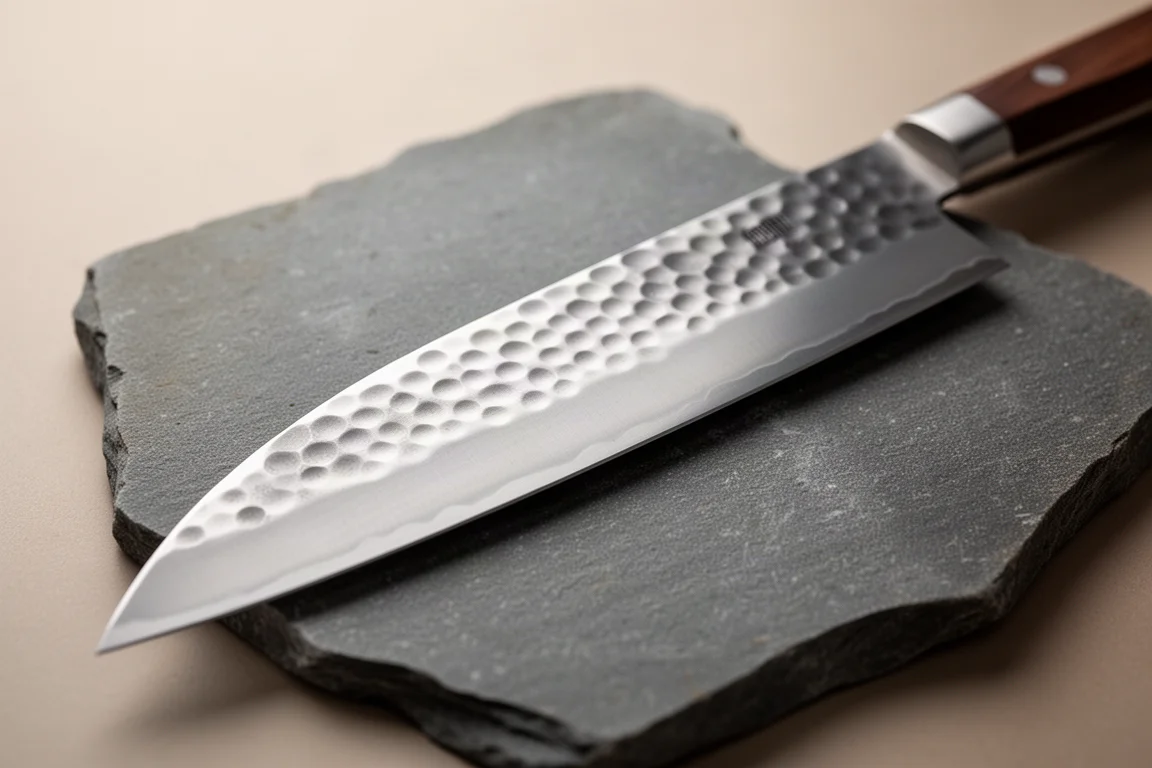
Arguably the most iconic Japanese kitchen knife line out there, the Koishi pairs super blue carbon steel with a stainless cladding for a distinctive look and feel. Its popularity is intense, and it disappears from stock fast. If you want that performance and character without the same wait, the Haruki Shiso is a strong alternative: machine-forged but finished by hand, with the same super blue carbon core under stainless, and a darker handle that wears nicely over time.
Takamura Aogami Gohan Series
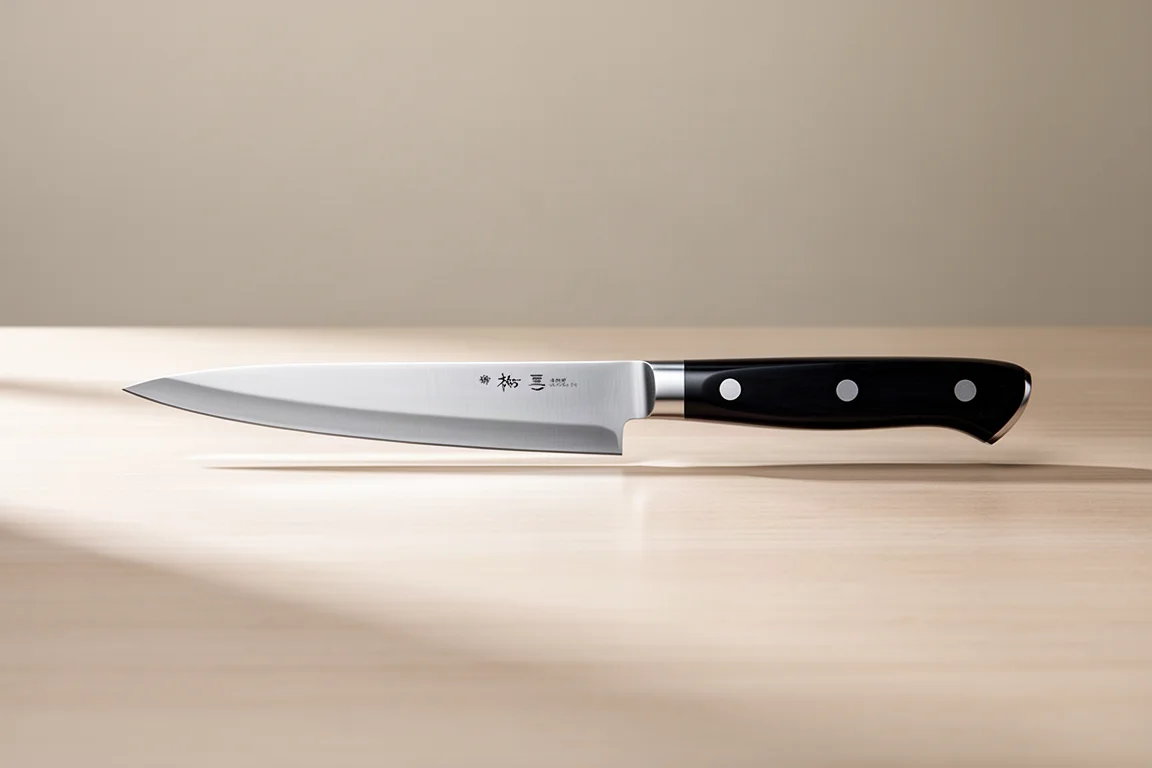
Takamura’s uchigumo and hana series are gorgeous and deeply loved, but they are simply far more work to make, so he rarely makes them anymore. His focus has shifted to the wildly popular Aogami Gohan series, which uses the same steel as the hana line without the damascus finish. If you want a super light, thin knife with a western handle that performs like crazy, this is the realistic path to that experience.
Nigara Yoshizawa Damascus
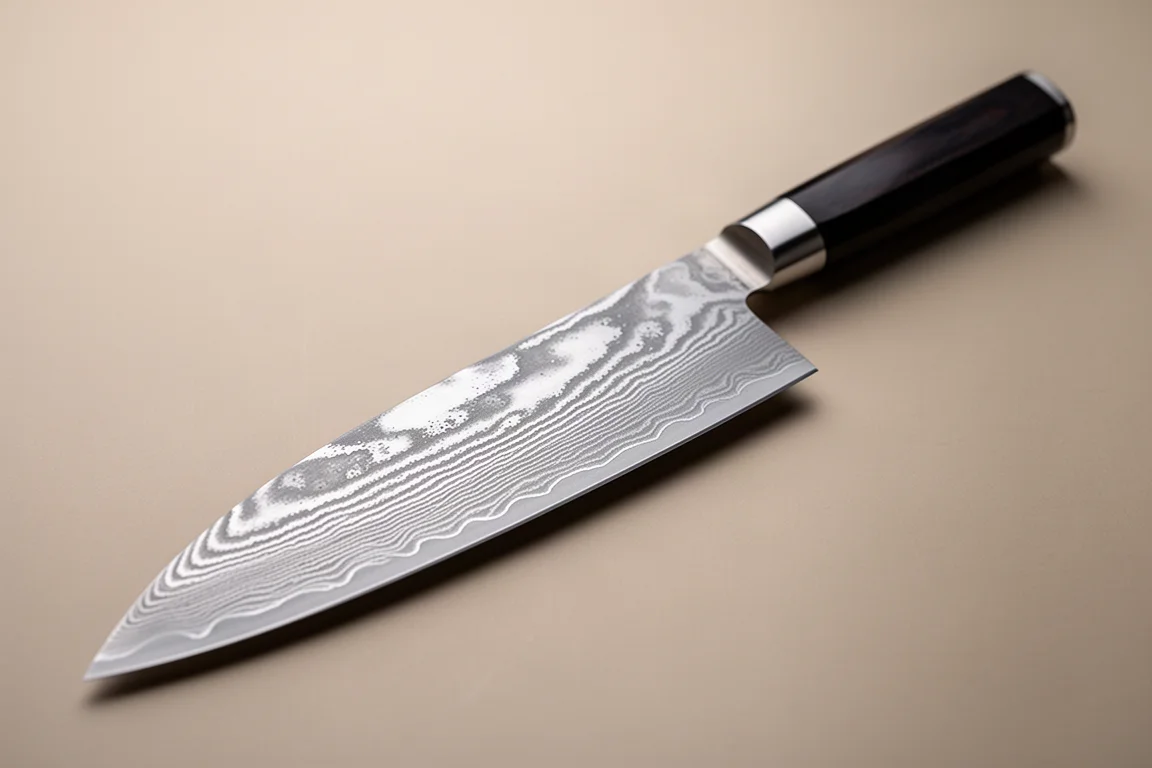
Yoshizawa stays up at night thinking about new ways to fold steel just to make it more beautiful. He is a true damascus artist, and his knives are as excellent to use as they are to look at. Whether you want a collector’s piece or a daily user, this line delivers hand-folded damascus steel with remarkable attention to detail.
Sakai Takayuki Tall Bunka
Often nicknamed the Chuka Bunka because its profile resembles a chuka bocho in a bunka shape, this is a genuinely cool blade made from Japanese steel. If you care more about the style and shape of the knife than the prestige of a specific maker, this one earns its place.
Kurosaki Senko
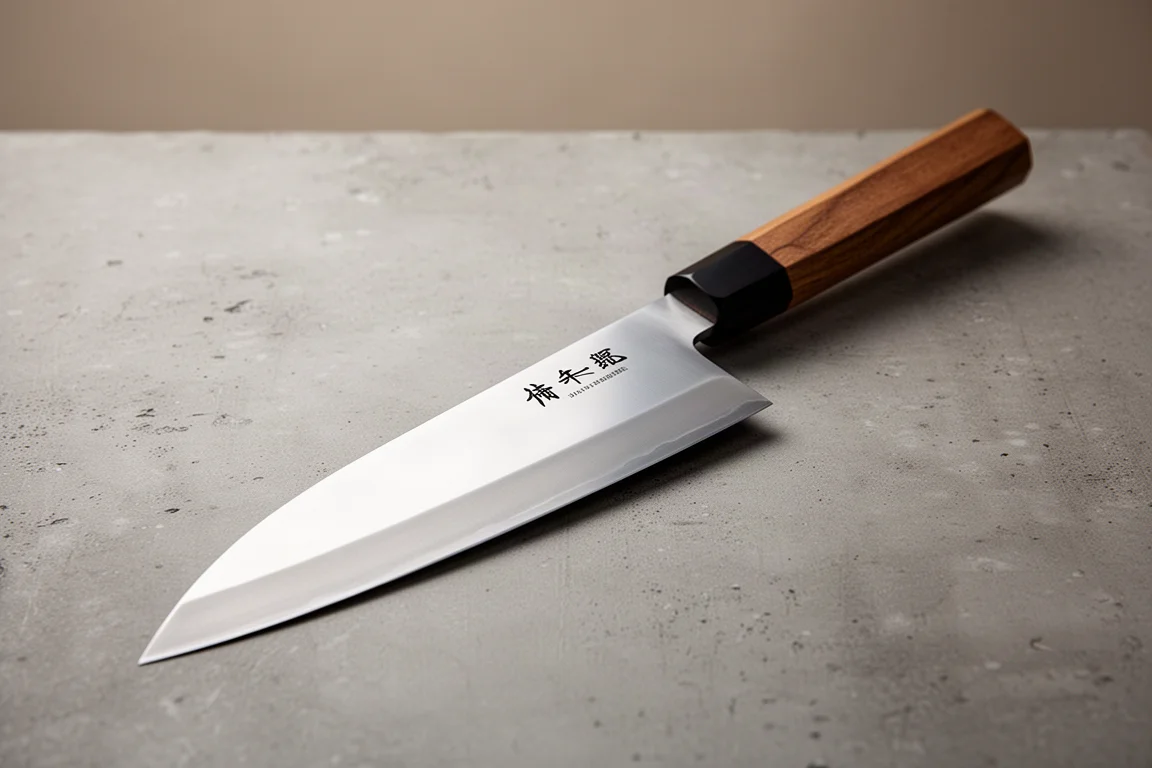
The Kurosaki Senko is super thin and super light, with one long-term advantage worth highlighting: an established primary bevel. That means when the knife eventually needs thinning, you avoid the slightly ugly grinding lines that can appear along the edge on other blades, and it should keep looking excellent for years.
How to Actually Get One
The practical path is simple. Find the knife you want on the retailer’s site and use the “notify me when available” option with your email. Restock alerts go out in signup order, so people who sign up first get notified first, but the list does move and you will get your turn. Follow the retailer on Instagram and join the mailing list too, since restocks are often announced there.
When the alert arrives, act immediately. If you wait, more notification emails go out and your window can close quickly. A knife that is listed on the site will almost certainly come back; if a line is not returning, it usually gets delisted. Popular lines like Takeda and Moritaka often sell out instantly, but standing orders mean new stock arrives several times a year, so a few months of patience is often all it takes.
One more tip: garage-sale style events held around May and November, following buying trips to Japan, are a great time to find rare and unusual stock, including pieces like Hinoura blades and Takeda hunting knives.
Conclusion
The rarest Japanese knives are rare for honest reasons: small workshops, labor-intensive techniques, and smiths who refuse to compromise. Pick the line that fits how you cook, sign up for restock alerts the moment you decide, and move fast when your email arrives. With a little persistence, your dream knife will eventually land in your hands.
Further reading
Related Reviews

Kitchen Knives
Best Chef's Knives 2026: 27 Popular Options Tested and Ranked
A comprehensive review of 27 chef's knives ranging from $18 to $380, with honest assessments of handle comfort, blade balance, and real-world performance.

Kitchen Knives
Best Chef's Knives Under $75: Two Tested Recommendations
Two practical 8-inch chef's knives that balance sharpness, comfort, and durability without premium pricing.

Kitchen Knives
Best Chef's Knives 2026: 27 Options Tested and Ranked
A comprehensive review of 27 chef's knives ranging from $18 to $380, with honest assessments of handle design, balance, blade profile, and real-world performance.