Woodworking Tools
Radial Arm Saws Revisited: Craftsman 10-Inch vs DeWalt 14-Inch Model GR
We spent time with two classic radial arm saws, a compact Craftsman 10-inch and a big cast-iron DeWalt 14-inch Model GR, to see what they still do well and where the danger reputation comes from.
Introduction
Few tools carry a reputation quite like the radial arm saw. Once a fixture in home departments and school shops across the country, it has faded from the mainstream, and reported injury numbers have dropped with it: a couple hundred reported injuries a year now, compared with more than 2,300 reported back in 2003. That decline says as much about the saw’s shrinking popularity as it does about safety.
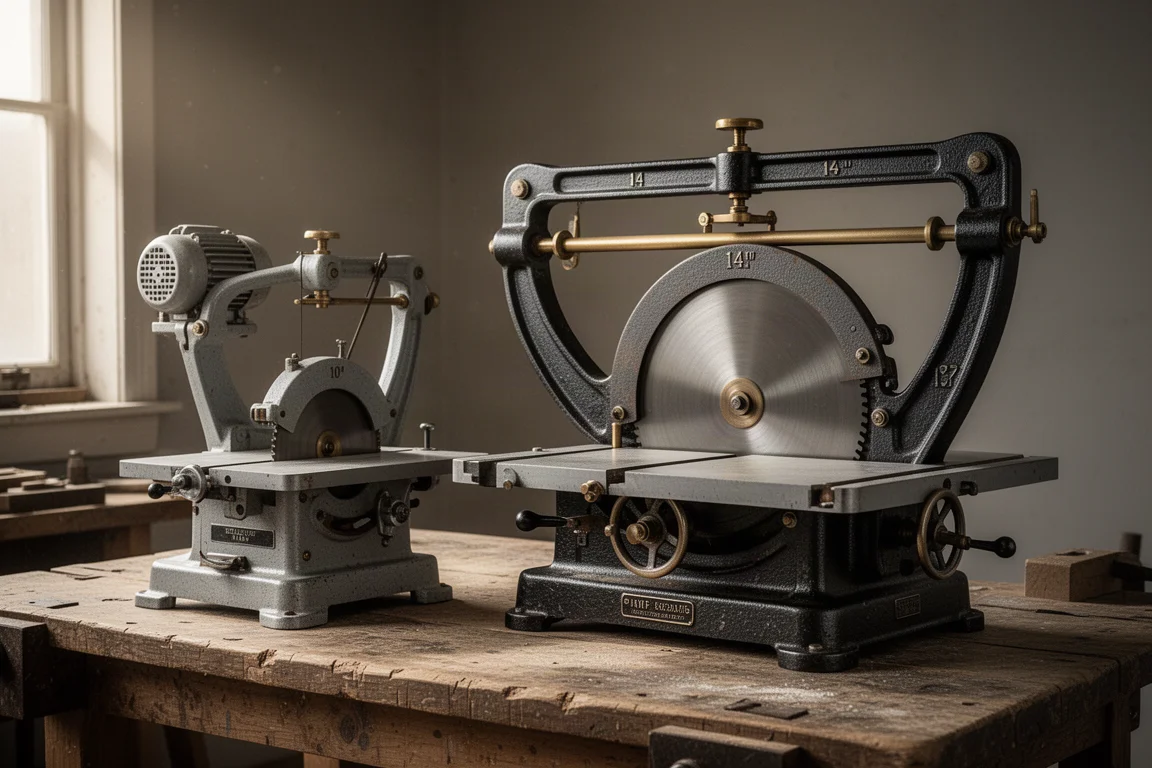
To find out whether the danger label is deserved, we spent time with two machines: a compact Craftsman 10-inch picked up secondhand for roughly $50, and a much larger DeWalt 14-inch Model GR from 1965, made in Lancaster, Pennsylvania, with original badges and a power feed option. Here is what each one does well, where they fall short, and who should actually consider buying one.
Why Woodworkers Still Chase These Saws
The radial arm saw was conceived in the 1950s as something like an all-in-one workshop solution, in the same spirit as multi-function machines that promised to do everything. That ambition is exactly where its sketchier reputation begins: to enable all those cut types, the blade ends up in orientations and exposures that feel unsettling to modern eyes.
There is also a passionate community keeping them alive. Enthusiast forums document injury statistics and restoration tips, and builders who use radial arm saws for timber-framing-style joinery have inspired a wave of renewed interest. That mix of nostalgia, capability and danger is precisely what makes these machines worth a closer look today.
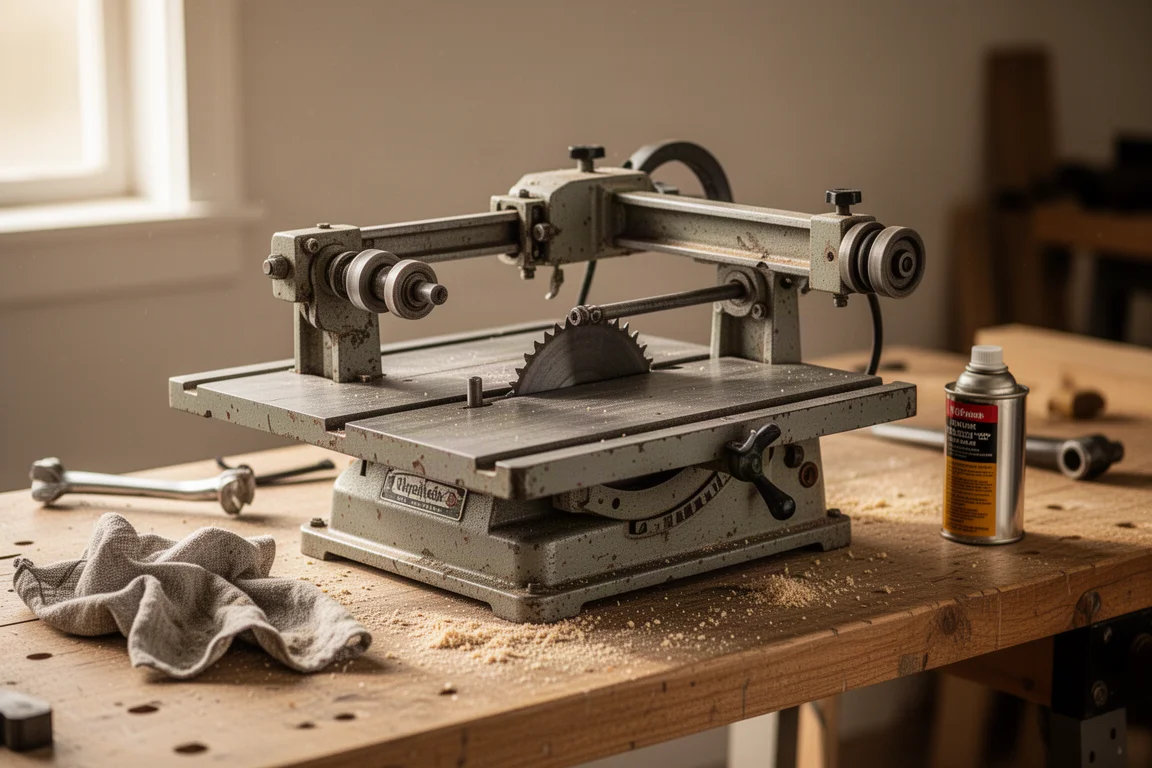
Restoration is part of the appeal. These are heavy, mechanical tools with bearings, rollers and columns that respond well to cleaning, lubrication and adjustment, and much of their character comes from that old-school build quality.
What the Craftsman 10-Inch Does Well
The Craftsman 10-inch is the entry point most people mean when they talk about affordable radials. Ours arrived stiff and dirty, and even after cleaning the slides, bearings and bevel lock, the carriage never reached what you would call comfortable smoothness. A common issue with these later, non-cast models is noticeable play in the arm when fully extended, and ours showed exactly that: as the head traveled out, the blade wandered off its mark even with the table bolted down.
Accuracy is the core compromise. With rough material and no careful setup, a crosscut came out reasonably square, but the saw bound in 1-3/4-inch stock, and the practical cut depth is less than you might expect from a 10-inch blade. Clearance on the right side of the blade is limited, so long or wide stock is a struggle. Our example also arrived with the miter function welded solid, a modification commonly done by previous owners, which eliminated miter capability entirely.
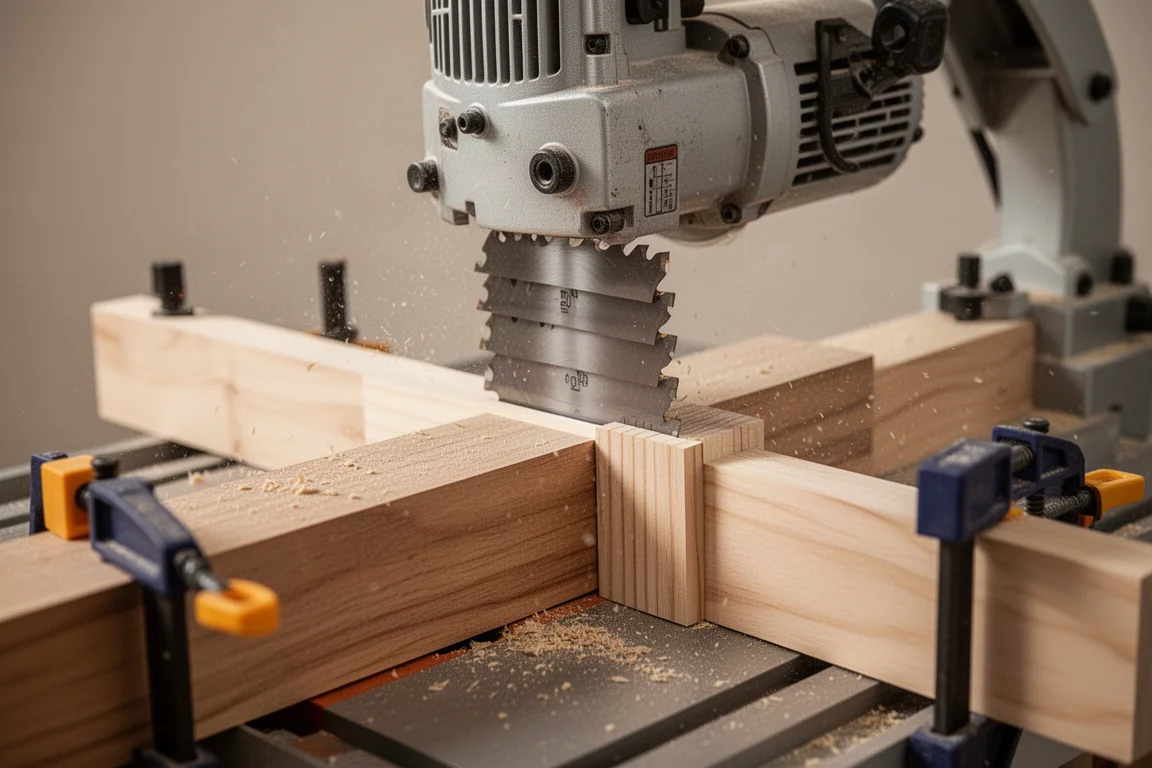
Where the small radial genuinely shines is with a stacked dado blade, which is how most remaining users run these saws. Bringing the tool to the work and setting a stop block makes repeatable tenons quick and easy, hogging out waste faster than a table saw setup for the same job. The result needed hand cleanup, but the joint fit was genuinely good. If you can accept a blade spinning at you while you work, this is the best use of the machine.
The DeWalt 14-Inch Model GR: Heavy, Capable, Complicated
The DeWalt Model GR is a different animal. It is enormous, extremely heavy, and built almost entirely from cast iron and brass, which makes it far more rigid than the smaller Craftsman: the whole table moves rather than the saw head flexing, and the column feels rock solid. The head swings left and right with positive stops for mitering, bevels down to 90 degrees, and its geared mechanisms work smoothly once lubricated. It is, honestly, a pleasure to fiddle with.
But old radials often arrive in rough condition, and ours illustrates the safety pitfalls of buying used. It came directly wired to the motor with no switch: plug it in and it runs, unplug it to stop it. We replaced the switch and wiring before running it. The original motor is another question mark: no data plate, believed to be 110 volts rather than 220, weak enough that it struggled to cut walnut, tripped the breaker on a 2x4, and left a 14-inch blade coasting for the better part of two minutes after shutdown. A motor upgrade is clearly the next project.
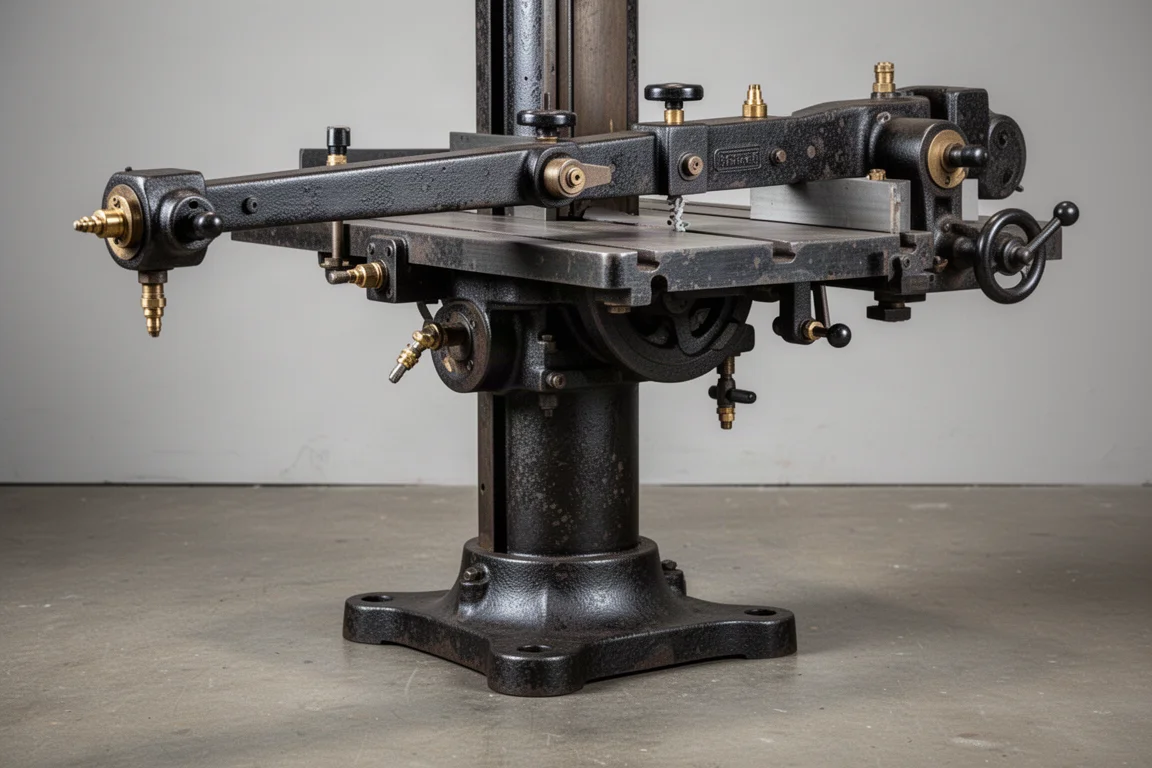
The Model GR also carries the full catalog of vintage-era suggested uses that modern sensibilities reject: ripping with the blade buried in the table and material fed from the opposite side, double mitered bevels, bevel rips, plowing and rabbeting with the blade fully exposed against the material surface, shaper heads, routing, and even vertical board ripping with a sheet fed against a spinning blade. Some of these put enormous blade exposure and pressure at play, and they are the reason the machine earned its fearsome reputation. We would treat them as historical curiosities, not operating instructions.
Should You Buy One?
If you are a beginner, the honest advice is: stick with a 10 or 12-inch machine, use it for crosscuts, dado cuts on the crosscut, and maybe miters, and do not push it further. These turn up secondhand at low prices, and a small Delta or Craftsman example for around $50 is a reasonable way to learn on one, with the understanding that you lose track of your hand’s position once and you are pulling a spinning blade right over your fingers.
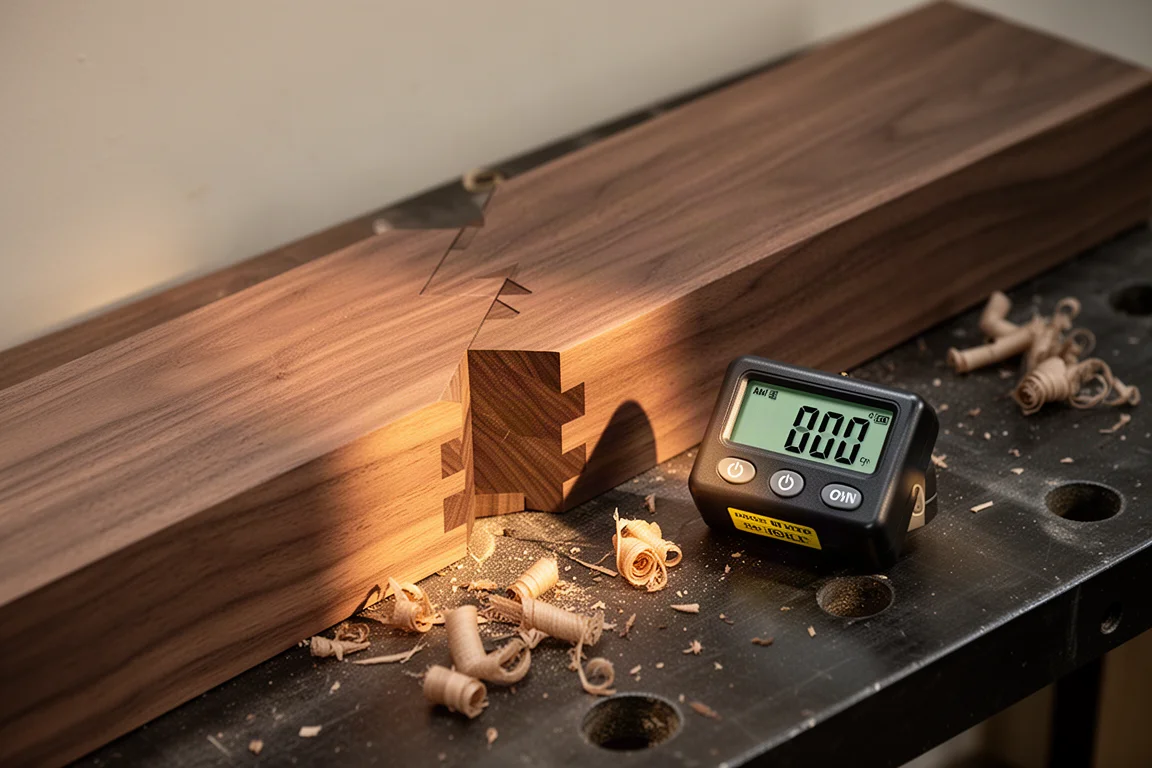
If you already have solid experience and want a machine for big traditional joinery like tenons and dovetails, a larger cast-iron saw has real appeal: bring the tool to long stock instead of wrestling big timber onto a table saw. Just budget for restoration work. Expect to clean slides and bearings, add lubrication, replace safety features like switches and brakes if missing, and possibly replace a tired motor. Verify that safety markings such as never feeding material into the blade from the front are respected, because a workpiece can launch off the back of the saw.
Conclusion
The radial arm saw is not a tool you buy for precision; even in good condition, these machines flex, wander and demand respect. But for joinery work where you bring the saw to the work, both of these old machines proved surprisingly capable. The Craftsman 10-inch is a cheap, limited gateway best reserved for simple crosscuts and dado work, while the DeWalt 14-inch Model GR is a heavy, restorable classic with far more capability and far more caveats. Buy one only if you understand what it can do, and more importantly, what it can do to you.
Product link
View more details for Craftsman 10" Radial Arm Saw
This product is mentioned in the review. Check the specifications, options, and compatibility before buying.
View more details for Craftsman 10" Radial Arm SawFurther reading
Related Reviews

Woodworking Tools
123 Blocks and the Hardware Kit That Fixes Their Biggest Flaw
A practical look at 123 blocks, the hardware kit that solves their most common design flaw, and a sharpening station worth considering.

Woodworking Tools
Cool Tools for Woodworking: Seven Upgrades That Earn Their Place in the Shop
A practical roundup of seven woodworking tools and accessories that improve accuracy, safety, and everyday shop efficiency.

Woodworking Tools
Debuke Clamps Review: A Family-Made Aluminum Bar Clamp Worth Knowing
Debuke Clamps are lightweight aluminum bar clamps made by a small Iowa family business. Here is why they stand out from the many knockoffs on the market.