Running Gear
Race Day Gear Test: 6 Running Products Put Through a Real 5K and 10K
A carbon racer, two Garmin watches, a Polar with multiband GPS, ear-hook headphones and a stretch running belt, tested in hot and hilly race conditions.
Introduction
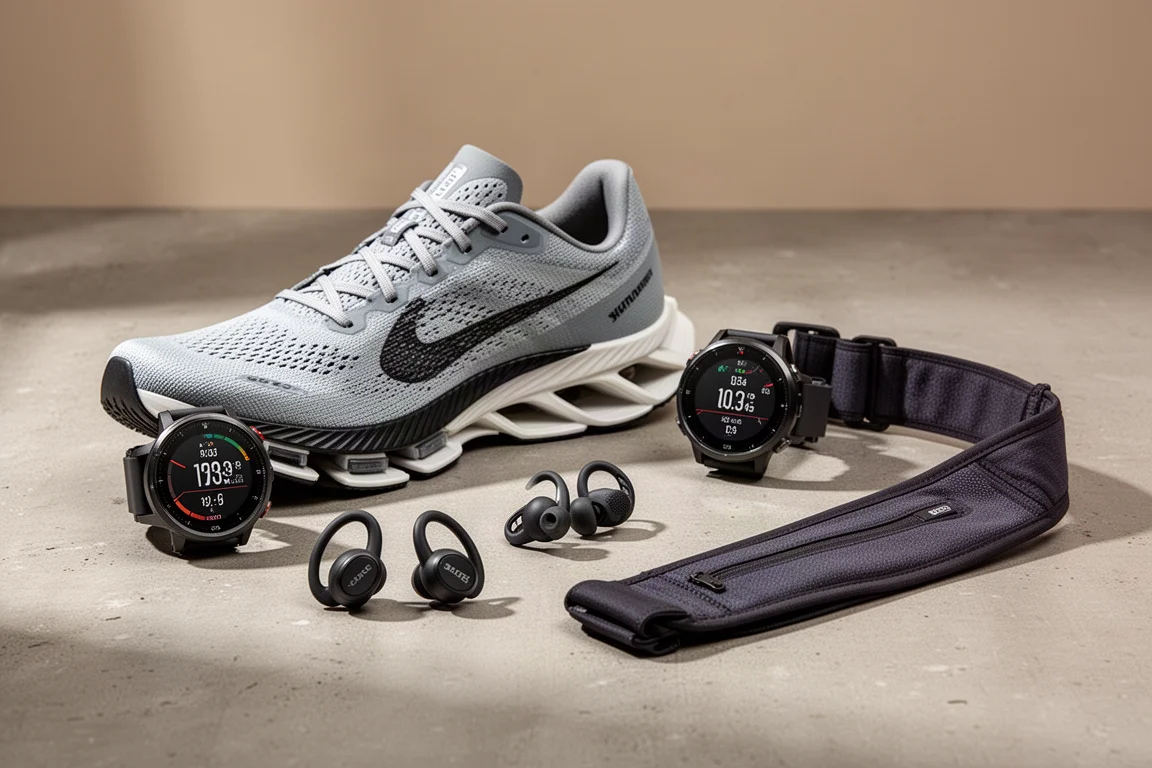
We took a full load of gear to a hot, surprisingly hilly race day at a city park, where the 5K and 10K events gave everything a proper stress test. Carbon racing shoes, two GPS watches, an optical heart rate sensor, ear-hook headphones and a last-minute running belt swap all got pushed hard in 29-degree conditions.
The verdicts below reflect real race effort, not a treadmill. Some gear held up better than expected, and a couple of items left room for doubt.
On Cloudboom Echo 3
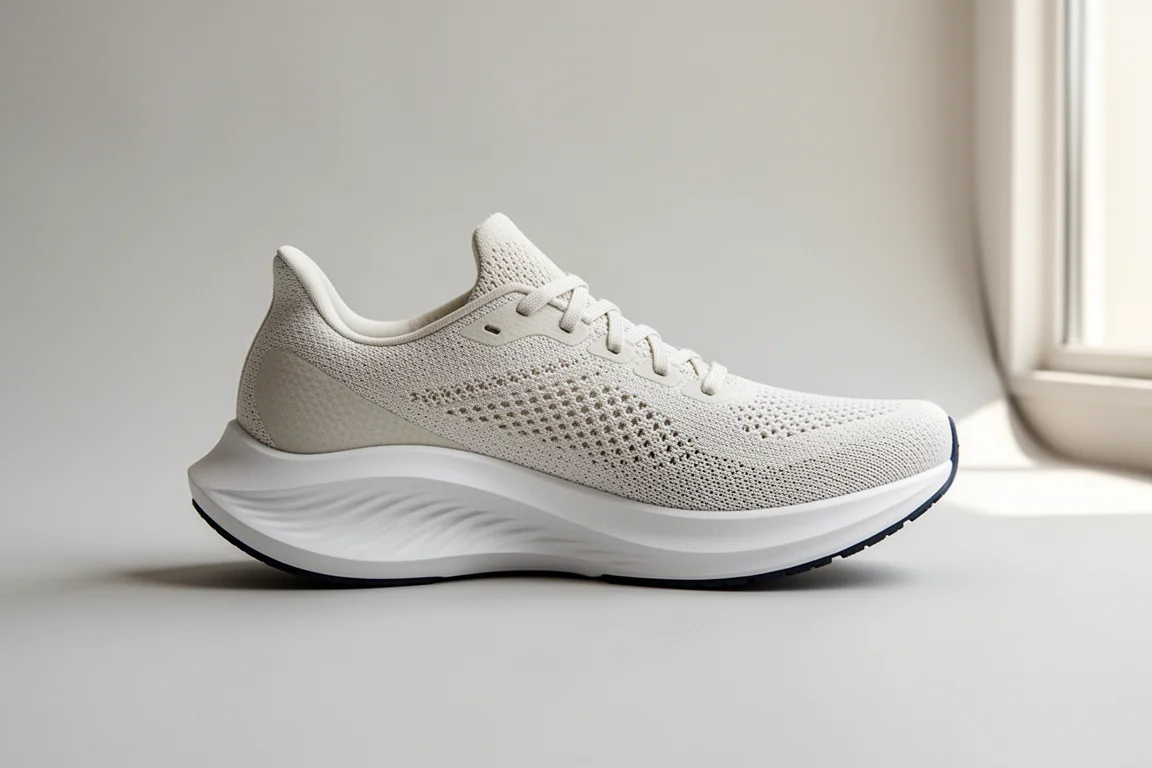
The Cloudboom Echo 3 is the third generation of On’s top-tier racing shoe, and it feels like a markedly different shoe from the previous two. Where earlier versions felt a little too soft, the CloudTech element is still present but dialed back, and the result is a shoe that sits on the right side of that balance.
In the 5K it felt sprightly: light and nimble going up hills, with a nice amount of punch from the plate on straights and gentle downhill sections. It is not the lightest carbon shoe out there, but it feels very light on the foot, has an aggressive rocker that gives a smooth push-off, and turns over quickly.

In the 10K, the shoe really earned its keep when coasting. When easing off the pace on downhills, legs felt good and there was no harsh firmness. Overall it reads as a better and more versatile shoe than the previous two generations, and a racer that will not let you down, particularly over shorter distances. The open question is the high price tag: with other carbon shoes still rating higher in some respects, how much it is genuinely worth remains to be seen.
Garmin Epix Pro
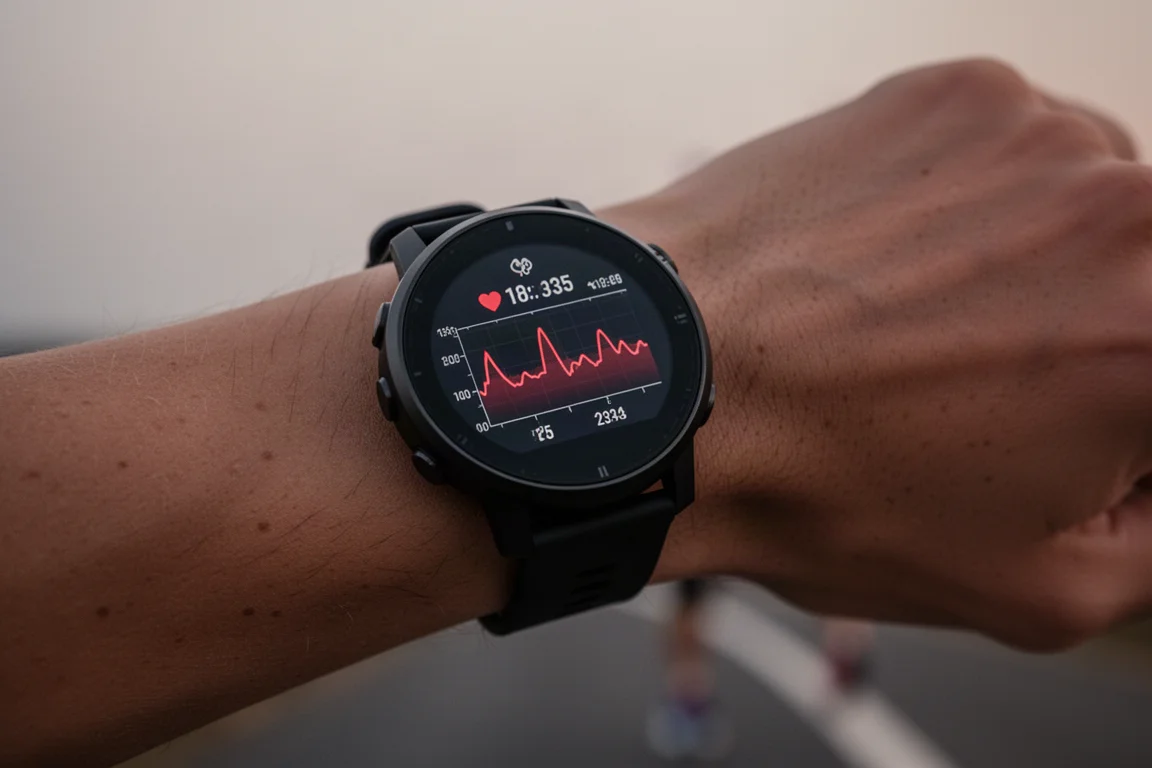
The Epix Pro (51mm) was on the wrist primarily to test the upgraded heart rate sensor that Garmin has made a big deal about, compared against a chest strap. In race conditions, which is about the toughest scenario for an optical sensor, it performed well.
Average and max heart rate readings were pretty much spot on against the chest strap, tracking consistently through the 5K with no outrageous spikes or dips. There is a little lag at the start of a race when heart rate jumps sharply, and a beat or two of delay catching sudden changes, but for the most part it was very close.
Getting that level of reading from a 51mm watch on a fairly thin wrist is impressive. Note that in one test the watch ran in auto-select mode rather than multiband, so it was not even at its most accurate GPS setting, yet it still outperformed the Polar on course tracking, taking corners cleanly where the other watch ran wide.
Garmin Forerunner 965
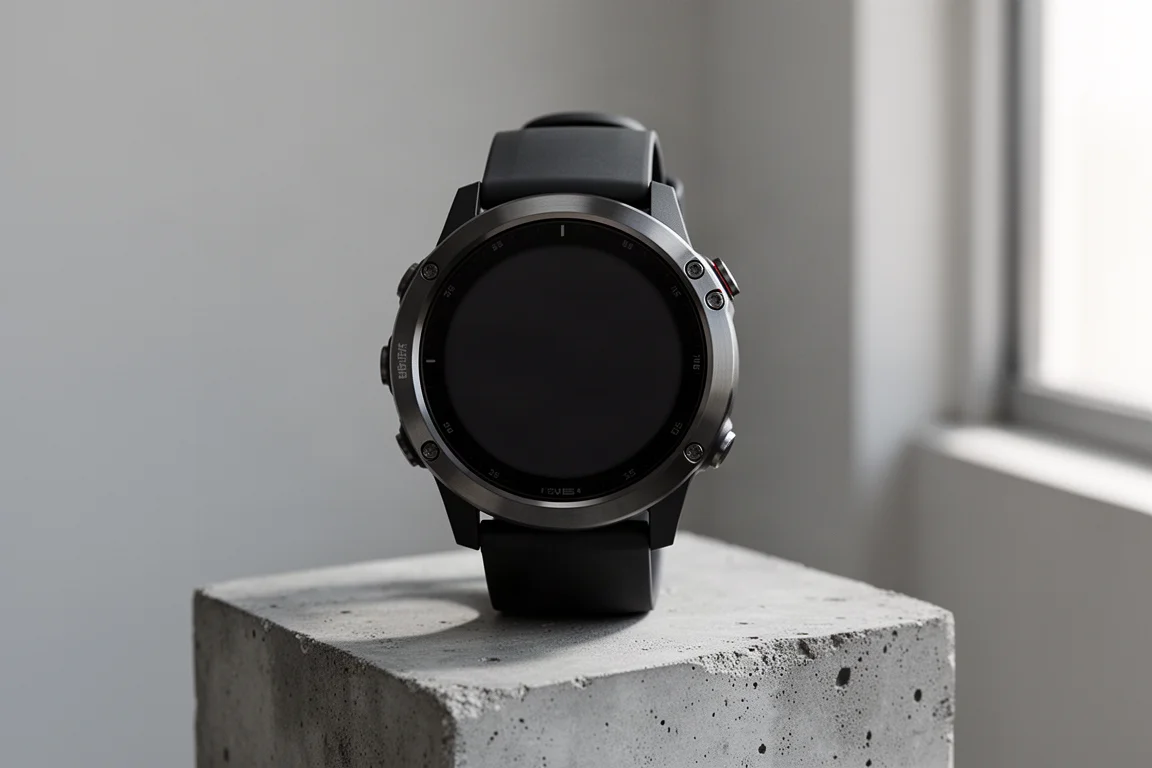
The Forerunner 965 was paired to a Garmin HRM Pro Plus chest strap to serve as the reference for heart rate testing. That baseline made it possible to judge how well the newer optical sensor in the Epix Pro held up at intense racing effort.
As the trusted comparison device of the day, it did its job without fuss, producing readings the other watches could be measured against. For runners considering it alongside the Epix Pro, the key difference on show here is the newer upgraded heart rate sensor in the Epix Pro, which is the newer version of the one on the 965.
Polar Ignite 3
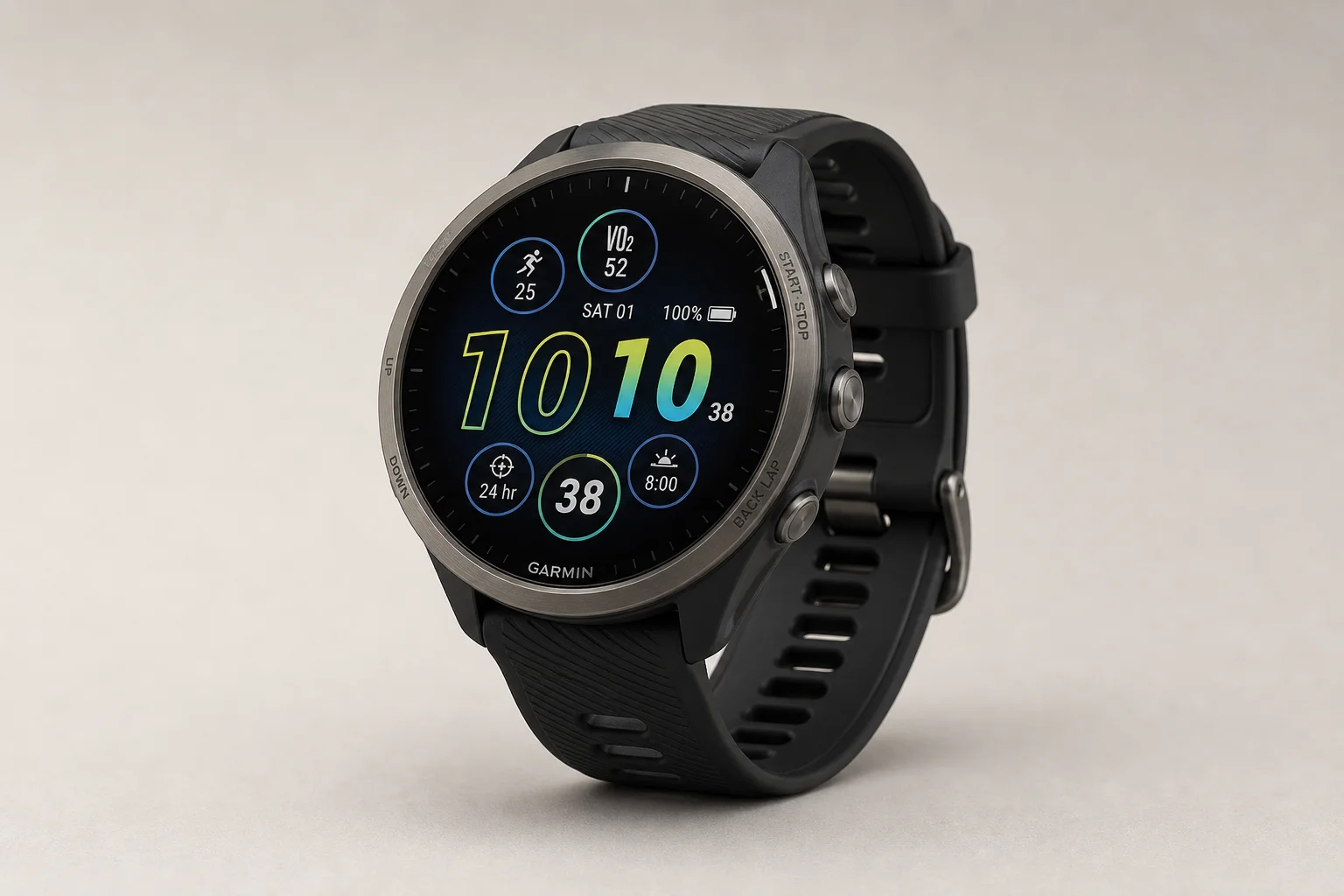
The Ignite 3 Titanium is a multiband GPS watch, but as with the original Ignite 3, it does not really perform like one. Even on a fairly open looped course, it produced some significant errors: cutting corners it did not need to, swooping around in places, and running wide where the Epix was already back on track.
Under the cover of a large building both watches struggled a little, but the Ignite struggled more, and it finished with slightly less distance despite running wide for much of the course. The heart rate reading from the paired chest strap was fine as a reference, but the GPS is what lets this watch down in its multiband mode, and we were not sold on it.
Monster DNA Fit
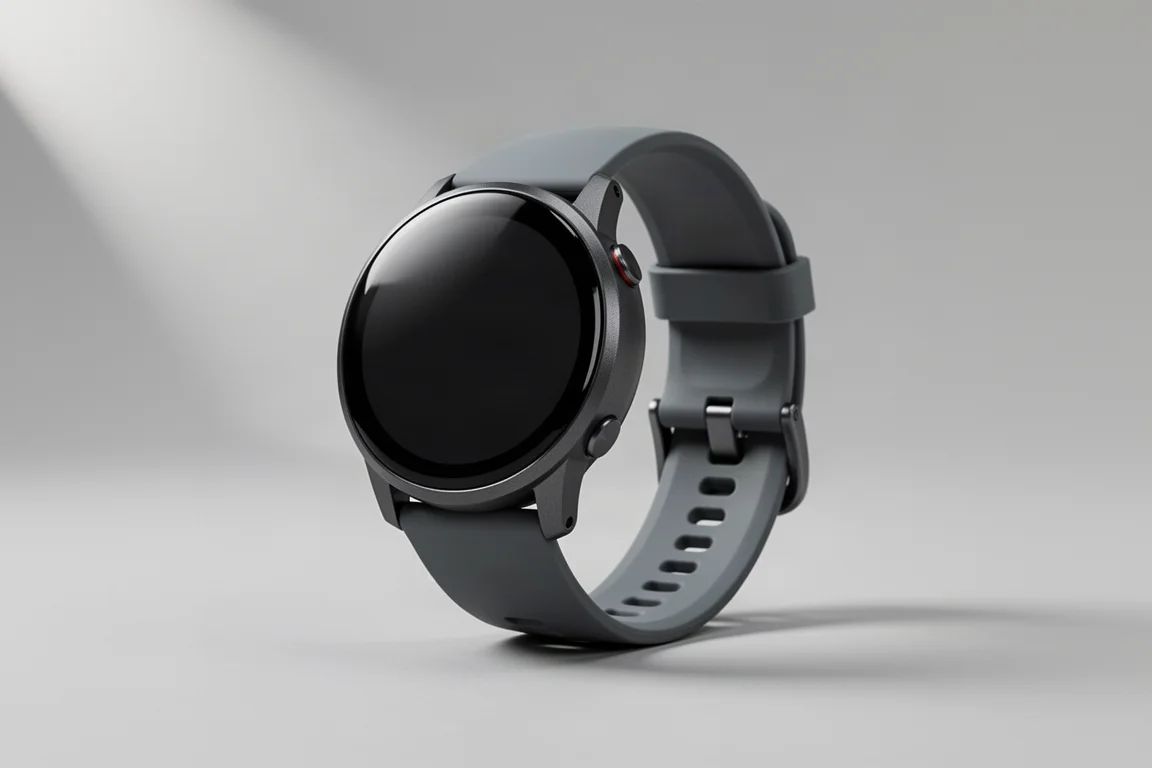
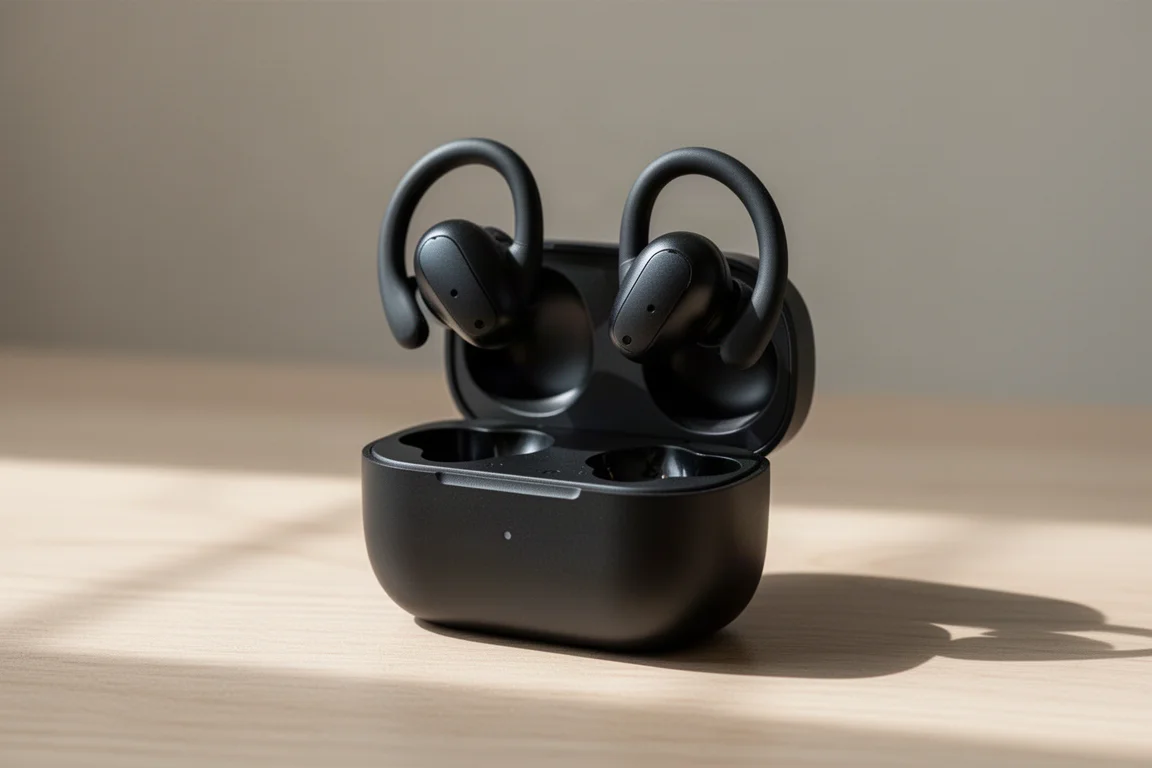
These ear-hook style wireless headphones cost around £130, positioning them a little above some cheaper hook designs in terms of secureness. The sound is big and bassy, characteristic of Monster headphones generally, though not particularly fantastic compared to some other hook designs, including cheaper ones.
In the first couple of laps they stayed put absolutely fine, but as the race got hotter and sweatier, and after spraying water on ourselves to cool down, the ear tips started to move around a little. There are plenty of ear tips included, so some experimentation may help, but in conditions where they should excel, they did not quite nail it.
New Balance Stretch Running Belt
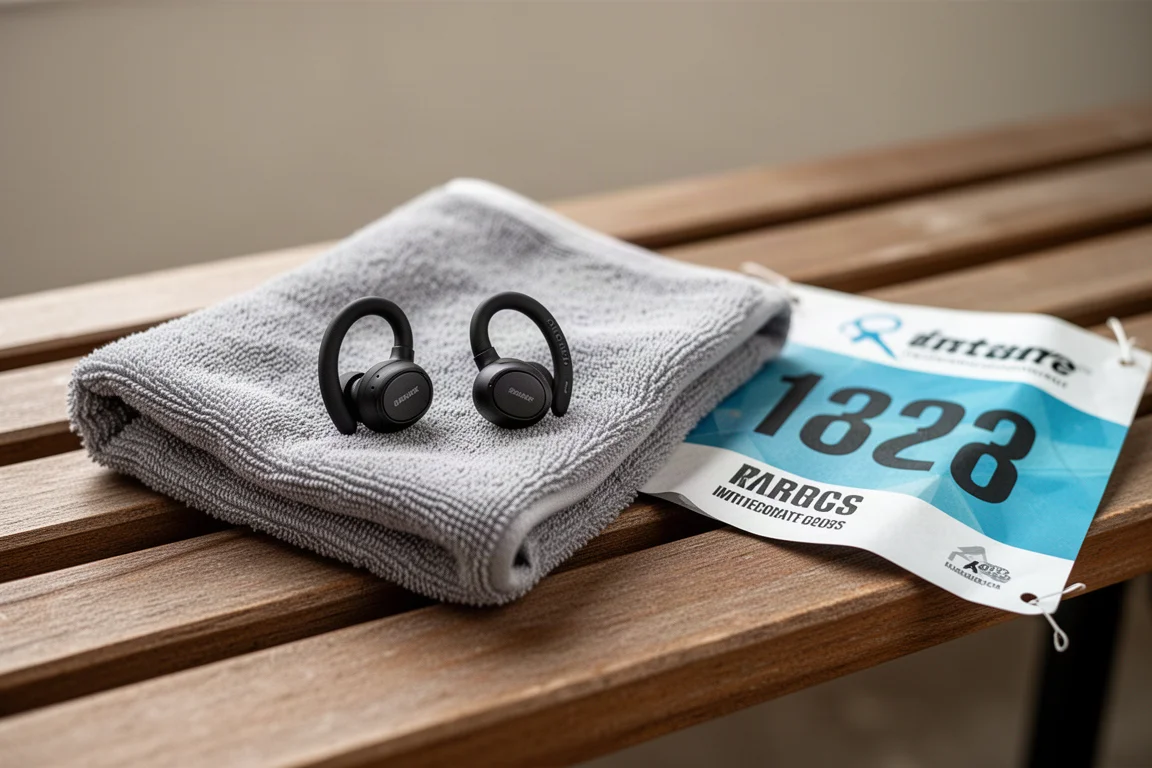
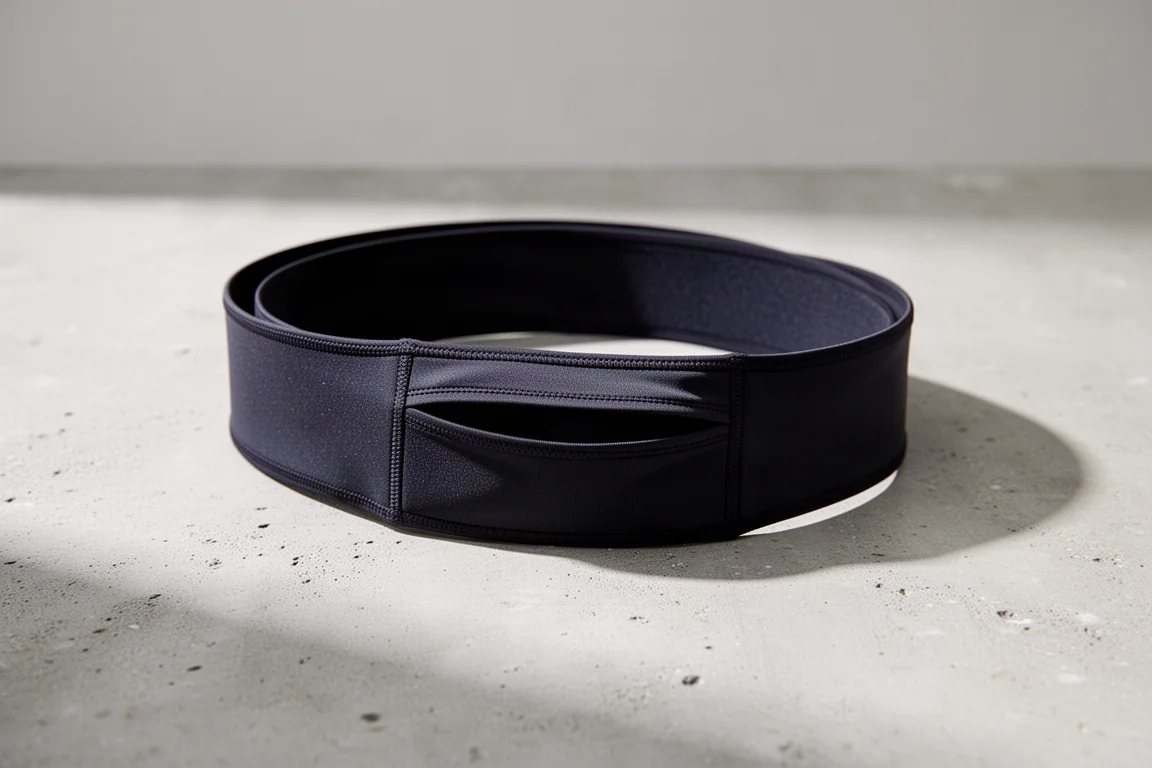
Picked up as a last-minute swap for a usual belt, this stretch running belt carried a phone and a gel, with room likely for keys as well. It held very close to the body, did not bounce or jump around, and fitted an iPhone 14 with no problem.
Getting the phone and gel out mid-race was slightly trickier because there is not a huge amount of space inside, but it worked, and at around £18 it is not super cheap for a belt yet still an accessible price. For racing use, it inspires no hesitation, and avoiding a belt that bounces is worth it on its own.
Overall Buying Advice
If you are choosing one carbon racer for hot, rolling race courses, the Cloudboom Echo 3 is a confident pick for 5K and comfortable coasting at marathon pace, with the main caveat being its price relative to rivals. For watches, the Epix Pro’s upgraded optical heart rate sensor proved itself in genuine race conditions, outperforming the Ignite 3’s GPS even when not in its most accurate mode, so Garmin is the safer bet if course accuracy matters.
The Forerunner 965 remains the sensible pairing option if you use a chest strap. The Monster DNA Fit suits runners who value a secure hook design and a bassy sound but should be tested for fit in sweaty conditions. And for simple race-day carrying, the New Balance stretch belt did the job without drama.
Conclusion
A hot, hilly race day is a brutal but honest test, and it separated this gear usefully. The Cloudboom Echo 3 came away as a better shoe than its predecessors, the Epix Pro’s heart rate sensor was a genuine bright spot, and the running belt proved an easy win. The Polar Ignite 3’s GPS and the Monster DNA Fit’s sweaty-condition fit are the two areas worth thinking hard about before buying.
Further reading
Related Reviews
Running Gear
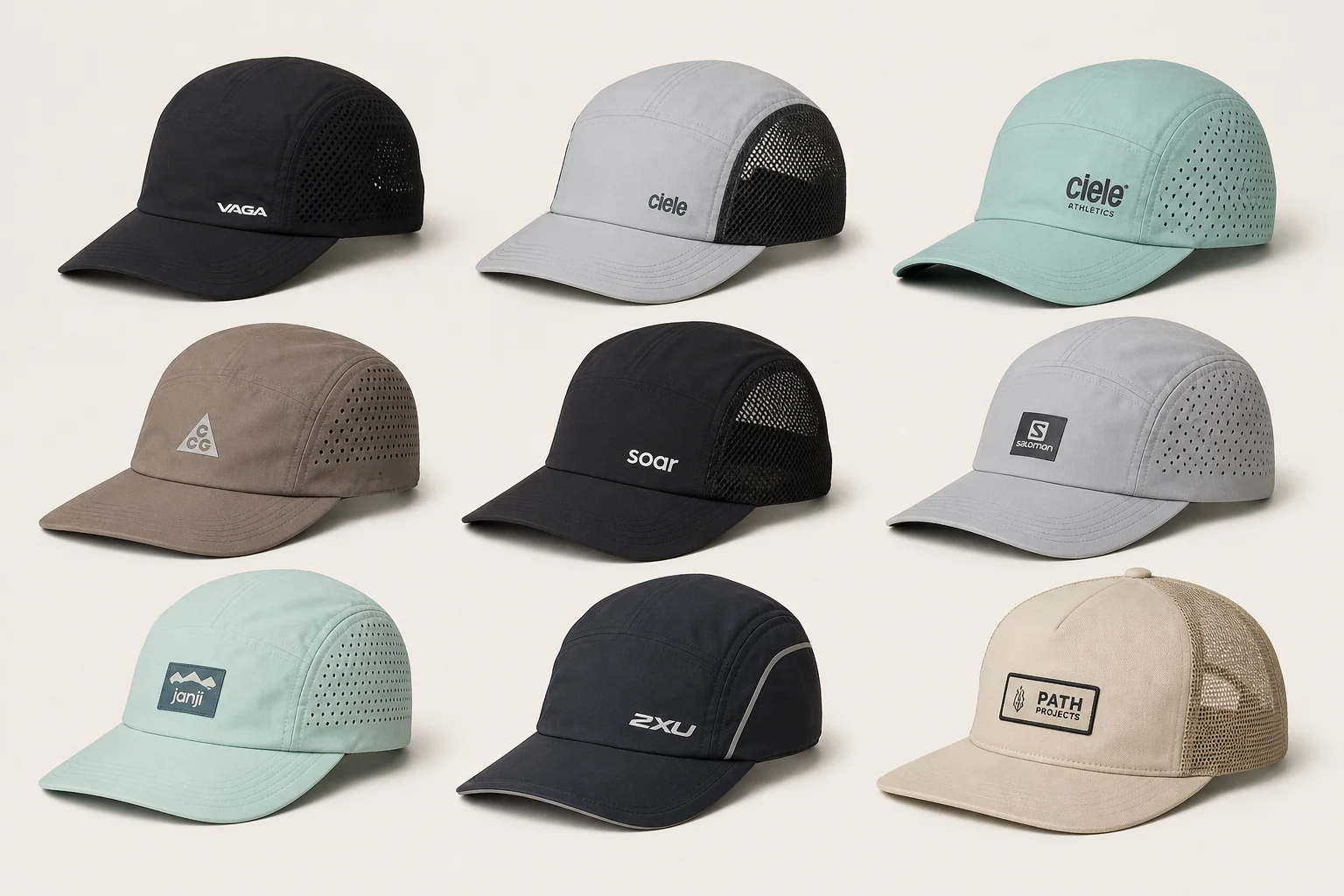
Best Running Caps 2026: Nine Tested Options for Summer and Winter
A comprehensive guide to nine running caps tested across different conditions, from lightweight summer options to waterproof winter choices.
Running Gear
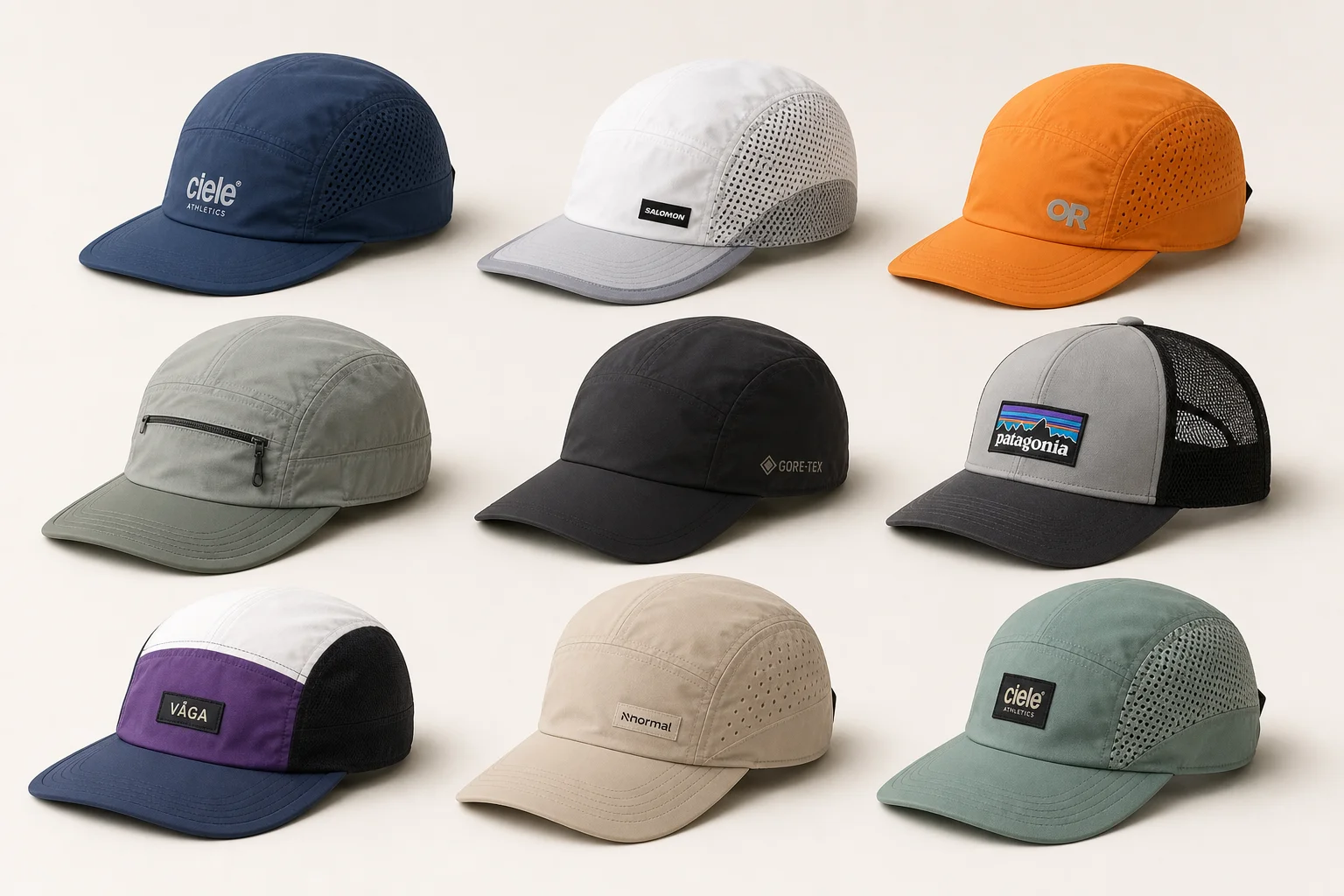
Best Running Caps: A Guide to Summer and Winter Options
A comprehensive review of nine running caps for different conditions, styles, and preferences, from lightweight summer options to waterproof winter choices.
Running Gear
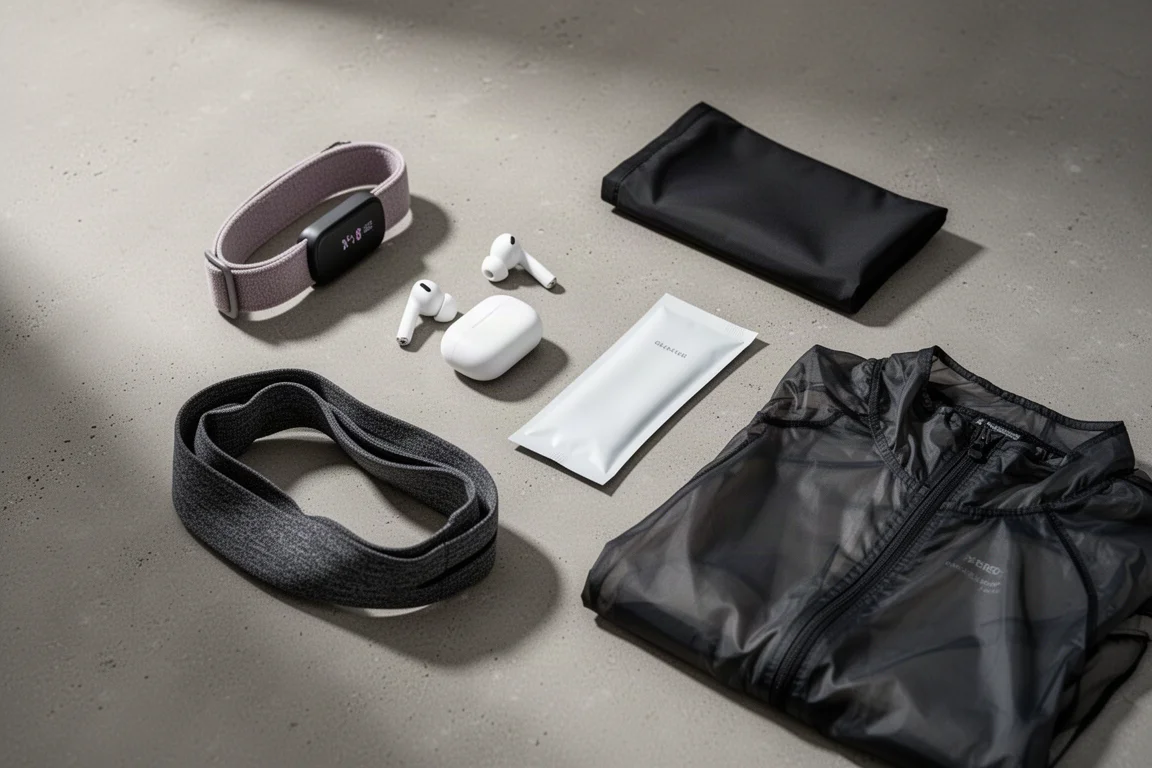
Best Running Gear 2026: Five Picks That Earn Their Place
Five running upgrades covering heart rate, audio, fuelling, carrying and weather protection, with the trade-offs worth knowing before you buy.