Hand Tools
Quinn vs Icon Impact Sockets: Which Set Deserves Your Money?
A close look at Quinn and Icon impact sockets, comparing wall thickness, weight, cases, and value to help you pick the right set.
Introduction
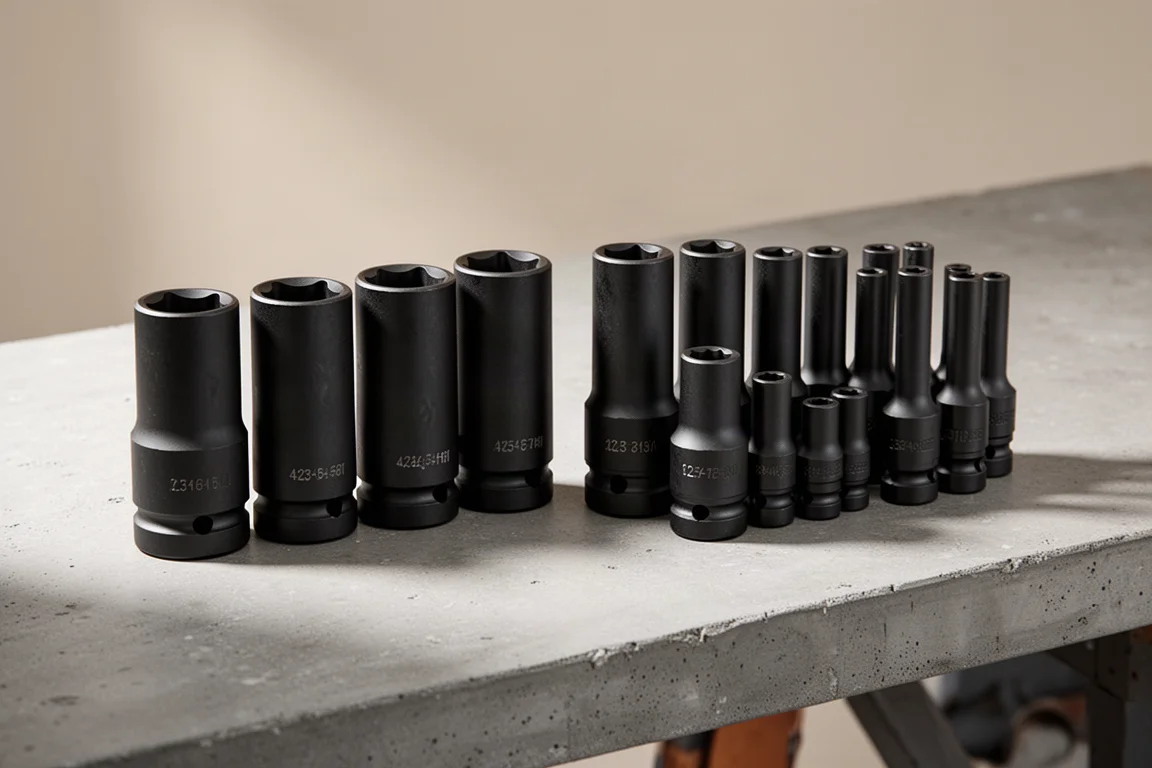
Impact sockets are one of those purchases where it is tempting to overspend, but the differences between brands are not always what the labels suggest. Quinn and Icon both sell affordable impact socket sets backed by lifetime warranties, and both are made in Taiwan. With Harbor Freight running a 40% off socket sale, it is a good moment to weigh which set actually deserves a spot in your toolbox.
Quinn Impact Sockets
The Quinn impact sockets are the budget-friendly option of the pair, coming in at roughly half the price of the comparable Icon sets. The half-inch sets were around 21 and 15 dollars, and the full 3/8 inch set, which includes extensions, swivels, and adapters, was about 60 dollars. That is a lot of kit for the money.
They are made in Taiwan rather than China, and they use chrome-molybdenum steel, which is the better material choice for impact use compared to chrome vanadium. The quality looks solid across the range, and the Quinn Master set in chrome sockets is also worth a look if you want a comprehensive kit.
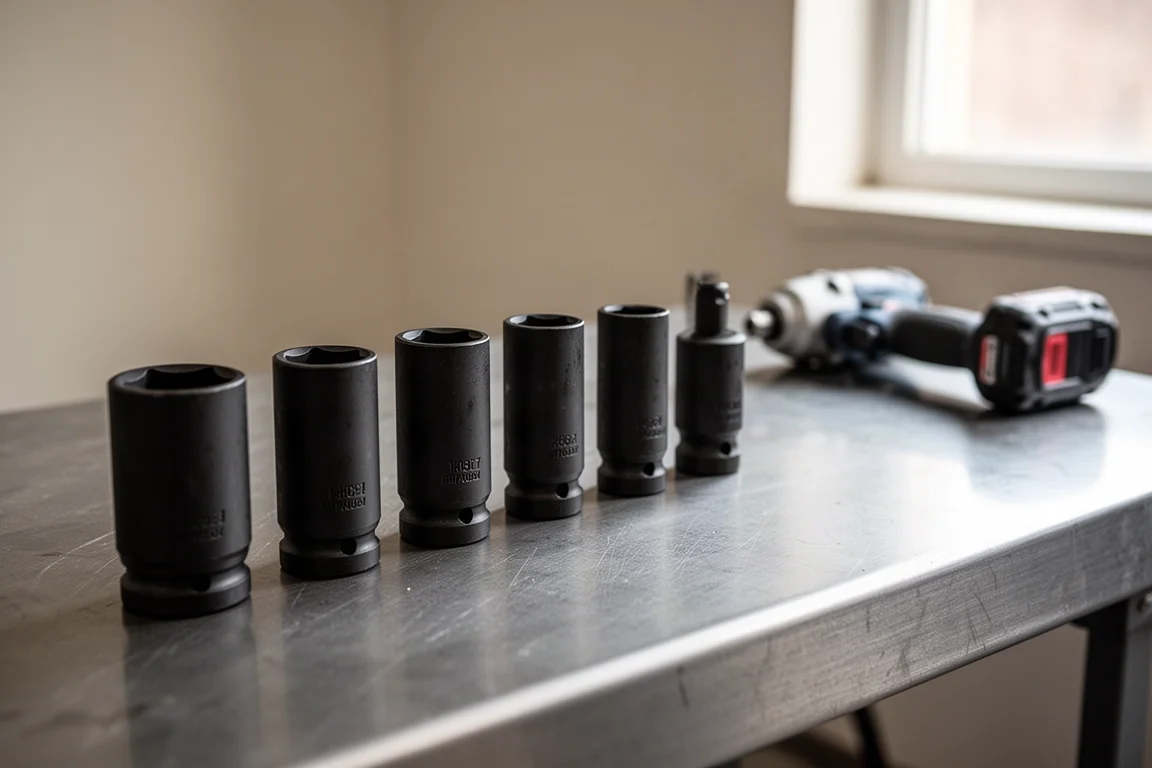
One underrated detail: Quinn cases have lids with removable pins, so you can pull them out and use the cases as trays inside your toolbox. That kind of thoughtful packaging makes organizing a drawer noticeably easier.
Icon Impact Sockets
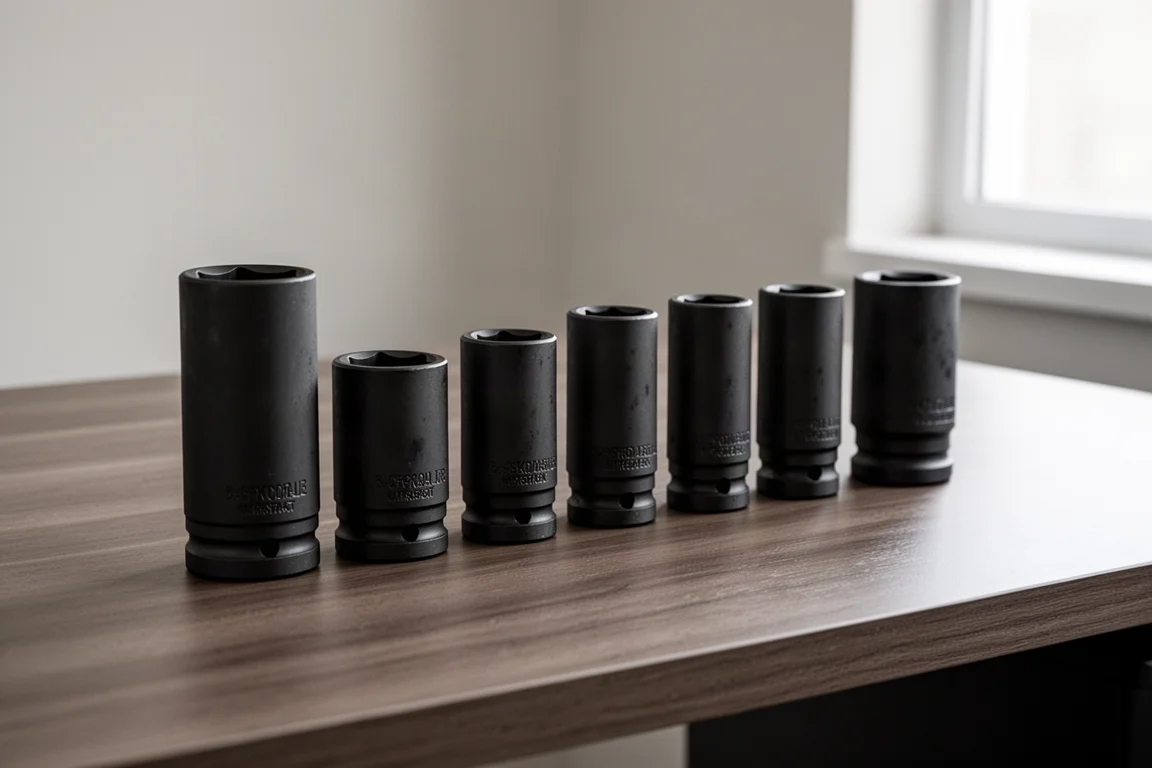
The Icon professional impact sockets are sold as thin wall impacts, which is part of their appeal: the idea is a set thin enough for tight spaces but tough enough for daily impact work. They are also made in Taiwan and carry a lifetime warranty, with the same walk-in-and-walk-out replacement process.
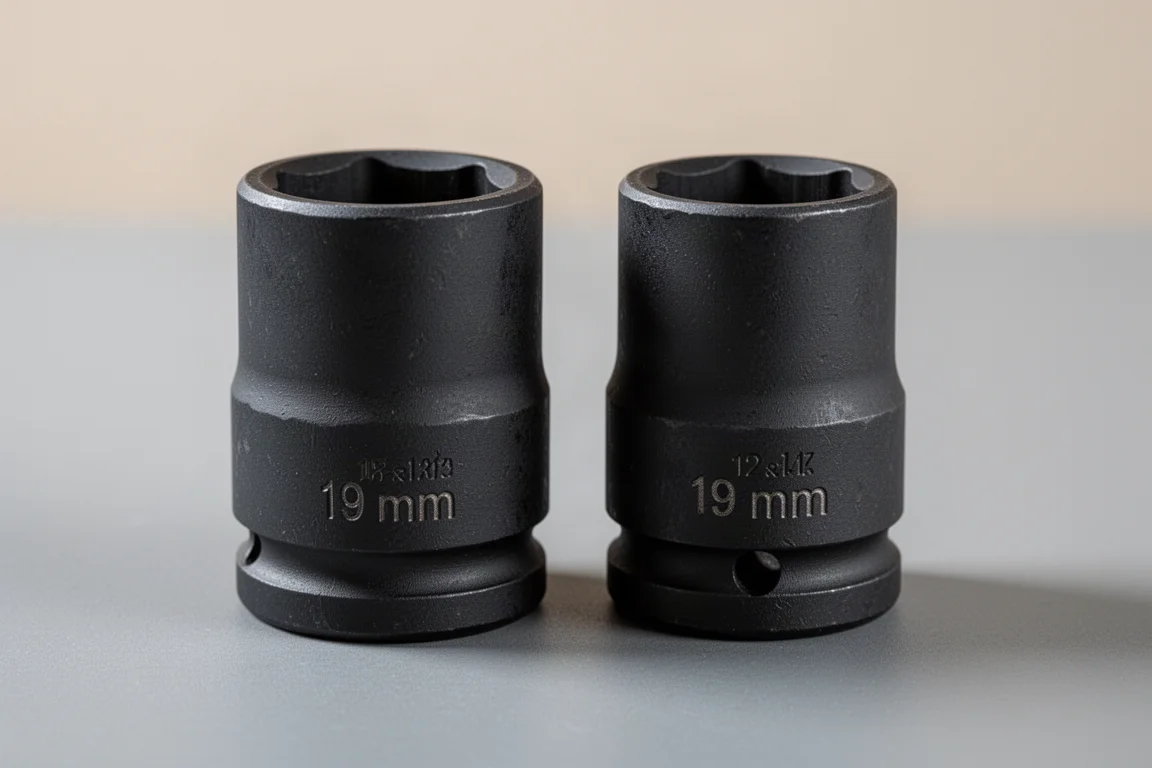
In practice, the thin wall claim does not hold up well. Comparing a 19 mm Icon deep impact socket against a Quinn equivalent, the Icon has a pretty hefty wall. Set next to an Icon chrome socket, it is clear the impact version will not fit into any kind of narrow space. It is also heavier, though the trade-off is not always bad: a heavier socket can add a little extra oomph when breaking loose stubborn bolts, though modern electric impact guns are powerful enough that this rarely matters.
The half-inch Icon sets on sale came in at 30 and 42 dollars, roughly twice the price of the Quinn equivalents. You are paying more, and in this comparison the marketing label is doing some heavy lifting.
Wall Thickness and Weight: The Thin Wall Question
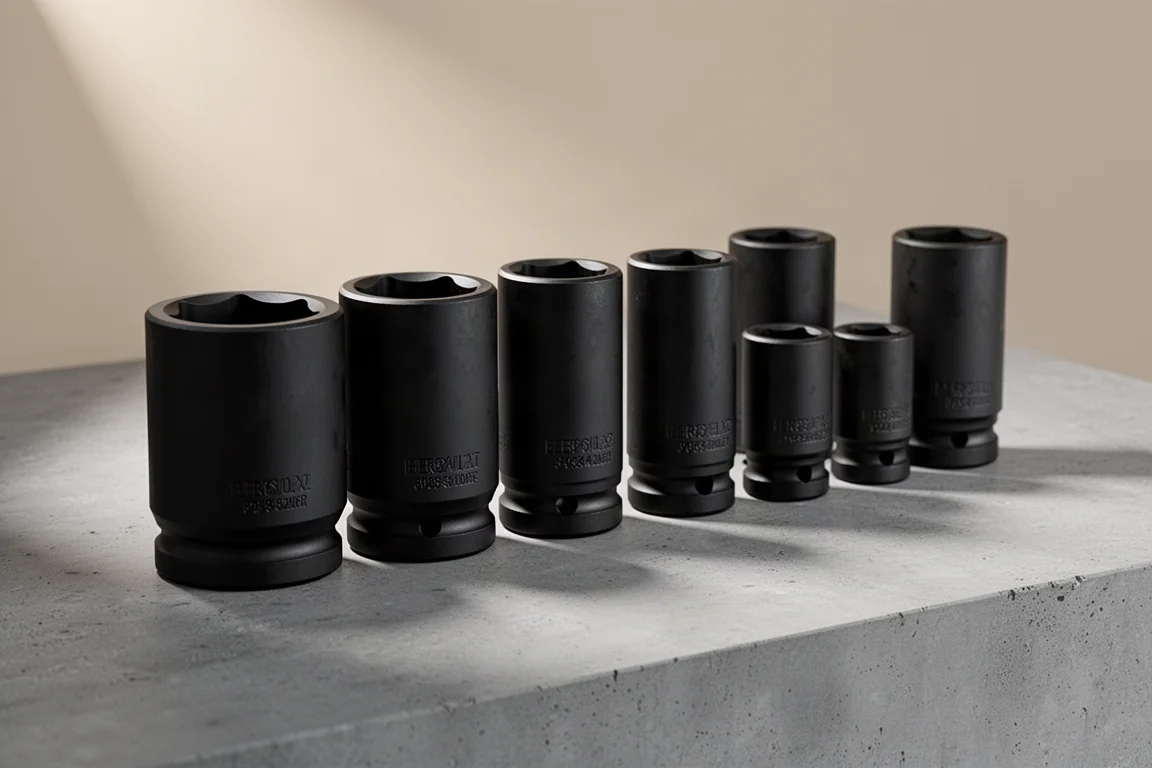
Here is where the comparison gets interesting. The Icon is labeled thin wall but is anything but. The Quinn is not labeled as thin wall, yet it actually is the thinner of the two. On a 19 mm deep socket, the Icon half-inch version weighed 10.2 ounces against 7 for the Quinn, nearly 50% heavier.
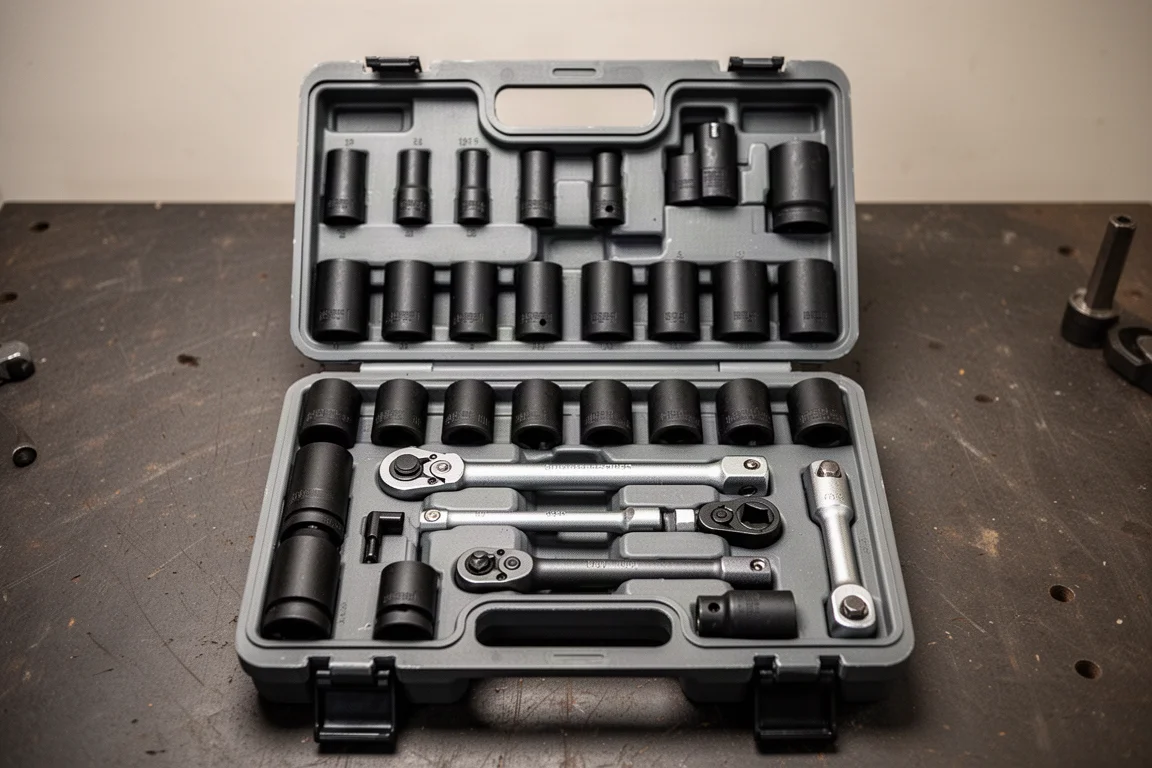
The gap shrinks on smaller sizes. A 19 mm shallow comparison showed just 3.4 versus 3.7 ounces, which is close to a trivial difference. So if thin walls and lighter weight matter to you, the Quinn quietly does the job the Icon advertises.
Cases and Storage
Storage is one of the more visible differences between the two brands. Quinn cases use lids with removable pins that convert into toolbox trays, which is genuinely practical. The Icon sets come with bulkier plastic cases that eat more drawer space and feel lower quality by comparison.
Which One Should You Buy?
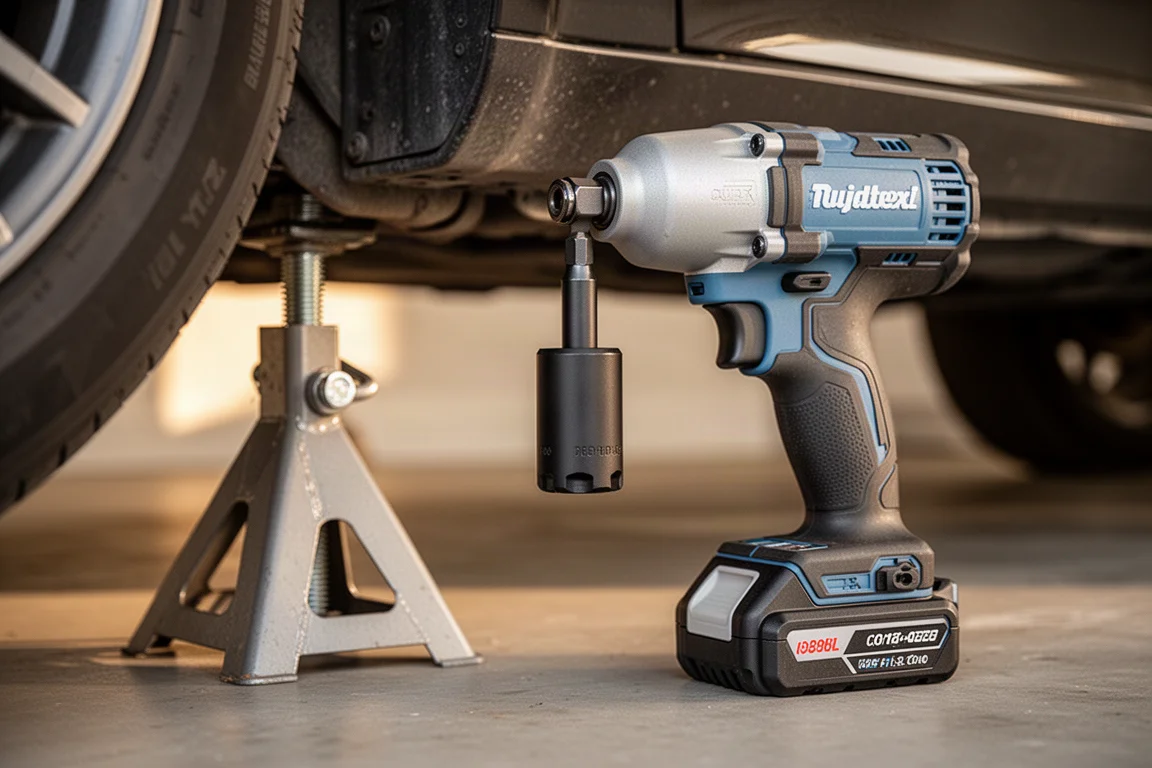
If you want the best value, the Quinn sets are hard to argue with. The price gap has grown to the point where buying no-warranty generic imports makes little sense, since Quinn offers chrome-molybdenum construction, decent cases, and a lifetime warranty for close to no-name money.
The Icon sets make sense if you specifically want heavier sockets that can add breaking torque on stubborn fasteners, or if you prefer to stay within the Icon ecosystem. Both carry lifetime warranties, so either choice is low risk.
Conclusion
Quinn takes this round with thinner walls, lighter sockets, better cases, and roughly half the price. Icon remains a solid option for heavier-duty socket work, but for most buyers adding impact sockets to their collection right now, Quinn is the smarter spend.
Further reading
Related Reviews
Hand Tools
Best Diagonal Cutters 2026: 16 Pliers Tested for Cutting Power and Durability
We put 16 diagonal cutters through nail, screw, drill bit, and hex key tests to find the best value picks for your toolbox.
Hand Tools
Best Hex L Key Sets 2026: Nine Sets Tested for Real-World Torque
Nine hex L key sets from budget to premium, tested for torque, fit, and durability. See which sets deliver real performance and which ones to skip.
Hand Tools
Best Locking Pliers 2026: Top Picks Tested for Grip and Durability
We tested 18 brands of 10-inch locking pliers for grip strength, jaw bite, build quality, and ease of release to find the best options for tough jobs.