Hand Tools
Quinn vs Icon vs Astro: Which 1/2 in Drive Socket Set Should You Buy?
A practical comparison of four socket sets covering standard chrome, low profile impact, and low-clearance work, with size ranges, case quality, and value trade-offs.
Introduction
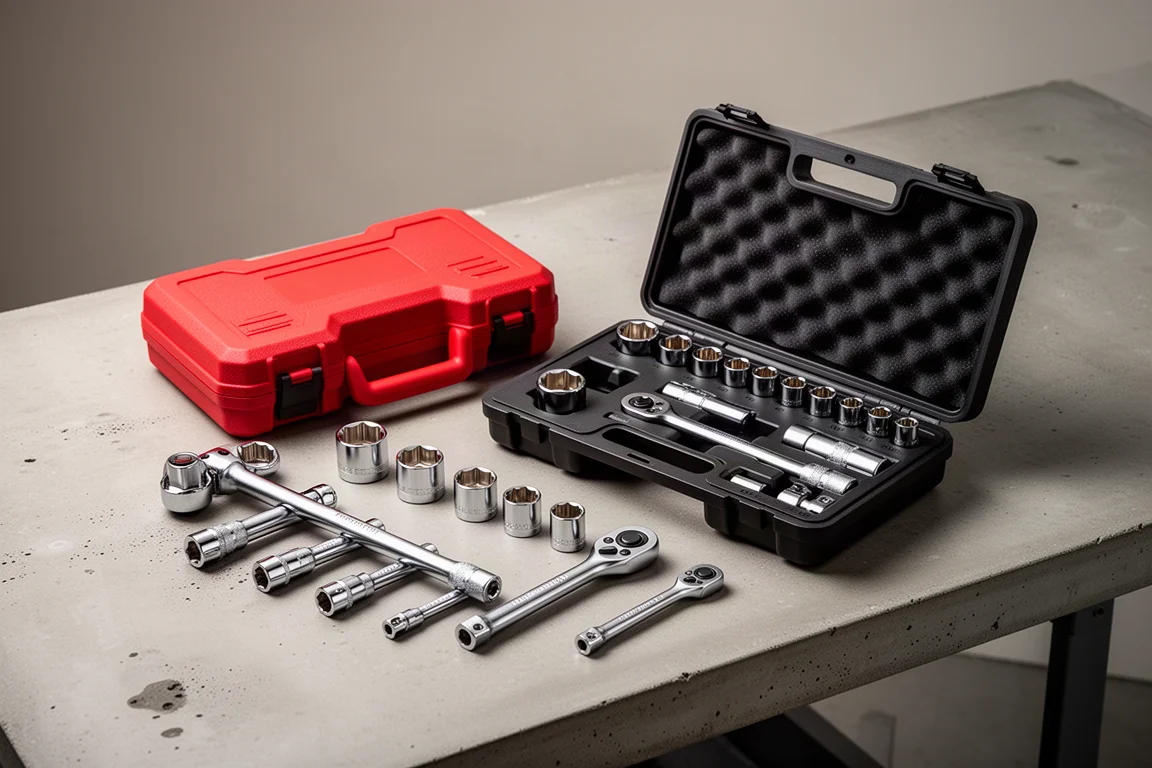
Harbor Freight’s house brands overlap in ways that make buying decisions genuinely confusing. Quinn and Icon both sell 1/2 in drive chrome socket sets, and both brands sell low profile impact sockets that look like they came from the same idea. The interesting outcome of comparing them closely: Quinn actually beats Icon in one category, while Astro clearly beats Quinn in another. Here is how the four sets stack up.
Icon 1/2 in Drive Socket Set
The Icon 1/2 in drive line covers metric from 12 to 24 mm in shallow and deep, with SAE versions running from 3/8 in to 1 and 1/8 in. Buying all four sets (metric and SAE, shallow and deep) lists at around $226, or about $147 during Harbor Freight’s 35% off socket sales. The metric half, shallow and deep only, comes to roughly $73.
These are very nice sockets. The deep sets have proven themselves over long-term use, and the finish, chamfering, and broaching are all well executed. Icon markets them as hardened chrome moly, which is unusual wording for a chrome socket, since chrome moly is typically associated with impact sockets and chrome vanadium with polished chrome ones. It may be an attempt to mimic premium steel formulations, but the practical difference for most buyers is hard to verify.
The main drawback is the limited size range. Metric stops at 12 mm on the small end and 24 mm on the large end, which leaves out both very small stubborn bolts and larger suspension or axle hardware.
Quinn 1/2 in Drive Socket Set
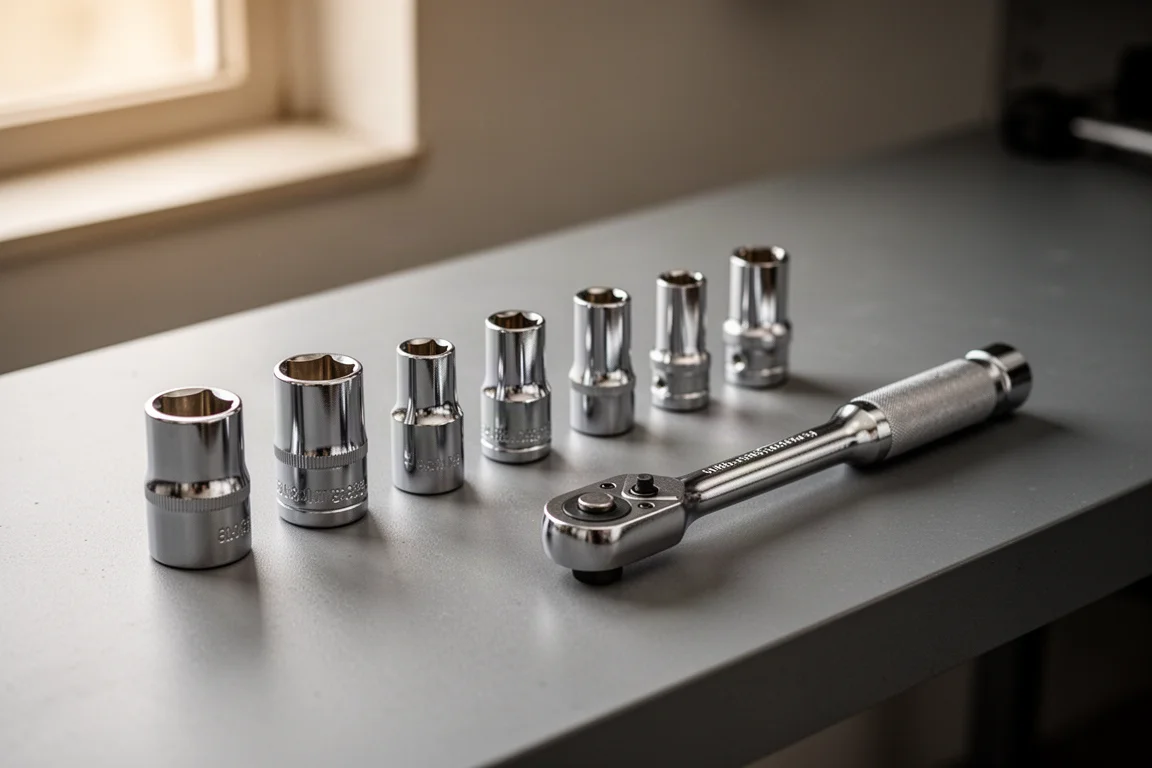
The Quinn 1/2 in master metric set costs about $101 and covers a much wider range: 10 to 32 mm, with a no-skip SAE set from 3/8 in up as well. That means sizes the Icon line simply does not offer, including the useful 10 mm in 1/2 in drive for stubborn small bolts, and extension up to 32 mm for bigger fasteners.
The sockets themselves are nicely chromed, well chamfered, and broached slightly deeper than the Icon equivalents. They are made in Taiwan and hold up as very good mid-range sockets. The set also includes a low-profile ratchet that closely resembles the GearWrench 92 pattern, a breaker bar, two extensions, and a non-spring-loaded U-joint. The ratchets feel better to many users than the first-generation Icon ratchets.
Against a Snap-on comparison at 32 mm, the premium socket is visibly beefier, but the metric-only shallow set from a premium brand can run $400 or more, and the returns diminish quickly. For around $100 with a broad size range, a ratchet, and accessories included, this is the set that beats Icon on range and value, even if the sockets themselves are a small step down in refinement.
Quinn 1/2 in Low Profile Impact Socket Set
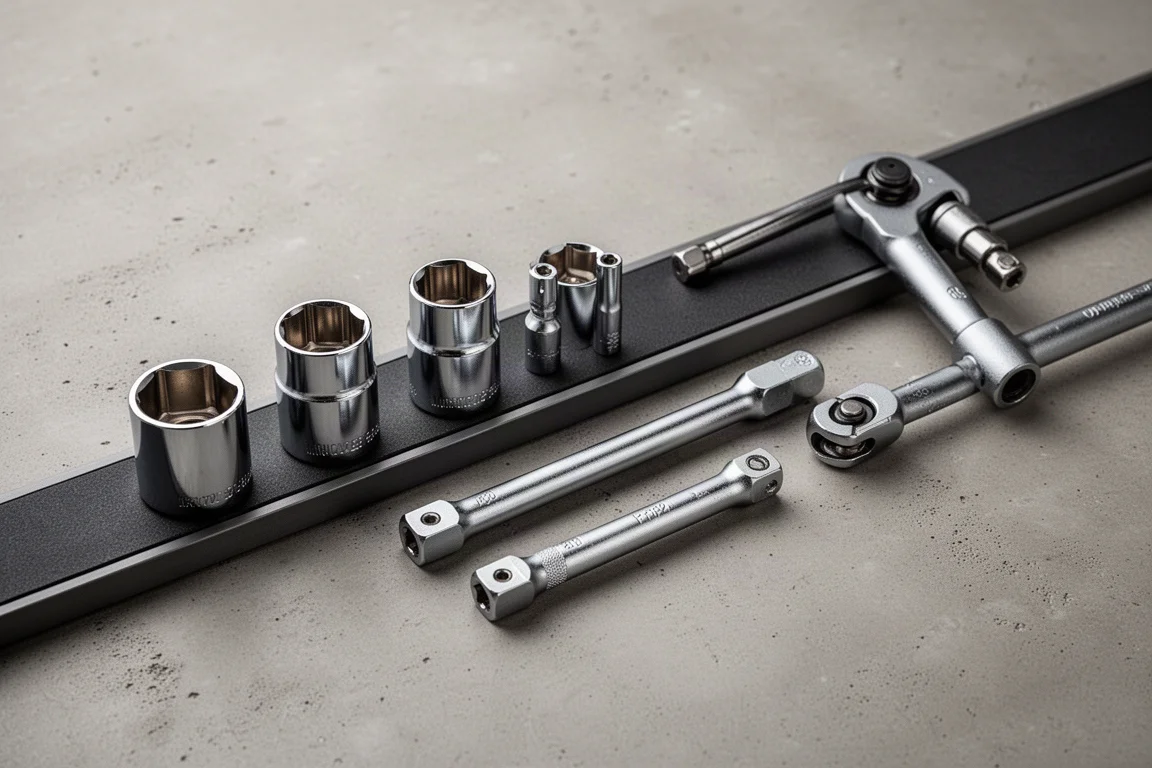
This Quinn set, priced around $26 on sale (normally $40), comes in 10 to 24 mm metric and an SAE version, both in 1/2 in drive only, and it ships in one of the nicest foam cases Harbor Freight offers across any socket line. The case alone is arguably worth a chunk of the price.
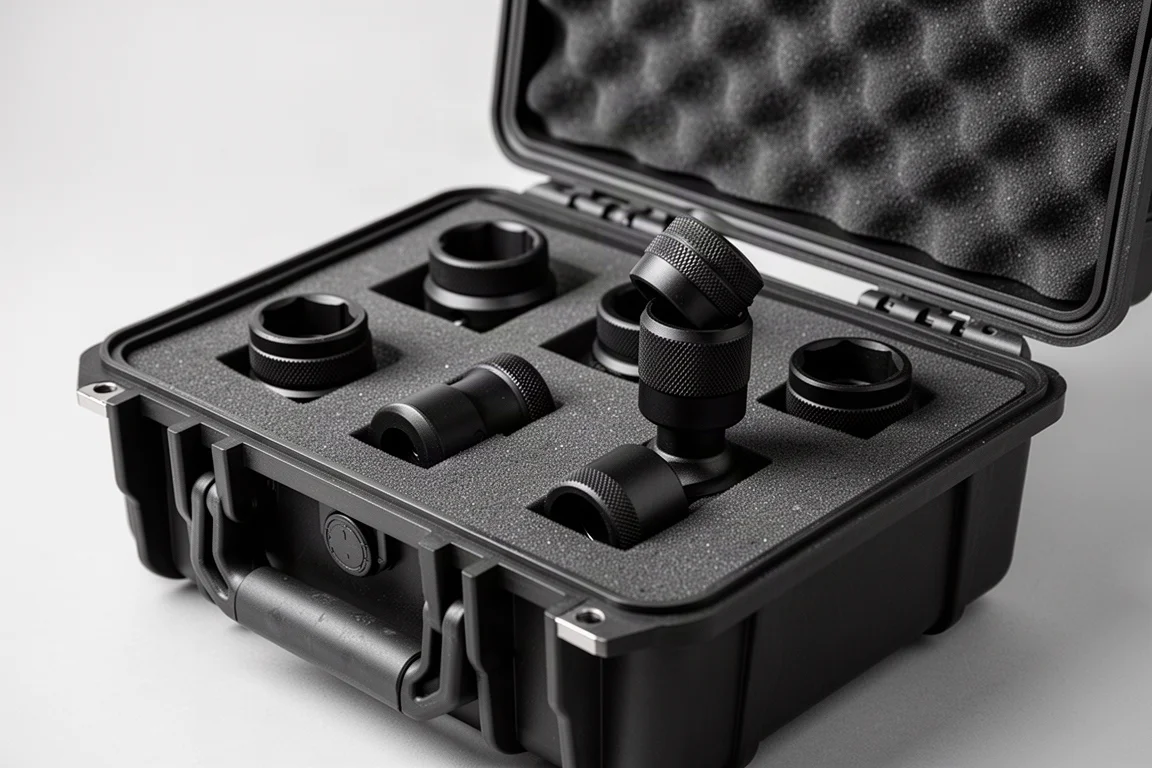
The problem is fundamental. These low profile sockets sit on a 22 mm half-inch interface, meaning the head is enormous relative to the small bolts they are meant to reach. The entire point of a low profile socket is clearance, and a big fat head on a 10 or 13 mm bolt defeats that purpose. The optional snap-in low-profile wrench handles are sold separately, and even then the tool remains oversized for the fastener.
It is cheap enough to work as an entry point if you want to experiment with low-clearance sockets, but for most buyers there is a clearly better option below.
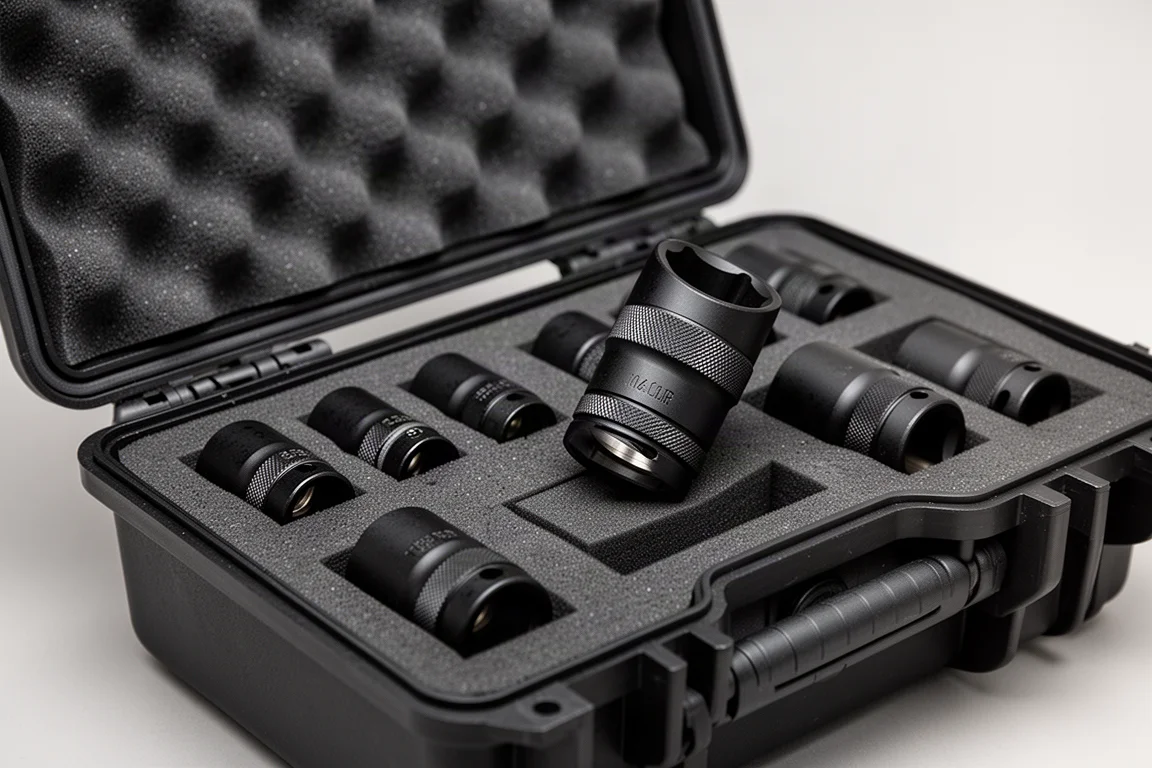
Astro Low Profile Impact Socket Set
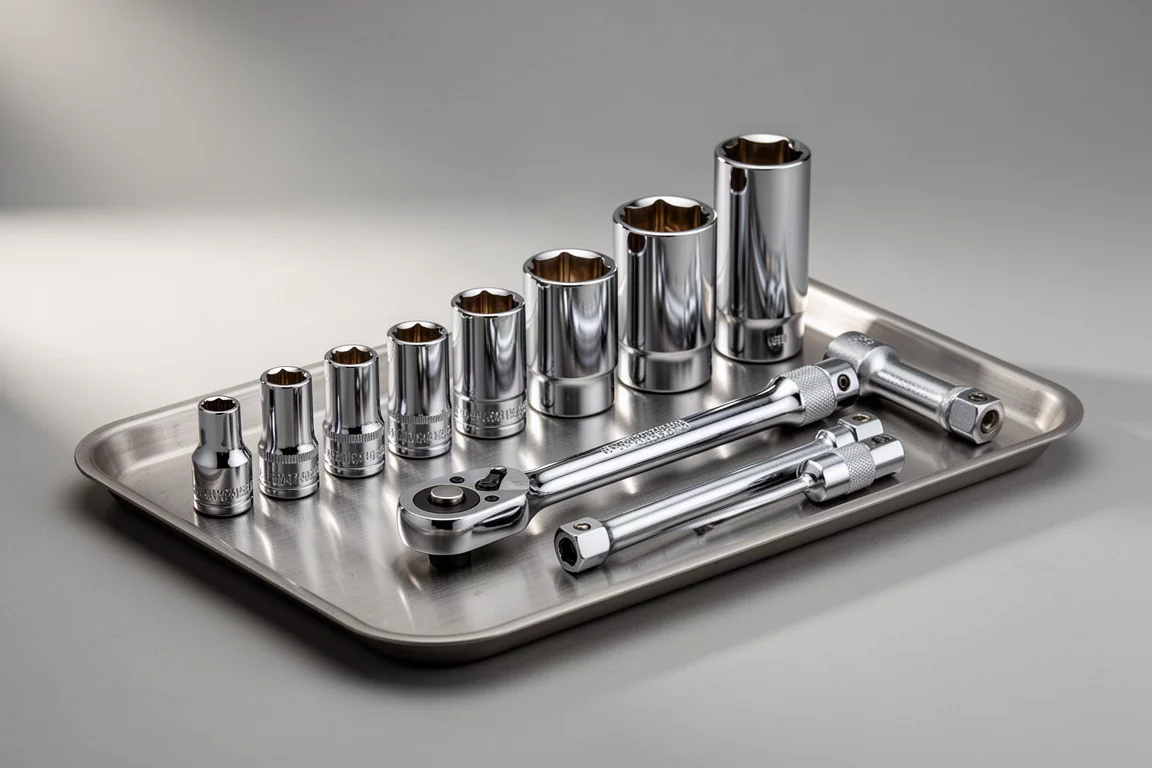
The Astro sets are what the Quinn low profile sockets imitate, and they get the details right. The 3/8 in drive version covers 6 to 24 mm and sits on a 17 mm wrench interface, so even a 10 mm socket ends up on a compact, appropriately sized wrench. That makes a real difference in tight engine bays and other low-clearance situations. It runs around $50 to $55.
The 1/2 in drive version starts at 17 mm and runs to 30 mm with no skips, which makes far more sense than starting at 10 mm for a half-inch interface. Big sockets for big bolts, suspension and engine hardware, paired with a big wrench. That set is about $55.
Astro costs roughly double the Quinn equivalent, but you get nearly twice the socket coverage and a tool design that actually works as intended. Unless you only want a cheap taste of low-profile sockets, this is the one to buy.
Buying Advice
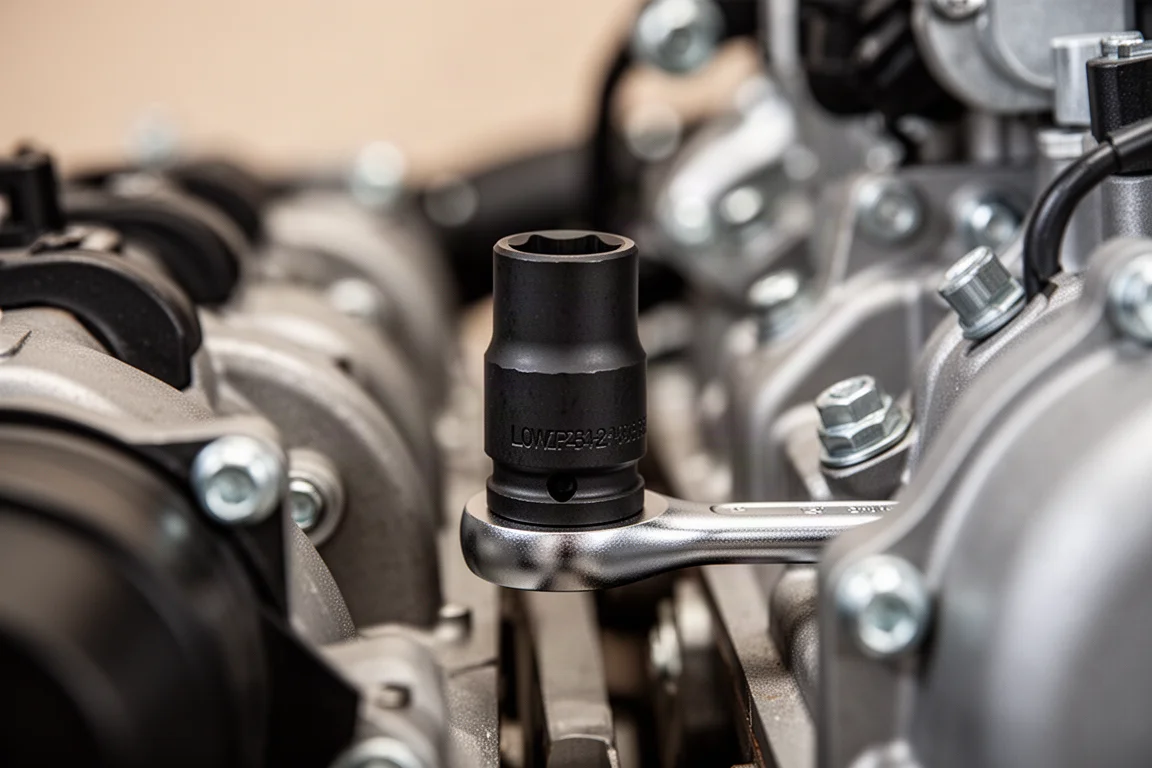
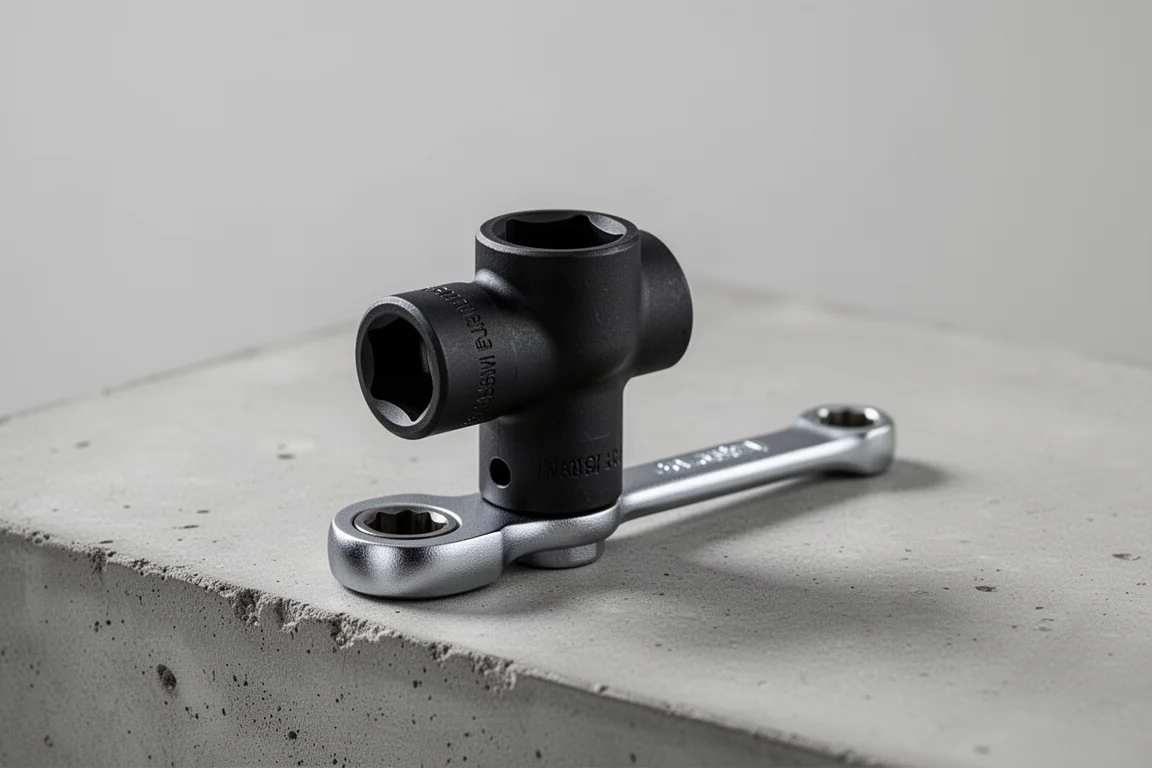
If you want a full 1/2 in drive chrome socket set, the Quinn master set at around $101 is hard to beat for range and included accessories, and it is the better value for most home and mid-level users. The Icon sets are the pick if you prefer slightly finer refinement and do not need sizes outside 12 to 24 mm metric, and the sale pricing around $73 for metric shallow and deep makes them competitive. Skip the Quinn low profile impact set unless the $26 price is the whole appeal, and put the money toward the Astro sets instead. Case quality matters too: the Quinn low profile foam case is excellent, while Icon’s blow-molded boxes are heavy and bulky enough that many buyers will move the sockets into rails or custom organizers and discard the case.
Conclusion
Quinn wins the chrome socket value fight with a wider range, a ratchet, and a breaker bar for around $100. Icon remains the more refined choice if the size range fits your needs. In the low profile impact category, Astro’s wider size coverage and better wrench interface make it the clear winner over the Quinn imitation. Match the set to your actual fastener range, and each of these can earn its place in a toolbox.
Further reading
Related Reviews
Hand Tools
Best Diagonal Cutters 2026: 16 Pliers Tested for Cutting Power and Durability
We put 16 diagonal cutters through nail, screw, drill bit, and hex key tests to find the best value picks for your toolbox.
Hand Tools
Best Hex L Key Sets 2026: Nine Sets Tested for Real-World Torque
Nine hex L key sets from budget to premium, tested for torque, fit, and durability. See which sets deliver real performance and which ones to skip.
Hand Tools
Best Locking Pliers 2026: Top Picks Tested for Grip and Durability
We tested 18 brands of 10-inch locking pliers for grip strength, jaw bite, build quality, and ease of release to find the best options for tough jobs.