Power Tools
Quiet Impact Driver Showdown: DeWalt XR vs Milwaukee M18 Fuel Surge
Two hydraulic quiet impact drivers go head to head for sound level, power, and balance. Here is which one makes sense for your workbench and your ears.
Introduction
Quiet impact drivers have quietly changed how people work. Instead of the hammering clatter of a traditional impact driver, hydraulic designs trade some brute force for a dramatically lower sound signature, meaning less need for ear protection on every fastener.
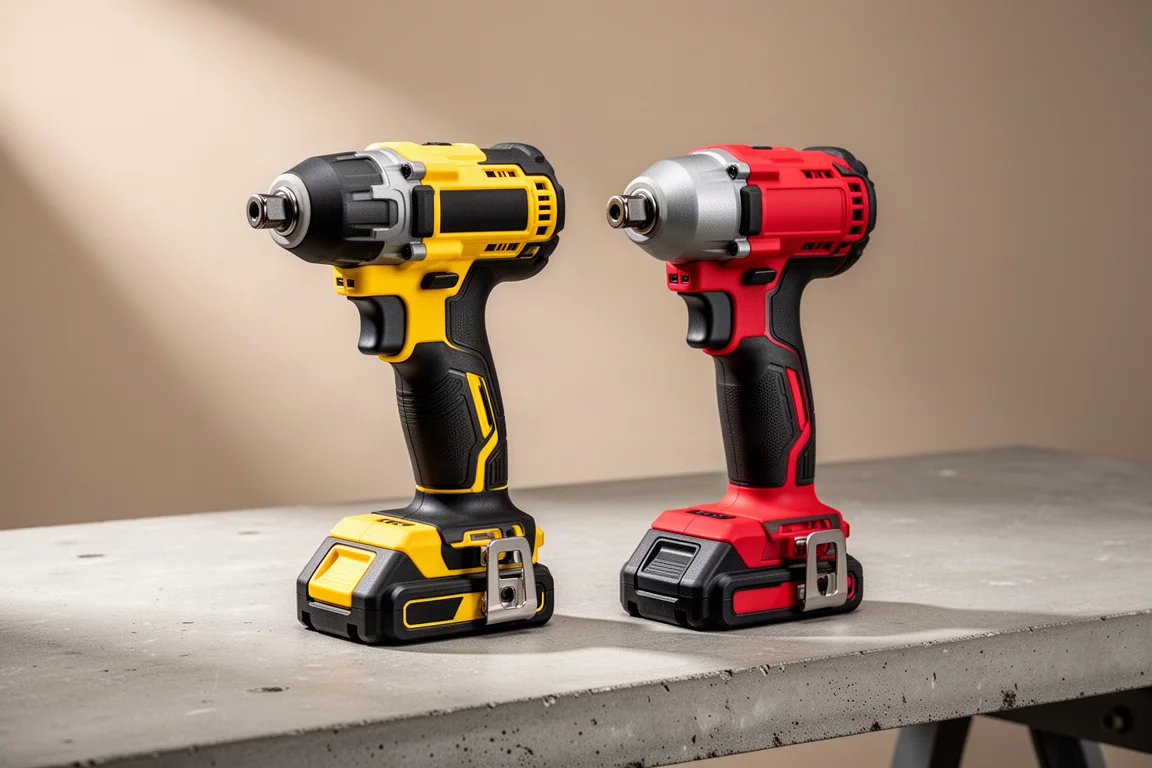
Two tools define this category right now. The Milwaukee M18 Fuel Surge is the one that brought quiet impact drivers to the job site and has been the benchmark for roughly a decade. The DeWalt XR Quiet Impact Driver is the newcomer, arriving about ten years after the Surge but with a decade of newer technology behind it. We spent time driving everything from drywall screws to six-inch structural lags with both, and the results were more interesting than the spec sheets suggest.
Why Quiet Impact Drivers Matter
Both tools claim the same headline numbers on paper: the DeWalt delivers 0 to 4,200 impacts per minute and 0 to 3,000 RPM, while the Milwaukee offers 0 to 4,000 impacts per minute and 0 to 3,000 RPM. On a spreadsheet, ten years of development bought DeWalt just 200 extra impacts per minute.
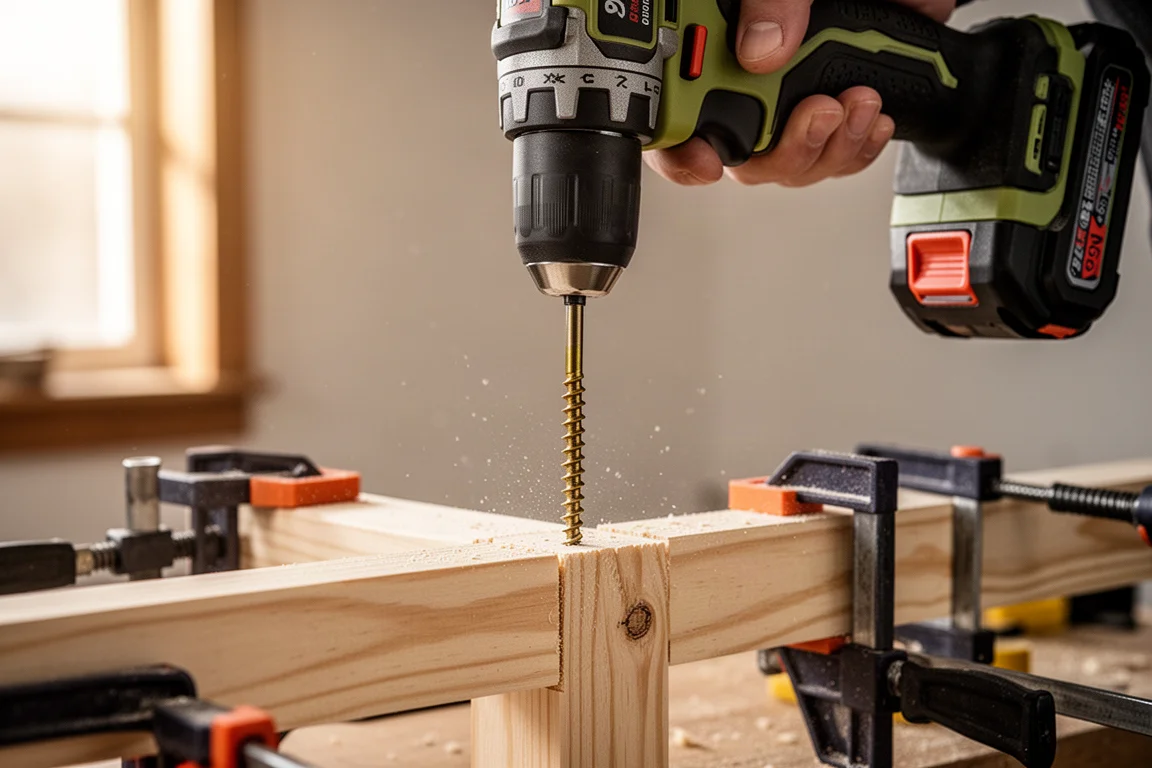
In practice, the numbers do not tell the whole story. The DeWalt impressed with the consistency and power of its impacts, especially when running lag fasteners or drilling holes, and it never felt underpowered regardless of which battery platform was attached. The Surge, meanwhile, has clearly aged well: it remains a three-speed driver with a dedicated fastening mode for metal, and it was prized from the start for being quiet enough to use without earpro.
Sound Testing: The Baseline
We started with standard fastener driving to establish a baseline. First came 1-5/8-inch drywall screws, then larger 3-inch screws, which made the difference in sound level much easier to judge by ear.
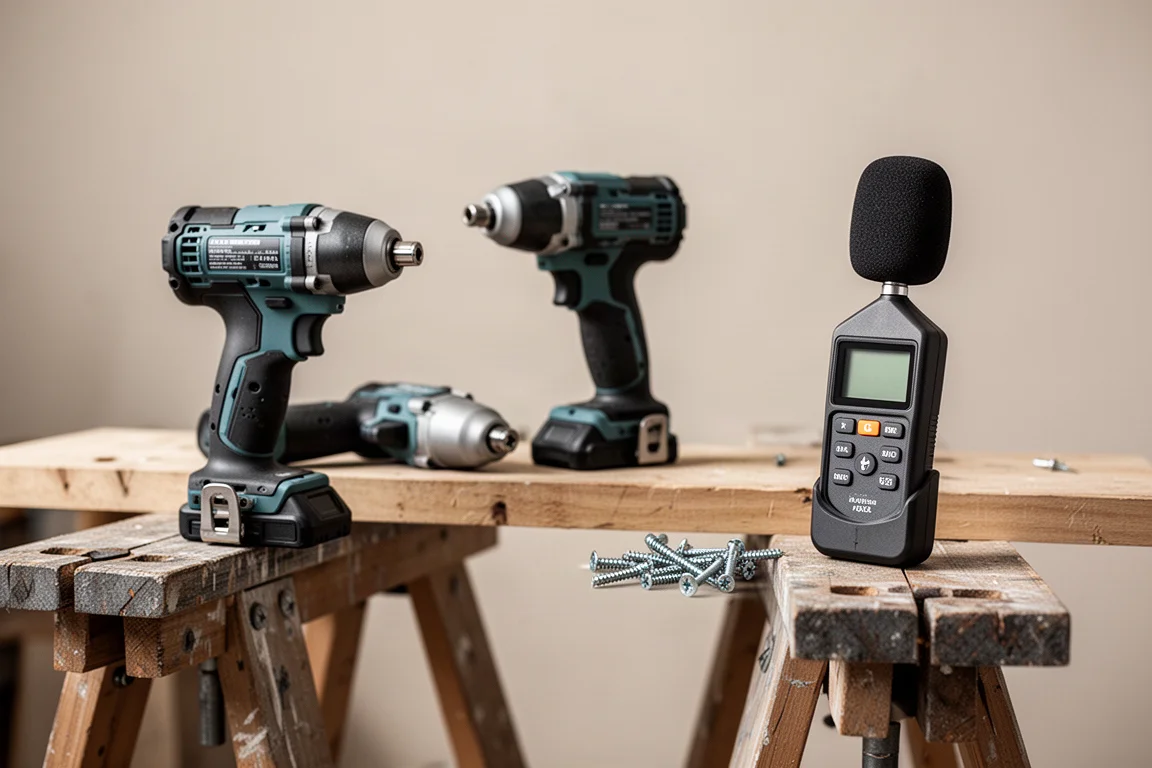
With the 3-inch fasteners, the DeWalt genuinely sounded quieter, particularly at the end of the drive when the screw was being seated and the sound peaked. The Milwaukee, being a decade older, was noticeably louder to the ears at that moment. To keep things fair, we compared DeWalt on speed 2 against Milwaukee on its top speed 3.
Speed and Control Differences
The speed settings do not map one to one between the two tools. DeWalt has effectively eliminated its old speed one, so its speed one behaves like the Surge’s speed two. Running smaller 1-5/8-inch fasteners on the lowest settings, the Milwaukee’s speed one felt somewhere in between the DeWalt’s first and second speeds.
At the top end, both tools were run side by side, and the DeWalt’s speed two seemed slightly faster than the Milwaukee’s speed three in this minimal testing. That suggests DeWalt’s newer motor and drive technology is doing more with each setting, even if the paper specs look nearly identical.
Heavy Fasteners: The Real Test
For the decisive test, we moved to 6-inch structural lag fasteners. These sit at the upper edge of what a quiet impact driver is meant for; if you needed to drive more than three or four of these, a traditional impact driver would honestly be the better pick.
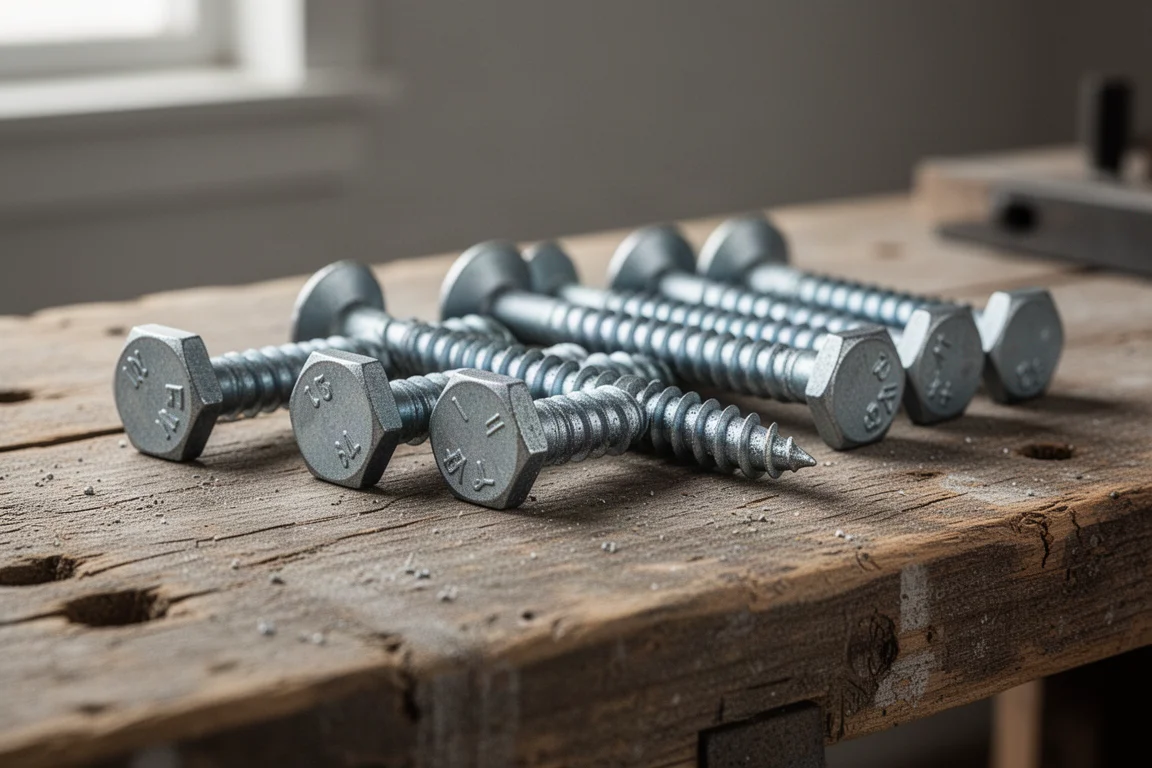
We ran the Surge on speed three with the Forge XC 6.0 battery, and the DeWalt on speed two with a full 8Ah Power Pack. Both tools stayed remarkably quiet, and it was only under peak load that the decibel levels spiked. The takeaway: both handled the hardest fasteners in this test, and neither felt like it was straining.
Weight and Balance
Weight is nearly a wash between the two. The DeWalt came in at 2 lb 2.9 oz, with its 8Ah Power Pack battery weighing 2 lb 2.4 oz. The Milwaukee weighed 2 lb 4 oz, with its battery at 2 lb 1.3 oz, roughly a one-ounce difference between the packs.
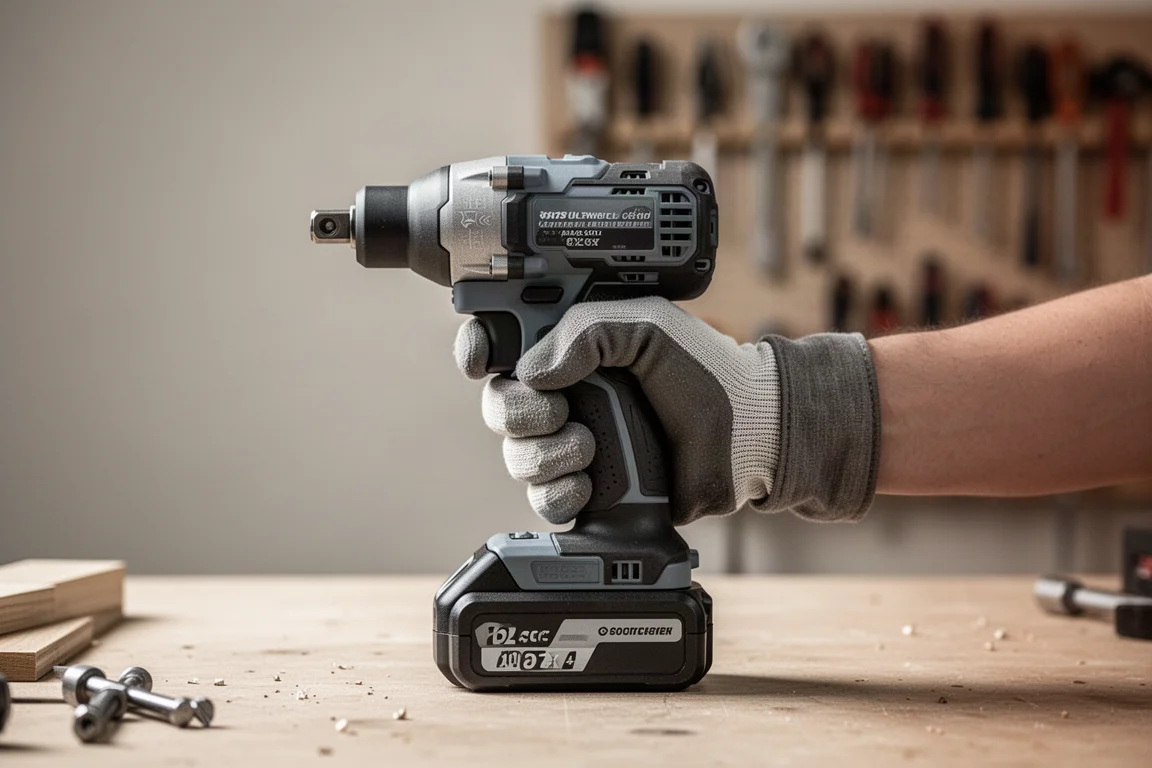
The battery technology difference explains some of that. Milwaukee’s Forge line uses pouch lithium cells, while DeWalt’s 8Ah Power Pack relies on an array of 21700 cells in a tablet architecture. DeWalt’s 8Ah pack should share the same footprint as the 6Ah, and the weight is pulled low, which makes both tools feel very balanced in hand.
Which One Should You Buy
If you are already on the Milwaukee M18 platform, the Surge remains a genuinely excellent tool: quiet, versatile with three speeds and a metal fastening mode, and proven over years of job site use. There is no urgent reason to abandon your batteries.
But if you are choosing fresh, or you are open to switching, the DeWalt’s decade-newer engineering delivers an impressively quiet, efficient, and powerful experience that strikes a better balance between power and sound than older quiet impact drivers managed. It used to be that buying quiet meant accepting a power penalty. The XR changes that calculus, and if it pushes other manufacturers to build quieter, more powerful tools, everyone benefits.
Conclusion
The Milwaukee Surge earned its benchmark status, and it still holds up well a decade on. The DeWalt XR Quiet Impact Driver shows what ten years of progress buys: comparable power, comparable weight, and a noticeably quieter, more consistent driving experience. Pick the one that matches your battery platform; if both are open to you, the newer entry has a real edge.
Product link
View more details for DeWalt XR Quiet Impact Driver
This product is mentioned in the review. Check the specifications, options, and compatibility before buying.
View more details for DeWalt XR Quiet Impact DriverFurther reading
Related Reviews

Power Tools
Best 1-Inch Pistol Impact Wrenches: Three Heavy-Duty Options Compared
We compare three 1-inch pistol impact wrenches, from a budget-friendly Harbor Freight model to a premium Caterpillar unit, to help you choose the right one.

Power Tools
Best 3/4-Inch Impact Wrenches 2026: Five Contenders Compared
We compare five 3/4-inch impact wrenches across price and performance, from a budget Amazon option to Snap-on's most powerful model yet.

Power Tools
Best Budget Cordless Tools 2026: Walmart Finds That Punch Above Their Price
We tested five cordless tools from Walmart, including a high-torque impact wrench that trades blows with Milwaukee and a $35 duster that outperforms its price class.