Hiking Gear
800 km Pyrenees Thru-Hike Gear List: 12 Ultralight Essentials
A roughly 5 kg base weight kit for an 800 km thru-hike across the Pyrenees, with twelve pieces of gear that earn their place and the trade-offs behind each choice.
Introduction
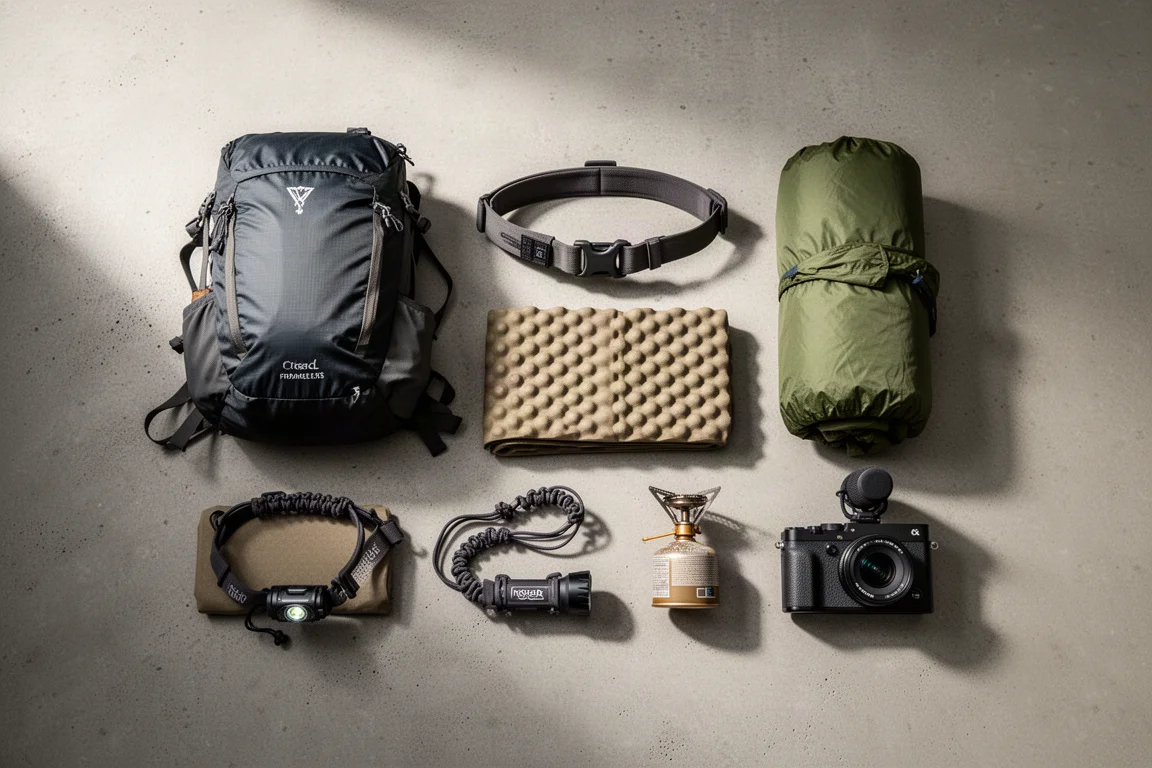
An 800 km thru-hike on the HRP across Spain reduces every gear decision to a single question: does this item earn its place in the pack? The complete base kit here comes to roughly 5 kg before food, water, and other consumables are added, and it splits across just two carry pieces. A hip belt holds the heavy, frequently used items, and a frameless pack takes everything else.
This list covers the pieces that do the real work on a route like this. Some are proven over long distances, others are new additions whose value shows up in specific conditions. Where a choice involved a genuine trade-off, the trade-off is explained rather than hidden.
How This Gear List Was Built
Three priorities shaped the kit: total weight, reliability, and simplicity. Everything fits into a hip belt and a frameless pack, and the base weight lands around 5 kg once food and water are excluded. Every item that could be replaced by something lighter without introducing a failure point was replaced. Every item that could fail in the middle of a mountain range was treated with suspicion.
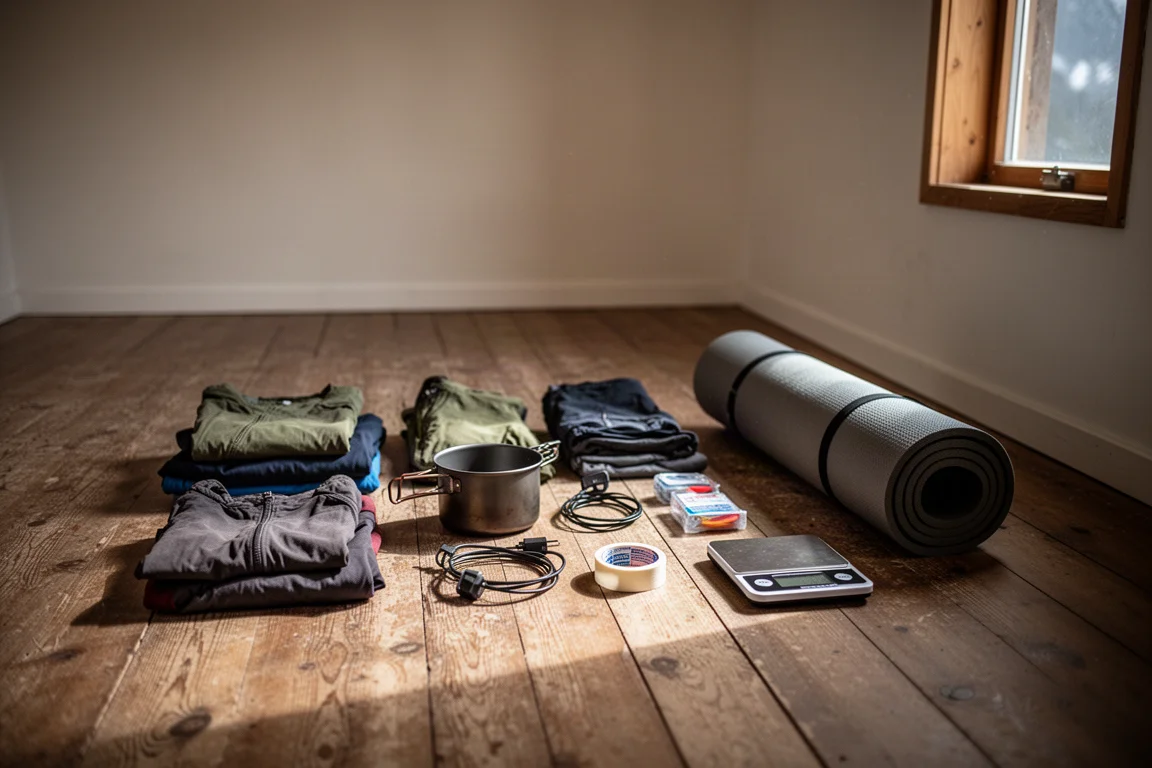
Weight alone does not decide anything. A closed-cell foam mat is bulkier than an inflatable, yet it cannot puncture. A stove without an ignition system weighs almost nothing, yet it needs a backup lighter. The notes below flag where the kit accepts a small inconvenience in exchange for something more dependable.
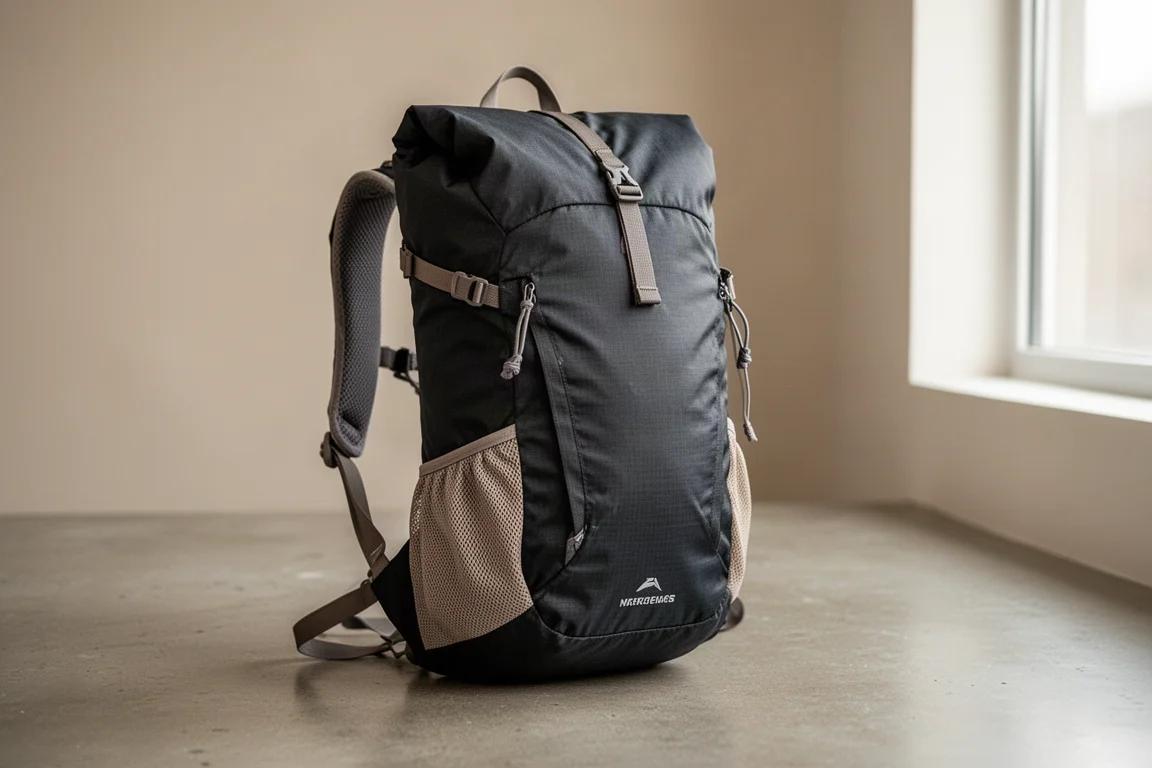
Lightweight Elementum Backpack
The pack itself weighs around 500 g and has already carried a full thru-hiking season, which says more about its durability than any specification. It is frameless, so the load stays light and the structure comes from careful packing rather than a frame sheet or stays. Inside it, a DCF pack liner from the same maker keeps everything dry. It is a simple, buckle-free design that has proven far more durable than a standard plastic bag.
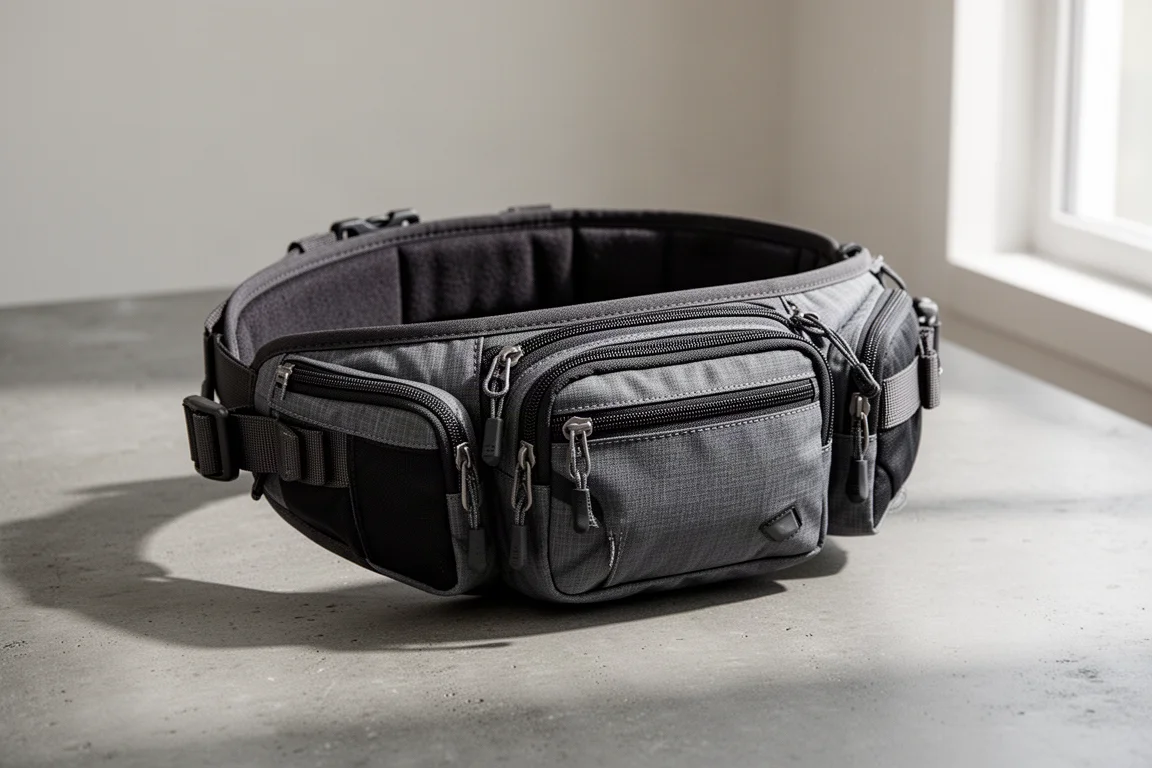
CamelBak Flow Hip Belt
Chunky hip belts are not the norm among thru-hikers, but this one solves a specific problem: it puts the camera and microphone within reach without unpacking anything. Alongside them sit spare camera batteries, a small Bluetooth timer for the phone, and a wallet in the front pocket. The bottle that ships with the belt has been swapped out for the water filter used on the whole route, which keeps the most frequently used item of the day at arm’s reach.
Montbell Versalite Rain Jacket
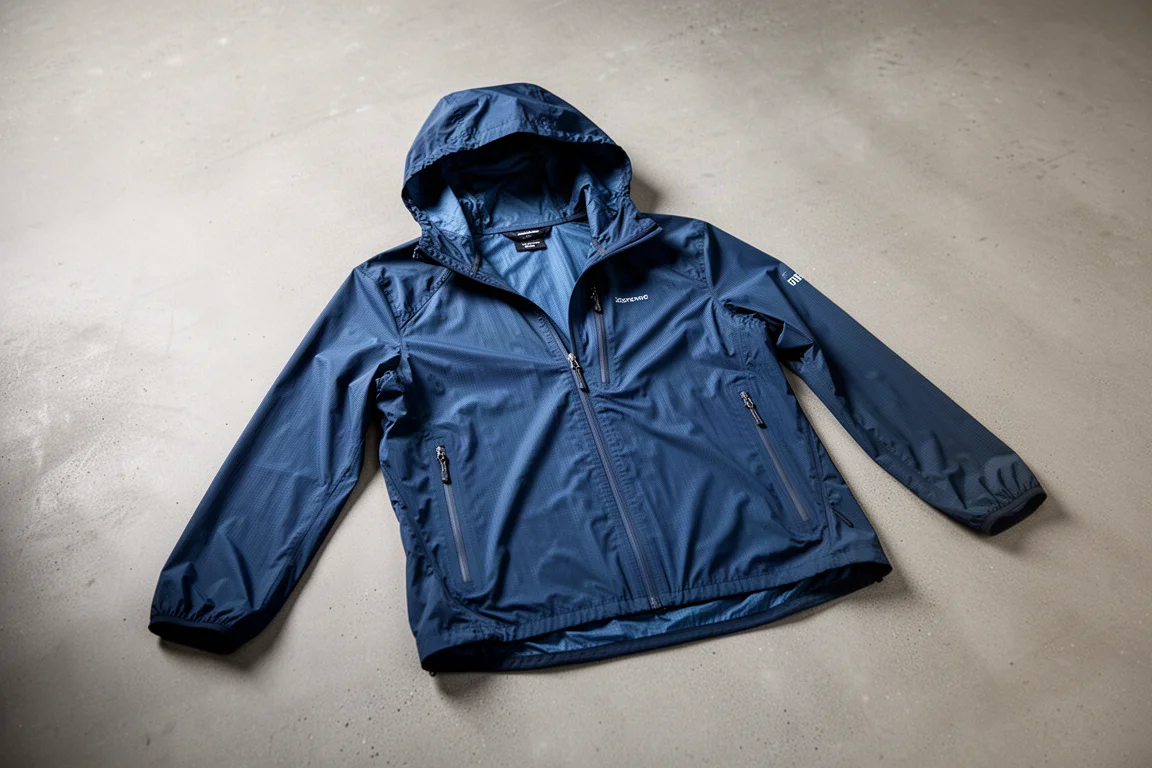
This is both the windshell and the rain shell: a Gore Windstopper construction that weighs very little and packs down small. The feature that matters most is the pit zips, which let heat escape on warm, wet days when a shell would otherwise turn into a sauna. It is a recent arrival and has not been worn in the mountains yet, but it comes recommended by a hiker with extensive Pyrenees experience.
Lightweight PyraOmm Shelter
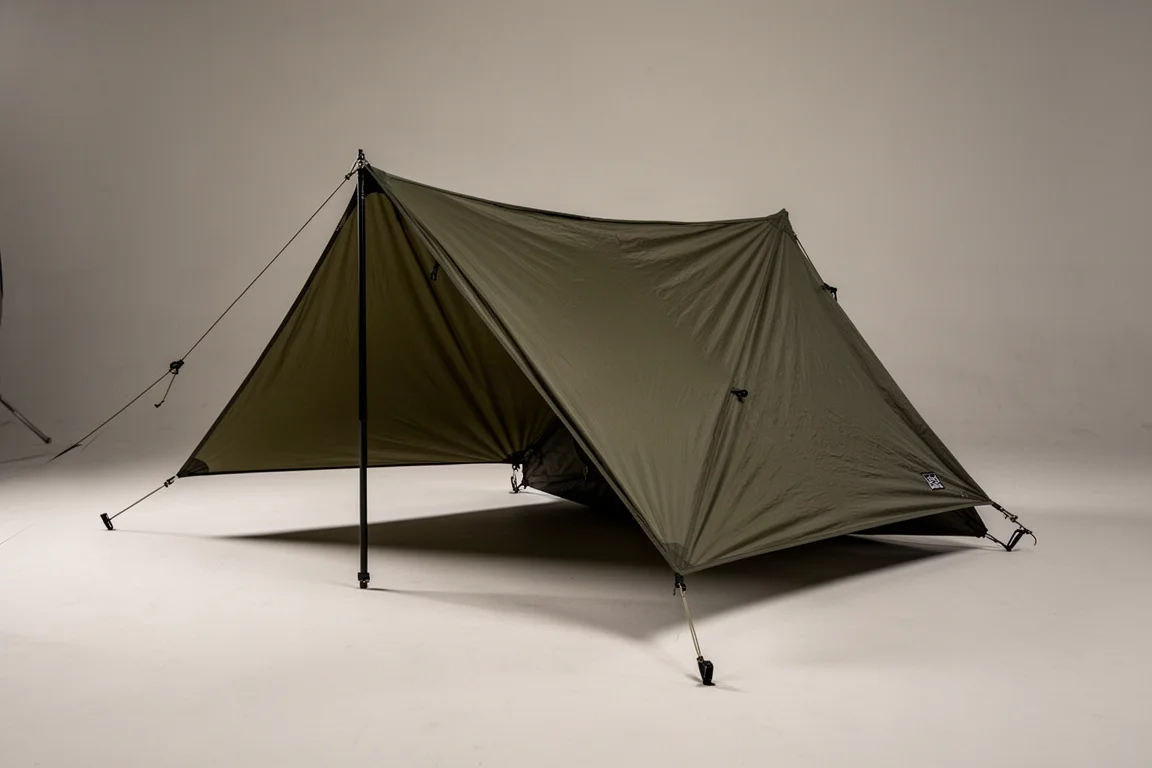
The shelter is a single-wall design used without its inner mesh, which removes a meaningful amount of weight and bulk. A polycryo ground sheet takes the place of a sewn-in floor. The compromise is bug protection: on warm evenings at lower elevation there is nothing between the sleeper and the insects. The mesh stuff sack that holds the quilt doubles as a mosquito headband, which covers most of the problem.
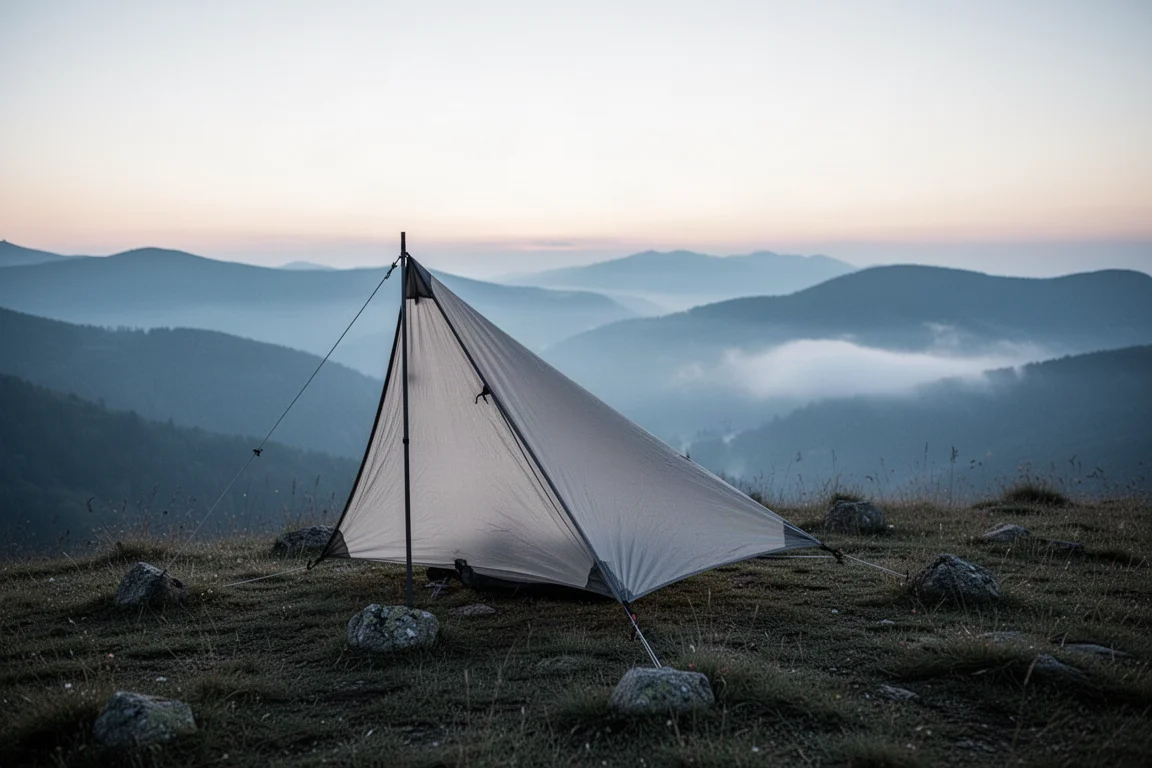
Polycryo has one other quirk worth knowing about. It develops a noticeable smell when wet, so it needs to be dried out each day. For a shelter that pitches fast and weighs almost nothing, that is an acceptable routine.
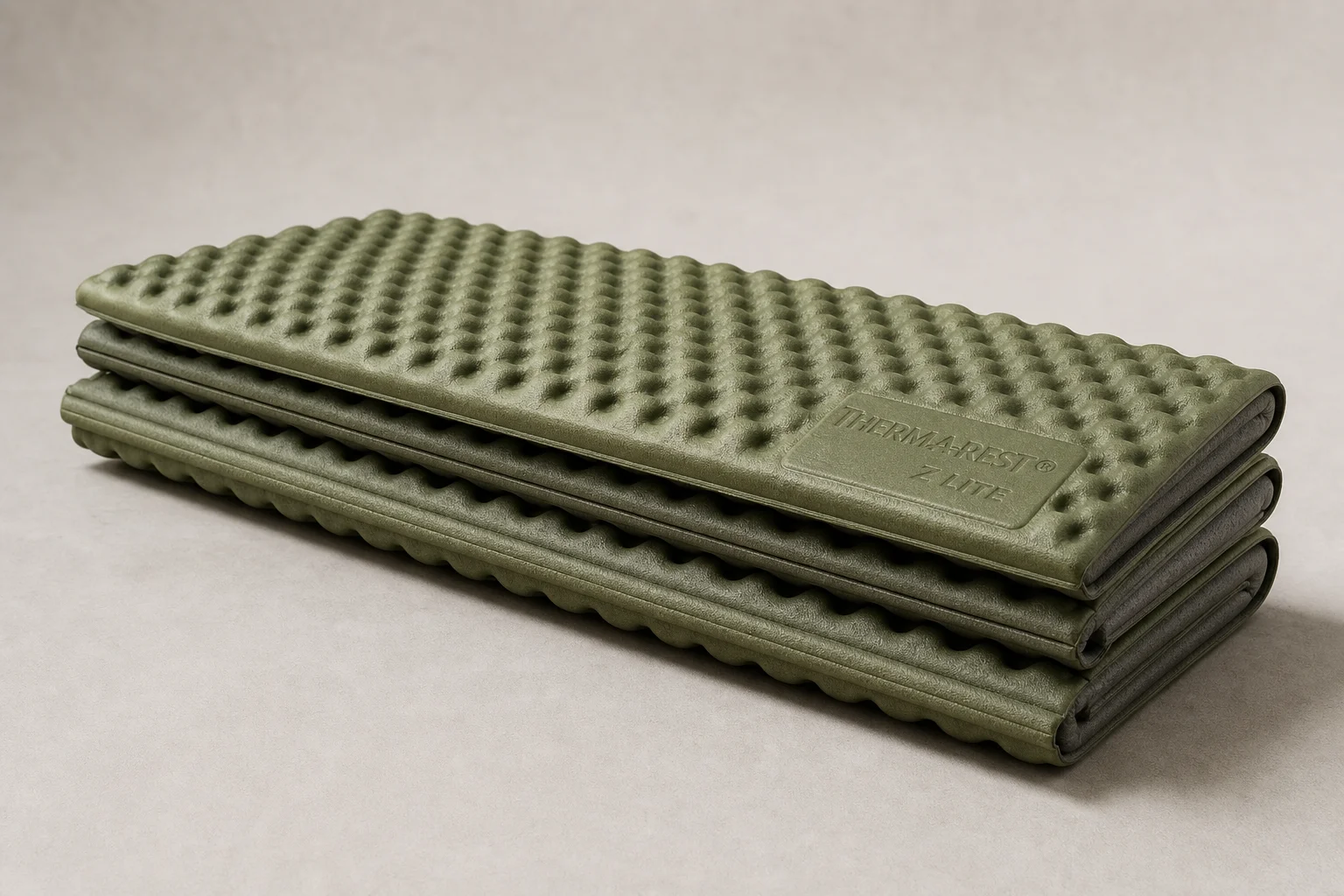
Therm-a-Rest Z Lite Sleeping Mat
The Z Lite has been cut down to eight sections, enough to cover shoulders to hips and nothing more. Closed-cell foam is not luxurious, but it cannot puncture, cannot leak, and cannot slowly deflate overnight. An inflatable mat was tried and abandoned: it was so thin that staying on top of it through the night proved impossible. On a long route, the mat that is always ready beats the mat that is comfortable for the first hour.
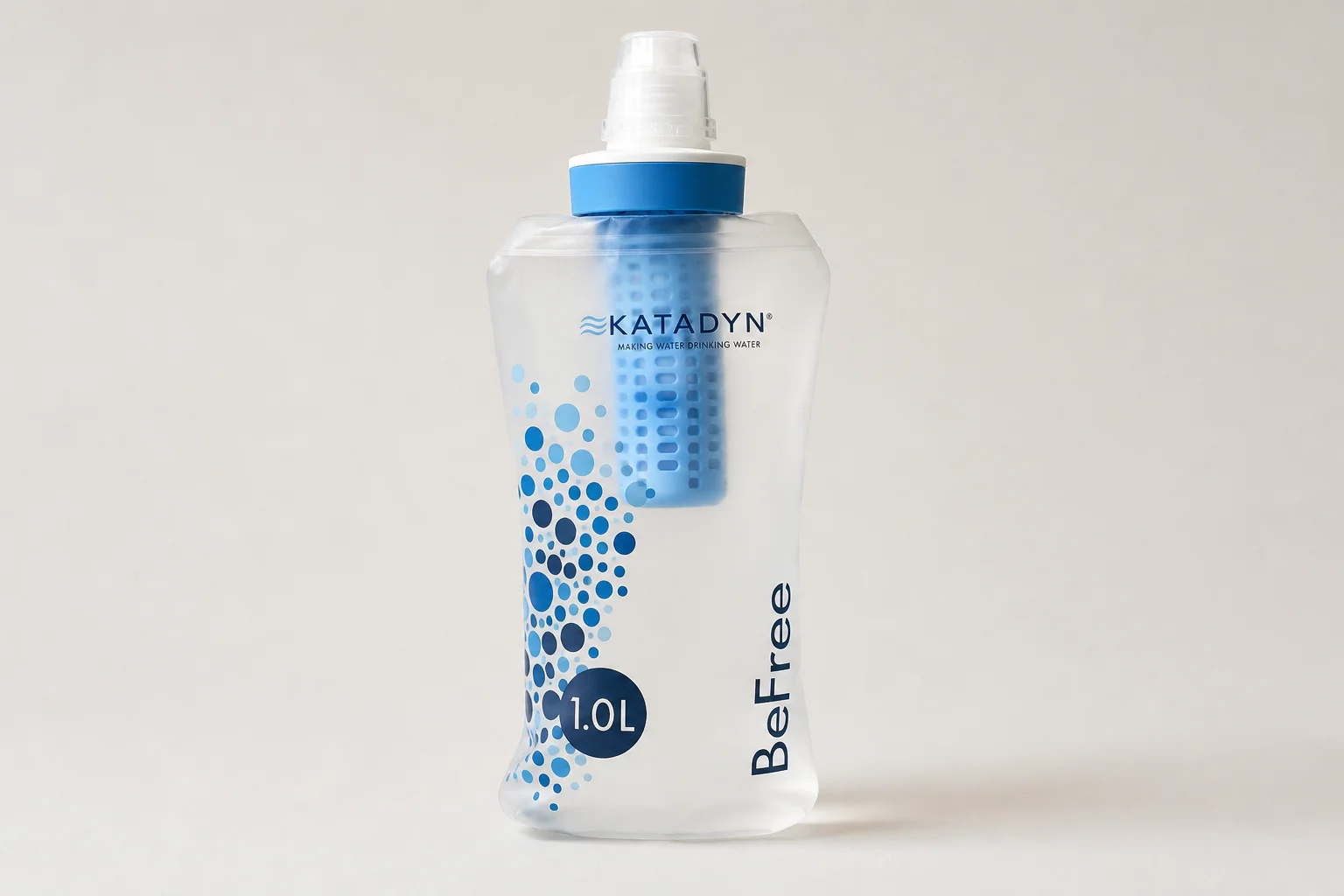
Katadyn BeFree Water Filter
Water treatment and water storage are handled by the same 600 ml bottle, which sits in the hip belt. Because so much of the route passes streams, filling it takes seconds and requires no unpacking. Two standard two-litre bottles and an additional 500 ml soft flask extend capacity for long, dry stretches.
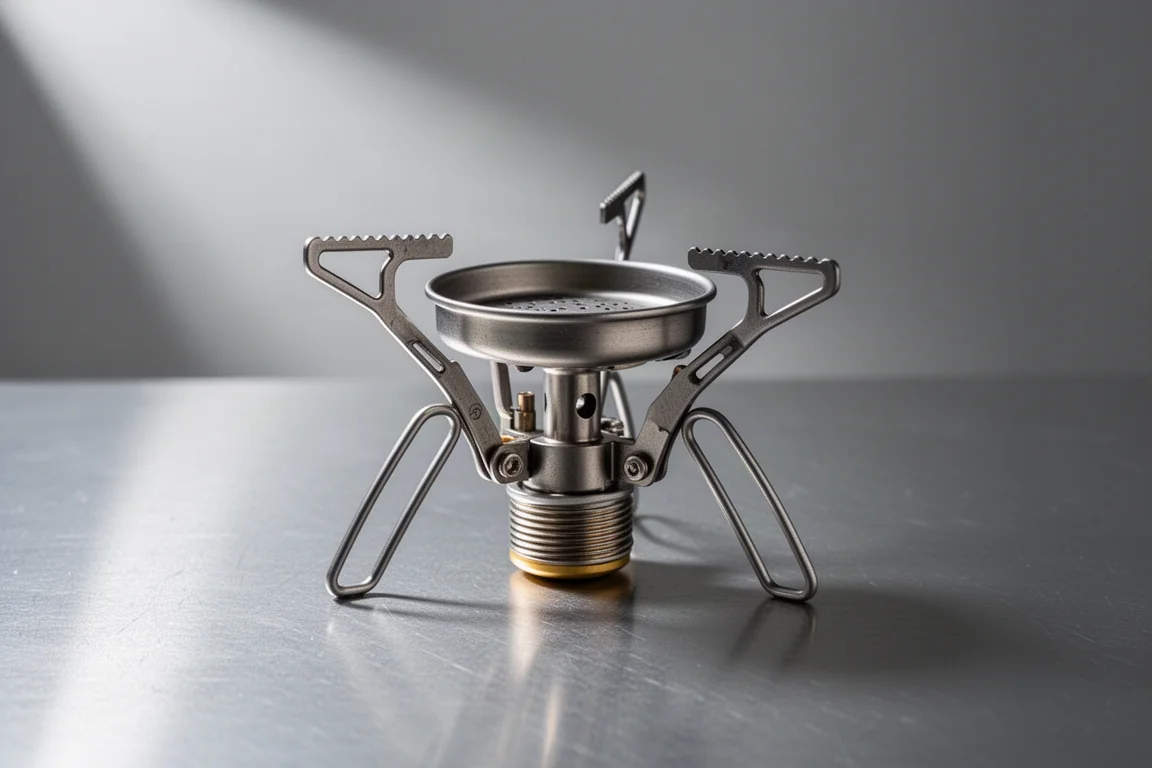
BRS 3000 Stove
At roughly 28 g, this is about as light as a canister stove gets. There is no piezo ignition, so a small lighter travels with it, and that is the entire system: a tiny stove, a pot, and a lighter. A paper coffee filter handles morning coffee, and a jar doubles as a cup and as a cold-soak container for the stretches where cooking is skipped entirely.
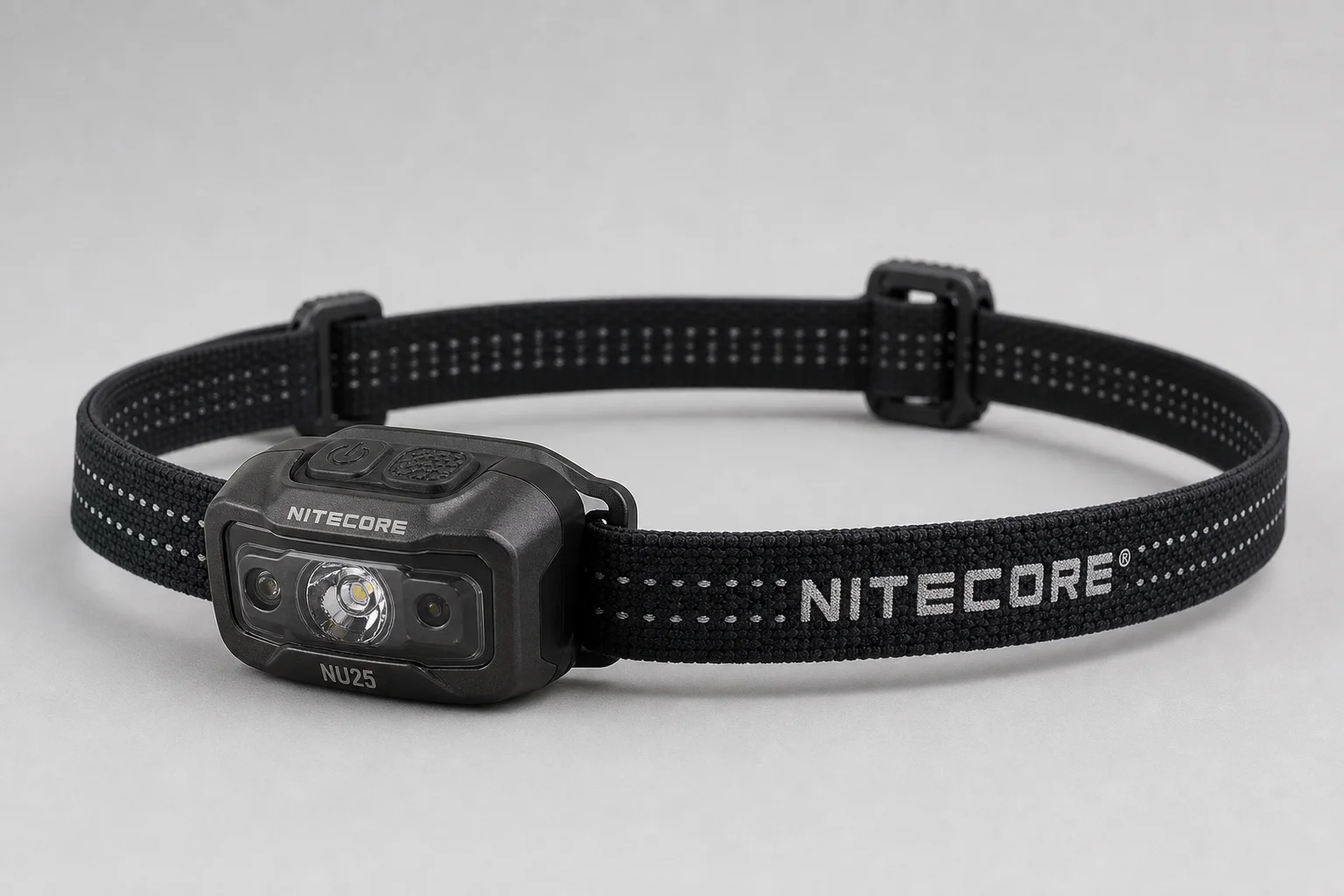
Nitecore NU25 Head Torch
The head torch is a well-known ultralight option, and the standard strap has been replaced with a short length of bungee cord to shave a few more grams. Charging comes from a 20,000 mAh power bank weighing 348 g, with a separate fast charger that plugs directly into it to top up camera batteries. Three camera batteries cover the whole trip.
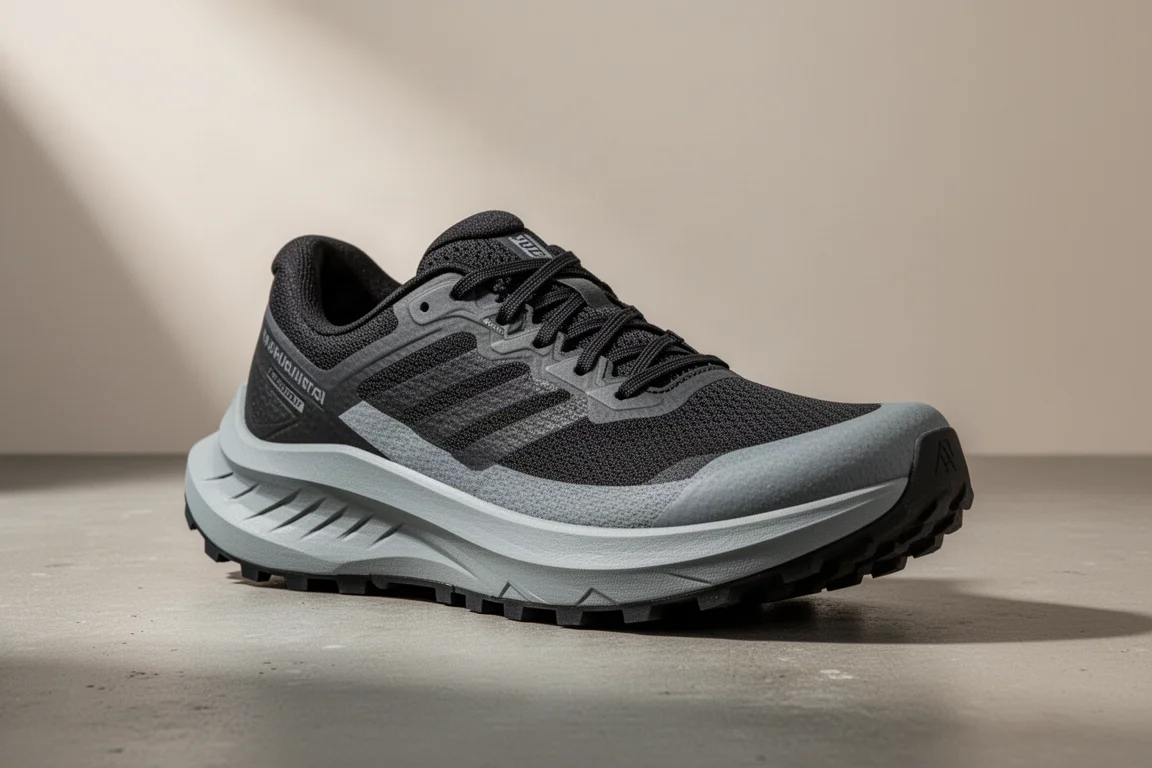
Altra Olympus 4 Trail Shoes
The shoes were chosen for a specific combination: zero drop, a wide toe box, and a relatively flexible sole, but with enough cushioning to handle 800 km of mountain terrain. After 200 to 300 km of use, the small holes in the upper have stayed small, which suggests the shoes will hold together for the full route.
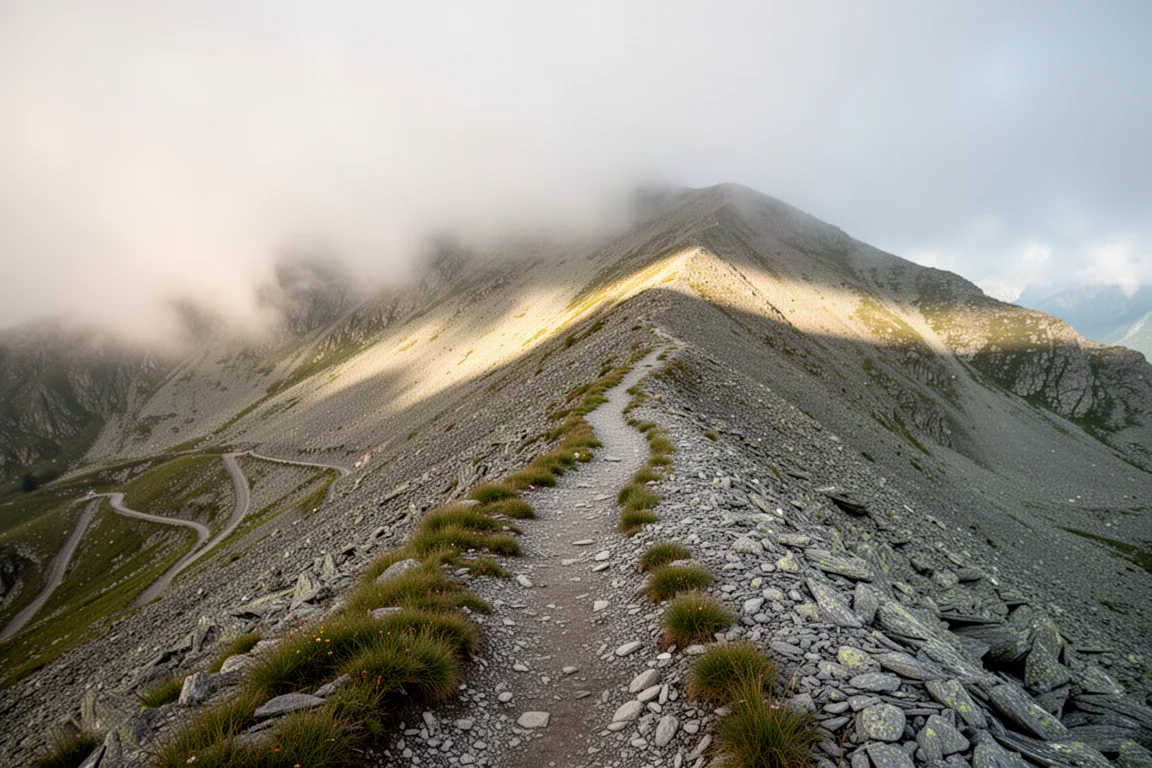
That profile suits hikers moving toward a more natural stride without going fully barefoot. The cushioning keeps long descents manageable, and the wide fit reduces pressure across the forefoot on hot afternoons.
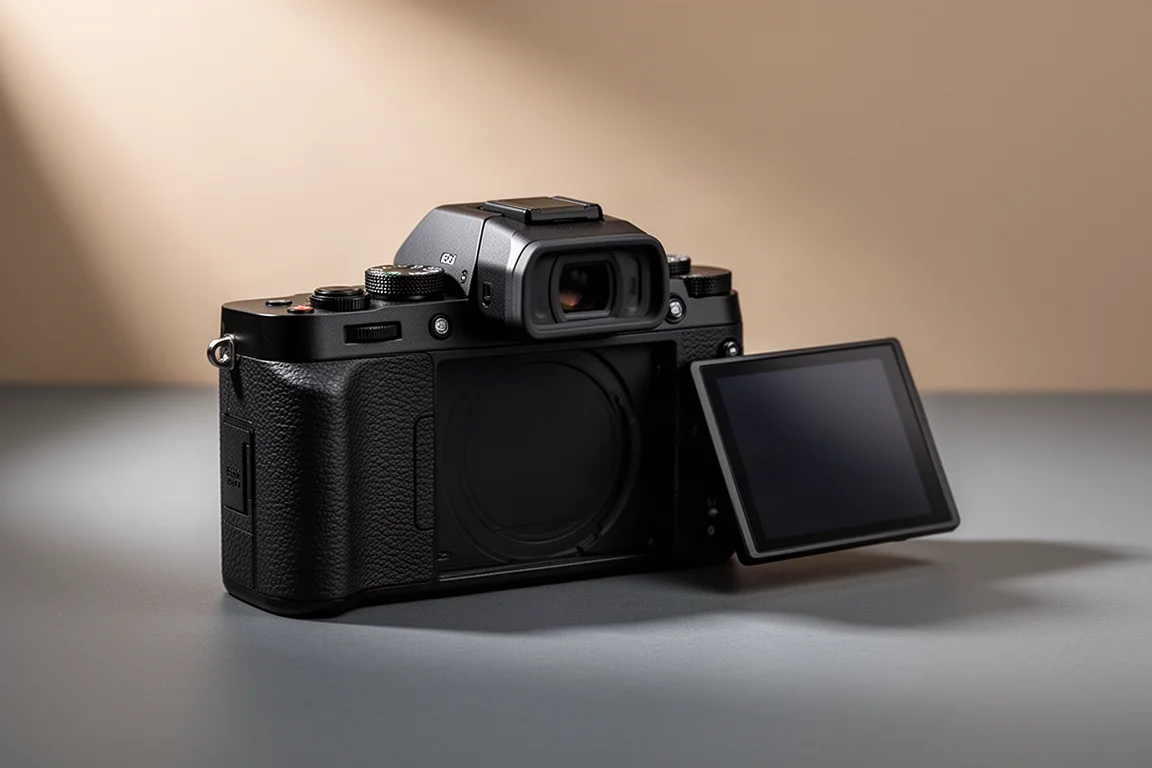
Canon M50 Camera
The camera is a compact mirrorless body paired with its kit lens, and an ND filter stays on the front to take the harsh daylight out of bright alpine shots. It lives in the hip belt, which is the main reason a hip belt is part of this kit at all. Three batteries are carried and recharged from the power bank.
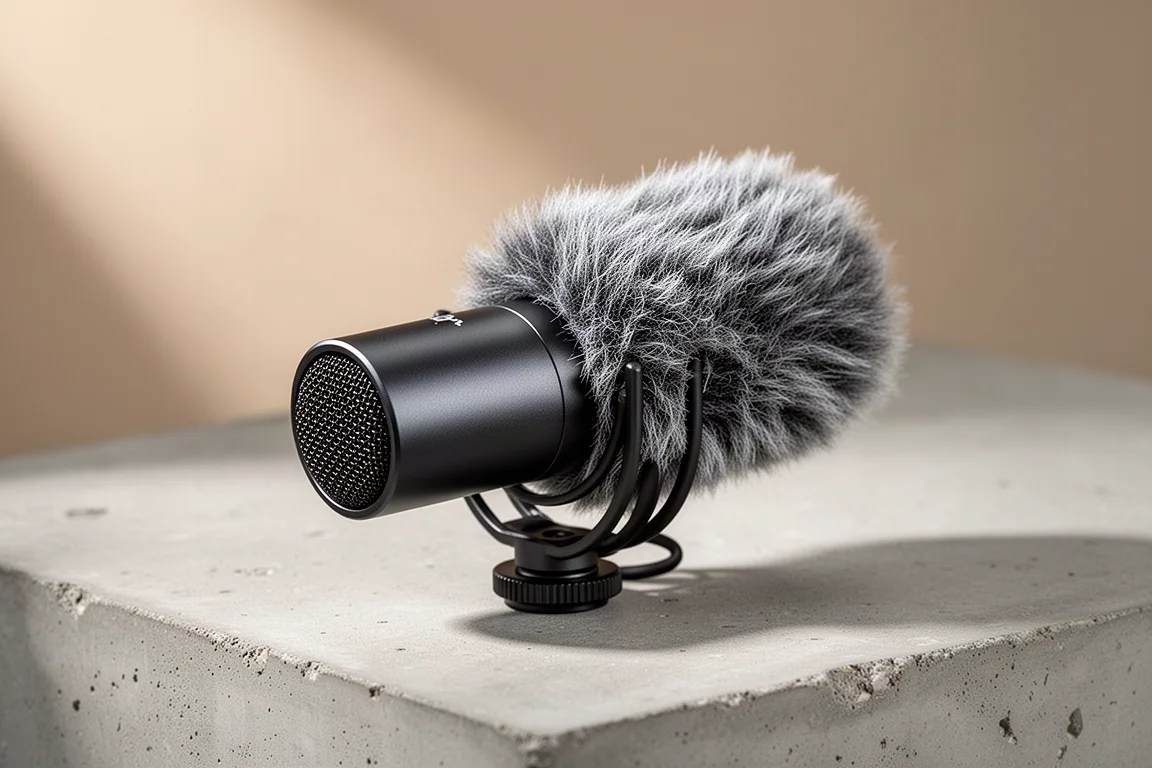
Rode VideoMicro Microphone
A compact shotgun microphone with a windscreen, carried alongside the camera in the hip belt. It handles the wind that would otherwise ruin audio on exposed ridges, and it adds almost nothing to the load.
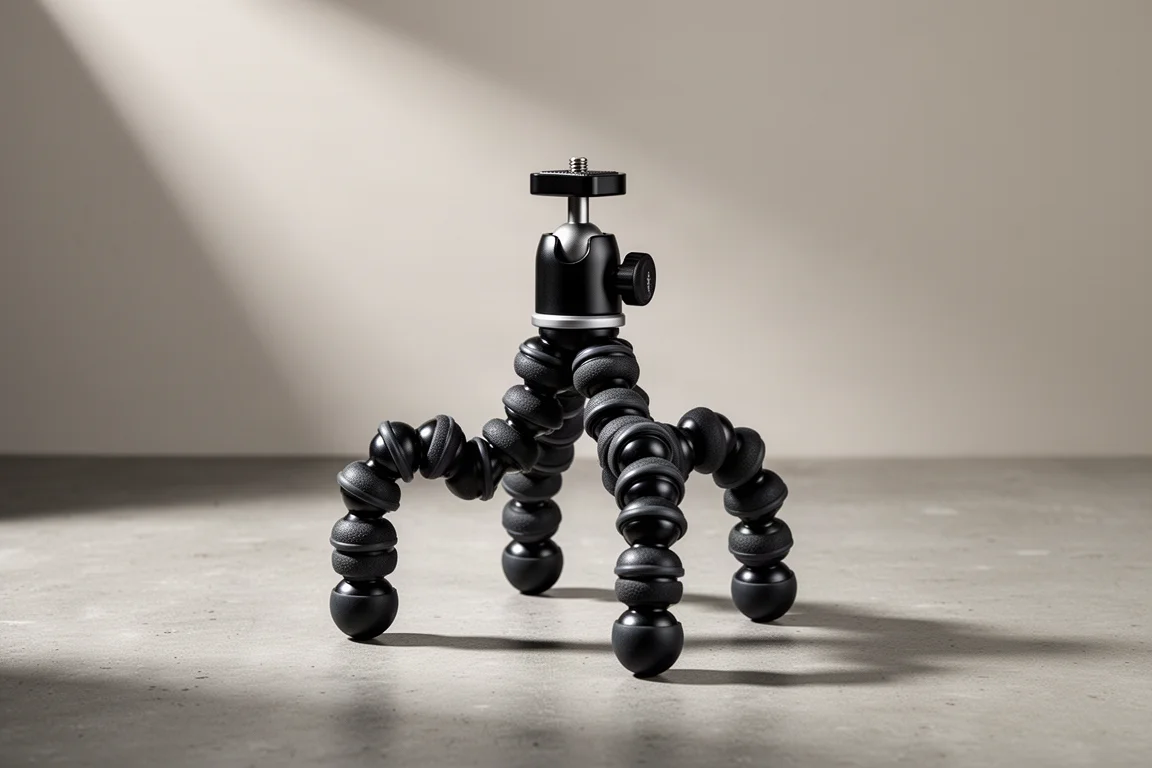
Joby GorillaPod 1K Tripod
The flexible tripod grips trees, fences, and just about anything else on the trail, which makes it far more useful than a flat-base tripod on uneven ground. Leaving a 1.2 kg tripod behind in favour of this one accounts for a large share of the kit’s weight savings.
Overall Buying Advice
The most useful question to ask of any item is whether it will be used every day. Camera gear is heavy enough to justify a dedicated hip belt, because the alternative is stopping and unpacking every time. A foam mat, on the other hand, only makes sense if reliable sleep matters more than cushioned sleep.
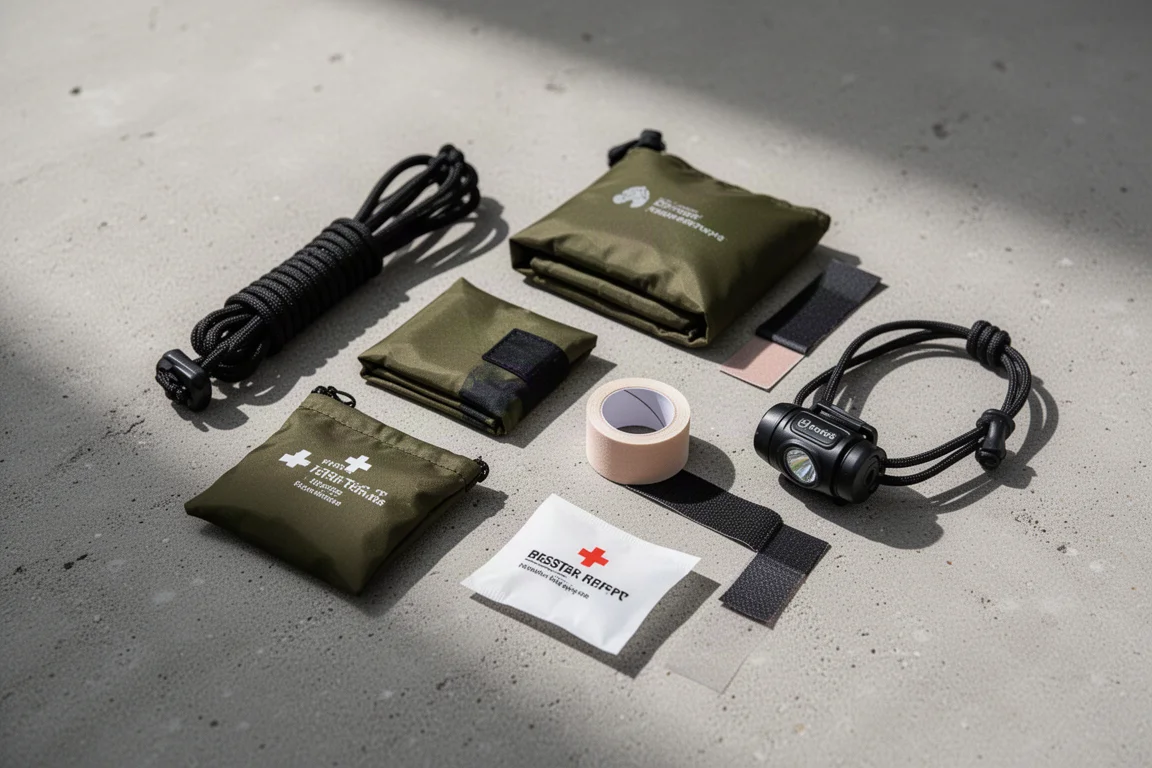
Match the kit to the terrain and the season rather than to a weight target. On a high route, wind and rain protection earn their grams, and a shell with pit zips is worth more than a marginally lighter one without them. On a lower, warmer route, bug protection and water capacity usually matter more than a windproof layer.
Finally, be honest about which failures are acceptable. A foam mat and a stove without an ignition system both trade a small convenience for reliability, and on a long route that trade is usually worth taking. The best kit is the one that keeps working on the days when everything else is going wrong.
Conclusion
Twelve items, roughly 5 kg, and a route that will test every one of them. The pattern across this list is consistent: gear is chosen for dependability first, weight second, and comfort only where it earns its place. A hip belt for the camera, a foam mat that cannot fail, a filter bottle that fills from any stream, and a stove that needs nothing more than a lighter. For anyone assembling a kit for a long high route, that is a sound starting point.
Further reading
Related Reviews
Hiking Gear
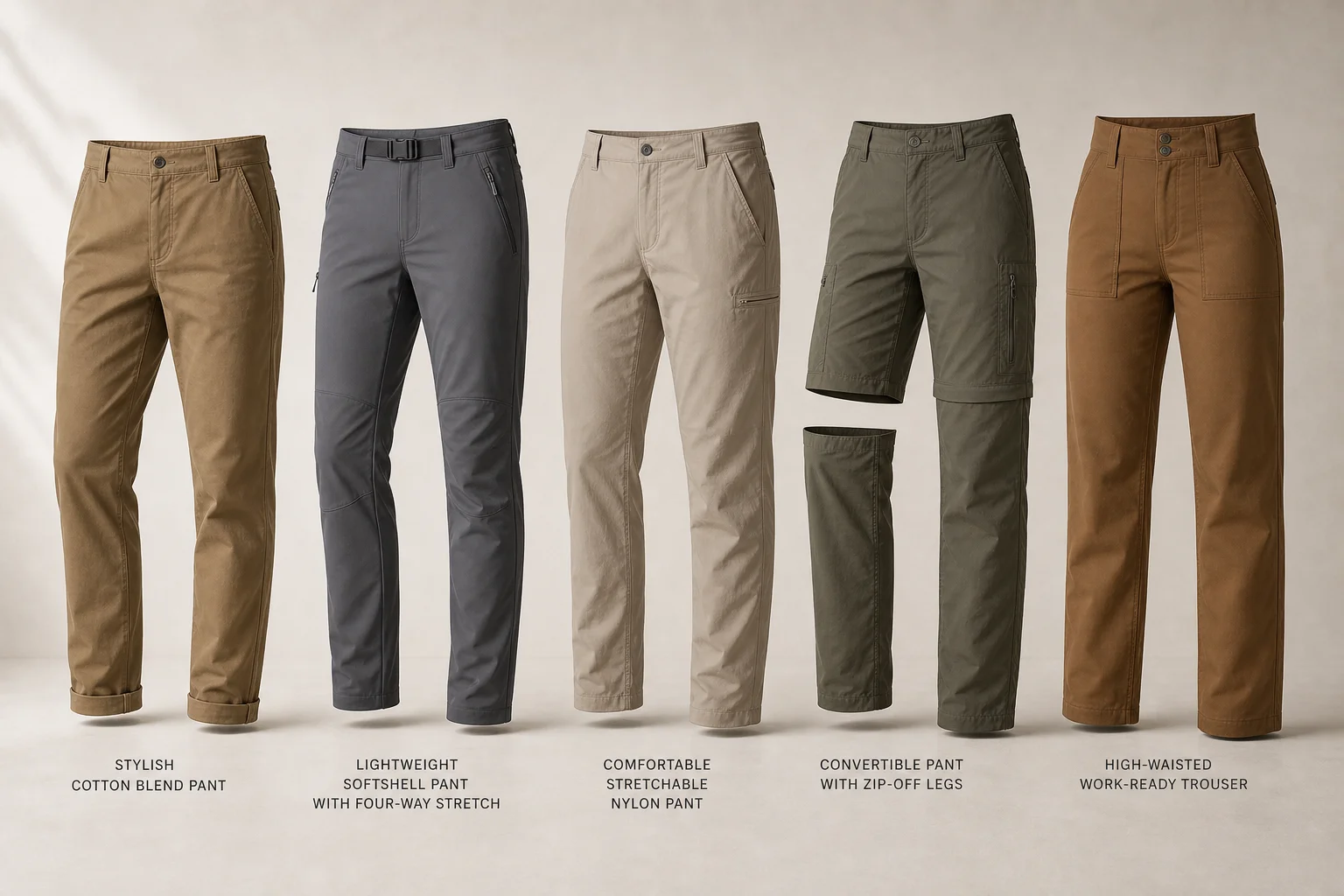
Best Hiking Pants on Amazon: Five Practical Options for Different Needs
A practical review of five hiking pants with clear strengths and trade-offs, from lightweight convertible styles to durable work-ready trousers.
Hiking Gear
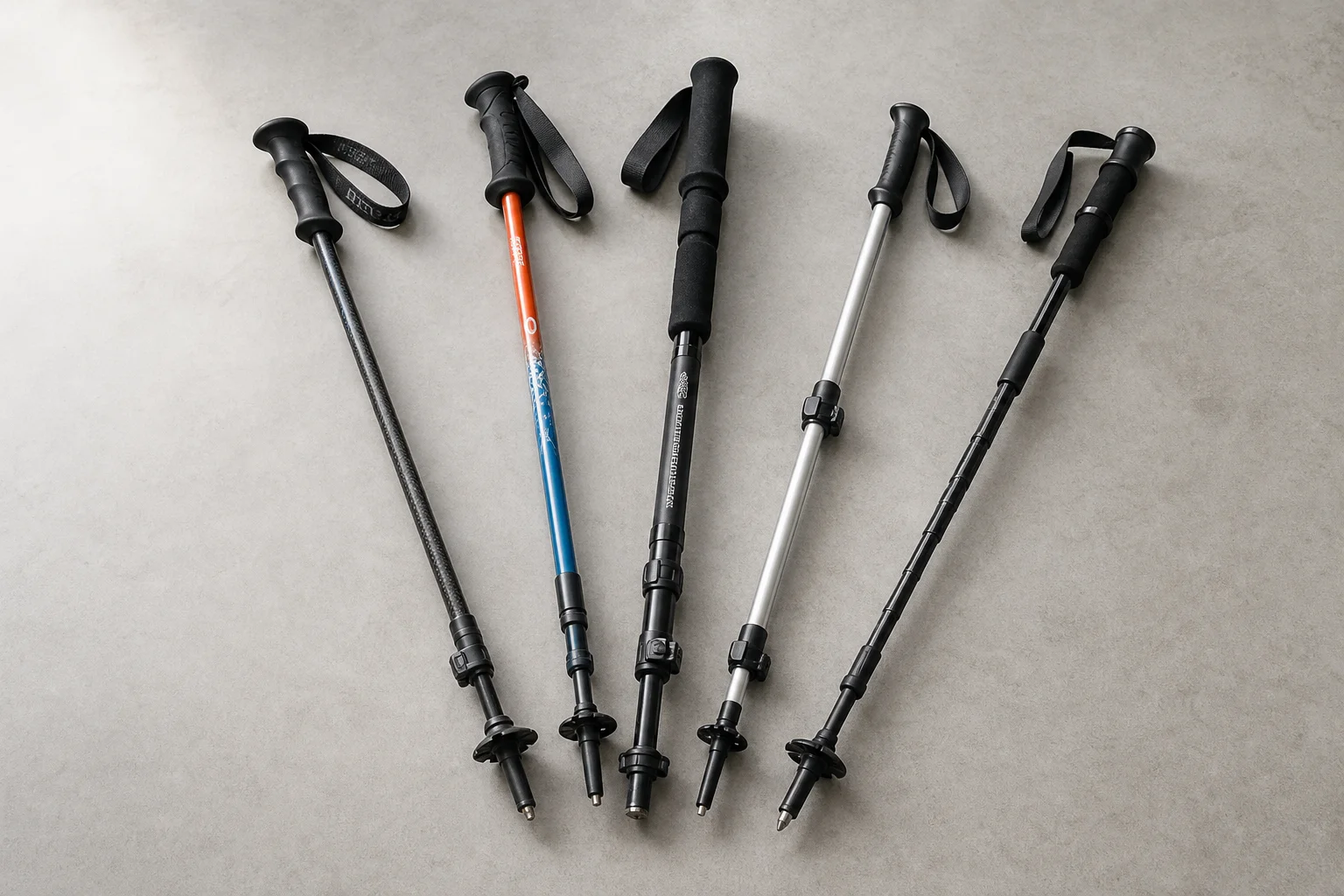
Best Hiking Poles 2026: Five Options for Different Trail Needs
A practical review of five hiking poles, from lightweight carbon designs to versatile all-terrain options, with clear strengths and trade-offs for each.
Hiking Gear
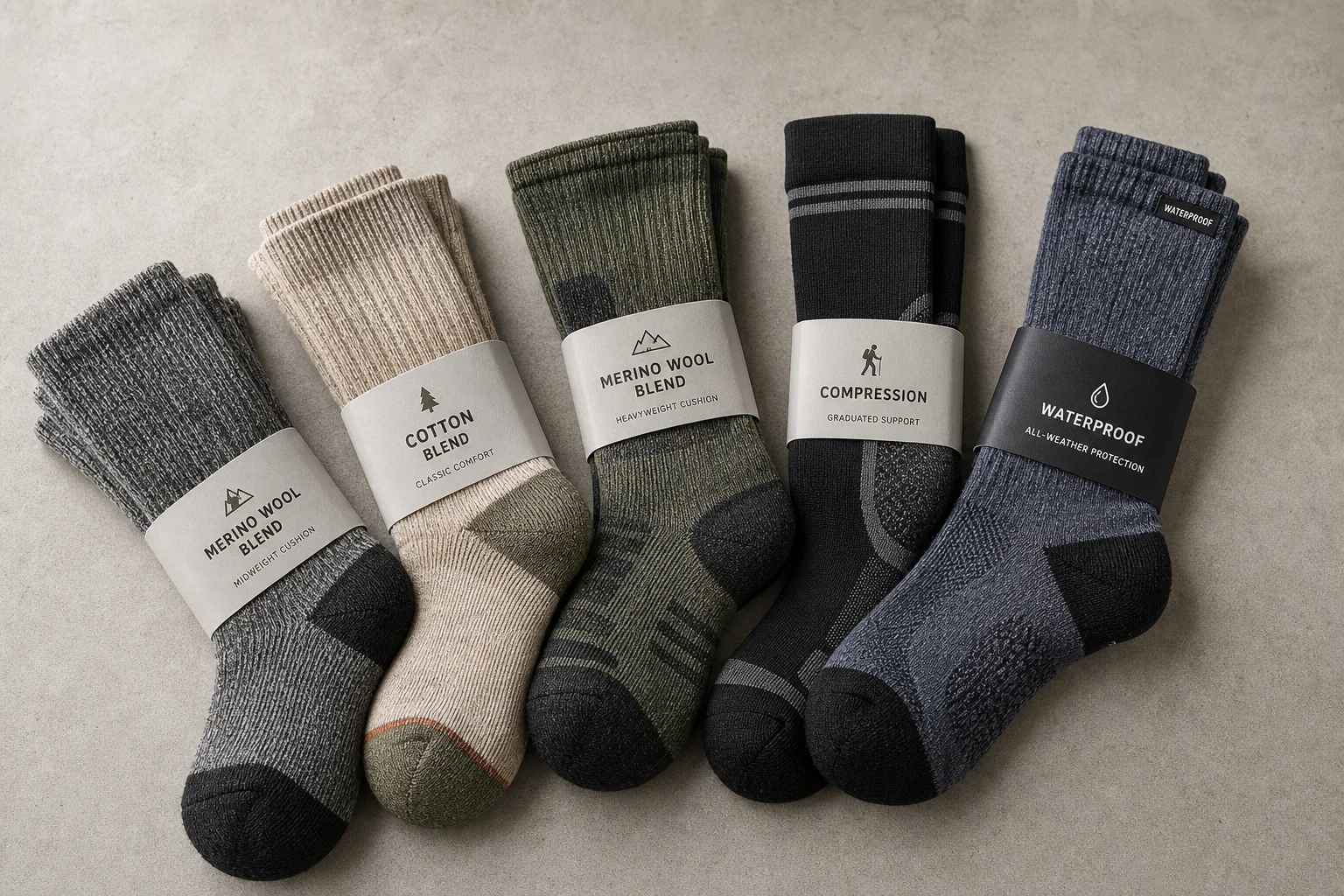
Best Hiking Socks 2026: Five Top Choices for Different Trail Needs
A practical roundup of five hiking socks, from lightweight merino options to heavy-duty compression styles, with clear guidance on which suits your outdoor activity.