Running Gear
Puma Fast-R 3, Garmin Venu X1 and Apple Watch Ultra 2: Race-Tested at a Five-Mile Road Race
A fast evening five-mile race proved the ideal setting to put a hyped super shoe and two premium sports watches through their paces.
Introduction
A fast evening five-mile road race is a great real-world testing ground for running gear. It is short enough to push at full speed, long enough to expose weaknesses, and undulating enough to see how a shoe and a watch handle changing terrain and pace.
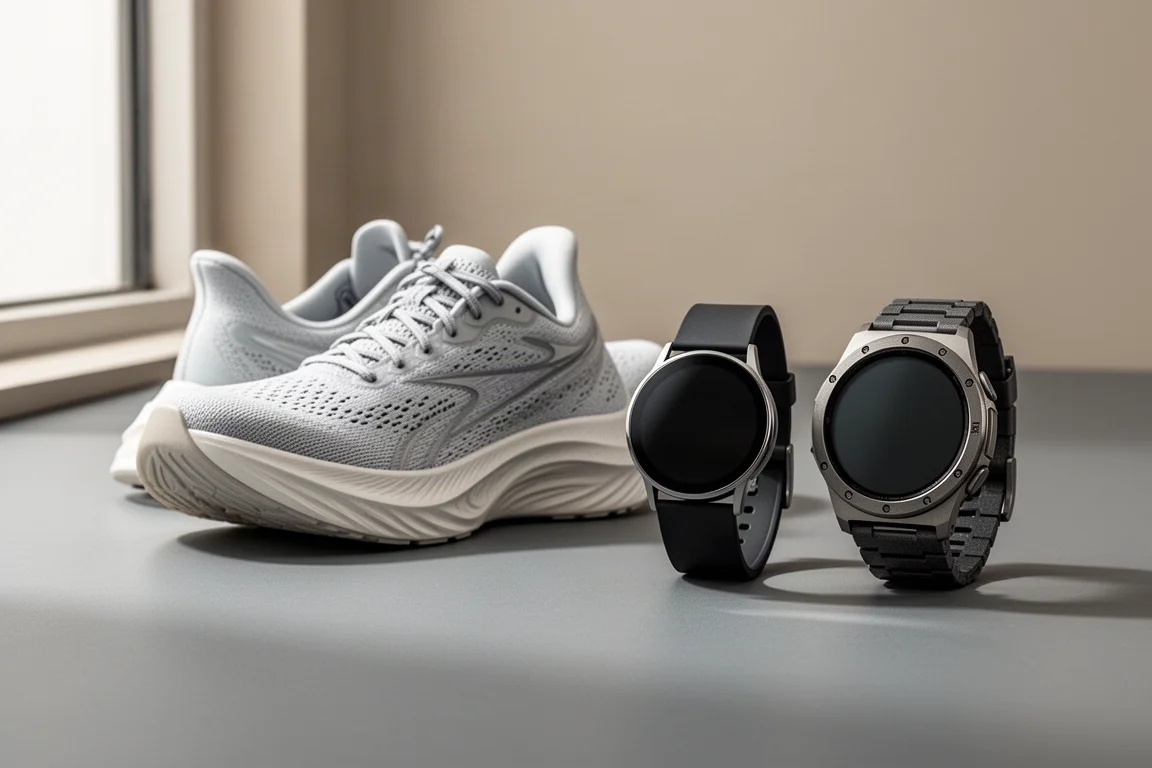
That was exactly the setup for the Springfield Striders Friday Night Five in the Essex countryside, which also doubled as the Essex five-mile championships. The gear on test: the Puma Fast-R 3 racing shoe, raced for a second time after a marathon outing, plus the Garmin Venu X1 and the Apple Watch Ultra 2 worn one on each wrist, with a chest strap as a heart rate control. The night ended with a team bronze, a fifth-place finish, and a personal best of around 26:01, so the conditions for judging all three products were genuinely competitive.
The Race That Tied It All Together
The course is a two-lap, slightly undulating route with a very fast first mile downhill, which you have to give back before finishing where you started. Managing the short climbs and descents matters more than any single flat stretch. Races like this are exactly where gear differences show up: a shoe either helps you roll over the bumps or fights you, and a watch either keeps a clean line or drifts off.

For context on the event itself, these grassroots Essex countryside races are well worth a look if you are in the area: strong fields across all speeds, fun courses, low entry costs, and the finish-line reward here was a burger rather than a medal.
Puma Fast-R 3: A Firm, Fast, Forward-Rolling Super Shoe
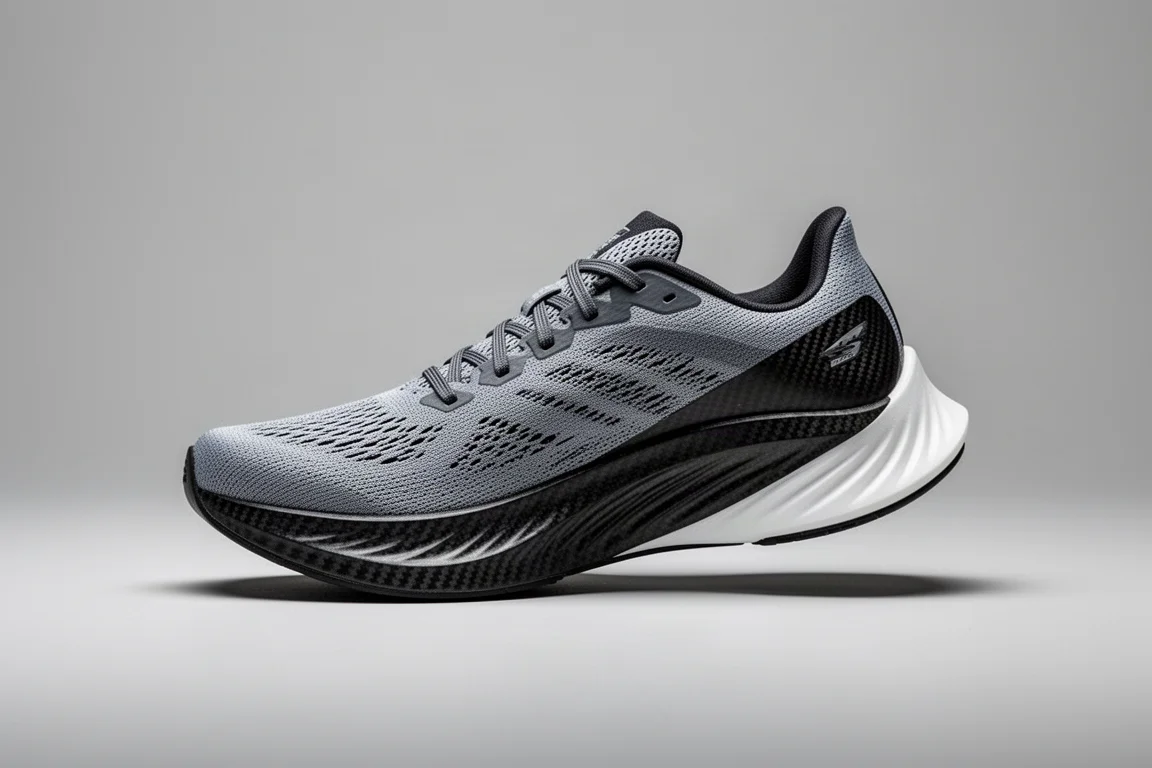
The Fast-R 3 arrived with significant hype, backed by lab testing claims of efficiency gains over some of the very best rival super shoes. The race experience backs up the core of that reputation, with one important caveat: at slower paces, the firm ride does not feel great. During the warm-up it felt unremarkable, even a little awkward. Once up to race speed, the story changes completely.
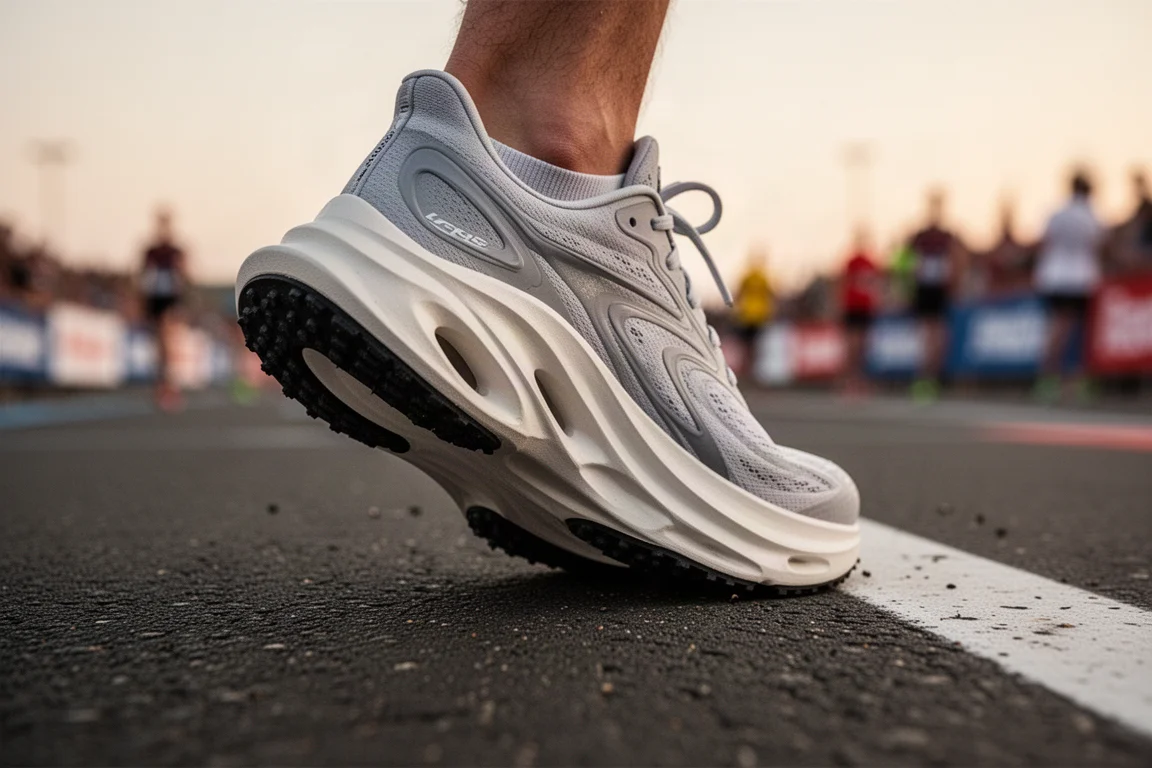
At full effort, the shoe turns over remarkably quickly, rolls you forward with a lightning-fast rocker, and delivers a genuinely punchy sensation. Even as pace slipped in the final two kilometres, it still felt like the shoe was helping maintain speed rather than merely surviving. It was also noticeably firm compared with other recent testers, but in a snappy, propulsive way rather than an uncomfortable one. Over a marathon distance, it proved more supportive and comfortable late in the race than expected, which is a strong sign for such a fast-feeling shoe.
The honest caveat: this is not a shoe that shaves minutes off your time versus other top super shoes. The best rivals are also excellent, and feel preference will decide a lot. But among current race-day options, this is a genuine favourite, and colourways have sold out quickly more than once.
Garmin Venu X1: Premium Design With a Battery Cost
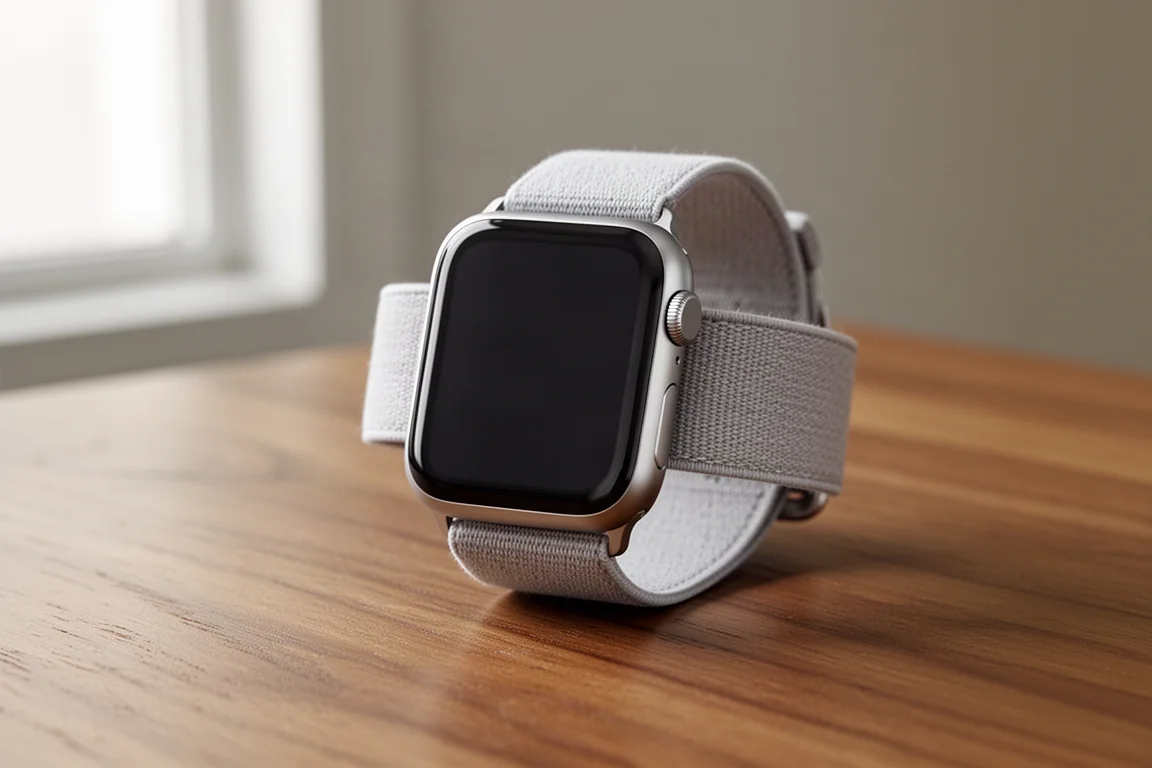
The Venu X1 is Garmin’s new smartwatch-style sports watch, and the design is the headline. It is very thin, noticeably thinner than the Apple Watch, and it disappears on the wrist during a race. The weight difference was noticeable against the Apple Watch Ultra 2 even mid-race. Despite a plastic case, the thin construction means you mostly feel the titanium back and sapphire screen, and it genuinely feels like a premium watch, not a toy.
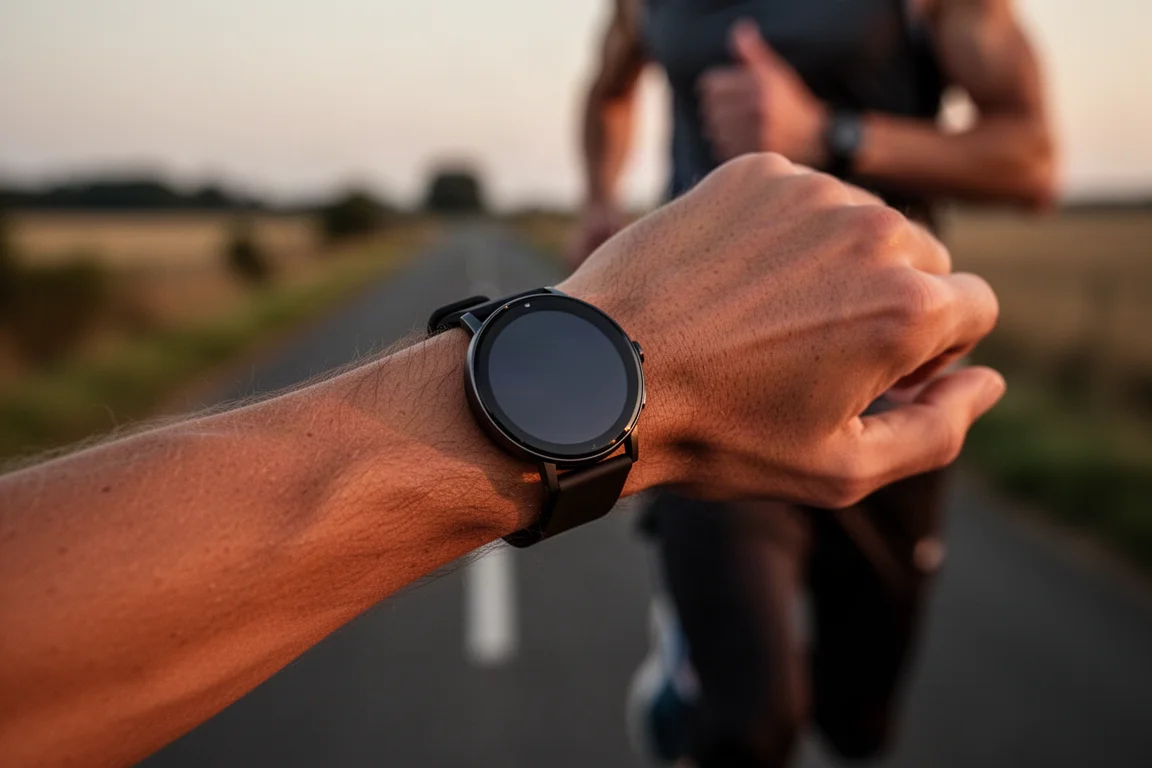
GPS accuracy was strong. Despite lacking dual-band GPS, which both the Apple Watch Ultra 2 and the reference watch in this test have, the Venu X1 produced a track and distance figures very close to the others on a course with tight, repeated corners. Across all runs so far, distance and pacing stats have stayed close to the reference device.
Battery life is the serious trade-off. It is worse than the Apple Watch Ultra 2 in always-on mode, which is not something you would expect from a Garmin. An hour run in a day means charging every night, and during the race the drain rate pointed to only around ten hours of GPS use versus a claimed fourteen hours with all systems on. Updates may improve this, as Garmin has tweaked battery life on other recent watches after release, but for now the battery is a heavy cost for the thin, big-screen design.
Apple Watch Ultra 2: The Benchmark Rival
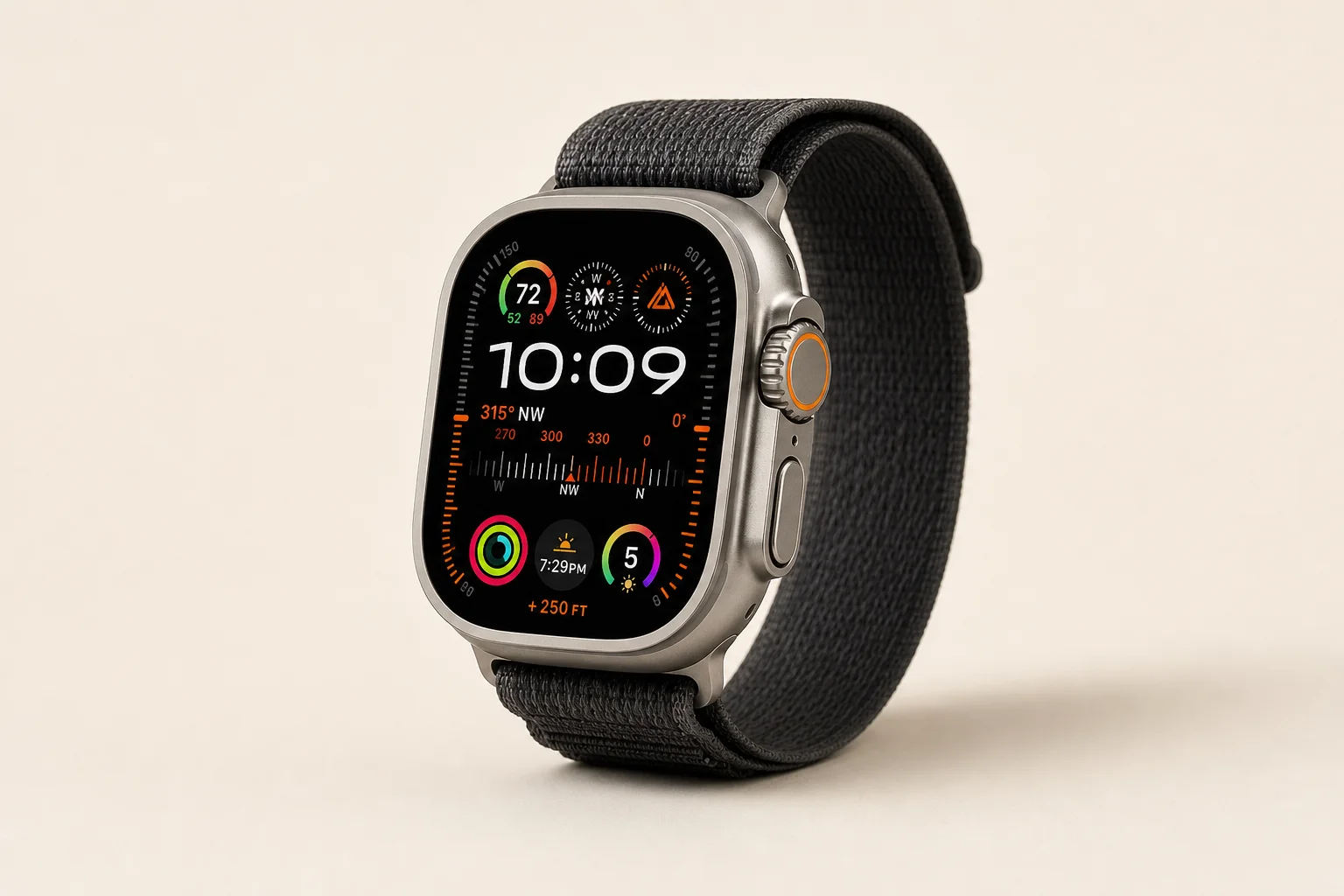
The Apple Watch Ultra 2 remains arguably the best running smartwatch available, at least for those not on Android. In this race it held up well. GPS distance and track stayed very close to the other watches despite a slightly delayed start that made its elapsed time read marginally shorter. In always-on mode, it reliably lasts two days despite an official 36-hour claim, and it outlasted the Venu X1 in this testing.
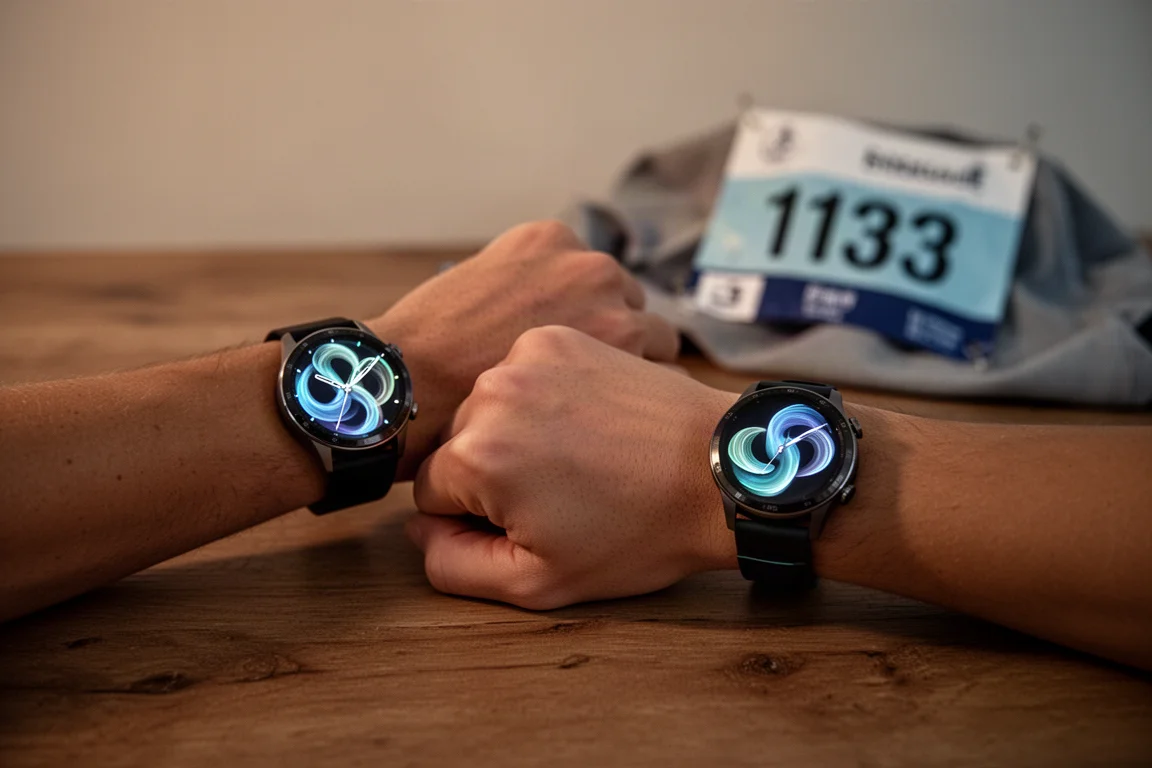
Heart rate behaviour was typical of Apple: it initially showed nothing rather than displaying a wrong reading, then locked on and tracked consistently in line with the chest strap for the rest of the race. If you want a rugged, feature-rich running watch and you are in the Apple ecosystem, this is still the benchmark.
Overall Buying Advice
Choose based on what you are missing, not on hype. The Fast-R 3 is a top-tier race-day shoe with a firm, fast feel that rewards speed but punishes easy paces; if you prefer a softer ride, other excellent super shoes exist. The Venu X1 is the pick if a thin, premium, big-screen sports watch matters more to you than battery life. The Apple Watch Ultra 2 is the safer all-round sports smartwatch, especially for iPhone users, with better endurance and equally strong accuracy.
Conclusion
A PB race, a team medal, and three products that did their jobs: the Fast-R 3 confirmed its place as a favourite racing shoe, the Garmin Venu X1 delivered design and accuracy at a real battery cost, and the Apple Watch Ultra 2 showed why it remains the reference point. All three are easy to recommend, as long as you buy for the trade-offs you can live with.
Further reading
Related Reviews
Running Gear
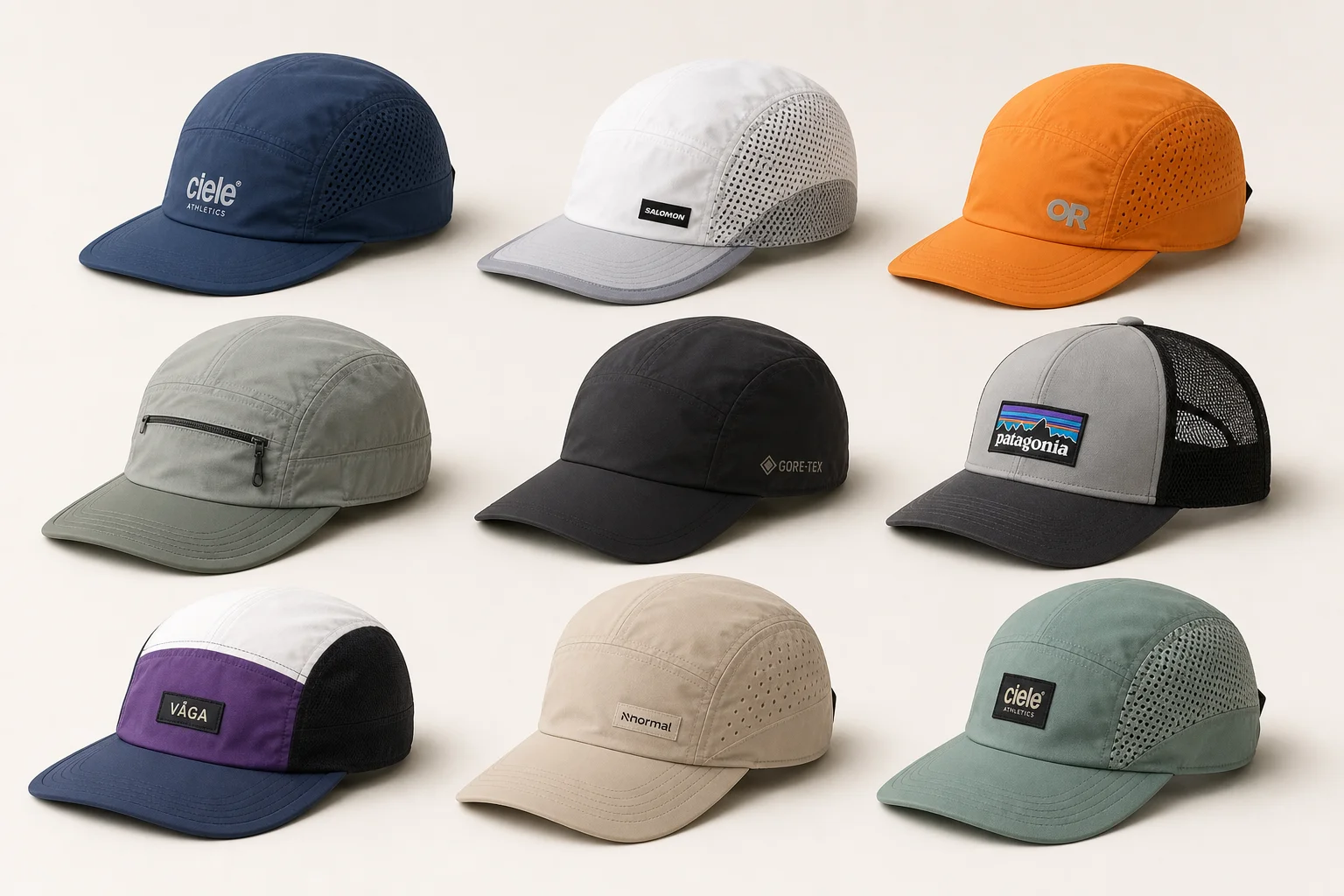
Best Running Caps 2026: Nine Tested Options for Summer and Winter
A comprehensive guide to nine running caps tested across different conditions, from lightweight summer options to waterproof winter choices.
Running Gear
Best Running Caps: A Guide to Summer and Winter Options
A comprehensive review of nine running caps for different conditions, styles, and preferences, from lightweight summer options to waterproof winter choices.
Running Gear
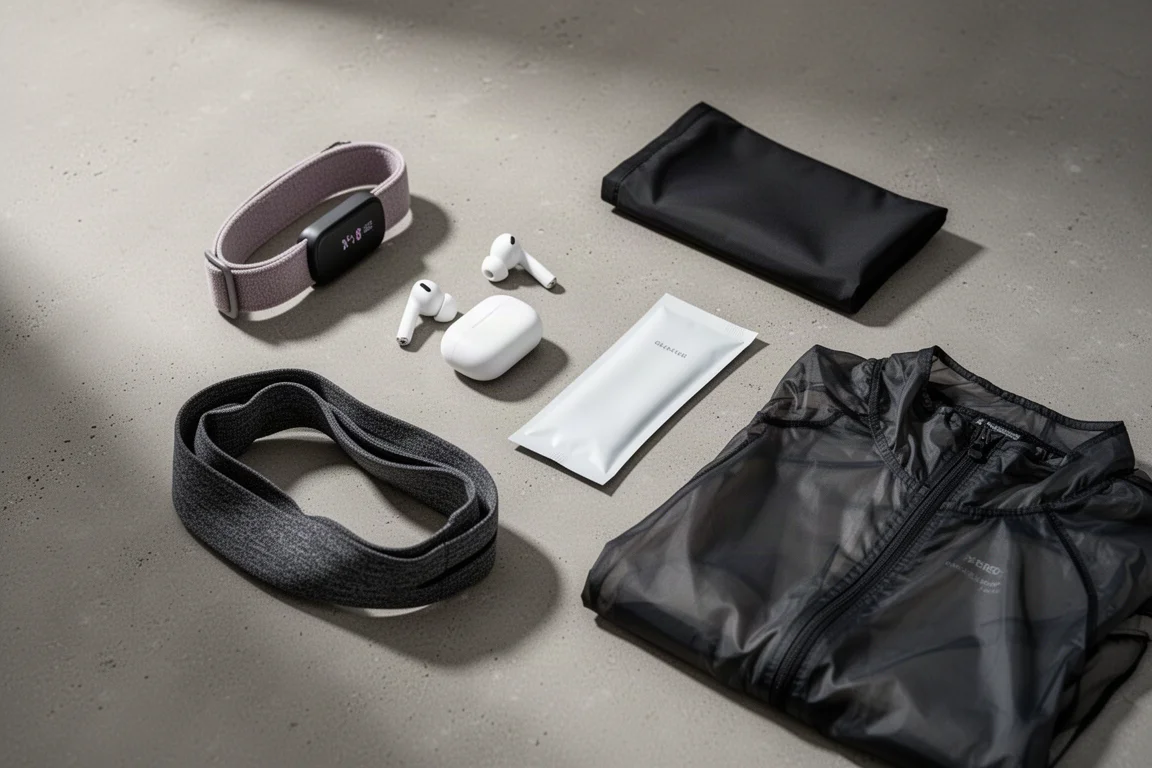
Best Running Gear 2026: Five Picks That Earn Their Place
Five running upgrades covering heart rate, audio, fuelling, carrying and weather protection, with the trade-offs worth knowing before you buy.