Gravel Bikes
Propain Terrel CF Review: A Carbon Gravel Bike Built Around Value
A full carbon gravel bike with 50mm tire clearance, down tube storage, and a Shimano GRX build, priced from around €2,600.
Introduction
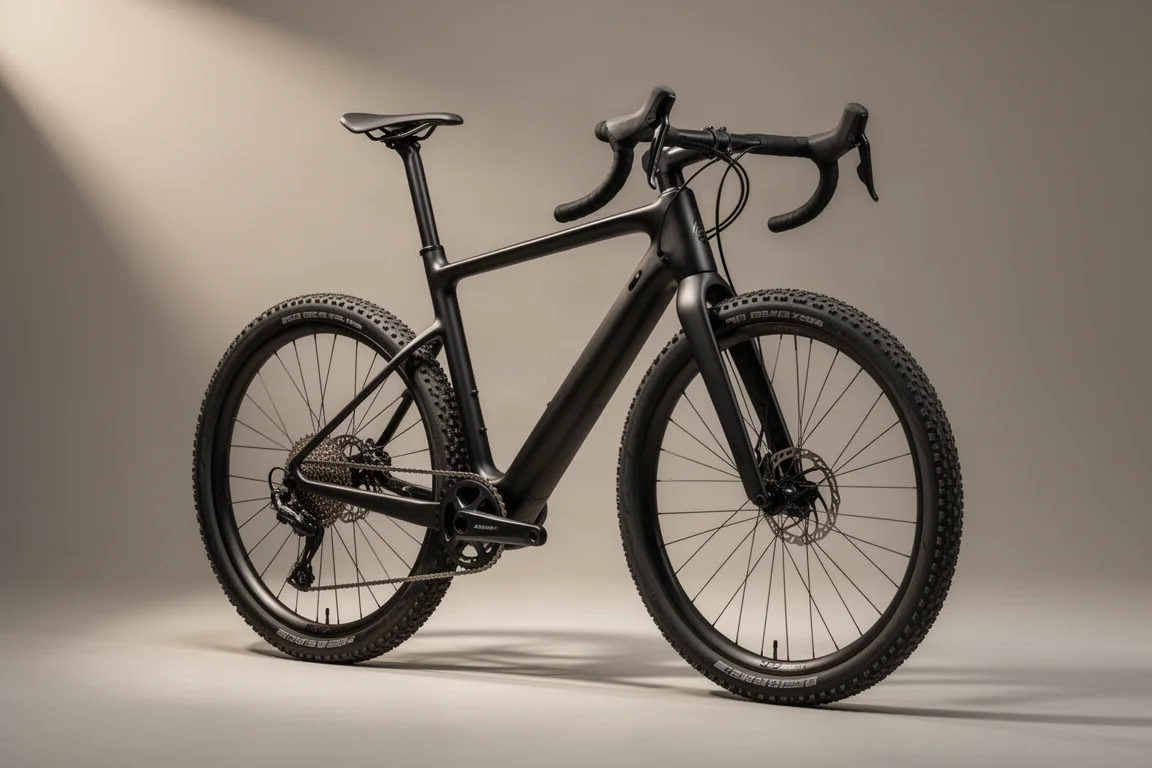
The Propain Terrel CF is Propain’s first gravel bike, and it arrives with a full carbon frame, a claimed 50mm of tire clearance on 700c wheels, and a direct-sales price of around €2,600. That figure places it in the base position of a four-model range that climbs to nearly €5,000, yet the specification does not read like a stripped-back entry build. Shimano GRX 1x mechanical shifting with hydraulic disc brakes, DT Swiss 1800 wheels, a carbon seat post, and wide knobby tires all come as standard.
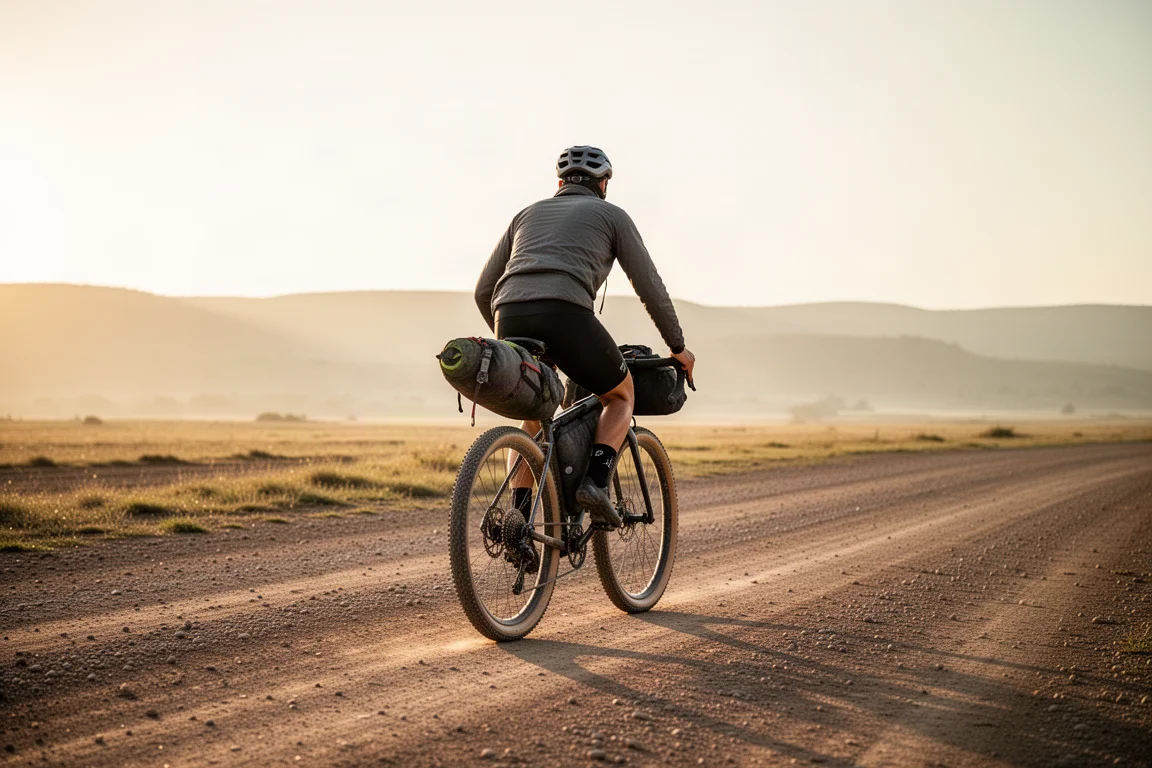
Propain sells the way a handful of other direct brands do: no shops, no dealers, no middleman. You choose the model and specification on the brand’s website, and the bike arrives in a large box for a modest amount of home assembly. The Terrel CF is also designed as a platform rather than a single build, because the frame accepts a 40mm travel suspension fork and a dropper seat post if you want to push it further than the base model suggests.
Who This Bike Is For
The Terrel CF suits riders who want a carbon gravel frame with modern, relaxed geometry and a slack head angle, plus the mounting points to carry luggage without turning the bike into a dedicated tourer. The geometry keeps the reach long and the front end stable, which is the shape most riders look for on mixed surfaces rather than on smooth fire roads alone.
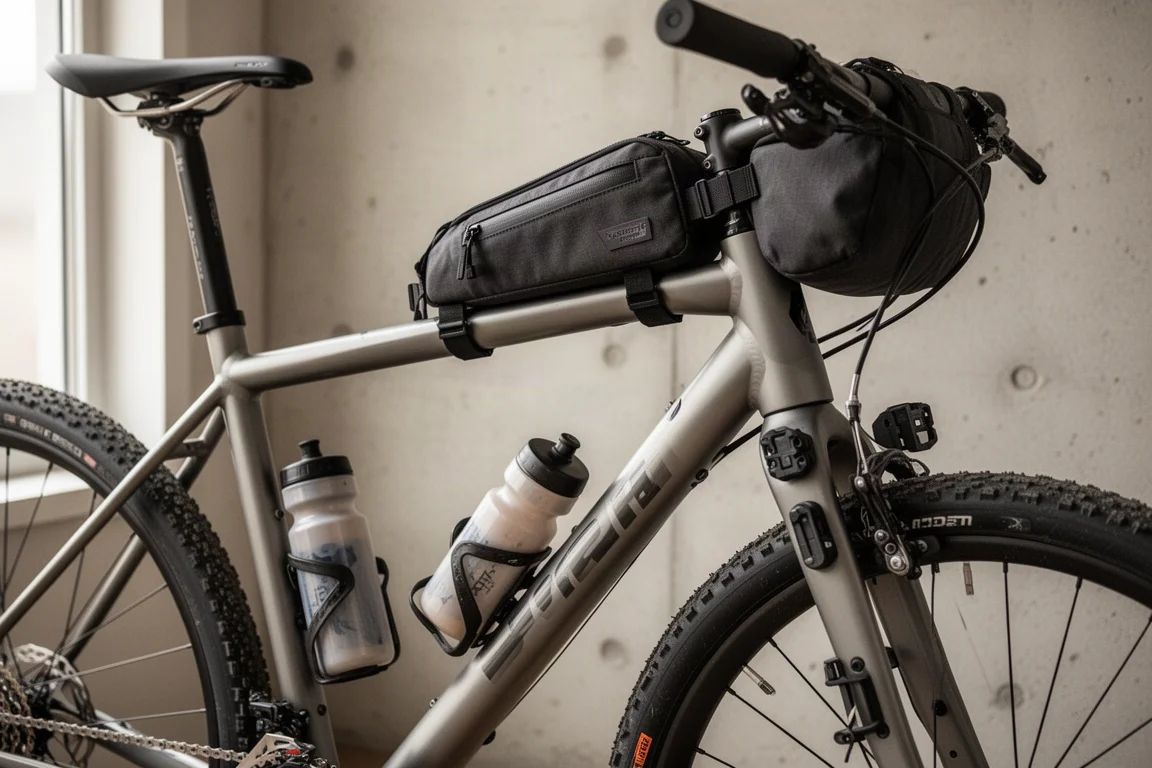
It is also a sensible choice for anyone who wants a single bike to cover commuting, weekend gravel rides, and light bikepacking. The frame carries mudguard mounts, top tube mounts, four mounts inside the front triangle for a frame bag, and three mounts on the fork. There are no rack mounts, which confirms the intent: this is a gravel and bikepacking platform, not a loaded touring bike.
Riders who prefer mechanical shifting, round seat posts, and standard stems will find the layout familiar. The front brake hoses run under the stem and through the headset bearings into the frame, so the cockpit looks clean and a handlebar bag sits neatly against it.
Frame, Storage, and Mounting Options
The most distinctive frame feature is the down tube storage hatch. The down tube is unusually deep, with protection along its underside and a guard on the rear stay to shield the frame from chain slap and rock strikes. Behind the hatch, the brake hoses sit in internal channels rather than floating loose, so there is no rattle from inside the frame.
The hatch itself opens with a simple sliding action and closes firmly. Two bottle mounts sit alongside it, though a full bottle may make access awkward. The opening is finished with an aluminium edge that adds weight, and no neoprene bag is supplied, so loose tools or a jacket placed inside can shift around. Storing soft items such as a light jacket works well; hard items need wrapping.
Elsewhere the frame uses an external seat clamp and a round seat post, both easy to live with, and the dropped rear stays and chunky chain stays give the rear end a purposeful look. Tire clearance looks generous at the front and tighter at the back, which is typical of frames claiming 50mm.
Main Strengths
The headline strength is the combination of a full carbon frame, a well-chosen component mix, and a price that undercuts comparable direct-sales gravel builds with similar GRX components and DT Swiss wheels. Nothing in the specification looks like a cost-cutting shortcut: the DT Swiss 1800 wheels use aluminium rims and long-lasting bearings, the tires are wide and aggressively treaded rather than thin and cheap, and the build includes a carbon seat post and a Selle Italia saddle with a one-piece base and rail design on metal rails.
Weight is reasonable rather than remarkable. A size large came in at 9.5 kg, which is competitive for a bike at this price with this much tire and this many mounting points.
Packaging and assembly also deserve credit. The bike arrives in a large box with the wheels secured on either side, the frame wrapped in protective material, bubble wrap around the handlebars, and cardboard supports at both ends. Nothing shifts in transit, the frame arrives free of scratches, and assembly comes down to fitting the stem to the steerer tube, dropping in the wheels, and mounting the saddle to the seat post. No specialist tools are needed beyond a basic set.
Things to Consider Before Buying
The Terrel CF is not a featherweight. At 9.5 kg in a size large, it prioritises durability, tire volume, and mounting hardware over low numbers on a scale. Riders chasing the lightest possible gravel build will find faster options elsewhere.
The down tube storage has trade-offs. The aluminium edging around the hatch adds weight, no neoprene liner is included, and the space is best used for soft items to avoid rattling. The two-bolt saddle clamp is also fiddly to adjust, which is worth knowing before you start dialling in position.
There are no rack mounts, so anyone planning loaded touring should look at a different platform. The base model uses a 1x mechanical drivetrain, which keeps costs and maintenance low but offers a narrower gear spread than a 2x setup on long, steep climbs. Front tire clearance looks more generous than rear clearance, so a true 50mm tire may be tight at the back depending on the tire’s actual width.
Value and Specification
Four models make up the range, and the base build tested here sits at the bottom of the pricing ladder at around €2,600, with the top of the range approaching €5,000. That spread matters because the frame is shared across the line, and it is engineered to accept both a 40mm travel suspension fork and a dropper seat post. Buyers who start on the base model can therefore change the character of the bike later rather than replacing it.
The component choices also suggest a build that will age well. Aluminium rims and durable hub bearings suit high-mileage riders, the flared drop handlebar gives useful control on loose surfaces, and the round seat post and standard stem keep replacements simple. The frame’s internal hose routing protects the lines from grit and keeps the front end clean for bags.
Buying Advice
The Terrel CF makes the most sense for riders who want a carbon gravel frame with modern geometry, generous tire clearance, and genuine bikepacking mounts without paying flagship prices. The base model is the value pick, and its mechanical GRX drivetrain, hydraulic disc brakes, and DT Swiss wheels cover the essentials without obvious weak points.
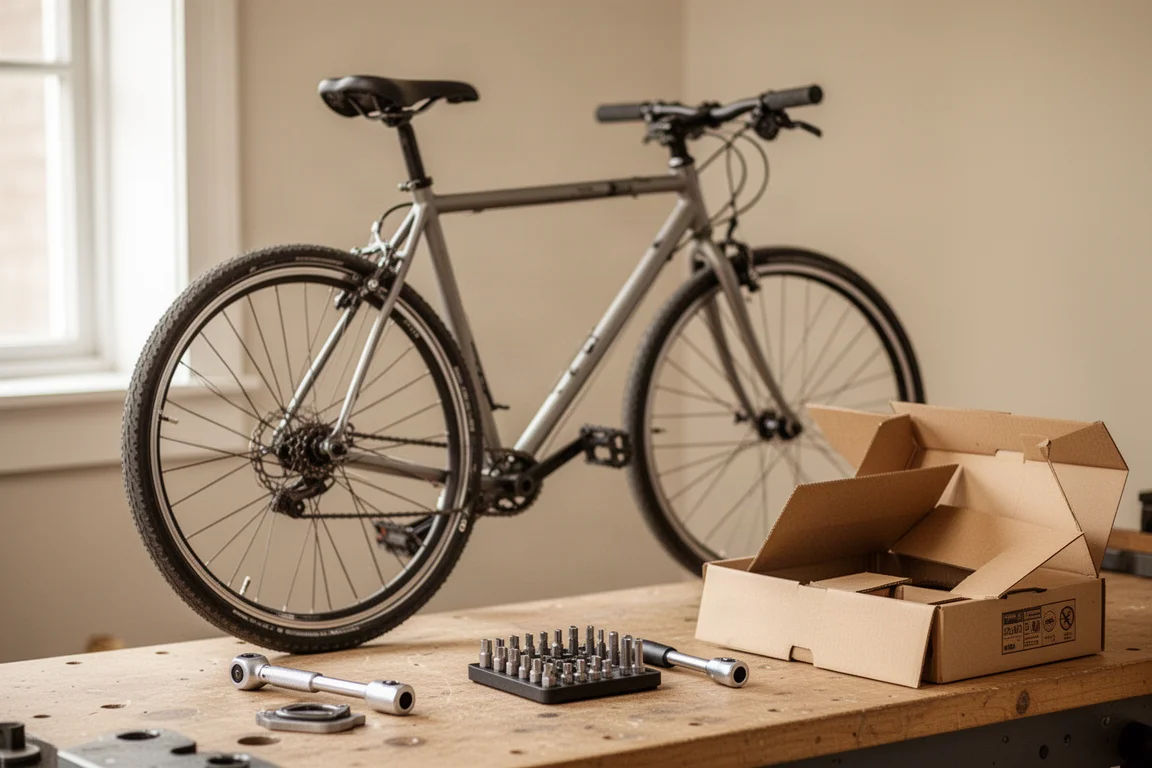
Before ordering, decide two things. First, whether you want the base build or a higher model, since the frame’s suspension fork and dropper post compatibility means a mid-range build may be the smarter long-term buy. Second, check sizing carefully, because direct-sales bikes are assembled at home and swapping parts afterwards is your responsibility. A basic tool kit, a torque wrench, and a little patience are enough for the assembly the Terrel CF requires. For riders who value mounting points, tire volume, and a well-rounded specification over minimum weight, this is a compelling package at its price.
Conclusion
The Propain Terrel CF is an interesting first gravel bike from a brand with a mountain bike background. It pairs a full carbon frame, 50mm claimed tire clearance, down tube storage, and a long list of bikepacking mounts with a specification that avoids obvious corners being cut. The 9.5 kg weight and the quirks of the storage hatch are the main compromises, and the lack of rack mounts defines what the bike is for. For riders who want one versatile gravel bike with room to grow, it is a strong starting point.
Product link
View more details for Propain Terrel CF
This product is mentioned in the review. Check the specifications, options, and compatibility before buying.
View more details for Propain Terrel CFFurther reading
Related Reviews
Gravel Bikes
3T Exploro Ultra Review: A Fast Gravel Bike Built for Big Tyres
A close look at the 3T Exploro Ultra, an aero carbon gravel bike designed around wide tyres, with road-like handling, a 980 g frame and genuine rough-terrain capability.
Gravel Bikes
3T Extrema Italia Review: Aero Gravel Speed With Room for 57 mm Tires
The 3T Extrema Italia pairs an aero frame with huge tire clearance, Italian-made carbon and a more comfortable ride than the RaceMax. Here is what to know before buying.
Gravel Bikes
3T Race Max 2 Italia Review: An Aero Gravel Race Bike Made in Italy
A closer look at the second-generation 3T Race Max 2 Italia, covering its aero updates, ride character, tire clearance, internal storage and who it suits.