Grow Media
Promix HP Review: A High-Porosity Grow Medium for Seedlings and Clones
Lab-tested results for Promix HP: low soluble salts, a near-ideal pH, and a well-draining peat and perlite mix best suited to young plants.
Introduction
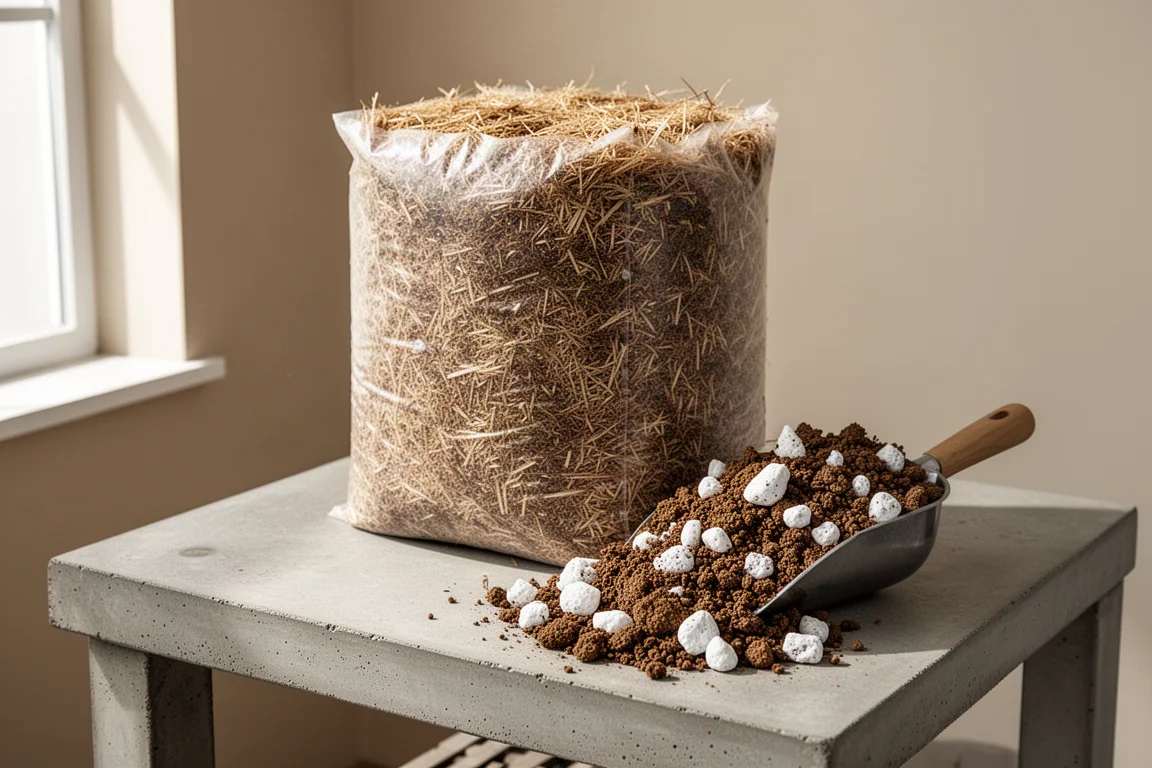
Promix is one of the most widely used grow mediums around, and the lineup covers a wide range of mixes. The HP version is the one we put under the microscope here, and it fills a very specific role: a light, fast-draining medium that works best for young plants rather than mature, heavy-feeding ones.
What Promix HP Actually Is
HP stands for high porosity, and that comes from a high percentage of perlite, which makes the mix well draining. Calling it soil would be a stretch, because other than the perlite this is mainly a peat and sphagnum-based mix. Once it dries out, the texture is light, crumbly, and coarse.
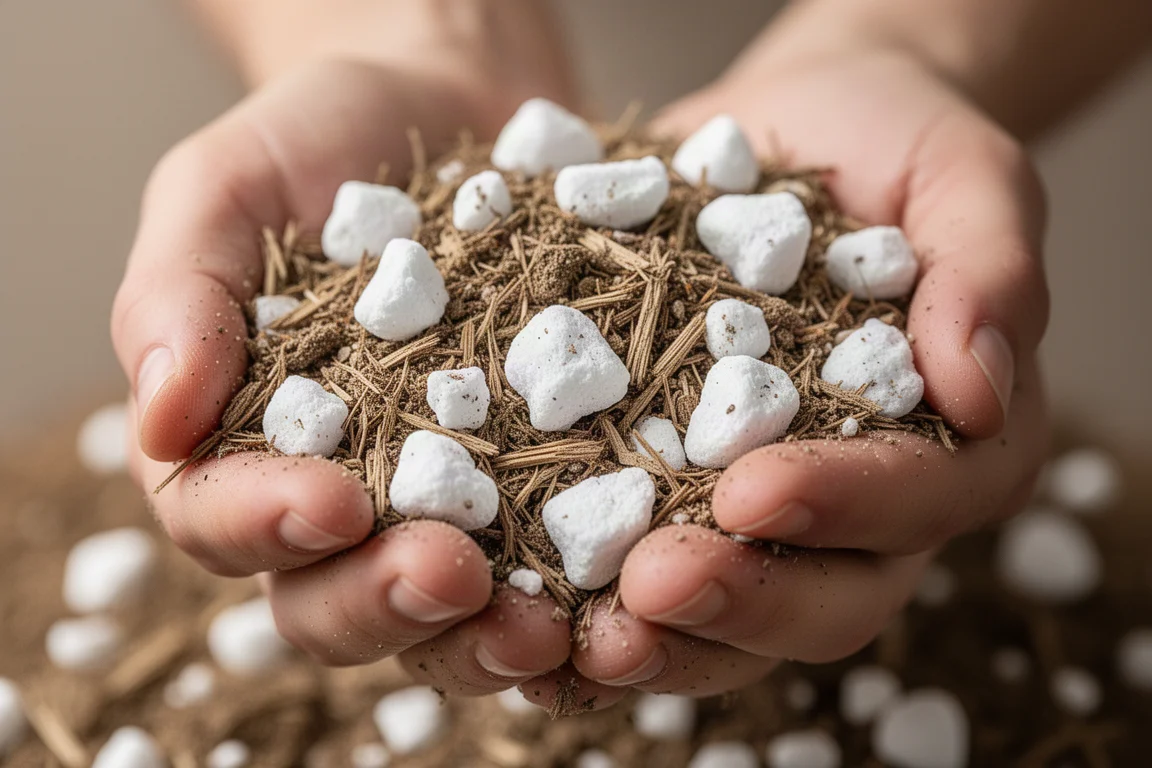
This version also includes a natural biofungicide and mycorrhizae. The mycorrhizae form a symbiotic relationship with plant roots and help break down nutrients in the medium, which matters later when you start feeding the mix.
Lab Results: Nutrients and pH
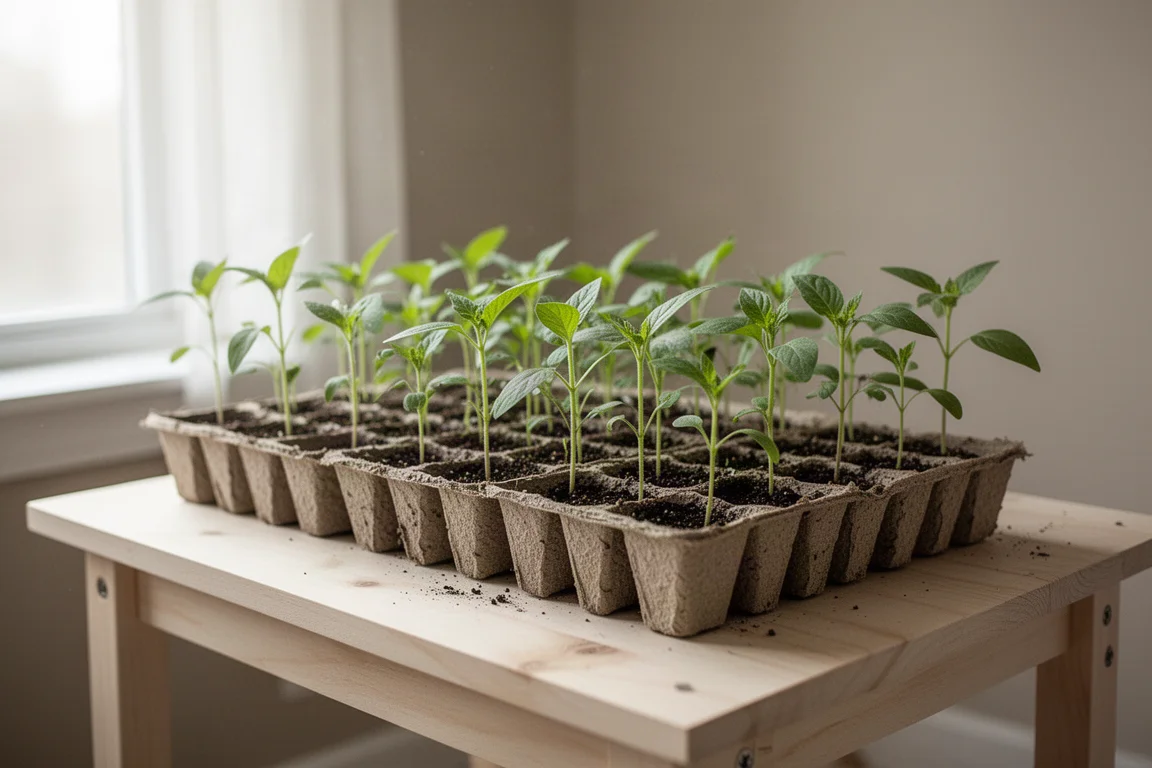
The lab test submitted to the University of Delaware showed low soluble salts, and across the board the mix rated low to acceptable on every main nutrient except phosphorus, which came back low. That nutrient profile is exactly why this mix is perfect for seedlings or clones, but as plants get bigger you will want to add nutrients.
The pH slurry test came back at 6.8, which is extremely close to the 6.7 reported by the lab. That is ideal for most plants, though what is truly ideal depends on what you are growing, so it is worth balancing the soil around your specific crop.
How to Use It
Pre-moisten this medium for at least five days before using it. That step is not optional if you want consistent moisture behavior from the start.
The amount of nutrients you add should be based on the size of the plant and the volume of soil. Because the mix itself is not organic, it starts fairly clean, but thanks to the mycorrhizae you can add organic nutrients and worm castings, and the fungi will break them down for your plants.
Succulents and Fruiting Plants
The high porosity also makes Promix HP a good medium for succulents, which appreciate the fast drainage.
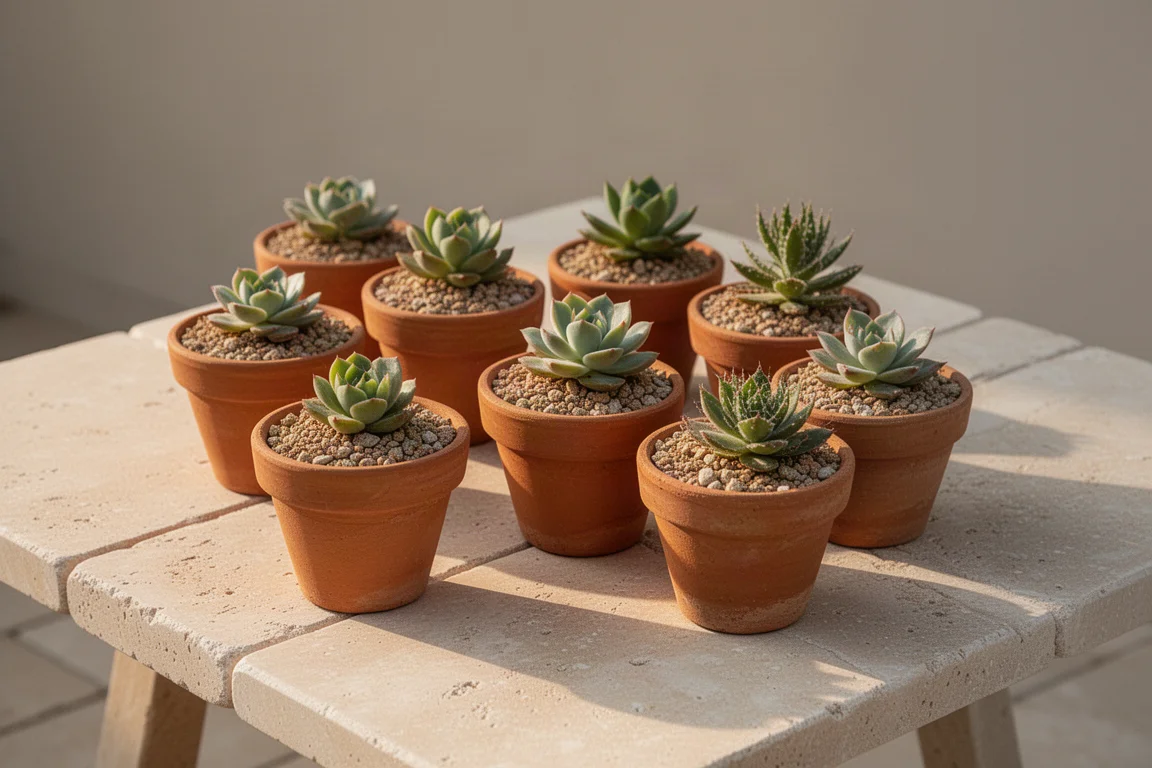
One caveat: still add more phosphorus, because both succulents and plants that fruit will require more of it than this mix provides out of the bag.
Buying Advice
If your main use case is starting seedlings, rooting clones, or growing drainage-loving plants like succulents, Promix HP is an easy recommendation based on the lab profile and pH. If you plan to grow larger, fruiting plants in it, plan on a nutrient program from early on, because the mix arrives intentionally lean.
Conclusion
Promix HP does exactly what its name promises: a peat and sphagnum base with high perlite content for excellent drainage, a near-perfect pH of around 6.7 to 6.8, and low soluble salts that make it gentle enough for the most delicate young plants. Pre-moisten it well, feed as your plants grow, and it is a dependable foundation for the start of the growing cycle.
Product link
View more details for Promix HP
This product is mentioned in the review. Check the specifications, options, and compatibility before buying.
View more details for Promix HPFurther reading
Related Reviews

Garden Tools
Bibury Folding Trimming Multi-Tool Review: Shears, Saw, and Blade in One
An inexpensive folding trimming multi-tool with shears, a surprisingly capable saw, and a blade we would not rely on. Here is how it held up on real overgrown branches.
Multi-Tools
Paul Chen Professional Multi-Tool Review: A $13 Oddball That Gets a Lot Right
A budget folding multi-tool with heavy-duty shears, a one-hand blade, and a pocket clip, plus one weakness worth knowing before you buy.
Garden Tools
Best Garden Hose Nozzles: 21 Models Tested for Force, Flow, and Durability
From an $8 nozzle to a $113 industrial sprayer, 21 hose nozzles went through jet force, water flow, spray pattern, and durability testing. These are the standouts.