Kitchen Gadgets
Professional Kitchen Gadgets Put to the Test: Cheese Slicer, Conveyor Toaster and Can Crusher
Three commercial kitchen gadgets face a hands-on trial: a wire cheese slicer built for the counter, a 350-slices-per-hour toaster, and an air-powered can crusher.
Introduction
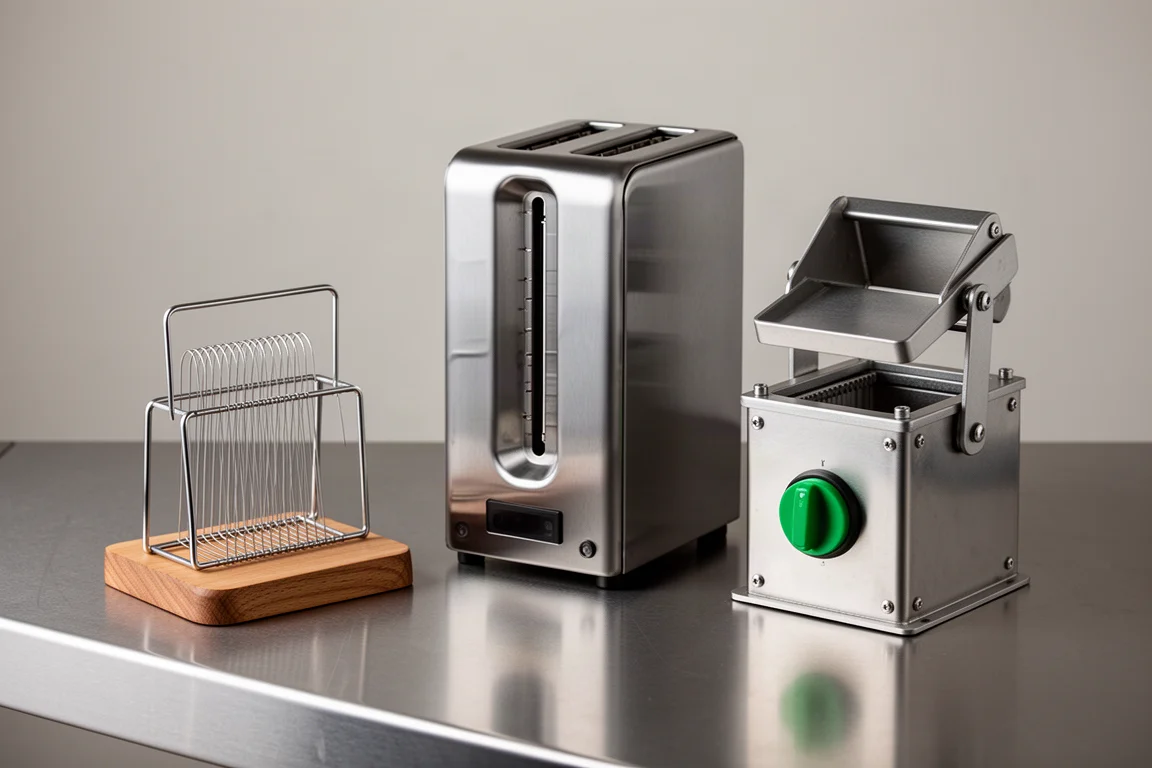
Professional kitchen gear lives in a different world from the gadgets most of us keep at home. It is built for volume, speed and safety rather than looks, and it is priced accordingly. We put three commercial-grade gadgets through a hands-on trial: a wire cheese slicer designed for the cheese counter, a high-volume conveyor toaster of the kind familiar to anyone who has queued at a hotel breakfast buffet, and an air-powered can crusher for industrial kitchens. Here is how each one performed, and who should actually consider buying one.
Boska Cheese Commander Pro Plus
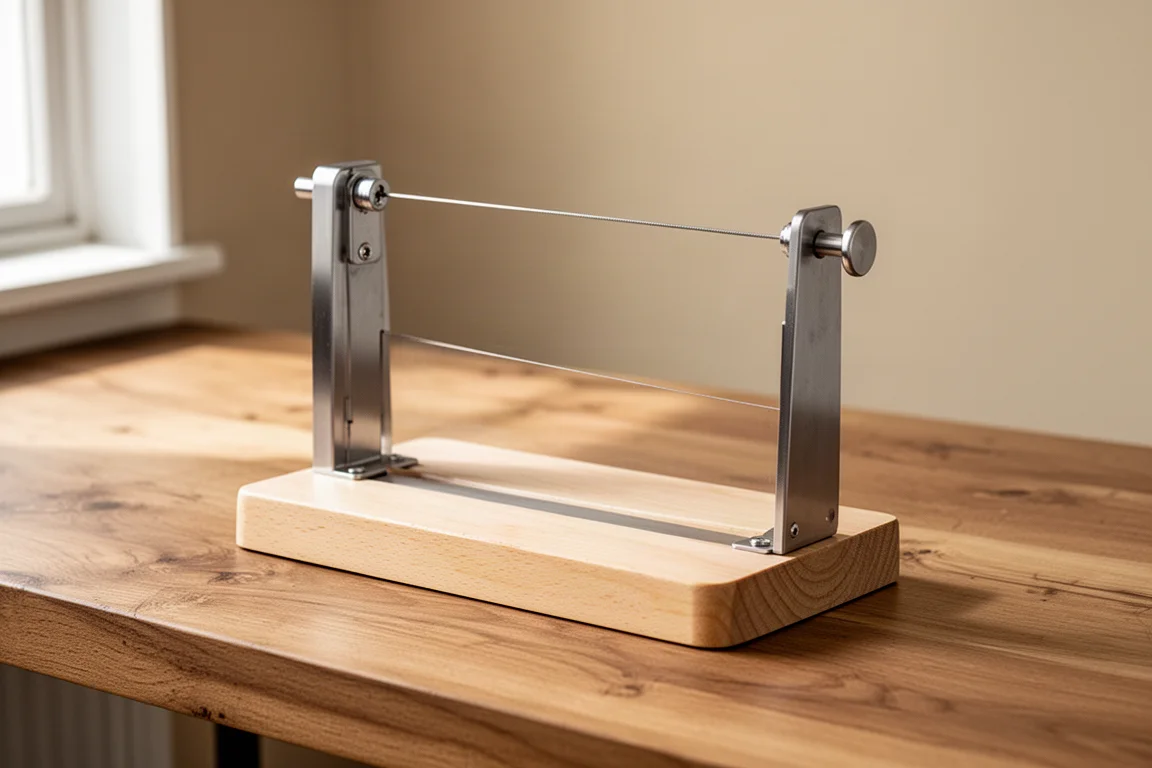
The Boska Cheese Commander Pro Plus looks nothing like a household gadget, and first impressions can be misleading. Its compact frame fits onto any counter, and a taut cutting wire does the work that would otherwise demand a knife. After each cutting motion the wire returns to its original position, so slicing stays easy and efficient through repeated use.
In practice it handled a full range of cheese densities. Soft Brie was the standout test: the wire passed through cleanly without squashing or shifting the cheese, producing neat, consistent slices on demand. That consistency is exactly what the product promises, with neater portions, quicker prep, better consistency and less trimming waste for a professional counter.
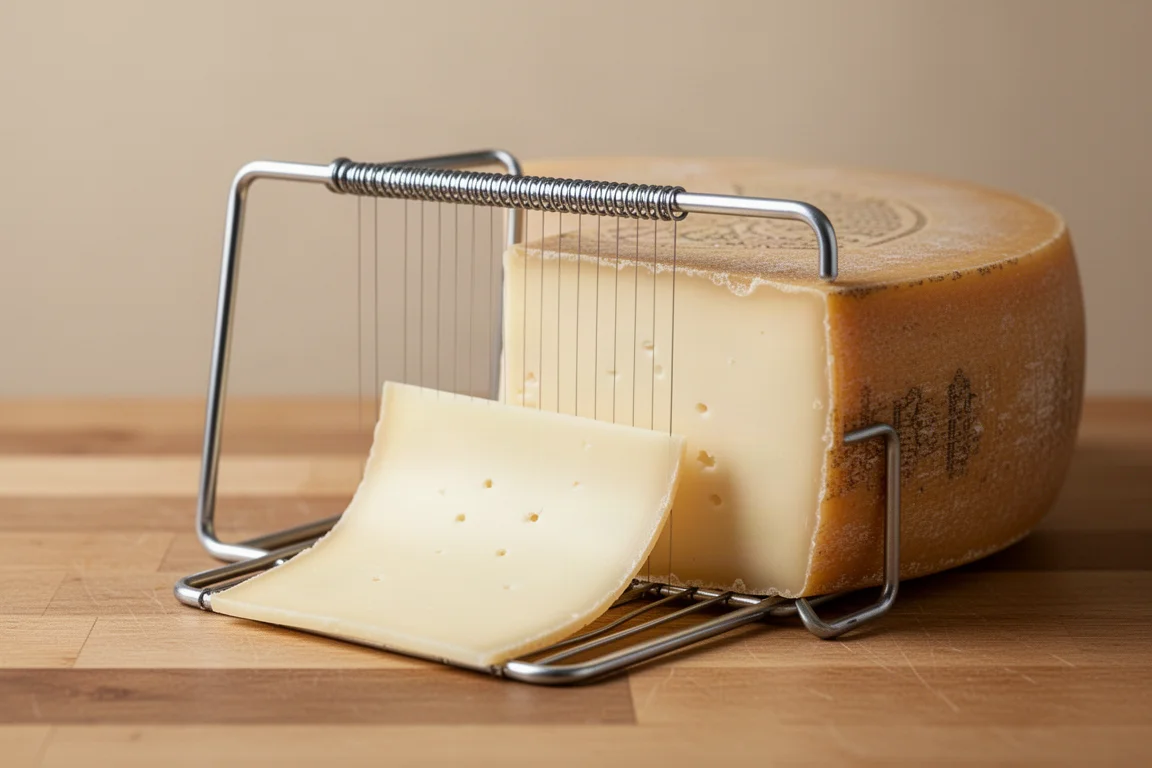
Hard cheese is where technique matters. The wire will get through a firm Italian cheese, but the pull needs to go down as well as back, and it takes practice to produce genuinely straight cuts. The upside is safety: there is no blade edge to catch a finger, and the open underside lets crumbs fall straight through, making cleaning simple. It is clearly designed for cheesemongers and counters rather than home kitchens, and the price reflects that: £99.99.
Roband Sycloid Toaster
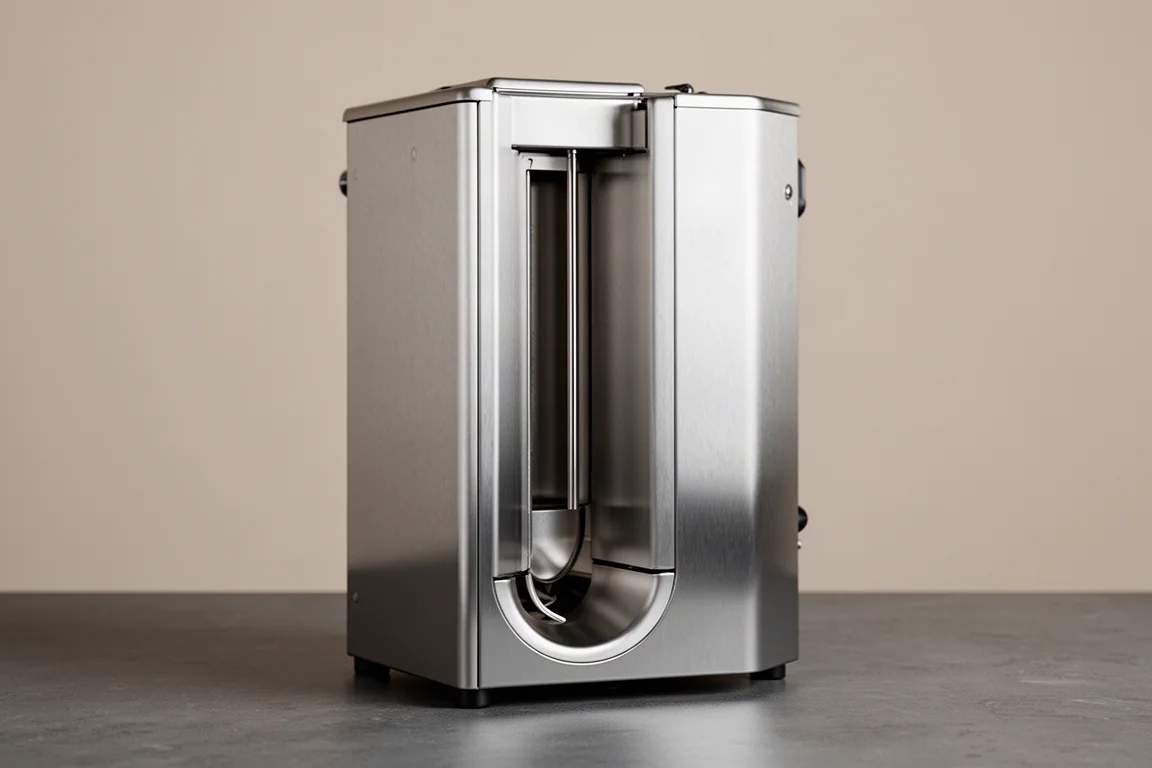
If you have ever eaten at a hotel breakfast buffet, you have almost certainly used one of these. The Roband Sycloid toaster can toast up to 350 slices of bread per hour, with a cool touch exterior and an energy-efficient design. In a restaurant serving breakfast or brunch, the machine typically lives in the kitchen and the server toasts to order.
Operation is simple: bread travels down a curved internal channel, and the setting controls speed rather than temperature. There is one temperature, and toastiness comes down to how long the bread stays in the machine, which is exactly how every other toaster works too.
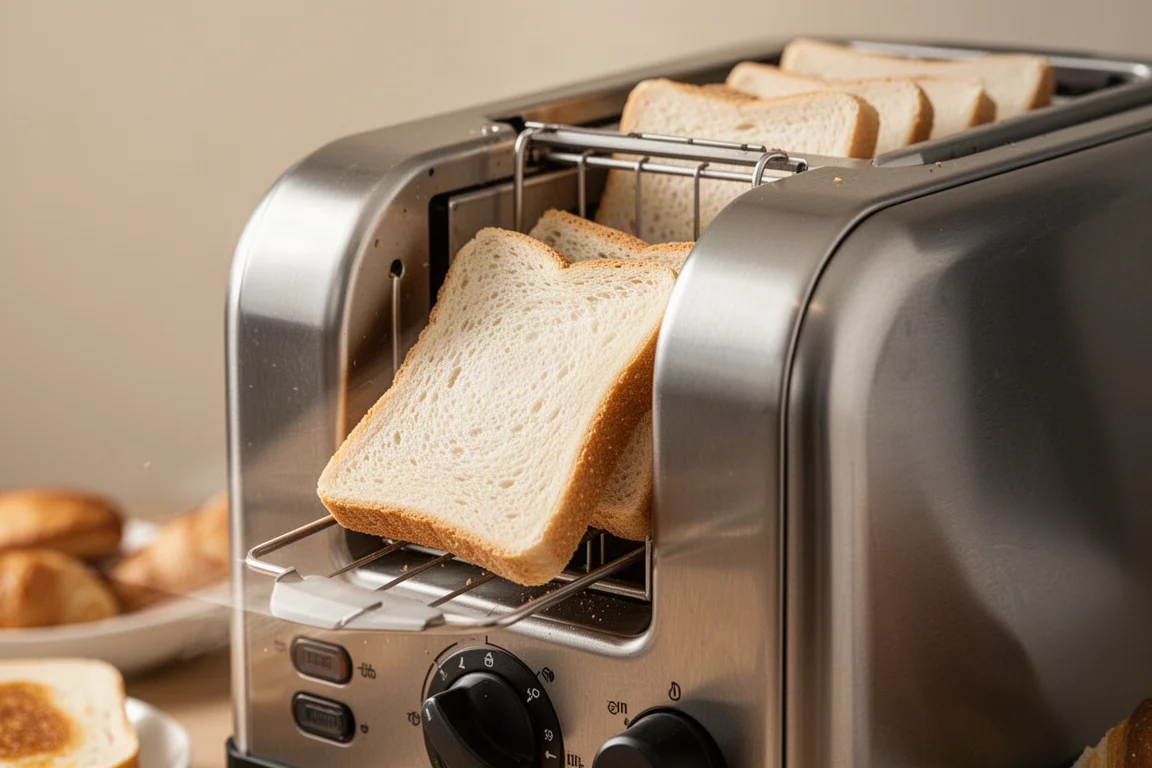
It coped well with plain white bread and produced genuinely good toast from both brioche and thicker cuts, though dense sourdough can stick if the pace gets too fast, and richer breads will burn if left in too long. Keep an eye on which slices are yours, because in a busy service others will come out behind yours. At £2,483 it is a serious commercial investment, but the machine is simple, robust and built to last in exactly the environment it was designed for.
Edlund CH3000 Can Crusher
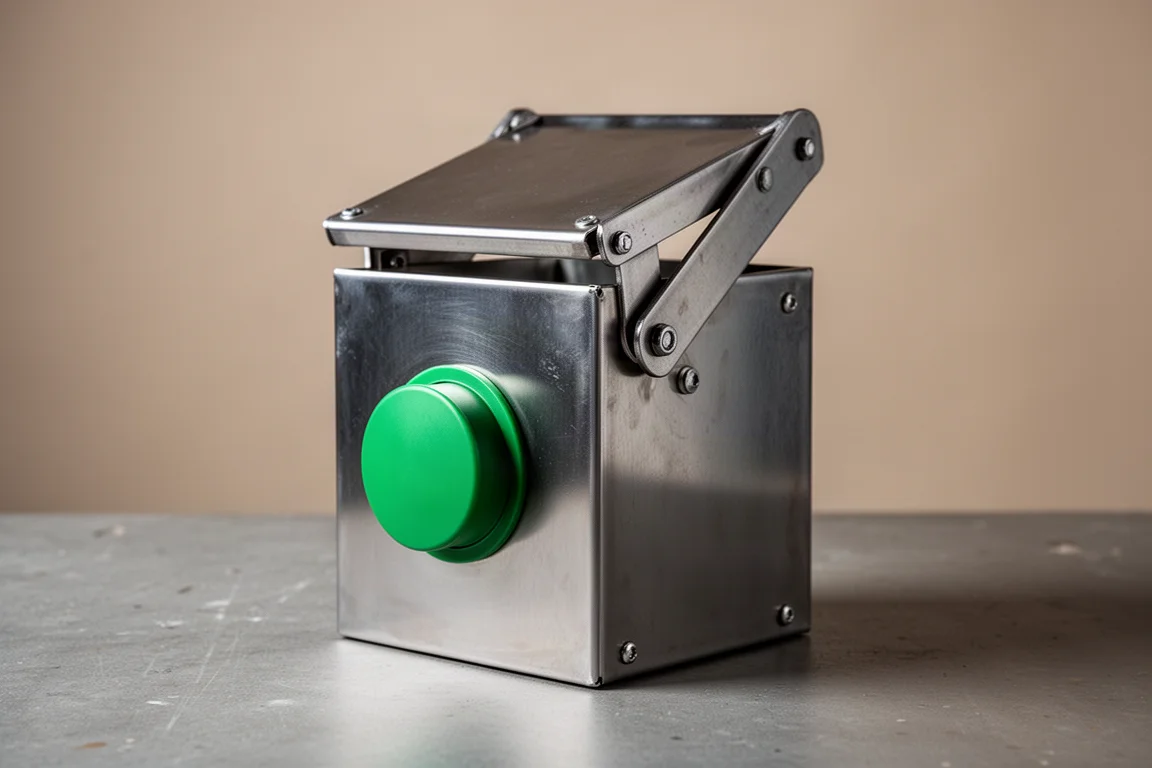
The Edlund CH3000 is the most specialized of the three: an air-powered can crusher rated to crush 10 cans per minute, which works out at 600 an hour. You lift the lid, drop a can in, close it for safety and press the large green button. It is loud, it is genuinely powerful, and it is very much not a home gadget.
Small cans crush easily, but the machine shows its real value with the large food-service tins that eat up space in industrial kitchens. Crushing reduces waste volume by up to 85 percent, which matters enormously when recycling collections are priced by volume and weight.
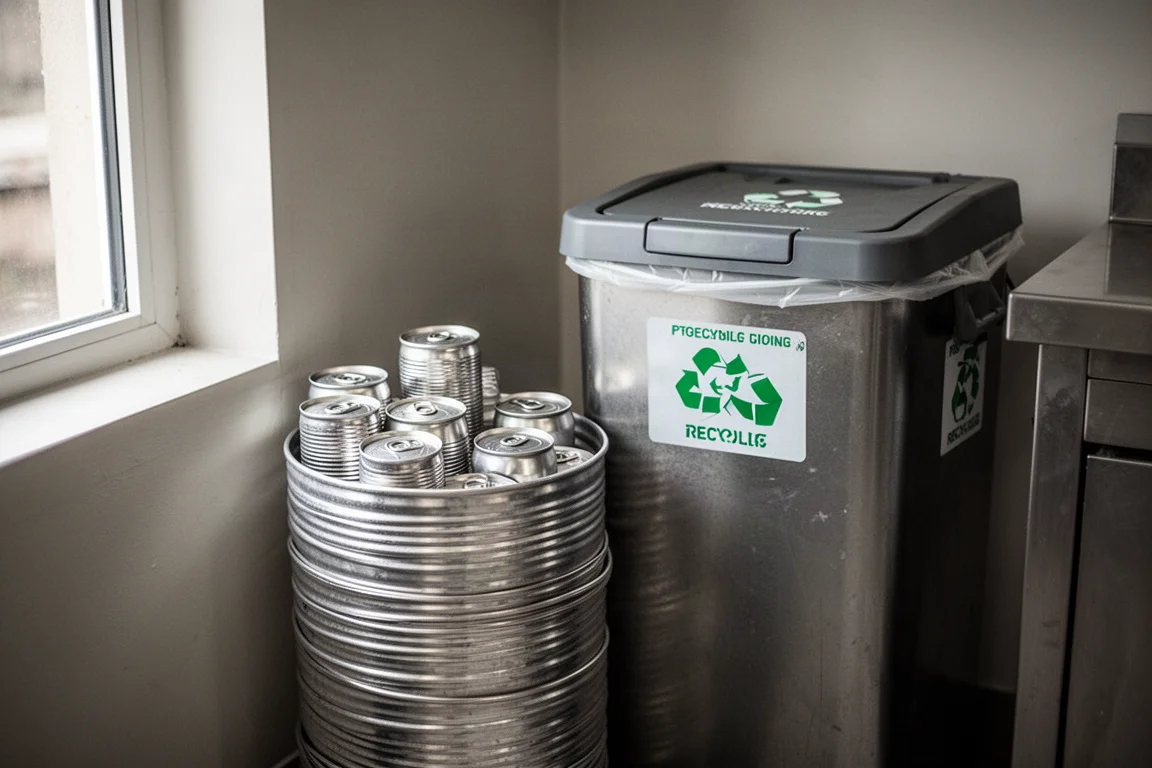
In an industrial kitchen the unit can plug directly into a compressed air main that already exists for other equipment, so it slots into that environment with minimal friction. It also has the distinction of being the most expensive gadget we have ever put through testing: £12,475. That figure says a lot about how costly it is to set up a professional kitchen, and it only makes sense for operations getting through very large quantities of canned goods where the space and disposal savings outweigh the outlay.
Overall Buying Advice
These three gadgets share one trait: none of them pretend to be for the home. The Cheese Commander Pro Plus is a genuine upgrade for anyone working a cheese counter, where safer, faster and more consistent slicing pays for itself daily. The Sycloid toaster makes sense for breakfast and brunch operations with real toast volume. The CH3000 is purely industrial, justified only where can waste is substantial. Match the tool to the workload, not to the wish list, and the professional pricing starts to make sense.
Conclusion
Each of these gadgets earned its place by doing one job very well: precise cheese portioning, relentless toast output, and dramatic waste reduction. If your kitchen faces the problem any of them solves, they are worth serious consideration; if not, your grill, your knife and your recycling bin will keep doing fine work.
Further reading
Related Reviews

Kitchen Gadgets
Kitchen Gadgets Tested 2026: Five Tools Worth Considering
A practical look at five kitchen gadgets, from egg shapers to peanut butter stirrers, with honest assessments of what works and what doesn't.
Kitchen Gadgets
Best Electric Wine Openers: Our Top Picks From Eight Tested Models
We tested eight electric wine openers priced from $20 to $110 on hundreds of bottles. The Secura came out on top, with a Peugeot and a Rabbit model also worth knowing about.
Kitchen Gadgets
Best Kitchen Gadgets Under $15: Eight Small Tools That Earn Their Keep
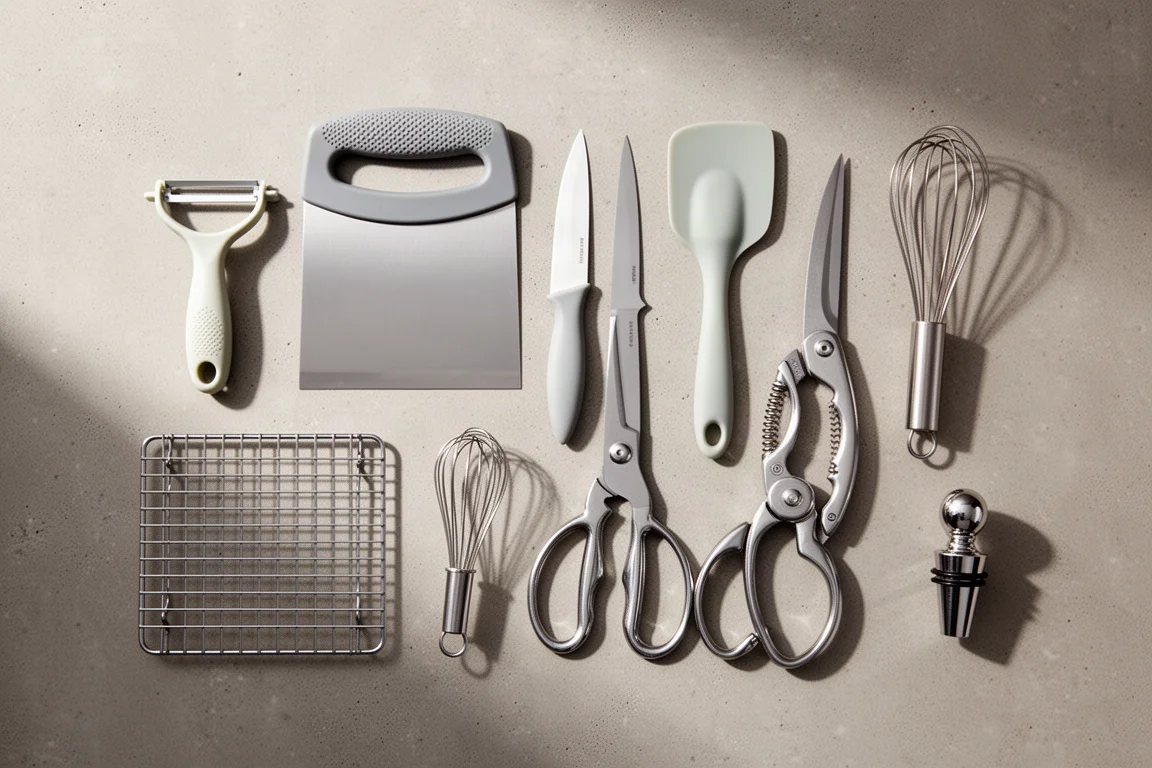
Eight kitchen tools that cost less than $15 but perform like far more expensive gear, from a razor-sharp peeler to a champagne saver that really works.