Kitchen Equipment
Professional Kitchen Gadgets Tested: Potato Rumbler, Dough Roller, and Pacojet 4.0
Three heavy-duty professional kitchen machines put through real prep work: what they do well, who they suit, and what they cost.
Introduction
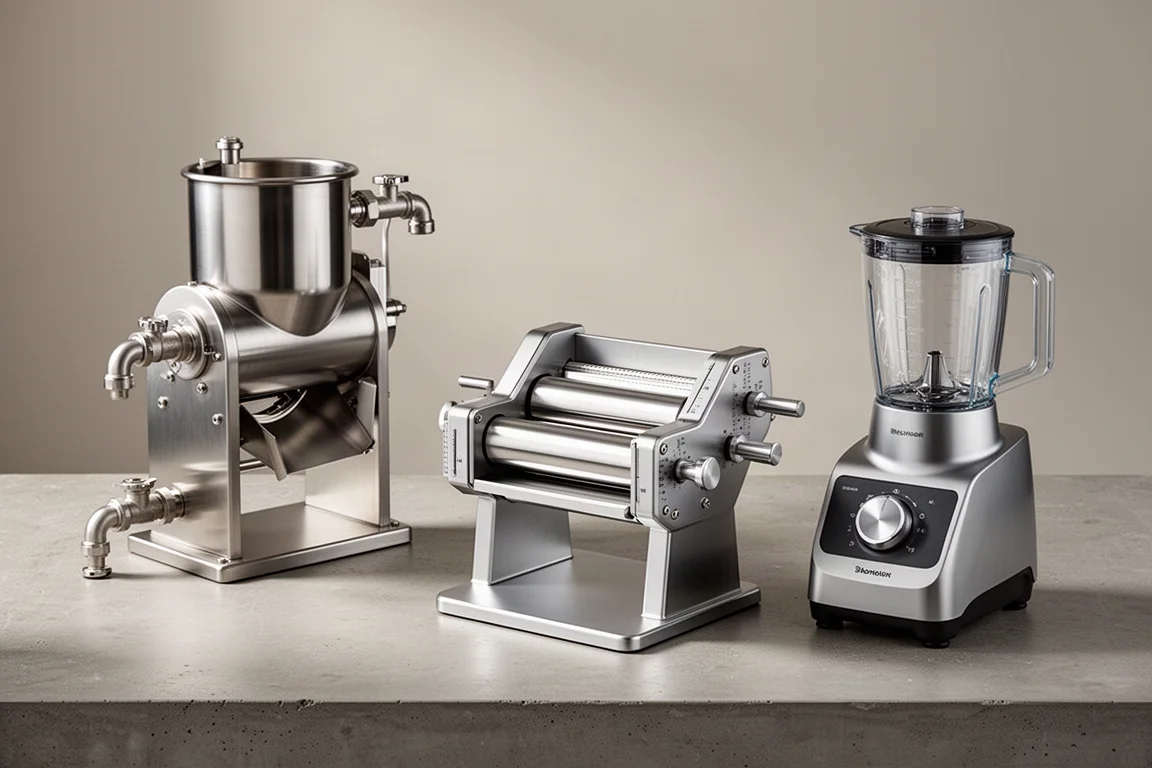
Professional kitchens run on repetition, and the tasks that eat the most prep time are exactly where purpose-built machines earn their keep. We put three heavy-duty gadgets through their paces with a professional chef on hand: a commercial potato peeler, a dough roller for pizza and pastry, and the machine chefs tend to whisper about, the Pacojet 4.0.
All three sit firmly in the commercial equipment bracket, and none of them pretend otherwise. The question for each is simple: does it save enough labour, waste, or quality compromise to justify its price in a busy kitchen?
Metcalf Potato Rumbler: High-Volume Peeling
Peeling potatoes is one of the most labourious jobs in any kitchen that serves them in volume, and rushing it produces waste because you end up removing too much. The Metcalf potato rumbler tackles this with a big abrasive-lined chamber that scrubs potatoes clean with a constant flow of water. It handles four and a half kilos per load and claims up to 180 potatoes an hour, with a stated throughput of around 86 kilos an hour once you factor in loading and unloading.
It needs to be plumbed in, with a constant stream of water running through the machine and a backflow-prevention valve as a legal requirement. Experienced cooks can peel a potato in about 20 seconds by hand, but this unit should turn out a full four-and-a-half-kilo load in roughly two minutes, and you can run load after load while getting on with other prep.
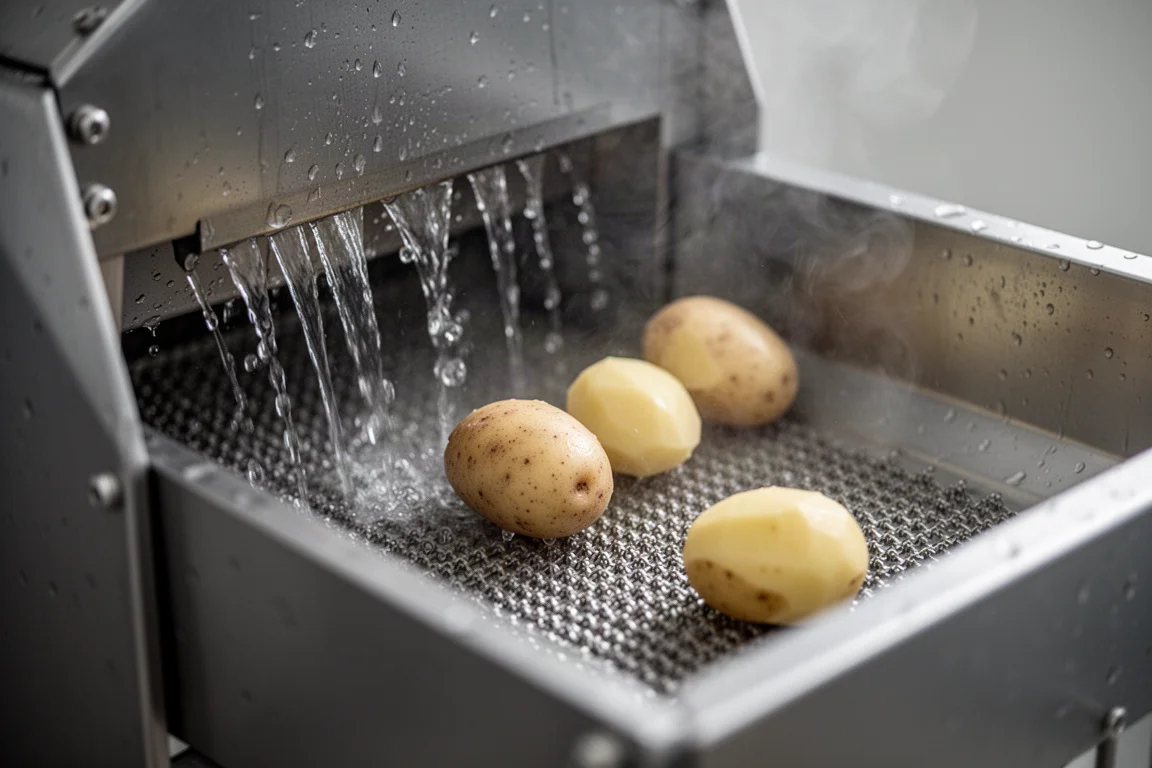
One clear warning: moving parts inside the peeling chamber can crush and cut, so hands must stay out during operation, and loose clothing or long hair needs to be kept well clear. Potatoes go in without pre-scrubbing, as long as there are no stones or grit. The serrated chamber design is said to reduce potato loss, and in testing the results came out around 90 to 95 percent perfectly peeled, with only the little eyes and dinks left to tidy. As they roll around, the potatoes get smoother and more even, producing a light grind rather than chunks falling off.
It is not a countertop machine. Realistically it lives in a wet room or a raised position on the floor alongside other wet vegetable prep. At around 1,571 pounds, it is a serious investment, but as a chef’s comparison goes, it costs far less over time than paying a commis chef to peel the same volume, and it does not need a performance review.
Sirman Dough Roller: Consistent Thin-Crust Bases
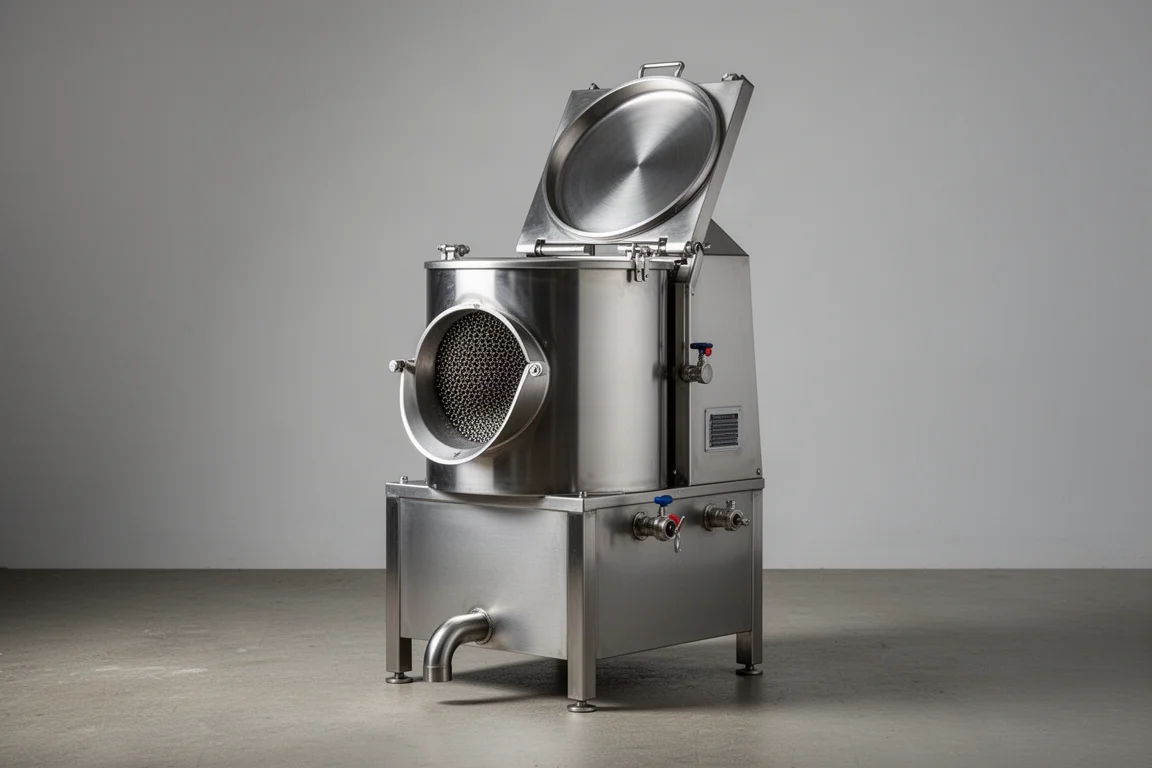
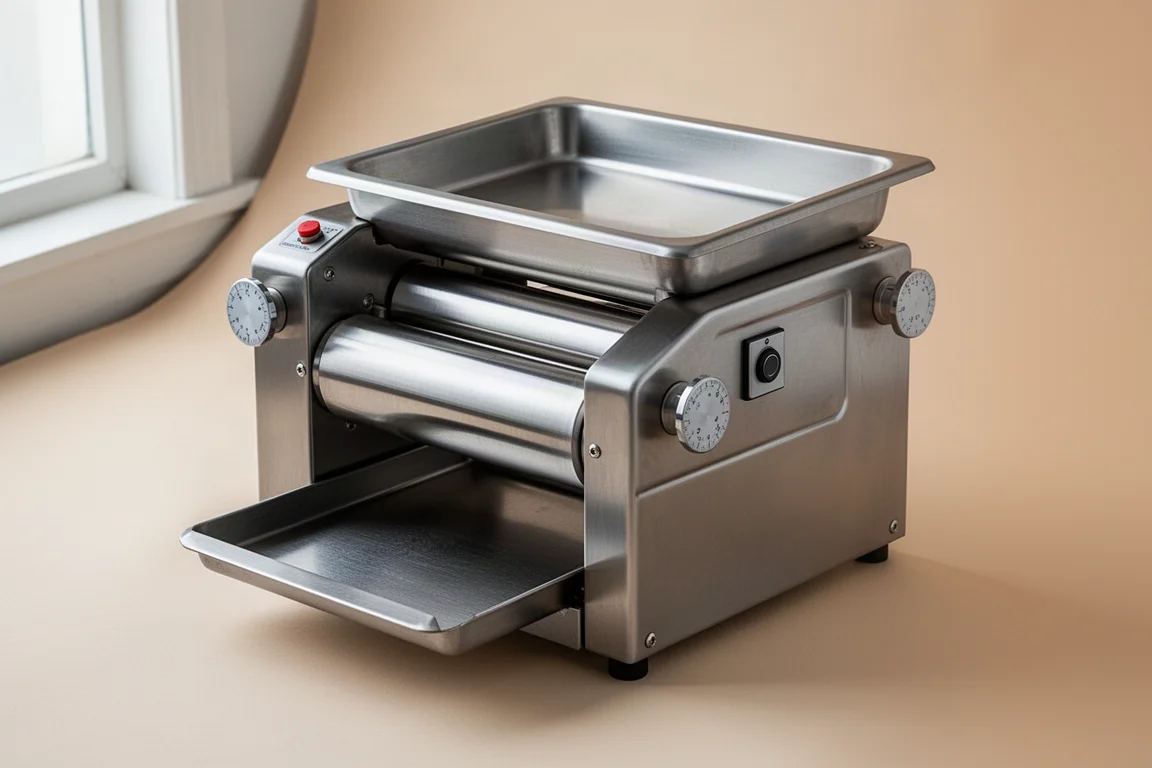
The Sirman dough roller is built for one job: turning a ball of dough into a thin, perfectly round pizza base in seconds. It uses two rollers with a gauge on each side, one button, and two nozzles to set the roller thickness. The dough is flattened in one direction, flips, and is rolled again the other way, which is what produces a round shape rather than an elongated one.
The case for it is consistency and speed. Rolling a base by hand takes real skill and time, and your body heat works the dough as you handle it. A cold roll like this does not change the dough’s properties, which matters when you have spent hours or days fermenting it. Thin-crust pizzas came out evenly thin and circular in seconds, though how thin you can go also depends on the dough itself. It can also handle other flatbreads and even pastry for lining tart cases, so long as whatever you roll will not stick to the machine.
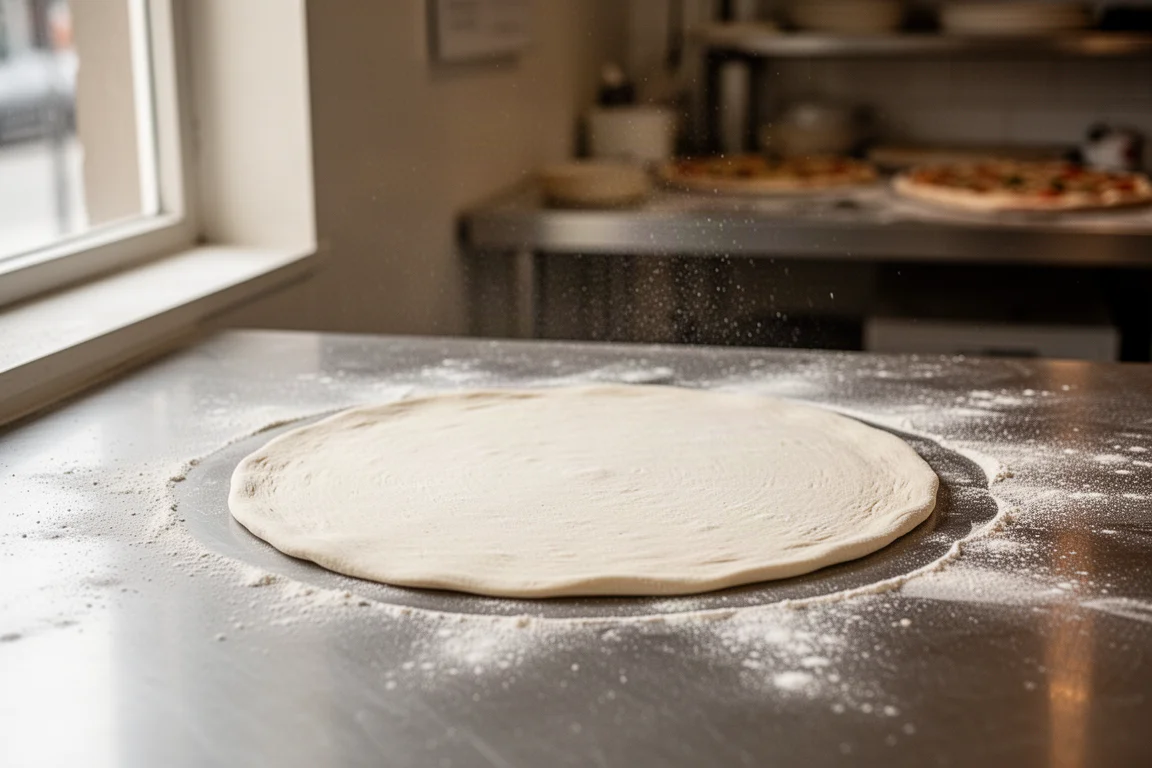
Our baked test was on a cold tray in a domestic oven rather than a pizza stone, so the crust rise was not a fair test of the dough. But the cook and the rolling were both completely even, which is the machine’s job. If you want an artisanal, hand-stretched Neapolitan style with a puffy cornicione, a pizza chef is still the better route. For a high-volume restaurant doing proper thin crust, this could be excellent. At 1,451 pounds, it is priced similarly to the rumbler, and in a busy setting it could realistically pay for itself within a month against labour costs.
Pacojet 4.0: The Chef Favourite
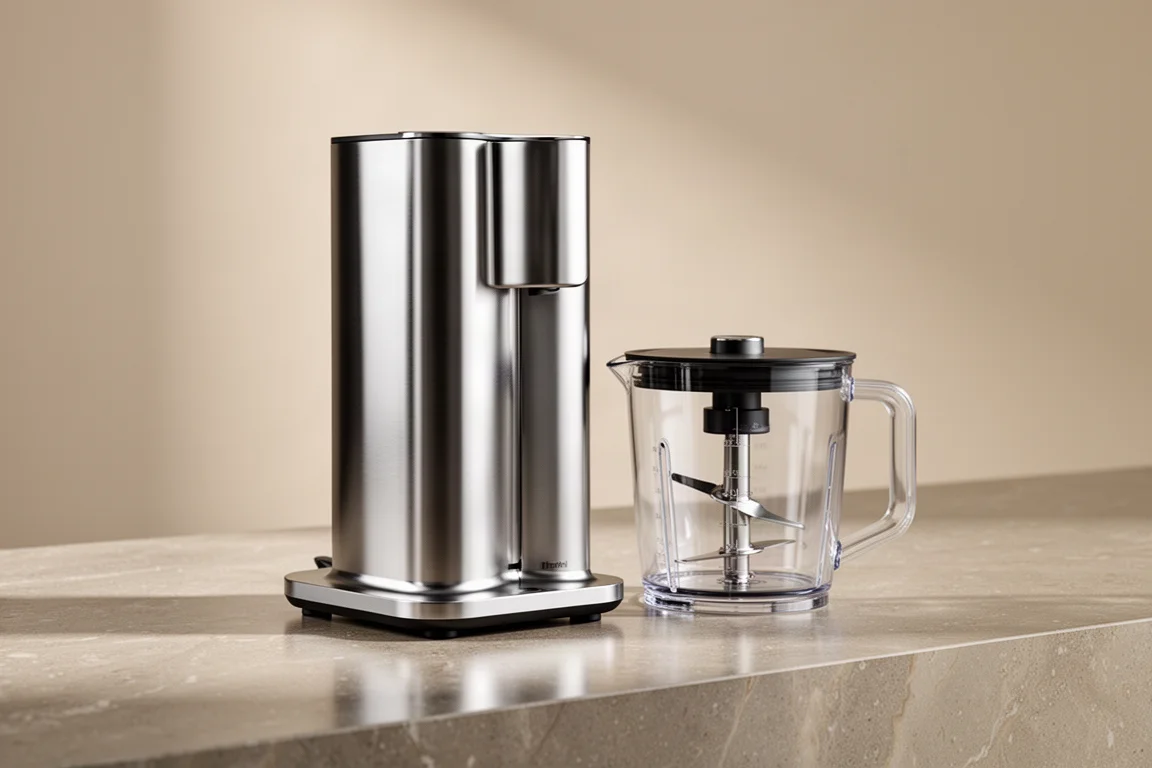
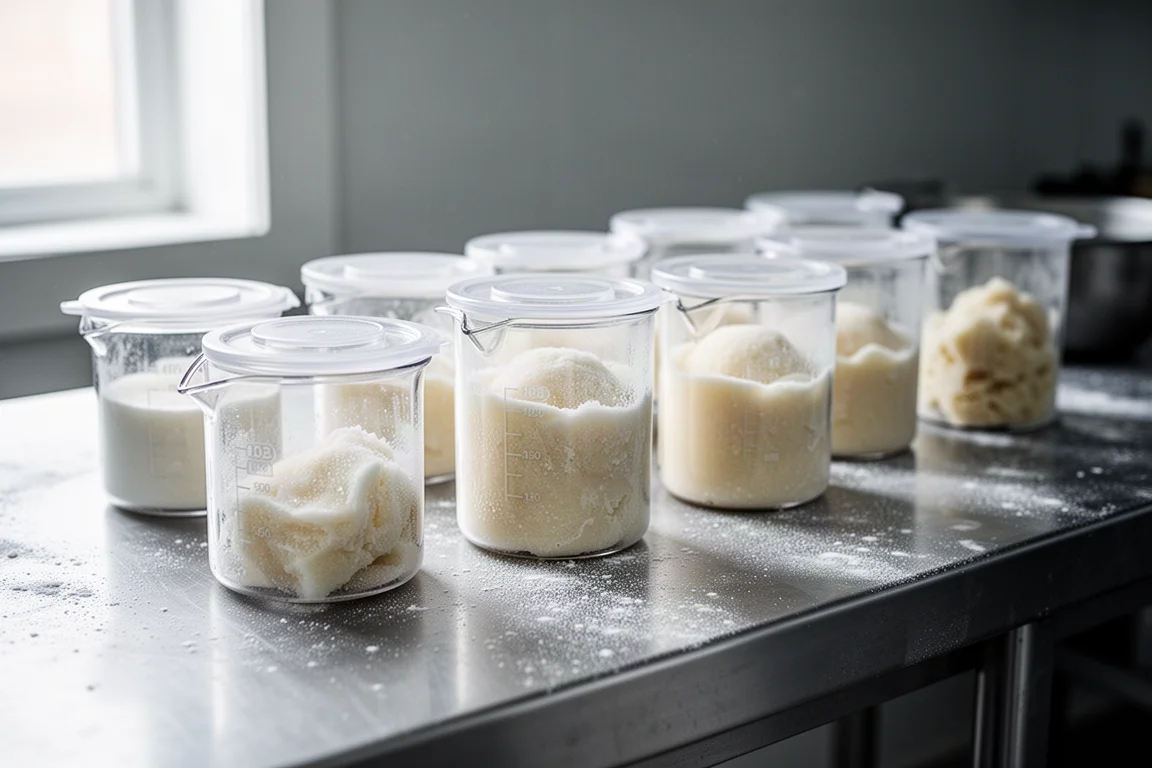
The Pacojet has a reputation among chefs, and after using the 4.0 it is easy to see why. It works with a magnetically attached blade that spins down into a solidly frozen beaker, blending hard-frozen preparations into an ultra-smooth texture with no ice crystals. The preparation needs to be frozen solid, down to around minus 18, before the machine can pacotize it.
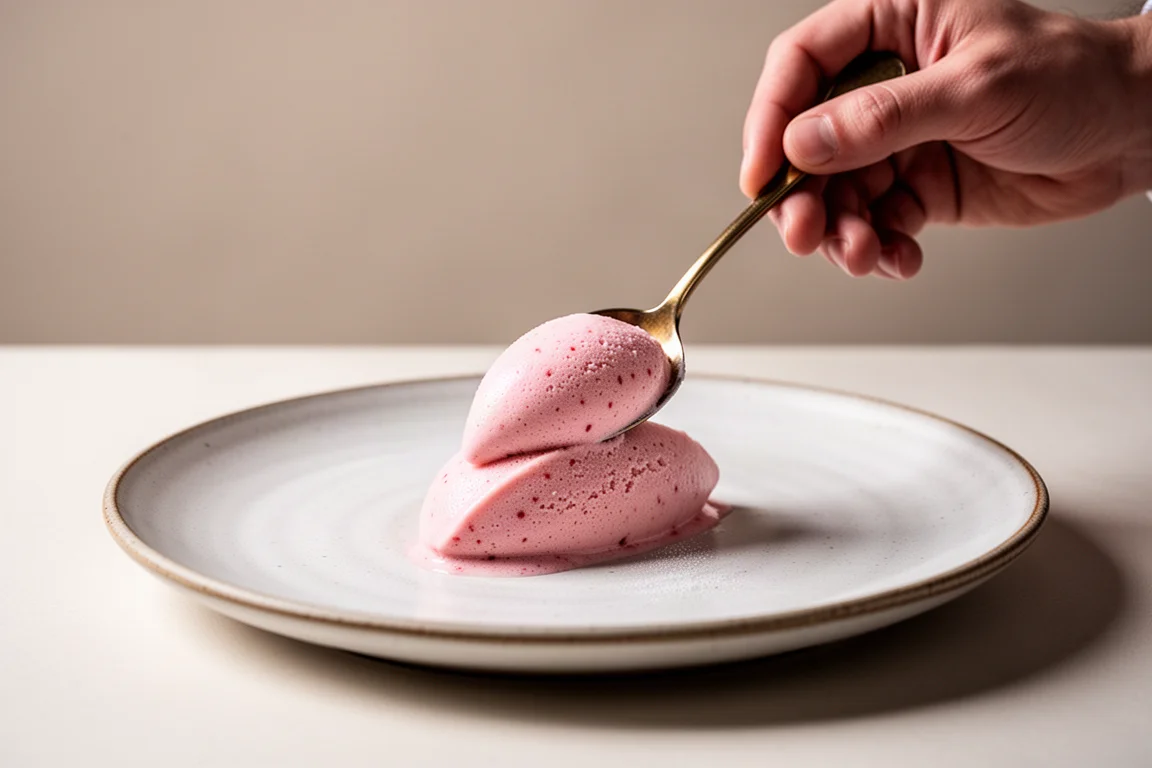
We started with a strawberry sorbet made from blended fresh strawberries, honey, and water, frozen solid. The machine processes only the top portion at a time, so you can produce fresh portions to order and return the rest to the freezer, with a sensor detecting when the blade contacts the frozen preparation. The result was remarkably smooth, and because the texture stays creamy without heavy churning, you need less sugar to prevent crystallisation, letting fresh, ripe, seasonal ingredients carry the flavour.
Beyond ice cream and sorbet, the applications are broad. Whole cashews set in water, never pre-blended, came out as a thick, rich, phenomenally smooth nut butter after two passes. Leftover squeezed limes, pith and rind included, covered in sugar syrup and frozen solid became a bright, bitter-edged lime sorbet from what would otherwise be waste. The chef also cited hummus-style dips from chickpeas or lentils blended with sun-dried tomatoes, and the silkiest chicken liver parfait from their restaurant days.
The 4.0 uses clear containers, so you can see exactly what is in each beaker and how much has been processed, and there is zero waste because you only pacotize the portion you need. It sits on a counter in a pastry or prep kitchen rather than being plumbed in. Pricing runs between six and a half and seven and a half thousand pounds depending on the retailer, which is steep. But with a claimed payback period of under a year in a busy restaurant through food waste savings, energy savings, and menu quality, the maths can work for the right operation.
Buying Advice for Professional Kitchens
Match each machine to your actual volume. If potatoes feature heavily on your menu, the Metcalf rumbler replaces hours of peeling labour and reduces waste, paying for itself over time against wages. It belongs in a wet prep area, not on a counter, and staff need to respect the moving-parts safety warning.
The Sirman dough roller makes sense where thin, consistent bases are produced in quantity night after night. If your identity is hand-stretched, artisanal pizza, keep the chef instead. The versatility for flatbreads and pastry adds value if your menu spans them.
The Pacojet 4.0 is the biggest outlay of the three but also the most versatile, covering sorbets, ice creams, nut butters, purees, and parfaits while turning prep waste into sellable product. For pastry-led or fine-dining kitchens, the claimed sub-year payback from waste and labour savings is credible. For smaller operations, it is a luxury unless frozen desserts or smooth purees are central to the menu.
Conclusion
All three machines do one thing exceptionally well, and each earns its place only where that thing happens at volume. The Metcalf rumbler wins for high-volume potato prep, the Sirman dough roller for fast, consistent thin-crust bases, and the Pacojet 4.0 for chefs who want the smoothest textures and a way to turn waste into menu items. Price is the deciding factor in every case, so weigh the machine against the labour it replaces before committing.
Further reading
Related Reviews

Kitchen Equipment
Best Pasta Makers for Home Kitchens: Five Machines Compared
Five pasta makers from manual hand-crank models to powered attachments, each with distinct strengths for different cooking styles and kitchen setups.

Kitchen Equipment
Best Sheet Pans Tested: Which Brands Resist Warping and Cook Evenly
Six popular sheet pans tested for warping resistance, roasting performance, and ease of cleaning. Find out which offers the best value and which to avoid.

Kitchen Equipment
Best Stand Mixers for Home Bakers: Four Tested Models for Every Budget
Four stand mixers tested across whipping, creaming, and heavy-duty dough kneading. Find the right mixer for your baking needs and budget.