Kitchen Gadgets
Professional Kitchen Gadgets Put to the Test: Dumpling Wrapper Machine, Oil Press and Baozi Bun Maker
Three pro-level kitchen machines that promise to automate dumpling wrappers, fresh nut oils and perfectly crimped bao buns. Here is how they performed.
Introduction
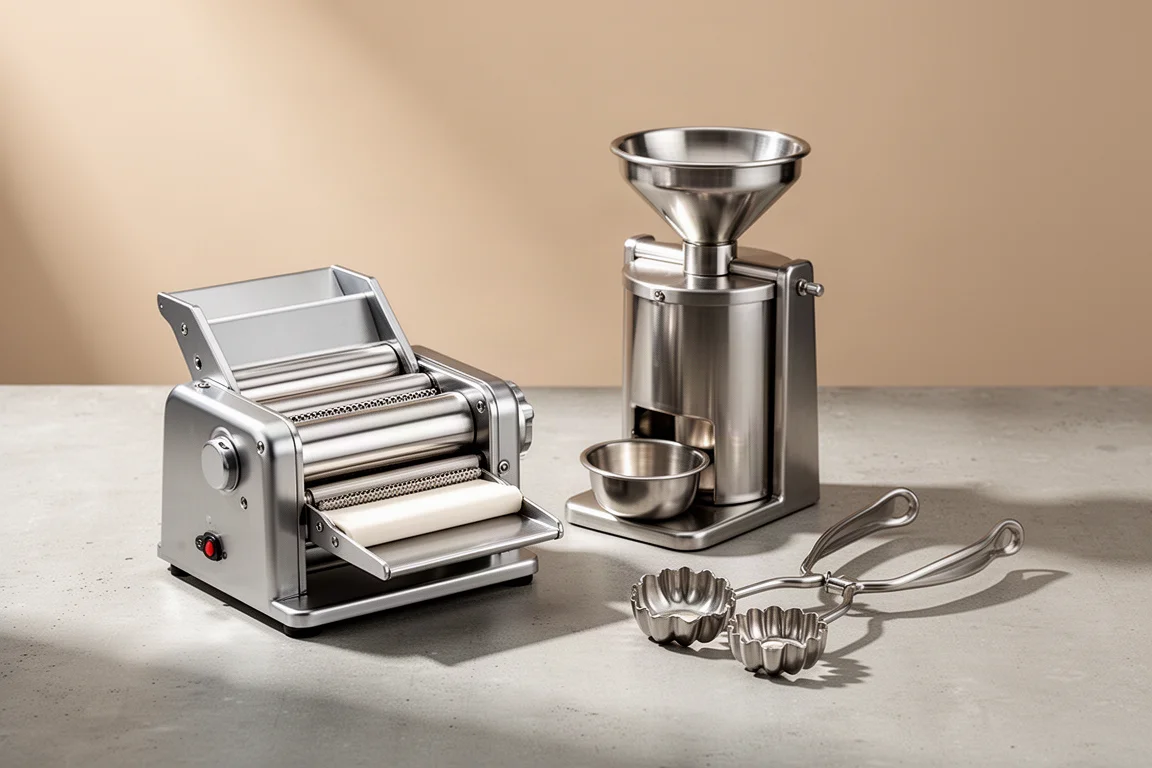
Some kitchen gadgets are built for the home cook. Others are built for a restaurant line that needs sixty identical dumplings on the pass every minute. We spent time with three machines firmly in the second camp: an electric dumpling wrapper machine, a seed and nut oil press, and a pair of manual Baozi Steam Bun Maker tools. Each one promises to remove a genuinely difficult manual skill from the equation. Here is what working with them was actually like, and who each one makes sense for.
Electric Dumpling Wrapper Machine: Fast, Fine Wrappers With a Learning Curve
This machine takes dough in at the top, runs it through rollers and ejects finished dumpling wrappers, with a claimed output of up to 60 wrappers per minute. That is roughly one per second, which makes sense for a busy dim sum kitchen and slightly less sense for a Tuesday night dinner.
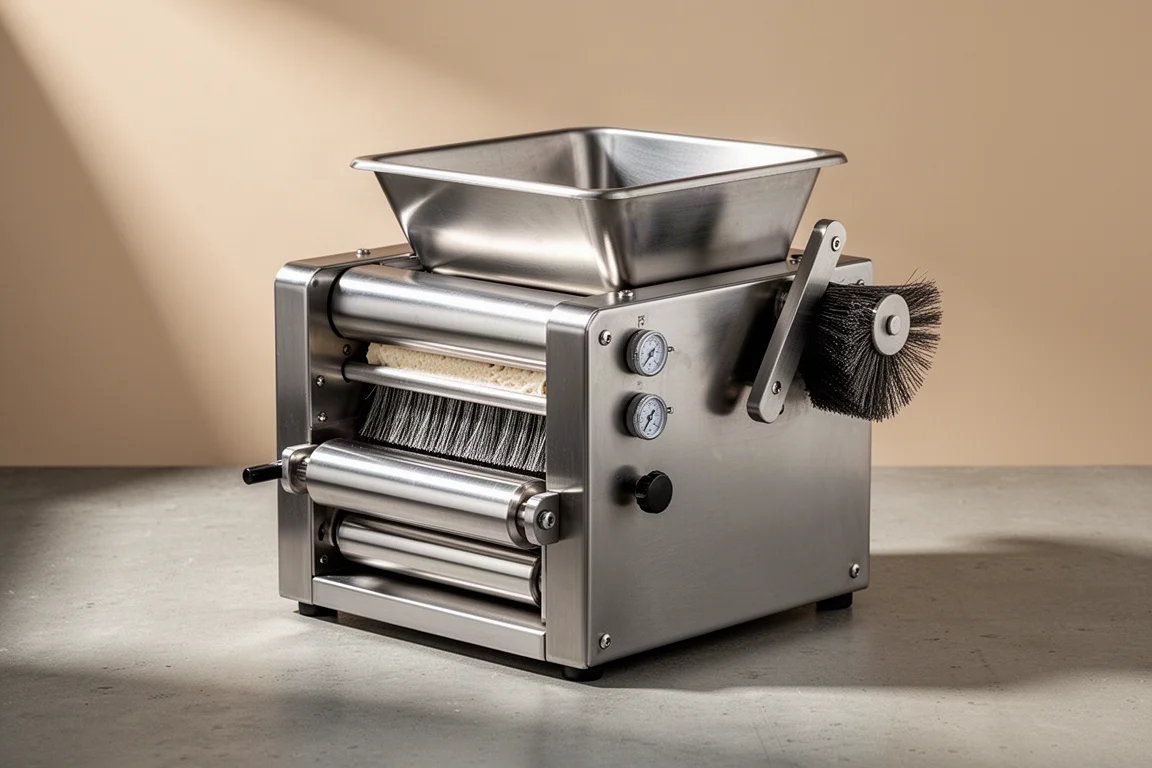
In practice, it is not plug-and-play. The chute, brush and collection plate all need dusting before you start, and the first few attempts produced misshapen crescents rather than clean rounds. Dirt on the rollers was the culprit, and once the machine was cleaned and the two adjustment dials dialed in, output improved noticeably. It is sturdy, weighty and feels built to last, with the kind of construction that suggests it would keep producing wrappers for years.
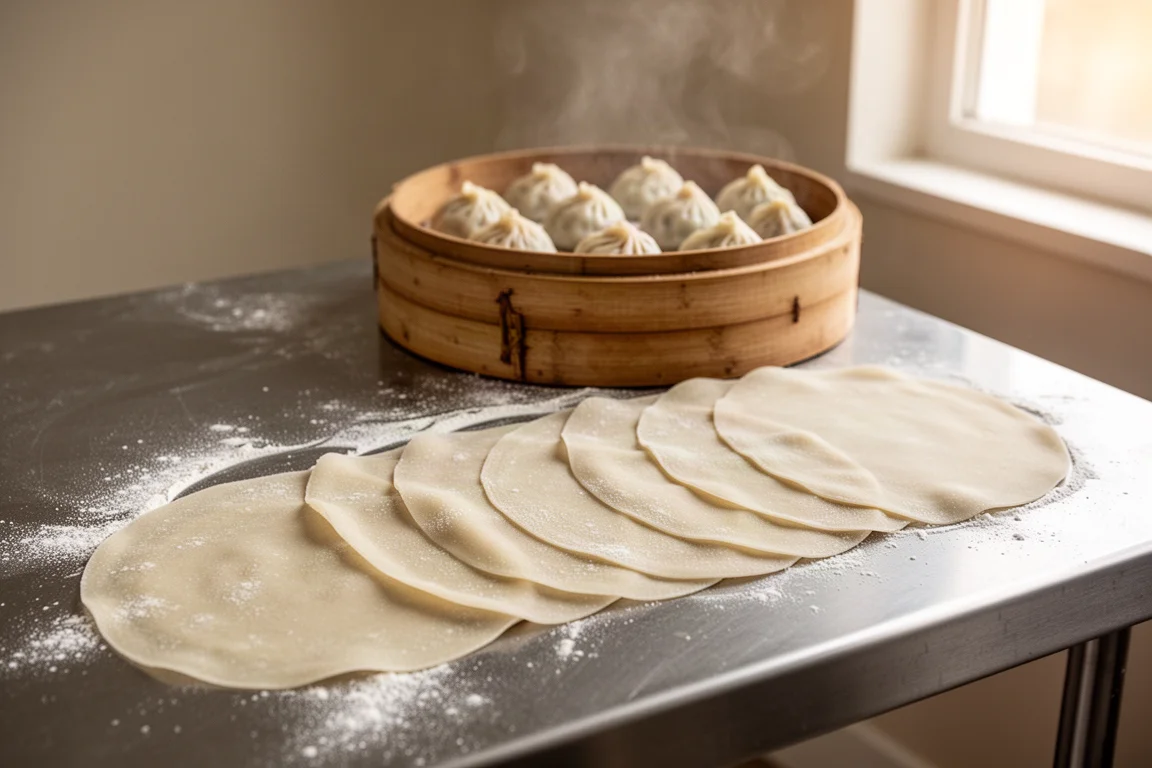
The payoff is real, though. The resulting wrappers are exceptionally thin and consistent, fine enough that you can almost see the filling through the skin when steamed. That level of thinness is difficult to achieve by hand and arguably finer than some store-bought wrappers, which also means the dumplings steam very quickly, in around three minutes once the steamer is running. The test dumplings, filled with pork and prawn with ginger, garlic and spring onion, came out delicate and dainty in the true dim sum style.
Oil Press Machine: Freshly Pressed Oils With Real Kitchen Value
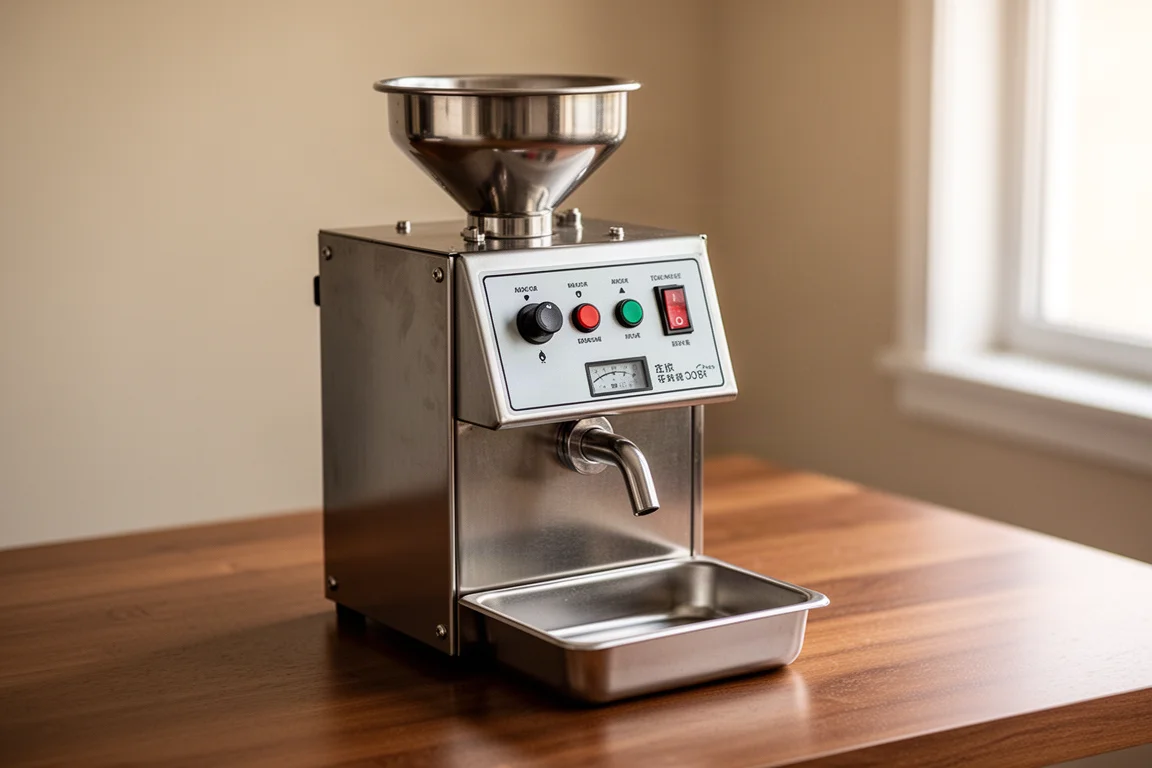
The oil press is a different kind of machine entirely. It processes seeds and nuts into oil, and it can handle over 30 types of seeds and nuts, making it a genuinely versatile extraction tool. It supports both cold pressing, which preserves more micronutrients and richness, and hot pressing, where heating releases more oil and more aromatics. Think of the difference between neutral cold-pressed rapeseed oil and deeply fragrant toasted sesame oil.
Operation is straightforward: feed seeds or nuts into the top funnel and the machine heats, with a thermostat cycling around the 190 to 200 degree mark during hot pressing. Oil and pressed solid residue emerge separately, with the oil dribbling through a sieve.
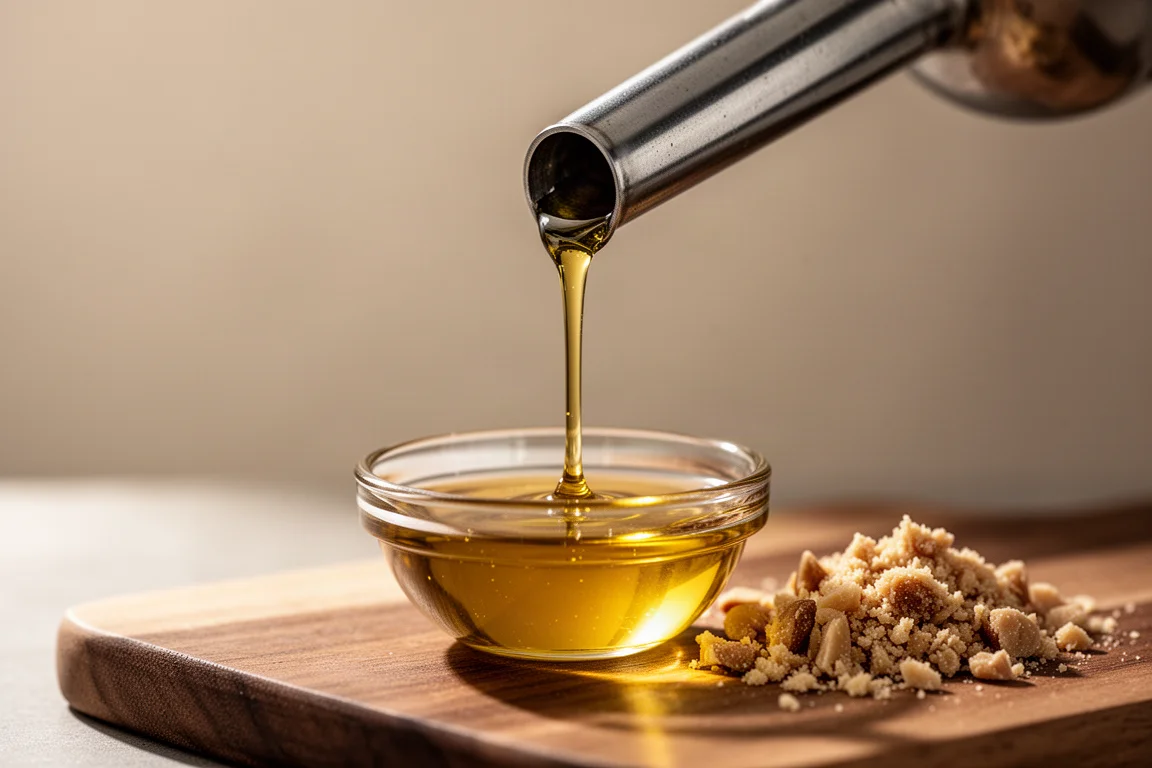
The results surprised the skeptics. Fresh hot-pressed peanut oil carried a slightly toasted character with a rich roundness that would genuinely elevate a stir fry or curry base. The sesame run produced an oil that tasted, quite simply, like pure toasted sesame oil, with the suggestion that pushing the temperature higher would deepen the toasty aroma even further. The same goes for experimentation: a star anise or cinnamon stick dropped in with the seeds could plausibly infuse the oil as it presses.
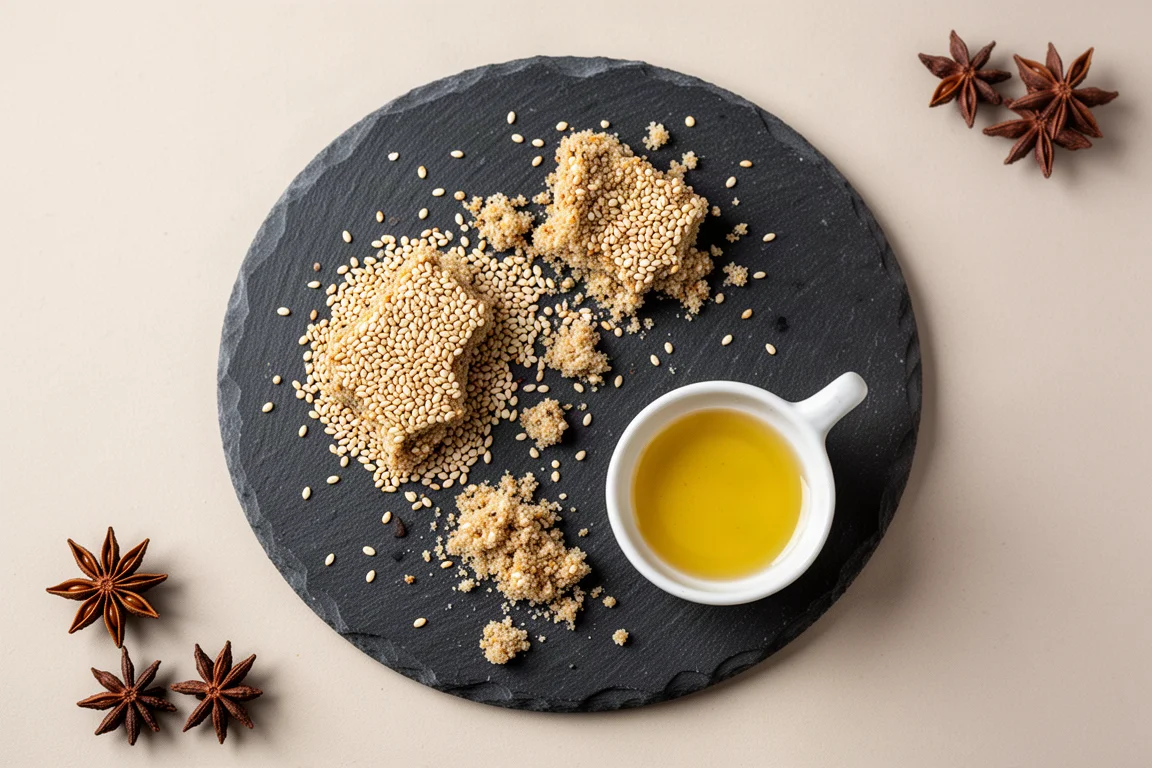
The pressed residue, the solid matter left behind, is also more useful than expected. Peanut residue made a genuinely tasty snack, and sesame residue, seasoned with salt, crushed nori and togarashi, would make an excellent topping for noodles. In a high-end restaurant setting, that byproduct could offset the cost of the machine itself, since making oil at home only pays off if you value the fresh product and the leftover material.
Baozi Steam Bun Maker: Crimped Buns Without the Hand Skills
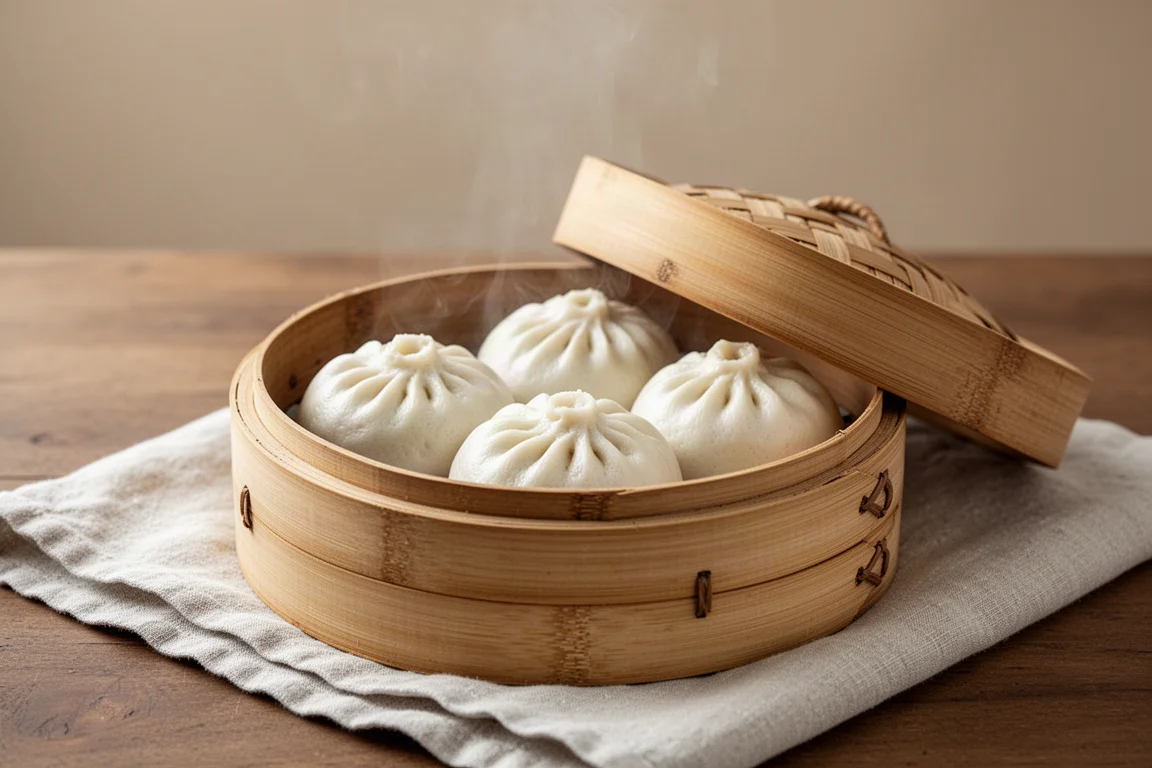
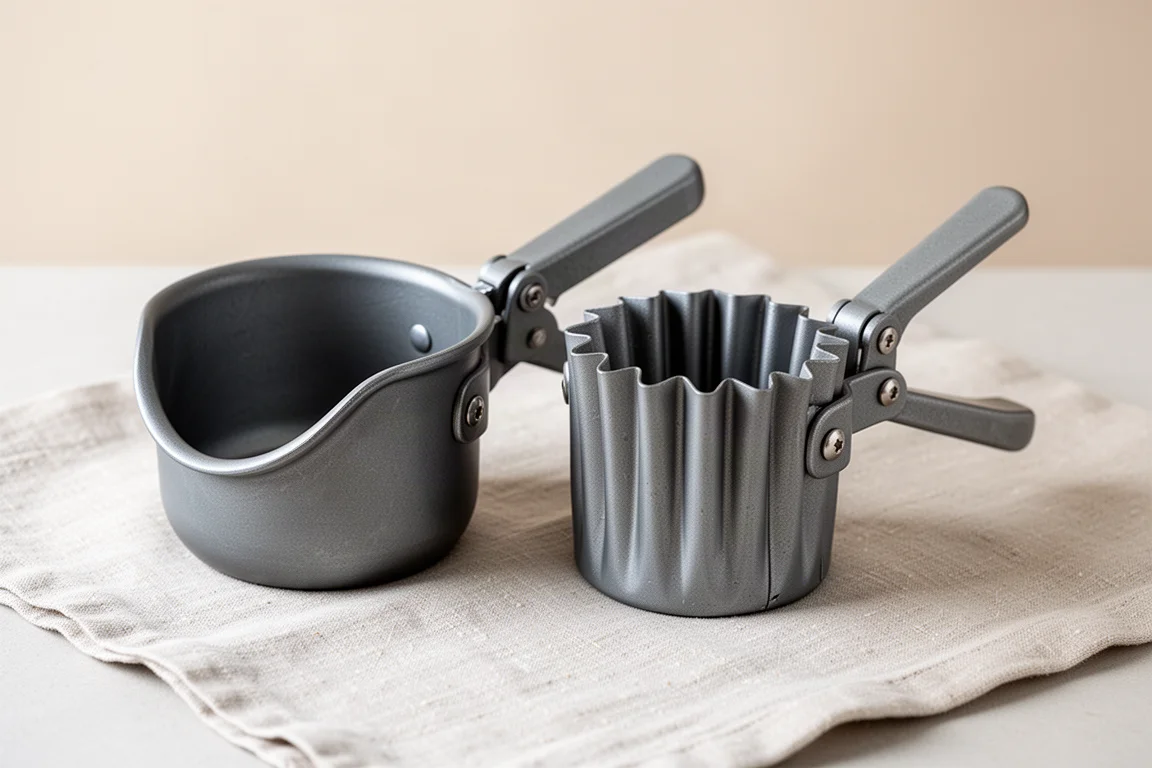
The Baozi Steam Bun Maker is the only non-motorized machine in this lineup, and it is actually two separate manual tools sold as a kit. The first tool hollows out a ball of bun dough to leave it ready for filling. The second closes the filled bun and pinches the top into nine ridged pleats, the traditional crimp pattern, which is nearly impossible for an amateur to do evenly by hand.
There are no blades involved, and once you get the technique down, the results are impressive. The crimping in particular was even and well formed, producing the kind of uniform pleats you simply cannot get at home without a machine. The tooling feels sturdy and proper, assembled with screws and hex keys rather than designed for casual consumer friendliness, which points to durability.
The caveats are mostly about the dough. A wet, active dough that keeps expanding will fight the tool, and a sticky stew-meat style dough is traditionally what this equipment is designed for. Steamed buns also need space to rise and a fair while to cook the dough through, so expectations need managing on timing as well as technique. With your recipe and filling dialed in and a production line set up, this is the kind of kit that could plausibly turn out consistent buns all day, which is exactly the use case: a restaurant serving three bao per portion across twenty tables needs this kind of setup.
Which One Makes Sense for You
All three machines are professional equipment, and that framing matters. They are designed for operators who already know what they are doing, which is why none of them felt effortless out of the box. The dumpling wrapper machine is the hardest sell for a home kitchen, purely on size and specialization, though the wrapper quality is genuinely restaurant grade. The oil press is arguably the most interesting for a serious home cook or small producer, because nothing else in this price territory does the same job and the output is immediately delicious. The Baozi Steam Bun Maker sits in between: manual, affordable relative to the others, and effective as long as your dough recipe is right.
Conclusion
Each of these machines removes a real bottleneck: rolling wrappers thin and fast, pressing fresh oil from seeds and nuts, and crimping bao buns uniformly at speed. If you run a kitchen or cook at volume, they earn their place quickly. If you cook for a household of four, they are fascinating to see in action but difficult to justify. Buy the one that matches the volume you actually produce, not the skill you wish you had.
Further reading
Related Reviews

Kitchen Gadgets
Kitchen Gadgets Tested 2026: Five Tools Worth Considering
A practical look at five kitchen gadgets, from egg shapers to peanut butter stirrers, with honest assessments of what works and what doesn't.
Kitchen Gadgets
Best Electric Wine Openers: Our Top Picks From Eight Tested Models
We tested eight electric wine openers priced from $20 to $110 on hundreds of bottles. The Secura came out on top, with a Peugeot and a Rabbit model also worth knowing about.
Kitchen Gadgets
Best Kitchen Gadgets Under $15: Eight Small Tools That Earn Their Keep
Eight kitchen tools that cost less than $15 but perform like far more expensive gear, from a razor-sharp peeler to a champagne saver that really works.