Kitchen Gadgets
3 Pro Kitchen Gadgets Tested: Blooming Onion Cutter, Flour Grinder, and Meat Slicer
Three professional-style kitchen gadgets put through real use, with honest verdicts on results, safety, and value.
Introduction
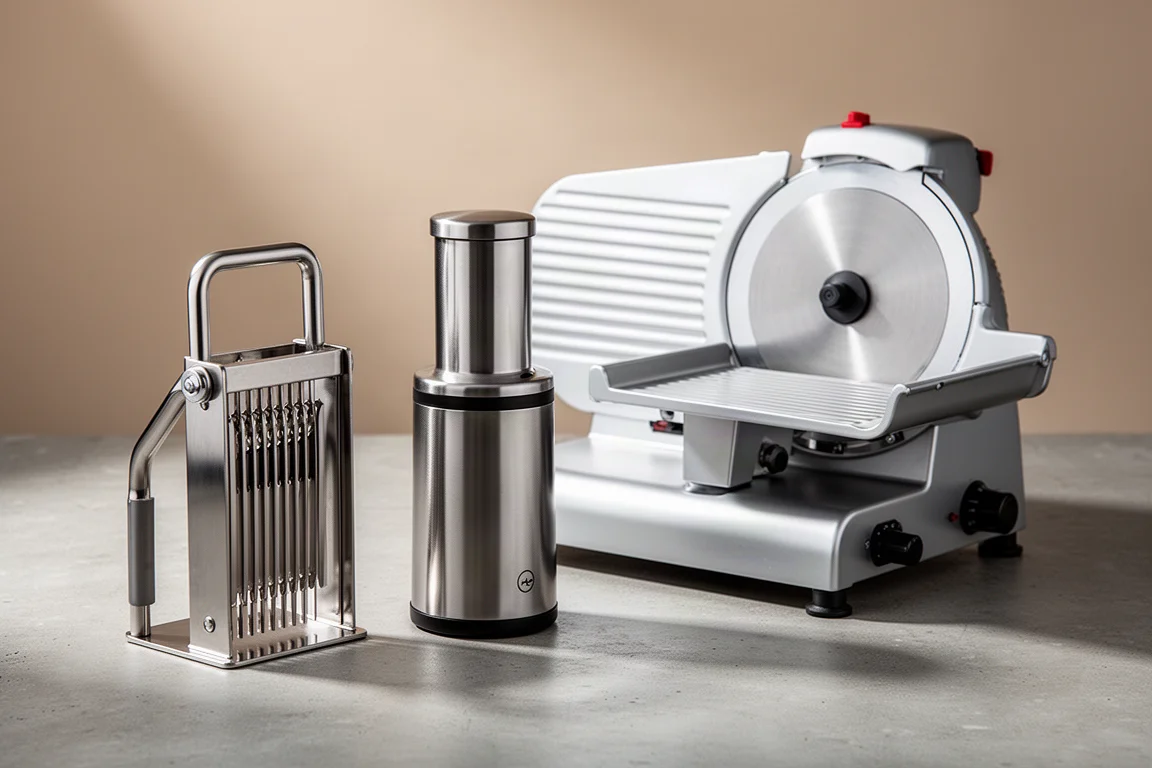
Professional kitchens rely on gadgets that do exactly one job, and do it fast and consistently. We put three of them through real use: a purpose-built Blooming Onion Cutter, an Electric Flour Grinder, and a heavy-duty Meat Slicer. All three are marketed towards professional chefs or commercial kitchens, and all three deliver impressive results, with some important caveats worth knowing before you buy.
Blooming Onion Cutter
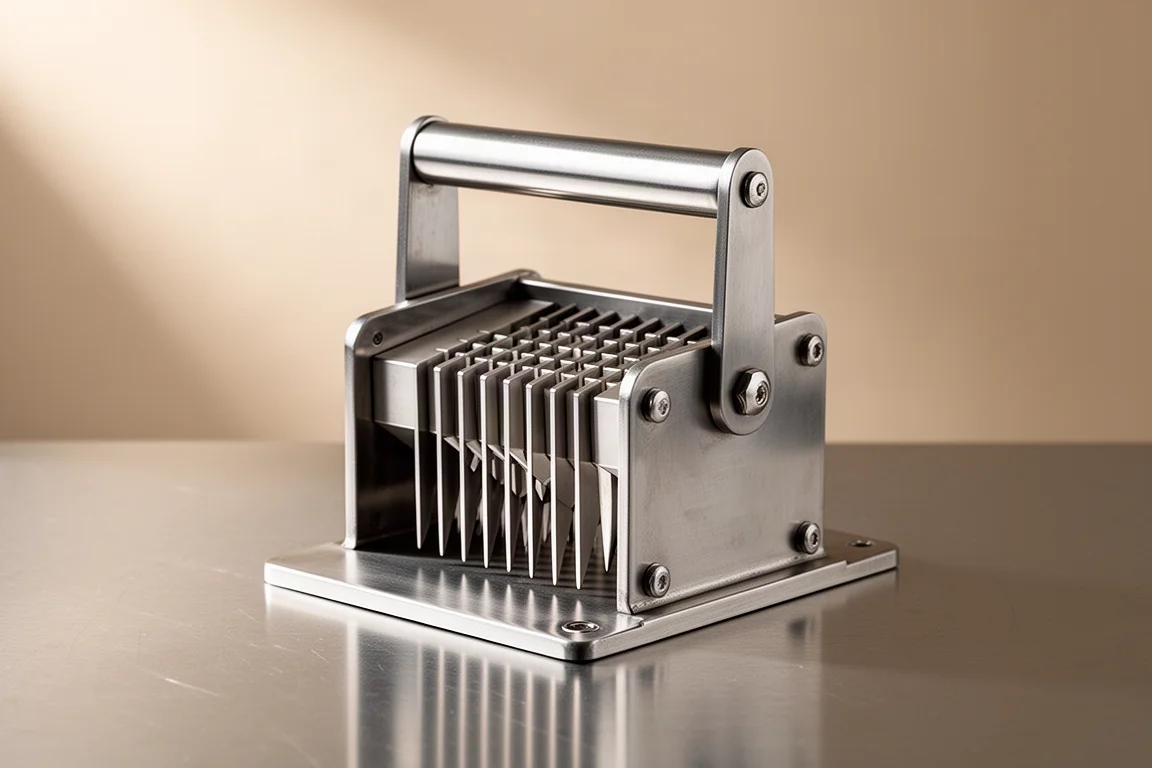
This is a single-use machine with a very specific purpose: turning a whole onion into a blooming onion, ready to coat and fry, in one stroke. Its design keeps the root intact while the shaped blades cut the onion into even segments, which is genuinely tricky to replicate by hand with consistent results. In restaurant settings it earns its keep quickly, given how large the gap is between the cost of an onion and the menu price of a blooming onion, and the profit-focused pitch is even baked into the product’s marketing.
In practice, technique matters. The onion needs to be centred properly, the blade depth has to be pushed far enough, and the blades are very sharp, so fingers should stay well clear. The pros recommend steaming the cut onion afterwards so the layers go soft and floppy, letting batter and dredge get between every layer before frying.
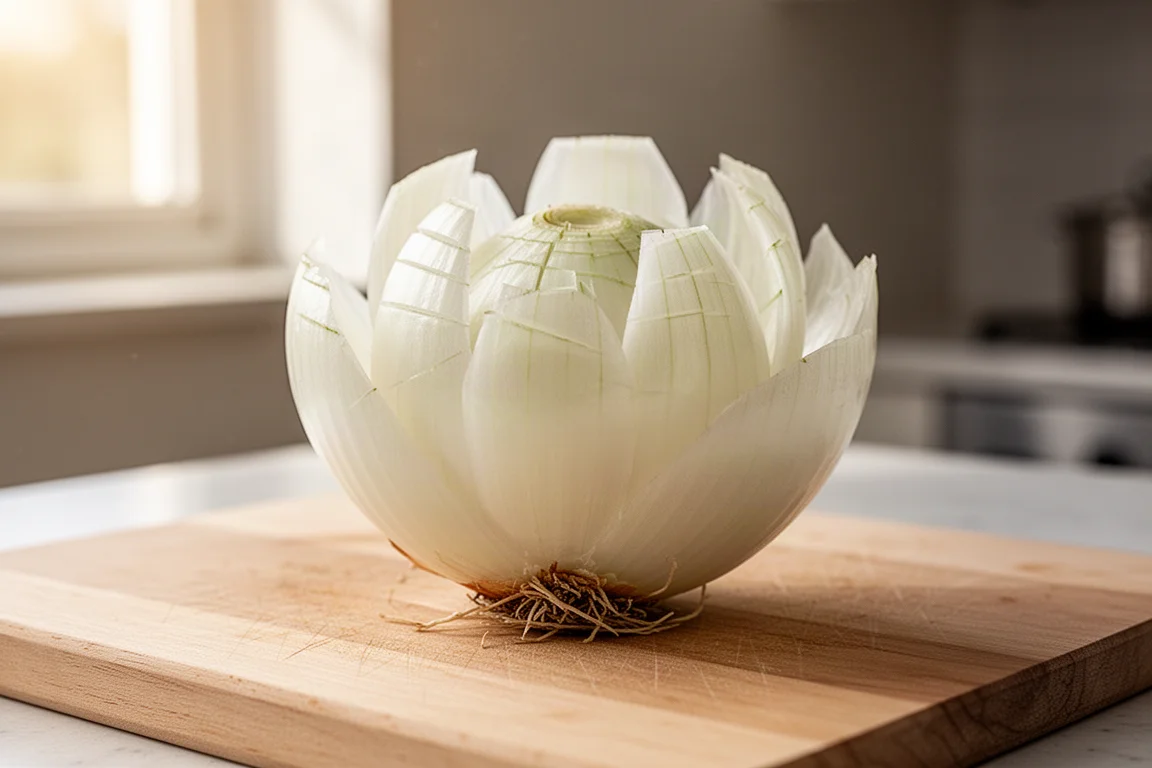
Once battered, dredged, and fried for around six minutes, the result is exactly what you would hope for: the flavour and texture of a great onion ring in a celebratory tear-and-share format, open to endless seasoning and dipping sauce ideas. The price came in at 64 pounds, well below expectations. The main limitation is scale: the amount of batter, dredge, and hot oil needed makes it impractical to make just one, but barely more effort to make six.
Electric Flour Grinder
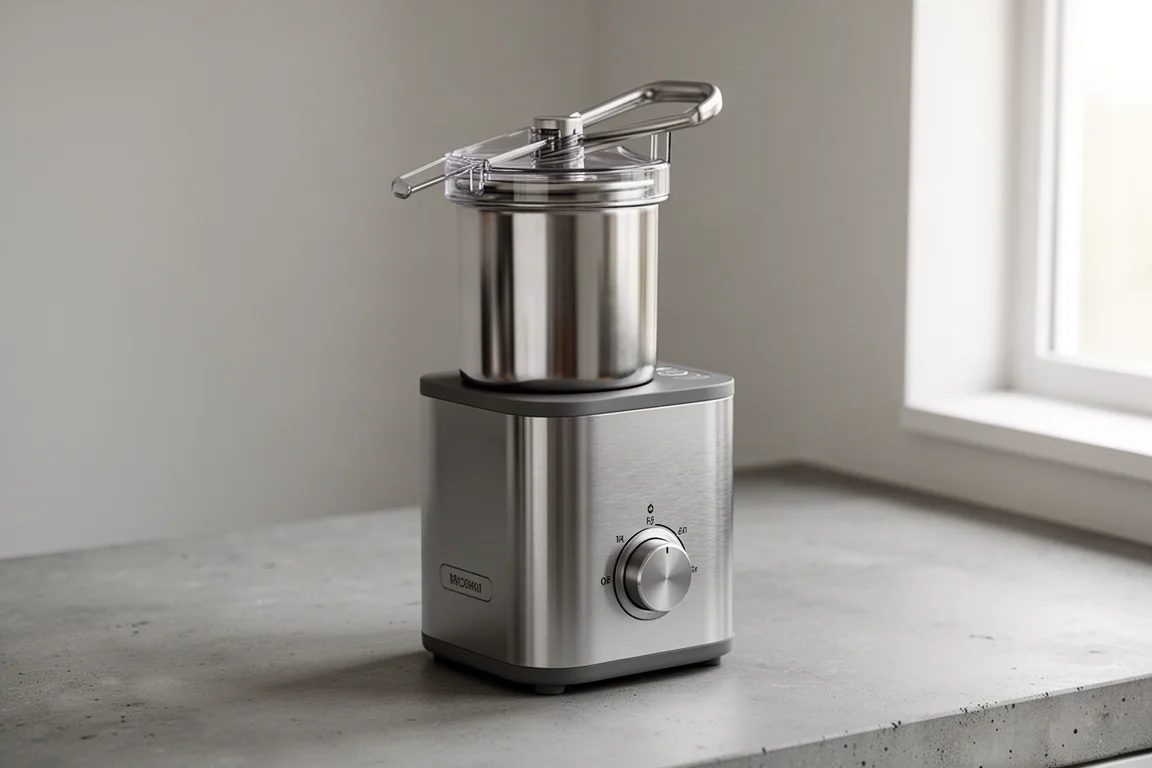
This compact machine pulverises dried materials, grinding grains into a fine flour of between 500 and 300 mesh, where mesh is a particle measurement based on the number of openings per inch in a mesh screen. Inside are six blades set at different angles, not especially sharp individually, but positioned so material gets thrown up, bounced back, and cut from different directions until it passes through the mesh.
It is loud, unmistakably loud, and it comes with warnings for good reason. But it is fast: around 30 seconds is enough to reach the target fineness. In testing, wheat grain became genuinely usable wholemeal flour in seconds, with the bran and wheat germ intact, and only a few extra seconds needed for a finer texture. The housing pivots on a swing mechanism so you can move it as it grinds for a more even result.
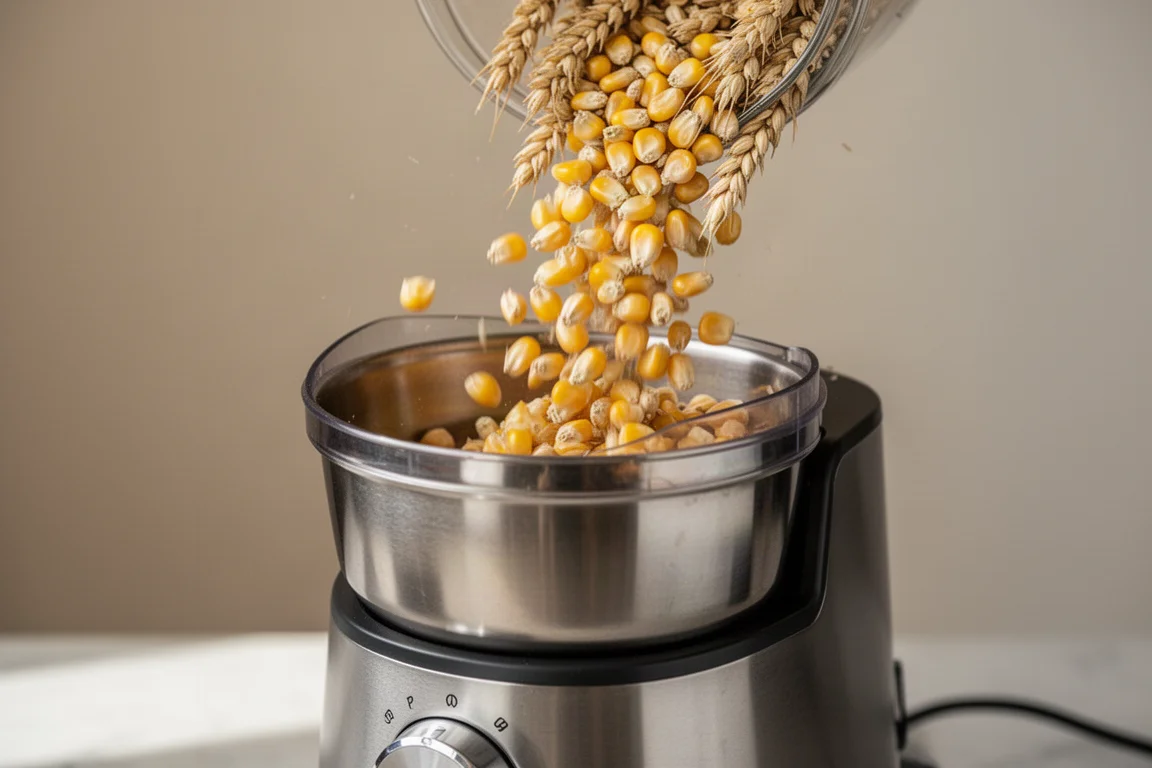
Beyond wheat, it handles grains, soy, corn, barley, rice, mung beans, coffee beans, spices, herbs, sesame, peanuts, and walnuts. There is also a compelling freshness argument: whole grain flour contains natural oils from the germ and bran that go rancid first, so fresh flour should be refrigerated and has a shelf life, while white flour lasts longer but loses those good bits. Grinding fresh and baking the same day produces results that are noticeably different.
At 125 pounds, it sits well below what most people would guess. For a home baker who wants to take making their own bread to the next level, it is a reasonable entry point for a serious hobby.
Meat Slicer
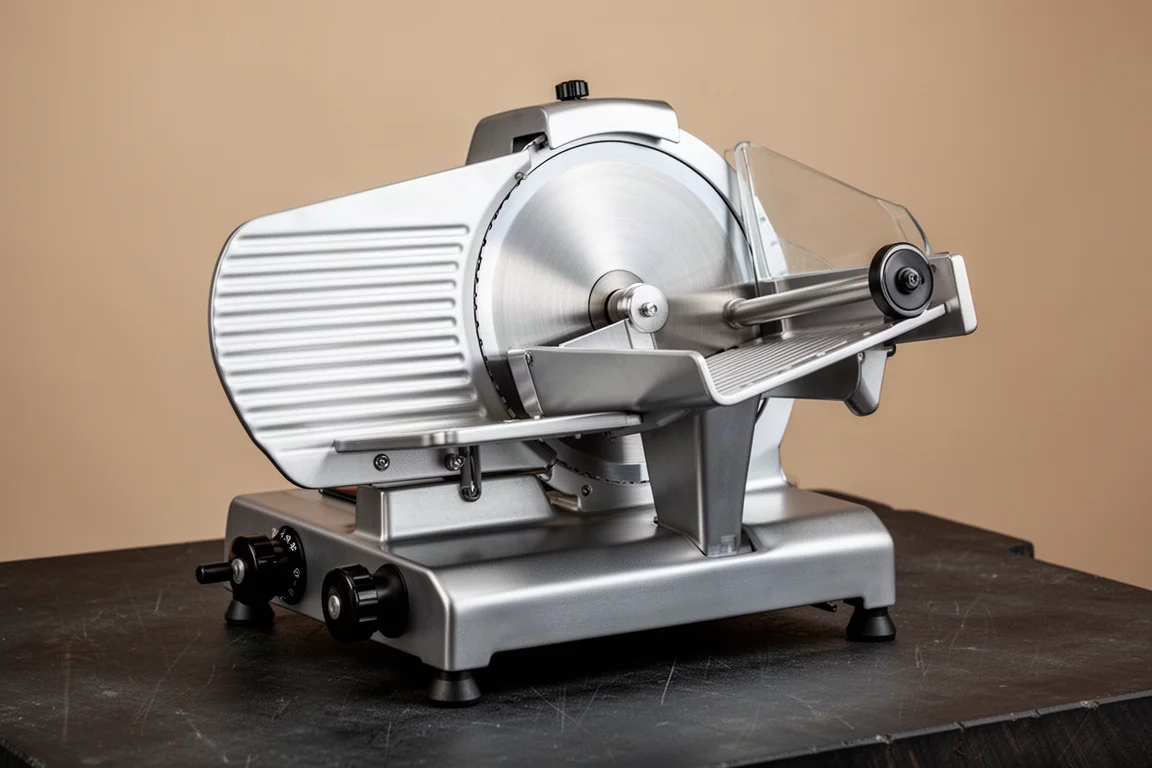
This is the most aggressive machine of the three: a meat slicer built for fresh, boneless meats such as pork and beef, and soft vegetables like peppers, cabbage, and mushrooms. It pulls the food through between two fast-moving wheels with rows of blades, and in testing it turned a trimmed topside of beef into remarkably even thin slices in a fraction of a second. Passing beef through in the other direction produced a sliced, minced-style result, arguably gentler on the meat than grinding since the meat is cut rather than squeezed through an extruder.
The blade unit lifts out and swaps with interchangeable cutters, so you can change cut thickness; the fitted cutter is 3.5 millimetres. There is also a high-pressure water jet included, so you can spray the machine clean after use, and the manual recommends running soft leaves through it to help clean the blades.
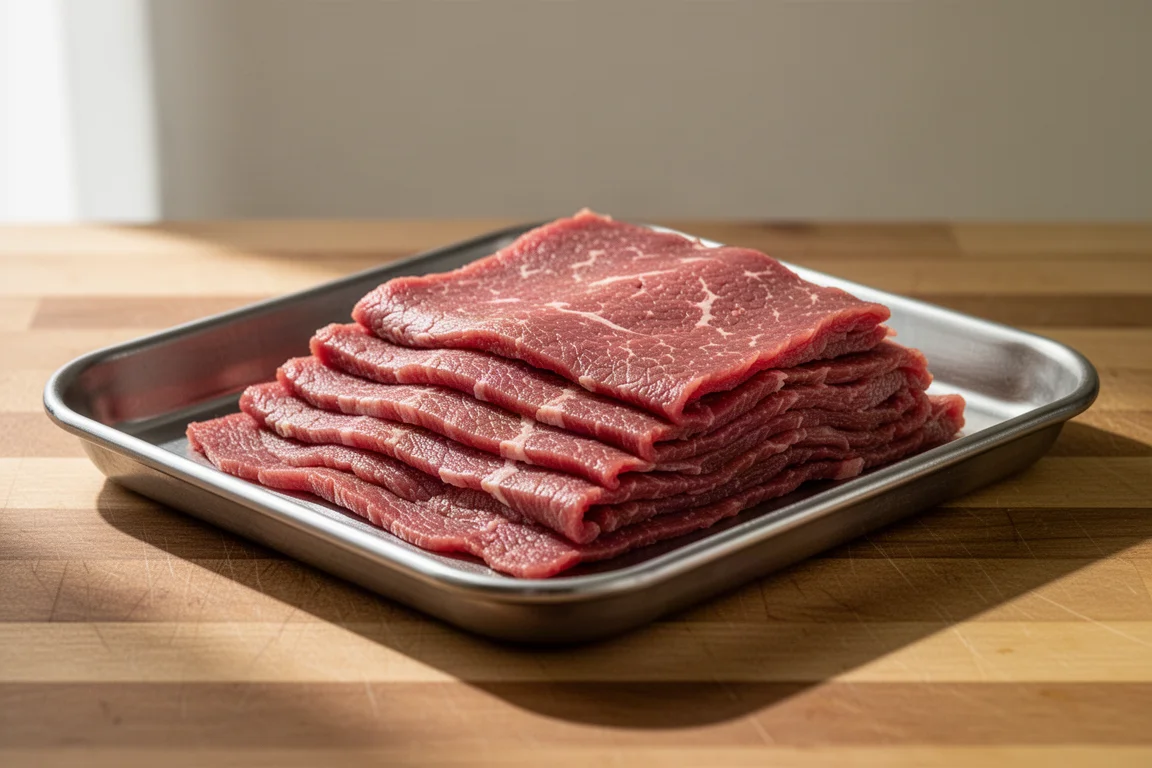
The clear use cases are deli and sandwich work, bacon, wafer-thin stir-fry slices, thin cuts for hot pot, and even oily fish such as tuna or salmon sliced finely sashimi-style. It is also a smart way to upscale cheap cuts of meat, turning an affordable joint into beautifully marinated stir-fry slices.
Two honest drawbacks. First, build quality: the accessories feel flimsy and it is not premium in its finish, though the cutting performance is powerful and sharp. Second, and more seriously, safety: with exposed blades moving at speed, loose clothing or ties are an obvious hazard, and this is a machine that commands respect in any workspace. The price was 259 pounds.
Final Verdicts
Each of these gadgets only does one thing, and does it well, which is the defining trait of this category. The Blooming Onion Cutter at 64 pounds is blooming marvellous, but only if you genuinely know you want to make blooming onions, ideally in volume. The Electric Flour Grinder at 125 pounds is a friendly entry into fresh-milled flour for serious home bakers. The Meat Slicer at 259 pounds is a genuine marvel of speed and consistency, but also an injury risk that demands careful handling.

If any one of these matches a real, repeated job in your kitchen, the results justify the spend. If it would be an occasional novelty, think carefully, because the value here comes from repetition.
Conclusion
Pro-style kitchen gadgets reward the right buyer: the onion cutter for volume entertaining or food businesses, the grinder for bakers chasing fresh whole-grain flavour, and the slicer for anyone slicing meat regularly who values speed and evenness. Match the tool to the task and all three are easy to recommend.
Further reading
Related Reviews

Kitchen Gadgets
Kitchen Gadgets Tested 2026: Five Tools Worth Considering
A practical look at five kitchen gadgets, from egg shapers to peanut butter stirrers, with honest assessments of what works and what doesn't.
Kitchen Gadgets
Best Electric Wine Openers: Our Top Picks From Eight Tested Models
We tested eight electric wine openers priced from $20 to $110 on hundreds of bottles. The Secura came out on top, with a Peugeot and a Rabbit model also worth knowing about.
Kitchen Gadgets
Best Kitchen Gadgets Under $15: Eight Small Tools That Earn Their Keep
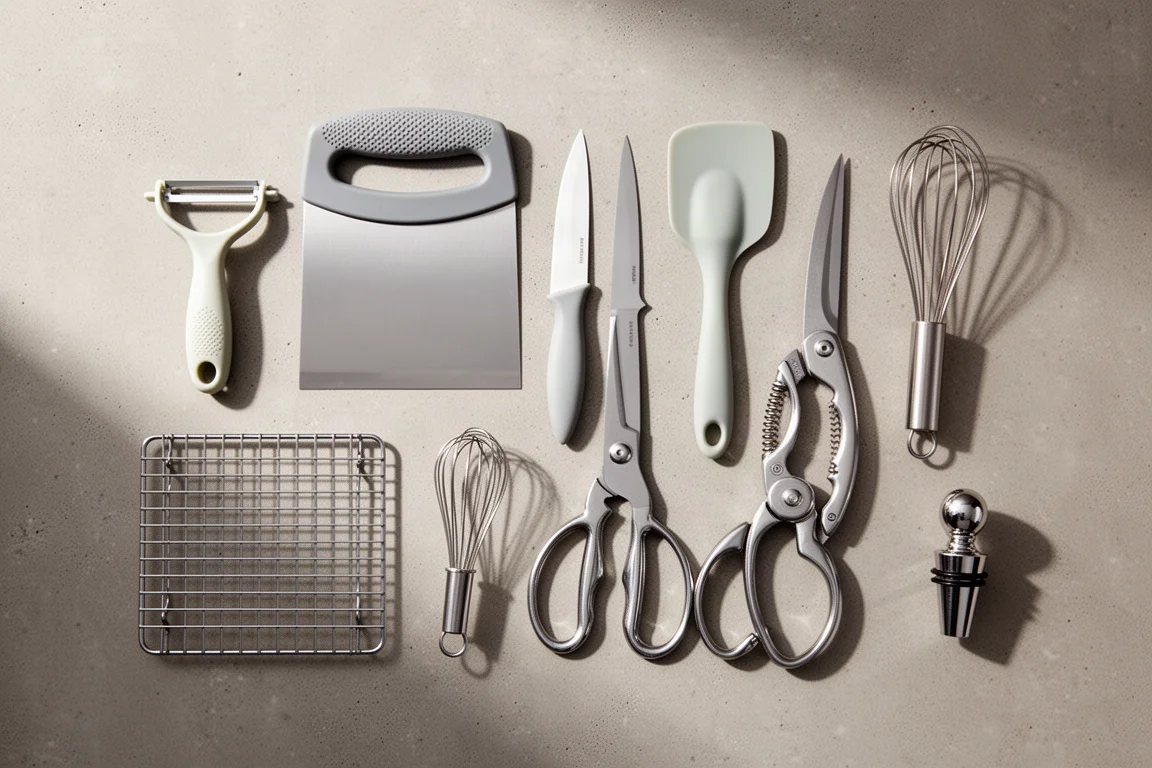
Eight kitchen tools that cost less than $15 but perform like far more expensive gear, from a razor-sharp peeler to a champagne saver that really works.