Kitchen Gadgets
Four Design-First Kitchen Gadgets Reviewed: Practical or Just Pretentious?
A designer cheese grater, warped cutlery, a cast iron nutcracker and an exploded fruit bowl go under the spotlight to see which ones earn a place in a real kitchen.
Introduction
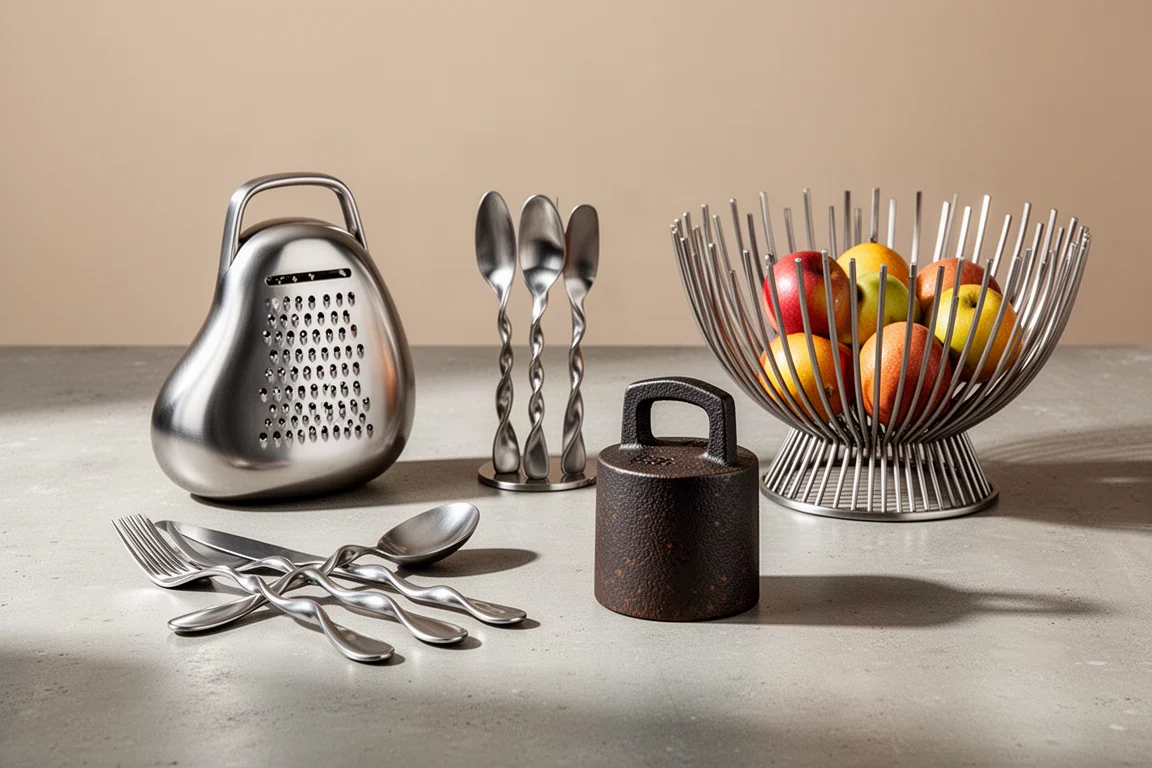
Some kitchen gadgets are built to work. Others are built to be looked at. This roundup brings together four design-first kitchen objects: a sculptural cheese grater, a set of surreal cutlery, a cast iron nutcracker, and a fruit bowl that looks like an explosion in a greengrocer. Each one has genuine design pedigree, and each one raises the same question: is this a kitchen tool or a collector’s piece? Here is how they compare on practicality, design intent and price.
What We Looked For
Before diving in, the evaluation came down to three things: how well the gadget performs its stated job, how it feels to live with day to day, and whether the price reflects usefulness or pure design cachet. Design-led objects are not automatically bad. A pepper mill with theatre to it has been a kitchen staple for generations. The difference is whether form and function work together or whether one has been sacrificed entirely for the other.
Alessi Forma Cheese Grater
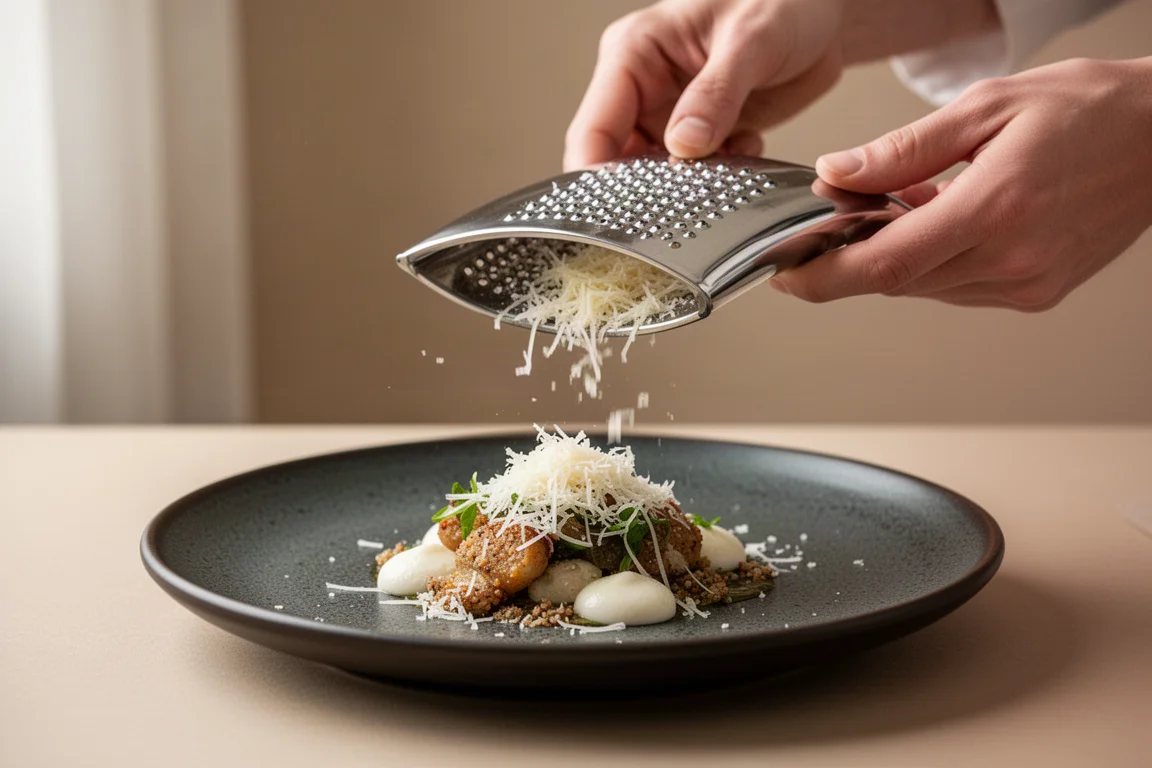
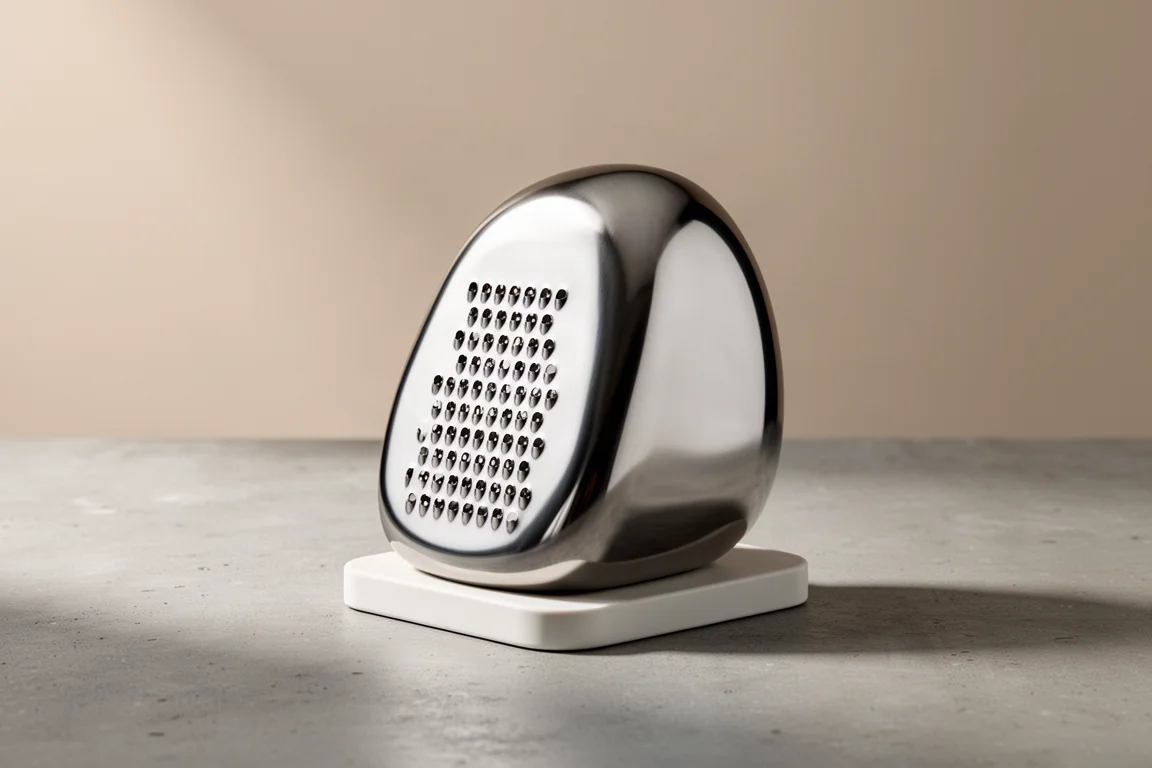
The Forma Cheese Grater from Alessi has an organic shape inspired by pebbles smoothed down by water and wind. Made from stainless steel with a melamine base, the dynamic form is moulded to the shape of your palm, making it easy and pleasant to hold. Designed by Zaha Hadid, known for curved organic lines and neo-futurist work, it is marketed as transforming grating into an elegant, almost ceremonial action for entertaining.
In practice, it works as a form of box grater: cheese should fall inside the body, and you then sprinkle it out of the bottom. Results are uneven, with roughly most of the cheese going where it should and a fair amount escaping. The surface is also surprisingly soft, without the aggressive bite of a standard grater, and the curved interior makes cleaning with a cloth genuinely difficult. Fingermarks show on the polished finish too.
There is a fair argument that if something sits on the table while guests grate their own cheese, looking good and working well together is a legitimate goal, in the same way a beautiful pepper mill earns its place. But at around 70 pounds, against roughly 12 pounds for a perfectly good box grater, you are paying a steep premium for a designer object that only partially does the job.
Diesel Living x Seletti Classic On Acid Cutlery Set
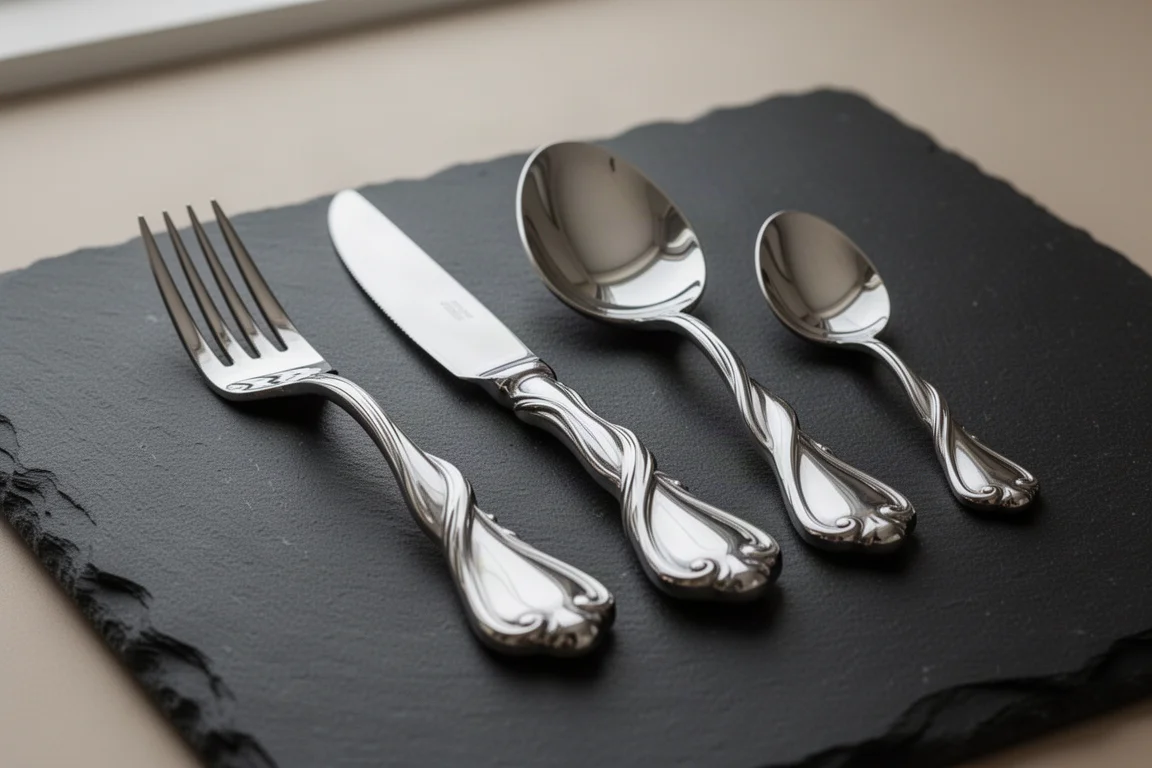
This cutlery set comes from the Diesel Living and Seletti Classic On Acid series, a tableware piece that is equal parts playful and surreal. The cutlery has a distinctive, distorted baroque aesthetic warped into something like a Salvador Dali version of plates and spoons, with melting curves and a dropped nook in each handle. It is sold as a single four-piece set, which is unusual in a market where cutlery normally comes in sets of four, six or sixteen.
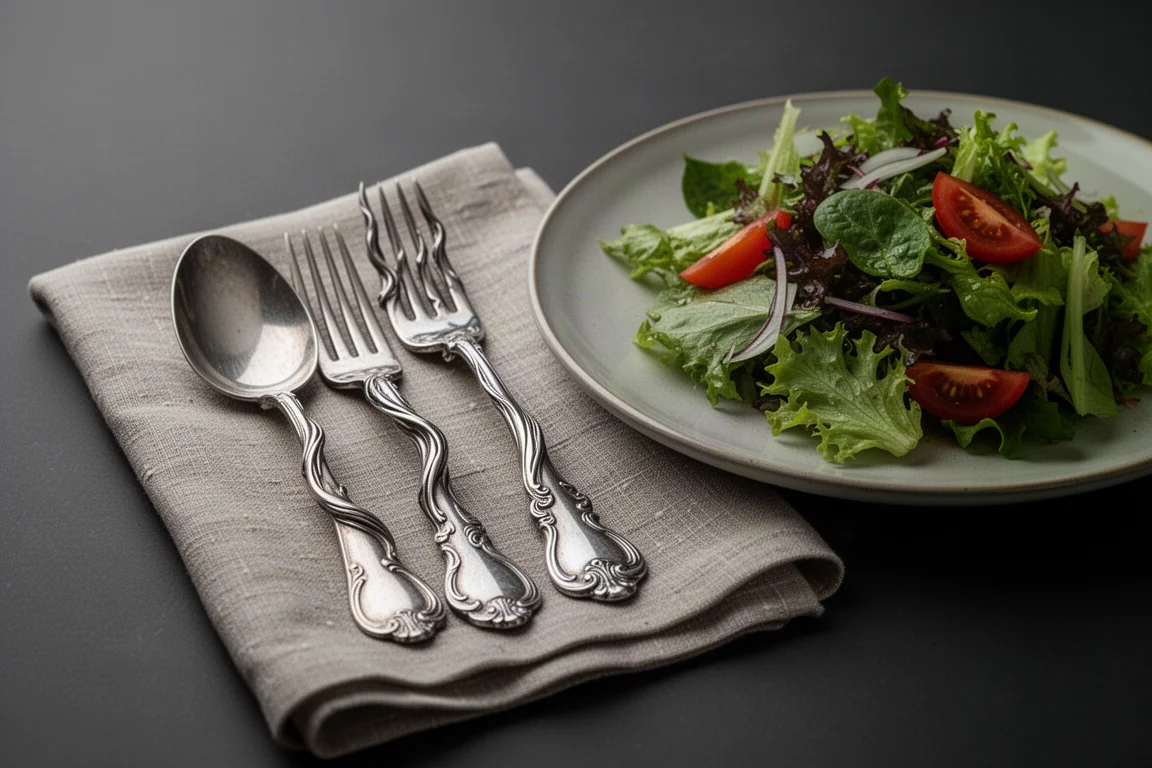
The honest verdict on usability is rough. The pieces are genuinely uncomfortable to hold, with no reliable balance point, and the teaspoon in particular is difficult to control. The design was made to fit the Classic On Acid brief, not to improve the eating experience, which matters because experimental psychology research has shown that the weight and feel of cutlery genuinely affects how much people enjoy food. These pieces ignore that entirely.
They also do not tessellate in a cutlery drawer, need careful storage to avoid scratching, and are not suited to the dishwasher. At 72 pounds for four pieces, this is an object to treasure and display, not to eat your cereal with. As a collector’s item or a surreal table decoration on a sideboard, it makes sense. As cutlery, it is form over function.
Skeppshult Boom Nutcracker
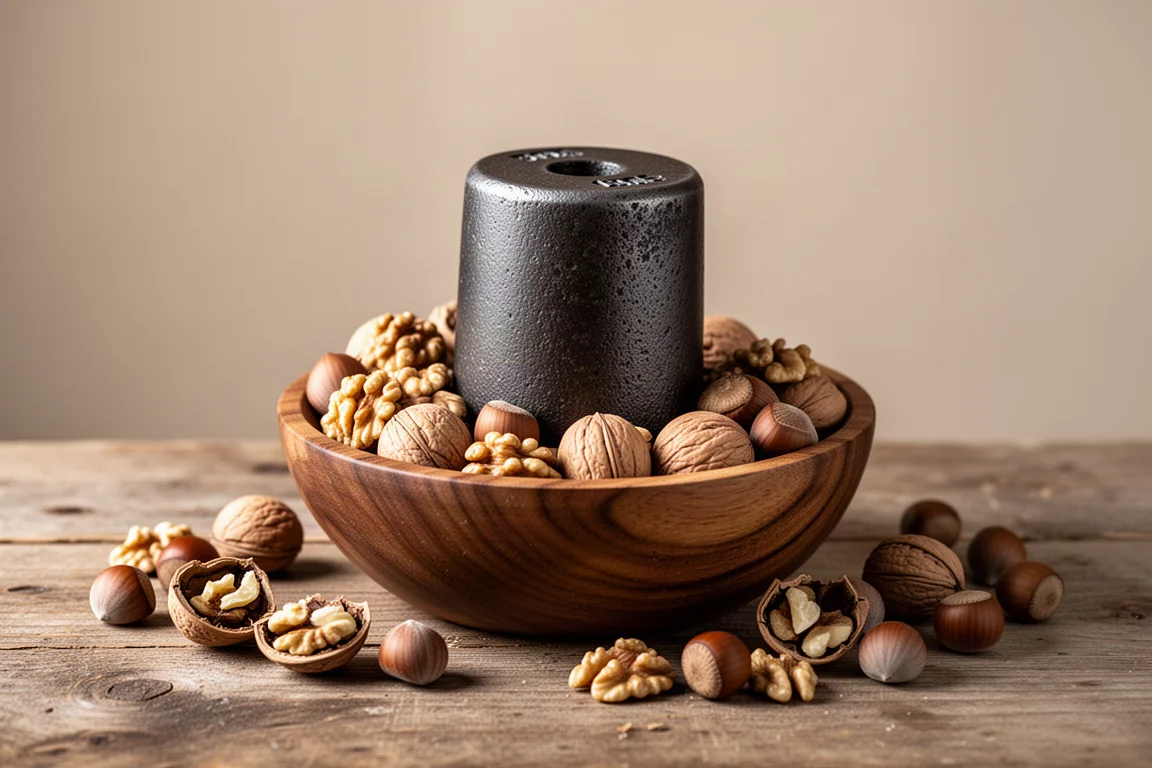
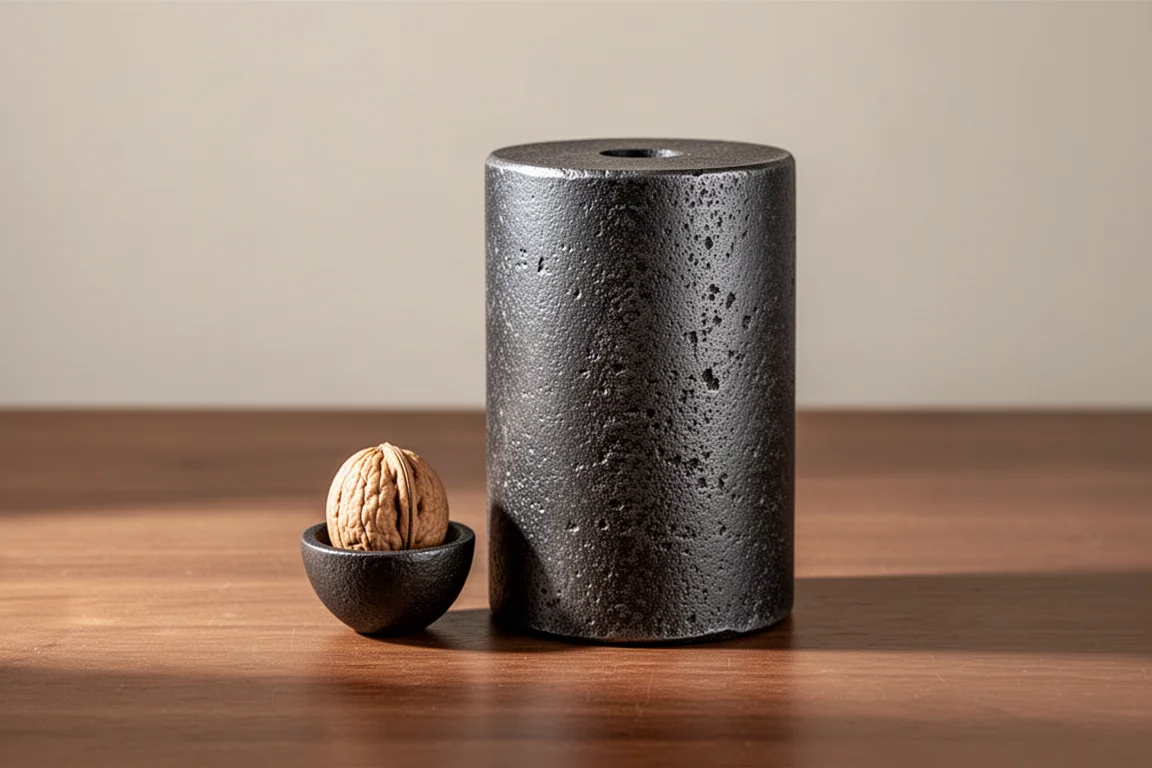
The Skeppshult Boom Nutcracker is a fun, unusual way to crack into your favourite nuts. You simply drop the 10-ounce cast iron weight onto a walnut or hazelnut shell to crack it open, and if that does not work you can shake it instead. Each cast iron piece is made from its own unique sand mould, so no two are the same. Skeppshult is a Swedish company with a design-led approach, and the object has a satisfying weight that gives it pestle and mortar appeal.
It does work: the weight produced two clean walnut halves. But it is not the most practical or ergonomic tool, and for softer-shelled nuts like walnuts, a veteran cook’s tip applies: you often just need another nut, cracked against the first. Brazil nuts and almonds remain a challenge. It looks the part sitting in a bowl of nuts, which carries real symbolic weight at Christmas, but functionally it sits closer to a novelty nutcracker.
The price is where it gets awkward. At 20 pounds this would be a fun novelty, but at 79 pounds it becomes a design object you buy so people notice you have it. That gap between usefulness and price is exactly where pretension lives.
Paul Cocksedge Exploded Fruit Bowl
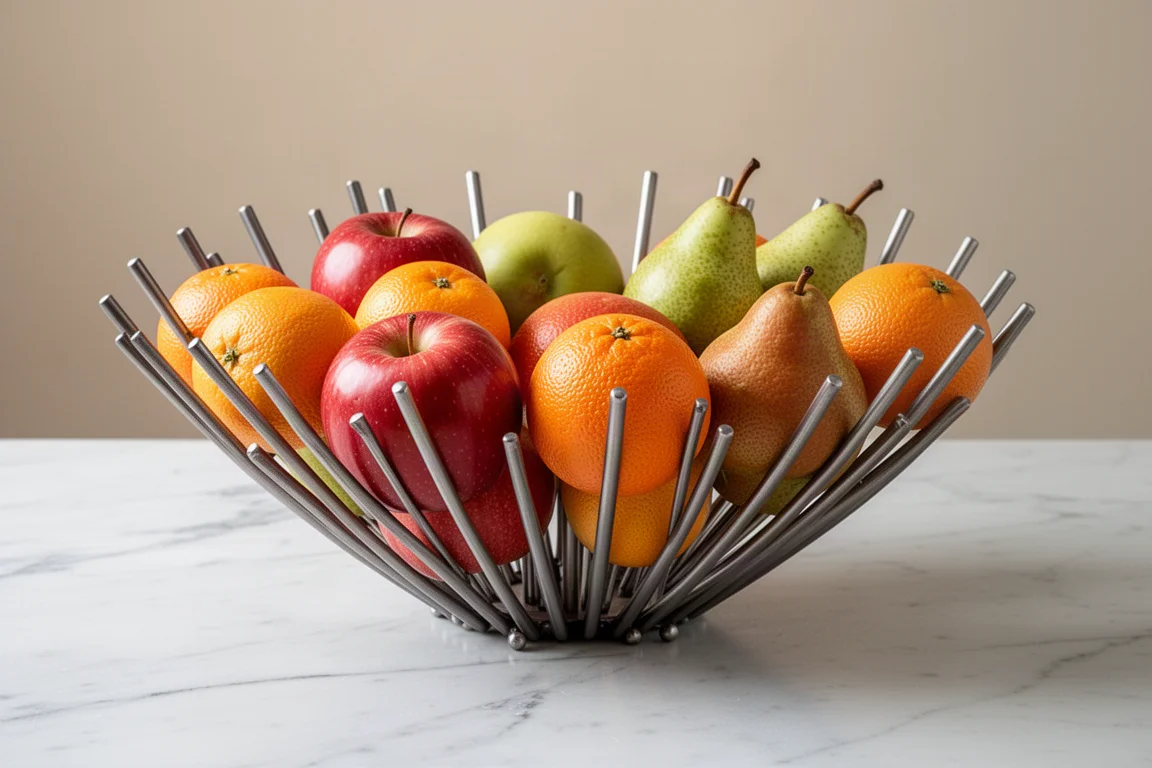
The Exploded Fruit Bowl is the outlier of this group. It explodes colour, form, smell and texture outwards across a cluster of outward-pointing prongs, so pieces of fruit never sit piled on top of each other as they would in a conventional bowl. Designer and inventor Paul Cocksedge explains the intent: many fruit bowls are about the bowl and not the fruit, and here he wanted to invert that. There is a functional benefit too, because fruit that is not stacked keeps fresher.
This is design that actually solves a real problem. Anyone who has found a forgotten, slightly furry lemon at the bottom of a fruit bowl will recognise the value of having eyes on every piece of fruit, first in, first out. It is one size fits all in a useful way: strawberries, apples, oranges, pears, plums, even a dangling banana or a large pomegranate all find a place. If children help stack it at the start of the week, they are arguably more likely to show an interest in the fruit and eat more of it through the week.
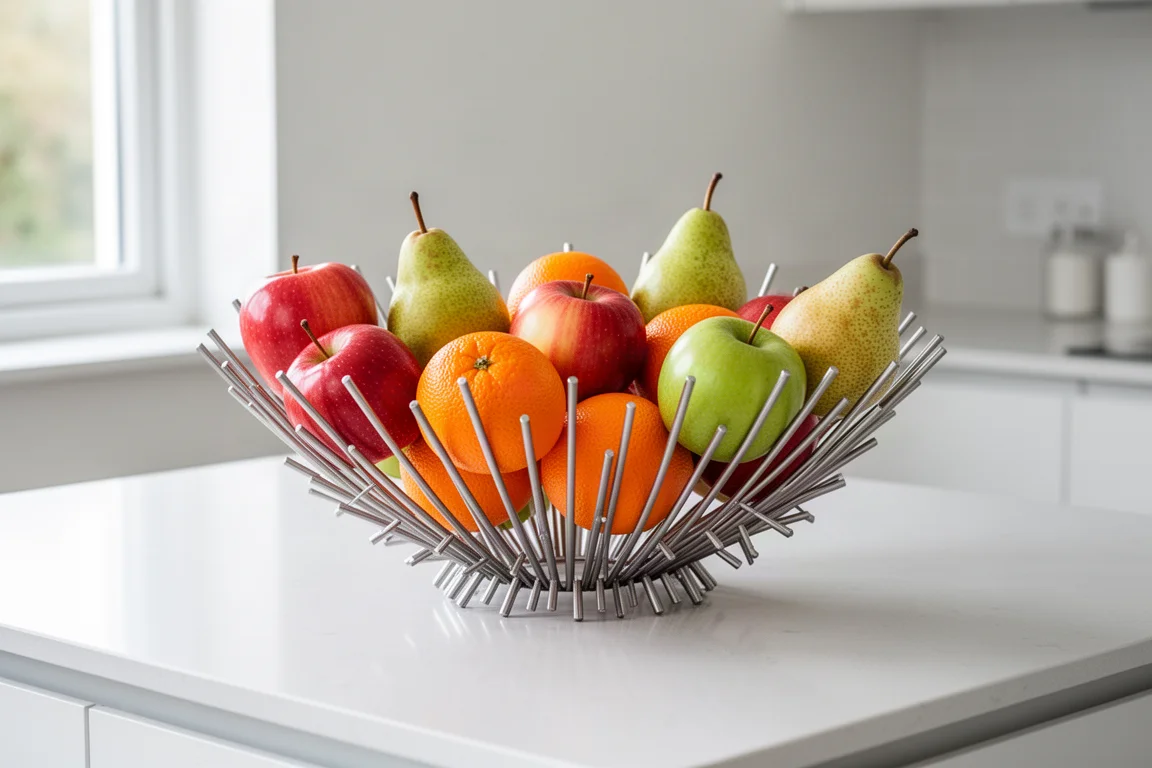
The bowl is hand welded by Paul Cocksedge himself in his London studio. He is known for an unorthodox approach to materials and works across public art, sculpture and architectural installations. Each piece comes with a certificate, signed and dated on the back. The price reflects all of that: 465 pounds. That is a lot, and it will only appeal to a buyer who treats it as an art piece for a design-led kitchen. But unlike the other three gadgets here, it earns its “wow” factor while genuinely working, and it is arguably inspiring the whole market to rethink the fruit bowl.
Overall Buying Advice
The pattern across this roundup is clear: three of the four objects prioritise design over function, and the price tags reflect that rather than usefulness. If you want kitchen tools that perform, a standard box grater and a solid conventional cutlery set will outperform their designer counterparts at a fraction of the cost. If you want objects with a story, a plaque and a designer name, and you have the space and budget to display them, the Alessi grater and the Diesel x Seletti cutlery deliver that, provided you accept their limitations.
The Exploded Fruit Bowl is the only one that bridges both worlds. It is expensive enough to be firmly in art-piece territory, but the underlying idea, keeping fruit visible, unstacked and fresher for longer, is genuinely useful. If any of these four earns a place in a working kitchen rather than on a plinth, it is this one.
Conclusion
Three sculptural objects and one genuinely clever idea. The Alessi Forma Grater and the Skeppshult Boom Nutcracker both work only partially and cost several times what a functional alternative would. The Diesel Living x Seletti cutlery is a surreal collector’s piece that you should never eat with. The Paul Cocksedge Exploded Fruit Bowl is expensive, but it is the rare design object where the drama and the function point in the same direction. Choose based on whether you are buying a tool or a talking point.
Further reading
Related Reviews

Kitchen Gadgets
Kitchen Gadgets Tested 2026: Five Tools Worth Considering
A practical look at five kitchen gadgets, from egg shapers to peanut butter stirrers, with honest assessments of what works and what doesn't.
Kitchen Gadgets
Best Electric Wine Openers: Our Top Picks From Eight Tested Models
We tested eight electric wine openers priced from $20 to $110 on hundreds of bottles. The Secura came out on top, with a Peugeot and a Rabbit model also worth knowing about.
Kitchen Gadgets
Best Kitchen Gadgets Under $15: Eight Small Tools That Earn Their Keep
Eight kitchen tools that cost less than $15 but perform like far more expensive gear, from a razor-sharp peeler to a champagne saver that really works.