Kitchen Gadgets
Design-Led Kitchen Tools Tested: Four Statement Pieces Worth the Money?
A handleless peeler, a portable soda maker, sculptural trivets and a champagne saber, put through real use to see which ones earn their keep.
Introduction
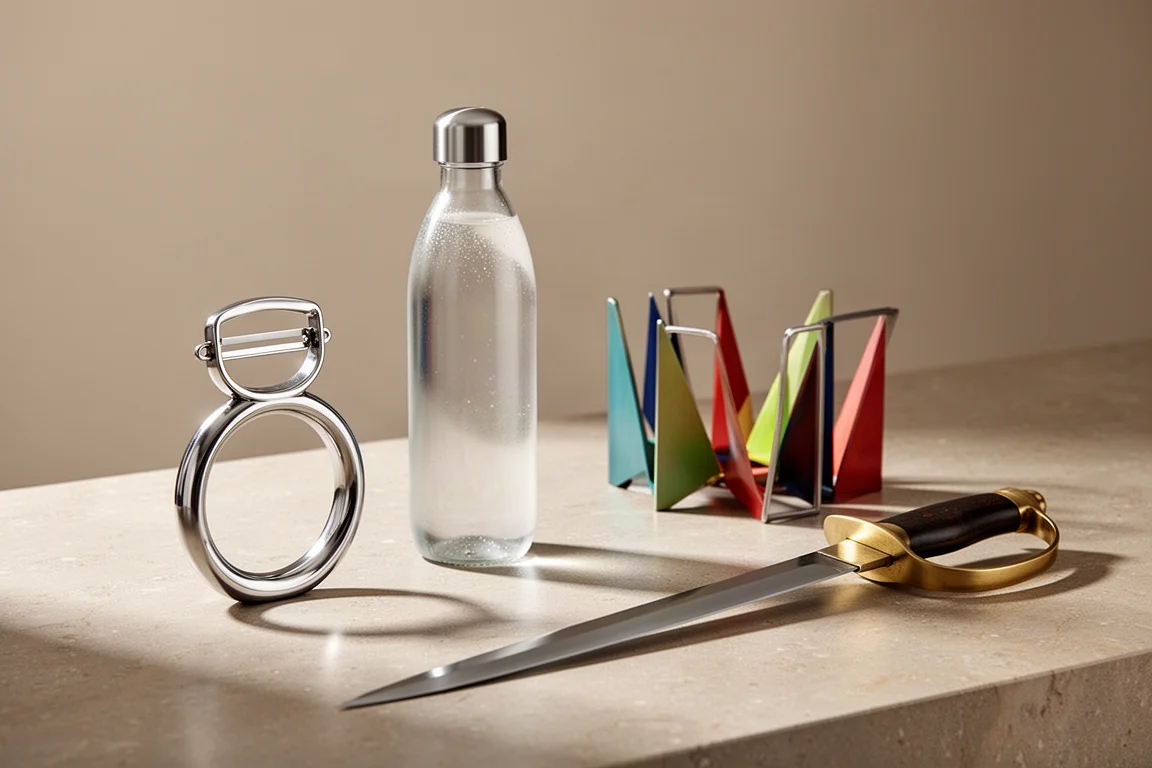
Some kitchen tools are built to cook, some to impress, and a few make you question what a kitchen tool even is. We got our hands on four high-end, design-led pieces of kitchen gear to find out whether each one is genuine genius or just a very expensive vibe. The verdicts below are honest: some of these earn a place in a real kitchen, and some exist purely for the moment they create.
Alessi Spirello Peeler: Jewelry for the Kitchen
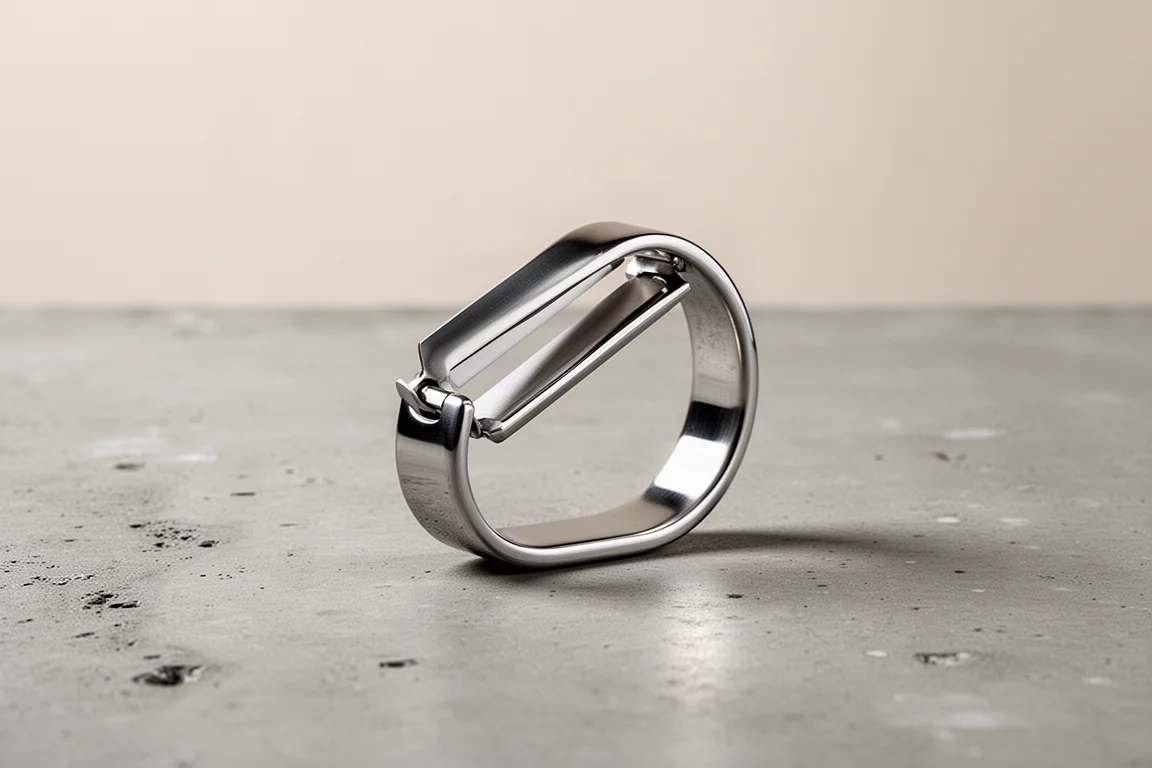
The Alessi Spirello is a handleless peeler designed by Italian industrial designer Valerio Sommella, part of a collection of small household objects made with a refined metal working process. It is high-grade stainless steel, curved to sit around your forefinger, and it genuinely looks like an extension of your hand. In practice it peels vegetables just fine. It is not more practical, functional, or comfortable than a standard handled peeler, and anyone with broader fingers may struggle with the fit. Right-handed use feels more natural than left.
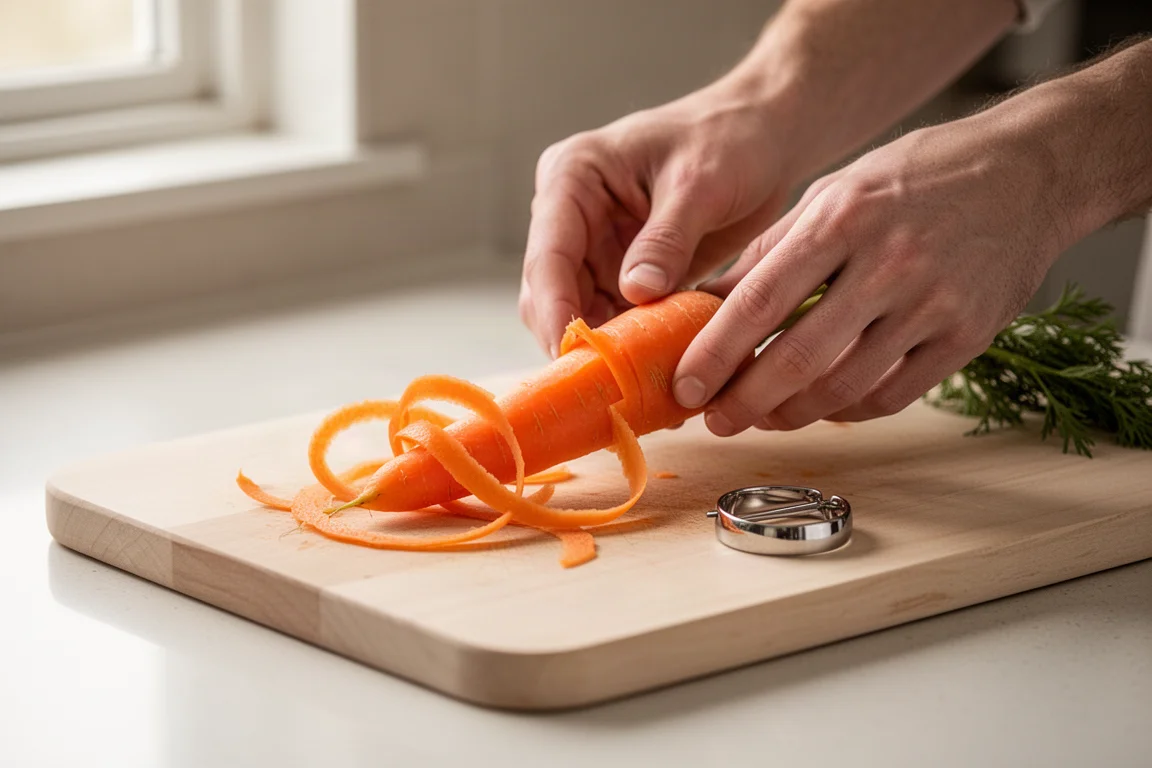
So who is it for? Anyone who, like many of us, chooses their favorite knife at home partly because it is the nice knife. It does the job, it is not uncomfortable, and it is an absolute talking point when guests spot it. Alessi claims the small, curved size makes it natural and comfortable and suitable for all types of vegetables, which is fair. At £28, though, you are paying mostly for design and presentation rather than peeling performance.
AEROFLOW Portable Soda Maker: Fizz on the Go
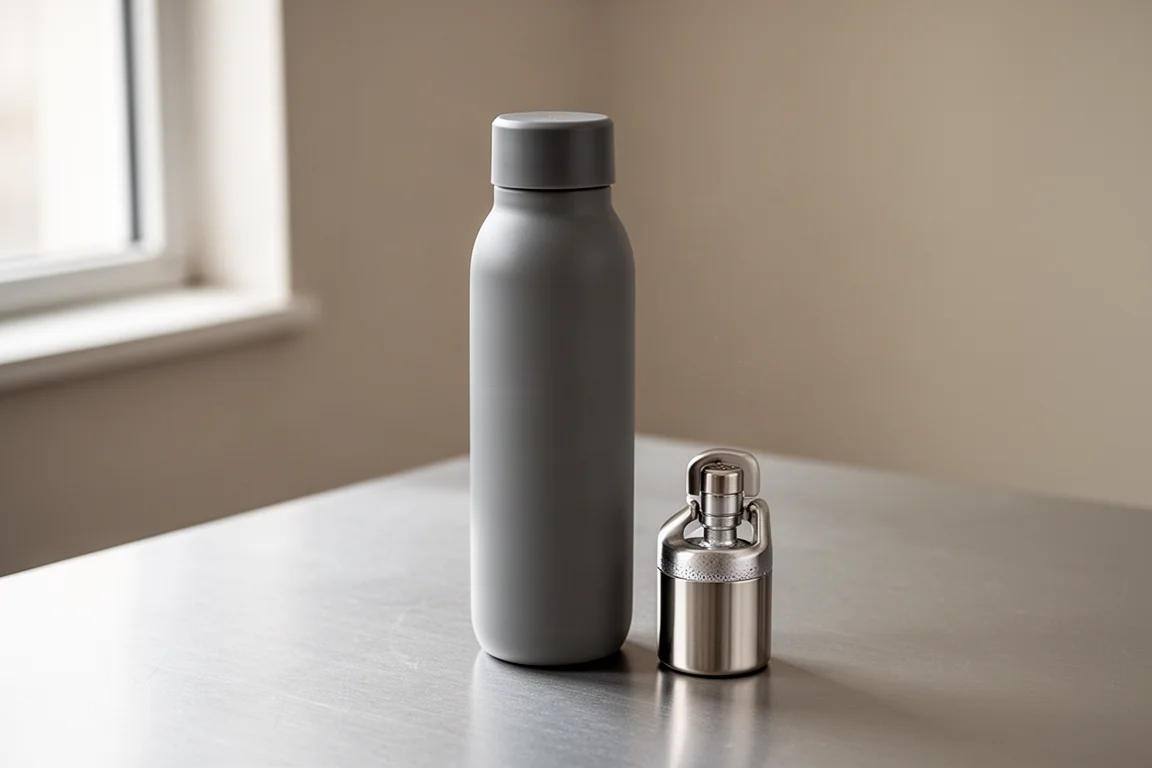
The AEROFLOW bills itself as the world’s first portable soda maker, and the process is exactly three steps: fill, spritz, and shake. Fill the bottle about two thirds up with ice cold water, insert a CO2 capsule into the aerator, press, shake, and repeat up to four times until it is as sparkling as you like. The result is genuinely good sparkling water, and each capsule makes about two liters. One important note: it is a sparkling water bottle only. Do not fill it with wine.
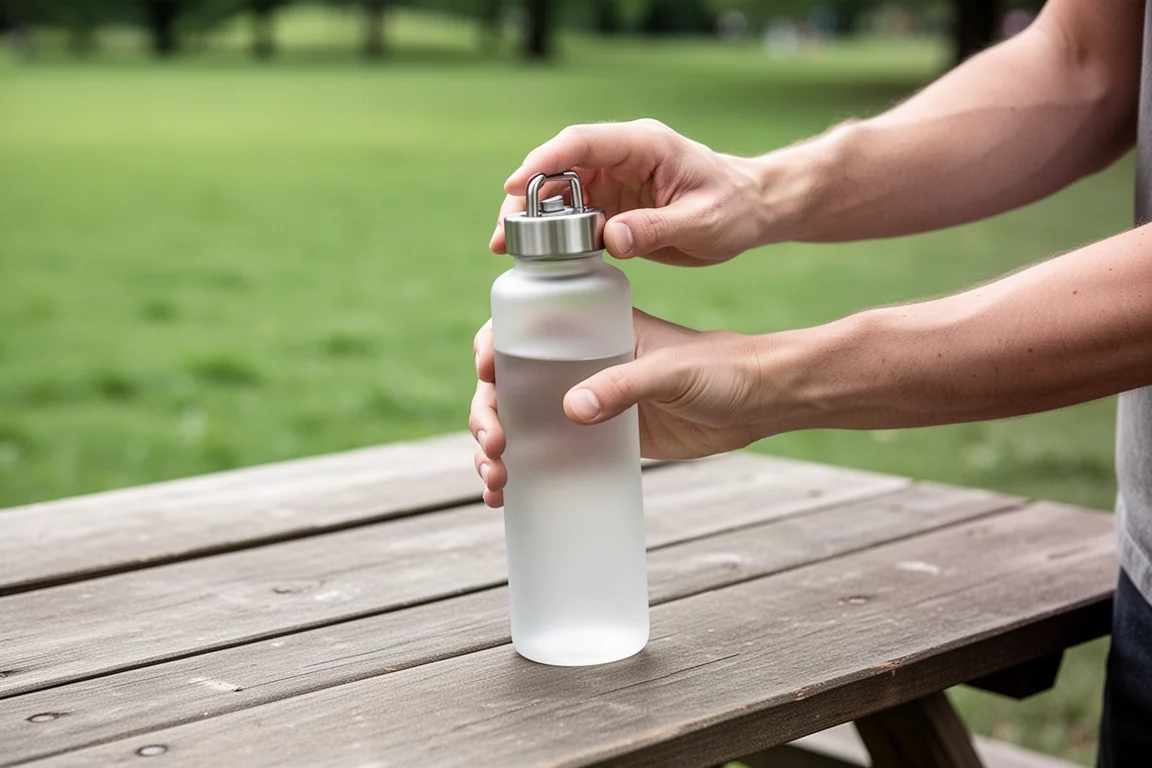
The honest criticism is portability versus practicality. You are carrying two pieces, the bottle and the aerator, plus spare capsules if you plan to keep fizzing. And at £47 for the aerator plus £26 for the bottle, you have to really love sparkling water to justify it. Still, it is well engineered, compact, and solves a real problem: if you prefer sparkling water on the go, until now your only option was buying a new bottle every time. Nobody has ever wished their still water were fizzy mid-hike, but as a personal spritz bottle it works exactly as promised.
Muller Van Severen Trivets: Sculpture on the Table
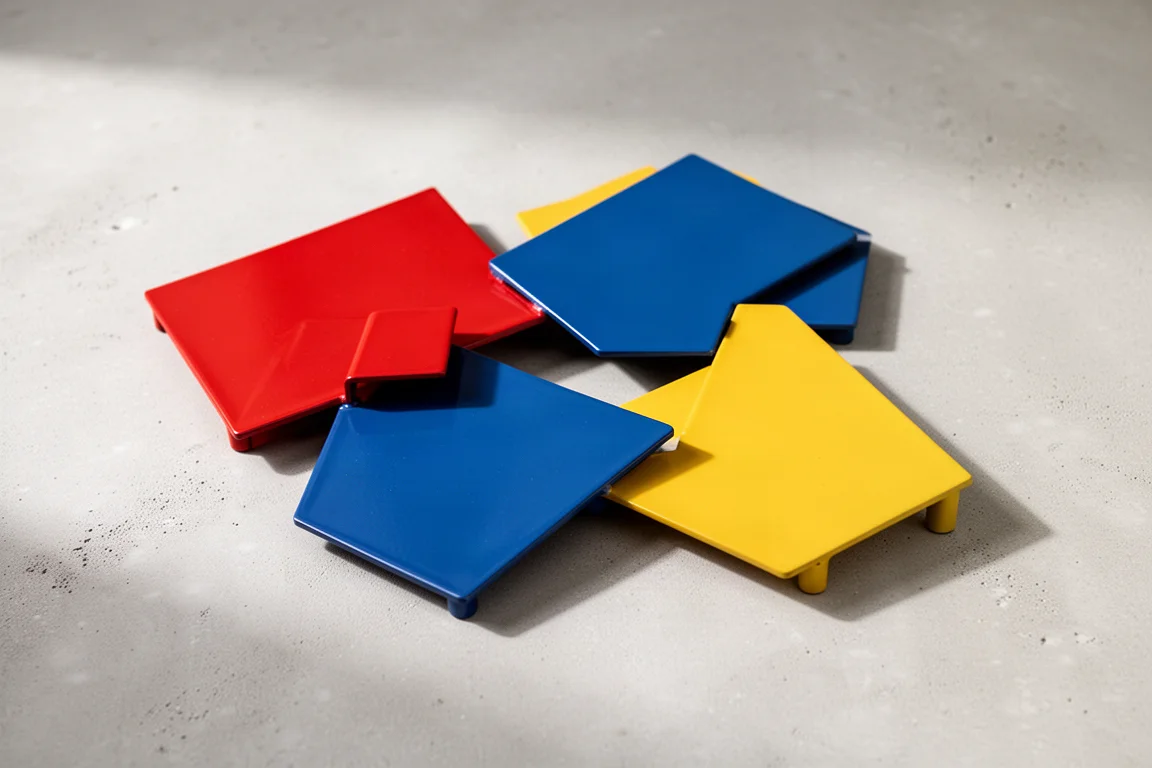
Belgian design duo Fien Muller and Hannes Van Severen run a furniture studio, and these trivets extend their sculptural furniture language into functional objects: geometric shapes in bold colors, handmade, four pieces per box, designed to explore the intersection of sculpture and function. On a white tablecloth they stand out dramatically, and hot pans rest on them exactly as intended. The box even includes a rod and mounting instructions if you would rather hang them on the wall as a display piece.
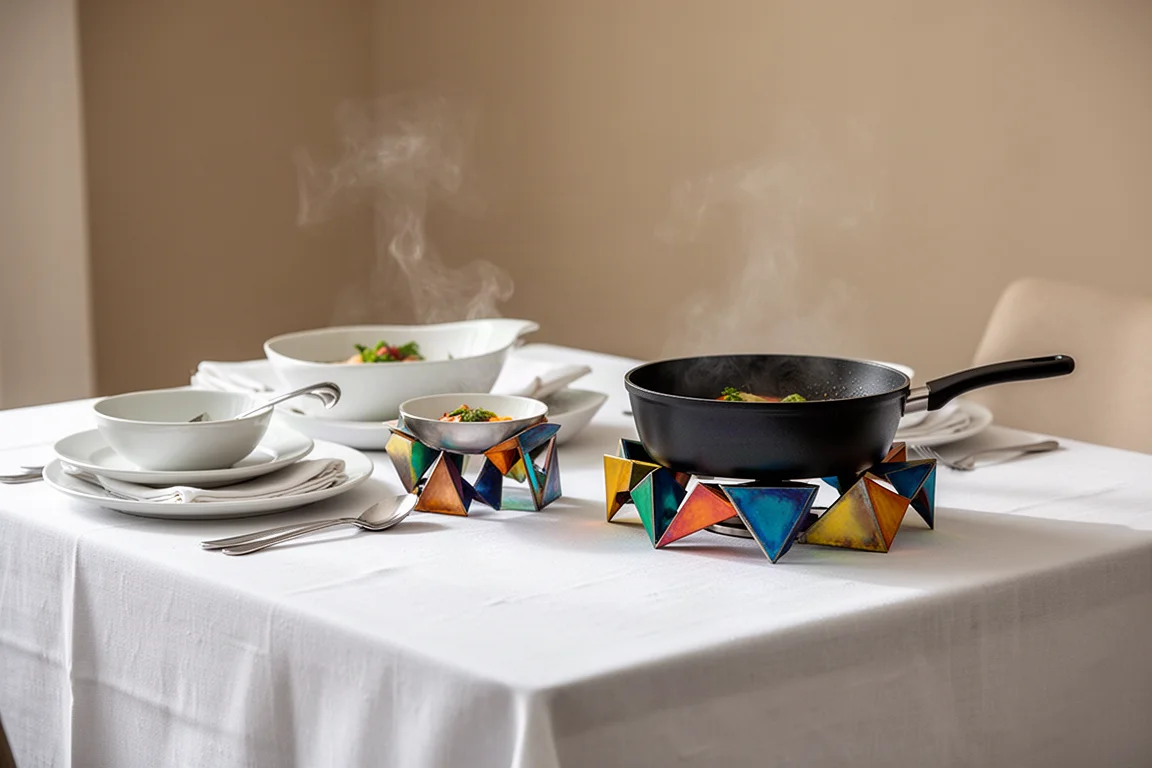
Here is the fair criticism: ours arrived chipped, the packaging was sturdy but nothing special, and a basic trivet or cork mat costs one or two pounds. At £117 for the set, this is a statement purchase, not a practical one. It is the kind of thing to buy once you can frivolously spend on something you want rather than need, the modern equivalent of copper pans hung on a stately kitchen wall: functional, but often admired more than used. It is less chic and more deliberately unique.
Desormeaux Champagne Saber: Showstopper First, Tool Second
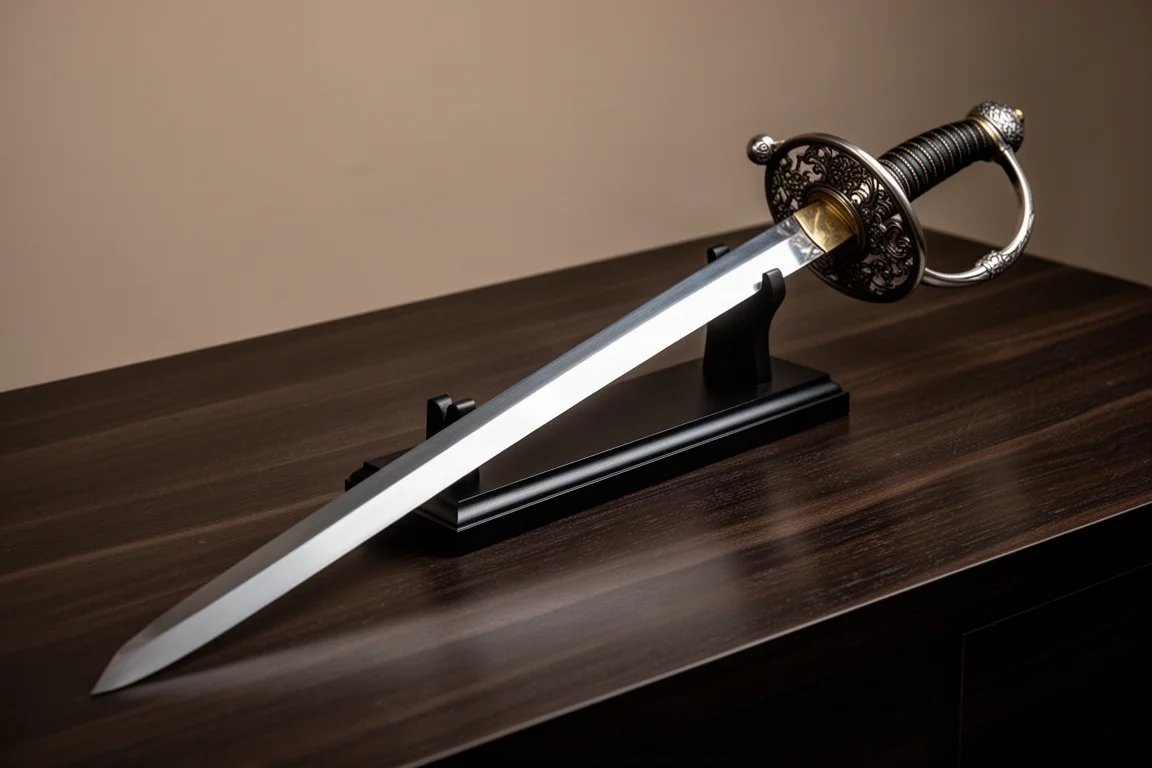
The Desormeaux champagne saber is an elegant instrument built for sabrage, the technique of opening a sparkling wine bottle by knocking the neck off with a blade, a tradition dating back to the Napoleonic Wars. It works, but only under strict conditions: the bottle must be cold, foil removed and condensation dried, the seam located, the bottle held at 30 to 45 degrees, and the saber slid along the seam to the neck. Crucially, the bottle must be made using the traditional method, so it is not suitable for all sparkling wines. When it lands, it is spectacular. Few actions earn a bigger cheer in a room.
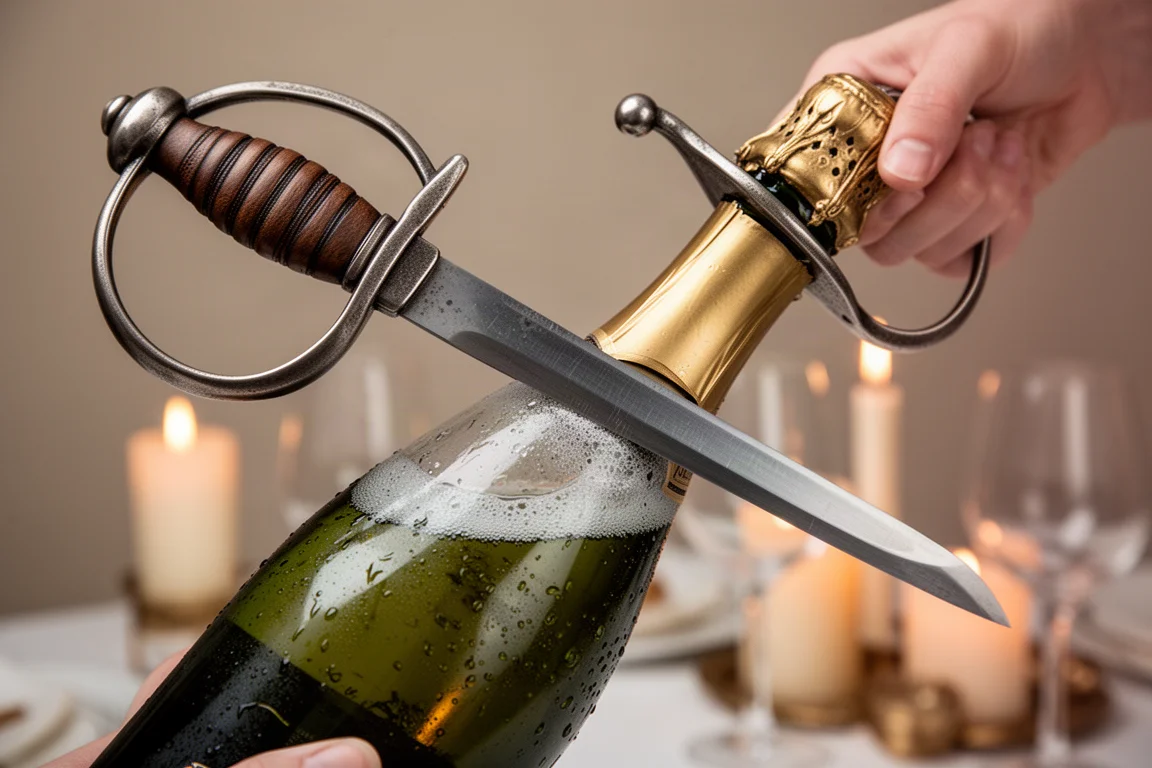
The downsides are real. It wastes some of the wine, it is showmanship more than function, and at £87 plus delivery you are buying what it can do rather than what it is; the base itself feels light and inexpensive. This is not something most people need at home. It makes far more sense for a wedding venue or restaurant adding an experience, and even then, carefully removing the cork achieves the same result with none of the drama or the waste.
Buying Advice
A simple rule covers all four: buy the tool, skip the theater, unless the theater is the point. The Alessi peeler and the AEROFLOW both do their jobs well and justify themselves on enjoyment, if not pure practicality. The trivets and the saber are purchases for people who want the object or the moment itself, and who are comfortable paying a premium for it. If budget matters most, a £4 peeler and a standard trivet remain unbeatable on pure function.
Conclusion
Design-led kitchen gear lives in the gap between art and utility. The Spirello peeler and AEROFLOW sit closer to useful, the Muller Van Severen trivets and Desormeaux saber closer to art. None of them are pretending to be something they are not, which is arguably the real test of whether a pretentious gadget is worth your money.
Further reading
Related Reviews

Kitchen Gadgets
Kitchen Gadgets Tested 2026: Five Tools Worth Considering
A practical look at five kitchen gadgets, from egg shapers to peanut butter stirrers, with honest assessments of what works and what doesn't.
Kitchen Gadgets
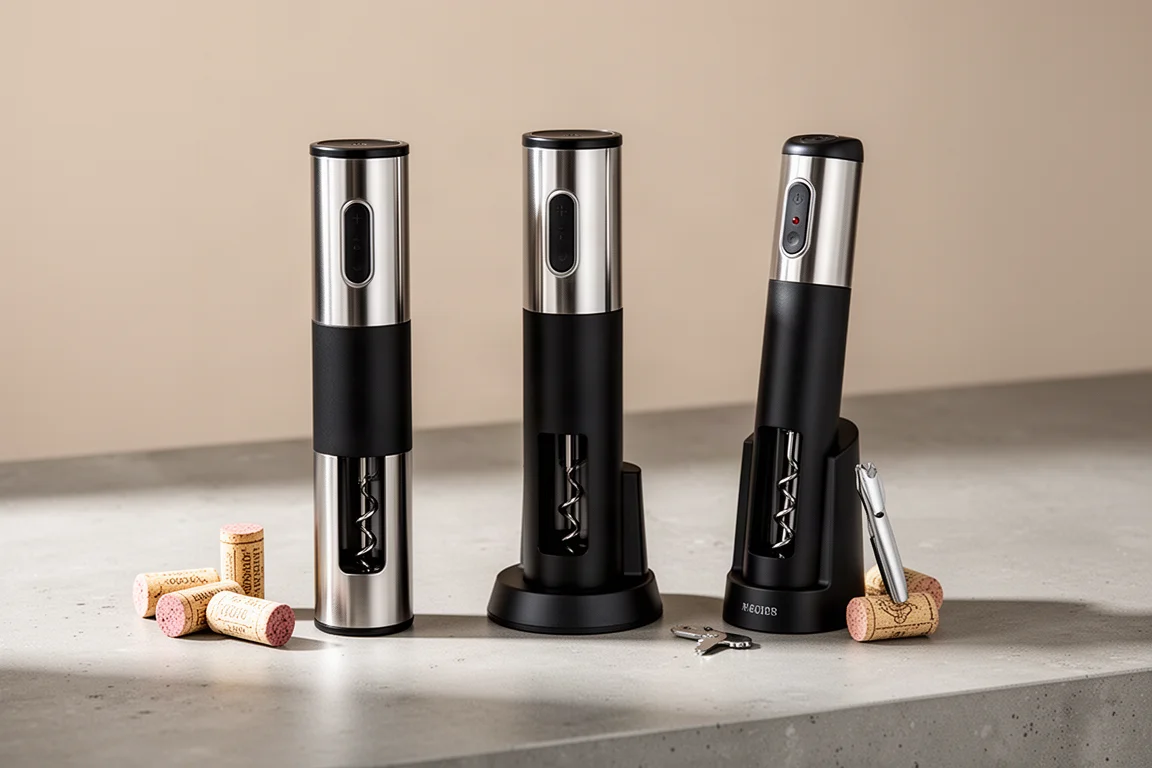
Best Electric Wine Openers: Our Top Picks From Eight Tested Models
We tested eight electric wine openers priced from $20 to $110 on hundreds of bottles. The Secura came out on top, with a Peugeot and a Rabbit model also worth knowing about.
Kitchen Gadgets
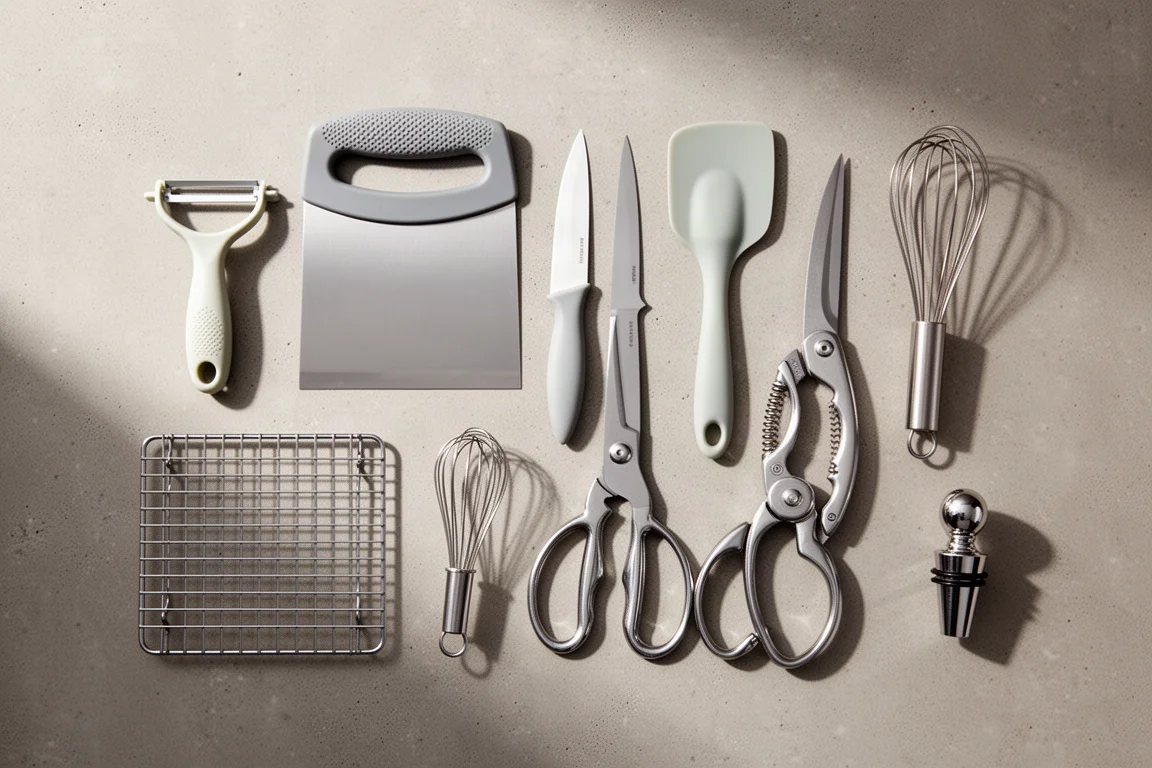
Best Kitchen Gadgets Under $15: Eight Small Tools That Earn Their Keep
Eight kitchen tools that cost less than $15 but perform like far more expensive gear, from a razor-sharp peeler to a champagne saver that really works.