Food & Drink
Pretentious or Not? Three Unusual Ingredients Worth Talking About
Black water, blue lobster rillette, and croissant butter go head to head in a taste test that asks whether unusual ingredients are worth your money.
Introduction
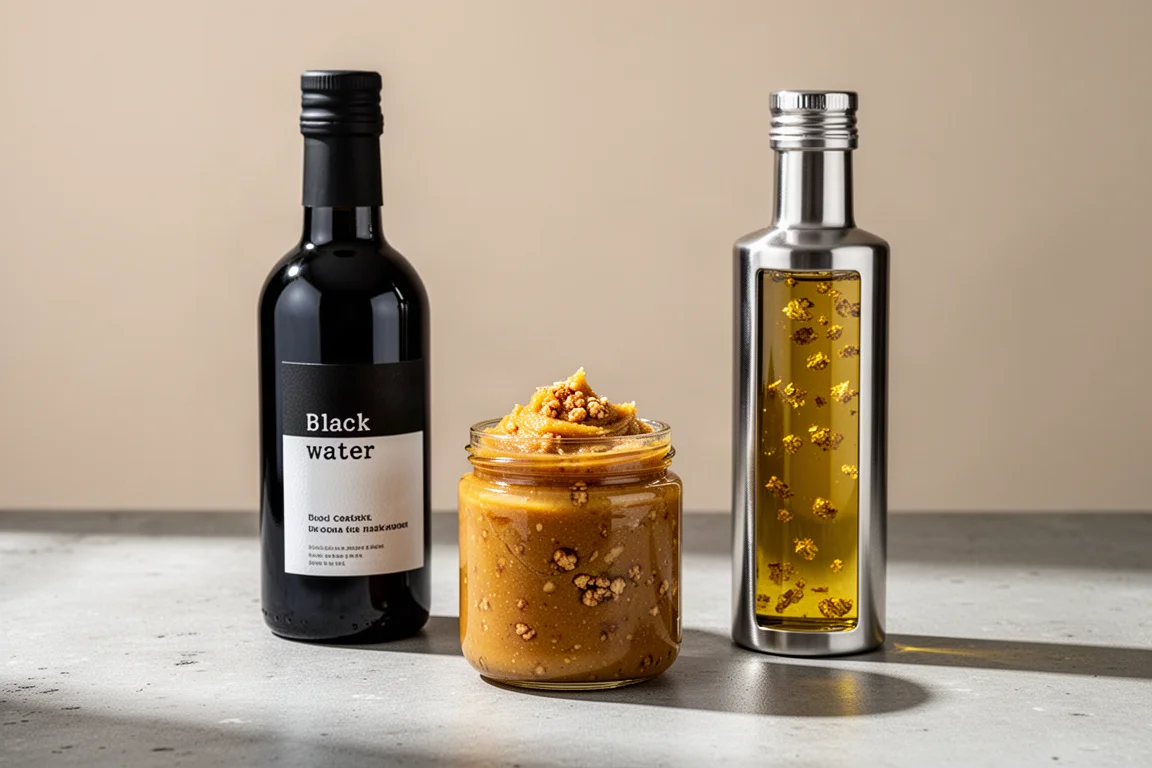
Some ingredients earn their price tag through craft and rarity. Others earn it through clever packaging and a good story. We put three unusual products through a taste test to see where each one lands: a black water with added minerals, a blue lobster rillette from a French producer, and an olive oil with 24 karat gold flakes suspended in it. Two of them surprised us in a good way. One did not.
BLK Black Water: Water, but Black
The first impression of BLK is pure confusion. It looks dramatic in the glass, but the flavour is very underwhelming: watery with a slight hint of bitterness, and possible cola vibes without the sweetness, the fizz, or the sugar. Once you recalibrate and treat it as water rather than a flavoured drink, it simply tastes like mineral water, and every mineral water has its own subtle nuance.
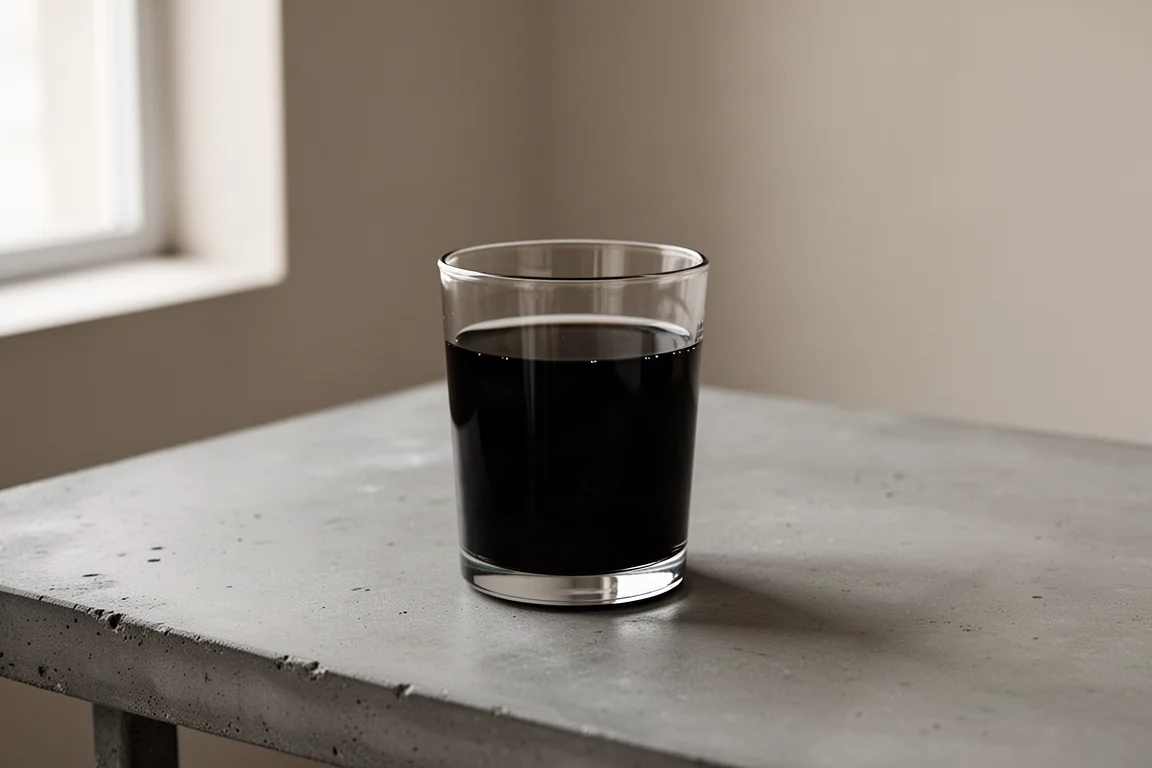
The black colour comes from fulvic acid, a natural organic compound formed over hundreds of thousands of years through the breakdown of plants and microorganisms in soil and sea. The minerals are sourced from a 70 million year old deposit deep beneath the surface and mixed into the water. Marketing claims cover antioxidants, electrolytes, and cell protection, but there is no independent proof beyond the branding itself.
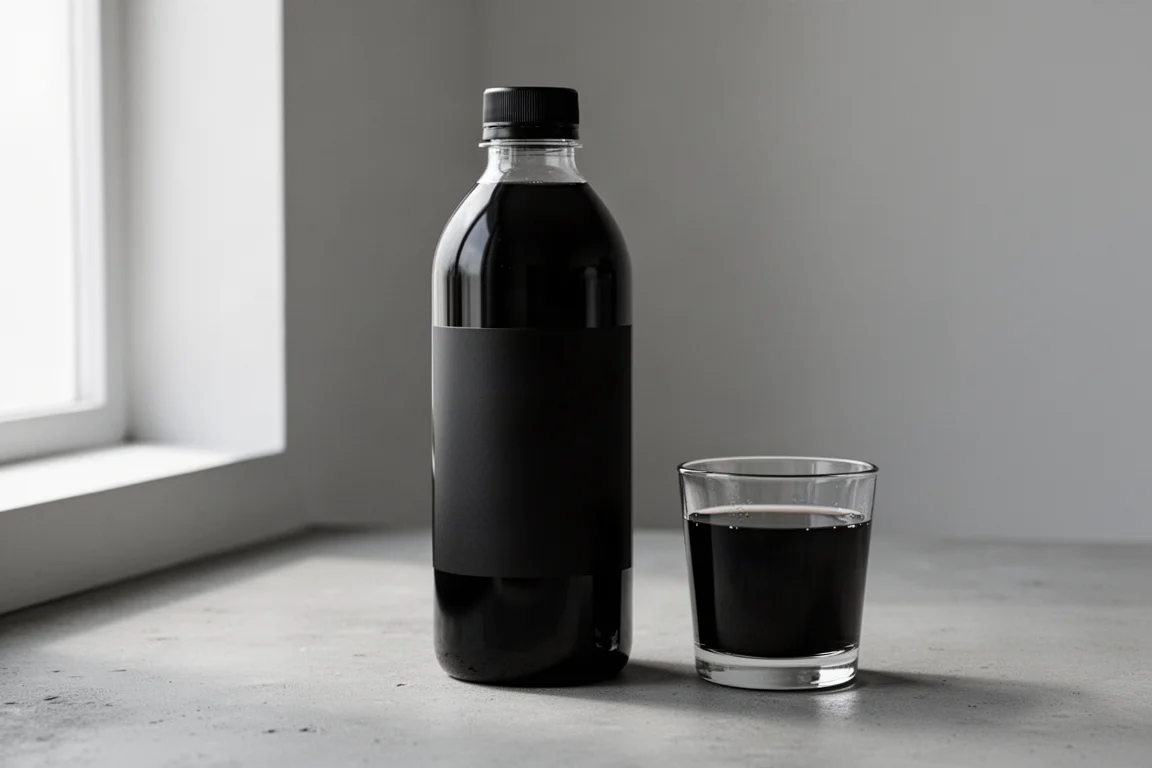
The practical details are more reasonable than the look suggests. The bottle costs around £2.40, roughly the same as any bottle of water at an airport, and it contains zero calories, zero caffeine, zero sugars, and zero dyes. The colour is off putting at first, but once you try it, the colour makes no difference at all. The striking bottle is arguably its main selling point: it stands out on a shelf of functional waters. Is it pretentious? The price is not out of whack, but the whole concept still feels like it is.
Rillettes de Homard Bleu: Blue Lobster, Unexpectedly Accessible
The second product announces itself long before you taste it. The smell is intensely funky, sweetly fishy, almost fruity, and reminiscent of tropical fish food. The taste is far more pleasant than the aroma suggests: sweet, identifiable seafood with a texture close to crab and a flavour somewhere between crab meat and sea urchin, in the tiny overlap where both are excellent.
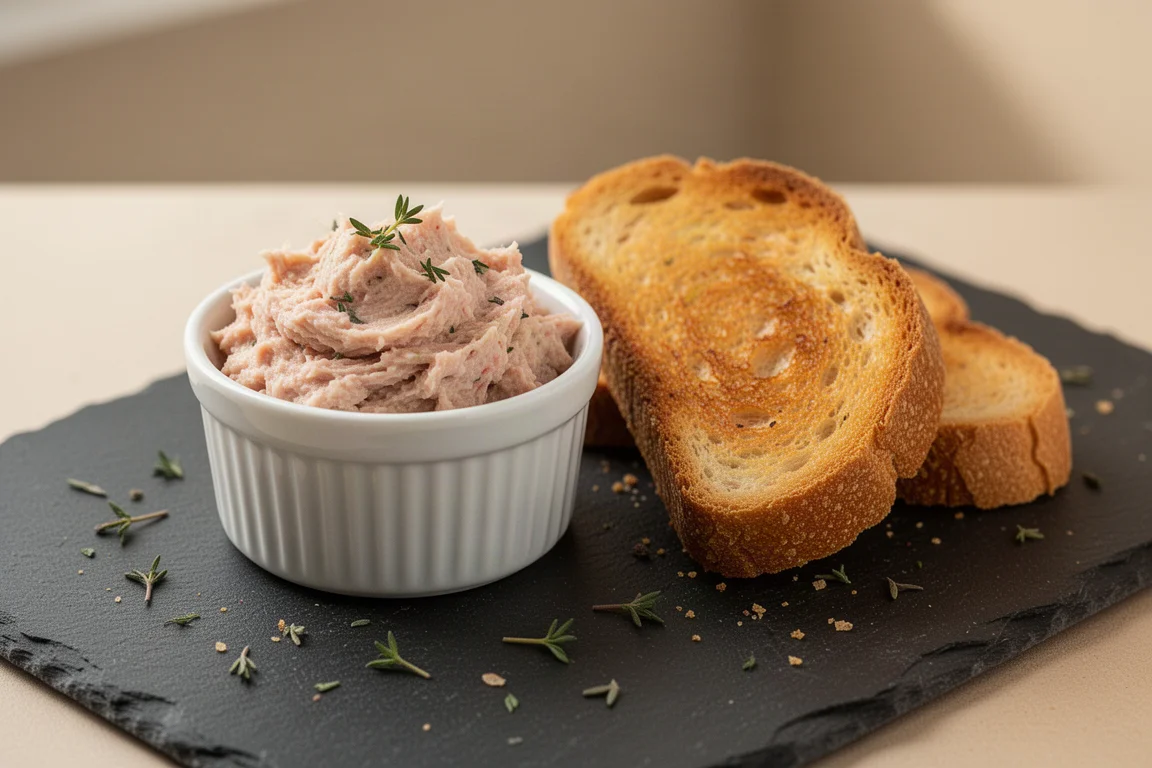
The product is Rillettes de Homard Bleu au Kari Gosse. Homard Bleu is blue lobster, considered one of the finest crustaceans and prized in French cuisine for its softer meat and intense flavour. The Kari Gosse is a secret spice blend built on ginger, cloves, and turmeric, giving it potted shrimp vibes. Served on a crunchy croute, it is subtle, sweet, and genuinely delicious, and it would make a strong addition to a charcuterie board alongside cheese and meats.
The price is more accessible than you might expect for blue lobster: around £9.60 for 100 grammes. It is not cheap, but it is not such a hefty price tag that you would hesitate to try it. It takes what could be a pretentious ingredient and turns it into something more accessible, traditional, and celebratory. Our verdict: not pretentious.
Pollen Bakery Croissant Butter: Croissant, Squared
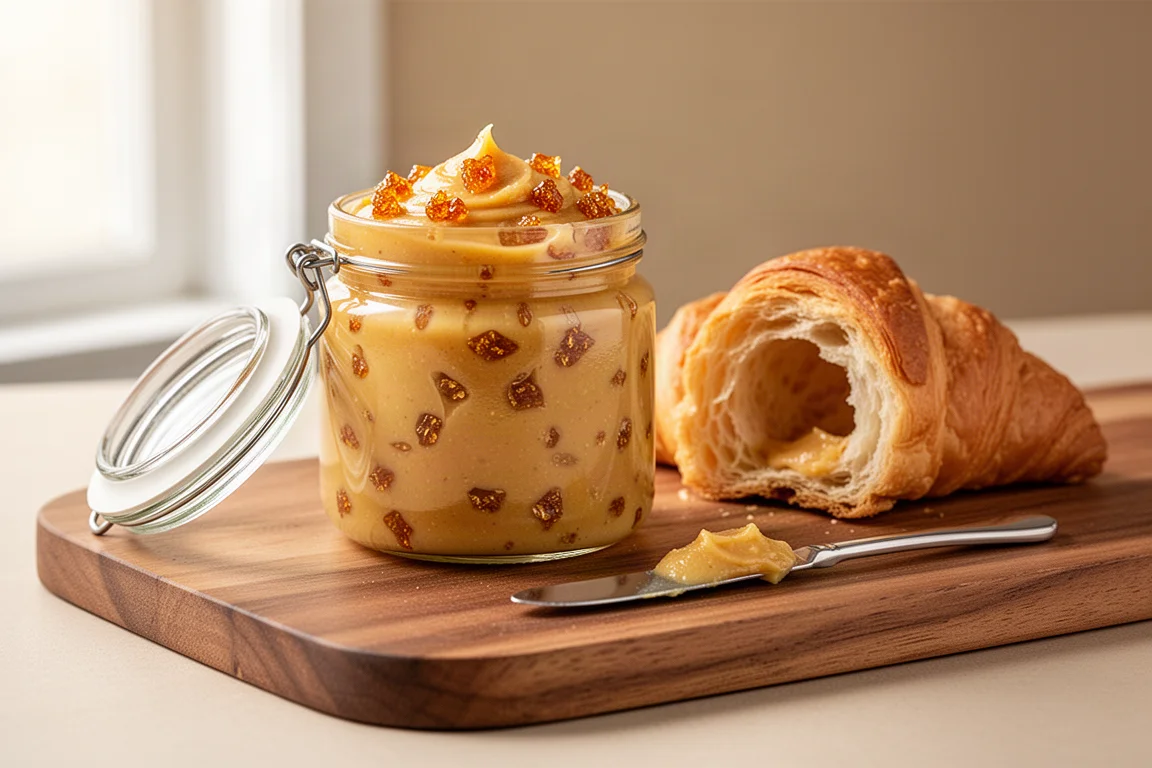
The third product smells like Biscoff and tastes even better. Pollen Bakery’s croissant butter is a crunchy sweet spread made from the bakery’s famous caramelised croissants blended with butter, salt, and caramelised white chocolate, with hints of cinnamon and orange zest. The bakery, based in Manchester and known for handcrafted pastries and sourdough, makes it from leftover croissants at the end of the day. Spread on a warm croissant, it elevates the toastiness of the pastry. It is, quite literally, croissant squared, and it crosses over into dessert territory rather than breakfast.
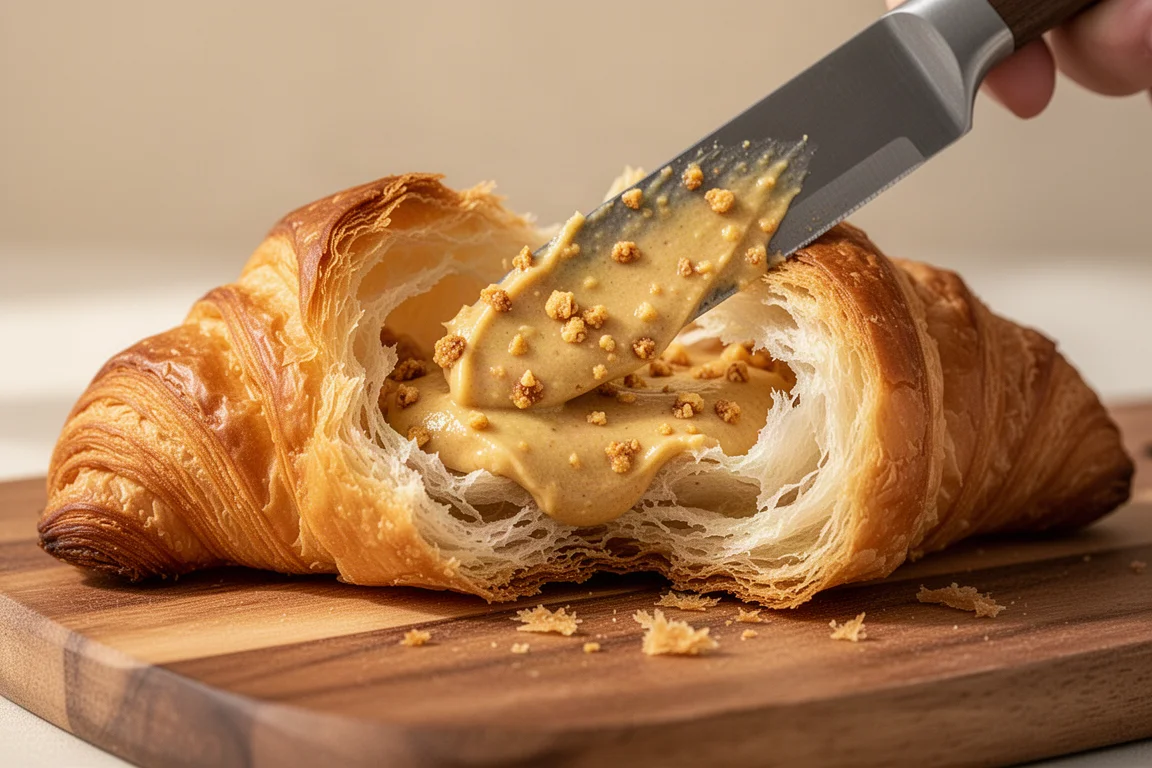
The catch is price and availability. The jar costs around £10, which moves it from an everyday brunch item into the occasion gift market: Mother’s Day or Valentine’s Day breakfasts rather than a regular Saturday morning. Pollen also releases in small batches with waiting lists, deliberately keeping supply short so it always sells out. That supply game divides opinion, but the product itself is genuinely excellent, and one tester would happily fill a doughnut with it.
Verdict: not pretentious, but expensive. It is evolution, taking something already perfect and taking it to a better place.
Myst 24 Karat Gold Extra Virgin Olive Oil
The final product is the one that brings the whole concept of pretentious ingredients full circle. Myst is a Greek extra virgin olive oil infused with 24 karat edible gold flakes. Underneath the gold, the fundamentals are genuinely strong: it is a first cold extraction from olives harvested unripe and green in late October on the slopes of Mount Olympus. The early harvest yields less oil but more intense fruitiness, a pungent herbaceous, grassy character with an almost bitter almond note, and a beautiful colour.
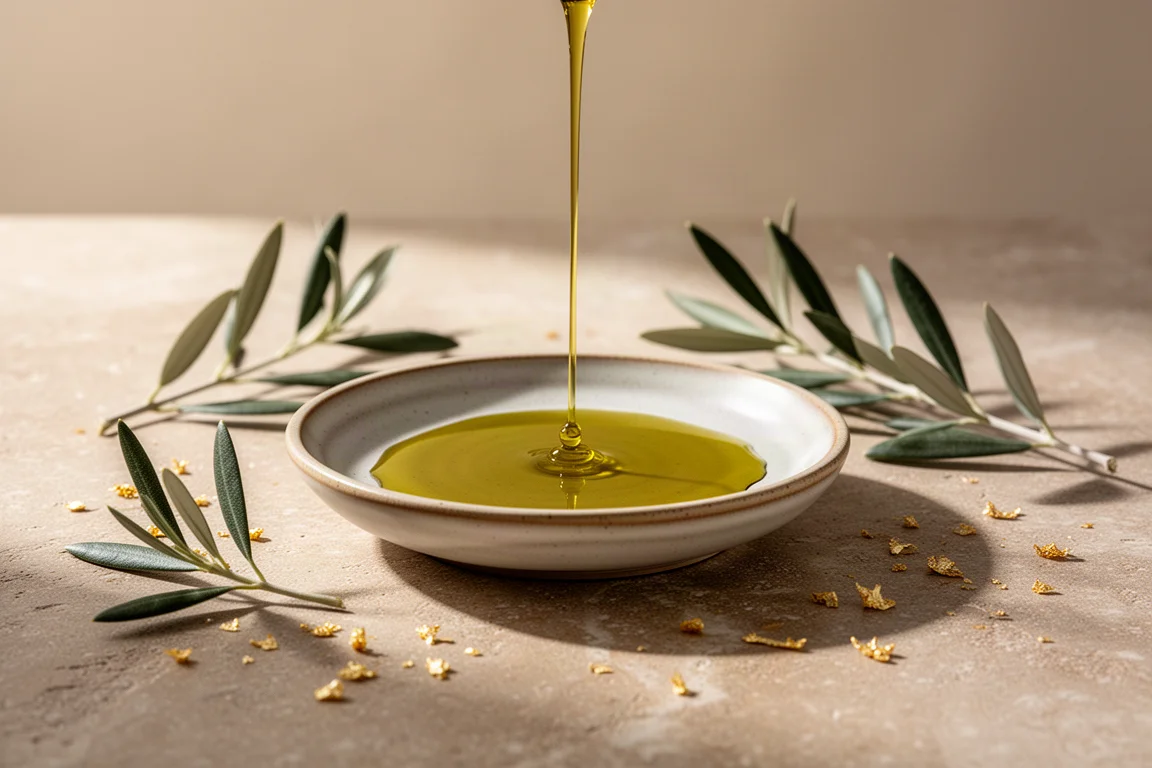
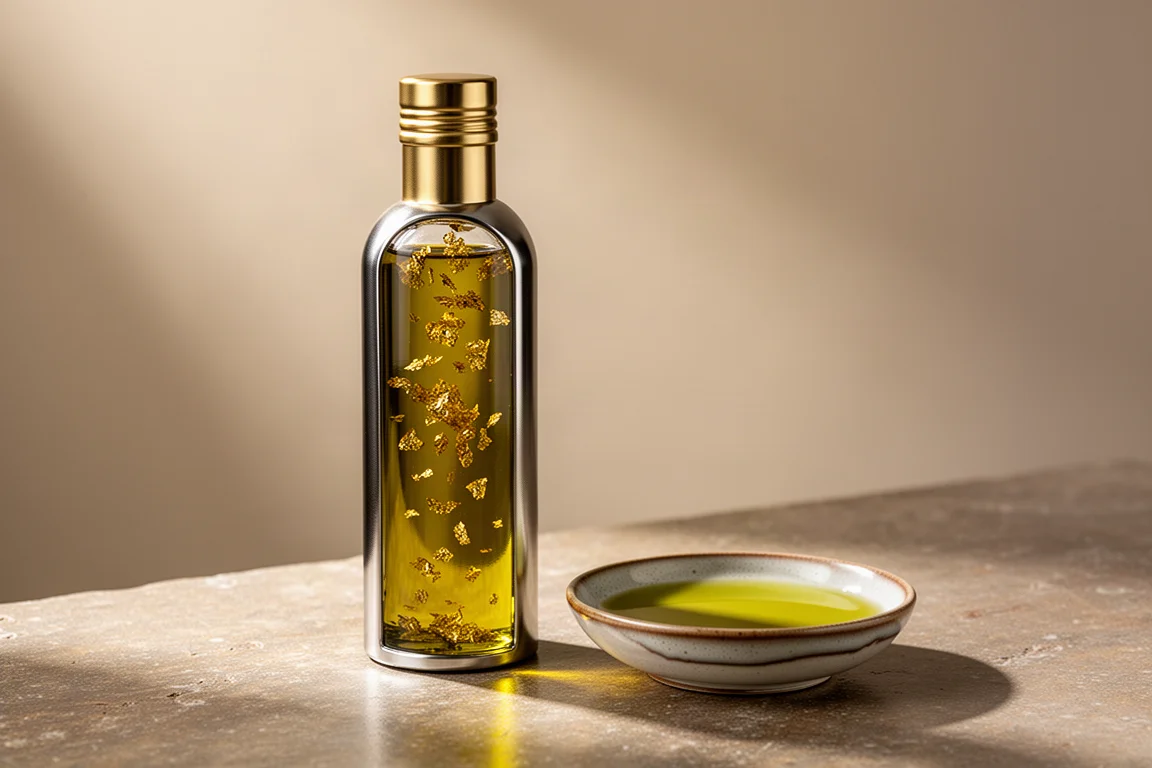
The gold, however, does nothing for the flavour. It is added purely to tell a story: a literal interpretation of Homer’s reference to olive oil as liquid gold, offered to connoisseurs to emulate its so-called god-like abilities. In practice, the floating flakes look like an unfiltered oil with bits in it, and arguably detract from the purity of what is otherwise a delicious oil. The price seals the verdict: the bottle costs £74 with the gold leaf, compared to £25 or less without it for the same half litre of quality first press oil. That is a ridiculous premium for flakes that change nothing. Myst is, unanimously, 100% pretentious.
The Verdict
Of the three, the blue lobster rillette is the standout for craft and value, the croissant butter is an indulgent treat worth the occasional splurge, and BLK black water is a curiosity priced like ordinary bottled water. The gold olive oil is the only one we would call genuinely pretentious, and the only one where the premium buys decoration rather than quality.
Conclusion
Unusual ingredients are not automatically pretentious. The test comes down to whether the price and the extras serve the product or just the story. A blue lobster rillette made with a secret Breton spice blend celebrates tradition. Croissant butter reinvents a leftover into something better. Black water is odd, but honestly priced. Gold in olive oil, on the other hand, is exactly what it looks like: expensive flakes floating in an already good oil. Choose the ones that give you more flavour for your money, and skip the ones that only give you something to talk about.
Further reading
Related Reviews
Food & Drink
Best Plant-Based Burgers From Major Chains: Six Options Rated
Six plant-based burgers from KFC, Leon, McDonald's, Burger King, Shake Shack, and Honest Burgers put to the taste test to see which fast-food options are actually worth ordering.
Food & Drink
Best Dark Chocolate for Less Sugar: Four Picks From 60% to 90%
Four dark chocolates that deliver more cacao and less sugar, from an everyday baking bar to an intense 90% pick.
Food & Drink
Four Kansas City Barbecue Sauces Worth a Spot on Your Table
We compare four very different Kansas City style barbecue sauces, from a classic sweet supermarket staple to three landmark restaurant sauces you can order online.