Food & Drink
Premium vs Budget Pantry Ingredients: Four Upgrades Worth Knowing About
We compare a premium and a budget version of four everyday ingredients to find out which upgrades justify their price.

Introduction
Some premium ingredients earn their price tag, and some quietly don’t. We put four everyday pantry staples to the test, comparing a premium version against a more affordable one in identical dishes: creme fraiche, wasabi, cucumber, and chocolate spread. The results split neatly into two camps, and knowing which camp each product falls into can save you money, or convince you it’s worth spending more.
How We Judged Each Ingredient
Each ingredient was tasted blind in dishes prepared identically apart from the one ingredient being tested. The panel looked for three things: whether the difference was noticeable at all, how the ingredient performed when mixed into a full dish rather than tasted alone, and whether the price gap felt justified by the difference in flavour and quality. That last point matters most, because a premium product only matters if you would genuinely reach for it again.
Creme Fraiche: Bordier vs the Supermarket Jar
Bordier Creme Fraiche comes from a family-run artisanal producer in Normandy, France. It is very rich and creamy with an almost cheesiness to it, and it is noticeably thicker and fattier than a standard supermarket version. In a blind taste, the difference was described as more depth and more balance, though not a dramatic one.

The comparison point, a standard British supermarket creme fraiche made with British dairy, works out at around 33 pence per hundred grams, while the Bordier comes in at £1.80 per hundred grams, roughly five and a half times more expensive. The verdict was telling: when dolloped on nachos or alongside a rich chocolate brownie as a dessert finish, the premium version shines. But when stirred into something like a chilli con carne where it mixes into the dish anyway, the cheaper option works perfectly well.

Wasabi: Yutaka vs the Standard Tube
This round revealed the biggest gap in actual content. Much of the wasabi widely consumed is dyed horseradish, and the budget tube in this comparison contained just 4.5% wasabi, none of it grown in Japan. It tasted overwhelmingly of horseradish: pure fire with little nuance.

Yutaka Wasabi, by contrast, is made with 65% real wasabi from a specific prefecture in Japan. The difference was immediately clear: less of a blunt kick and more layered, fragrant flavour with no horseradish taste at all. Visually it was less luminous, more textured and fibrous, exactly what real wasabi should look like. At £3.50 per hundred grams versus £3.72 for the standard tube, the premium option was actually slightly cheaper, making this the easiest recommendation of the whole test.

Cucumber: Natora Ridged vs Cling-Wrapped
Cucumber proved the hardest ingredient to tell apart. In a salad with watermelon, chive, dressing, and pine nuts, the difference nearly disappeared entirely. Tasted on its own, however, the Natora ridged cucumber delivered a more intense, authentic cucumber flavour and a distinct audible crunch that the cling-wrapped supermarket version lacked. The standard cucumber was described as tasting almost diluted, a “that’ll do” cucumber.
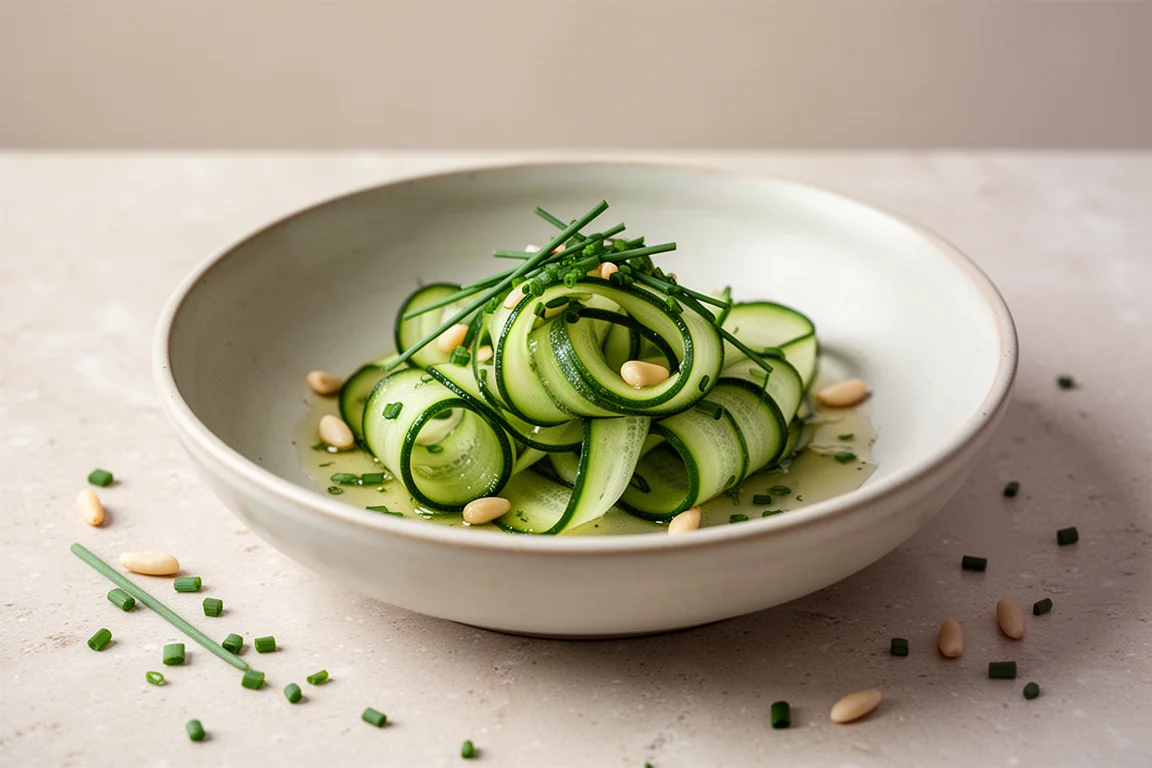
The Natora costs £1.60 each against 59 pence for the supermarket version, around 2.7 times the price. The panel’s conclusion was all about application: if cucumber is the star of a dish, such as a fresh cucumber ribbon salad where it needs to jump off the plate, the premium version is worth the spend and you won’t regret it. As an afterthought garnish, it isn’t.

Chocolate Spread: Refuge Chocolate vs the Basic Range
The final round was the most lopsided. Refuge Chocolate’s spread contains 42% Belgian dark chocolate, while the supermarket basic version manages just 8% cocoa powder, with sugar at 49% as the primary ingredient alongside palm and rapeseed oil. The premium spread looked better, tasted more chocolatey, and had a silky smooth, less oily texture, with less of a hazelnut vibe and more of the actual chocolate.

There is a story behind the price too. Refuge Chocolate has been operating since 2017 and exists to support Flourish Northern Ireland, an anti-human trafficking charity based in Northern Ireland. At £2.58 per hundred grams against 29 pence for the basic version, it is roughly nine times more expensive, a gap the panel felt was completely fair for a spread built on top-quality chocolate. The honest counterpoint: the oily, sweet supermarket spread was still the more indulgent guilty pleasure. But with everything known about the company and the quality gap, the recommendation was clear. Go for the best chocolate spread you can, you won’t regret it.

Overall Buying Advice
Two clear patterns emerged. Wasabi and chocolate spread are ingredients where the premium version is dramatically better and genuinely worth the money, especially when the price gap is small or the quality gap is enormous. Creme fraiche and cucumber are the opposite: the premium versions taste better, but only in specific applications where the ingredient stands alone. If you mostly cook mixed dishes on a budget, the supermarket versions will serve you perfectly well.
Conclusion
Blind tasting these four ingredients showed that price and quality don’t always move together. Spend where the ingredient is the star: real wasabi and a proper dark chocolate spread deliver a completely different experience for a modest or justified premium. Save where it’s a supporting player: creme fraiche and cucumber are fine buys at the budget end unless you are showcasing them.
Further reading
Related Reviews

Food & Drink
Best Plant-Based Burgers From Major Chains: Six Options Rated
Six plant-based burgers from KFC, Leon, McDonald's, Burger King, Shake Shack, and Honest Burgers put to the taste test to see which fast-food options are actually worth ordering.

Food & Drink
Best Dark Chocolate for Less Sugar: Four Picks From 60% to 90%
Four dark chocolates that deliver more cacao and less sugar, from an everyday baking bar to an intense 90% pick.

Food & Drink
Four Kansas City Barbecue Sauces Worth a Spot on Your Table
We compare four very different Kansas City style barbecue sauces, from a classic sweet supermarket staple to three landmark restaurant sauces you can order online.