Food & Drink
Premium vs Budget Ingredients: 6 Supermarket Staples Put to a Blind Taste Test
Two home cooks, identical dishes, one swapped ingredient. Six familiar products, from sesame oil to Granny Smith apples, tested to see if the premium pick is actually worth it.
Introduction
Can an everyday cook actually taste the difference between a budget ingredient and a premium one? To find out, two home cooks were given pairs of dishes prepared identically: same weights and measures, same cooking times and temperatures. Only one ingredient changed in each round. Their job was to pick the premium option, meaning the one that costs more per unit, before the labels were revealed.
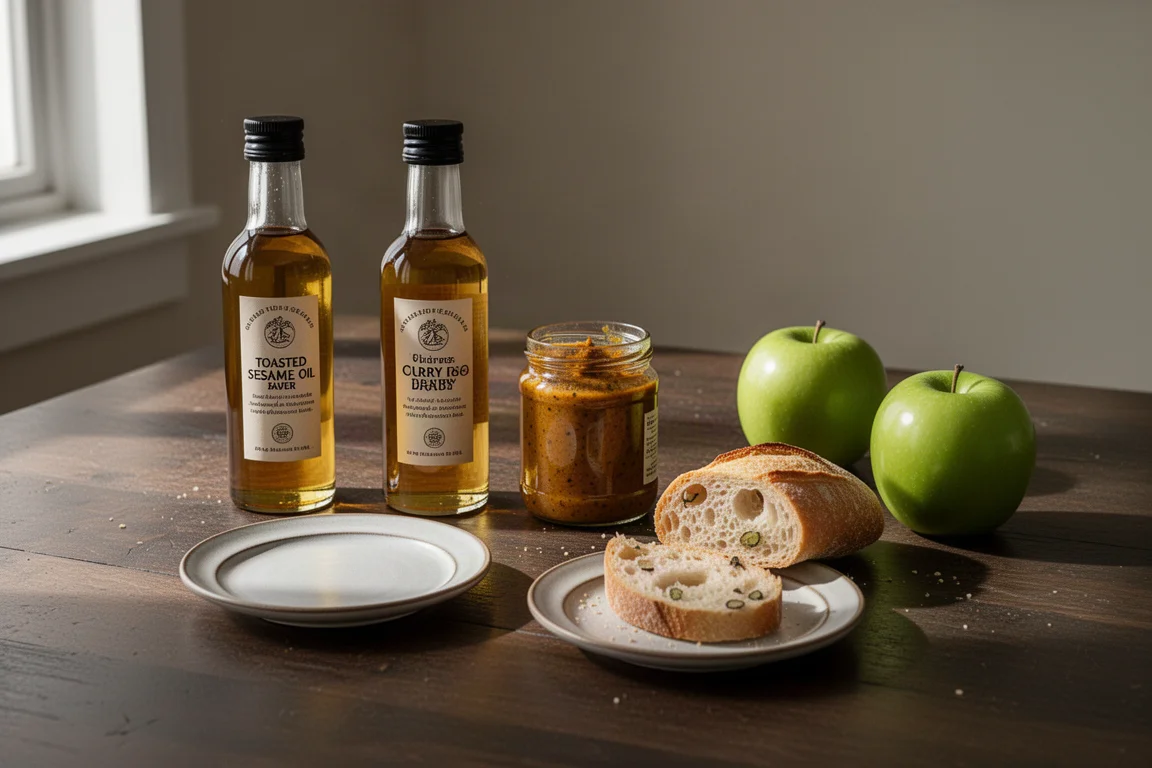
Across four rounds, six familiar products went head to head: toasted sesame oil, frozen garlic bread, rogan josh curry sauce, and Granny Smith apples. Some results were obvious. One was genuinely humbling.
How the Test Worked
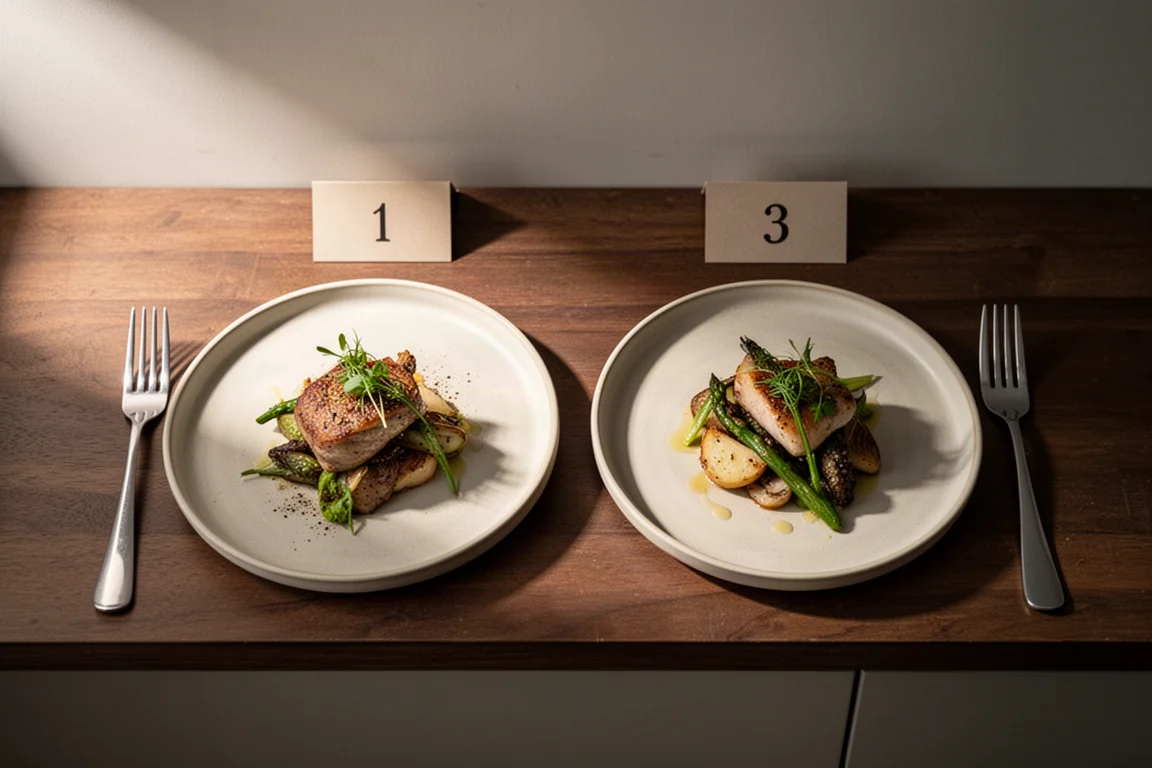
Each round followed the same format. The tasters ate blind, sampled both versions of the dish, and locked in an answer for which version used the more expensive ingredient. Only after committing could they look at the food, and only then were the products revealed with their prices.
It is worth stressing that these are not binary choices. In every category there are plenty of products between the two price brackets tested, and something in the middle, or making it yourself, may suit you better.
Round 1: Toasted Sesame Oil
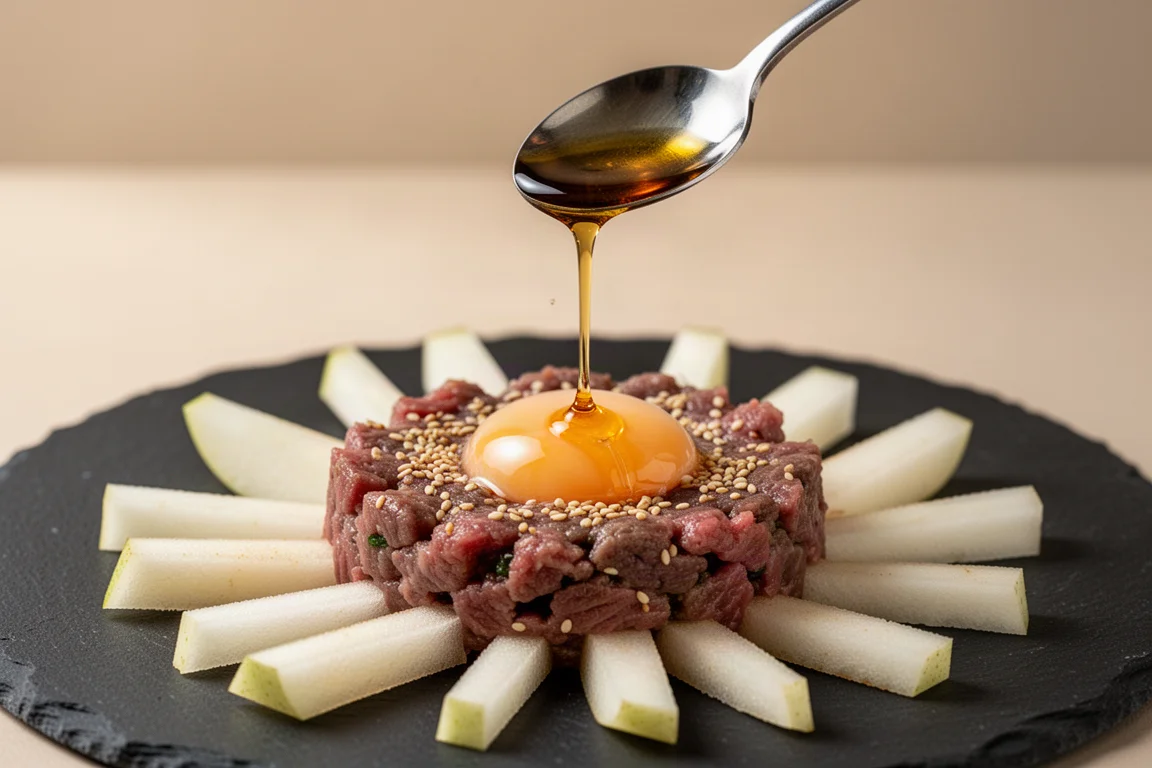
The dish was yukhoe, a Korean seasoned beef tartar with raw garlic, pine nuts, a whole egg yolk, matchsticks of nashi pear, and sesame oil as a key flavour, drizzled over the top at the finish. Both oils were 100% toasted sesame oil, so the seed quality and roast level were the only variables.
One oil tasted far more toasty and brought out the sweetness of the dish more than the other. Both tasters correctly picked B, the more premium bottle, noting that as soon as they ate it, all the flavours seemed to release, with far more aroma reaching the nose as well as the mouth.
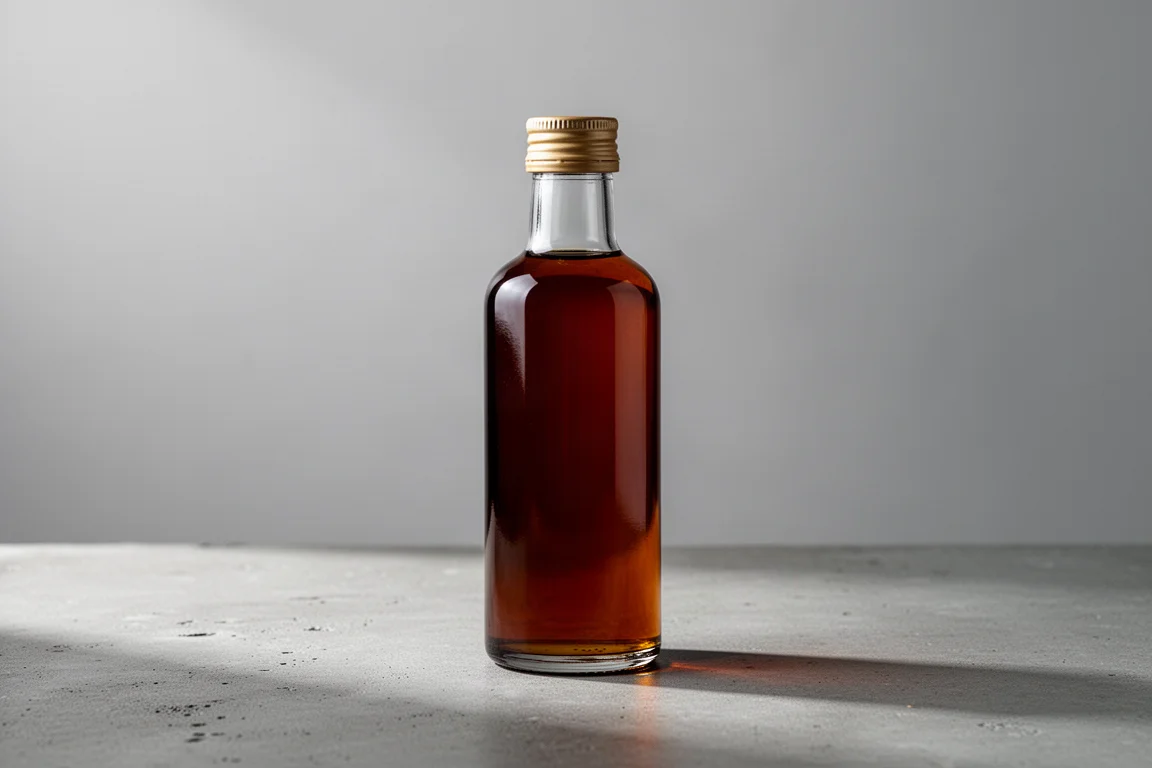
The budget option, A, was Waitrose toasted sesame oil at £2.75 a bottle. Beyond knowing it is 100% sesame oil, there is not a lot of published information about it. For everyday use as a finishing oil, one taster was perfectly happy with it and expected to see it in a restaurant dish at that level.
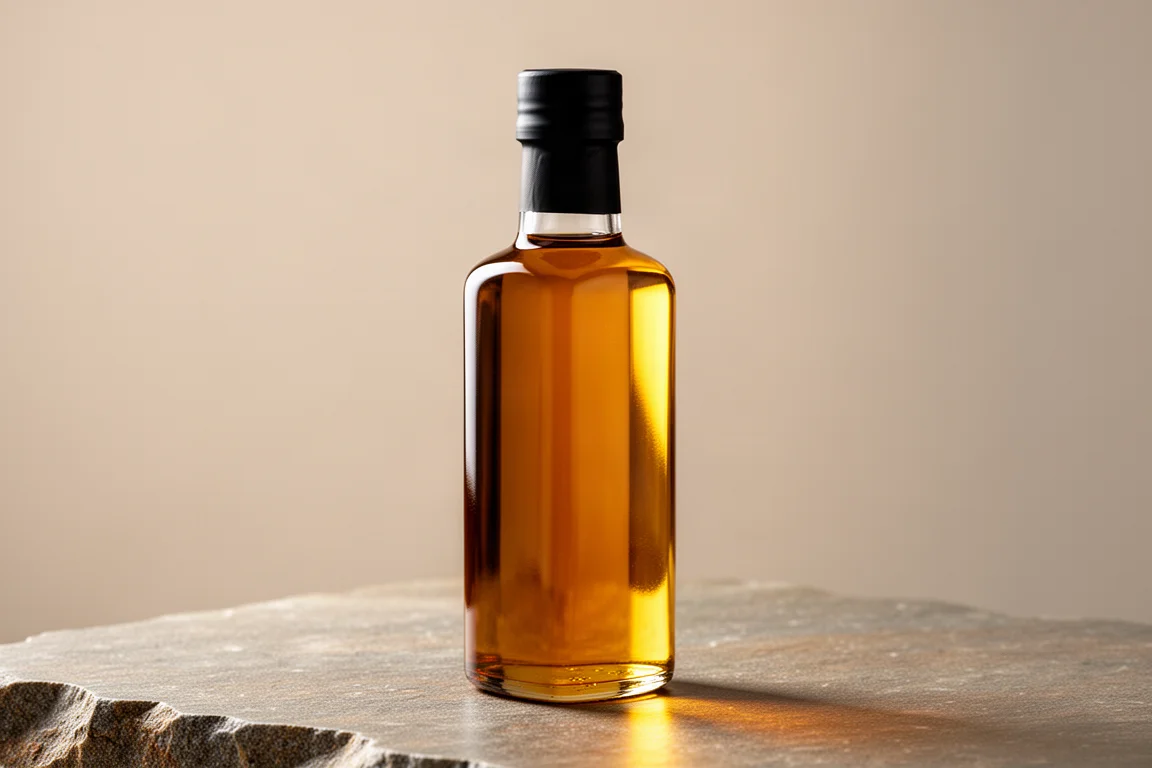
The premium pick, B, is Horiuchi double toasted sesame oil at £14.72 a bottle, which makes it around 12 to 13 times more expensive. It comes from a company in Kumamoto, Japan, made from select golden sesame seeds called kingoma, roasted over a fairly high heat but not a dark, deep roast, using a two-step process. The tasters described it as less viscous and less oily, with a wider, nuttier flavour that almost leans creamy, somewhere in the direction of pistachio, rather than toasty bitterness.
The practical takeaway: the darker the toast and colour, the higher the risk of bitterness tipping into acrid. A lighter toast gives more versatility in cooking, while a darker one is better kept as a finishing oil. And always check the label, because some sesame oils are blends that are mostly canola or sunflower with only a bit of sesame in them.
At £14.72, one taster admitted the honest question is whether home cooking justifies it, since it will not automatically improve everything it touches. In a restaurant it makes sense because only a tablespoon or so goes into your dish. Committing to a whole bottle is a different decision.
Round 2: Frozen Garlic Bread
Round two was a meatball penne pasta bake served with supermarket frozen garlic bread. This time the tasters spotted the difference immediately: it was 100% the bread, and both correctly identified A as the premium option.
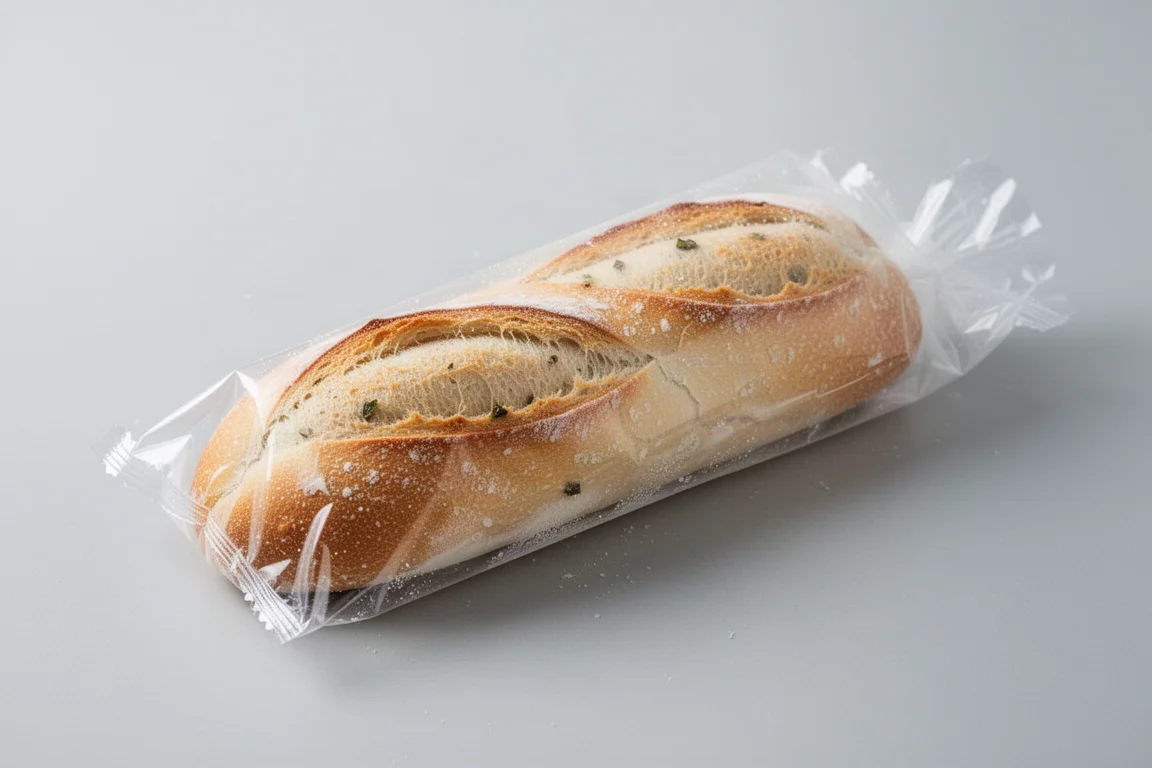
B, the cheaper one, is Asda Just Essentials garlic bread at just 36p per baguette, produced in the UK using garlic puree and ingredients like dried parsley. At that price it is a genuine bargain, though one taster noted it is so cheap that buying a baguette and the butter separately could cost more.
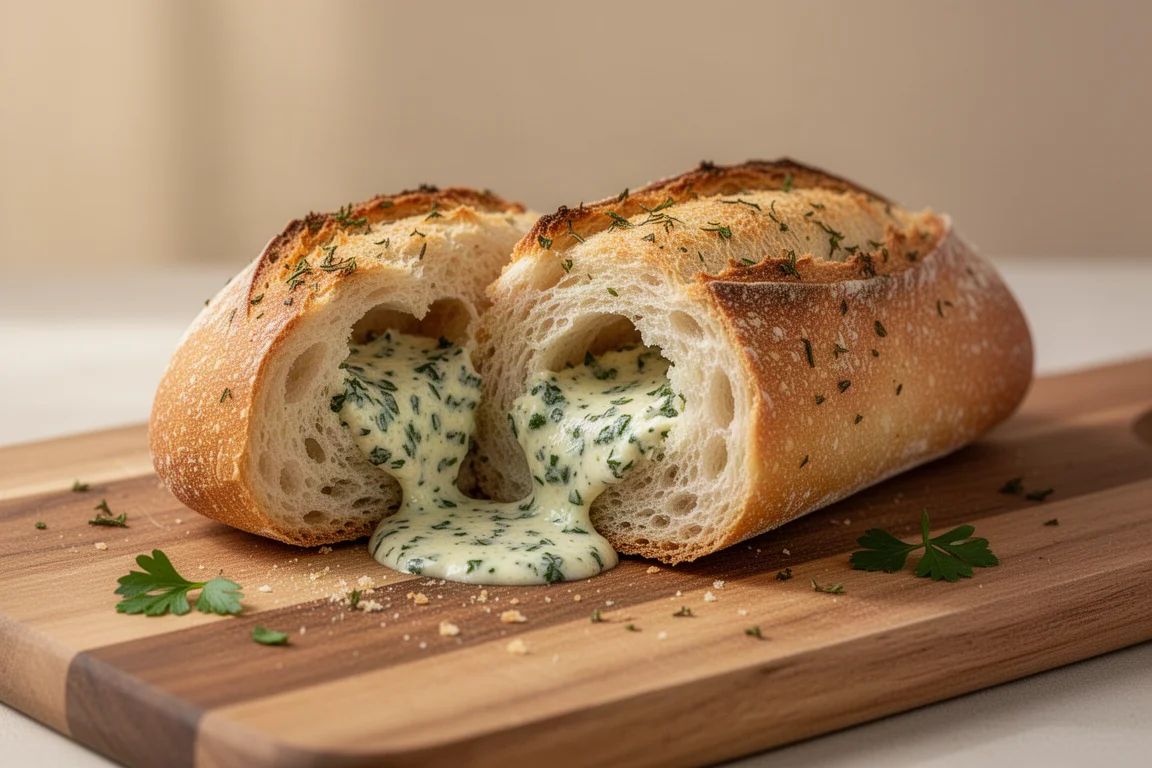
A is Marks & Spencer garlic bread at £4 a baguette, roughly ten times the price. It is handcrafted using a slowly fermented dough, stone-baked, with roasted garlic puree, extra virgin olive oil, shallots, black pepper and other herbs.
What Makes Garlic Bread Taste Better
Whether you buy pre-made or make your own, two things drive the quality gap. First, the fermented dough: the lactic sourness gives sourdough-style bread a tougher, crispier crust and crunch, which works brilliantly in garlic bread.
Second, roasted garlic puree rather than garlic powder with dried herbs. That single swap makes a massive difference to both cost and flavour. If you are making your own, fresh garlic and garlic powder sit at a similar price, so fresh is an easy upgrade.
One honest caveat from the tasting: garlic bread is nostalgia food rather than something authentically Italian, and one taster was not convinced by either version. If £4 feels steep for a garlic baguette, spending a little more on a good sourdough loaf and roasting your own garlic puree can land somewhere in between.
Round 3: Rogan Josh Curry Sauce
The third round was lamb rogan josh with rice. The lamb was braised in seasoned water until tender, divided out, and added to two jarred cooking sauces, each cooked out per the jar instructions. The only change was the sauce.
This round divided the tasters. One found the standout favourite immediately, describing it as more fragrant, fruitier, almost like it had apricot or sultana notes, closer to a tajine than a classic rogan josh. The other genuinely could not tell the difference between the two.
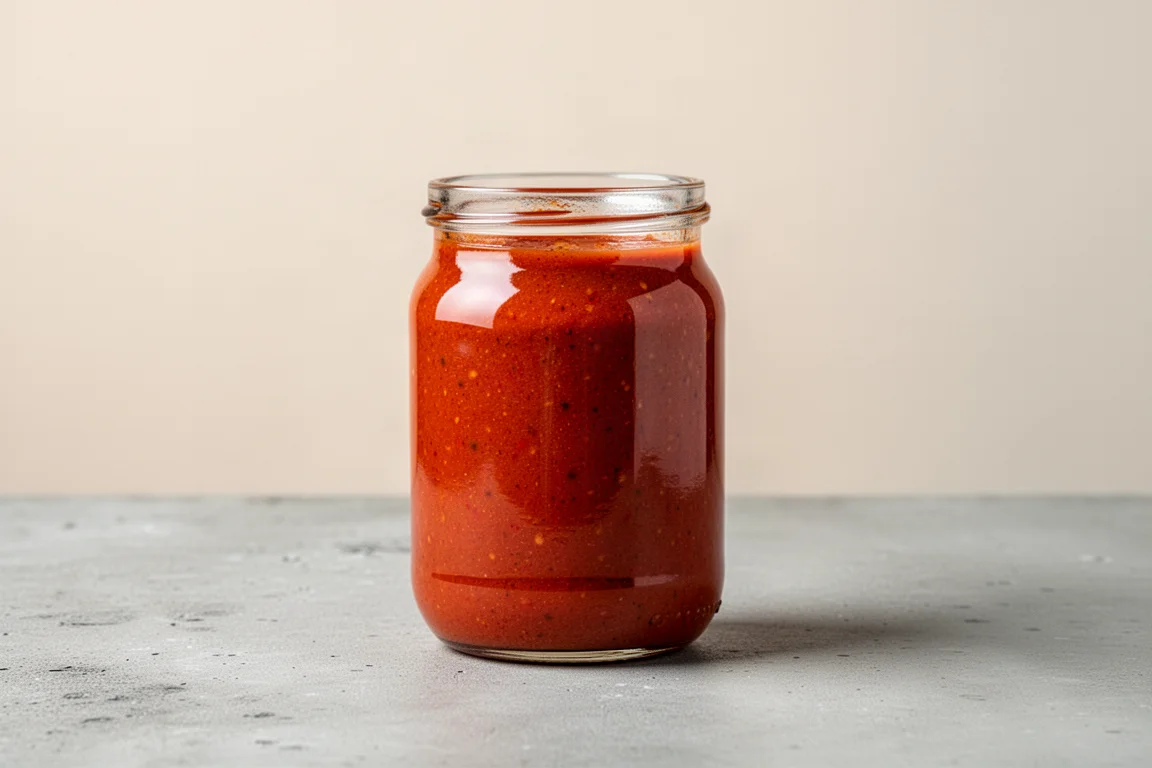
Despite both tasters preferring B, the premium pick was actually A. B is Patak’s rogan josh curry sauce, a very well-known UK brand that has been on supermarket shelves since the 1950s as one of the first and best-known curry paste and sauce makers. Its ingredient list includes modified maize starch, which gives it a slightly more gloopy, processed-food consistency, along with plenty of spices, tomato, and sugar, which explains the sweetness one taster picked up. It simply lists “spices” rather than naming them.
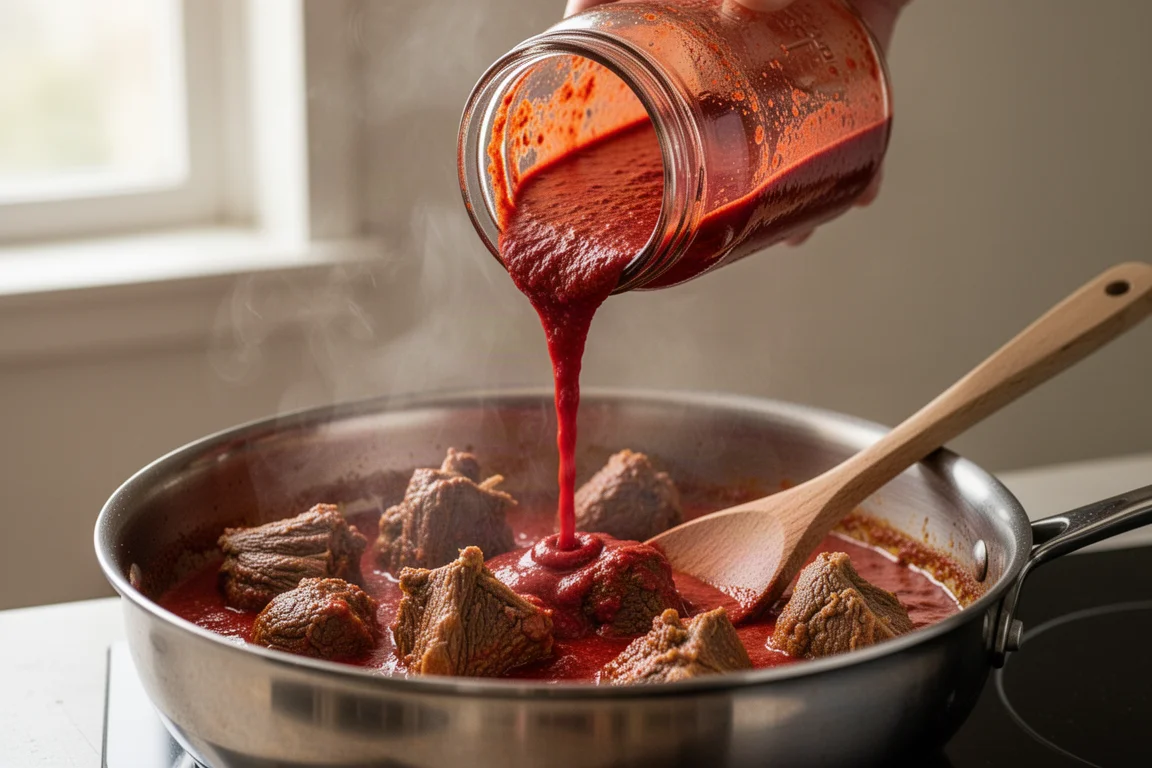
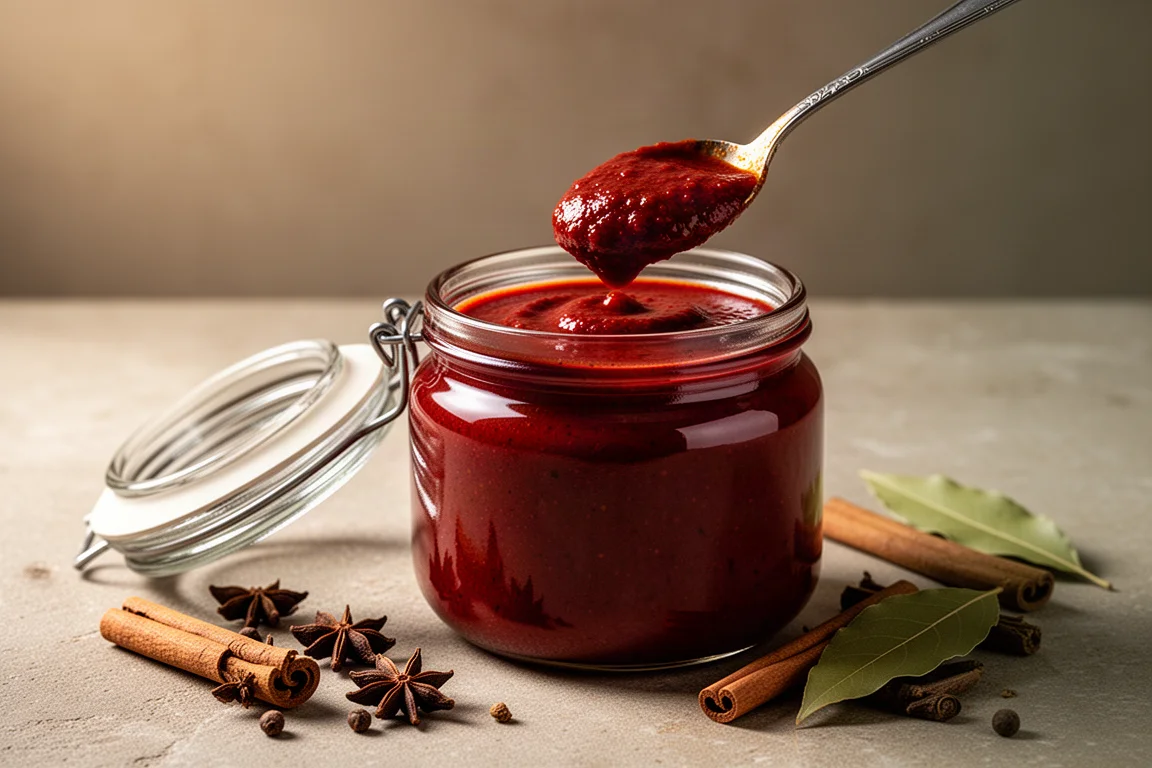
A is Gymkhana’s rogan josh cooking sauce, which originates from the kitchen of the two Michelin star Indian restaurant Gymkhana in London. The label is far more transparent: caramelised onions for natural sweetness rather than added sugar, black cardamom, green cardamom, turmeric, bay leaves, cinnamon, fennel, garam masala, Kashmiri chili powder, ginger, tomato, red pepper, and onions.
On price per 100g for a level comparison, Patak’s works out at 58p per 100g (£2.60 per jar), while Gymkhana is £2.25 per 100g (£6.75 per jar), so nearly four times the price. The interesting part is how close that gap feels given what goes into the Gymkhana jar. One taster already swears by the range as a weekend takeaway-style treat.
What to Look for in a Jarred Curry Sauce
If you are shopping for curry cooking sauces, the advice from this round is straightforward. Try to avoid sauces with too much sugar in them, and look for fewer ultra-processed ingredients you would not cook with at home. Modified maize starch is the obvious example here, but the same thinking applies to other gums and stabilisers.
A transparent ingredient list is also a good sign. When a label names its cardamom, cinnamon, and caramelised onions rather than hiding behind the word “spices”, you generally get a more layered result in the pan.
Round 4: Granny Smith Apples
The final round was the strangest plate of the day: a white crab salad with brown crab puree and julienne and dice of apple. Both plates were identical except for the apple, and a bonus chunk of apple was added to each plate to make the comparison clearer.
The difference came through clearly once the apple was isolated. One apple felt like it had been injected with sugar, almost candy floss-like in its sweetness. The other released far more moisture on the bite and tasted noticeably juicier, while still being delicious in its own right.
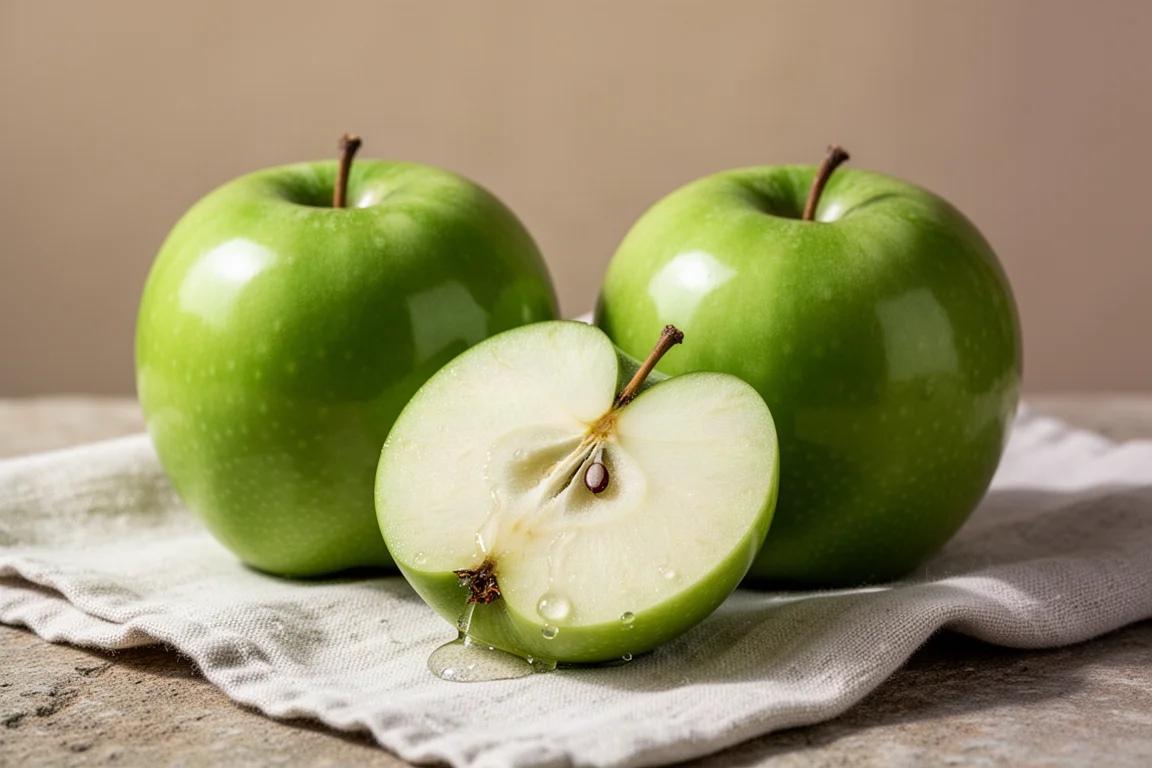
This round caused chaos. Both tasters preferred B, but the premium apple turned out to be A, and the answers got mixed up along the way. B is Cardo Granny Smith apples at 30p each and £2.43 per kilo, with origin varying by time of year between Chile, France, and South Africa, always packed in the UK. A is Monirac Granny Smith apples at £1.50 each, five times the price, and £7.42 per kilo, though they are also much bigger apples.
Why Premium Apples Cost Five Times More
The Monirac apples come direct from Rungis Market in Paris, grown in southwest France on the limestone clay slopes of Corrèze. They are hand-picked at peak maturity, with low-intervention orchards, careful canopy management to make sure the apples get enough sunlight, and regular leaf trimming for optimal sun exposure. That level of care and attention is what the premium price buys.
A useful background note: Granny Smith is a variety, not a brand. It traces back to an English-born orchardist in the 1800s, an “Ann Smith” known as Granny Smith, who favoured this apple, though it was actually cultivated and trademarked in Australia.
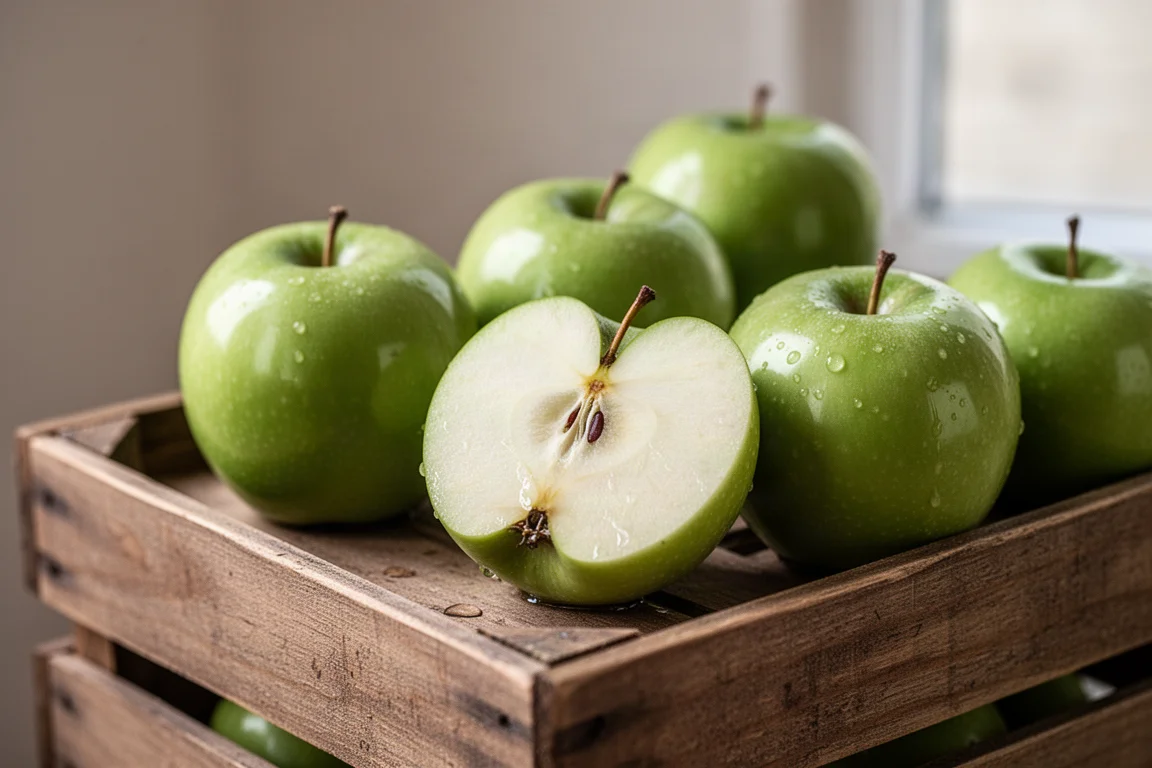
When choosing Granny Smiths yourself, look for shiny skin with no bruising, dimples, or soft spots. A fresh smell matters too: if an apple smells musty or like cooked apple, it has already begun to oxidise. And do not feel locked into one variety, as there are thousands of apples worth exploring.
Overall Buying Advice
The clearest pattern across all four rounds is that premium does not automatically mean better for your kitchen, but the gap is real when it matters. The sesame oil result was unambiguous: the double toasted Japanese oil delivered a wider, nuttier, more aromatic flavour, but at 12 to 13 times the price it makes most sense as an occasional finishing oil rather than a daily bottle.
For garlic bread and curry sauce, the practical wins are in the details rather than the brand name: roasted garlic puree over powder, fermented dough over standard bread, a transparent spice list over modified maize starch and added sugar. And with the apples, premium fruit bought as a genuine treat made sense, while everyday cooking can happily run on the budget option.
Conclusion
Three out of four rounds were called correctly, and the one miss, the curry sauce, was less about taste and more about expectations, since both jars tasted good. If you take one thing from this test, make it the label habit: check for 100% sesame oil, roasted garlic instead of powder, and short, honest ingredient lists. Those details will get you closer to the premium experience than the price tag alone.
Further reading
Related Reviews
Food & Drink
Best Plant-Based Burgers From Major Chains: Six Options Rated
Six plant-based burgers from KFC, Leon, McDonald's, Burger King, Shake Shack, and Honest Burgers put to the taste test to see which fast-food options are actually worth ordering.

Food & Drink
Best Dark Chocolate for Less Sugar: Four Picks From 60% to 90%
Four dark chocolates that deliver more cacao and less sugar, from an everyday baking bar to an intense 90% pick.
Food & Drink
Four Kansas City Barbecue Sauces Worth a Spot on Your Table
We compare four very different Kansas City style barbecue sauces, from a classic sweet supermarket staple to three landmark restaurant sauces you can order online.