Food & Drink
Premium Pantry Staples Worth the Upgrade: 4 Ingredients That Earned Their Price Tag
Peanut butter, feta, chickpeas and tinned tuna went head to head in a blind taste test. Here is where spending more genuinely pays off, and where it does not.
Introduction
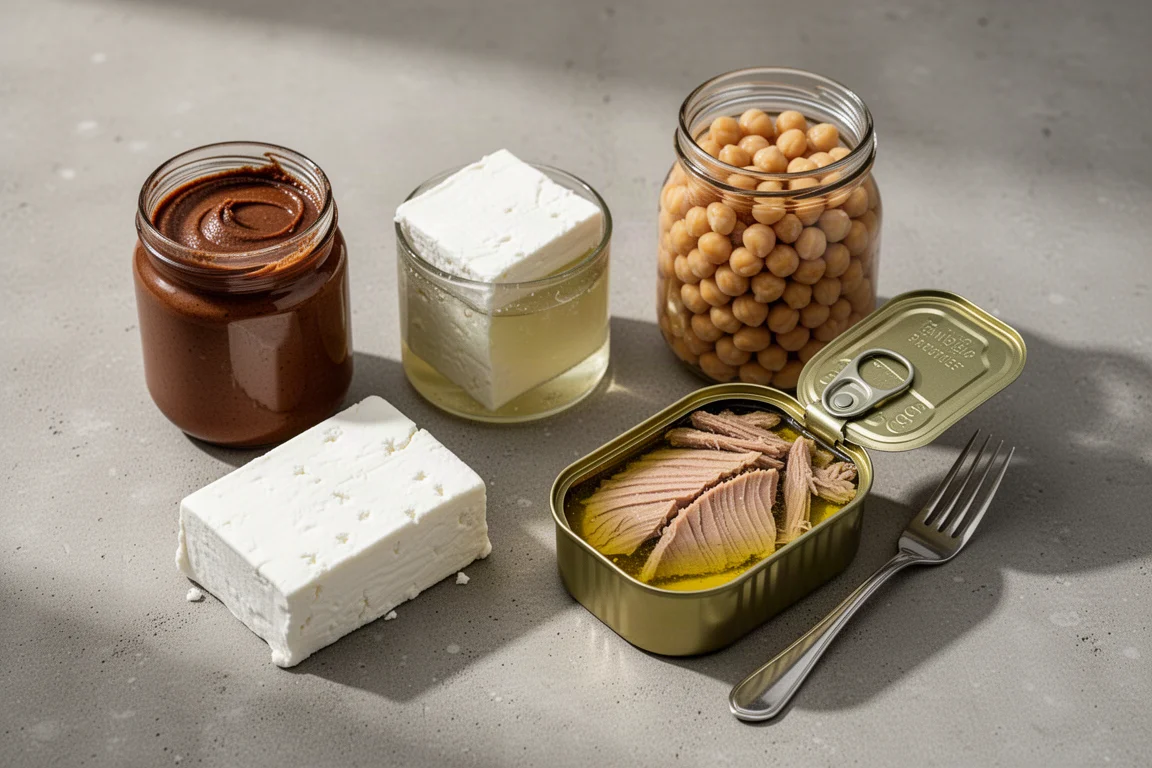
Where should you actually spend more at the supermarket? To find out, four everyday ingredients were put through a blind taste test: peanut butter, feta, chickpeas and tinned tuna. Each was cooked into an identical dish twice, with only one ingredient swapped between a basic supermarket version and a premium alternative. The tasters had to pick the premium from each pair, and the results were more revealing than expected.
Some upgrades were obvious from the first bite. Others were surprisingly easy to get wrong, which says a lot about how these ingredients behave once they are folded into a recipe rather than eaten straight from the jar.
Where the Upgrade Paid Off
The first test paired Manilife peanut butter against a standard supermarket crunchy peanut butter, hidden inside a satay-style marinade with coconut milk, lemongrass, galangal, garlic and chilli. Both tasters got this one wrong, and the reason is instructive.
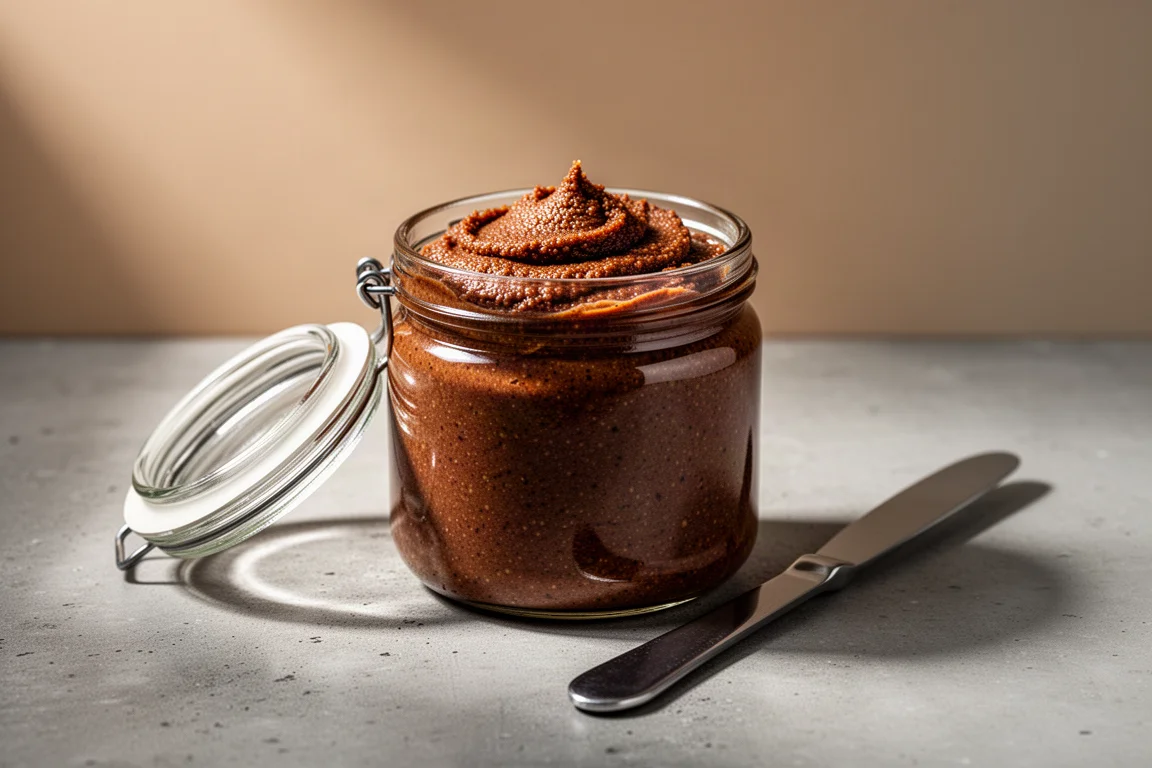
The basic peanut butter contains 87% roasted peanuts, plus rapeseed oil, palm oil, sugar and salt. The premium version is made from 99% peanuts with just 1% salt, nothing else. Counter-intuitively, the extra sugar and oils in the cheaper option deliver more flavour and even a slightly better caramelization under the grill. In a strongly seasoned sauce, the difference between them nearly disappears.
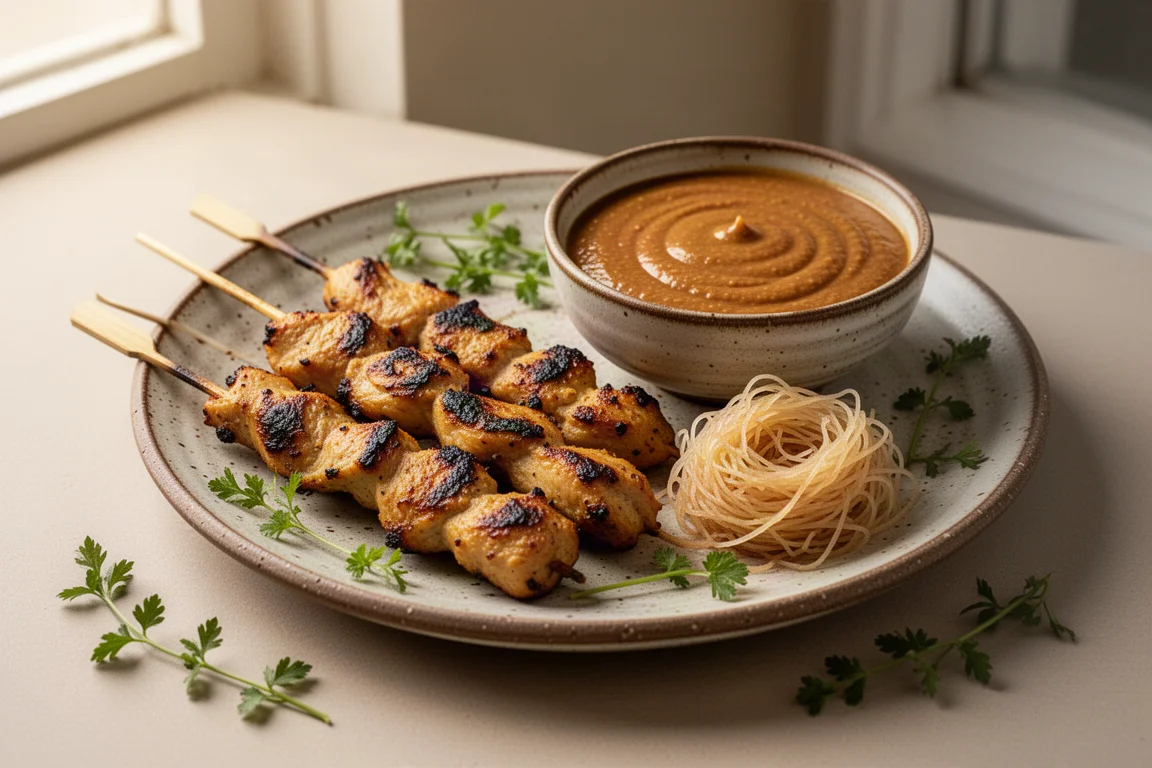
The price gap, however, is not subtle: the basic version costs around 25p per 100g, while the premium comes in at £1.36 per 100g, just over five times the price. The verdict is a matter of personal use. If peanut butter is a weekly staple and you eat it straight, the higher peanut content and sourcing quality may be worth it. If it is an occasional cooking ingredient, the basic option does the job perfectly well.
Epiros Feta: The Creamy Upgrade
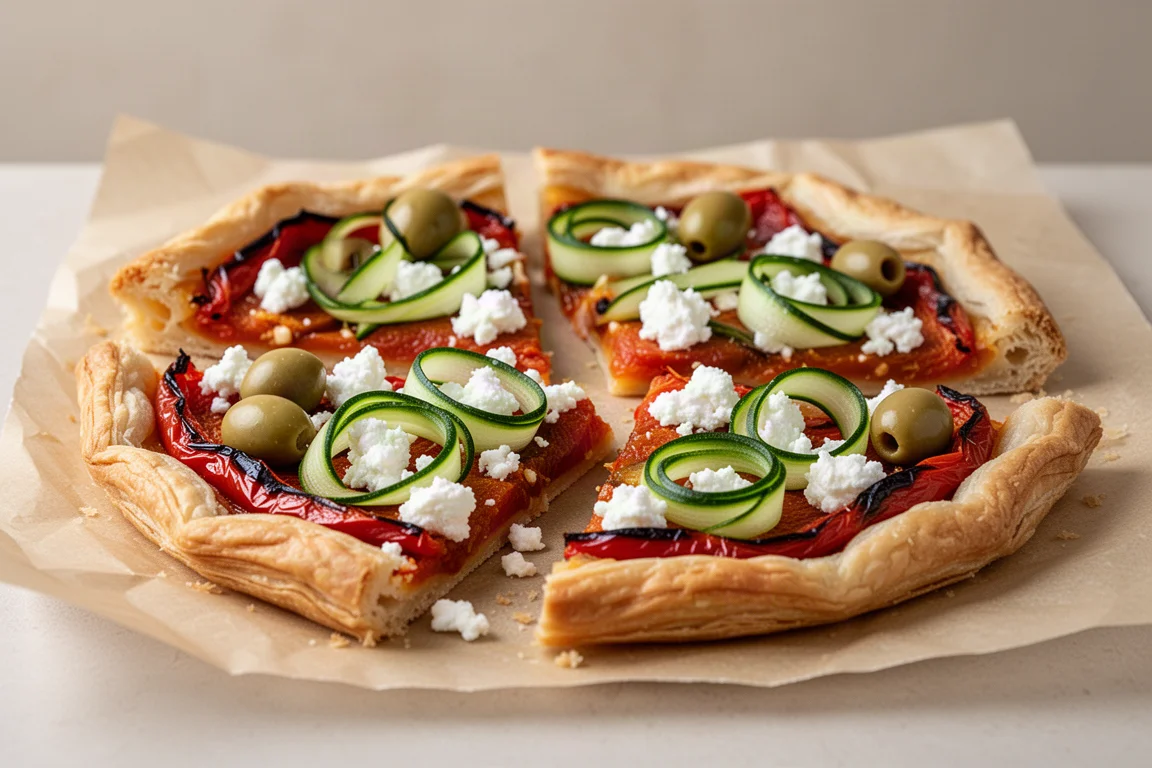
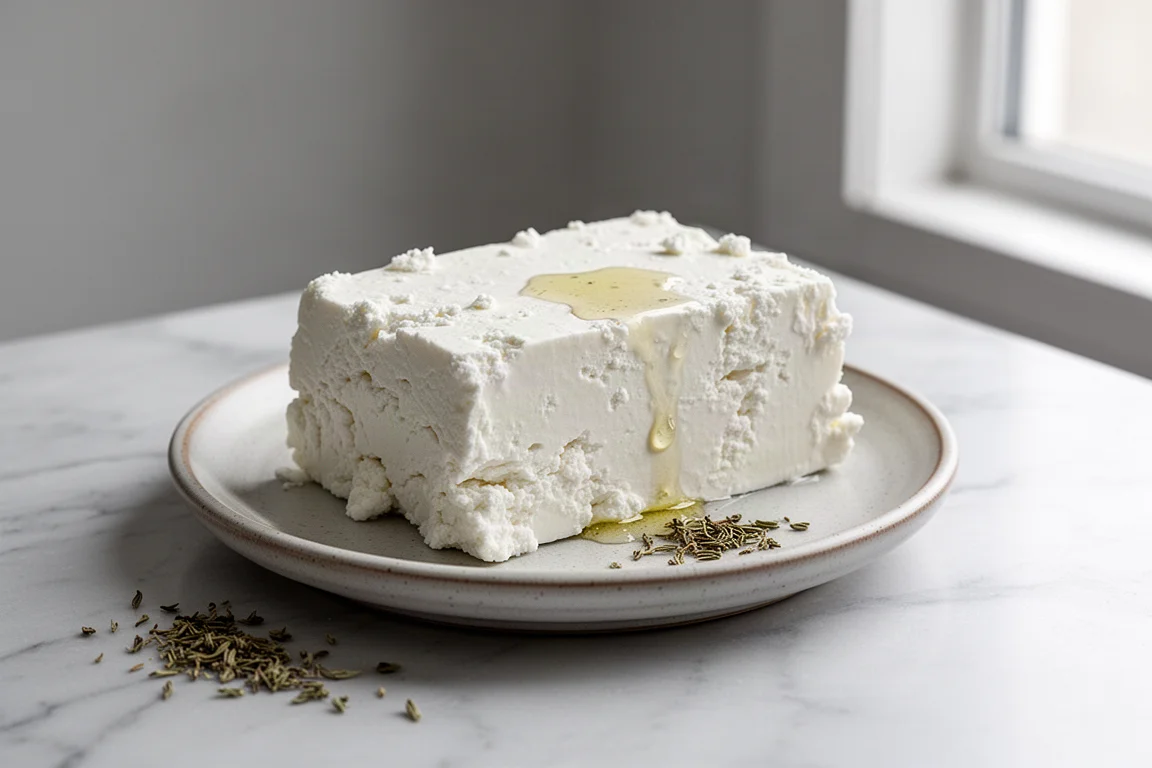
Round two was a Greek-style tart, essentially a Greek salad on pastry, with slow-cooked peppers, tomatoes, cucumber ribbons and olives. The swapped ingredient was feta, and this time both tasters picked the premium correctly, though not by sight alone. Straight from the pack, the two cheeses were surprisingly hard to tell apart.
In the dish, the difference came through clearly. The basic option, a Sainsbury’s PDO feta, still carries protected designation of origin status, so it is a legitimately good cheese. But the premium, Epiros feta, was noticeably creamier and more layered, while the PDO version read as drier and more one-dimensional.
Epiros feta is made from the milk of sheep and goats grazing in the biodiverse Epiros region of Greece, an area with a long cheesemaking tradition. That quality shows in the mouthfeel. The catch is price: the basic feta runs about £6.75 per kilo, while the premium is £18.50 per kilo, nearly three times as much.
The pragmatic take: feta is a flavour powerhouse in midweek cooking and a little goes a long way, so spending around £4 on a very good pack rather than £1.50 is a reasonable upgrade for anyone who uses it often.
Brindisa Spanish Chickpeas: Texture Becomes the Story
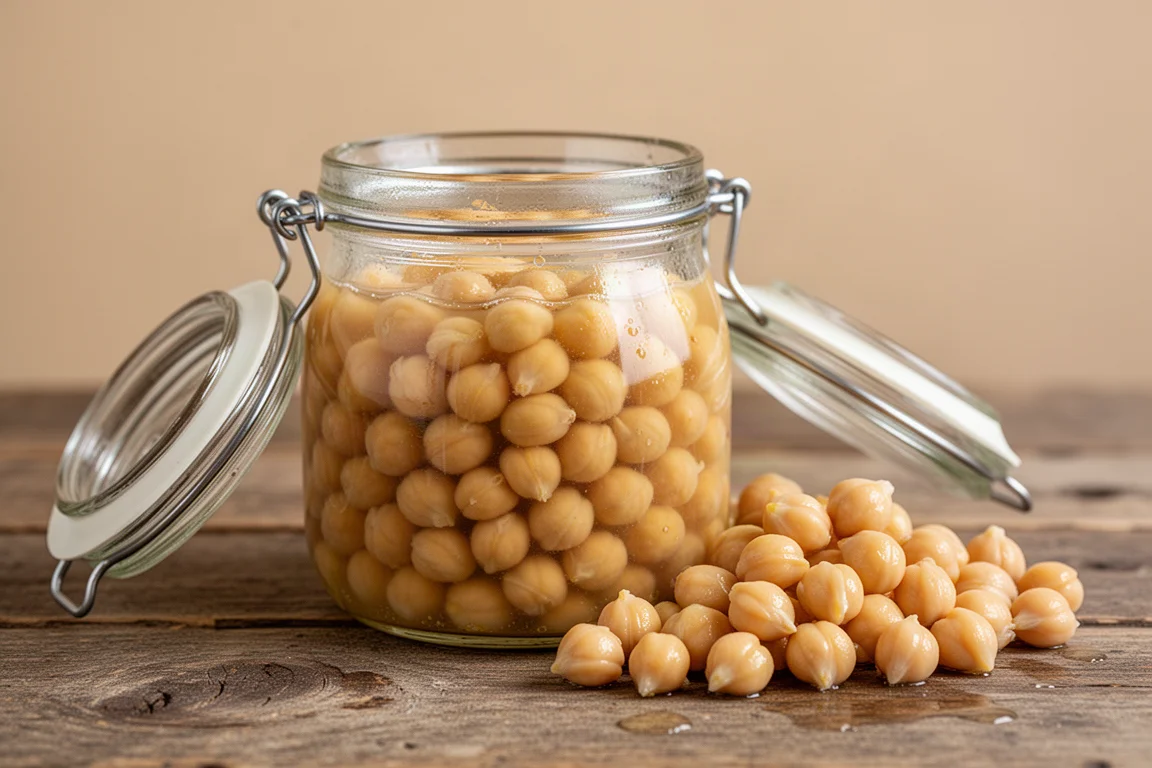
The third test was the sleeper hit. A sweet, tangy chickpea stew with smoked paprika, aioli and cuttlefish was made twice, once with Ocado’s basic Italian chickpeas and once with Brindisa’s Spanish chickpeas, jarred rather than tinned.
Both tasters spotted the difference instantly. The premium chickpeas are noticeably larger, plumper and softer, with a fresh, almost velvety bite, while the basic ones are smaller with a firmer texture. Part of this comes down to processing: jarred chickpeas are cooked more slowly and gently, and jars do not require the high-heat sealing that tins do. The Brindisa version is also organic.
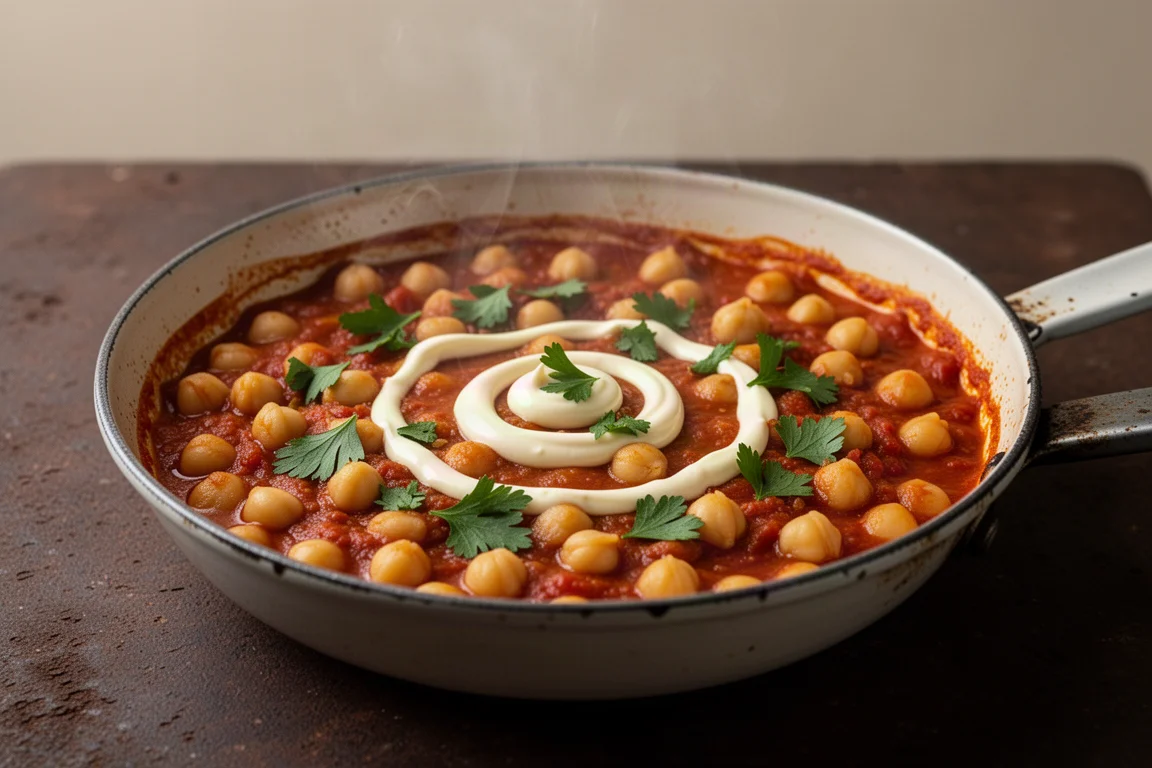
The context matters too. Standard tinned chickpeas are usually bought cheaply to bulk out a meal, where they disappear into the background. In this dish, the premium chickpeas became the hero, the talking point of the plate, in a tapas style that would work without any fish on top.
Price per 100g tells the usual story: 14p for the basic, £1.03 for the Brindisa jar, more than seven times the price. For everyday hummus and meal-bulking, the basic tin remains fine. For a dish where the chickpea is the star, the upgrade transforms the result.
Ortiz Tuna Belly: The Clearest Quality Gap
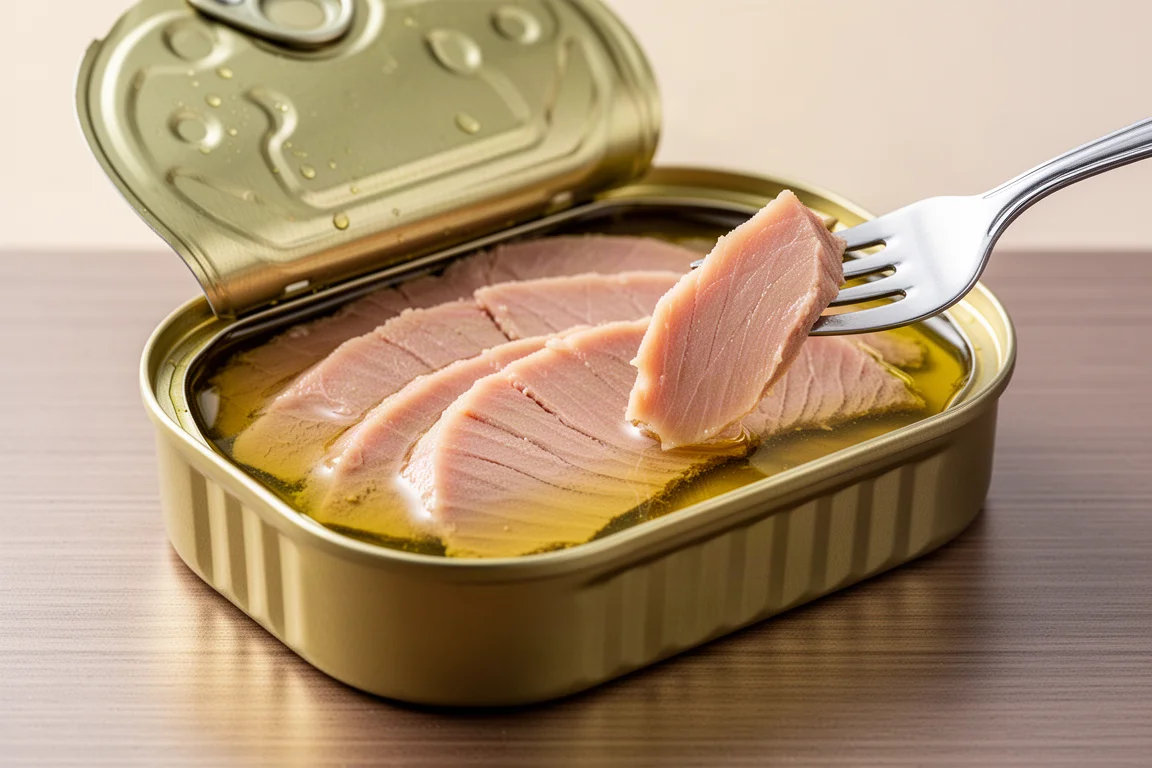
The final round was a herby rice salad with carrot, iced cabbage ribbons and tuna, and this produced the most decisive result of the day. B was a responsibly sourced M&S tuna in olive oil, itself a decent product. A was Ortiz tuna belly, from a Spanish brand dating back to the late 1800s, line-caught one fish at a time in the Bay of Biscay.
The tasters identified it immediately. The Ortiz belly is silky and slices rather than chunks, falling apart beautifully and slipping down effortlessly. The basic version, by comparison, was drier, claggier and harder to eat. One taster summed it up simply: the premium version could be eaten straight from the tin, happily.
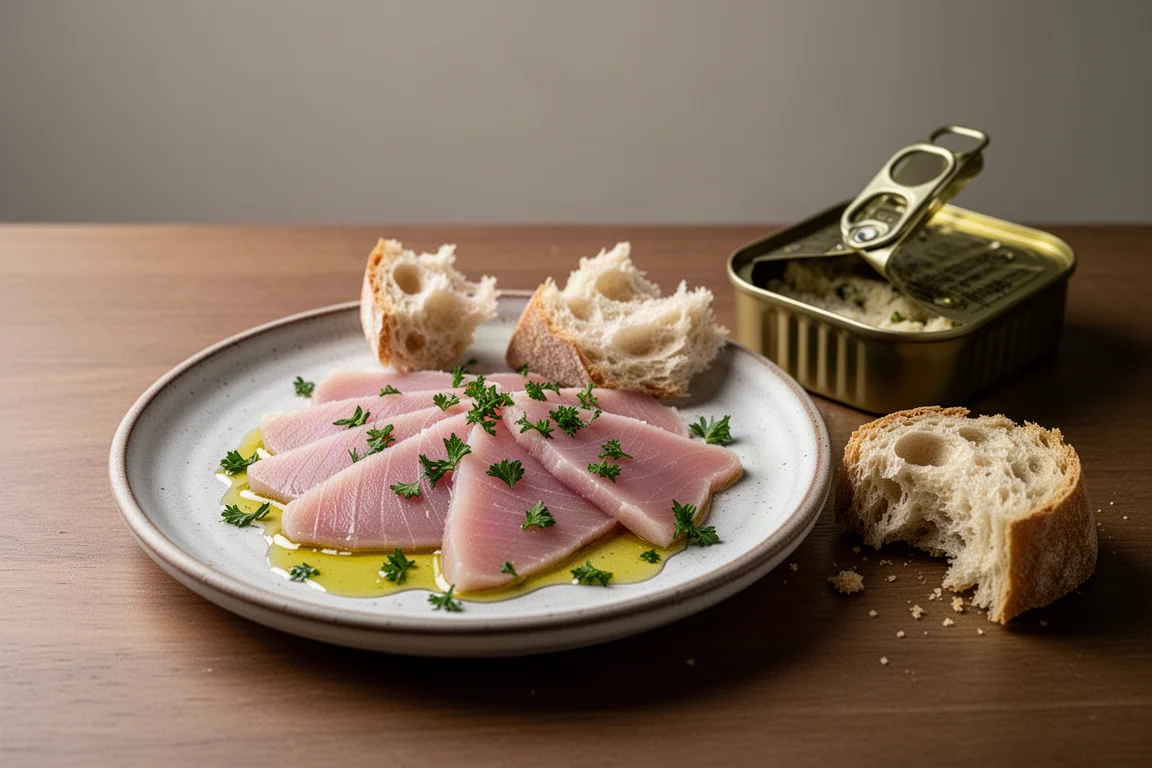
Per kilo, the gap is dramatic: £9.25 for the basic against roughly £100 for the Ortiz, about £11 per tin. But that framing trips up expectations. Tinned does not have to mean cheap, and a single £11 tin sits comfortably alongside the cost of a couple of fresh tuna steaks. The usual advice still holds for the basic version: tinned tuna bound into mayonnaise, pasta salads or fish cakes is absolutely fine. The Ortiz cut is for eating as is, out of the tin, on a plate with parsley and good bread.
Buying Advice
The pattern across all four tests is consistent: the more an ingredient is processed or buried in a dish, the less a premium version matters. Sugar and oils made the cheap peanut butter taste better in a marinade. The PDO feta was genuinely hard to distinguish by eye. But where texture and provenance are the point, the jarred chickpeas and the line-caught tuna belly, the premium versions were spotted instantly and universally preferred.
If you buy only one upgrade, make it the tuna for eating straight, or the chickpeas for a dish where they lead. Keep the basics for everything that gets blitzed, bound or baked.
Conclusion
Blind tasting strips away branding and price anchoring, and it showed that premium does not automatically mean better in every context. Spend deliberately: the feta and the chickpeas reward frequent cooks, the tuna belly is a genuine treat worth its tin, and the humble supermarket peanut butter remains, for most uses, exactly what it should be.
Further reading
Related Reviews
Food & Drink
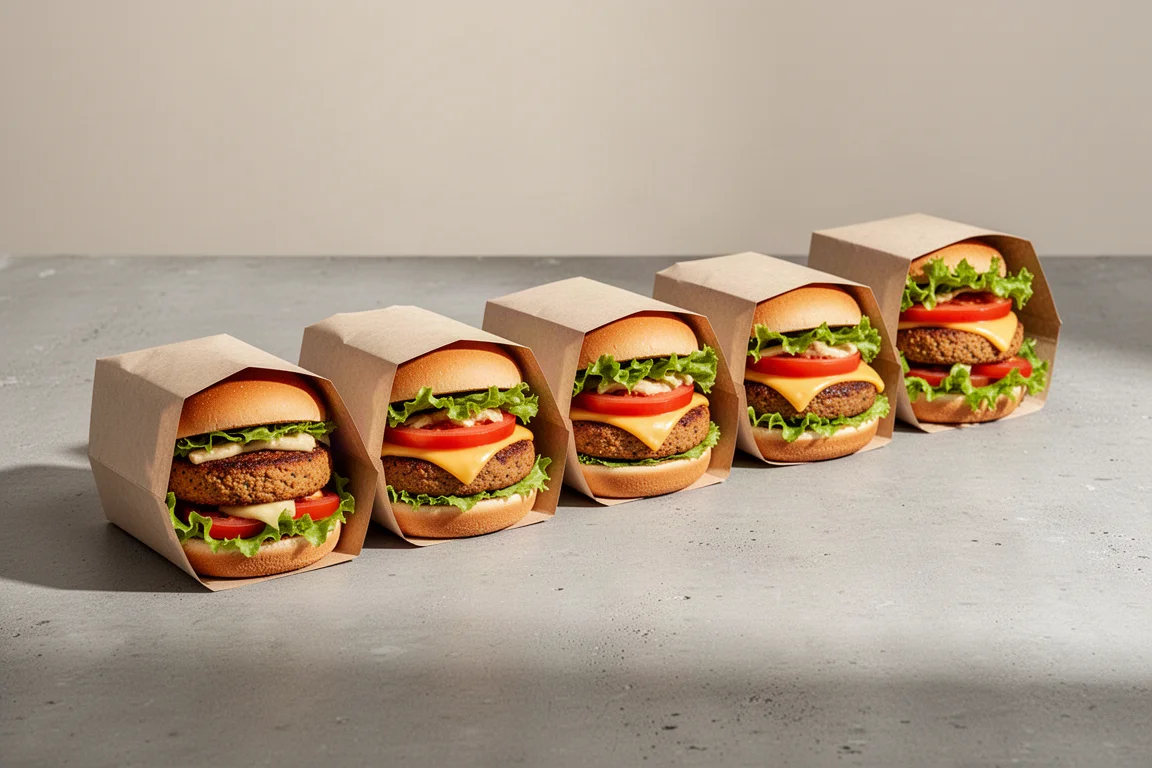
Best Plant-Based Burgers From Major Chains: Six Options Rated
Six plant-based burgers from KFC, Leon, McDonald's, Burger King, Shake Shack, and Honest Burgers put to the taste test to see which fast-food options are actually worth ordering.
Food & Drink
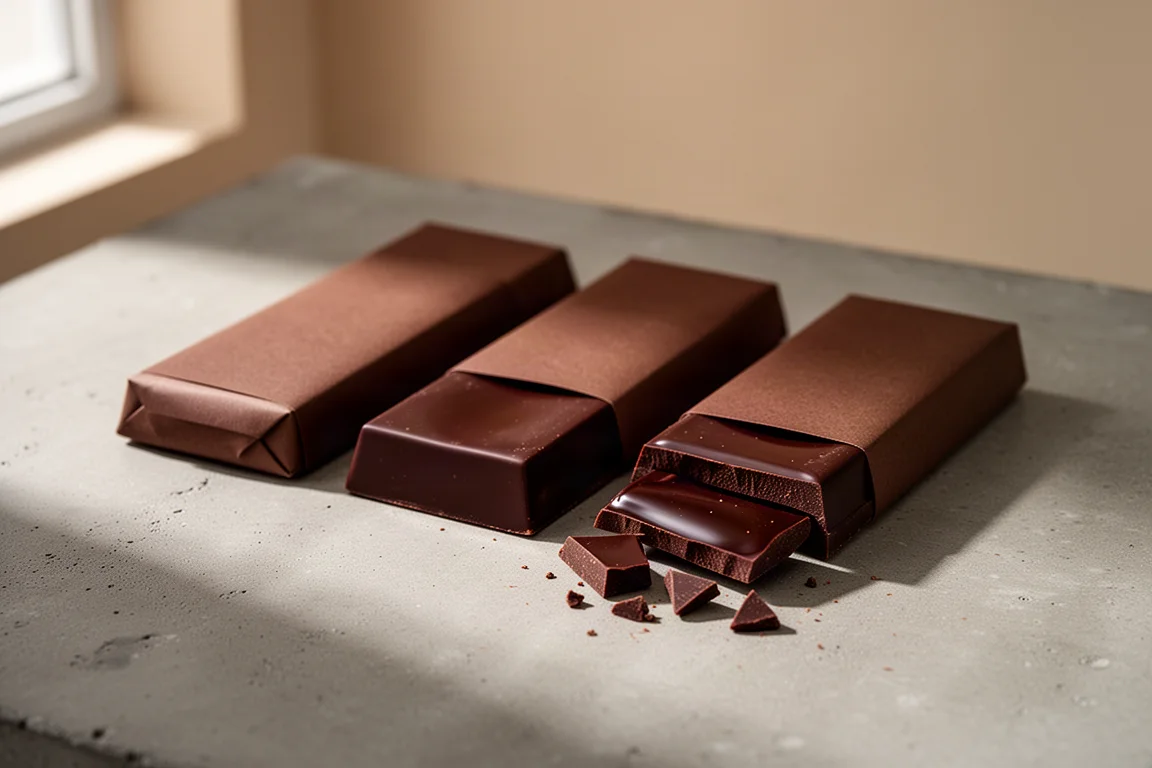
Best Dark Chocolate for Less Sugar: Four Picks From 60% to 90%
Four dark chocolates that deliver more cacao and less sugar, from an everyday baking bar to an intense 90% pick.
Food & Drink
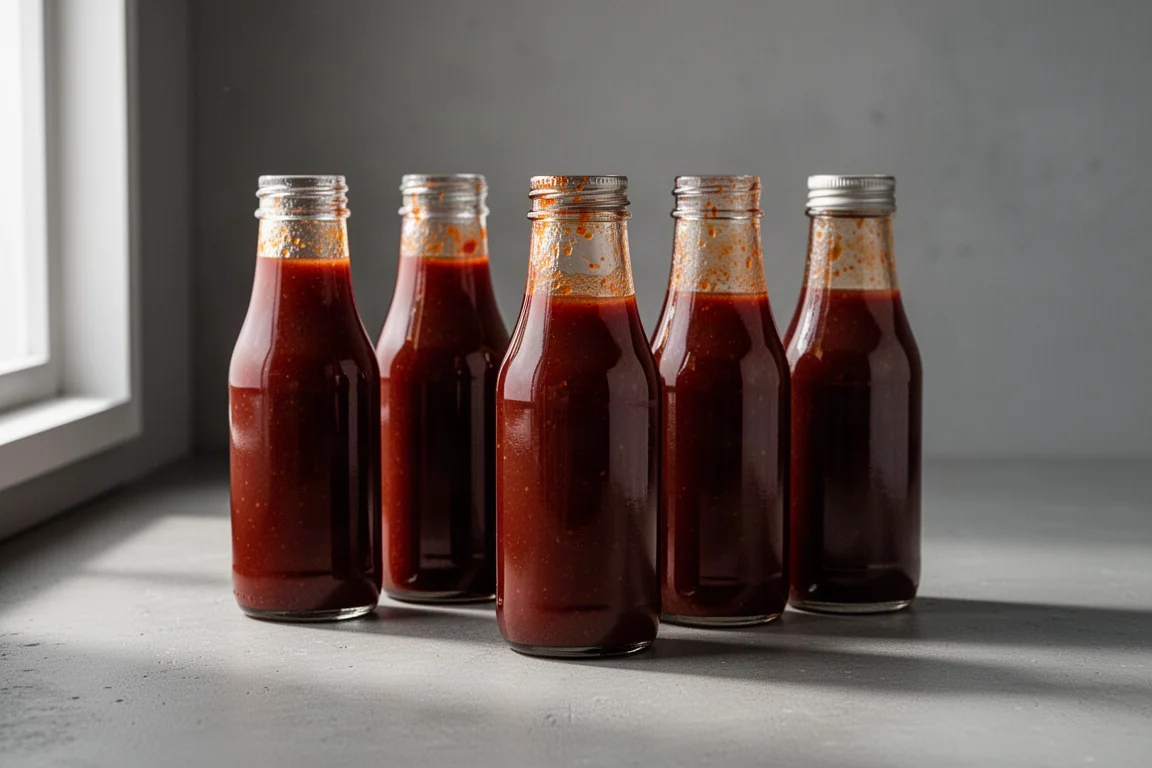
Four Kansas City Barbecue Sauces Worth a Spot on Your Table
We compare four very different Kansas City style barbecue sauces, from a classic sweet supermarket staple to three landmark restaurant sauces you can order online.