Power Tools
Power Tools That Fell Short: A Critical Roundup of Four Lines We Can't Fully Recommend
Four well-known tool lines that disappointed in real-world use: Makita subcompact, Milwaukee M12 stick packs, and two Metabo HPT tools that need an update.
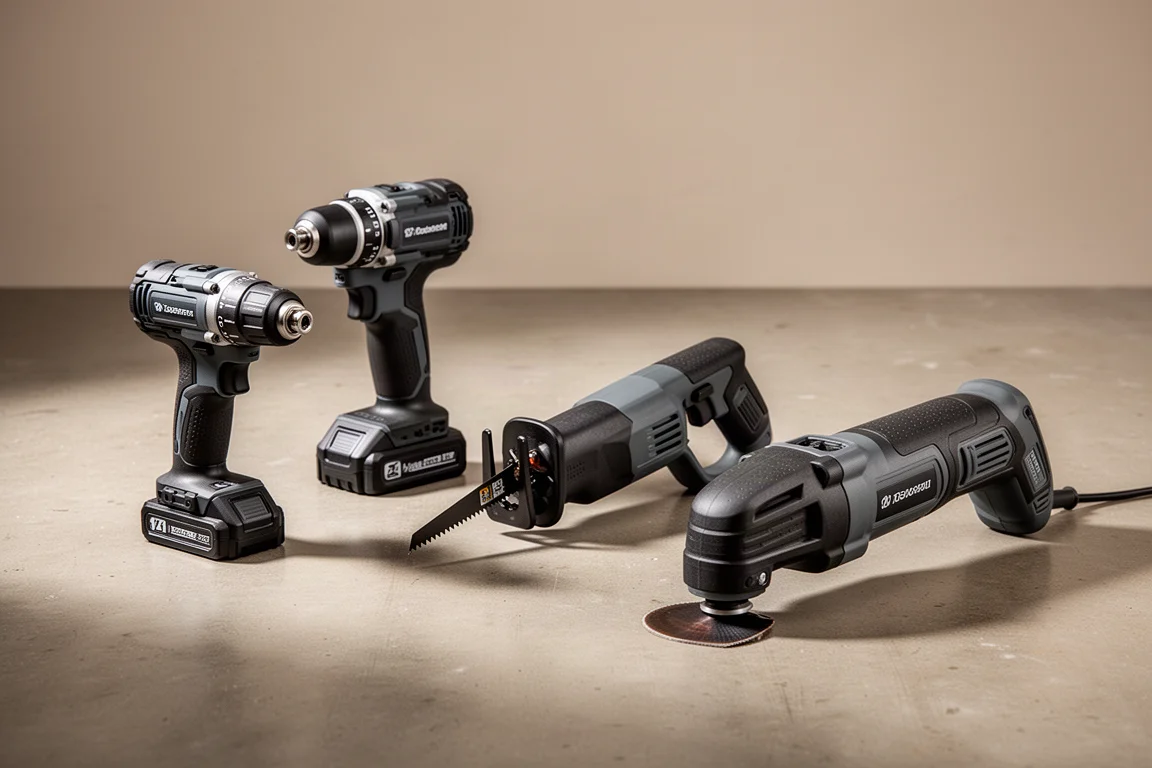
Introduction
No brand gets everything right. Even the companies with the strongest reputations produce lines that fall short of their own standards, and knowing which ones those are can save you real money and frustration. This roundup covers four tool lines that consistently underdeliver: Makita’s subcompact series, Milwaukee’s M12 platform, and two Metabo HPT tools that are overdue for an update. The goal is not to bash brands but to flag the specific products where your money is better spent elsewhere in the same catalog.
Makita Subcompact Series
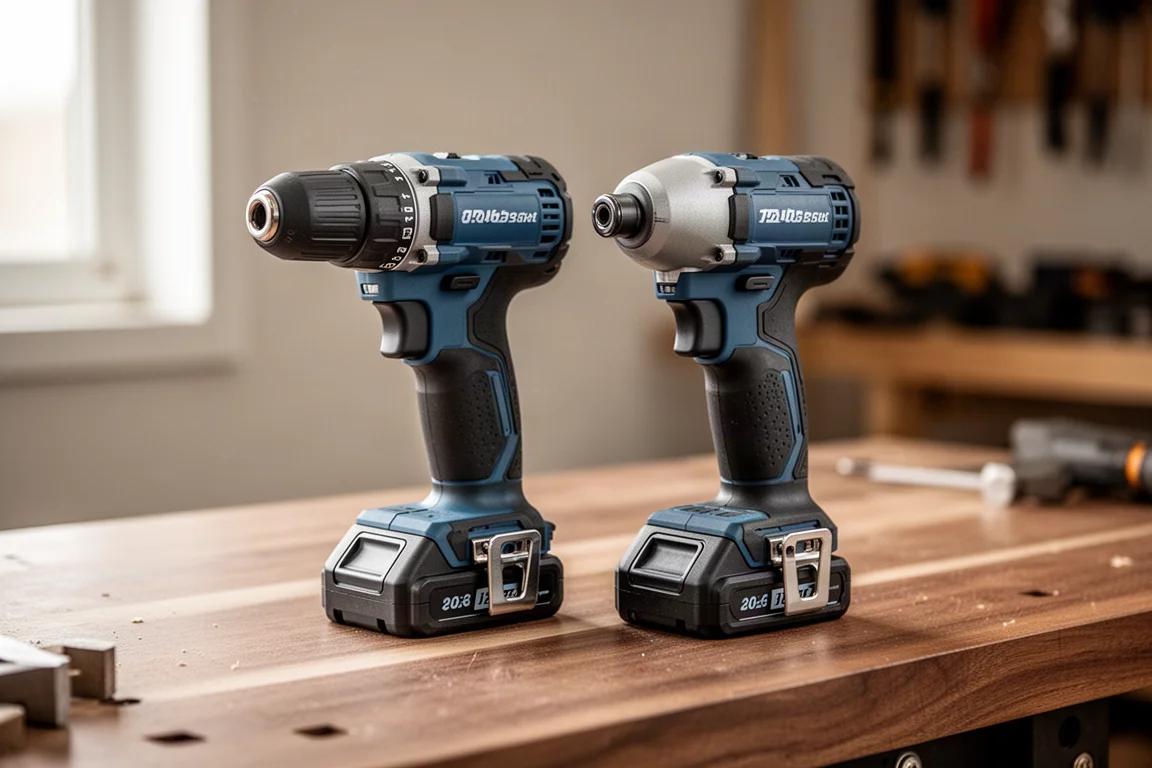
Makita is one of the most respected names in cordless tools, and most of its catalog lives up to that reputation. The subcompact series is the exception. The drill, impact driver, and reciprocating saw in this line simply do not save enough weight or size to justify their pricing. In several cases, Makita’s mid-range tools can be found cheaper, are smaller in certain dimensions, and are only slightly heavier. That math is hard to defend.
The subcompact reciprocating saw is the weakest of the bunch and feels significantly underpowered. Competing subcompact recip saws of nearly identical size deliver roughly double the cutting performance, which makes the choice obvious if cutting speed matters to you. If you genuinely want smaller, lighter tools, dedicated 12-volt platforms are a better route, and for 18-volt subcompact duty, other brands offer smaller, cheaper, and stronger alternatives.
Milwaukee M12
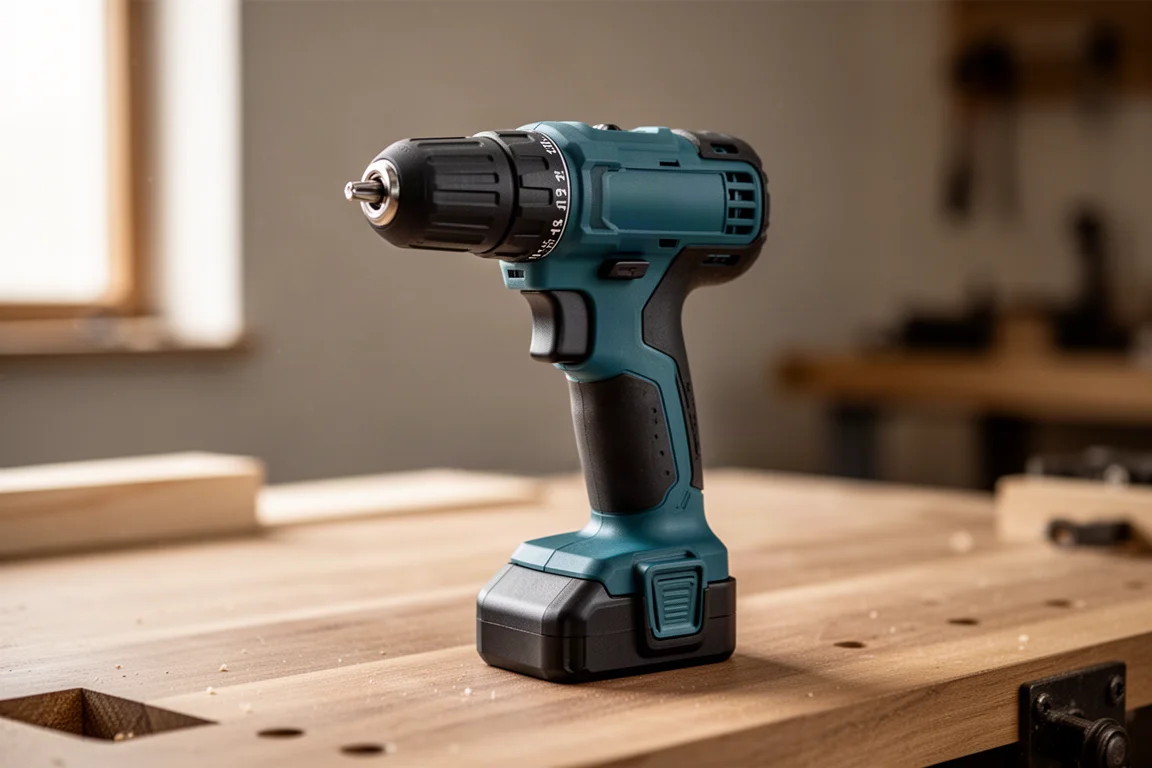
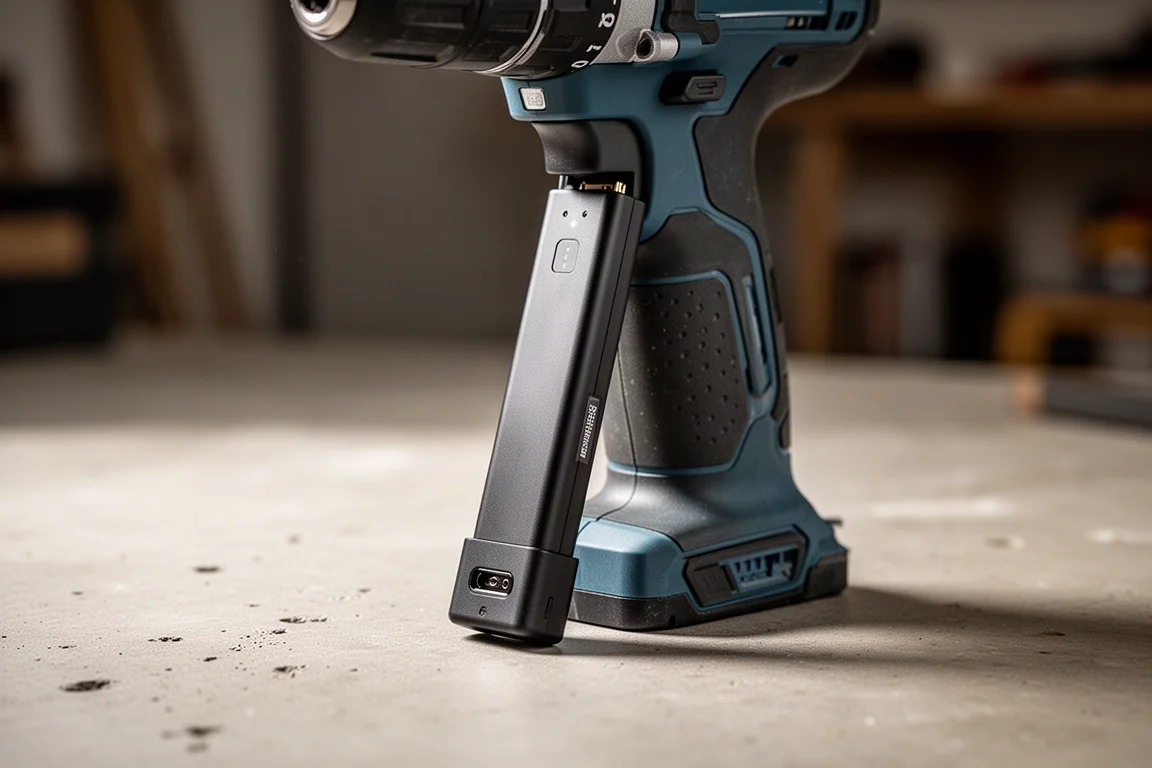
Milwaukee’s M18 platform has plenty of standout tools, and the Packout storage system has earned a devoted following. The M12 line is a harder sell, and the core problem is the stick-style battery pack. It is an outdated design that other brands have largely moved past. The narrow packs are awkward to insert and remove, they refuse to sit flat on a bench, and the small tabs are a well-known failure point, particularly in compatible work lights where getting a stuck battery out can feel nearly impossible.
To be fair, the M12 line contains some genuinely excellent specialty tools. The inspection camera in particular has proven itself on real jobs repeatedly. But the battery platform itself holds the whole line back. A redesigned M12 line with slide-style packs would arguably dominate the 12-volt category; until then, the stick pack design is a legitimate reason to look at competing 12-volt systems.
Metabo HPT Right Angle Grinder
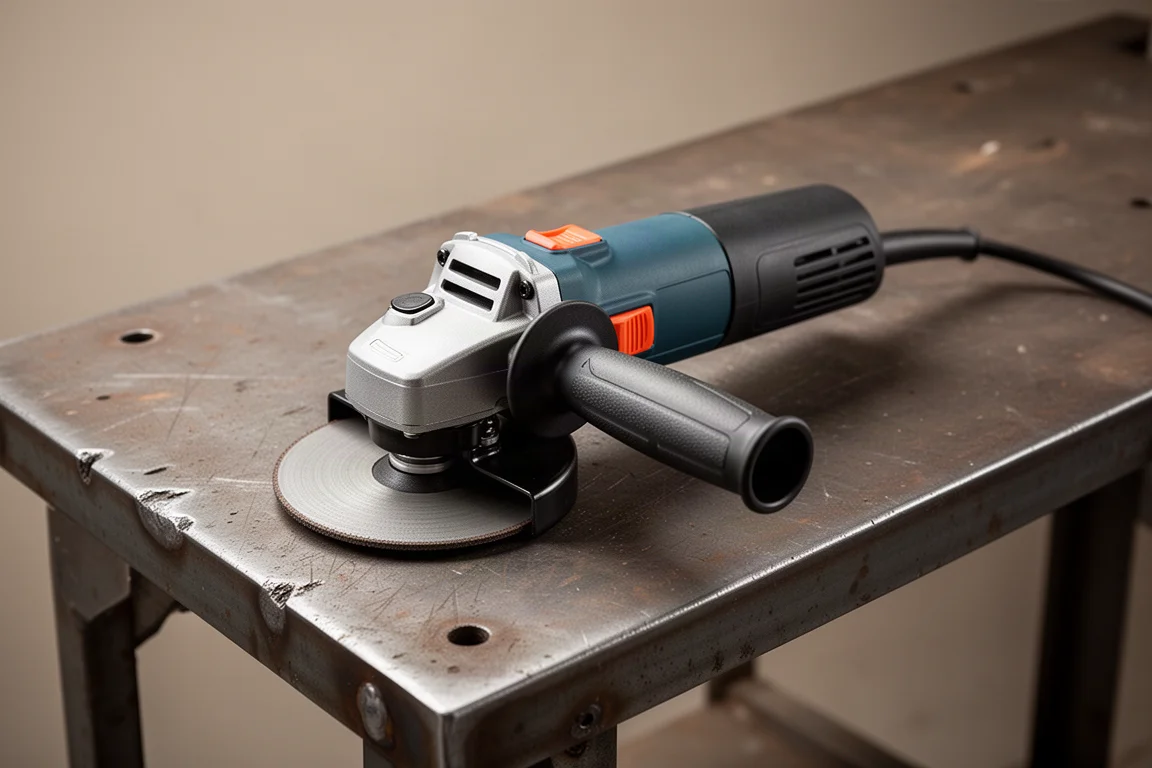
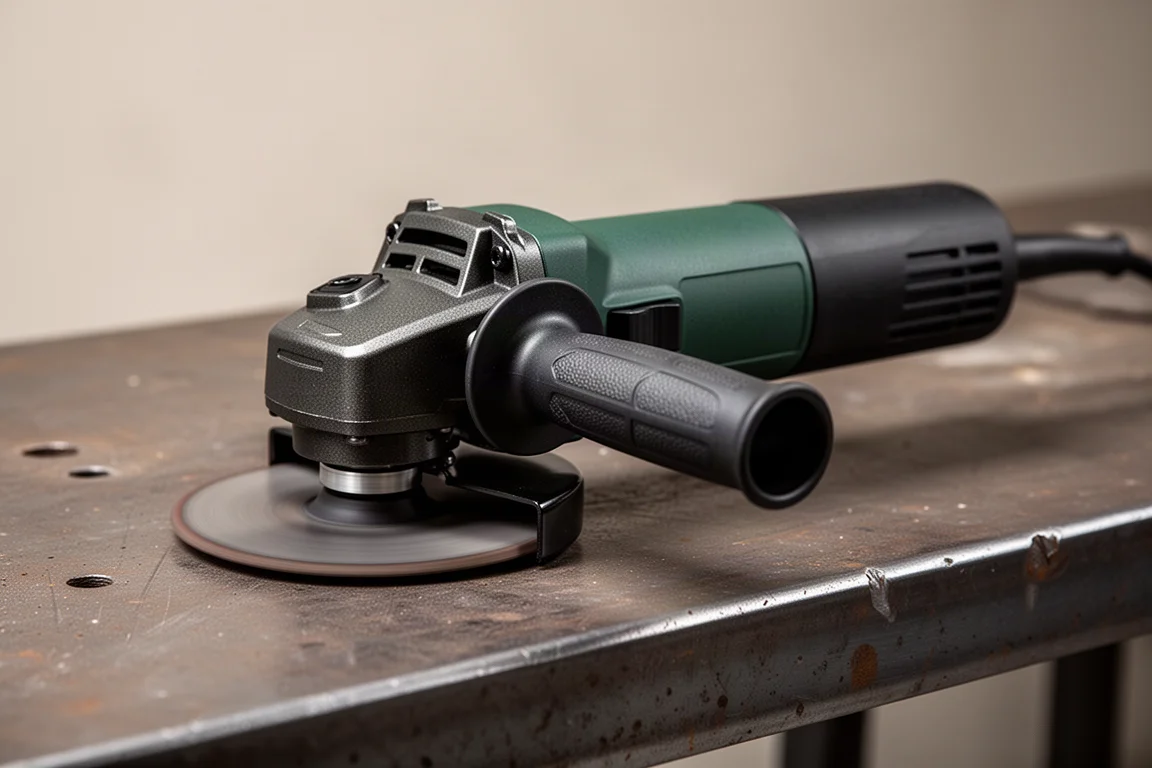
Metabo HPT is a newer brand to many buyers, and its overall catalog has been genuinely impressive, particularly the subcompact drills and drivers, which combine small size, decent power, and aggressive pricing. That makes the two misses here more surprising. The right angle grinder routinely lands at the bottom of comparison testing, and it is a tool the company clearly needs to revisit.
Nothing about the rest of the line suggests Metabo HPT cannot build a competitive grinder. It simply has not updated this one yet. Until that happens, buyers shopping in this category are better served by options from brands whose grinders sit higher in current comparisons.
Metabo HPT Oscillating Tool
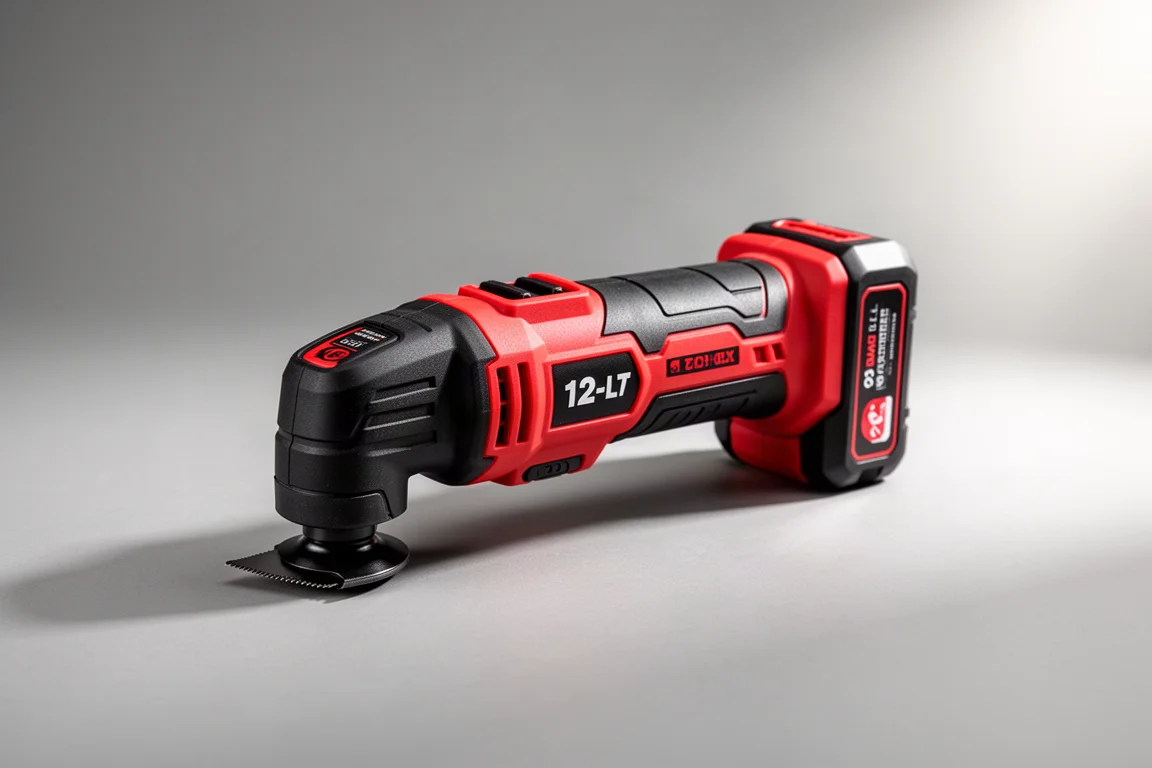
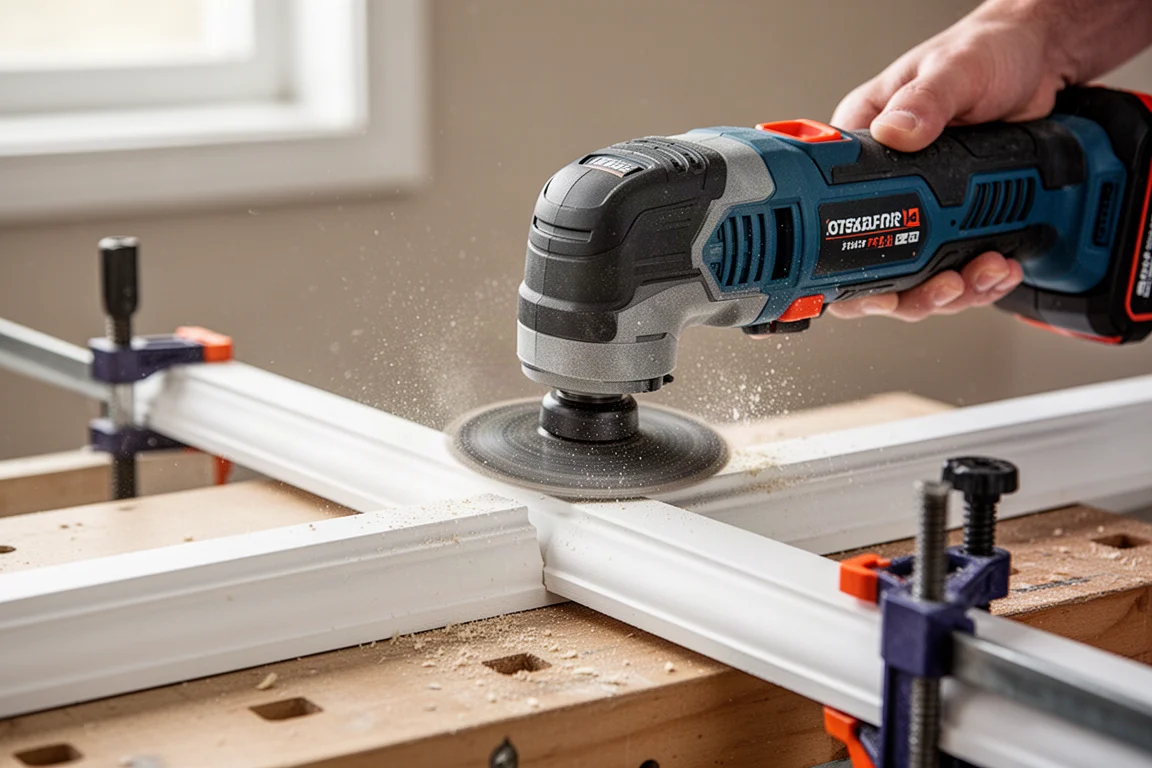
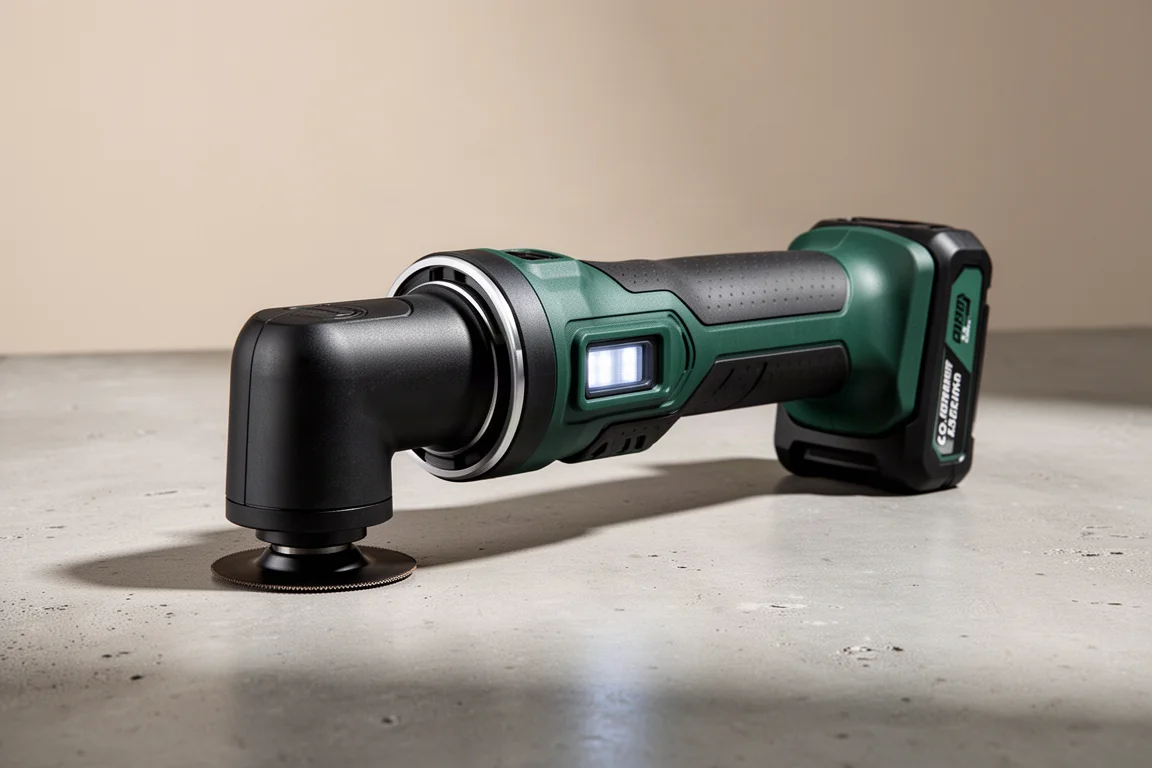
The oscillating multi-tool is the weakest tool in this entire roundup. In side-by-side comparisons it consistently finishes dead last: it feels clunky in hand, vibrates heavily, and lacks cutting power. Those are the three qualities that matter most in an oscillating tool, so it fails on essentially every axis that counts.
Given how strong the rest of the Metabo HPT lineup is, this tool stands out as an anomaly rather than a reflection of the brand. It is simply overdue for a redesign, and until one arrives, this is not a tool worth recommending to anyone who will use it regularly.
Overall Buying Advice
The pattern across all four of these is the same: established brands occasionally ship lines that lag behind their own standards, whether due to outdated design, pricing that does not match performance, or simply an aging product that has not been refreshed. The practical takeaway is to evaluate the specific tool rather than trusting the brand badge. Where a brand offers a mid-range alternative at similar or lower cost, that is usually the smarter purchase. And for compact-tool needs, dedicated 12-volt platforms or the strongest 18-volt subcompact alternatives currently offer better value than the options covered here.
Conclusion
Makita, Milwaukee, and Metabo HPT all make excellent tools in most of their catalogs, but the subcompact Makita line, the M12 stick pack platform, and the two Metabo HPT tools above each fall short in ways that are easy to avoid. Check the current competition before buying any of these four, because in every case a stronger or better-designed alternative exists at a comparable price.
Further reading
Related Reviews
Power Tools
Best 1-Inch Pistol Impact Wrenches: Three Heavy-Duty Options Compared
We compare three 1-inch pistol impact wrenches, from a budget-friendly Harbor Freight model to a premium Caterpillar unit, to help you choose the right one.
Power Tools
Best 3/4-Inch Impact Wrenches 2026: Five Contenders Compared
We compare five 3/4-inch impact wrenches across price and performance, from a budget Amazon option to Snap-on's most powerful model yet.
Power Tools
Best Budget Cordless Tools 2026: Walmart Finds That Punch Above Their Price
We tested five cordless tools from Walmart, including a high-torque impact wrench that trades blows with Milwaukee and a $35 duster that outperforms its price class.