Power Tools
Best Power Tool Brands Sorted: Pro, Prosumer, and DIY Brands Explained
Seventeen major power tool brands sorted into Pro, Prosumer, and DIY tiers so you can buy the right tool for your budget and workload.
Introduction
One of the most common questions among buyers today is simple: who makes the best power tools? With so many companies competing for your money, it helps to sort the market into three clear categories: Pro, Prosumer, and DIY. That is exactly what this guide does. Understanding where each brand sits will help you avoid paying professional prices for tools you do not need, and just as importantly, avoid buying a budget tool that simply will not get the job done.
Pro Tier Brands
These are the brands trusted on professional job sites, engineered for daily heavy use and backed by serious technology.
DeWalt
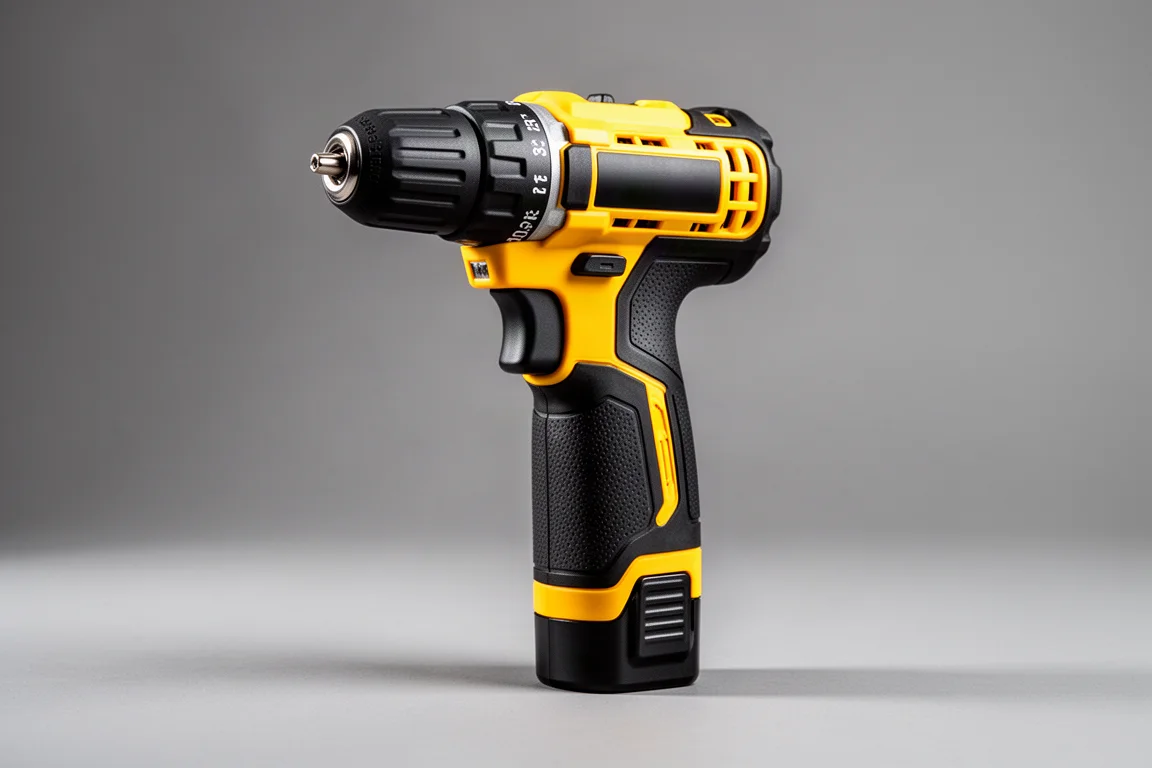
Founded in 1924 by Raymond E. DeWalt, who perfected the first radial arm machine and changed woodworking forever, DeWalt is owned by Stanley Black & Decker but remains fully focused on the pro trades. Its lineup covers automotive tools, grinders and polishers, impact drivers and wrenches, nailers and staplers, multi-tools, and more. Its circular, miter, and table saws are among the best on the market, with a clear emphasis on carpentry.
Milwaukee
Also founded in 1924, Milwaukee made its name with the reciprocating saw, the first tool of its kind, and later pioneered lithium-ion battery technology for power tools. Its impact drills and drivers are some of the smallest yet most powerful ever made, and the brand is found on virtually every major job site in the US and worldwide. Milwaukee also has one of the fastest-growing tool lineups in the market today.
Flex
Many assume Flex is a new brand from around 2019, but it actually started in Germany and invented the world’s first angle grinder with a flexible shaft in 1954. Now owned by Chervon, which also makes Skil and Ego, Flex leads in stackable lithium battery technology, a shift as significant as when lithium-ion replaced NiCad batteries in the 1990s. The lineup is still small, but the technology is turning heads.
Hilti
Founded in 1941 with a breakthrough in 1957 in the form of the world’s first powder-actuated tool, Hilti is professional grade in every sense. It no longer sells through big-box stores, choosing instead to set itself apart. Expect heavy industrial tools, no homeowner offerings, and some of the highest prices in the category. If you work in heavy construction, chances are you have used one.
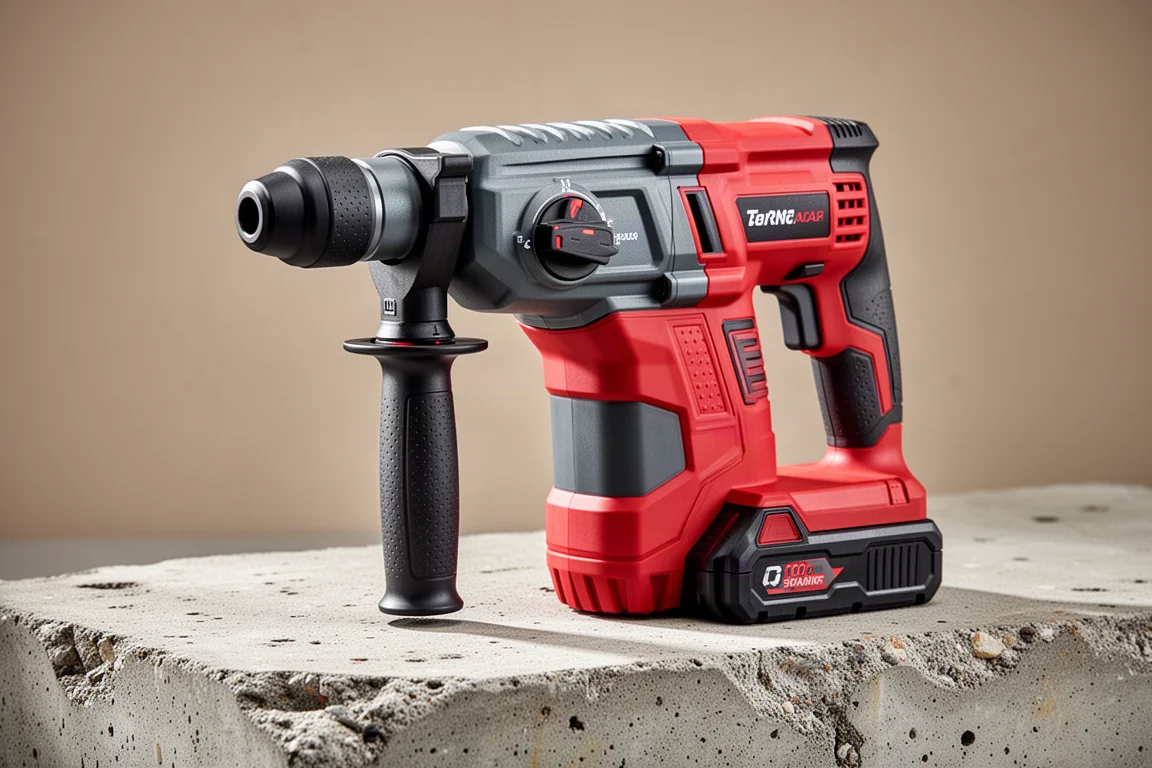
Festool
Founded in 1925 repairing and modifying wood processing machinery, Festool even created the first portable chainsaw in 1927. It still holds patents on iconic tools like the Domino Joiner that only it can sell. Prices are sky high, but so is the reputation. This is a true pro brand for carpenters and woodworkers.
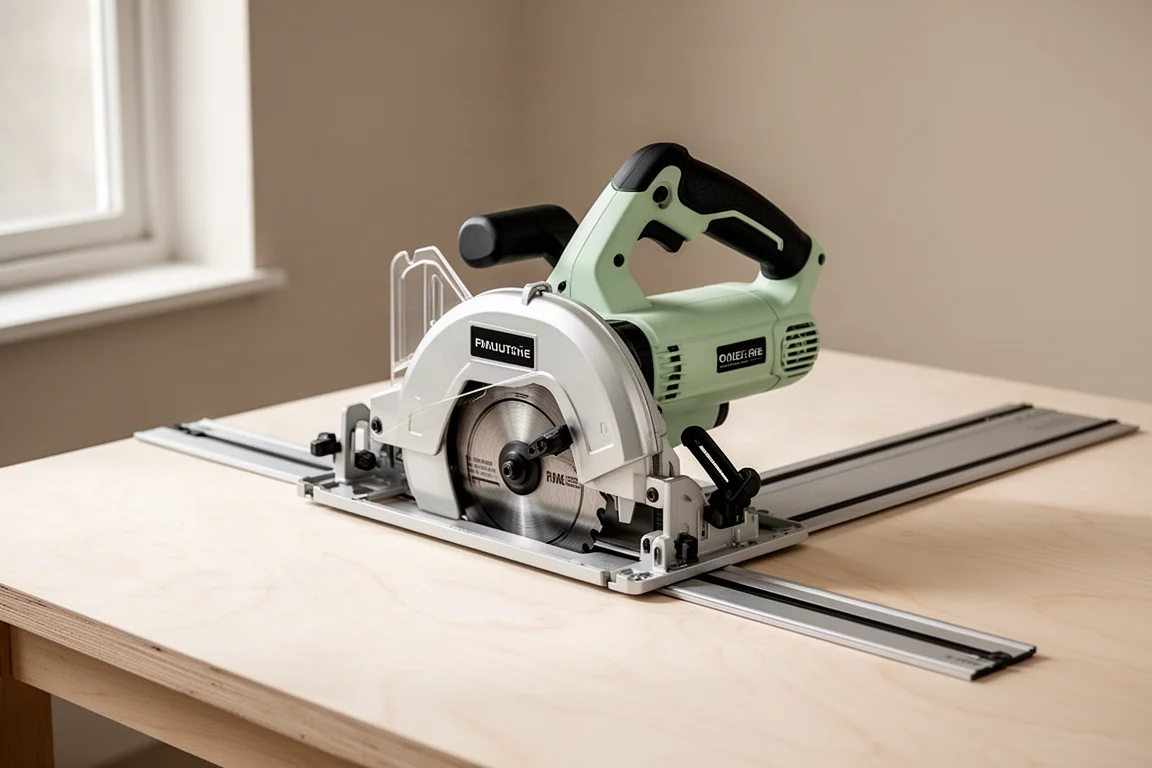
Makita
Makita started in 1915 as an electrical motor sales and repair company and became the first company in Japan to manufacture and sell electric planers. It currently holds the title for the largest 18V tool lineup and makes some of the most well-rounded tools available. While not always the most powerful, the build quality and smooth performance make it a leading pro brand.
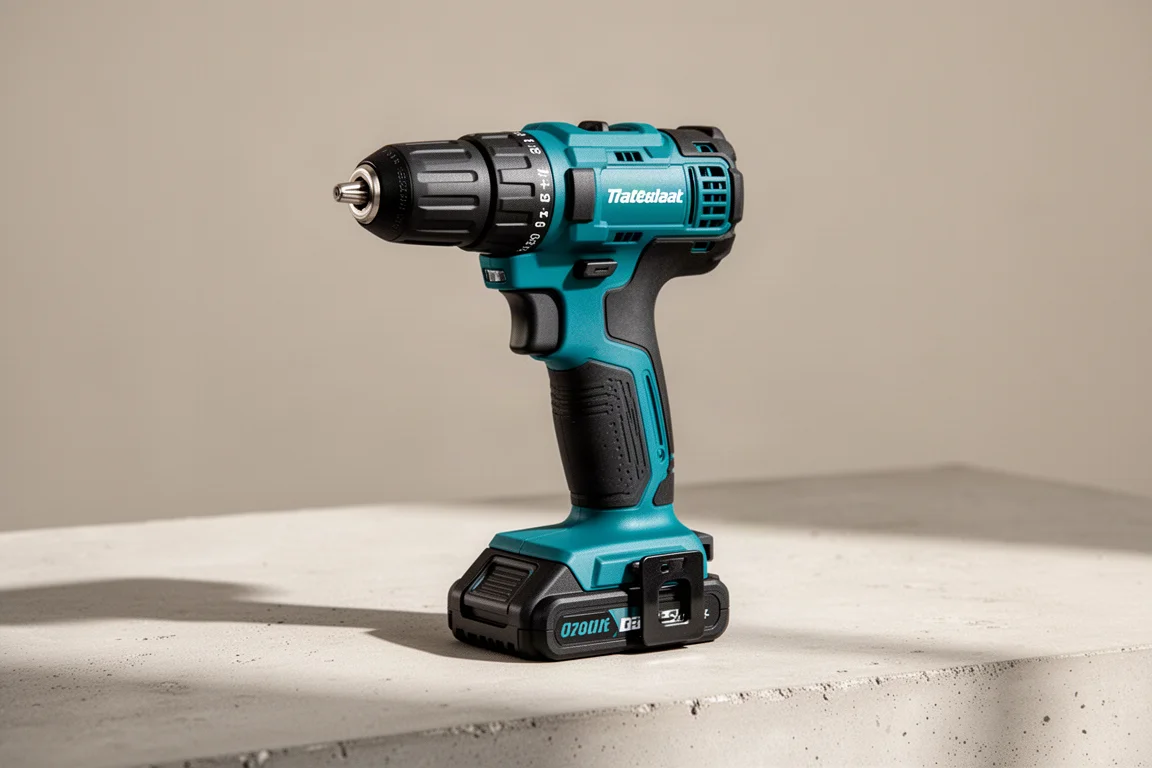
Metabo HPT
Keep it simple here: you have Metabo, you have Metabo HPT, and they absorb each other. Anytime you see the Metabo name on the side of a tool, it is a pro tool. If pro grade is what you want, buy it.
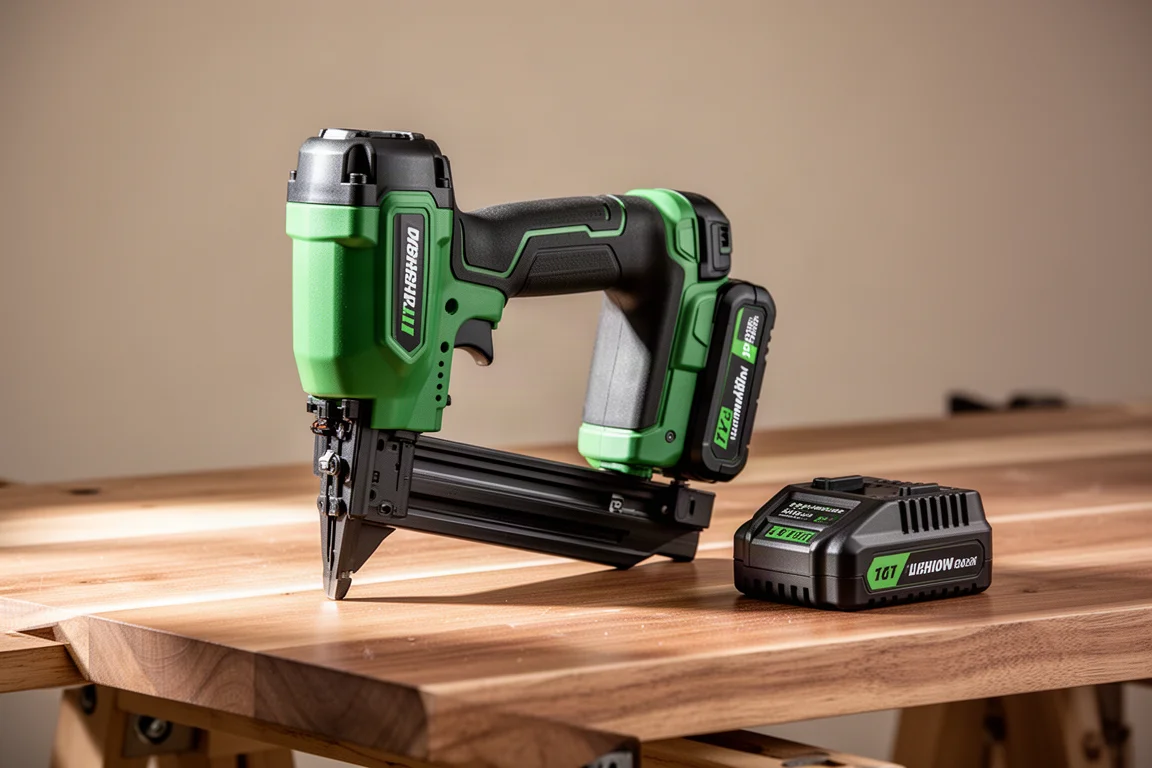
Bosch
The second-oldest manufacturer on this list, Bosch was founded in 1886 as a precision mechanics workshop, and its first power tool was actually a hair trimmer. By the 1930s it was producing grinders, drills, and screwdrivers, split into green DIY tools and blue professional tools. Bosch is pro grade all around and remains a well-respected favorite among contractors.
Prosumer Tier Brands
Prosumer brands sit in the middle: serious capability and build quality without the full professional price tag.
Ridgid
Ridgid was founded in 1923 in North Ridgeville, Ohio. Contrary to popular belief, TTI does not own it; Emerson Electric does, though a licensing agreement lets TTI manufacture the tools. Plumbers and pipe fitters rely on its excellent pro-level pipe threading machines, but the cordless power tool division sits squarely between Milwaukee and its younger sibling Ryobi. That makes Ridgid a true prosumer brand.
Skil
Skil was created in 1926 in Naperville, Illinois, and invented the first portable circular saw, which led to the famous Model 77 in 1937. Do not confuse Skil with Skilsaw: same parent company, two separate lines. Skilsaw is marketed to professionals, while Skil is the prosumer line.
Kobalt
Launched in 1998 by Lowe’s and manufacturing partner J.H. Williams to compete against Sears and Home Depot’s house brands, Kobalt built a genuinely respectable following. After Stanley Black & Decker brought Craftsman to Lowe’s, Kobalt was pushed to the back of the line, though it is still made and sold today. It remains a 100 percent prosumer brand.
Hercules
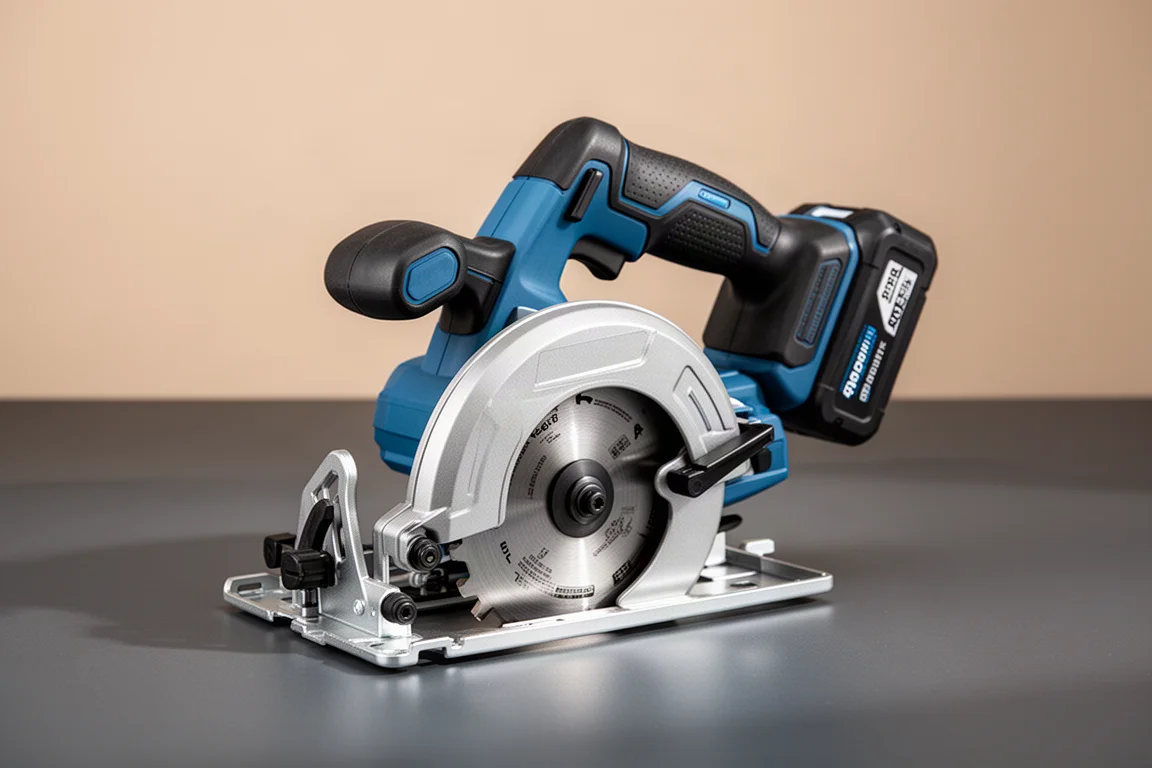
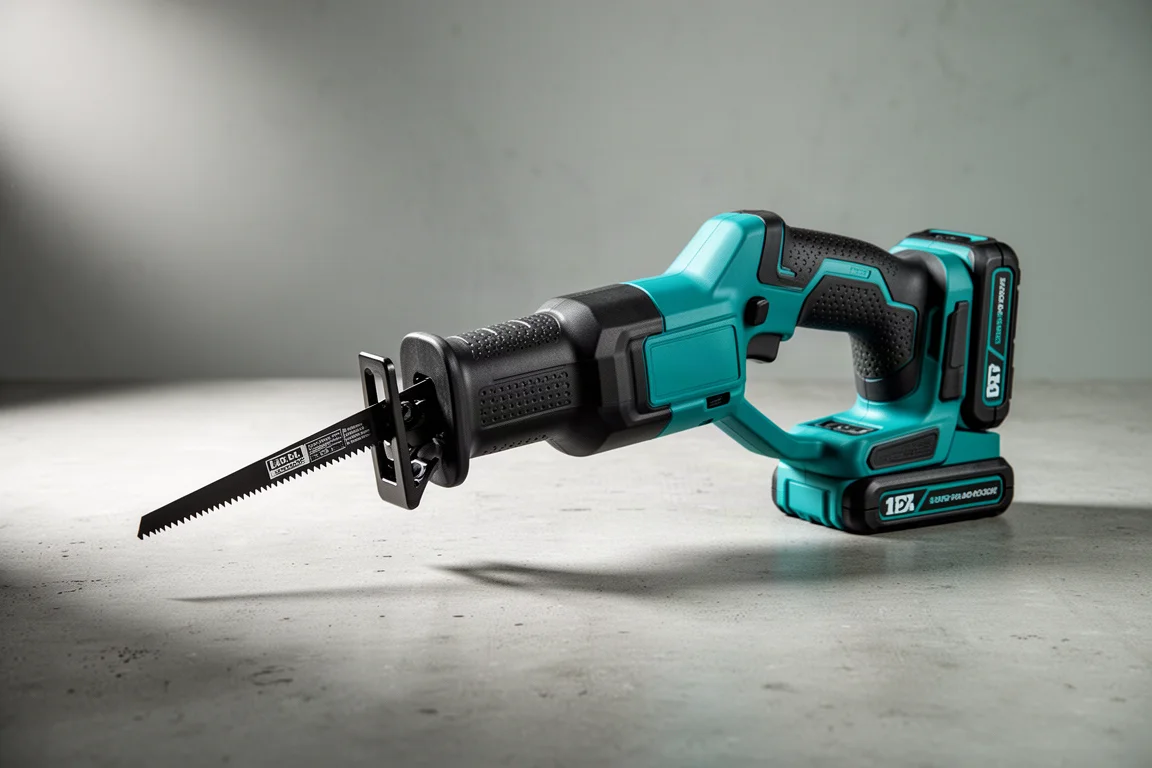
Harbor Freight has a love-hate reputation for good reason, but the Hercules series is changing how people see the company. With a five-year warranty on its tools and specifications that compare to bigger players, Hercules delivers battery and tool quality far beyond anything Harbor Freight has sold before. It is the company’s flagship brand. Some call it pro grade, but prosumer is the fairer assessment.
DIY Tier Brands
These brands are built around value for homeowners, weekend projects, and occasional use.
Ryobi
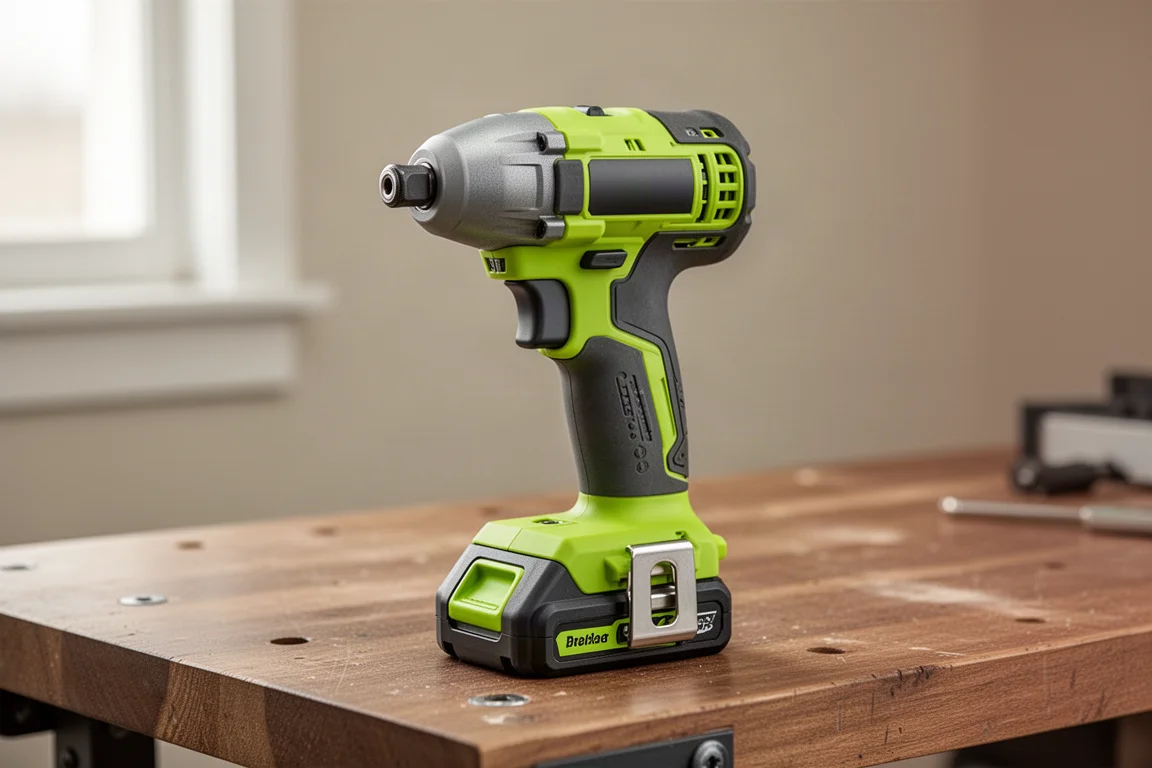
That bright green tool you see walking through Home Depot is Ryobi. Founded in 1961 as an offset printing press maker, it began producing power tools in 1968 and is owned by TTI, the same company that owns Milwaukee. With one of the fastest-growing lineups around, Ryobi makes no secret of its positioning: a DIY consumer brand through and through.
Hart
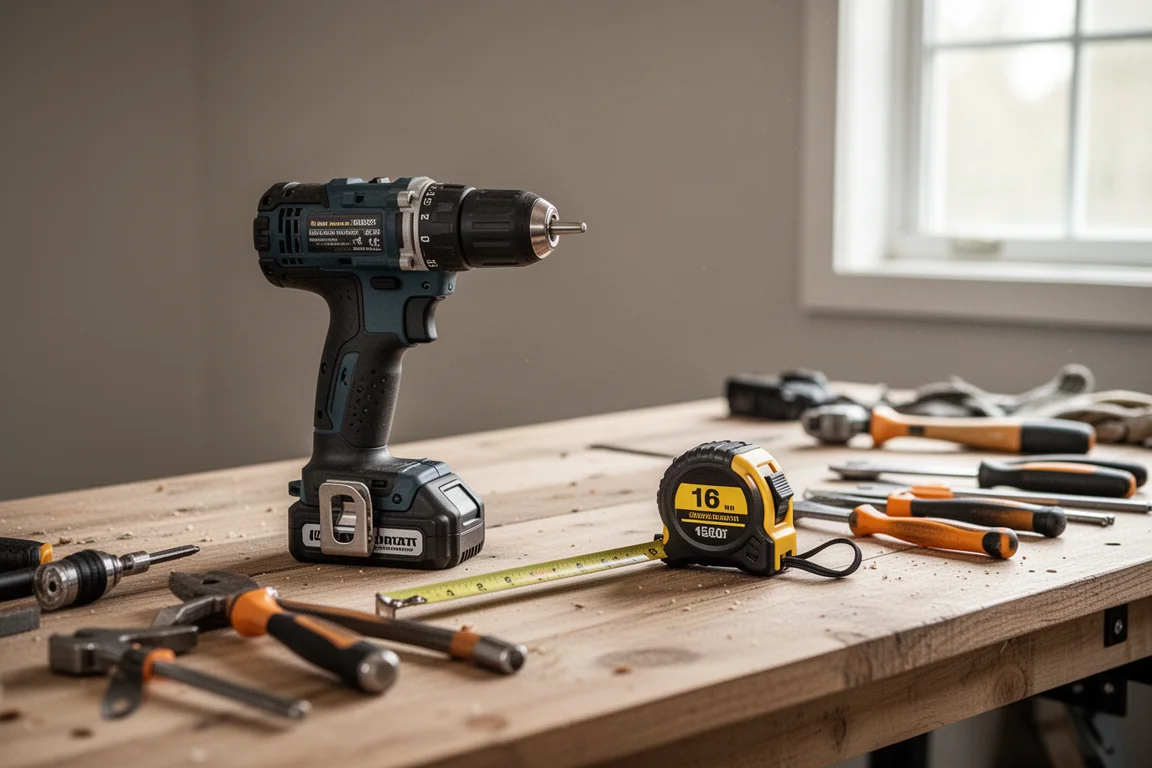
Walmart started selling Hart tools a few years ago, and many assumed it was a new TTI brand. In reality, Hart has been around since 1983, launched in Los Angeles making framing hammers. Different color, different name, different store, but essentially the same product as Ryobi repackaged. Definitely DIY, not prosumer or pro.
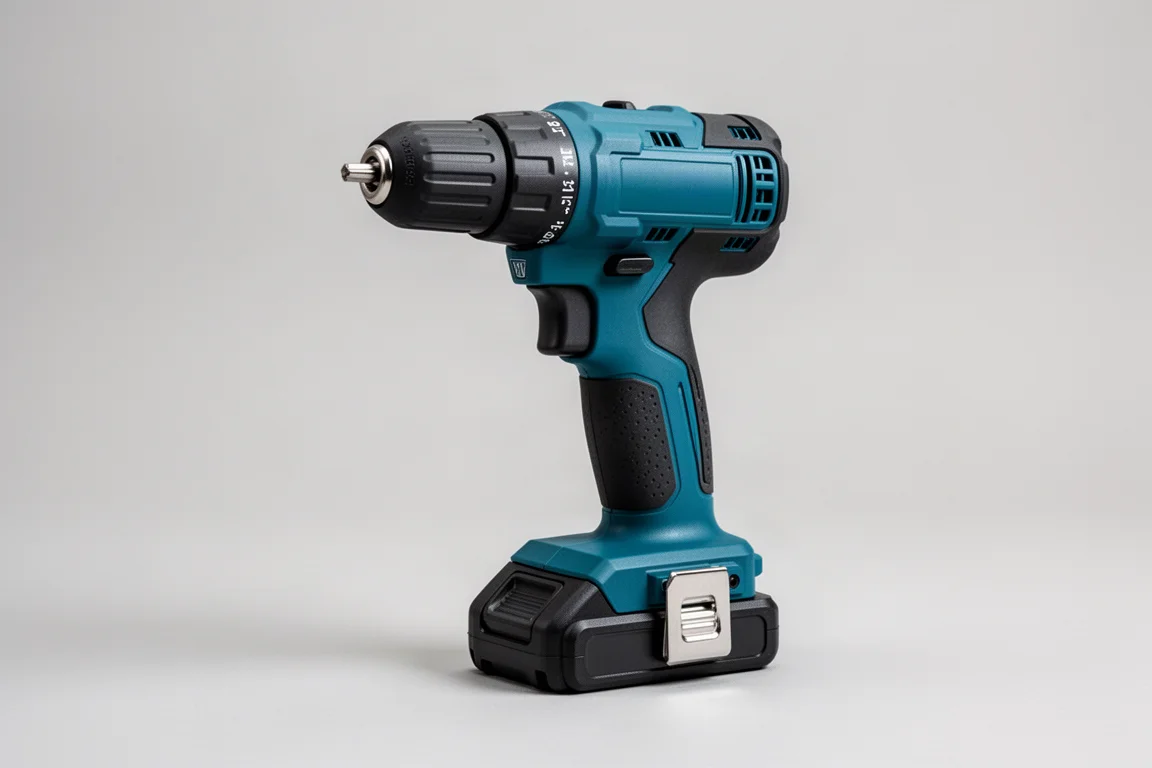
Craftsman
Generations of buyers remember admiring Craftsman hand tools at Sears: shiny, well built, and made in the USA. When Sears went away, Craftsman moved to Lowe’s under Stanley Black & Decker ownership. The hand tools are still worth considering as pro-use tools, but the brand is not what it once was. When it comes to power tools, Craftsman is DIY all the way.
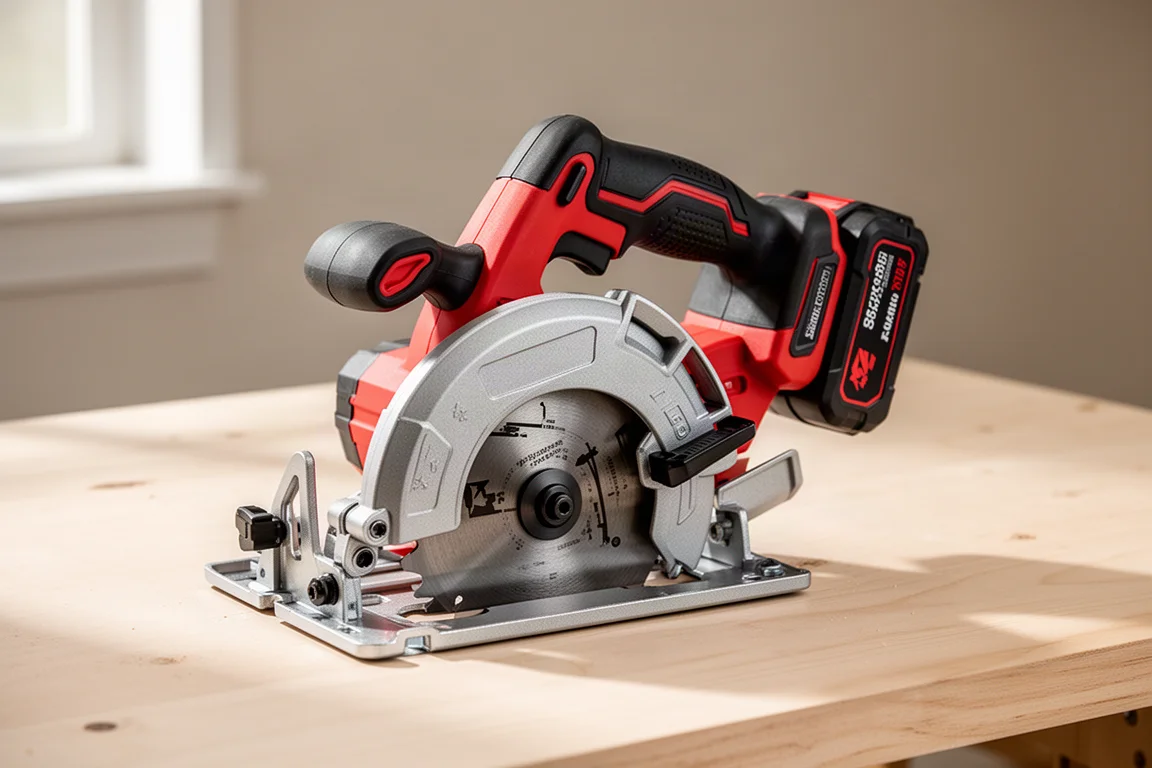
Bauer
Harbor Freight’s other in-house brand, Bauer is popular with a large audience and offers a fairly wide lineup. However, it is a clear step down from Hercules in the same store, which places it firmly in the DIY tier.
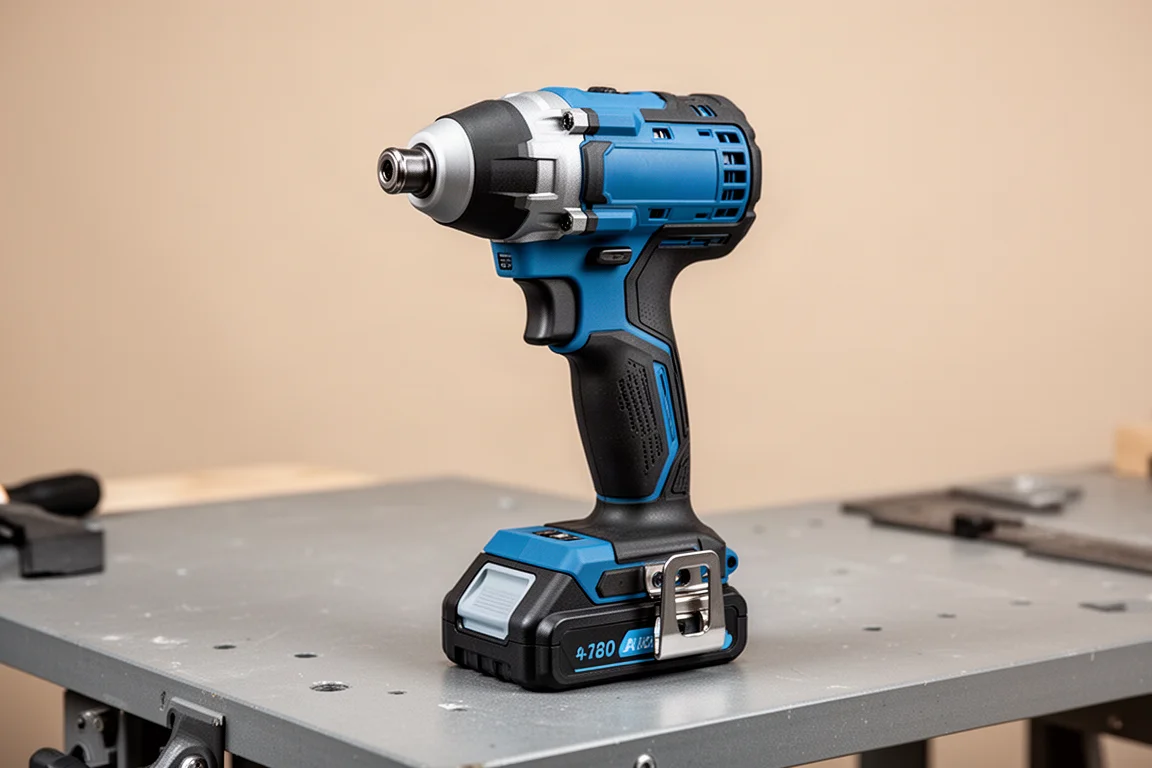
Stanley Black & Decker
The oldest company on this list, dating back to 1843, Stanley Black & Decker is everywhere: Lowe’s, Ace, Walmart, you name it. The company absorbed brands like DeWalt, and DeWalt is now its power tool flagship rather than the Stanley Black & Decker name itself. You might find a decent tape measure or utility knife, but for power tools, DIY is the honest verdict.
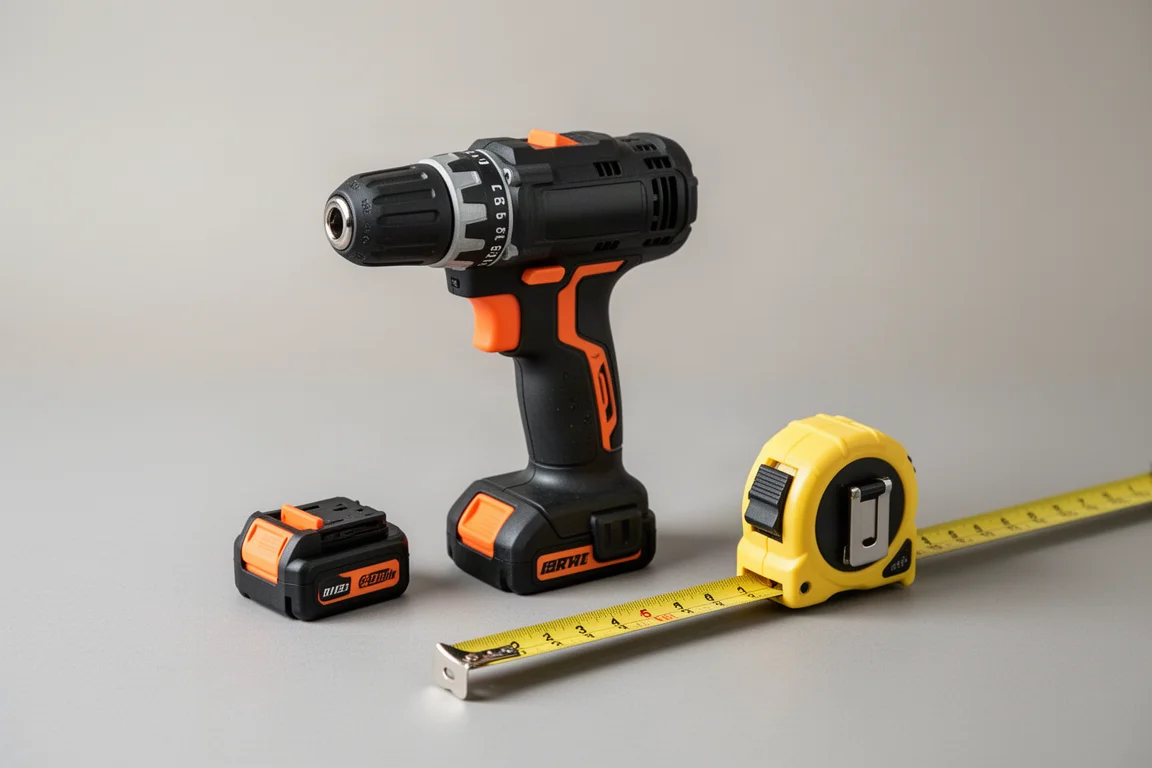
Bosch, Craftsman, and the Tricky Middle Ground
Not every brand fits neatly into one tier, which is exactly why buying by category matters more than buying by badge.
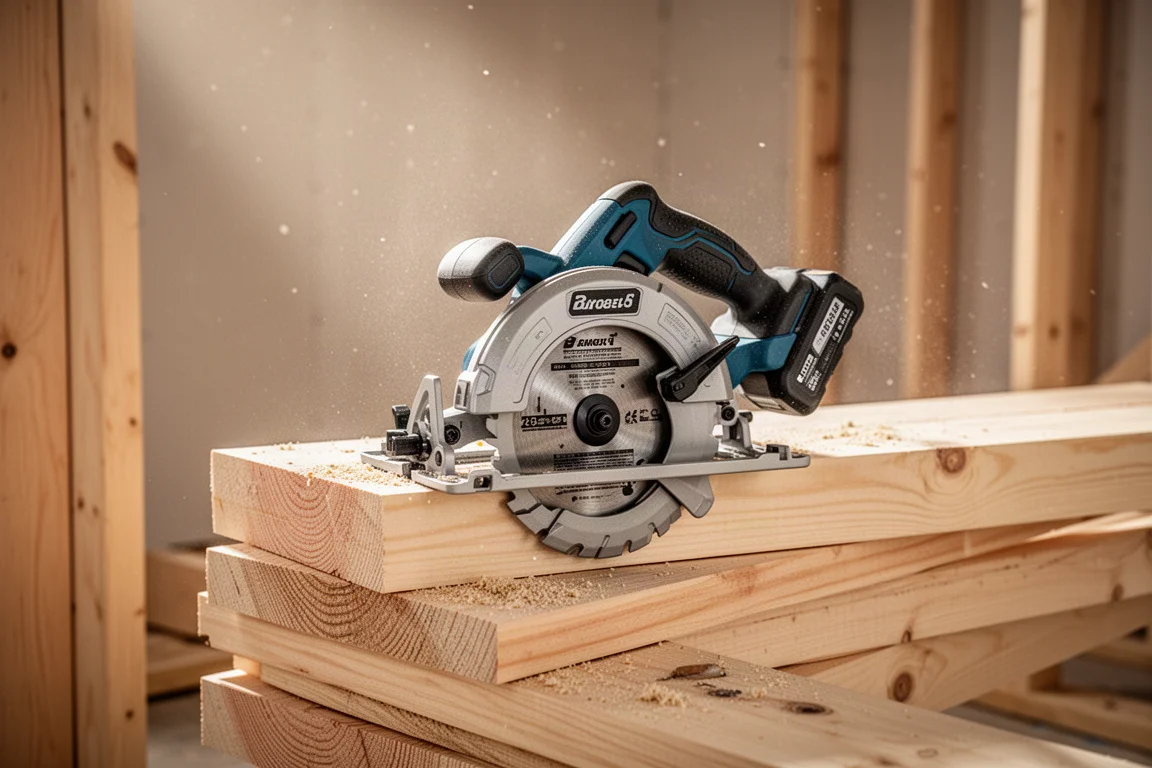
Some brands, like Ridgid and Craftsman, genuinely straddle the line. A pipe fitter and a weekend woodworker can both own tools from the same label and have very different experiences. That is the core lesson of this breakdown: judge the specific tool category, not just the brand name on the battery.
Which Tier Should You Buy?
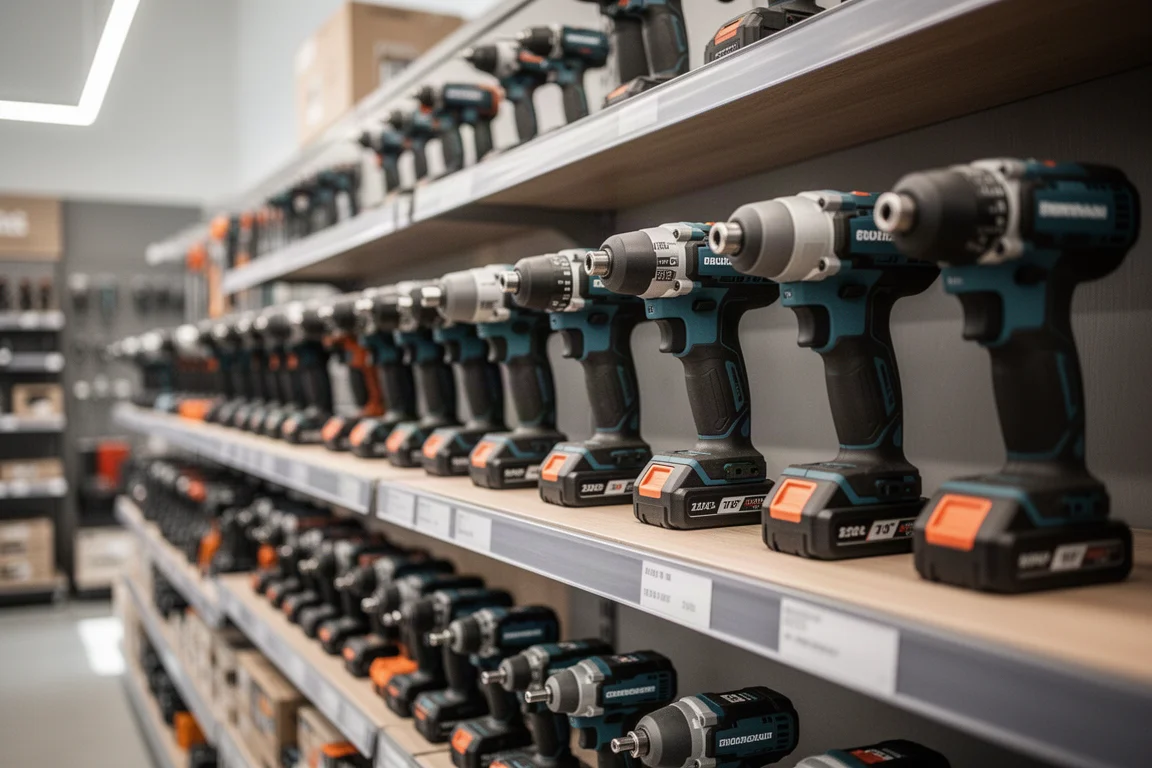
Stay within the tier that matches how you actually work. If you earn a living with your tools, the Pro tier earns its price through durability, battery technology, and job-site presence. If you are a serious DIYer or a tradesperson supplementing a pro kit, Prosumer brands like Ridgid, Skil, Kobalt, and Hercules deliver most of the capability for less. And for occasional repairs and weekend projects, DIY brands like Ryobi, Hart, and Craftsman power tools make far more sense than overpaying for performance you will never use.
Conclusion
There is no single best power tool brand, but there is a best tier for you. DeWalt, Milwaukee, Flex, Hilti, Festool, Makita, Metabo HPT, and Bosch own the professional space. Ridgid, Skil, Kobalt, and Hercules cover the demanding middle. Ryobi, Hart, Bauer, Craftsman power tools, and Stanley Black & Decker handle the DIY end. Match the brand tier to your real workload, and you will spend your money on the right tools every time.
Further reading
Related Reviews

Power Tools
Best 1-Inch Pistol Impact Wrenches: Three Heavy-Duty Options Compared
We compare three 1-inch pistol impact wrenches, from a budget-friendly Harbor Freight model to a premium Caterpillar unit, to help you choose the right one.

Power Tools
Best 3/4-Inch Impact Wrenches 2026: Five Contenders Compared
We compare five 3/4-inch impact wrenches across price and performance, from a budget Amazon option to Snap-on's most powerful model yet.

Power Tools
Best Budget Cordless Tools 2026: Walmart Finds That Punch Above Their Price
We tested five cordless tools from Walmart, including a high-torque impact wrench that trades blows with Milwaukee and a $35 duster that outperforms its price class.