Power Tools
Pouch Lithium vs Cylindrical Batteries: Six Cordless Tool Packs Worth Comparing
Cylindrical cell packs cost less up front, but pouch lithium packs from Flex, Milwaukee, and DeWalt deliver more power, faster charging, and far more charge cycles. Here is the full cost-per-cycle breakdown.
Introduction
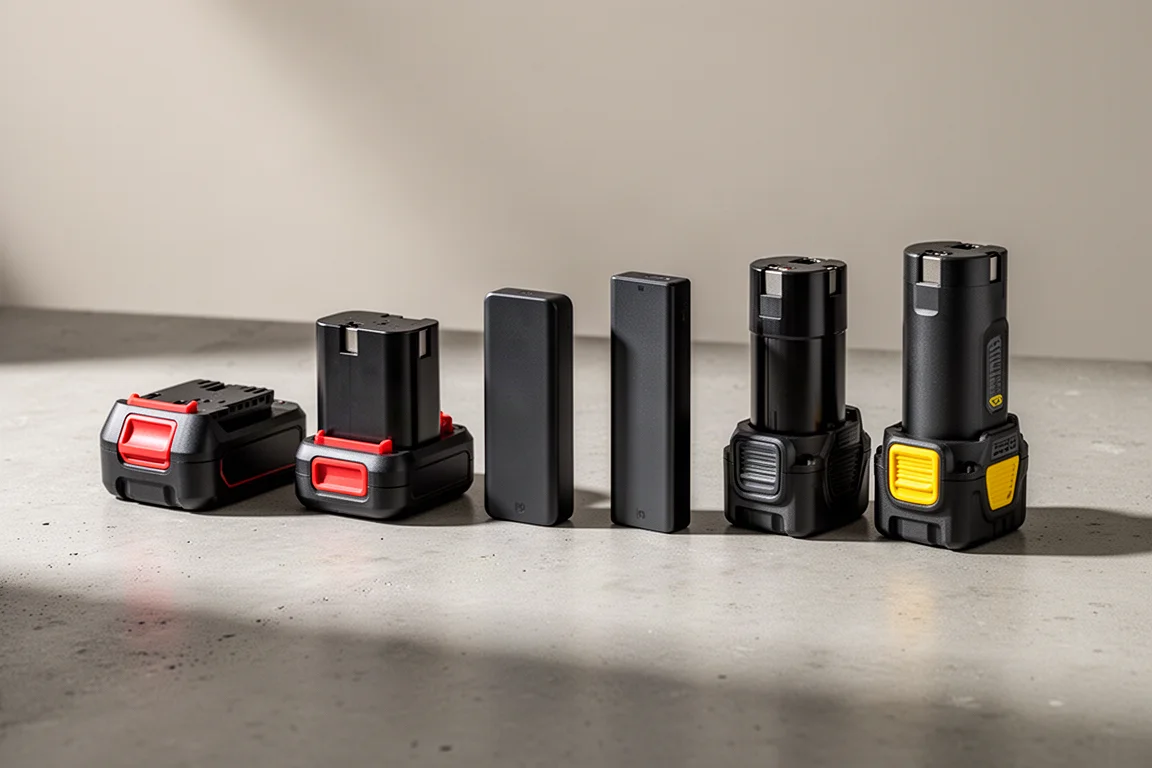
If you have been buying cordless tool batteries on price alone, you may be spending more over the long run than you realize. Cylindrical cell packs, the traditional style most tradespeople and DIYers know well, are still widely sold and often discounted. But pouch lithium packs from Flex, Milwaukee, and DeWalt have quietly changed the equation: they push more watts out to your tools, accept charge much faster, and last several times as many charge cycles.
The catch is that the packs look nearly identical from the outside. A 5Ah cylindrical pack and a 6Ah pouch pack from the same brand can be easy to confuse, and naming like “High Output” versus “Forge” does not tell you what is really different. This guide breaks down what is inside each pack type, then walks through six specific batteries with their prices and true long-term cost per cycle.
Why Pouch Lithium Changes the Math
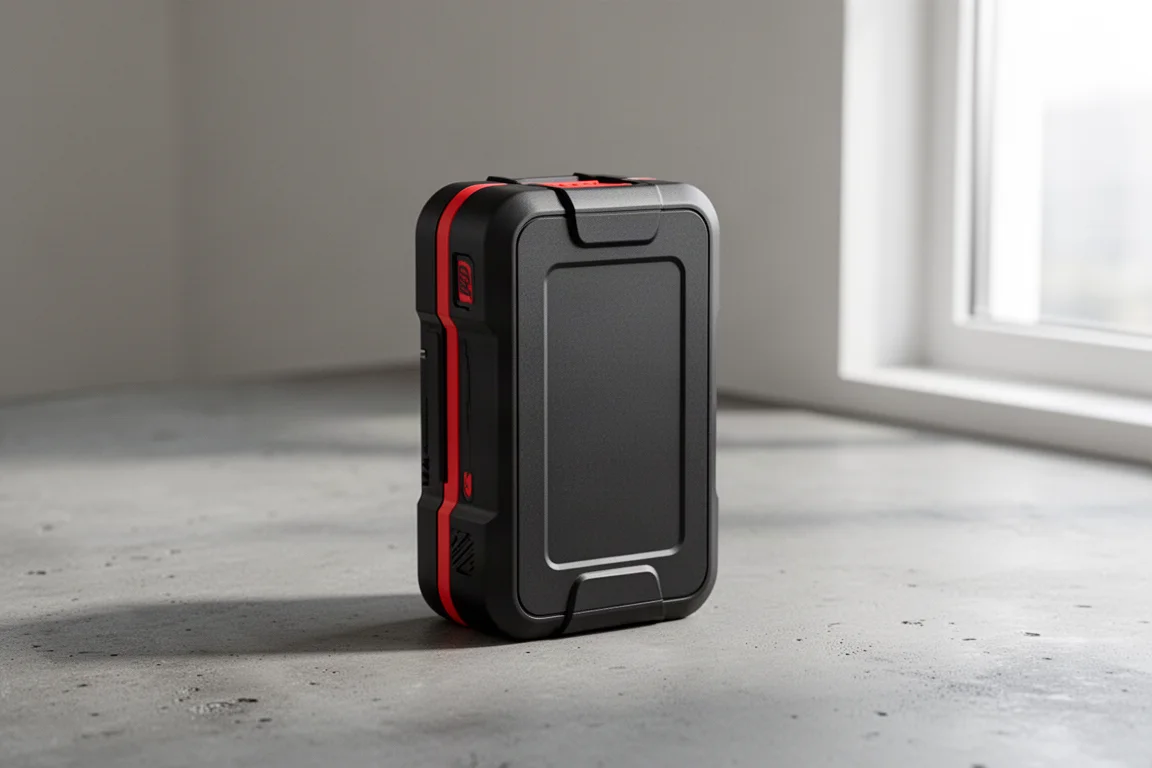
Inside every pack here are lithium ion cells, whether cylindrical or pouch. Cylindrical cells use small contact points at the end of each cell, like the ends of a familiar alkaline battery. Pouch cells are flat, using large tabs (essentially bus bars) running in and out of the cell. The simplest analogy: a cylindrical cell is a single-lane highway in each direction; a pouch cell is a three- or four-lane highway.
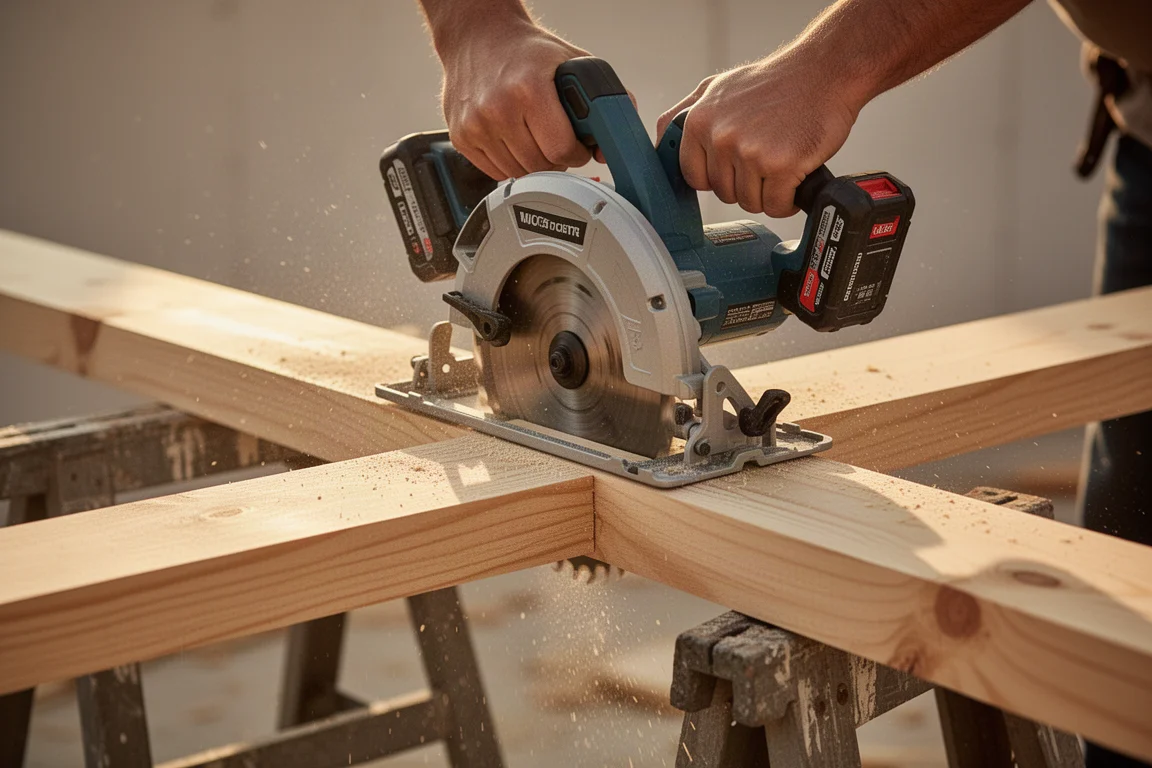
That difference has three practical consequences. First, pouch lithium delivers more watts out, so a similarly sized pack that once only powered a drill or impact driver can now run larger tools like circular saws, miter saws, table saws, and chipping hammers. Cylindrical packs were never capable of that output and tended to overheat prematurely when pushed.
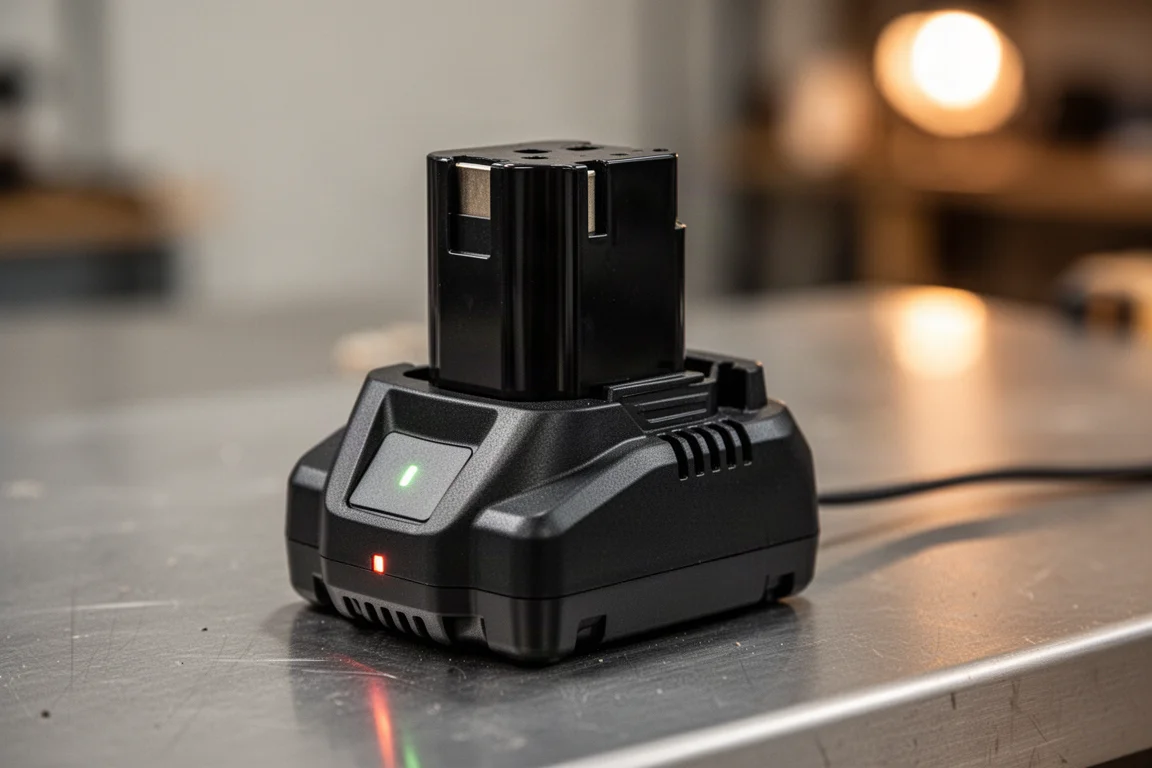
Second, pouch lithium takes more watts in, much faster. On high-wattage rapid chargers, pouch packs recharge dramatically quicker than their cylindrical predecessors. Third, and most importantly for your wallet, pouch packs survive far more cycles: where a cylindrical pack is rated for roughly 300 to 400 charge and discharge cycles, pouch lithium is rated at roughly 300 to 400 times more, conservatively around 1,200 cycles. That is what turns a higher sticker price into a lower real cost.
Flex 6Ah Pouch Lithium Battery
Flex’s 6Ah pouch pack costs $179, sixty dollars more than the brand’s 5Ah cylindrical pack at $119. Both deliver similar stored energy, but the pouch pack unlocks the full pouch advantage: it can power much larger tools than the smaller pack format used to handle, and it charges and discharges far more efficiently.
Run the per-cycle math and the picture flips. Divide $119 by 400 cycles and the cylindrical pack costs 30 cents per cycle. Divide $179 by a conservative 1,200 cycles and the pouch pack costs just 15 cents per cycle. The $179 pack literally costs half as much per use as the “cheaper” one.
Flex 5Ah Cylindrical Cell Battery
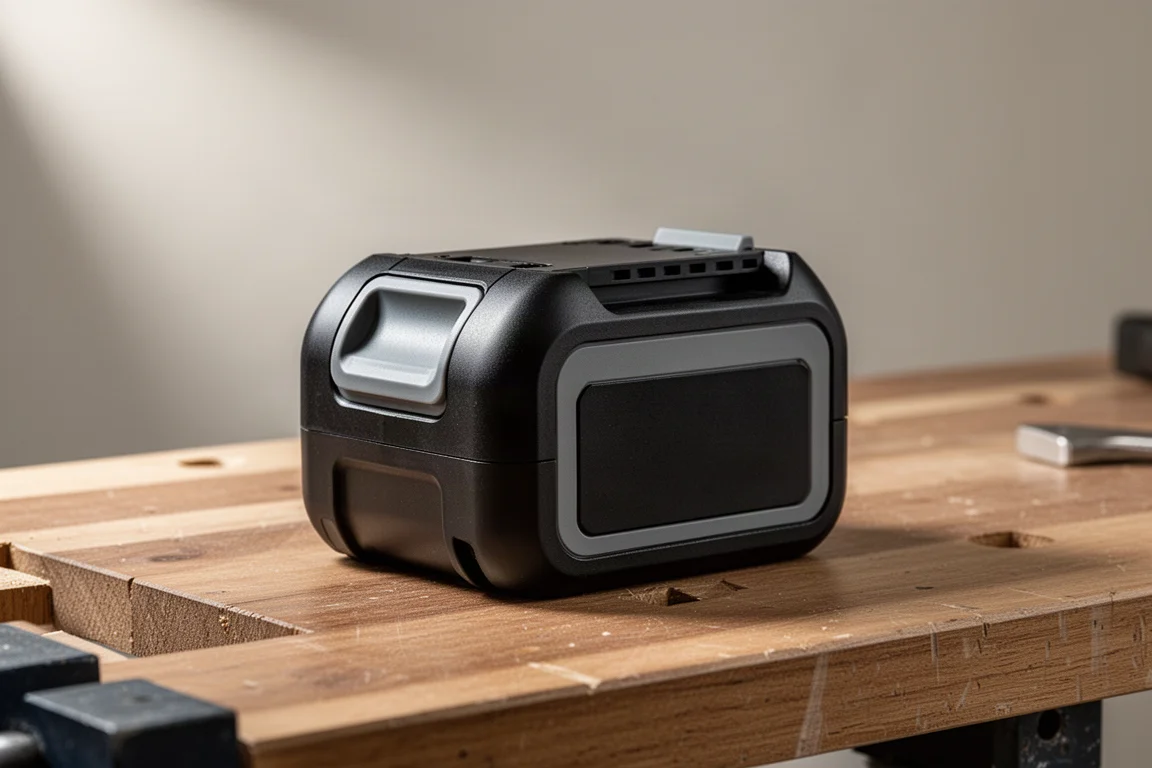
This is the traditional option in Flex’s lineup at $119, delivering 120 watt-hours per pack. It uses standard cylindrical cells, the more familiar construction, and works fine for everyday handheld tools like drills, impact drivers, and oscillating multitools.
Its limitation is delivery. It cannot push the sustained watts that larger saws and hammers demand, it overheats under heavy load, and at 300 to 400 rated cycles it works out to about 30 cents per cycle. If you are building out a Flex collection, it is worth considering only if you already own the corresponding tools and your usage is light.
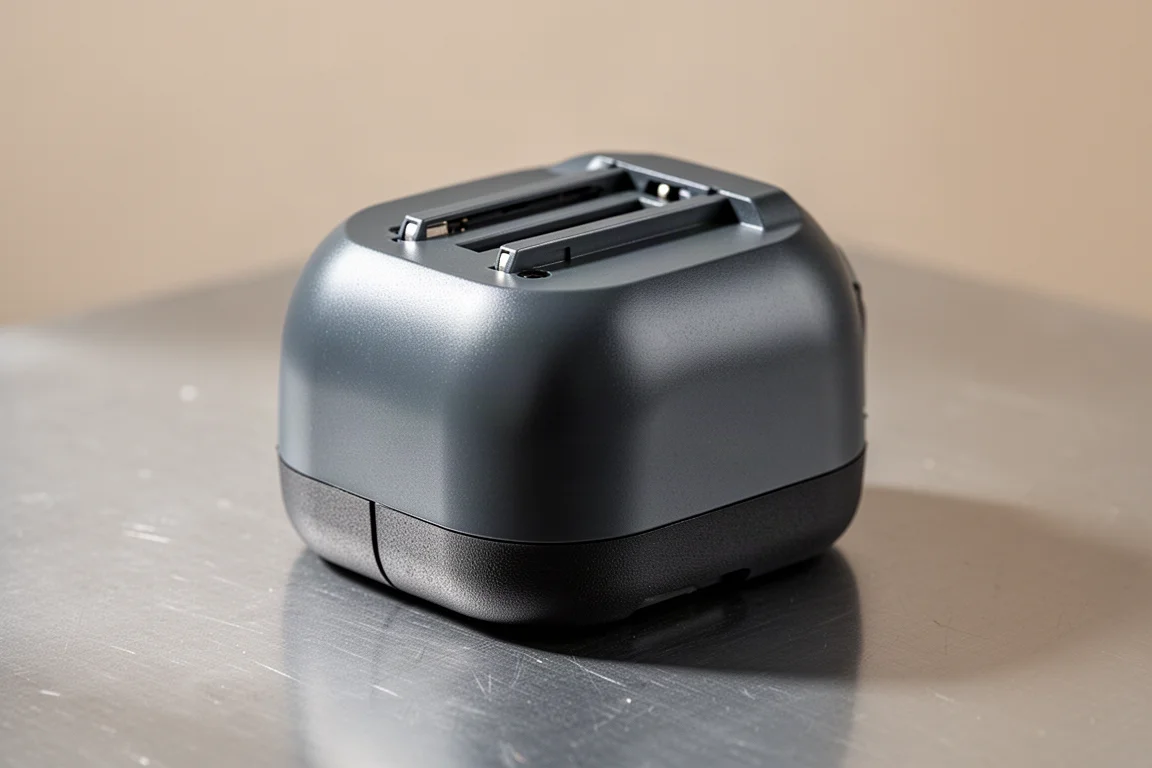
DeWalt PowerStack 5Ah Battery
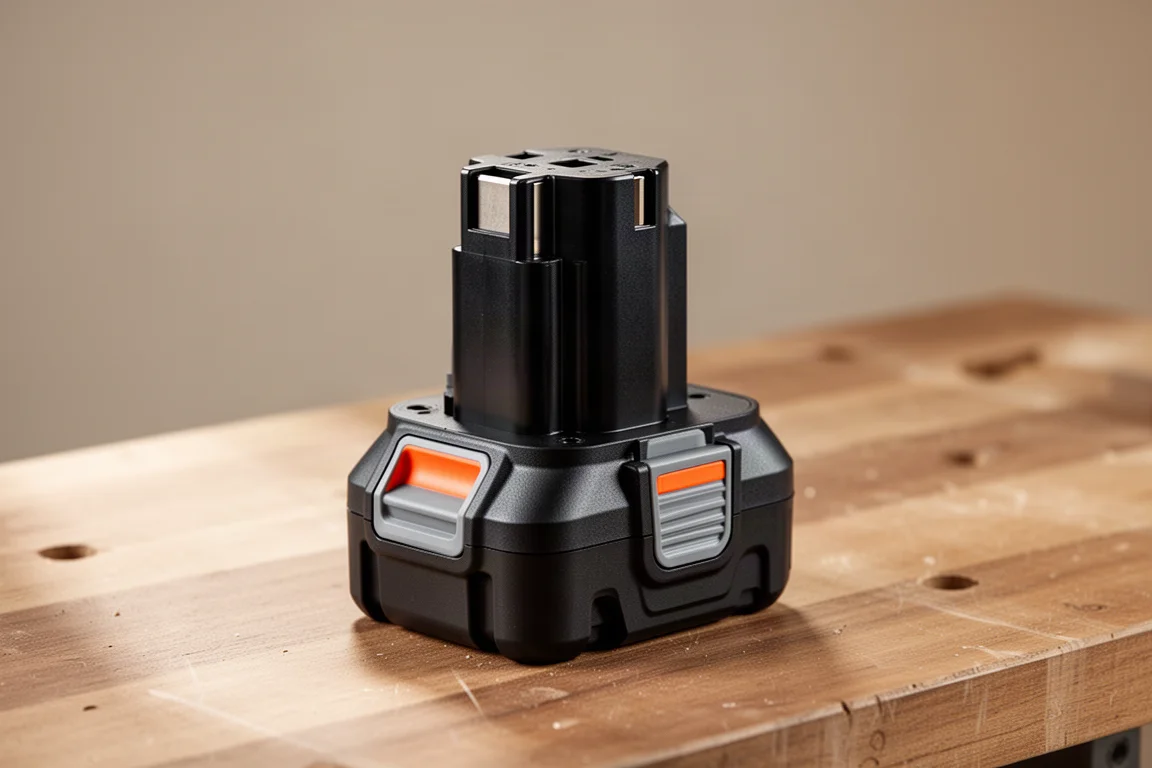
DeWalt’s PowerStack 5Ah is the pouch lithium option at $169. It stores 92.5 watt-hours, slightly less than the XR’s 100 watt-hours, but the delivery and intake are much different: more power out to demanding tools, faster recharge, and a much longer cycle life.
Divide $169 by roughly 1,200 cycles and you get about 14 cents per cycle. For perspective, that is the cheapest cost per cycle of any cylindrical or pouch pack compared in this price bracket at these price points. The PowerStack is the pack to buy if you are staying in the DeWalt ecosystem and want the modern technology.
DeWalt XR 5Ah Battery
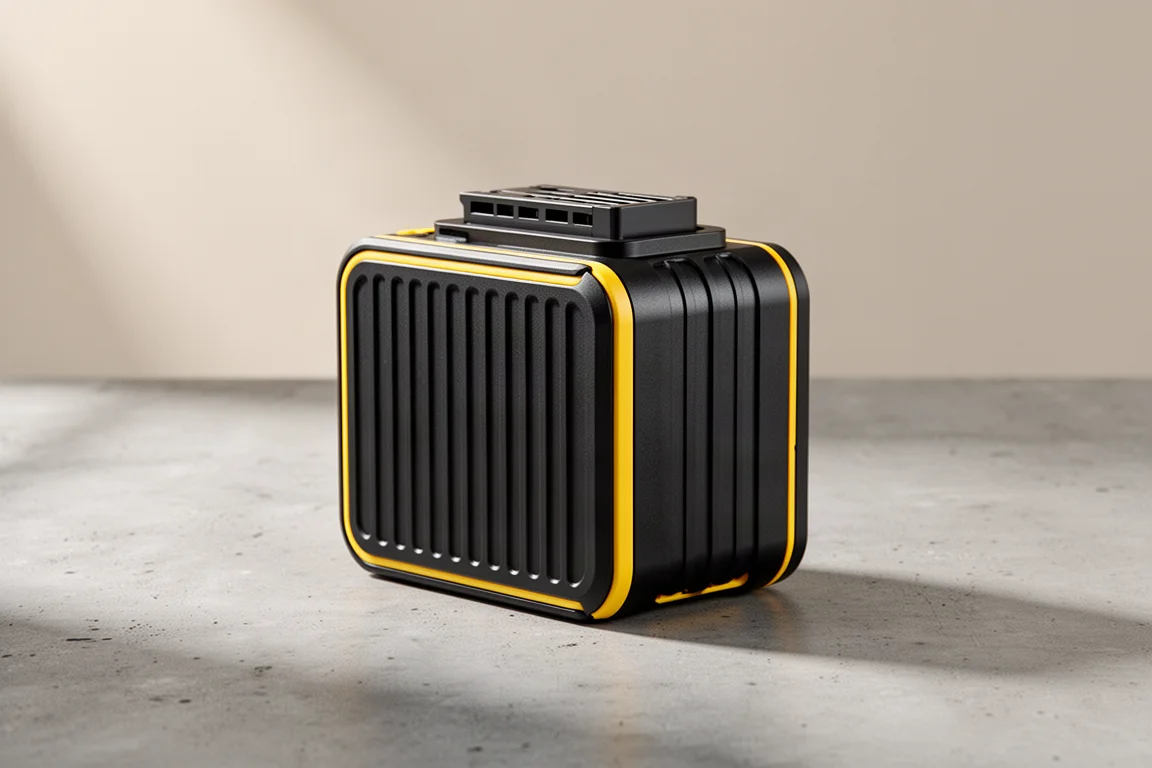
The DeWalt XR 5Ah at $99 looks tempting as a closeout, and seventy dollars saved is real money at the register. But this is effectively a two-generations-old cylindrical design running 18650 cells, not even a high output pack.
At 400 rated cycles, $99 divided by 400 comes to 25 cents per cycle, versus the PowerStack’s 14. In other words, even at a greatly reduced price, buying the cylindrical pack loses money over the life of the battery. It only makes sense if you already own a fleet of XR-era tools and need an inexpensive spare for low-demand use.
Milwaukee M18 High Output 12Ah
Milwaukee’s High Output 12Ah has long been the go-to for the highest demand tools: circular saws, miter saws, and table saws, where its 216 watt-hours of capacity and heavy cylindrical cell construction kept voltage sag low and sustained watts out high. The trade-off has always been bulk and weight, especially when lifting the tool overhead or making repetitive motions.
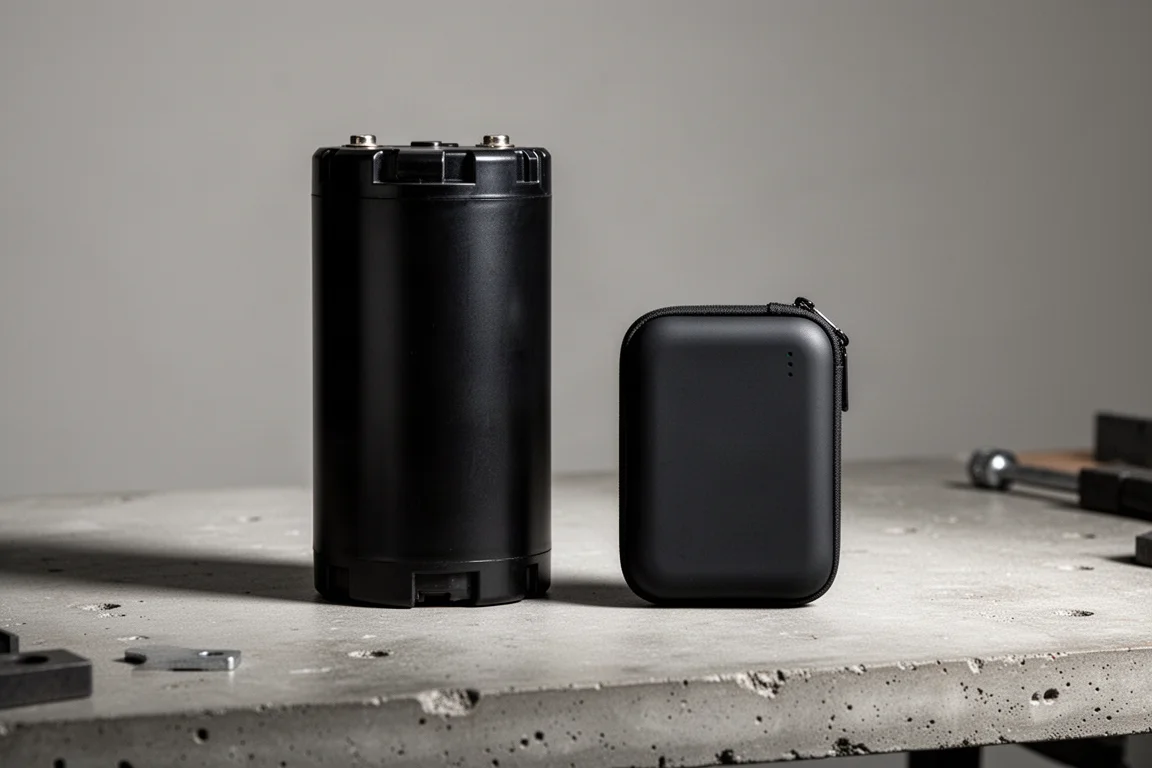
At the current retail price of $179, it now sits at 45 cents per cycle based on 400 rated cycles. It still offers genuine run time thanks to its large total capacity, so it retains a place for long stretch sessions between charges. But at the same price as Milwaukee’s Forge pack, it is no longer the obvious pick.
Milwaukee M18 Forge Battery
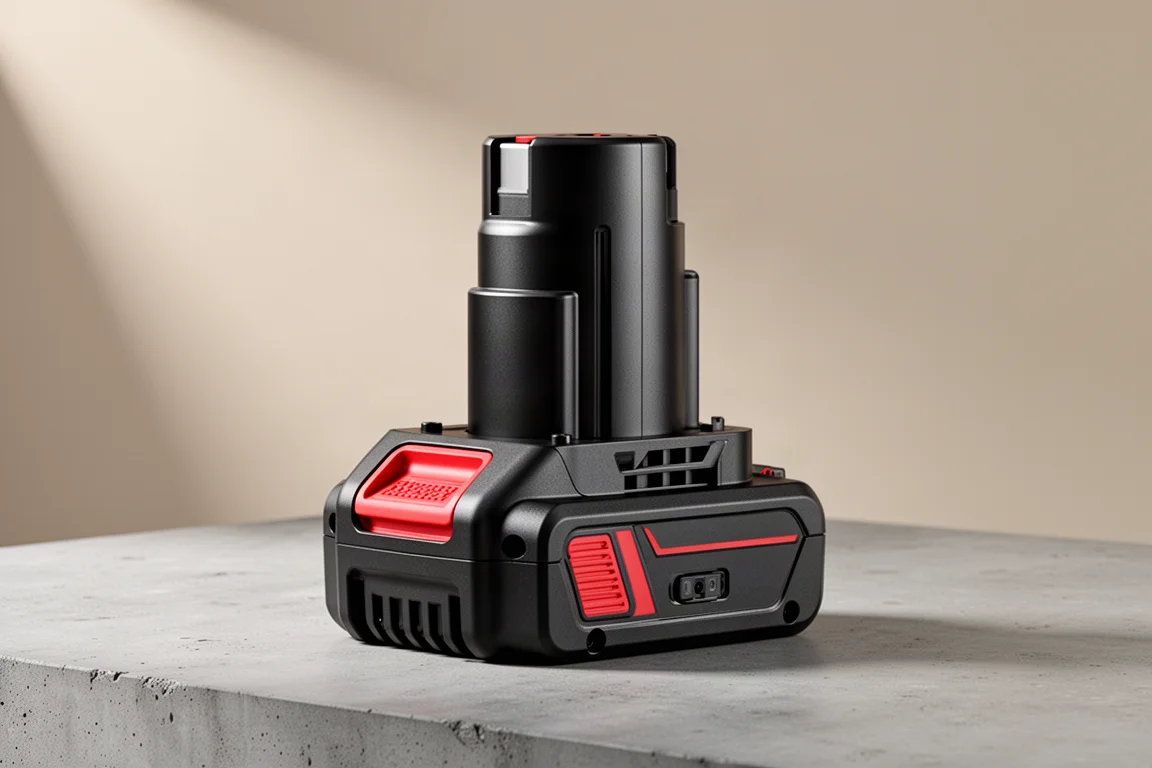
Here is the most striking comparison of the group. Milwaukee’s Forge pouch pack delivers the watts out of the massive 12Ah High Output pack in a far smaller, lighter body, eliminating the need to haul that huge pack around for demanding tools. It also charges faster and, conservatively rated at 1,200 cycles, costs 15 cents per cycle at the same $179 retail price.
In the past, Forge’s slightly higher price made it optional unless you were running large equipment. Now that both packs retail for $179, the case for Forge is straightforward: same money, more power out, faster charging, triple the cycle life. If you are buying into Milwaukee’s M18 platform today, Forge is the sensible default, with the 12Ah High Output still relevant when maximum run time between charges matters more than weight.
The Cost-Per-Cycle Reality Check
The single most useful habit before buying any pack is dividing price by rated cycles. Cylindrical packs cluster around 25 to 45 cents per cycle at the prices discussed here, while pouch packs land at 14 to 15 cents per cycle. That means the “expensive” pouch battery often ends up being the cheapest tool on your bench over its working life.
It also reframes closeout deals. A discounted cylindrical pack feels like savings, but it is a shorter-lived consumable that you will replace two to three times over the lifespan of a single pouch pack. For anyone whose income depends on their tools, minimizing repeat purchases is the entire point.
Overall Buying Advice
For most buyers the decision is simpler than the market suggests. If you are starting or expanding a Flex, Milwaukee, or DeWalt collection, buy pouch lithium, full stop. The upfront premium is modest, the power delivery is dramatically better for large tools, rapid charging is far quicker, and the cost per cycle is roughly half or less.
Cylindrical packs still have narrow niches: cheap spare capacity for occasional low-demand DIY use, or matching packs for existing older tools. But for anyone using tools daily or on paid jobs, choosing a cylindrical cell pack at today’s prices means paying more per hour of actual work, cycle after cycle.
Conclusion
Battery technology has moved, and prices have caught up with it. Flex’s 6Ah pouch, Milwaukee’s Forge, and DeWalt’s PowerStack all cost more up front than their cylindrical counterparts but cost half as much per cycle over their lives, while delivering more watts and faster charging. Even Milwaukee’s Forge versus its own 12Ah High Output pack, once a tough call, is now settled at identical retail pricing. Take a hard look at what is inside the pack before your next battery purchase; it is the difference between buying consumables and making an investment.
Further reading
Related Reviews
Power Tools
Best 1-Inch Pistol Impact Wrenches: Three Heavy-Duty Options Compared
We compare three 1-inch pistol impact wrenches, from a budget-friendly Harbor Freight model to a premium Caterpillar unit, to help you choose the right one.
Power Tools
Best 3/4-Inch Impact Wrenches 2026: Five Contenders Compared
We compare five 3/4-inch impact wrenches across price and performance, from a budget Amazon option to Snap-on's most powerful model yet.
Power Tools
Best Budget Cordless Tools 2026: Walmart Finds That Punch Above Their Price
We tested five cordless tools from Walmart, including a high-torque impact wrench that trades blows with Milwaukee and a $35 duster that outperforms its price class.