Everyday Carry
Pocket EDC Kit v2: The Everyday Carry Essentials Worth Pocketing
An updated pocket everyday carry kit built around six months of daily use, plus a look at the pouches that made the cut and the ones that did not.
Introduction
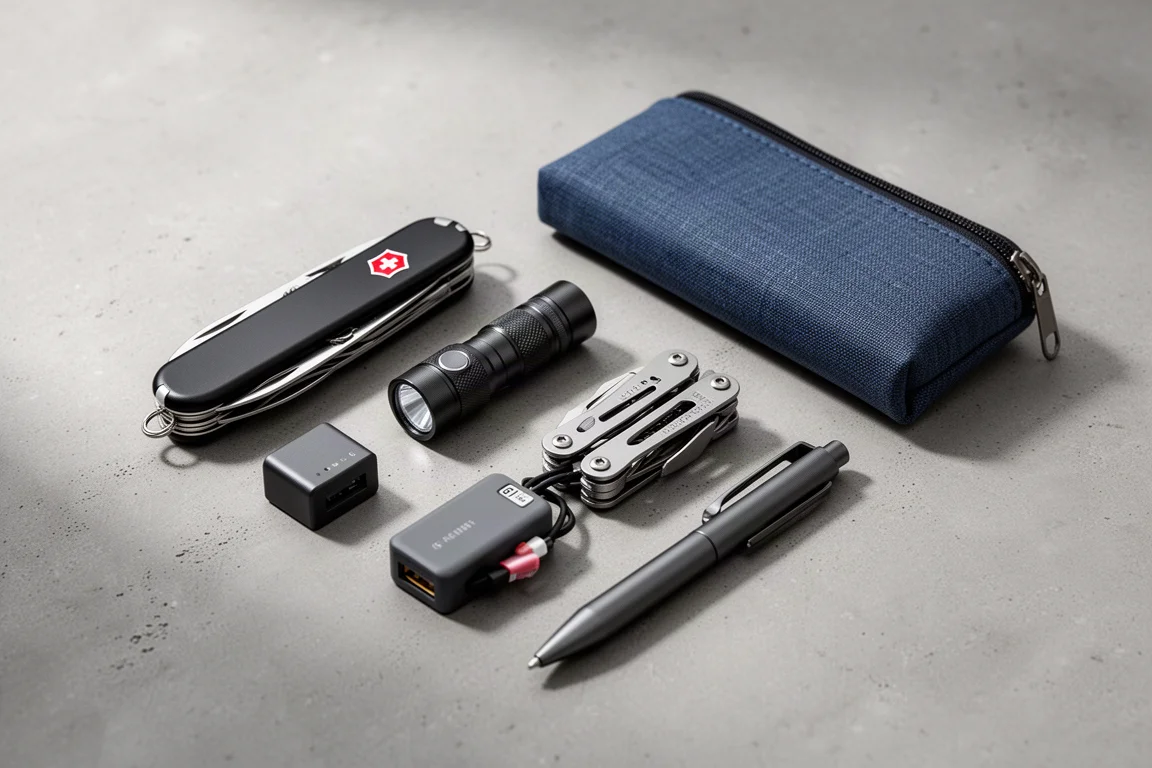
A good pocket everyday carry kit has one job: solve small problems on the go without weighing you down. After six months of daily use, this second version of the kit keeps what worked, drops what created friction, and adds a few items that were genuinely missing. The fully packed kit weighs just 240 g, or a little over 8 oz, so it disappears into a pocket.
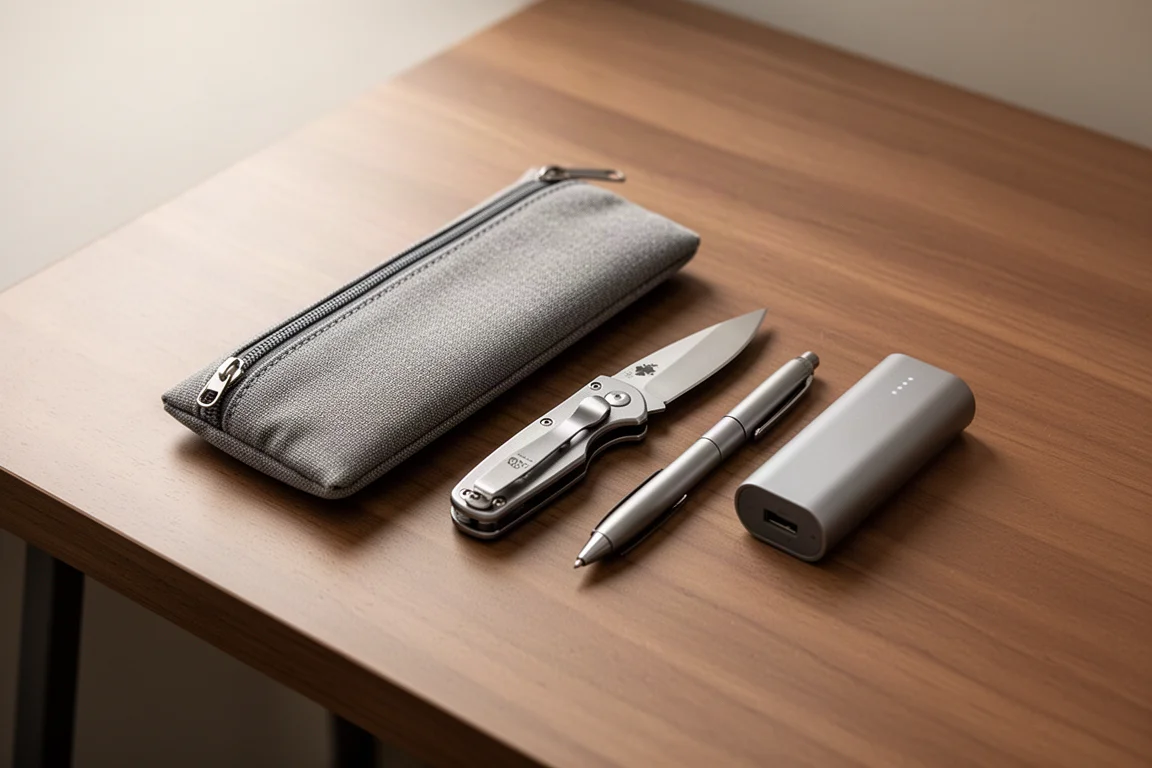
The biggest lesson from daily use was simple. Items that normally live in a jeans pocket, like the knife and flashlight, should not be moved into a pouch every time you leave the house. That extra step added friction, and leaving them behind left wasted space. Version 2 keeps the pouch for the supporting items and lets the true pocket essentials stay where they work best.
The Knife: Victorinox Compact
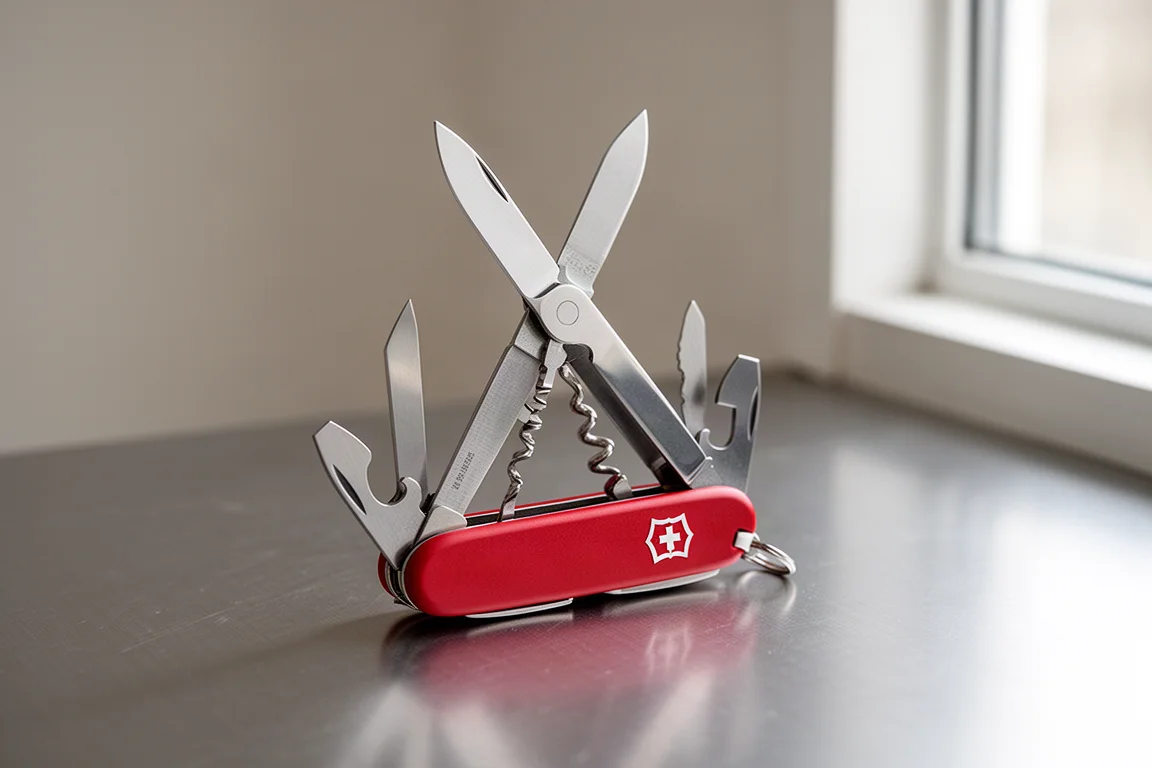
The Victorinox Compact remains the knife of choice here. It is a slim two-layer 91mm Swiss Army Knife with a decent slip joint blade, great scissors, and a very useful combination tool, along with a pen, tweezers, hook, corkscrew, glasses screwdriver, nail file and pin.
There are also a couple of personal additions: a mini ferro rod replaces the toothpick, and some tinder sits alongside the corkscrew, giving the knife basic fire starting capability. Far from essential, but a nice to have with no size or weight penalty. For anyone who wants an even more minimal option from the same brand, the Victorinox Jetsetter covers general use with a very limited but pocketable tool set.
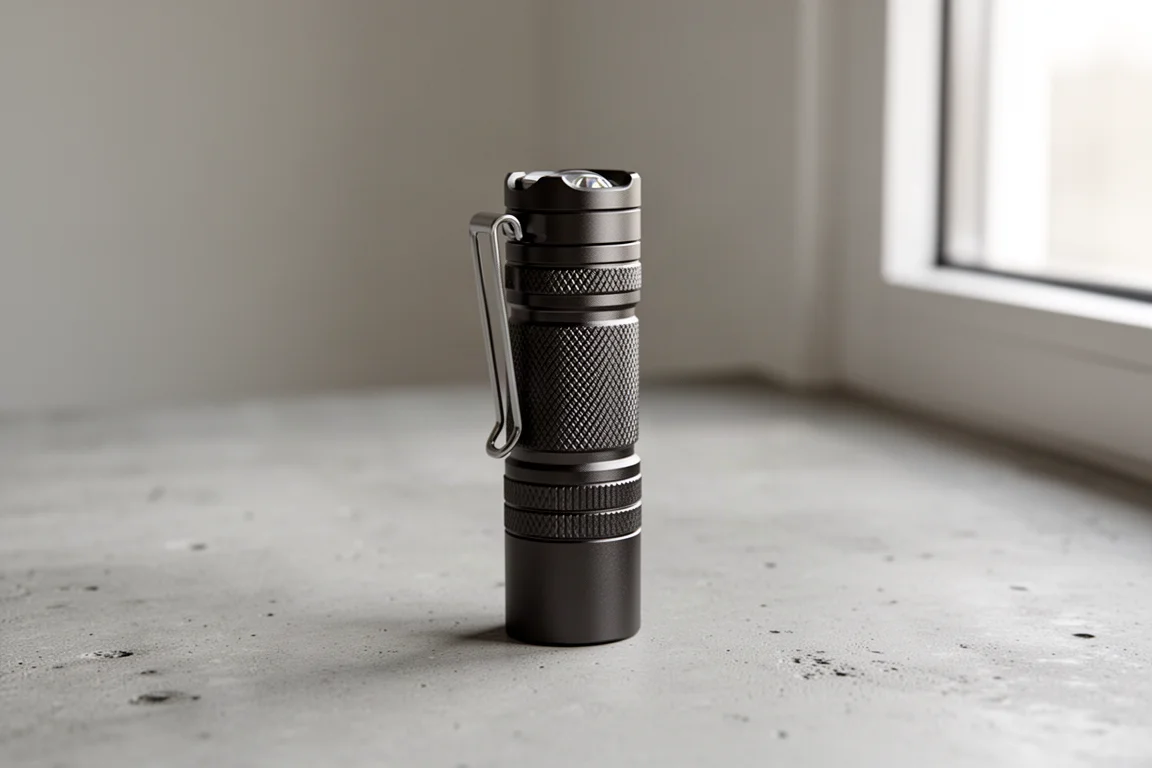
The Flashlight: Rivon A8
The Rivon A8 continues as the go-to flashlight thanks to its small size, lightweight body, bright beam, good battery life, USB-C charging, a diffused side light, and a red warning light that doubles as an emergency bike light. It is genuinely hard to beat at this size.
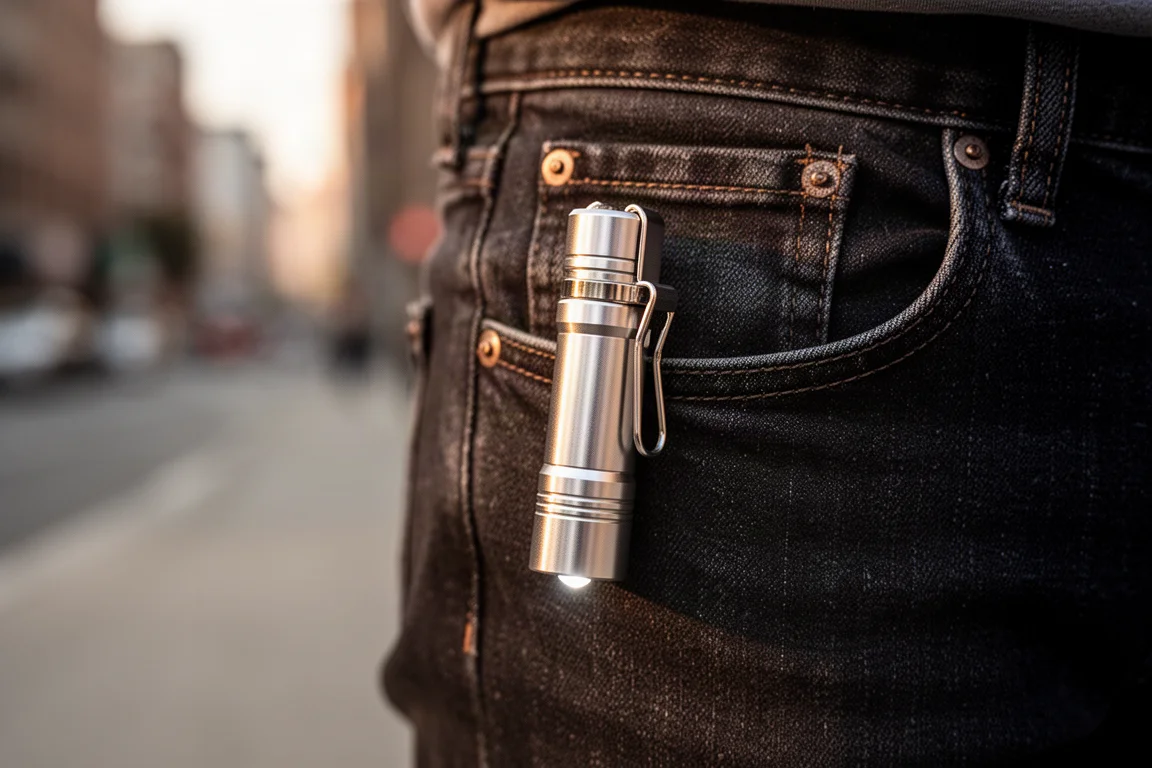
Like the Compact, it lives on a pocket clip for quick access several times a day, so it stays in the pocket rather than in the pouch. When travelling light, grabbing phone, keys and the pouch is all it takes, with the flashlight and knife already where they should be.
The Multitool Line-Up
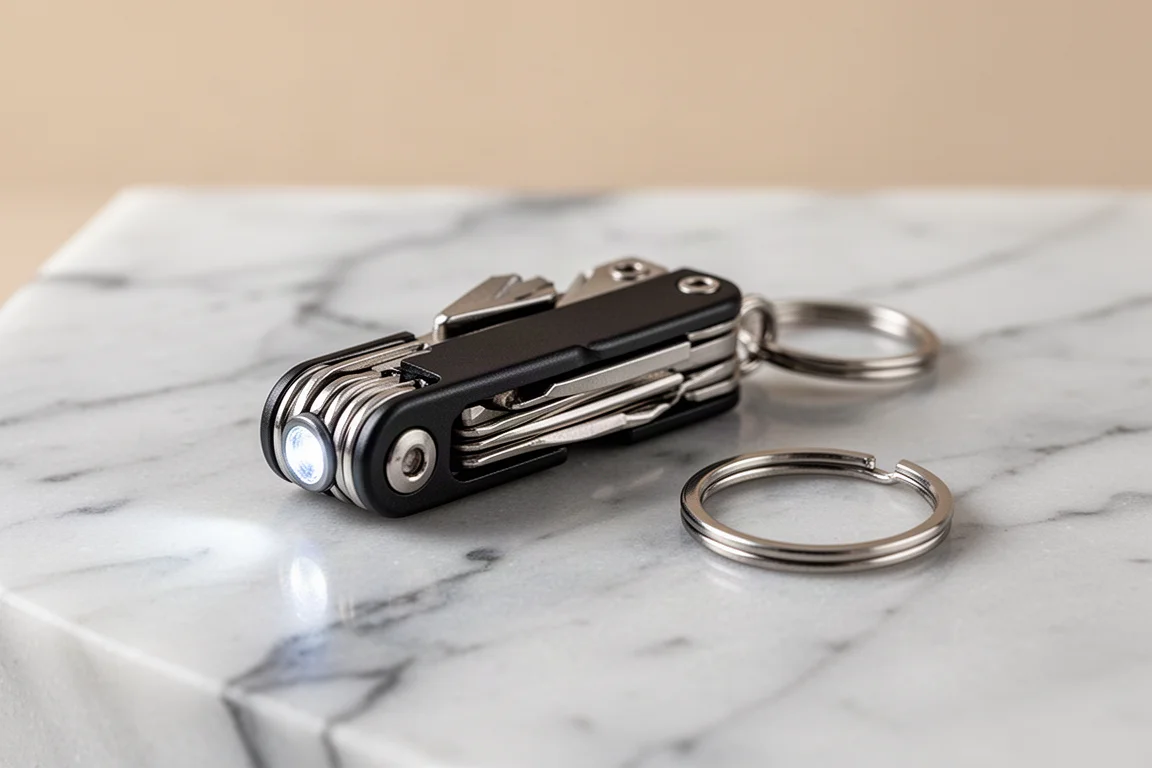
The main new addition for version 2 is a capable mini multitool, and the Nextool Mini Flagship, improved for 2025, currently has no better competition when it comes to combining small size with real features. It weighs just 80 g thanks to weight-saving construction and packs a small slip joint knife that is legal to carry in most countries, plus pliers and scissors, which is normally a choice you have to make at this size. The scissors are exceptionally good, and there is also a Phillips and flathead screwdriver, a basic file, and a combined bottle and can opener. At under 30 pounds or dollars it offers great value too.
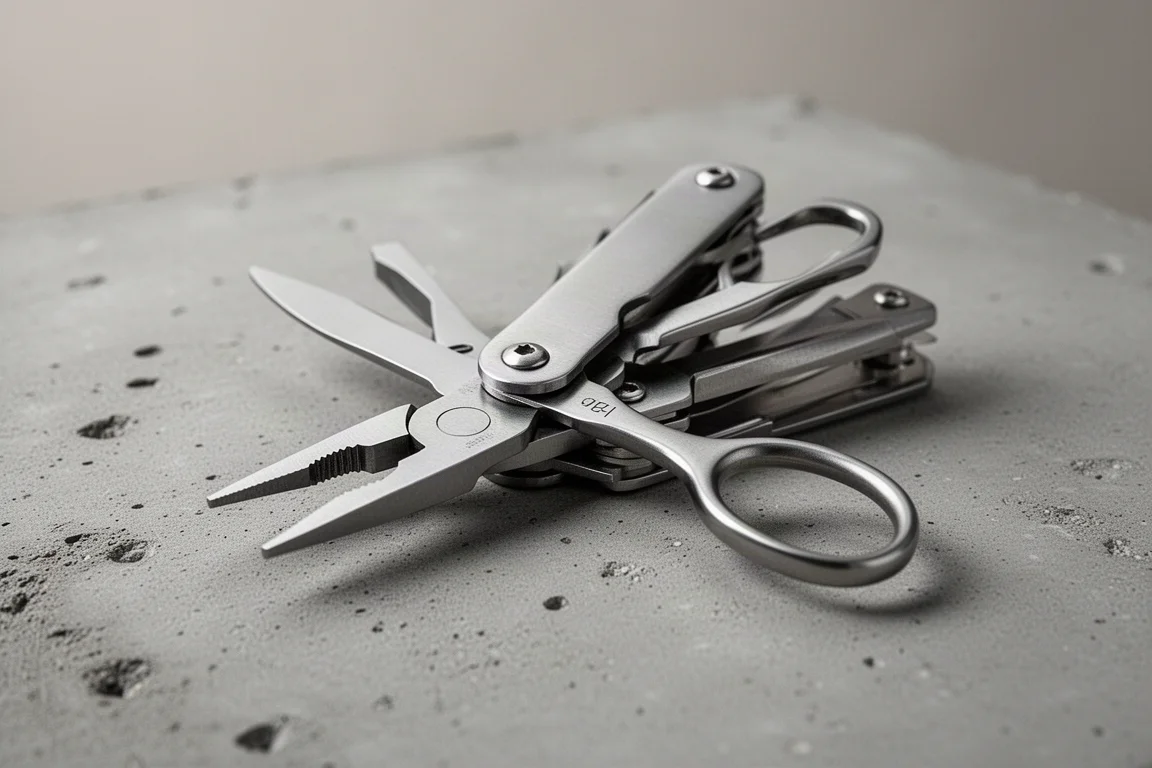
Alternatives were considered. Leatherman discontinued much-loved small multitools like the Squirt and Style, and the aging Micra cannot match the Mini Flagship on capability while costing almost twice as much. Gerber can compete on price but not on features or quality.
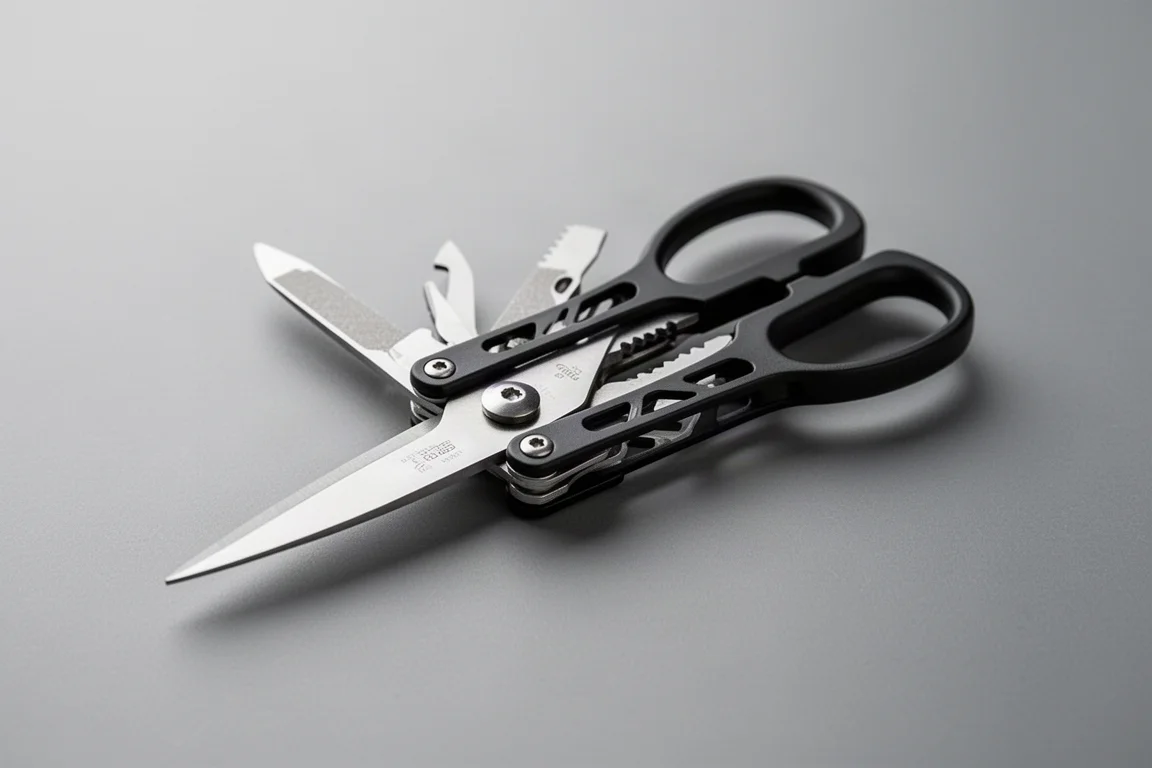
The Nextool Mini Sailor is neater and slimmer than the Mini Flagship, though oddly slightly heavier, and offers a near-identical feature set at a similar price. The trade-off is the scissors, which do not quite compare.
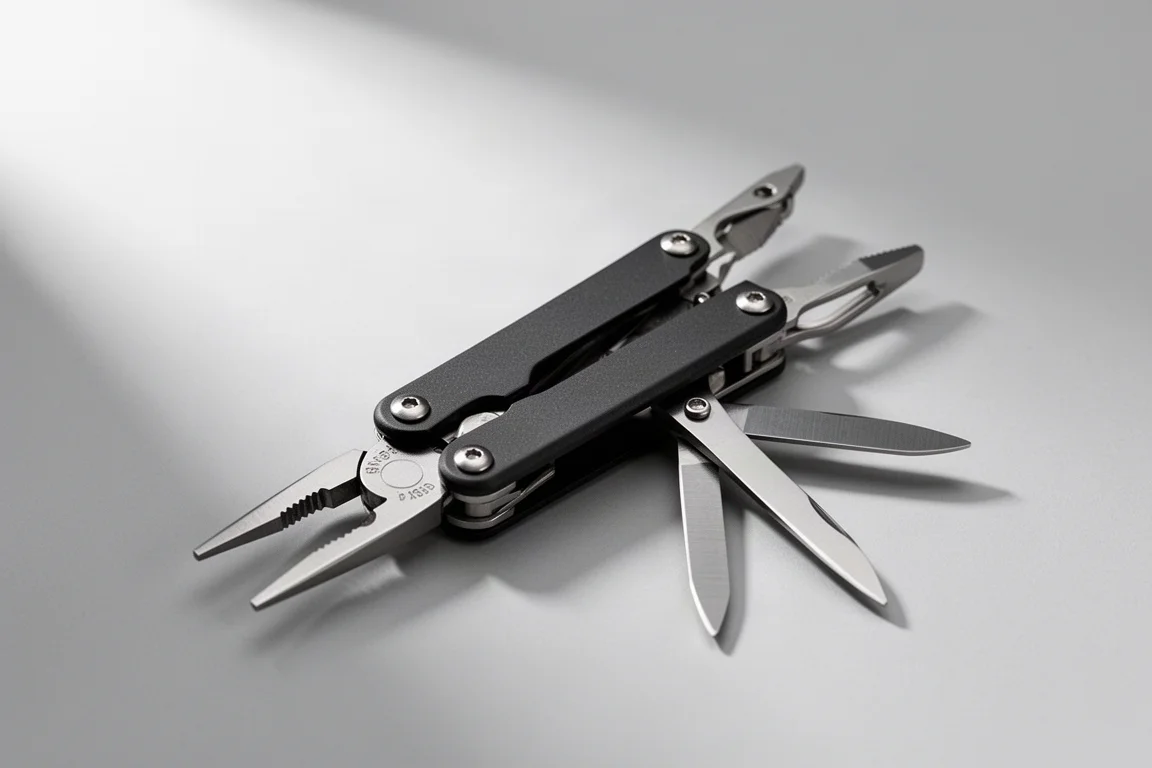
The Nextool Mini Sailor Light drops the can and bottle opener tool and, importantly, the knife as well, making it the right pick if you would rather not carry a blade at all. There is even a chance it could pass airport security, though of course with no guarantees. For general use, though, the Mini Flagship is pretty much unbeatable in this setup.
Power: Tow Version 2 Power Bank
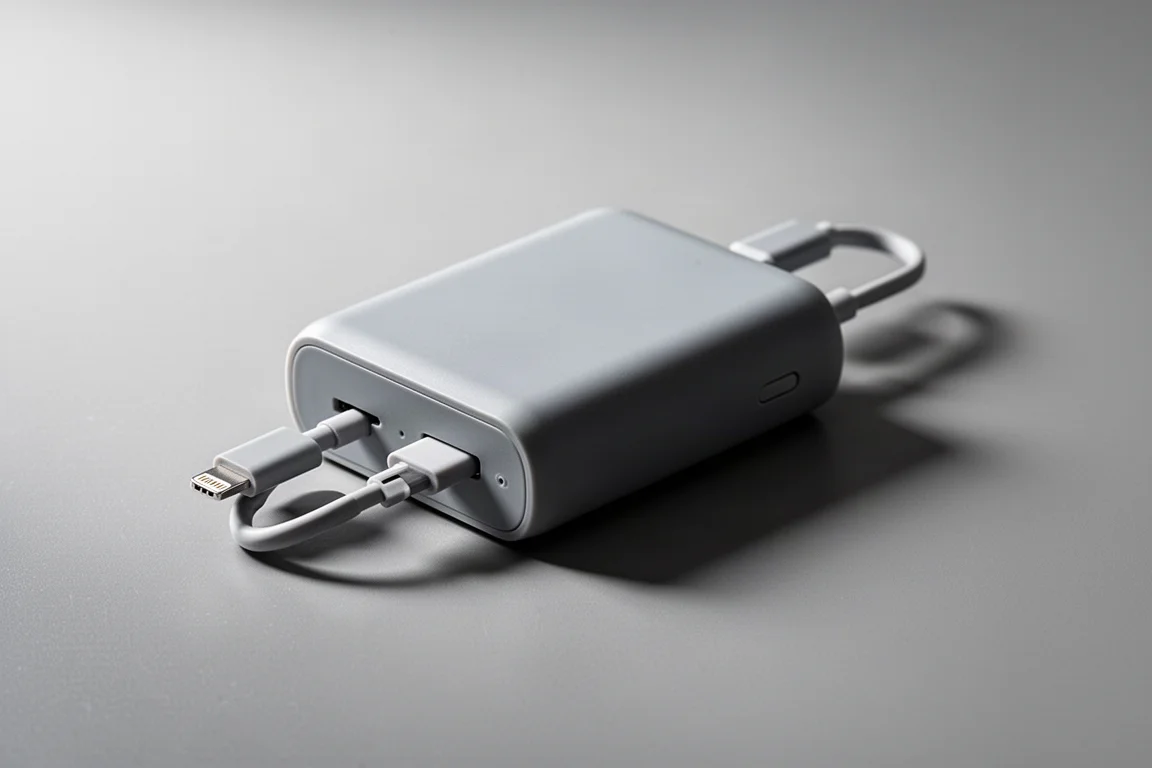
A power bank was the biggest gap in the original kit. If your phone battery dies, you lose communication, navigation, contactless payments, contacts and travel tickets, so even a small top-up is a genuine lifeline. The Tow Version 2 was the only option found that is small enough for this kit.
It offers a 2,000 mAh capacity, enough to bring most phones back to around 30 percent, which is all you need for a day trip. The built-in cables are the real highlight: a USB-C cable for most devices, a lightning cable for older iPhones, and it can even charge a micro USB device. It recharges via the USB-C cable, and it costs around 40 pounds or dollars. Because the cables are built in, the previous multi-cable could be removed entirely, freeing up useful space.
Repairs, Meds and Small Useful Things
A slim metal tin now holds the meds, replacing the previous tube that refused to fit certain tablets. The selection focuses on what can instantly do some good on a day out: allergy relief, upset stomach relief and pain relief. A photo of the original packaging is kept on the phone, and the contents are written inside the lid for zero confusion.
Alongside the tin sits flat Gorilla tape, folded flat on itself for temporary fixes like patching a rip, plus a piece of self amalgamating tape that bonds to itself to create an elastic rubber seal, useful for a leaking pipe or cable repair. Together these add only 10 g to the kit. A credit card sleeve keeps thin flat items together: a couple of plasters, a piece of paper for emergency notes, and a list of essential contact numbers in case the phone is lost. Backup reading glasses round it out. These ultra-small glasses cost around 5 pounds or dollars in packs of three and are so light they barely register on a scale. They are fiddly for general use, but as an emergency spare they are a lifesaver.
The kit also doubles as the wallet. With phone payments covering most purchases, it holds a driving licence, a backup credit card, a bank debit card, and some emergency cash notes in the front zip pocket. An AirTag using the Find My ecosystem means the whole kit can be located if it is dropped or left behind.
The Pen: Maratac Pen Go
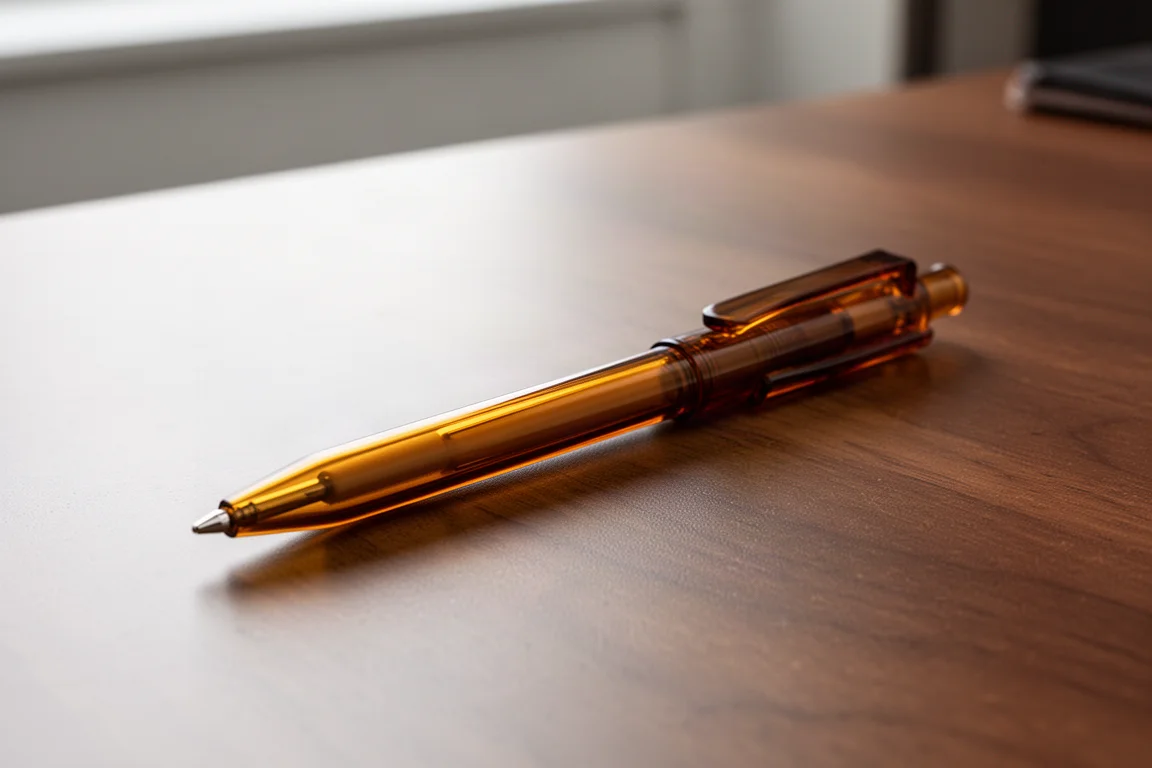
The Maratac Pen Go in this version is made from Ultem, a strong and super lightweight material, and weighs just 6 g. Despite its short length it is genuinely nice to write with, helped by a German-made Lamy refill, and it sits vertically in the kit for easy access.
At around 30 dollars it is pricey for its size, but it earns its place because it works so well in this setup. One or two individually wrapped antimicrobial hand wipes complete the hygiene side. These turned out to be more effective than hand sanitizer, wiping away physical dirt and sanitising the surface at the same time, which makes them the better option when soap and water is not available.
Pouches: The Alpaca Zip Pouch vs Topo Designs Micro Pouch
The pouch carries everything else, and the Alpaca Zip Pouch used in the original kit is still the benchmark. Recent versions are available in blue RX30 X-Pac or black VX21 X-Pac technical sailcloth, both waterproof, lightweight, and weighing an identical 35 g. The RX30 feels slightly softer. Inside there is a lined central divider that keeps flat card items and the pen separate from everything else. Contents fit very snugly, which is exactly what you want from the most compact solution, and the price is very reasonable at around 25 pounds or dollars.
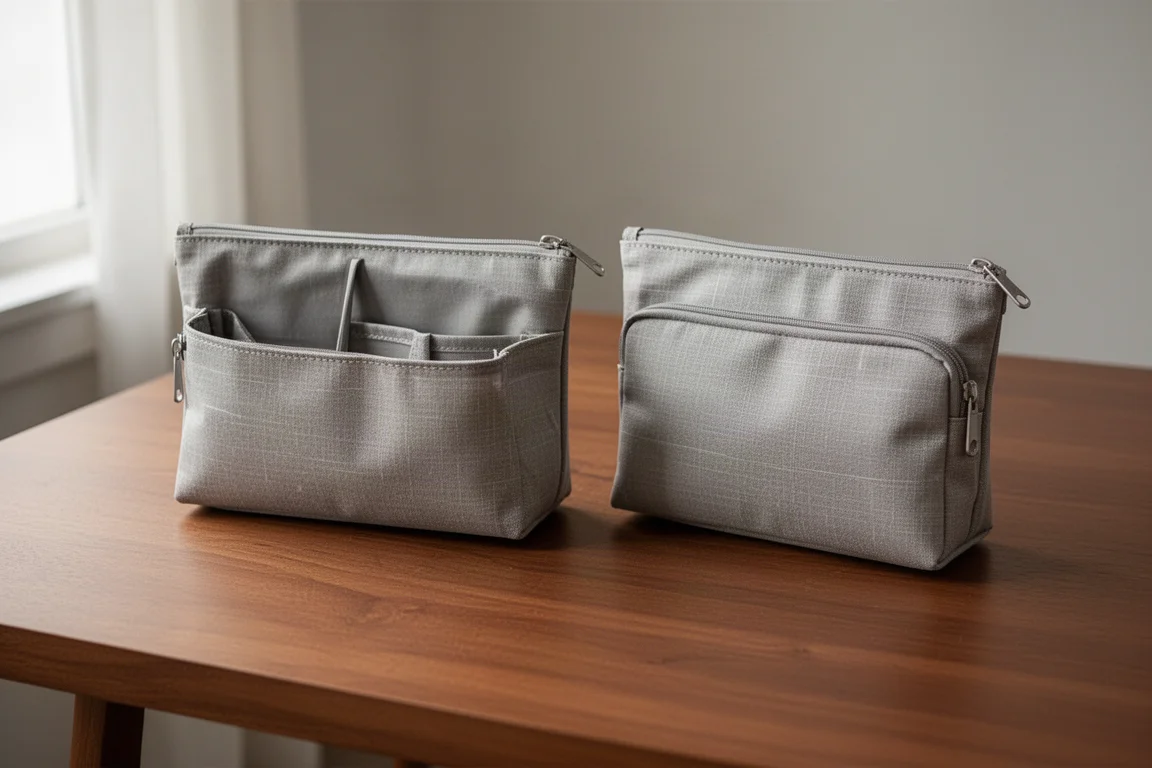
Other Alpaca options were tested and ruled out for this specific kit. The Zip Pouch Pro and Zip Card Holder have external sleeves, but the double fabric layer makes them more rigid, reducing internal space so the zip will not close with this loadout. The Coin Pouch has an expanding front pocket with magnetic closure, but the flap will not close when the pouch is packed out. The Hub Pouch is a genuinely nice book-style pouch with elasticated loops, better suited to larger and longer items. The newer Hub Zip Pocket has boxy depth and a concertina interior with a magnetic coin pocket, great for coins, cards and a chunky car key, but the kit contents simply do not fit.
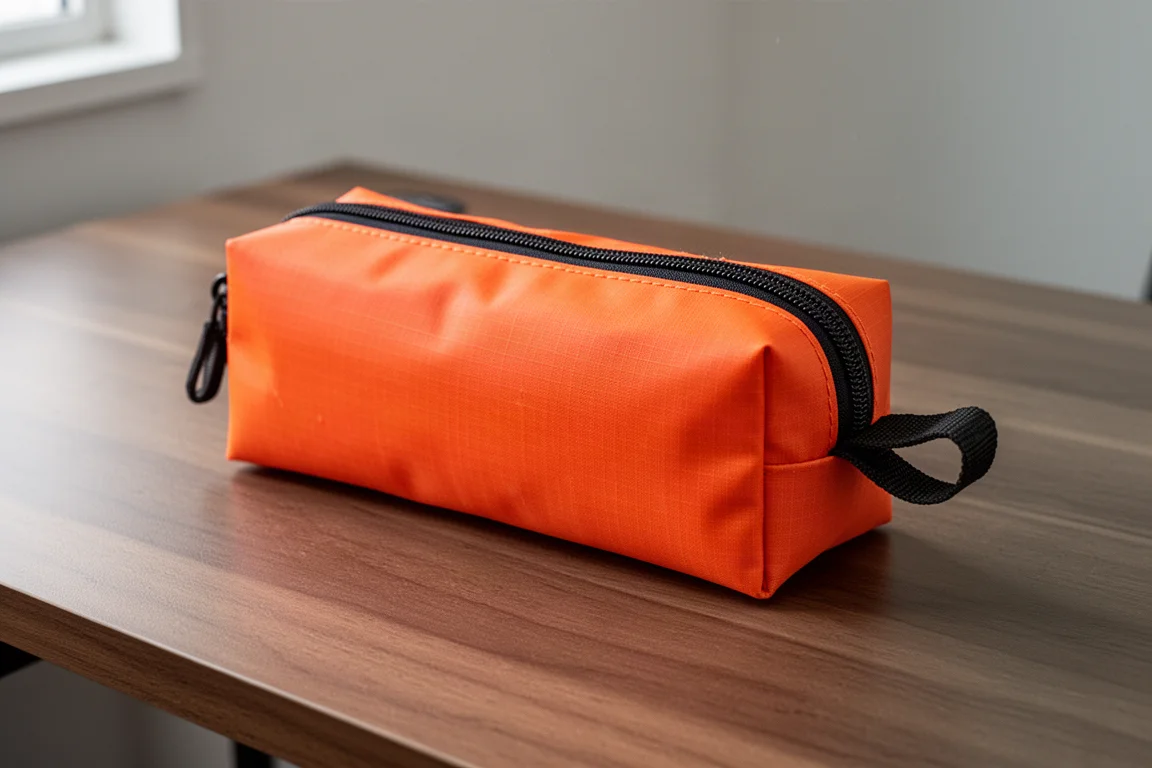
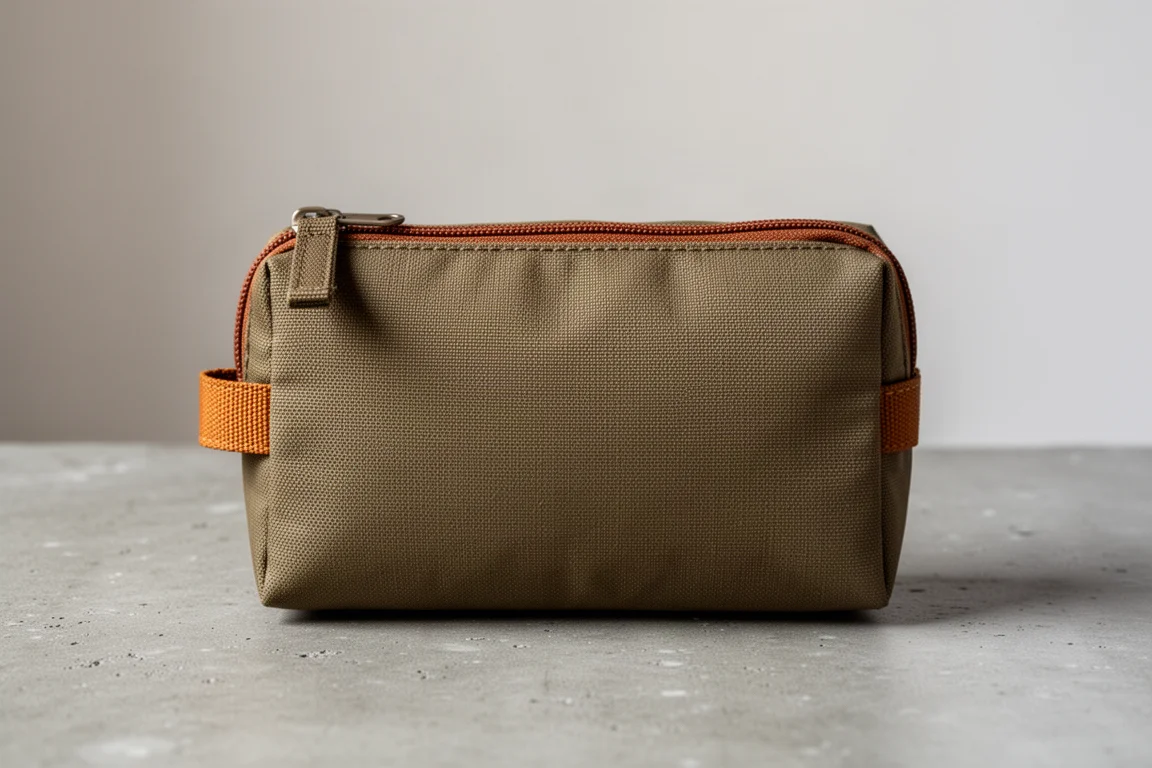
The one outside contender is the Topo Designs Micro Pouch, which was long hard to find but is now widely available in plenty of colors, including a handsome black-on-black version. It has a single lined zip pocket with a side zip rather than a top zip, is slightly taller and a little lighter than the Alpaca, and costs just 13 pounds or dollars. The 1000D nylon fabric is less rigid than X-Pac, so it packs out with a bit more room to spare. If you need extra capacity, this is the one to pick.
Conclusion
Version 2 of this pocket EDC kit is the result of six months of real use, and the changes all point the same way: less friction, no wasted space, and every item earning its carry. The Victorinox Compact and Rivon A8 stay in the pocket, the Nextool Mini Flagship fills the multitool gap convincingly, the Tow Version 2 adds a genuine lifeline for a dead phone battery, and the Alpaca Zip Pouch remains the best container for the rest. Pick the Mini Sailor Light if you would rather skip the blade, and the Topo Designs Micro Pouch if you need a little more room. For most people, though, this configuration is a very complete answer to the problems of an ordinary day out.
Further reading
Related Reviews

Everyday Carry
Everyday Gear That Deserved a Second Look
A roundup of solid everyday carry items: watches, pens, a pencil, a knife, and a smart ring that each earned a place on the table.

Everyday Carry
KORE Tactical Bifold Wallet Review: A Durable Everyday Carry Option
A close look at the KORE Tactical Bifold Wallet, a reinforced nylon wallet with magnetic closure and room for cards, cash, and IDs.

Everyday Carry
Krabby Wallet Review: A Slim, Simple Carry That Has Stood the Test of Time
A closer look at the Krabby Wallet, a slim canvas and elastic design with a loyal following and a simple, functional approach to everyday carry.