Smartwatches
Pixel Watch 5 GPS Test: How It Stacks Up Against Garmin, Apple, and Suunto
An early look at the Pixel Watch 5's bold GPS accuracy claim, tested in one of the hardest environments for satellite tracking: the streets of New York City.
Introduction
Google is making a bold statement with the Pixel Watch 5: that it can deliver GPS tracks more accurate than the Apple Watch Ultra 3 or the Garmin Fenix 8. That is a serious claim aimed at two of the most respected performers in the space, so it deserves scrutiny. Alongside the GPS story, the new watch brings a faster processor, AI-driven features, a new health monitoring tool, and a genuinely useful strength training workflow.
This piece covers everything new with the Pixel Watch 5 and compares its early GPS results against the Fenix 8 Pro, Apple Watch Ultra 3, and Suunto Vertical 2 in one of the toughest environments for satellite reception: dense city streets.
How the Pixel Watch 5 GPS Claim Works
All four of these watches use dual-band or multi-band GNSS chipsets, meaning they can access multiple satellite networks and multiple frequencies at once. That lets a device use more than one signal path and choose the strongest, most accurate signal. This matters most when something interferes with a clear view of the sky: tall buildings, rock faces, canyon walls, heavy tree cover, or even atmospheric conditions like thick cloud and thunderstorms.
Even with multi-band hardware, errors still creep in. Signals reflect off objects, the atmosphere distorts timing, and buildings block the sky. Google’s approach on the Pixel Watch 5 is to cross-reference GPS tracks against 3D models of the surrounding environment and use DGNSS reference data to correct some atmospheric errors. Notably, it does not snap tracks to map data like streets or trails. Map snapping can look tidy but sometimes forces your track onto a road you were never on. Instead, the watch looks for points that seem wrong based on the 3D environment, discards likely errors, and fills the gaps using built-in accelerometer and gyroscope data.

What Else Is New on the Pixel Watch 5
On the outside, the Pixel Watch 5 keeps the familiar shape and sizes, with a new Steph Curry edition wearing the special band style introduced with the Fitbit Ace. Inside, it is up to 20% faster than before, with a 12% CPU performance bump and 50% more RAM. No specific battery savings were announced, though the Pixel Watch 4 already delivered a bump last year.
The AI side is where most of the new software lives. Offline Gemini features handle basic tasks on the watch without connectivity, such as setting alarms, timers, and starting workouts. Proactive, context-aware suggestions can, for example, look up a contact’s number in a message thread and drop it into a quick reply, and some of this works one-handed through gesture controls. Generative watch faces let you request a themed design, such as a Spain theme or a pizza theme, and customize fonts. A new bedtime watch face shifts the interface to shades of red, which may be gentler on the eyes at night than blue-heavy light.
Sleep tracking also benefits from the latest algorithm updates rolled out across Fitbit and Pixel watches, with sleep tracking said to be about 15% more accurate than before.
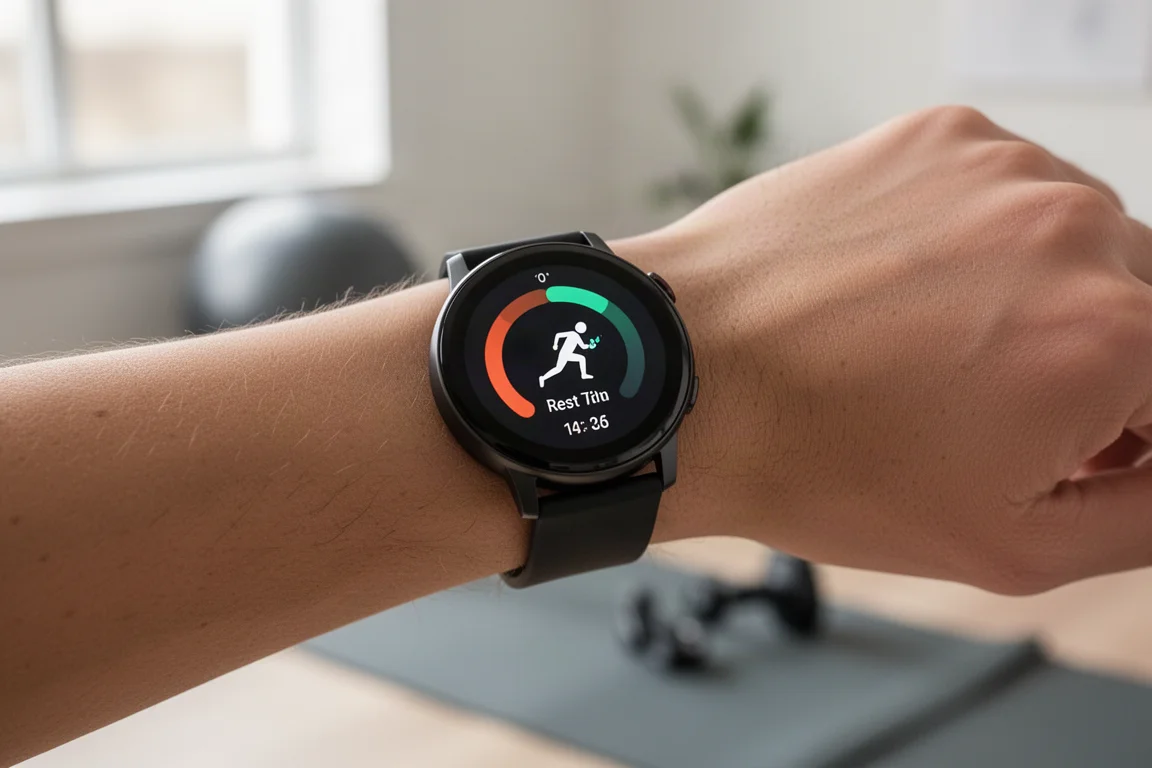
The new Health Guardian feature keeps an eye on health markers already being tracked in the background and notifies you if anything looks out of line, such as heart rate or breathing quality. It has the potential to go beyond Apple’s Vitals or Garmin’s Health Stats by tracking a broader set of markers and surfacing longer-term trends. On the workout side, the workout builder generates training sessions from your goals, such as a bodyweight session when a hotel has no gym. You can follow along in the app with steps, videos, and diagrams, or on the watch with audio cues, rest timers, and the ability to log reps and weight. Importantly, it does not count reps or recognize exercises in real time; it displays what the workout defines and lets you edit after each set. That is a reasonable trade-off, since automatic rep counting tends to be hit and miss on any wearable.
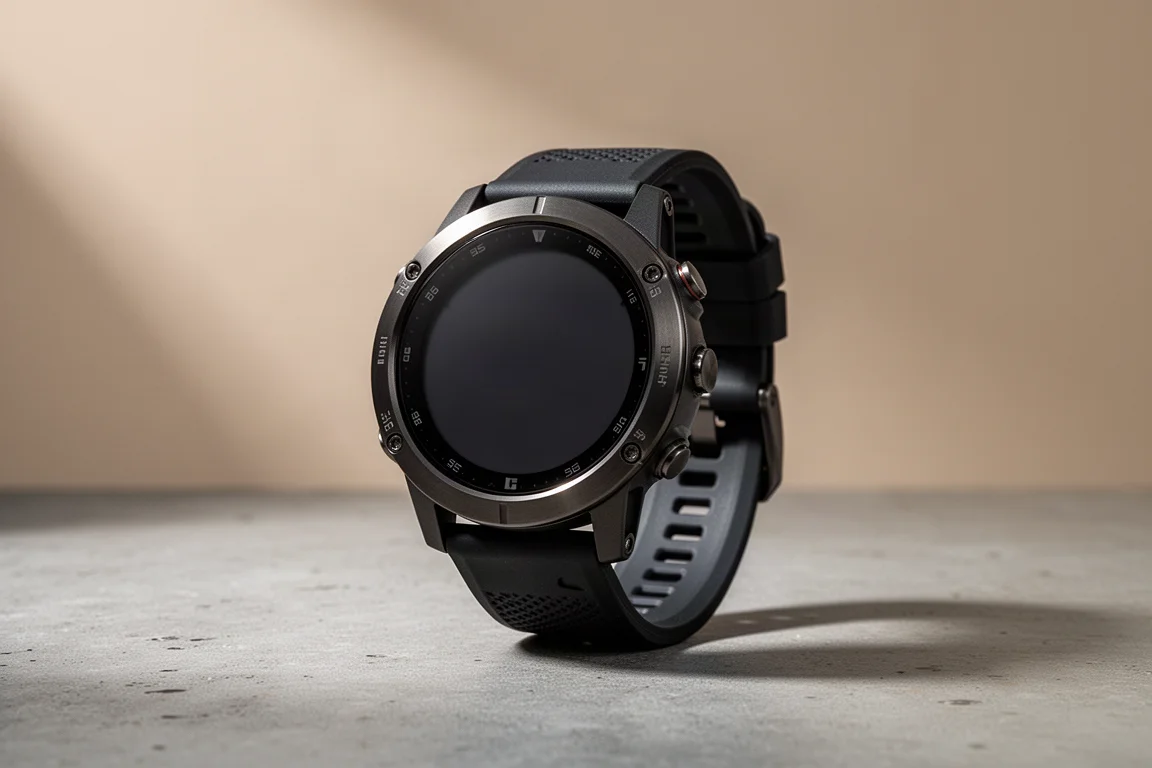
Garmin Fenix 8 Pro
The Fenix 8 Pro is a solid GPS performer and a natural benchmark for any accuracy claim. For these tests it was forced into full multi-band mode rather than its auto-select option, and run in its highest accuracy setting.
In the city runs it produced mostly strong tracks. It struggled in one tall-building section, drifting to the wrong side of the street, and crossed one crosswalk less cleanly than the others. On corners it was often the most accurate of the group, though it overshot one turn and cut in on another. In the densest two-tall-building corridor it sat just behind the best result. On the bike, it was one of several watches that performed without anything notably out of line.
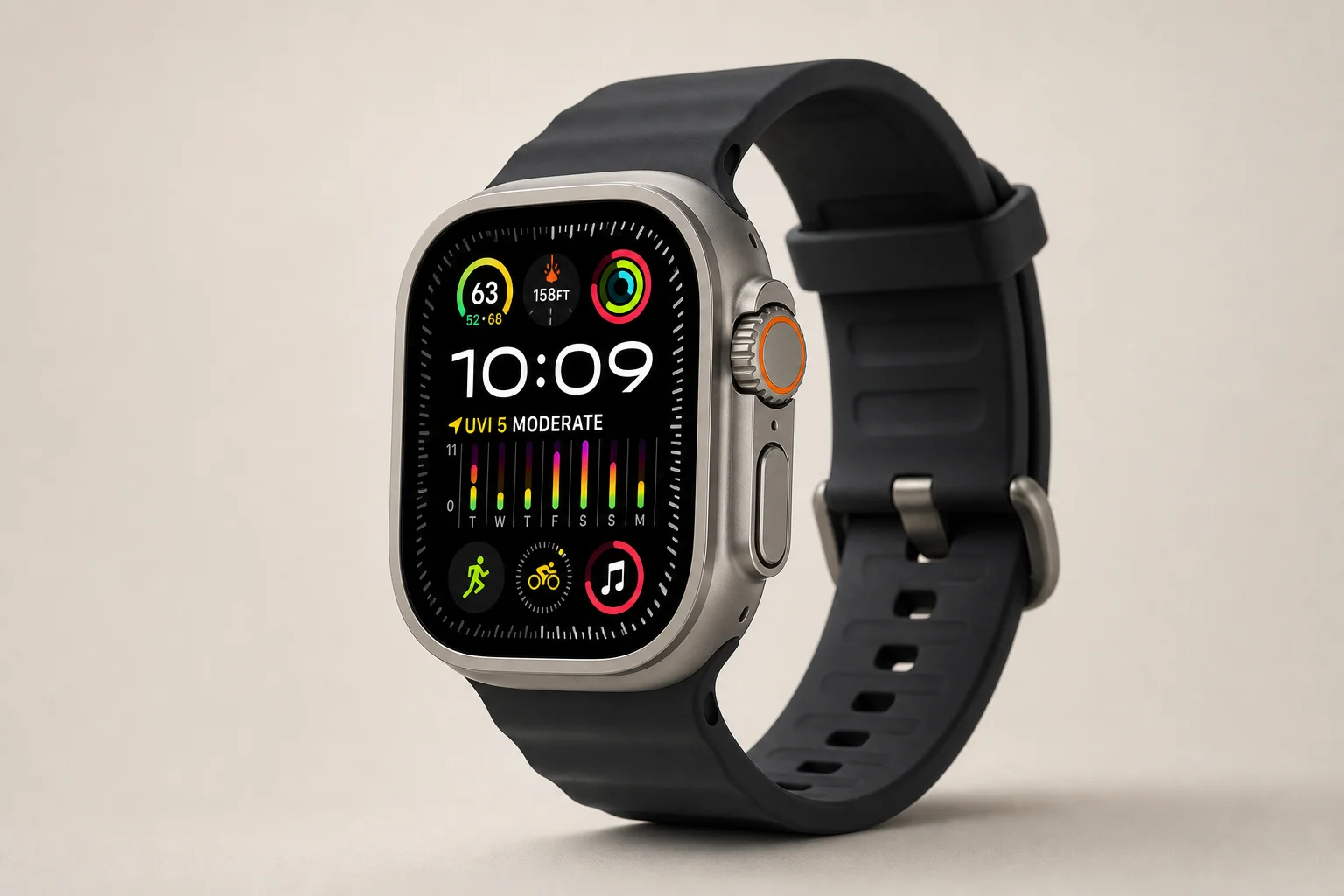
Apple Watch Ultra 3
The Apple Watch Ultra 3 had a mixed day in the city. Under canopies it wandered noticeably, and it drifted slightly on some corners, but in the hardest sections it often shone. In the corridor between two very tall buildings, where no watch tracked the exact path, the Ultra 3 looked like the best of the group, with the Fenix 8 Pro and the optimized Pixel Watch 5 close behind.
It was also strong in long satellite dead zones: after exiting a tunnel, its tracks were excellent, closely matching the optimized Pixel Watch 5 tracks. On the bike ride it delivered a solid, unremarkable-in-a-good-way result with nothing out of line.
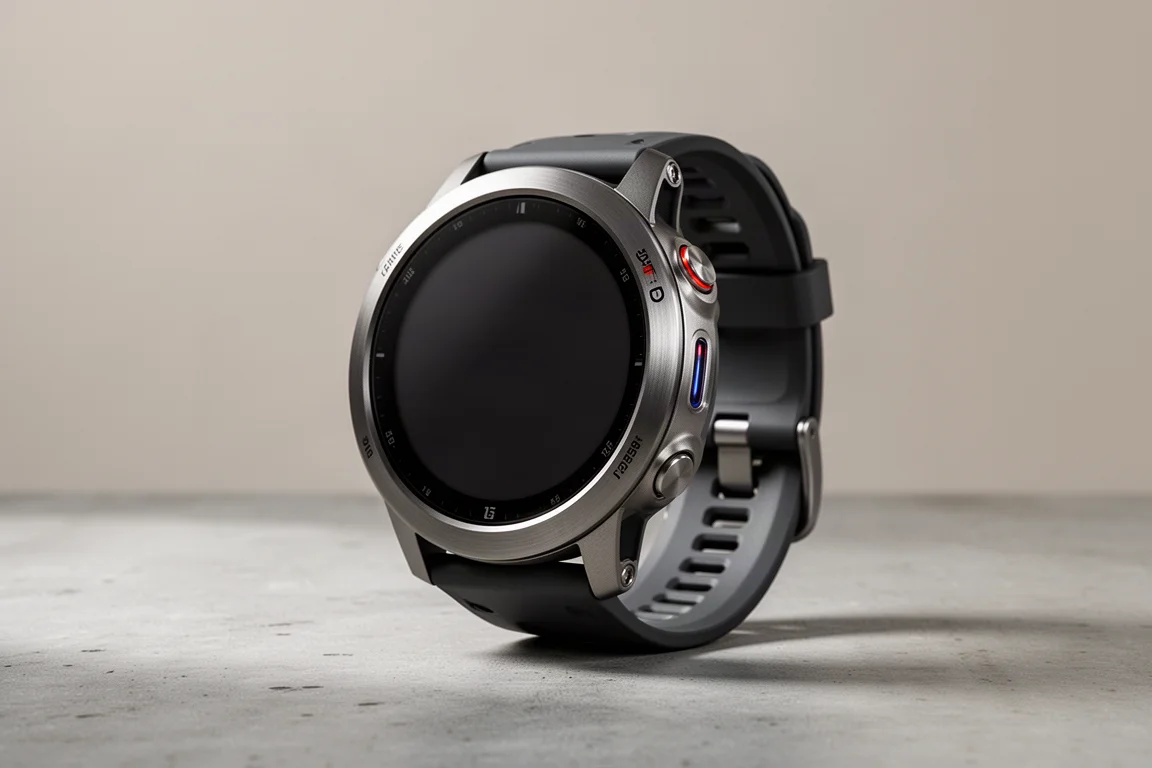
Suunto Vertical 2
The Suunto Vertical 2, also worn during the tests, had a mixed outing. Its standout moment came under canopies on the pier, where it and the optimized Pixel Watch 5 tracked the most accurate straight line while the others jogged to the right. On the waterfront and in open sections it was fine, as all watches were.
In the dense building sections it struggled more than the others, with tracks that got considerably off course in one crosswalk area. Like every device here, it shows how quickly urban canyons can degrade even good hardware. Its open-sky and canopy behavior suggests it is best suited to trail and outdoor use rather than dense downtown running.

What the Testing Showed
The tests covered two runs and a city bike ride, with all watches in their highest accuracy modes. The headline result: the optimized tracks from the Pixel Watch 5 were consistently among the best of the group, particularly in canopy sections and long satellite dead zones, where its corrected tracks hugged the actual path while the raw tracks veered off, sometimes dramatically.
The raw, pre-optimization tracks from the Pixel Watch 5 were hit and miss, occasionally drifting into water or streets. You will never see those raw tracks yourself; they were pulled specifically to illustrate the difference. One important caveat: all optimization happens after the activity syncs with the app, not on the watch during the activity. It also does not improve real-time pace or distance during a run or ride, though real-time pace typically improves a little each generation.
The cycling test, done on a city bike at moderate speed, showed all watches doing a decent job with nothing way out of line, and a clear difference between the raw and optimized Pixel Watch 5 tracks. High-speed cornering and natural terrain correction remain to be tested in the full review. Google says the error correction works with natural terrain as well as buildings.
Buying Advice
If GPS track accuracy in challenging environments is your priority, the Pixel Watch 5’s optimization is genuinely impressive and, thanks to its map and 3D data, something only Google can do right now. Just remember it corrects after the fact, and the new Health Guardian and workout builder features live in the Google Health app, so owners of previous Pixel Watches may benefit from some of them too. Those features also strengthen the case for the premium subscription, which already included training plans and easier nutrition and workout logging.
If you want proven multi-band performance with strong corner tracking, the Fenix 8 Pro remains excellent. The Ultra 3 is the pick for resilience in the worst signal conditions, and the Vertical 2 makes sense for riders and runners who spend more time under open sky than between skyscrapers.
Conclusion
The Pixel Watch 5’s GPS claim holds up surprisingly well in early testing. Its optimized tracks were easily some of the best produced by any device in a genuinely brutal environment, even if the raw data underneath needed plenty of correction. Add meaningful software upgrades across sleep, health monitoring, and strength training, and this is a compelling update. A full in-depth review will follow with longer-term testing on battery, high-speed GPS, and natural terrain accuracy.
Further reading
Related Reviews
Smartwatches
Best Budget Smartwatches 2026: Five Affordable Options That Actually Work
Five budget smartwatches tested for real daily use. From entry-level options to premium features at fraction of the cost, here's what actually delivers.
Smartwatches
Best Smartwatches on AliExpress 2026: Five Practical Options for Different Needs
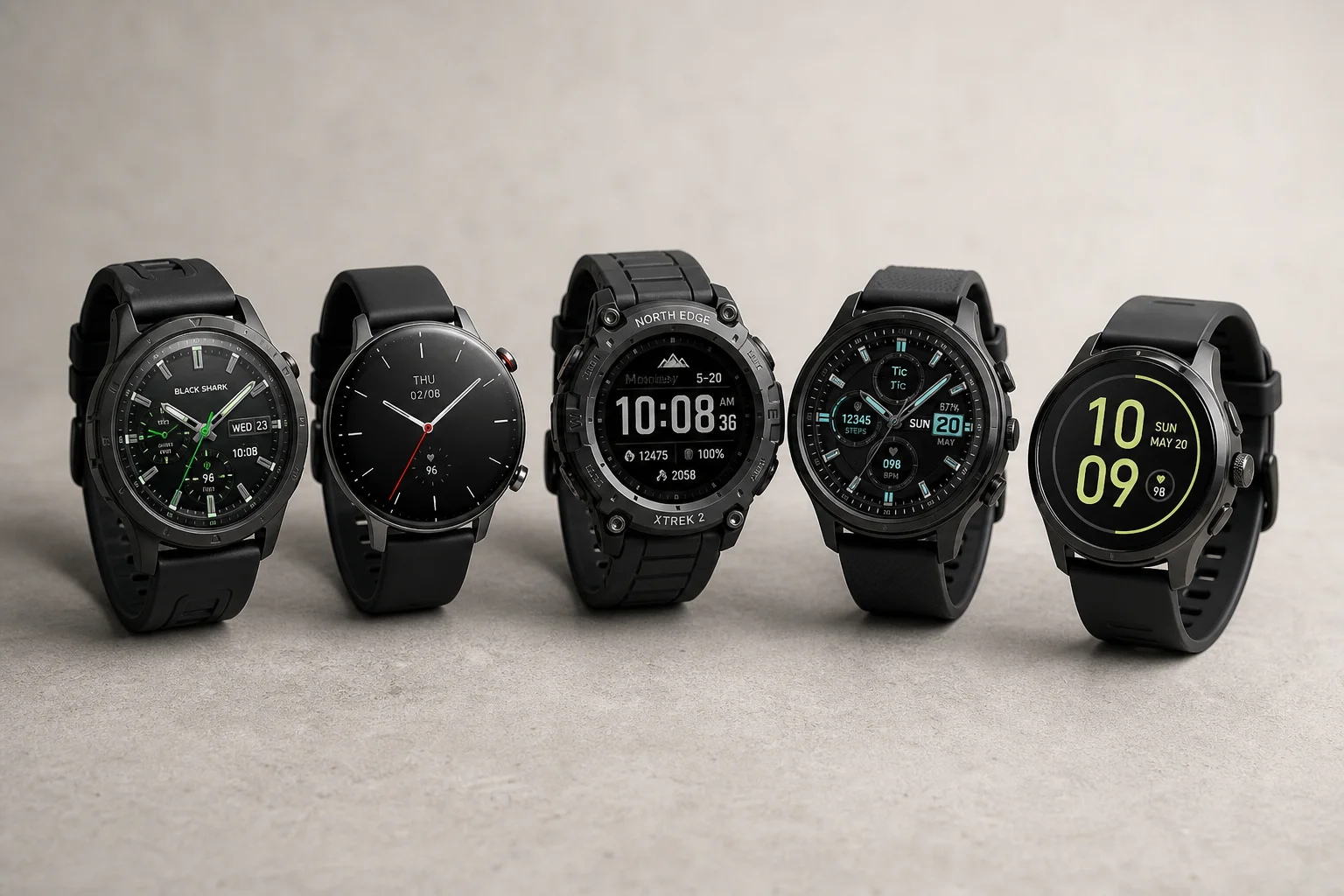
Five smartwatches with strong customer feedback and competitive pricing, each suited to different priorities: premium design, battery life, outdoor durability, advanced health tracking, and sports versatility.
Smartwatches
Best Smartwatches Under $300: 9 Practical Options for Every Need
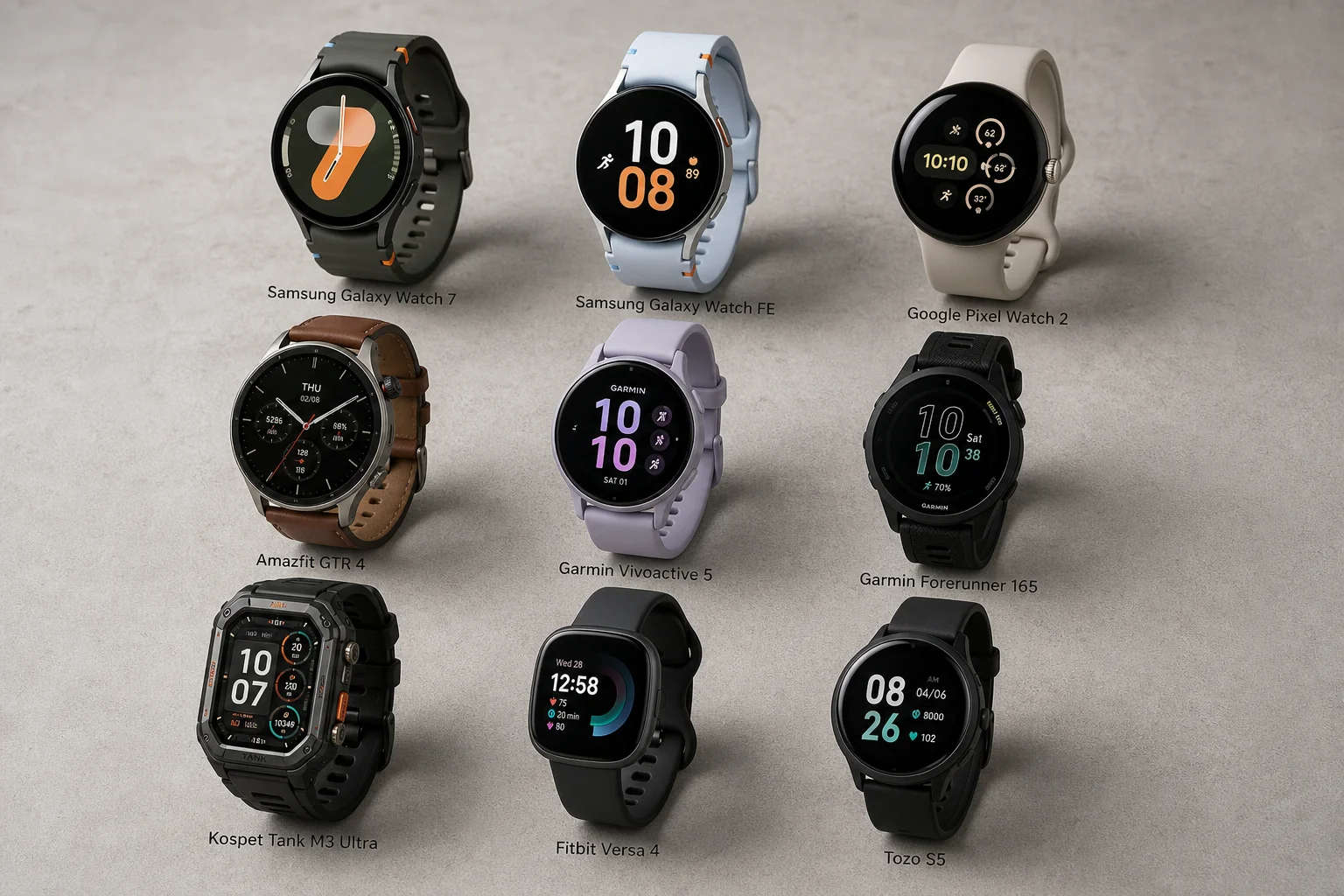
A curated selection of nine smartwatches under $300, each excelling in health tracking, durability, battery life, or fitness features. Find the right match for your lifestyle.