Gravel Bikes
Pivot LES SL Review: A Drop-Bar Hardtail for Ultra Gravel Racing
A hardtail mountain bike frame built with drop bars, a 100mm fork and wide slick tires for a 350-mile gravel race. How the Pivot LES SL setup works and who it suits.
Introduction
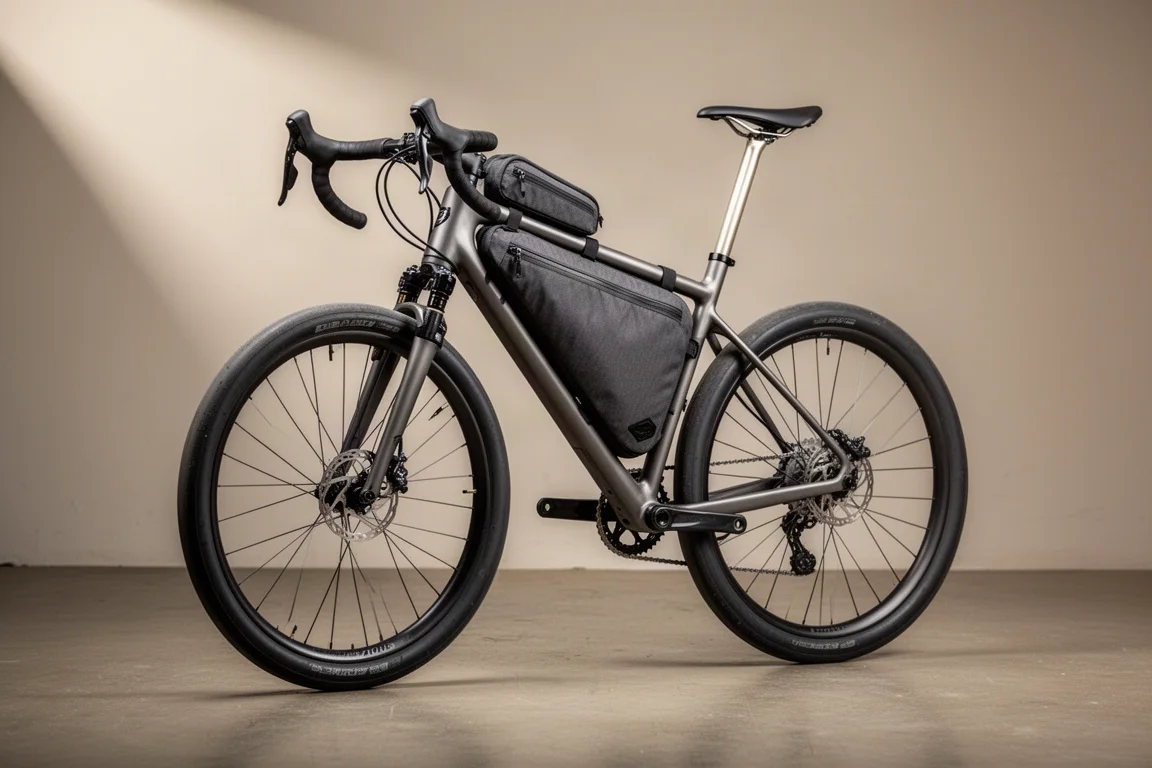
Ultra-distance gravel racing rewards setups that keep working when a ride stretches past 300 miles. That usually means trading a little outright speed for durability, comfort and clearance. The build at the centre of this article takes that idea further than most: a Pivot LES SL hardtail mountain bike frame, fitted with drop bars, a 100mm suspension fork and the widest tires that will fit.
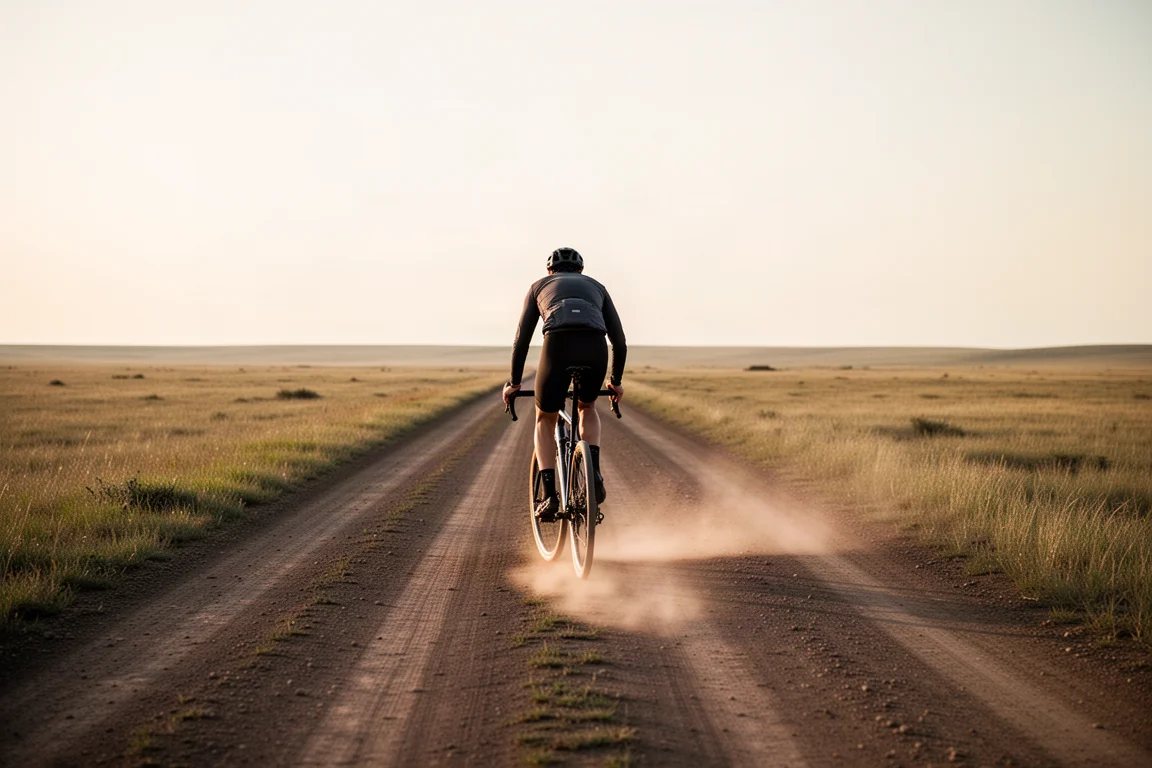
The target is Unbound XL, a roughly 350-mile self-supported race across Kansas. The surface runs from fast dirt to chunky rock, and in a wet year it turns into peanut-butter mud that cakes onto tires and jams frames solid. The LES SL was chosen because it has answers to both problems.
Below is a look at how the setup works, where it shines, and what to weigh before building something similar.
Who This Setup Is For
This is a setup for riders whose main goal is finishing long, rough, self-supported gravel events rather than winning short, fast ones.
It tends to suit:
- Riders who race ultra-distance gravel, overnight events or multi-day routes where surfaces are rough and unpredictable.
- Riders who have run out of tire clearance on a conventional gravel bike in wet conditions.
- Riders who want suspension for hand comfort and descending confidence across a full day and night in the saddle.
- Riders who are happy to build up a frameset, since drop-bar hardtail builds are rarely sold complete.
It is a harder sell for anyone who wants the lightest, most aerodynamic gravel race bike for shorter events, or who rides a lot of tight, technical singletrack. The long wheelbase and slack front end that make this bike calm at speed also make it less eager in tight corners.
Why a Hardtail Frame Makes Sense Here
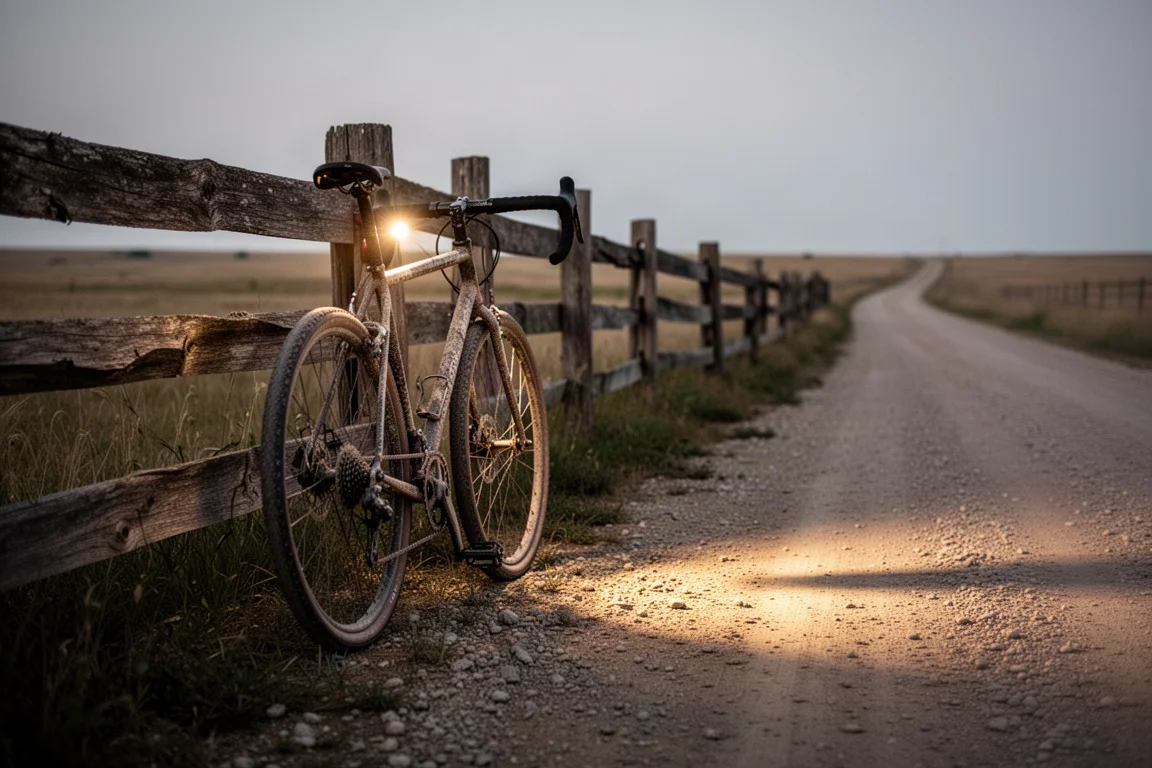
The central argument is clearance. A gravel frame that officially accepts 50mm tires usually has only a few millimetres of margin, and margin is exactly what disappears when mud starts sticking. A hardtail frame designed around 2.4-inch mountain bike tires leaves a much larger gap. This build runs 2-inch tires and still has plenty of space around them, and 2.4-inch tires have been used with room to spare.
That extra space is what keeps a bike rolling when the mud arrives, and it is also what allows a wide, high-volume tire on rough terrain without worrying about the frame packing up.
The second argument is the fork. A 40mm gravel suspension fork was used at a long European gravel race and described as a game changer, with hands that were no longer numb afterwards and descents that could be ridden faster with more confidence. On the LES SL, that fork is not an option: the frame is designed around a 100mm fork, and fitting a much shorter one would steepen the head tube angle noticeably. So the build keeps 100mm of travel and plans to run as many volume spacers as possible, which allows a lower air pressure with a more progressive feel, closer to the behaviour of a short-travel gravel fork.
The fork on the bike is an older lightweight cross-country unit. It is a little heavier than current hardware but still works well, and it was kept deliberately so that a muddy race does not destroy a newer fork. There is a practical bonus too: 100mm forks have fallen out of fashion in mountain biking, so they can be found at reasonable prices.
Cockpit, Fit, and Handling
Putting drop bars on a frame designed for flat bars creates a fit problem. Drop bars extend reach, and mountain bike frames already run longer reach because they are built around flat bars. The answer here was to downsize the frame and fit a 35mm stem, which is about as short as stems get.
The bars are 40cm wide with a 12mm flare. That is noticeably narrower than the 46cm stock width that is typical for a rider around 188cm tall. Part of the reasoning is aerodynamic, and part is simply control: a small amount of flare keeps the drops usable without making the stance feel wide and ungainly.
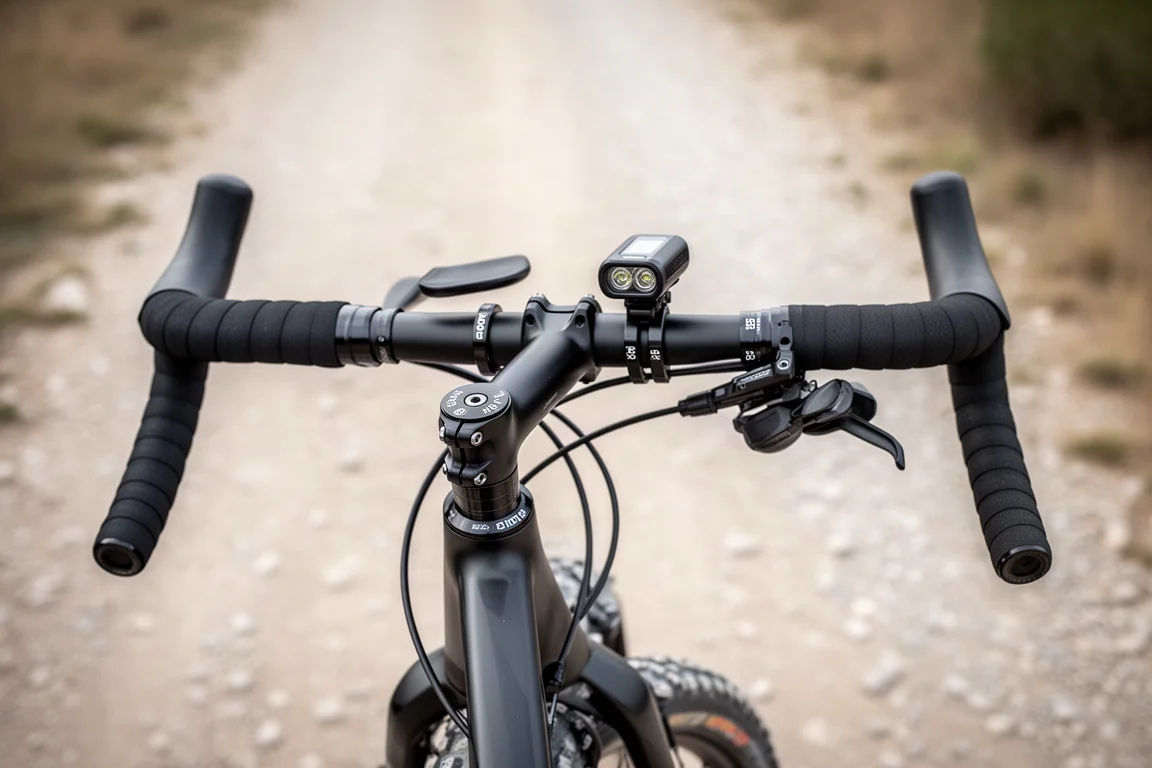
Clip-on aero bars are fitted with 10mm of spacers. Aerodynamics matter, but the bigger benefit over a race this long is a change of hand position. Even with suspension, hours of pressure through the hands add up, and the aero bars provide somewhere to rest.
Bar tape is a thick silicone wrap with no adhesive backing, which makes it comfortable and easy to wrap and rewrap. Shifters are SRAM Force, with the hoods tilted slightly inward, roughly in line with the drops. Braking matters more than the last fraction of aerodynamic gain, so the hoods are not rotated as far inward as some riders run them.
At the back, a 450mm alloy seat post rises well out of the sloping top tube. A post that long flexes noticeably, which adds comfort on rough ground over a long day. The critical detail with a post this long is insertion depth: the inserted section has to pass the junction of the top tube and seat tube to protect the frame.
On the road, the bike is long and slack. Out of the saddle it feels floppy for the first few seconds, then normal. It is stable at speed on straight, chunky roads and less snappy than a gravel bike in tight singletrack, which is a trade that makes sense for a course made up of long, rough straight lines.
Wheels, Tires, and Gearing
The wheels are Maple XR, a small New England brand, with a 29mm internal width and boost spacing. They are the same wheels used on the rider’s full-suspension race bike, so they are proven under race conditions.
Tires are Vittoria Terreno Zero in a nominal 2-inch size, which measures closer to 2.15 on the wide rims. They are the slickest gravel tire in that range, with a broad slick centre and a small amount of shoulder tread. The casing and sidewall are among the thickest available, and durability is the first priority for this kind of racing. Vittoria Airliner gravel inserts are fitted inside.
Slicks on gravel can look like a mistake, but the reasoning is contact patch. When rocks are large enough, tread does not dig into anything useful, and a wide tire at low pressure puts more rubber on the ground. Slicks also give mud the least surface area to cling to, which matters when conditions turn wet.
Gearing is built around a 42-tooth chainring, well above the 38-tooth maximum the frame officially fits. Garbaruk produces a 42T chainring in a 104 BCD pattern with a 0mm offset, and the range in that bolt pattern extends up to 48T. The crank is a SRAM XX SL, chosen not for weight but because it keeps a 168mm Q factor while running a 55mm chainline. With 2.5mm of spacers on the drive side, the crank sits about half a millimetre to the right and the chainring just clears the frame. Top speed at Unbound XL has been 35 mph on both attempts, and a 42x10 top gear covers that at around 100 to 110 rpm.
Sealant is another place where a small spend can buy real performance. The setup uses a custom high-latex blend from a small California maker. It seals well but may only last about a week, which is fine when it is loaded shortly before a target event. Standard sealant seals better than endurance formulas, so fresh high-latex sealant is a cheap way to improve puncture protection before a big race.
Bags, Hydration, and Self-Sufficiency
Carrying enough water is the hardest part of a self-supported race, and the bag setup is built around that problem.
A 3L Tailfin top tube bag carries food, a battery pack, a spare AXS battery, chain lube and CO2 cartridges. Movable dividers inside create separate compartments so items stay findable. A 2.9L Tailfin wedge frame bag holds a hydration bladder, which still leaves room for a 600ml bottle on the down tube and a 900ml bottle on the seat tube. The target is at least five litres of water in total, possibly six.
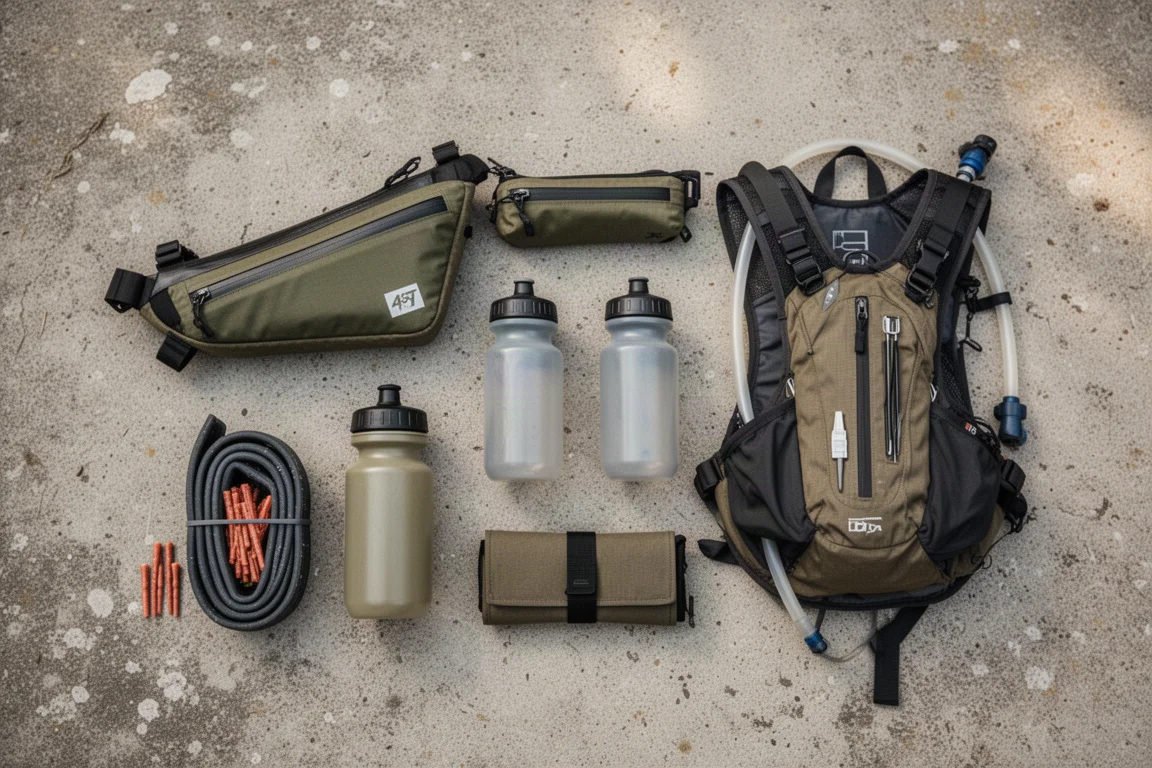
On the rider’s back is a USWE Rush 8L pack, which will take a 3L bladder and has pockets on the front for spares. For most races, the smaller USWE Outlander Pro 2L is the usual choice.
Pocket discipline matters as much as capacity. Wrappers go in the left pocket, while a CO2 cartridge, a tire plug and cash live in the right pocket. Keeping cash and a card on the body avoids the frustration of reaching a gas station and realising everything is buried in a bag.
The race plan leans on that capacity: early gas station stops are chaotic, so the aim is to carry enough to ride past them.
Things to Consider Before Buying
- Weight and speed. A drop-bar hardtail is heavier and less aerodynamic than a dedicated gravel race bike. It makes that up in comfort, stability and clearance, not in outright pace.
- Sizing. Drop bars extend reach, so a frame that fits with flat bars may be too long with drops. Expect to size down and to run a very short stem.
- Fork travel. The frame is designed around a 100mm fork. A 40mm or 50mm gravel fork would change the geometry significantly and is not a sensible swap.
- Frame availability. Hardtail frames sold as complete drop-bar builds are uncommon, so most riders will be building from a frameset.
- Build complexity. Mixed drivetrains and hydraulic brakes take some mechanical confidence, though the swap is more approachable than it sounds once the parts are chosen.
- Mud and maintenance. Wide clearance is the whole point of the build, but a wet race is still hard on bearings, brake pads and drivetrains.
Buying Advice
If your events are long, rough and frequently wet, a drop-bar hardtail deserves a place on your shortlist. The LES SL works here because it gives you tire clearance to spare, a fork with the travel the frame was designed around, and a stable platform for straight, chunky roads.
Before buying, decide what you actually need. Riders who mostly race fast, dry, 100-mile gravel events will be better served by a conventional gravel bike. Riders who sign up for overnight races and self-supported routes will get more value from clearance, comfort and water capacity than from a lighter frame.
Budget for the whole system rather than the frame alone. Bags, lighting, a hydration pack and a second set of tires add up quickly, and they are what make a long race workable. The fastest setup is not the one that looks best on paper. It is the one that gets you to the finish with the least drama.
Conclusion
The Pivot LES SL makes a convincing case for the drop-bar hardtail as a serious ultra-gravel tool. It trades some speed and sharpness for clearance, stability and comfort, and those are the qualities that decide how a 350-mile race goes. For riders whose calendar is built around long, rough, self-supported events, this is a setup worth understanding before the next bike purchase.
Product link
View more details for Pivot LES SL
This product is mentioned in the review. Check the specifications, options, and compatibility before buying.
View more details for Pivot LES SLFurther reading
Related Reviews
Gravel Bikes
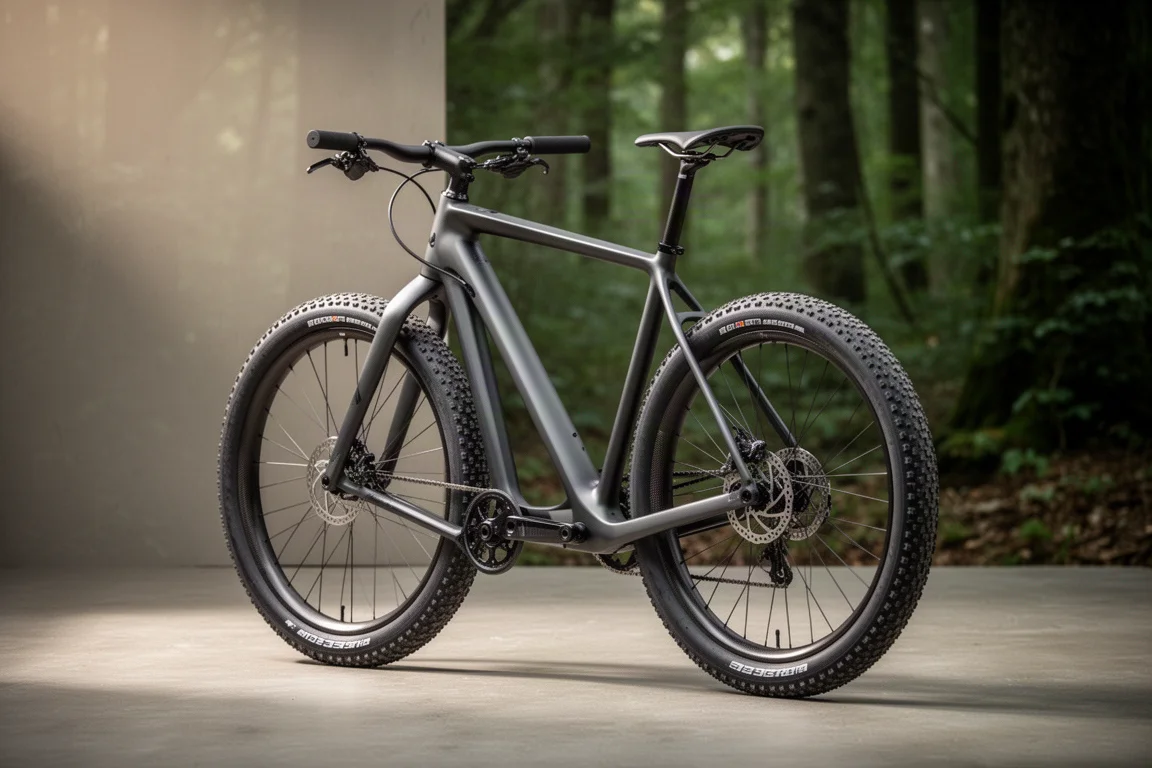
3T Exploro Ultra Review: A Fast Gravel Bike Built for Big Tyres
A close look at the 3T Exploro Ultra, an aero carbon gravel bike designed around wide tyres, with road-like handling, a 980 g frame and genuine rough-terrain capability.
Gravel Bikes
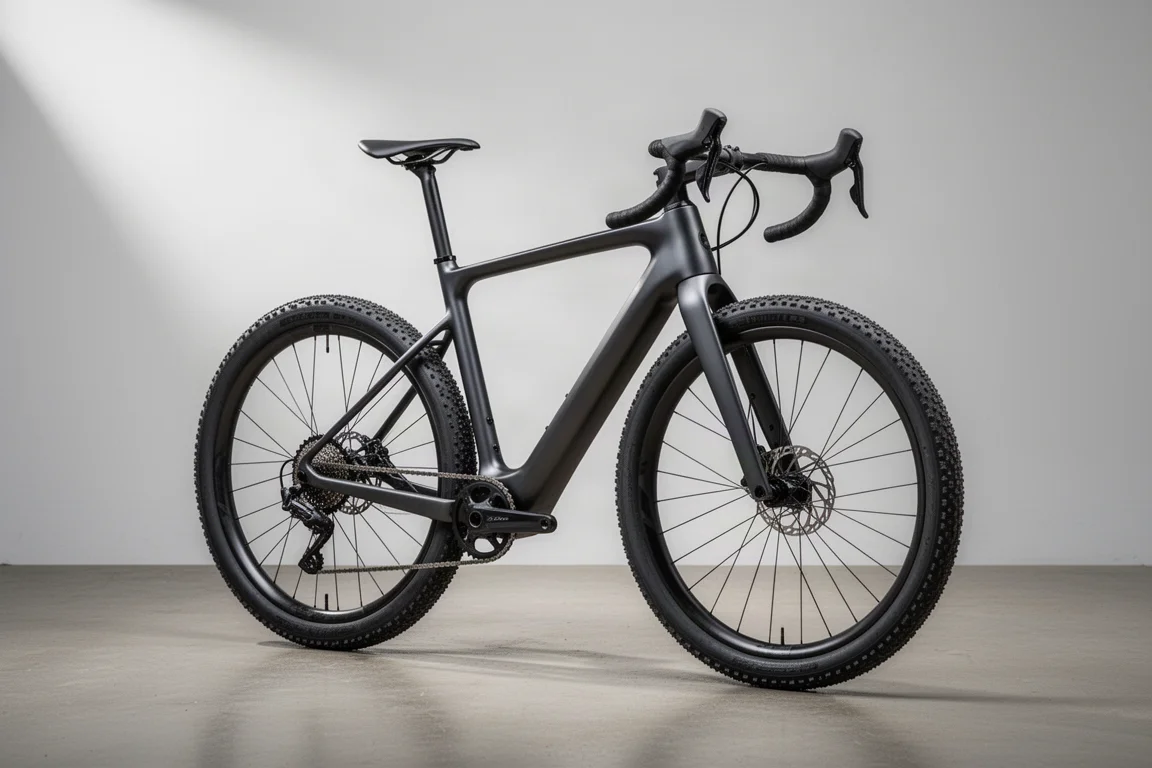
3T Extrema Italia Review: Aero Gravel Speed With Room for 57 mm Tires
The 3T Extrema Italia pairs an aero frame with huge tire clearance, Italian-made carbon and a more comfortable ride than the RaceMax. Here is what to know before buying.
Gravel Bikes
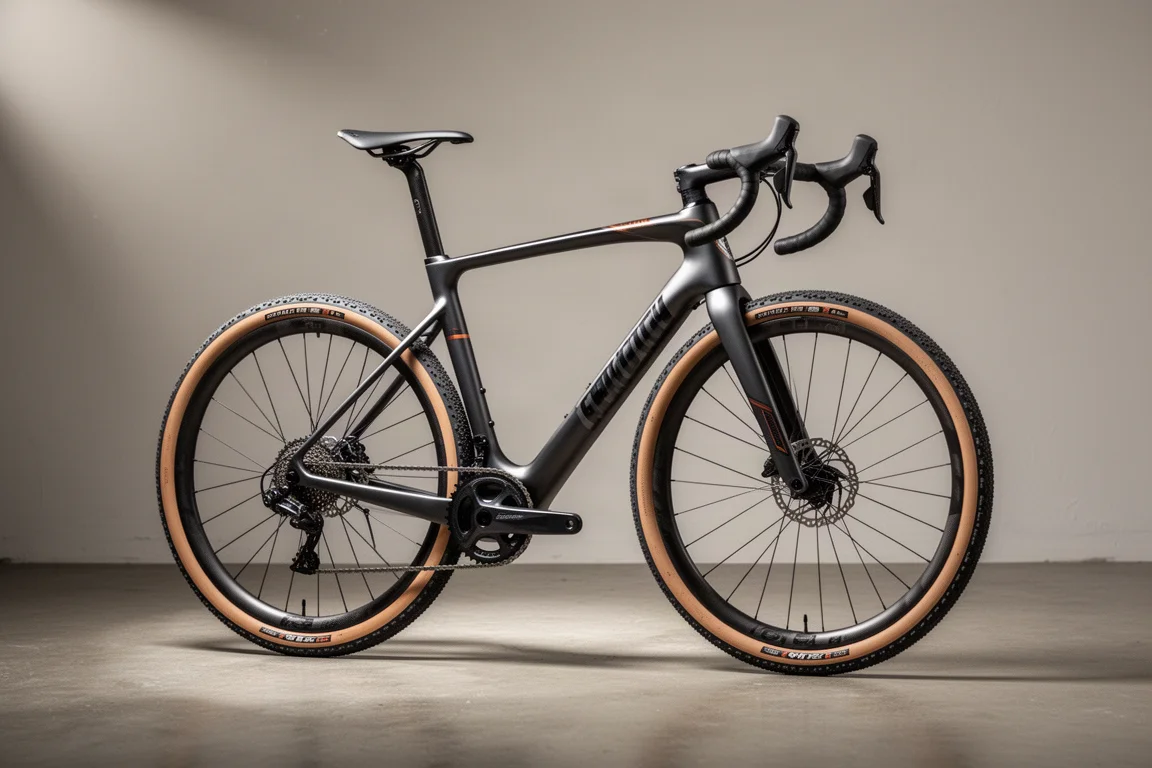
3T Race Max 2 Italia Review: An Aero Gravel Race Bike Made in Italy
A closer look at the second-generation 3T Race Max 2 Italia, covering its aero updates, ride character, tire clearance, internal storage and who it suits.