Hand Tools
Pittsburgh vs Snap-on Indexing Head Ratchets: When the Budget Tool Makes Sense
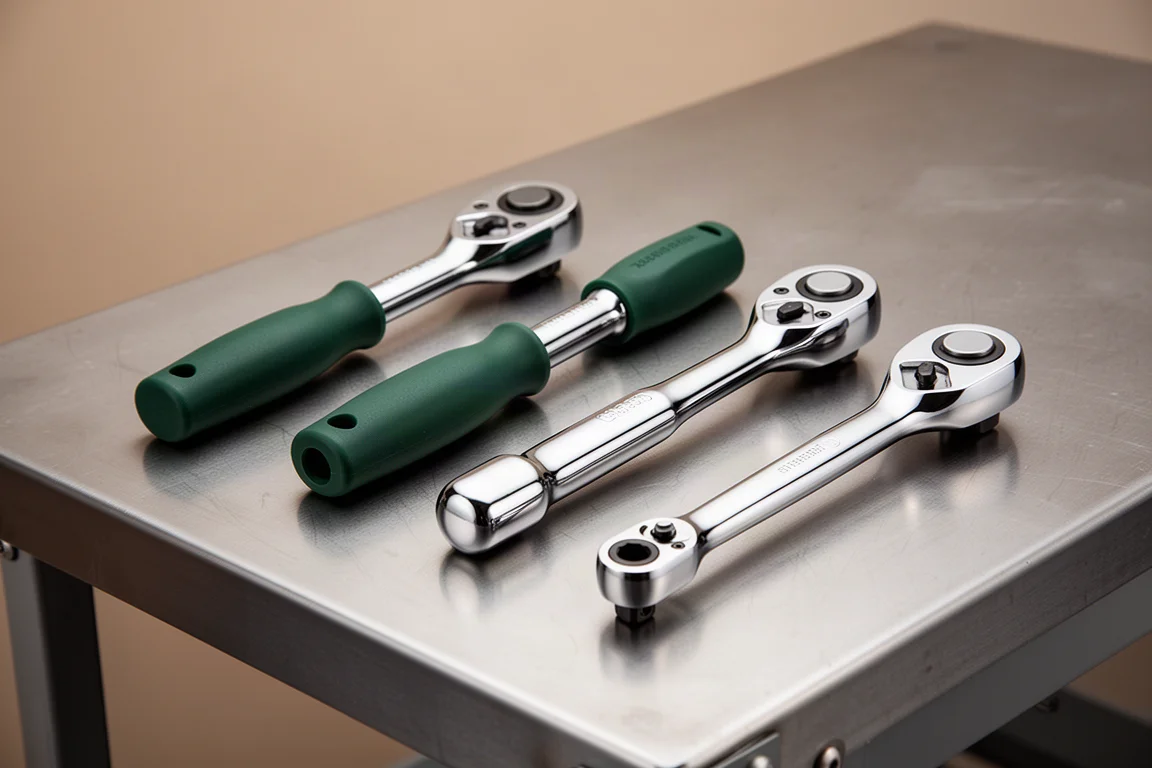
Four indexing and swivel head ratchets compared, from Harbor Freight's $19.99 Pittsburgh to premium Snap-on equivalents, and how to decide which one you actually need.
Introduction
Indexing head ratchets have always been a bit of a specialty purchase. Harbor Freight’s Pittsburgh line now covers them at budget prices, including a new 1/4 in version, while Snap-on’s equivalents sit at ten times the cost or more. Here is how the two approaches compare and who each one is really for.
What an Indexing Head Ratchet Actually Does
The core idea is simple: the head of the ratchet pivots through a full 360 degrees and locks into place at whatever angle you need. That lets you reach fasteners in spots a conventional ratchet simply cannot access, or use it like a spinner to break something loose before finishing with full ratcheting action.
Because the head swivels and locks, these are not high-torque tools. Anyone who uses one regularly tends to describe it the same way: when you need it, you really need it, but you may not need it very often. Both budget and premium versions here carry lifetime warranties, which softens the risk either way.
Pittsburgh 1/4 in Indexing Head Ratchet
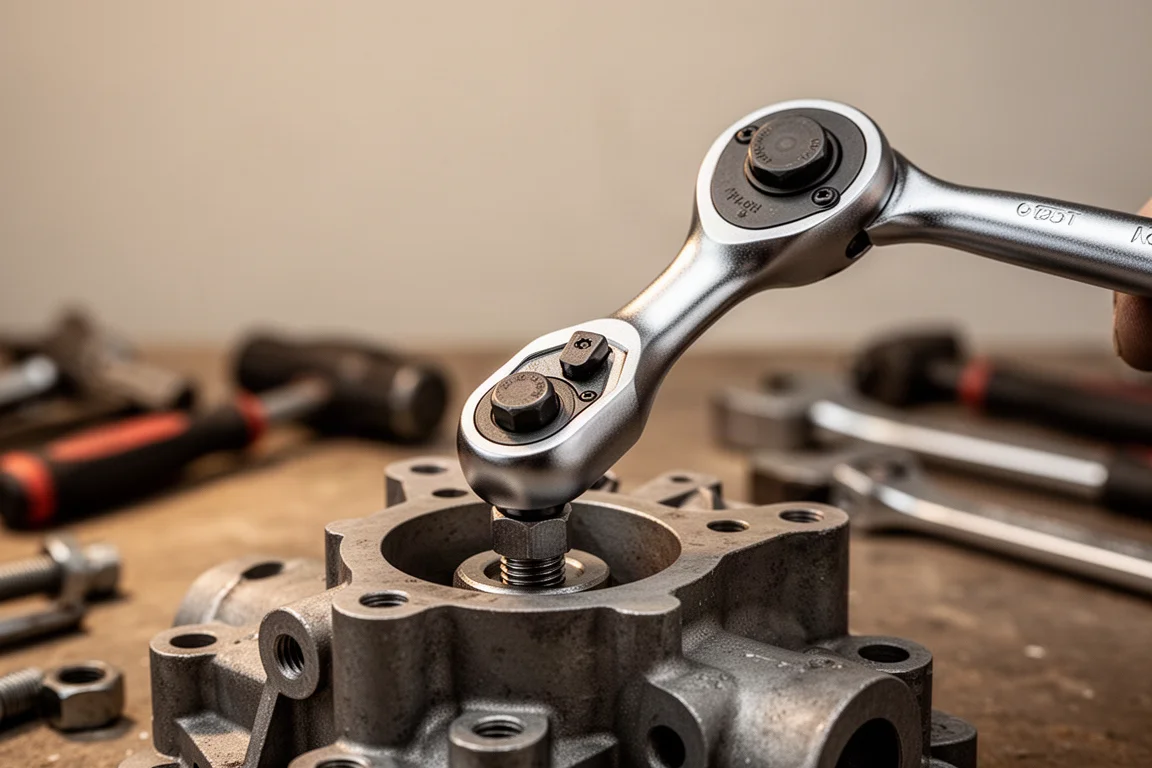
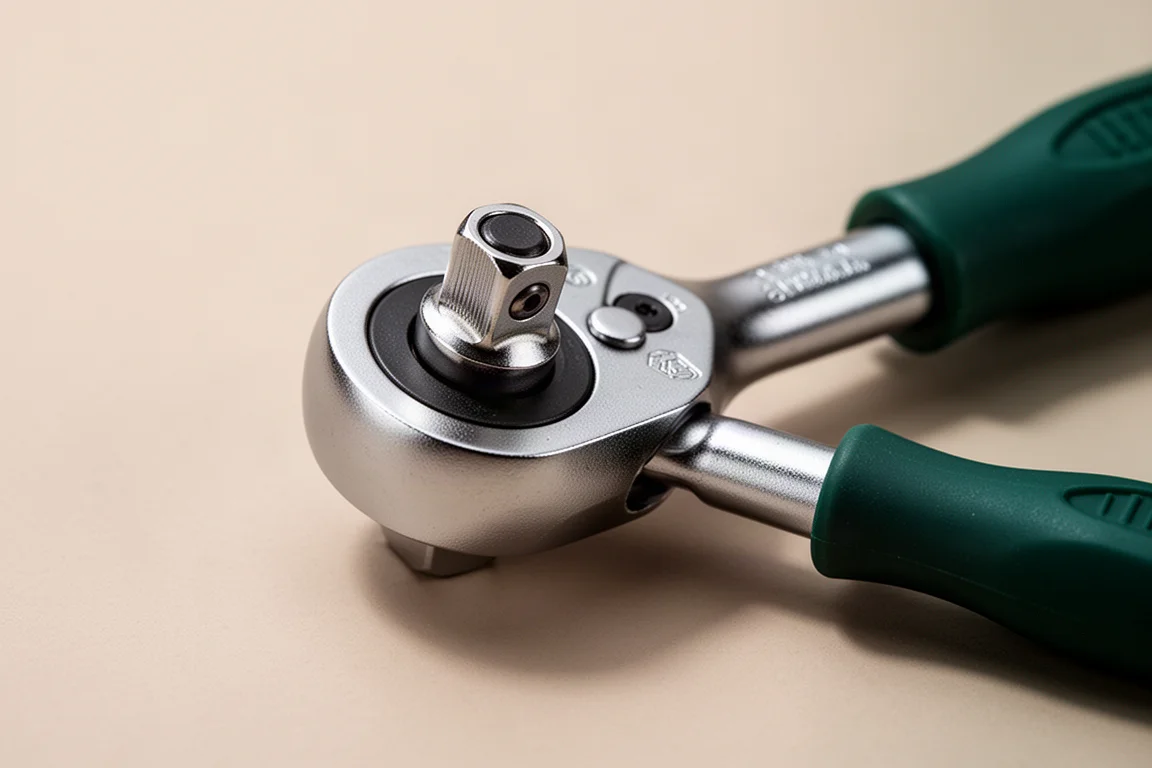
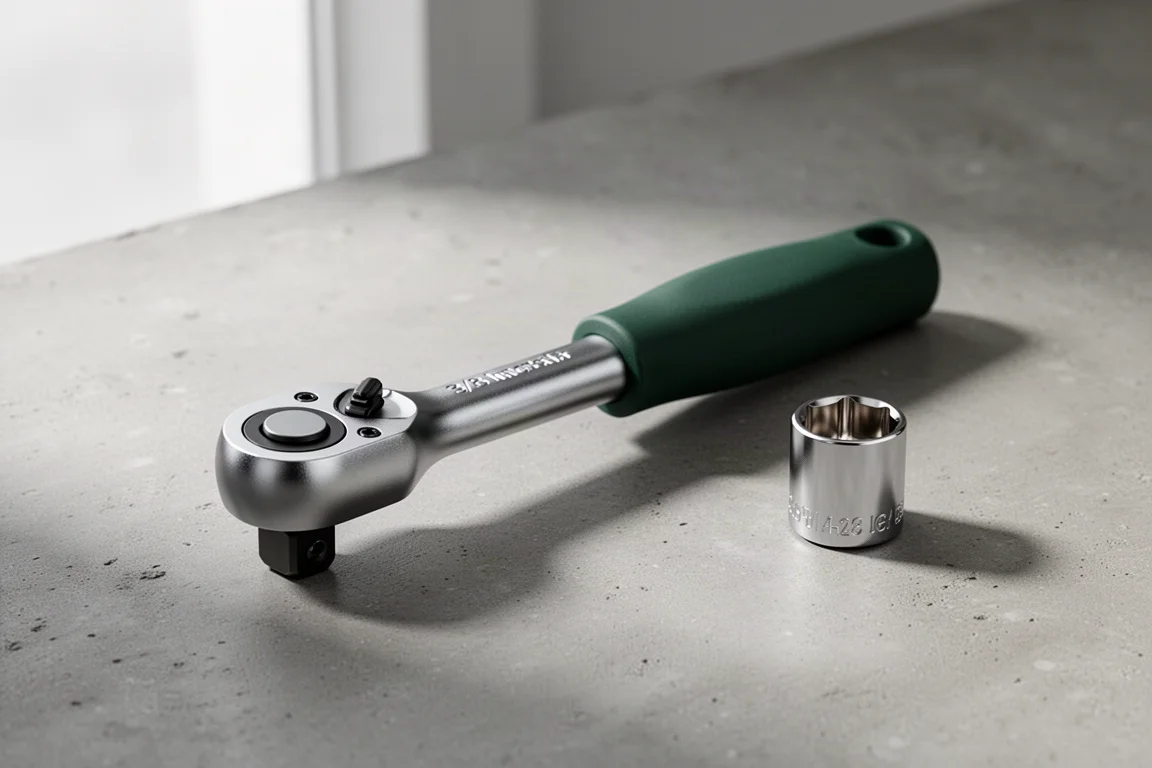
Pittsburgh finally went down to 1/4 in with its indexing head design, part number 71378, sold at Harbor Freight for $19.99. It is a chrome vanadium tool with a fairly simple mechanism, finished in the line’s familiar green. A quick-release collar holds bits and sockets reasonably tight.
One honest caveat: this head mechanism feels noticeably weaker than the Snap-on equivalent. With smaller, more intricate tools there is less extra material to keep things from coming apart, so precision matters more, and that is where the premium option has always excelled. Still, at this price it is an approachable way to find out whether you ever actually reach for this kind of tool.
Pittsburgh 3/8 in Indexing Head Ratchet
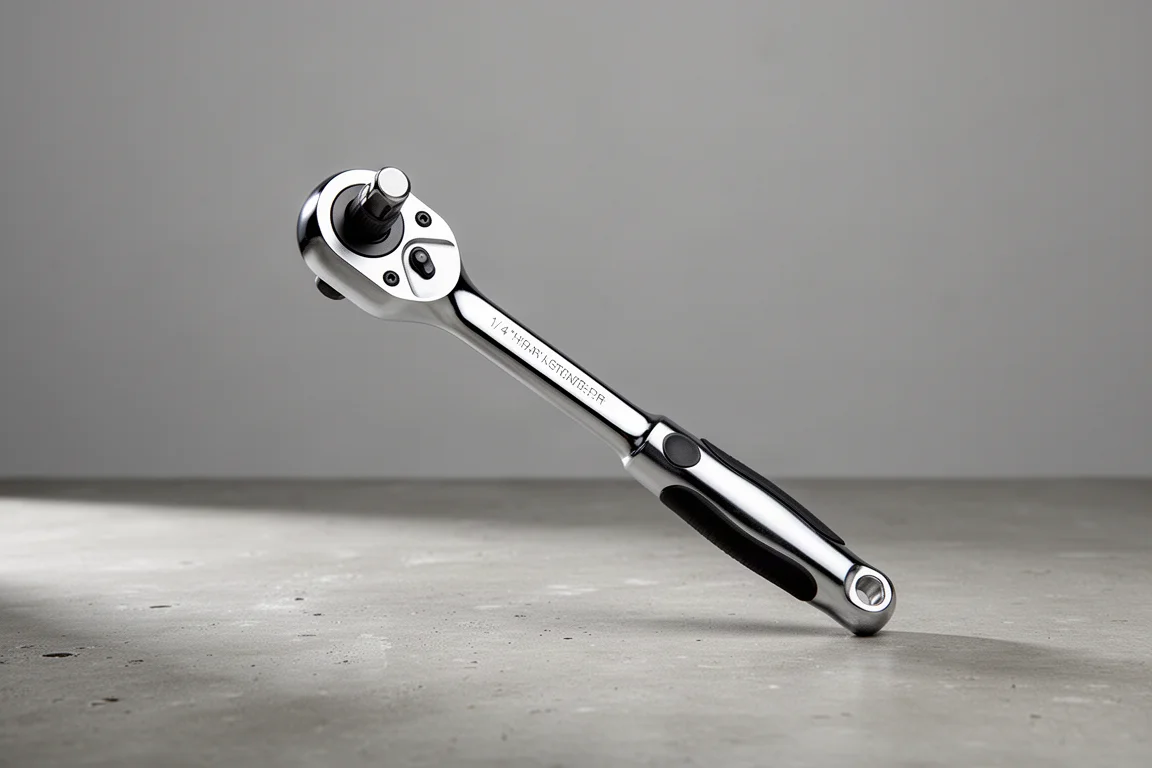
Pittsburgh also offers the indexing head design in 3/8 in drive, and it uses a much bigger mechanism than the 1/4 in version. One 3/8 in example was even cut down as an experiment to see how a smaller indexing head ratchet would behave, and it worked out fairly well.
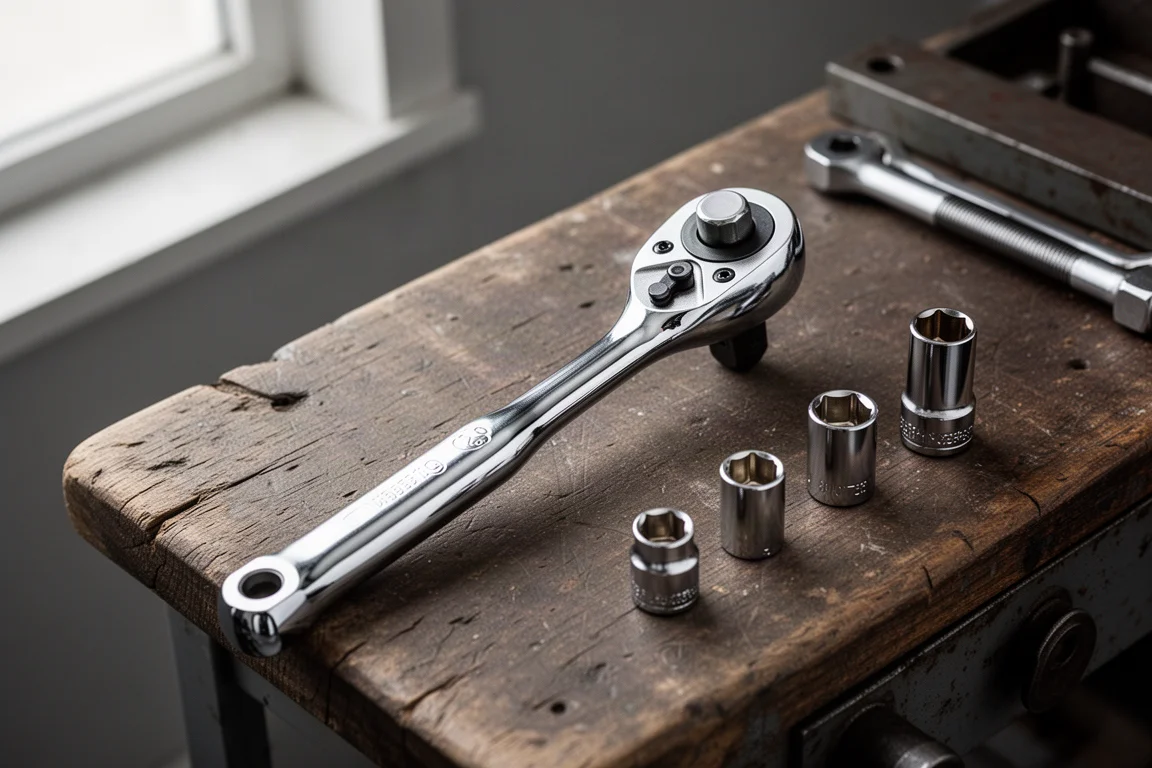
The 3/8 in indexing head also illustrates the trade-off in reverse: the bigger mechanism handles more, but the same simple internal design means the premium alternative still feels more solid in the head. For occasional use, though, it is hard to argue with the price gap.
Snap-on 1/4 in Swivel Head Ratchet
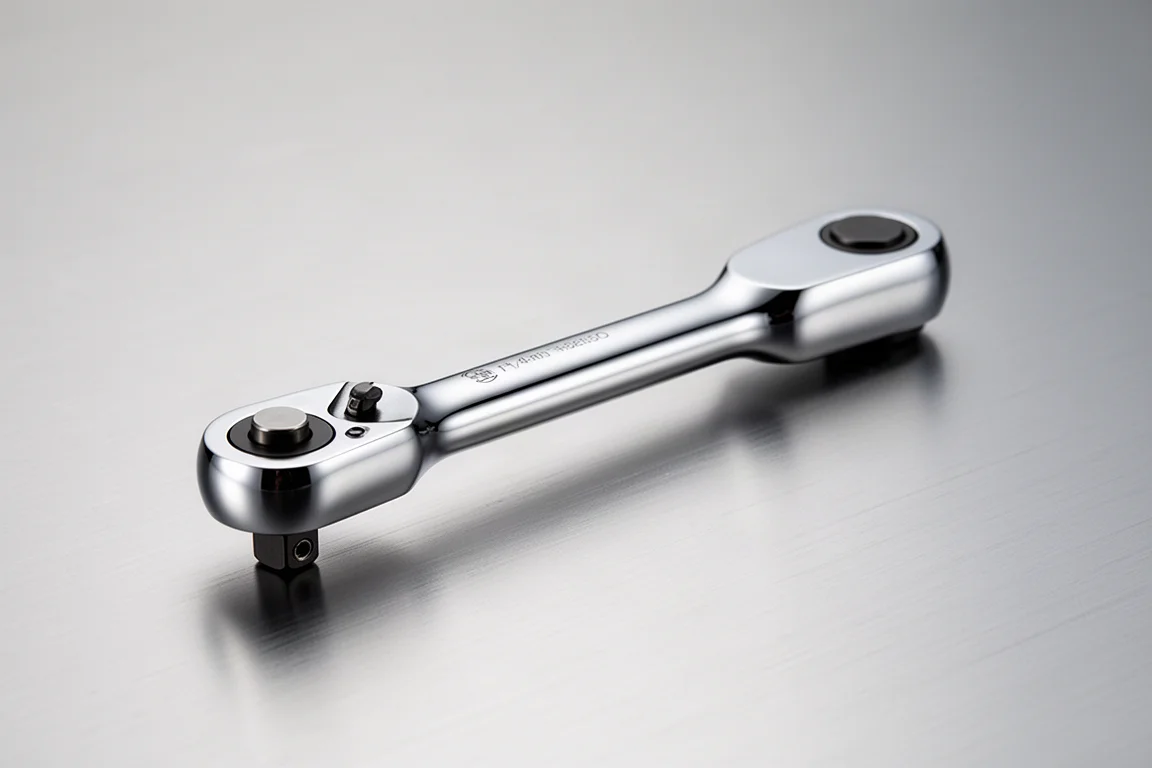
Snap-on’s 1/4 in swivel head ratchet sits around $196, and the design is remarkably similar to the budget version: not a lot going on, just a well-executed pivoting head. For a niche tool like this, that similarity is the whole point. The main differences show up in refinement rather than raw function.
Snap-on’s proven 72-tooth ratcheting mechanism is part of the appeal, and the brand’s long-standing precision with small, intricate mechanisms is where it has consistently delivered. For something this specialized, the budget alternative gets you remarkably close for a fraction of the price.
Snap-on 3/8 in Indexing Head Ratchet
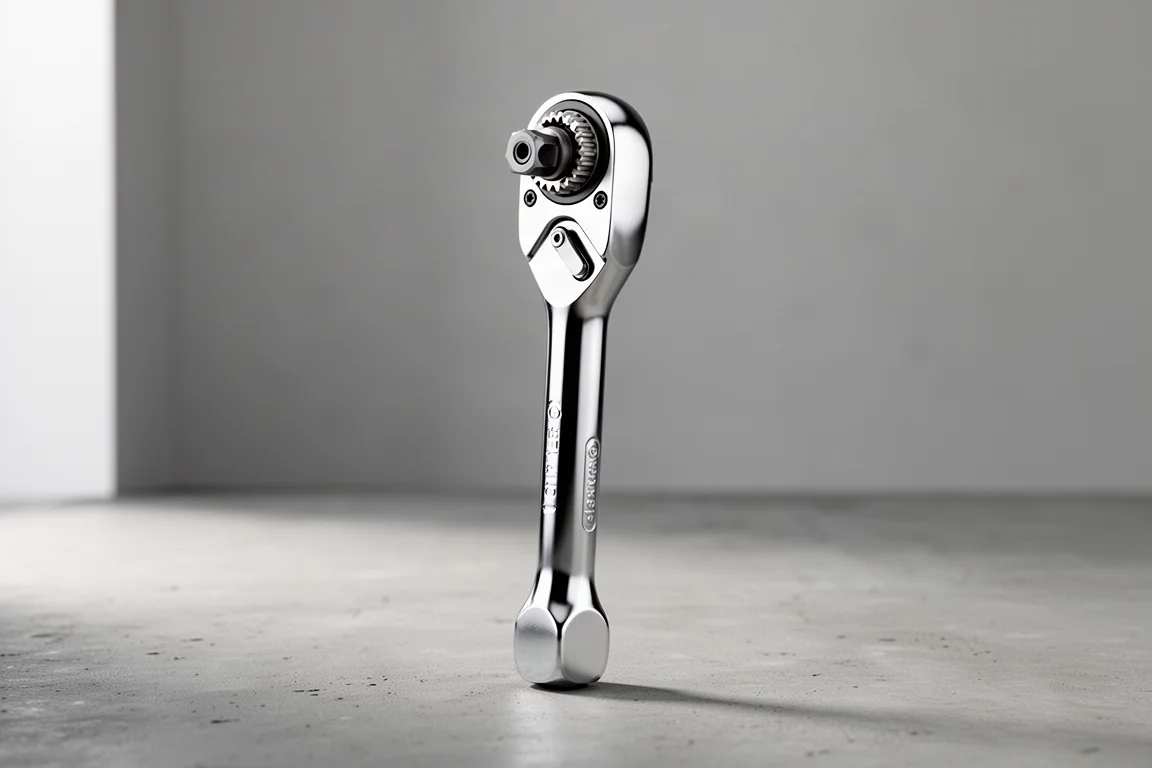
The Snap-on 3/8 in indexing head is the premium take on the same concept, priced around $184. Its head uses a spline-and-gear style locking mechanism that feels substantially stronger than the budget version’s, and it carries a lifetime warranty like the rest.
One caution from long-term use: a previous 3/8 in version of this design, made under the Blue Point line, did eventually fail, which is worth knowing before paying a premium for any mechanism this complex. That said, this is the one to step up to if you find yourself using an indexing head ratchet constantly and want the stronger head.
Buying Advice: Try the Niche Tools Cheap First
For full-on everyday ratchets, stepping above Pittsburgh is worth it; Snap-on and Icon both make excellent standard ratchets that will not bust your knuckles. But for niche designs like indexing and swivel heads, the calculus is different. These are tools you might use a handful of times a year, or possibly never.
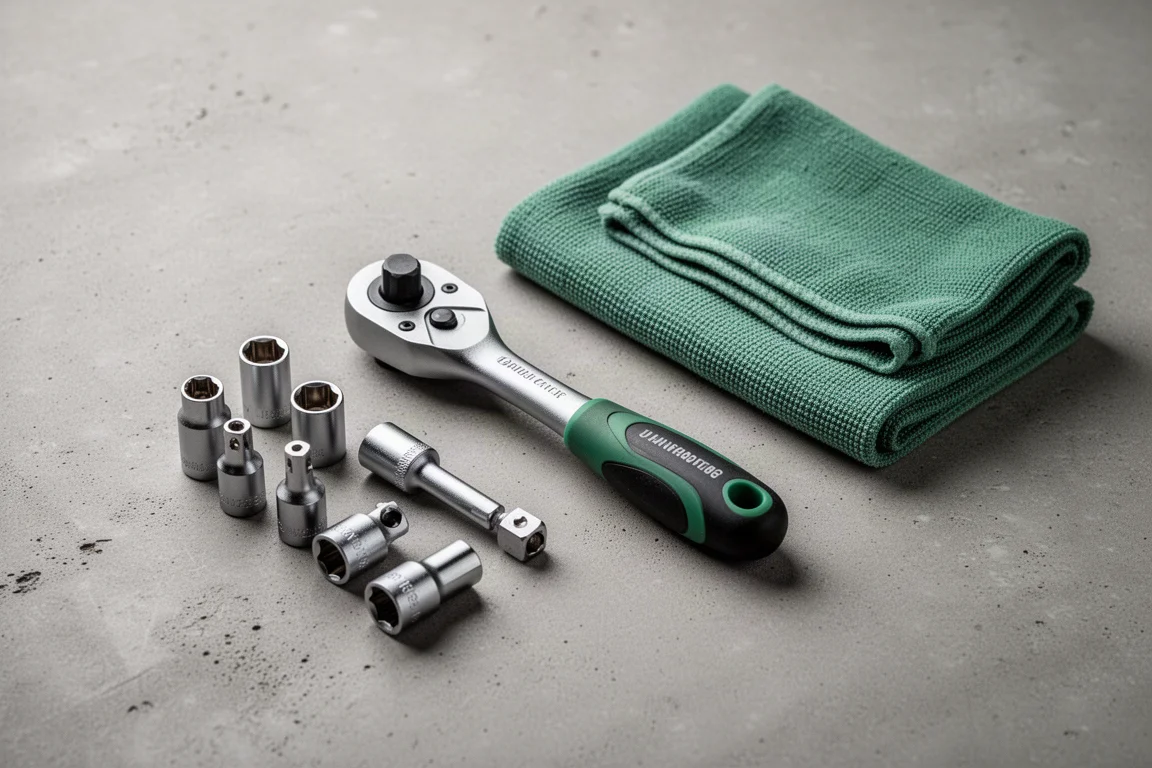
The sensible path is to treat the budget version as a training tool. Try it, see if you like it, and discover whether you even have a use for it. There is a good chance you may never need anything beyond the $19.99 option. If you do end up reaching for it constantly, that is the moment to move up to the Snap-on.
Conclusion
Pittsburgh’s new 1/4 in indexing head ratchet brings a genuinely specialty design into reach at $19.99, while the 3/8 in version covers bigger fasteners. Snap-on’s equivalents cost ten times more and feel more solid, particularly in the head mechanism, but for a tool you may rarely use, starting budget is a defensible choice. Buy cheap first, and upgrade only if the tool earns its place on your bench.
Further reading
Related Reviews
Hand Tools
Best Diagonal Cutters 2026: 16 Pliers Tested for Cutting Power and Durability
We put 16 diagonal cutters through nail, screw, drill bit, and hex key tests to find the best value picks for your toolbox.
Hand Tools
Best Hex L Key Sets 2026: Nine Sets Tested for Real-World Torque
Nine hex L key sets from budget to premium, tested for torque, fit, and durability. See which sets deliver real performance and which ones to skip.
Hand Tools
Best Locking Pliers 2026: Top Picks Tested for Grip and Durability
We tested 18 brands of 10-inch locking pliers for grip strength, jaw bite, build quality, and ease of release to find the best options for tough jobs.