Hand Tools
Pittsburgh 31383 Rolling Head Pry Bar Review: A $5 Tool That Gets the Job Done
Harbor Freight's heavy-duty rolling head pry bar costs almost nothing, but there are quality trade-offs worth knowing before you buy.
Introduction
A pry bar is, at its core, a chunk of steel. That is exactly why the Pittsburgh 31383 rolling head pry bar is such an interesting purchase: at $4.99, it costs a fraction of what premium brands charge for what is essentially the same forged, ground, and heat-treated piece of metal. The question is whether the price gap reflects real quality differences or just brand overhead. After spending time with this tool alongside far more expensive rolling head pry bars, the honest answer sits somewhere in the middle.
What the Pittsburgh 31383 Actually Is
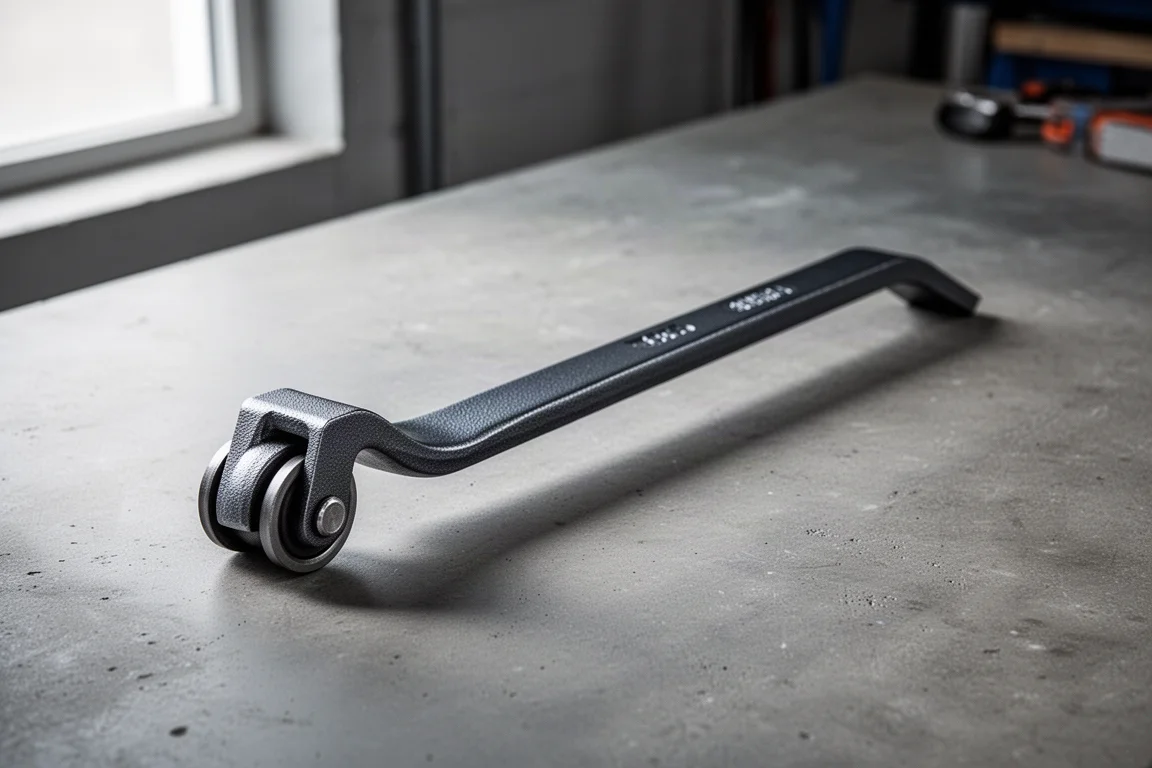
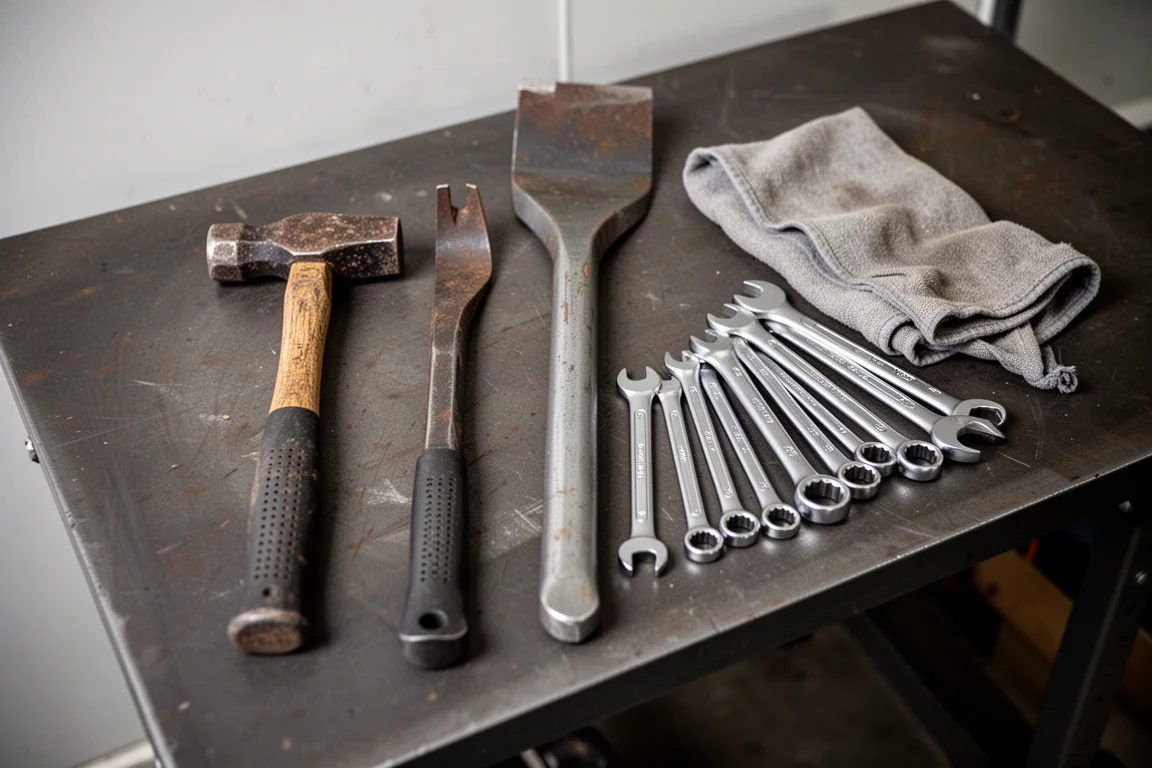
The 31383 is a heavy-duty rolling head pry bar made from carbon steel with a powder-coated finish. It has no moving parts, no mechanisms, and no complexity: it is forged, ground, lightly polished, and heat treated. The rolling head design lets you angle the bar and roll the head against a surface to apply leverage in tight spots, which makes these tools tremendously handy in the medium and smaller sizes for prying, aligning, and persuading parts into place.
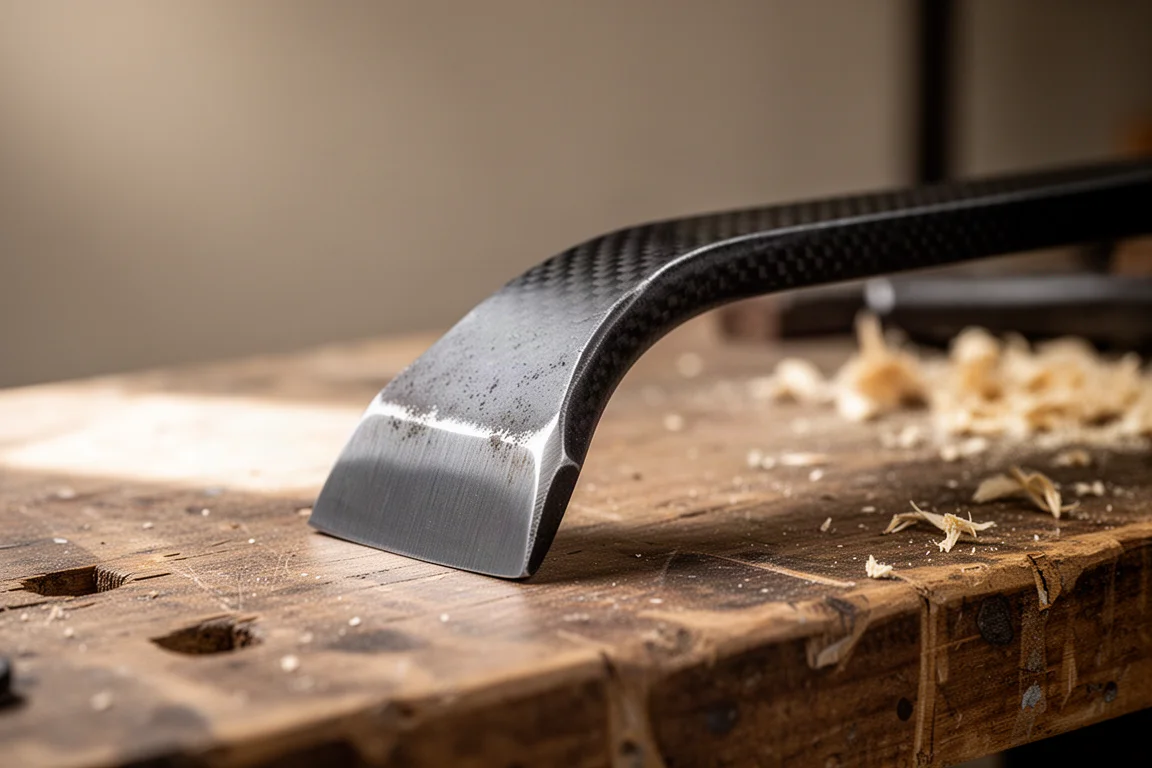
In use, you will sometimes beat on these with a hammer, slip a pipe over the handle for extra leverage, or force the head into a gap that does not want to open. That is normal for this tool category, and it is why temper and steel hardness matter more than finish or branding.
How It Compares to the Premium Alternative
The obvious comparison is the Snap-on rolling head pry bar lineup, and the price gap is striking. A small 6-inch Snap-on rolling head pry bar runs around $65 to $70, and stepping up to the next size, the 2050, costs about $127. The Pittsburgh sits at $4.99, or roughly $11.99 for a three-piece set covering 6, 12, and 16-inch sizes at Harbor Freight.
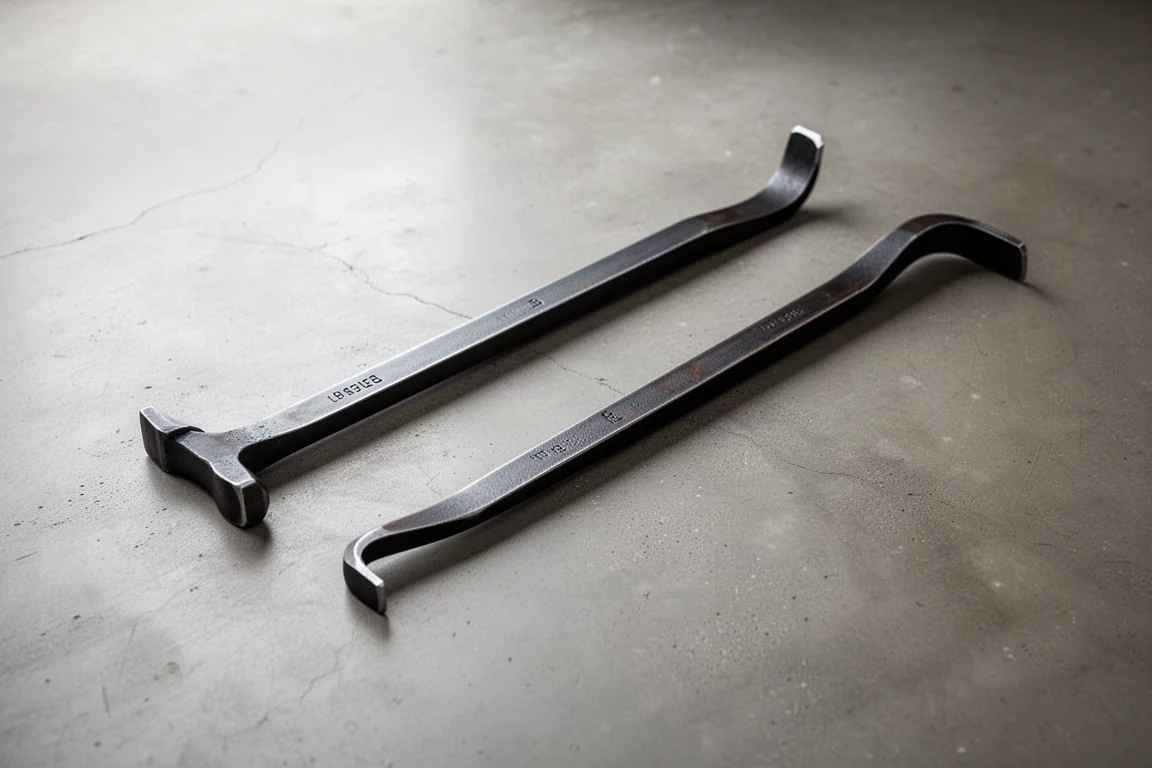
There are real differences beyond price, though. The Snap-on bars are made in America, while the Pittsburgh is made in China. One interesting detail on the premium bars is the deliberately flattened tip on the head, similar to how old anvil horns were whacked while hot to remove the sharp point. It is a safety-minded design choice rather than damage, and it makes the tool friendlier to bump into around a busy shop.
Quality Control: Where Corners Are Cut
This is where the budget pricing shows. Out of the box, the Pittsburgh can arrive with a chipped tooth on the head, which on a premium tool would be an instant warranty replacement. The head angles are a little odd as well, and the leverage geometry is not quite what you get from a more carefully made bar. On a longer bar, that geometry matters: a 16-inch pry bar should reach and pull slightly better than a 12-inch one, and the Pittsburgh does not fully deliver that expected advantage.
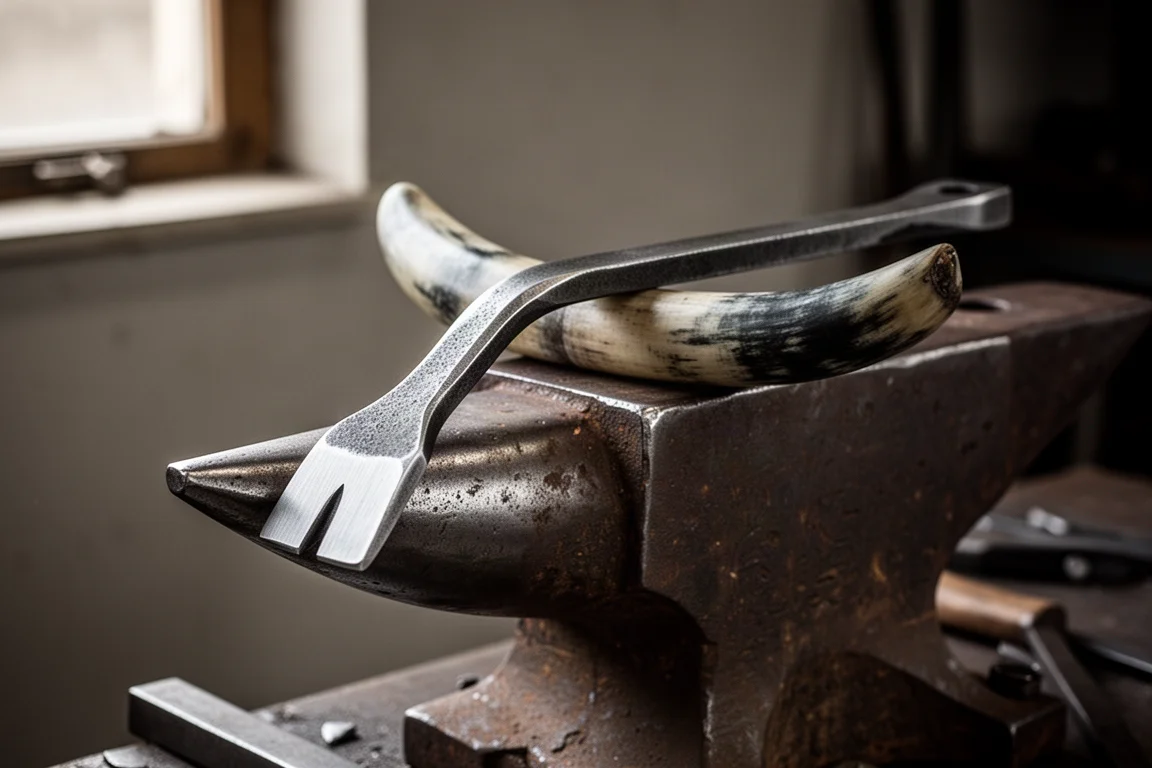
The powder coating, meanwhile, adds little. A good oxide finish would be more meaningful, and grinding the coating off to polish the steel reveals how basic the surface treatment really is. None of this stops the tool from working, but it explains the price.
Buying Advice
If you do not own a rolling head pry bar at all, this is an easy recommendation, especially in the medium and smaller sizes where these tools earn their keep most often. Because you will sometimes hammer on them or really wrench on them, strength through mass matters, and the Pittsburgh leans on a thicker cross-section rather than relying purely on heat-treating finesse.
For occasional use, the $4.99 price is remarkable, and Harbor Freight coupons regularly push it below $10 for multi-piece sets. If you use a pry bar professionally every day and want refined geometry, a flattened safety tip, and domestic manufacturing, the premium option justifies itself. For everyone else, the budget route is genuinely hard to argue with.
Conclusion
The Pittsburgh 31383 proves that a simple forged steel tool can deliver most of the function of a premium rolling head pry bar at a tiny fraction of the cost. You accept some rough edges: inconsistent quality control, odd head angles, and a cosmetic finish that does not add much. In exchange, you get a tremendously handy tool for less than the price of lunch. For most home and shop users, that trade is an easy call.
Product link
View more details for Pittsburgh 31383 Rolling Head Pry Bar
This product is mentioned in the review. Check the specifications, options, and compatibility before buying.
View more details for Pittsburgh 31383 Rolling Head Pry BarFurther reading
Related Reviews
Hand Tools
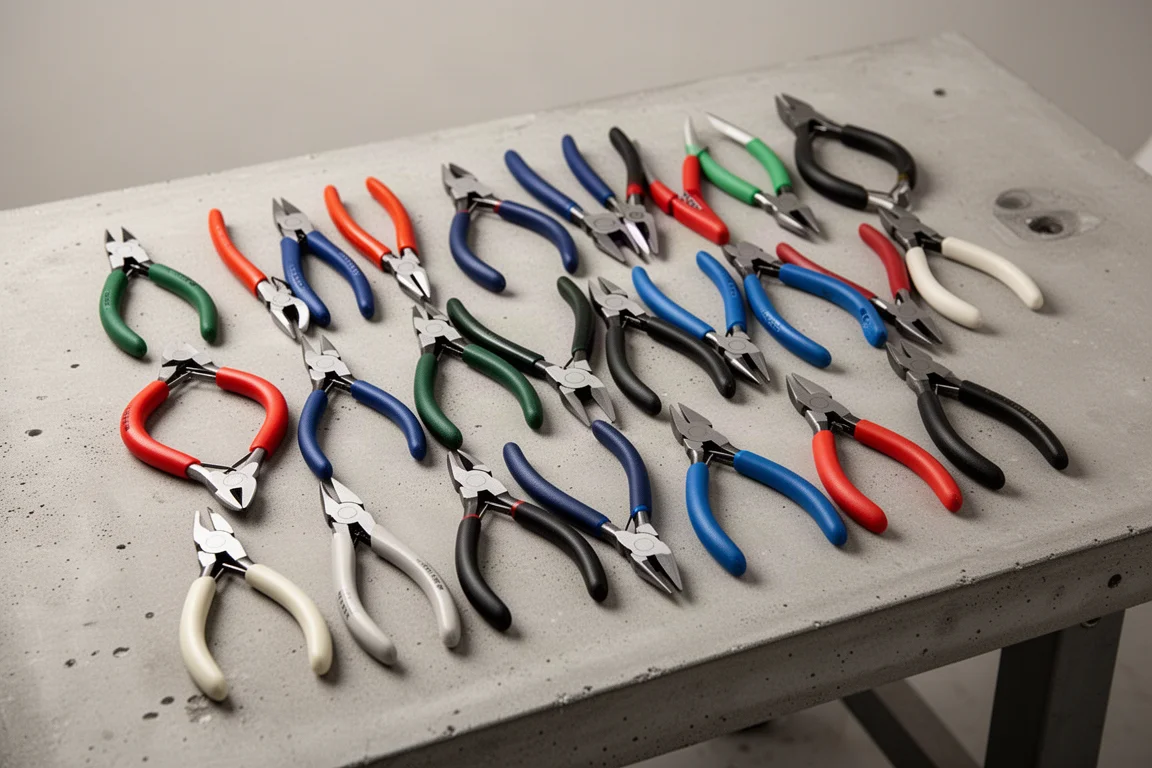
Best Diagonal Cutters 2026: 16 Pliers Tested for Cutting Power and Durability
We put 16 diagonal cutters through nail, screw, drill bit, and hex key tests to find the best value picks for your toolbox.
Hand Tools
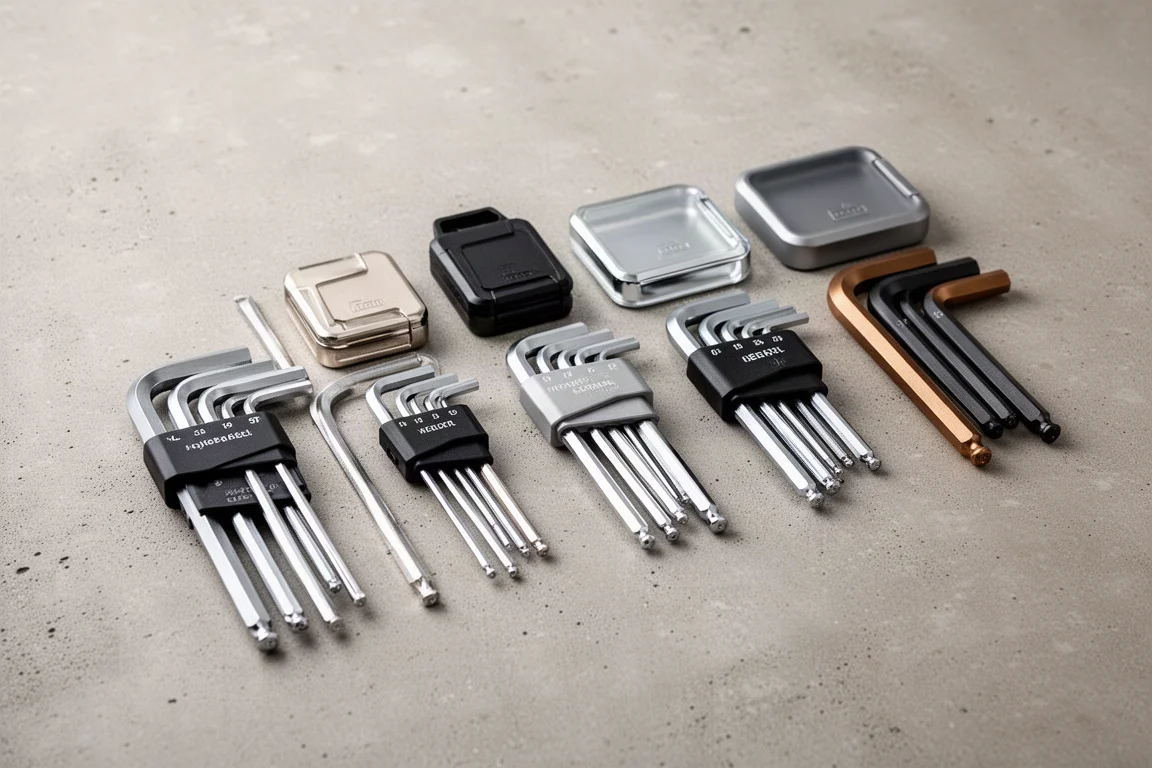
Best Hex L Key Sets 2026: Nine Sets Tested for Real-World Torque
Nine hex L key sets from budget to premium, tested for torque, fit, and durability. See which sets deliver real performance and which ones to skip.
Hand Tools
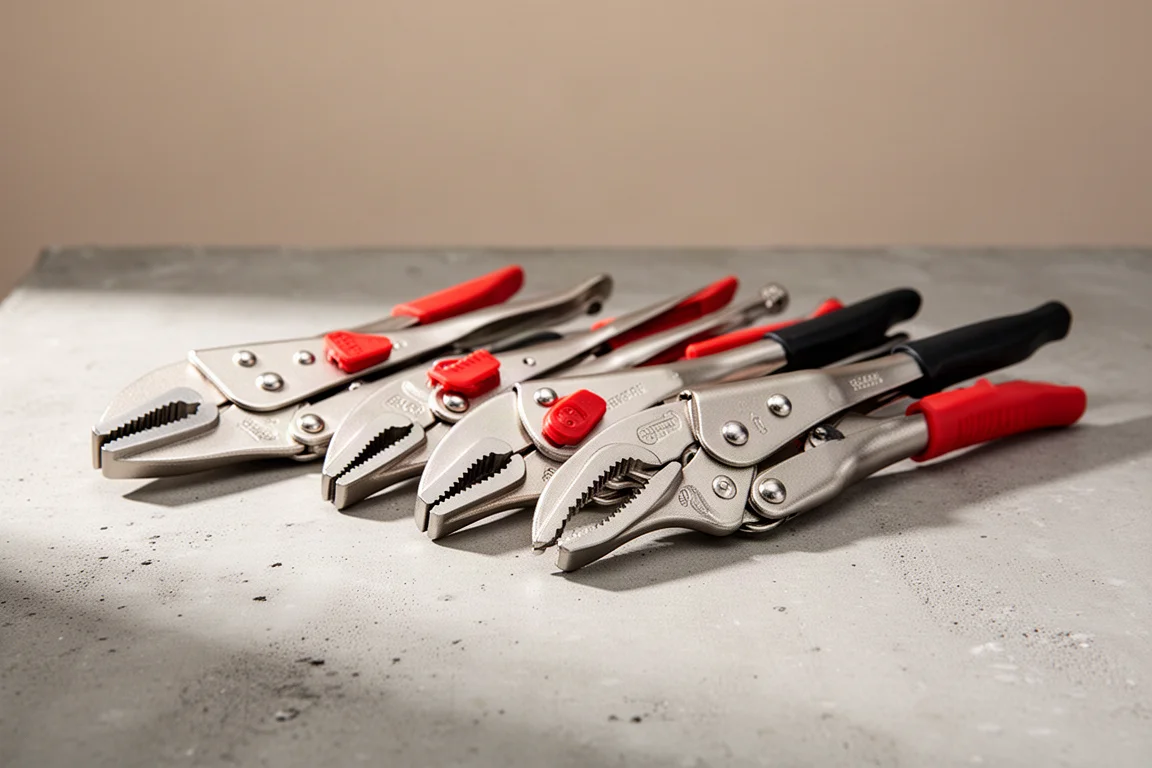
Best Locking Pliers 2026: Top Picks Tested for Grip and Durability
We tested 18 brands of 10-inch locking pliers for grip strength, jaw bite, build quality, and ease of release to find the best options for tough jobs.