Hand Tools
PicQuick Screwdrivers: A Canadian Bit-Storage Concept Worth a Look
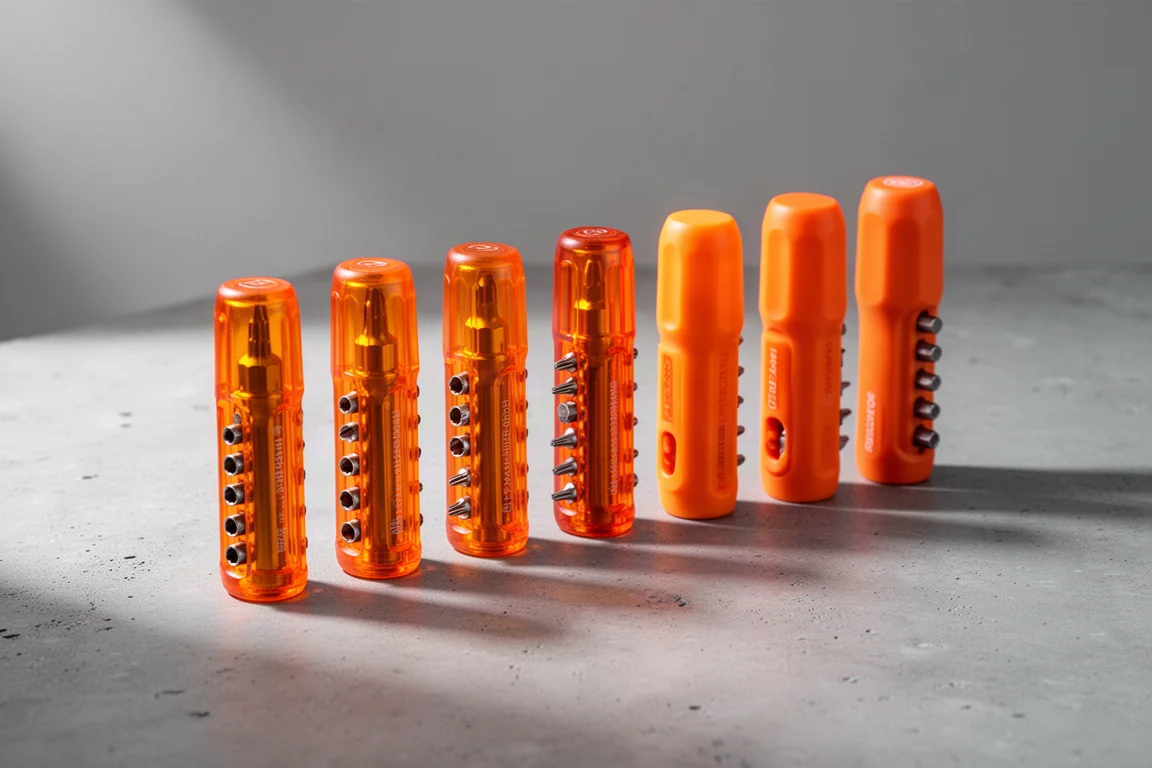
Seven PicQuick screwdrivers, from the Six Pack Plus to the Mariner, built around a simple push-and-swap bit system designed by an aircraft engineer.
Introduction
PicQuick is a screwdriver company out of Vancouver, British Columbia, Canada, and it takes a genuinely different approach to carrying bits. Conceived by a pilot and aircraft engineer, the design does away with the usual frustrations: the lost cap, the bit carousel you have to pop open and dig through, the cap that never quite goes back on. Instead, the bits live on the outside of a solid handle, and swapping them takes a second.
They are widely available, fairly inexpensive, and sold individually or in sets, with a set costing around twenty dollars. Here is how the lineup breaks down.
The Design Idea Behind PicQuick
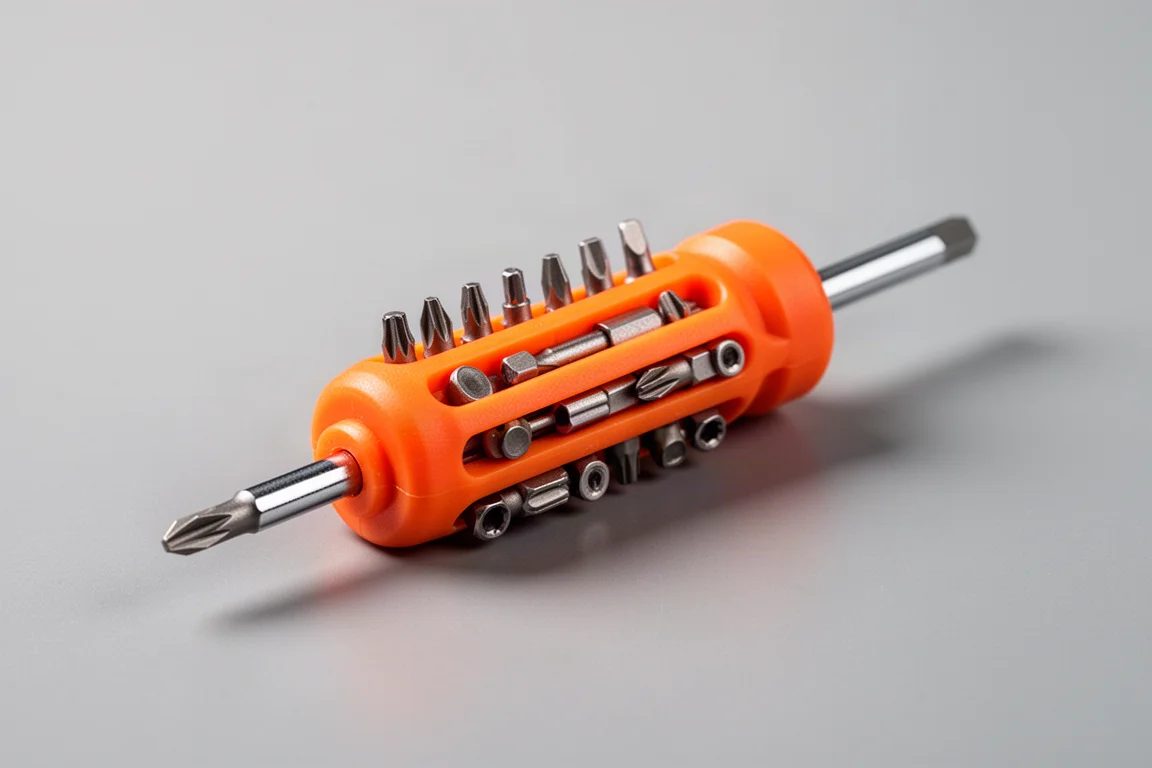
Most multi-bit screwdrivers store their bits inside a hollow handle. That means popping a cap, dumping bits out, digging for the one you want, then scooting the rest back in and hoping the cap stays on. PicQuick flips the concept: the handle is solid, and the bits run around the outside of it.
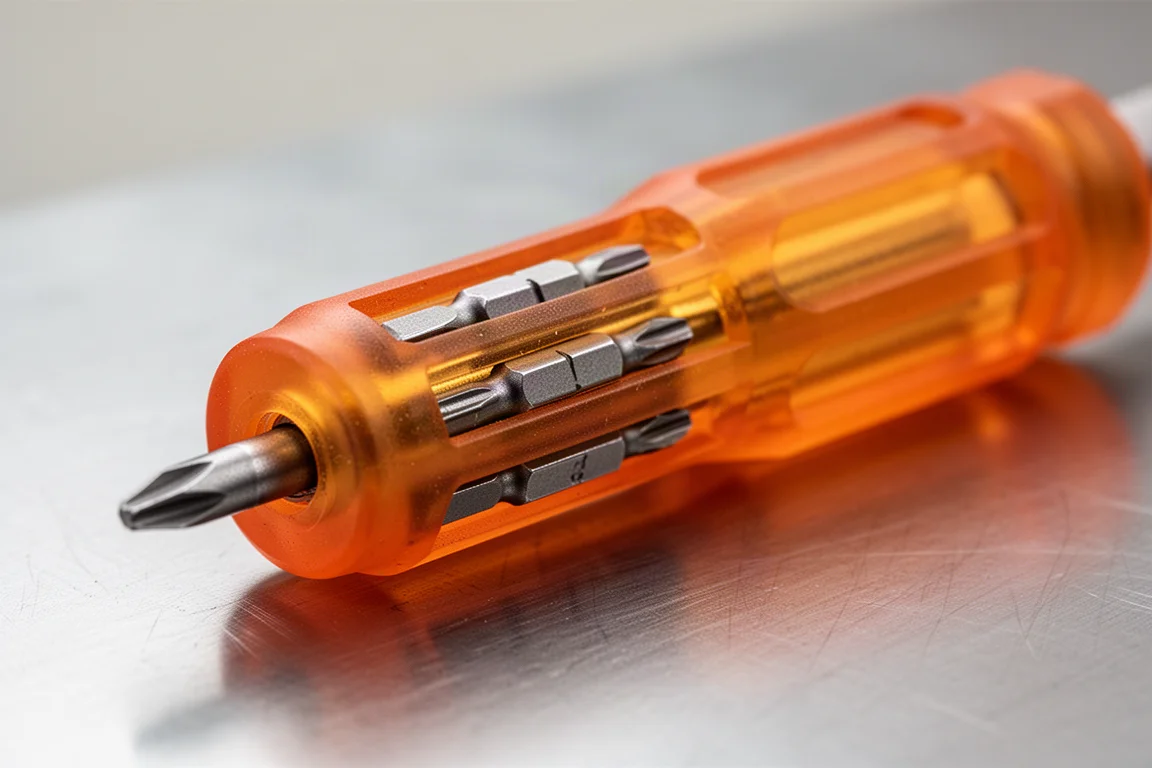
To switch bits, you pull one out, slide it into the handle end, and the bit that was in there pops out the other side. It is a simple mechanism with almost instantaneous access to the whole set. The plastic ridge inside grips the bits, and the company says the design holds them very securely, with nothing working its way loose in normal use.
The Full Lineup at a Glance
PicQuick makes a handful of variants, each sized for a specific set of bits, whether that is Torx, Phillips, or something else. Replacement bits are available, and the handles come in translucent as well as opaque colors, with orange being a popular choice.
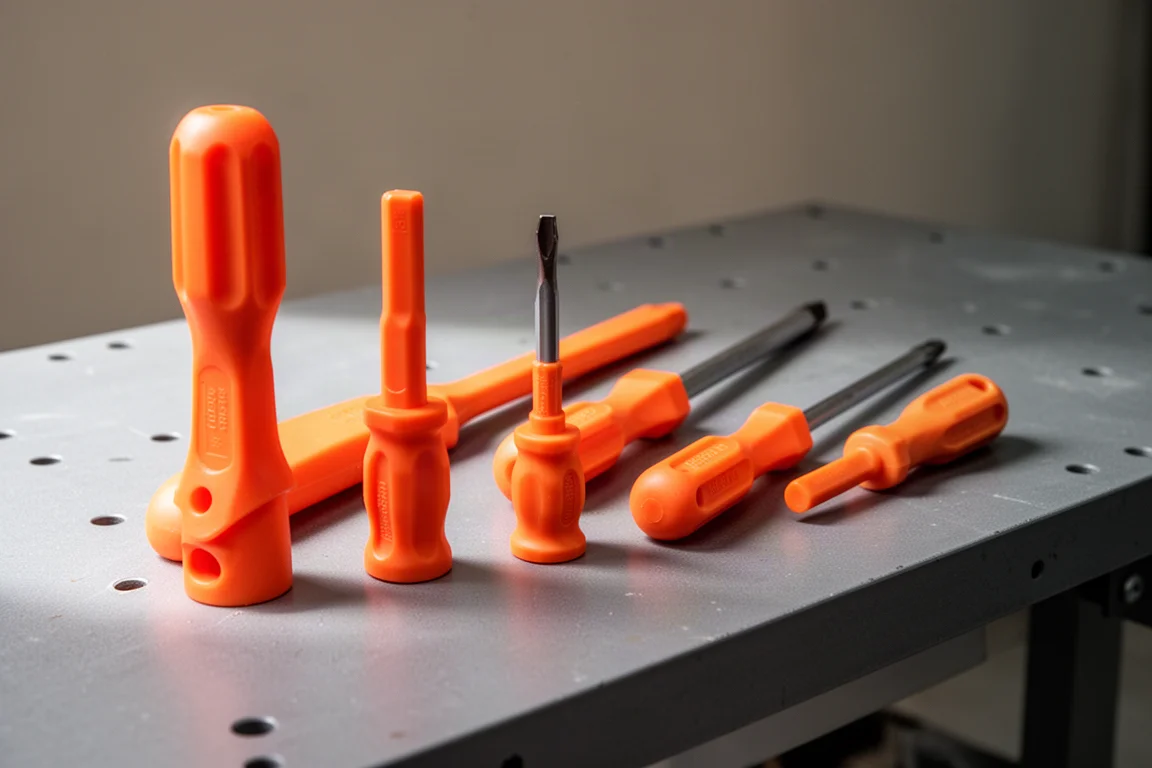
One quirk worth knowing: a conventional bit can be dropped into the handle, and it goes down quite a ways. It is not lost, but depending on the bit, it can take a pair of pliers or a firm push to get it back out. Shorter bits can be punched through and retrieved from the front. The company also sells a longer, specially designed bit that avoids the issue entirely.
Six Pack Plus: The Original
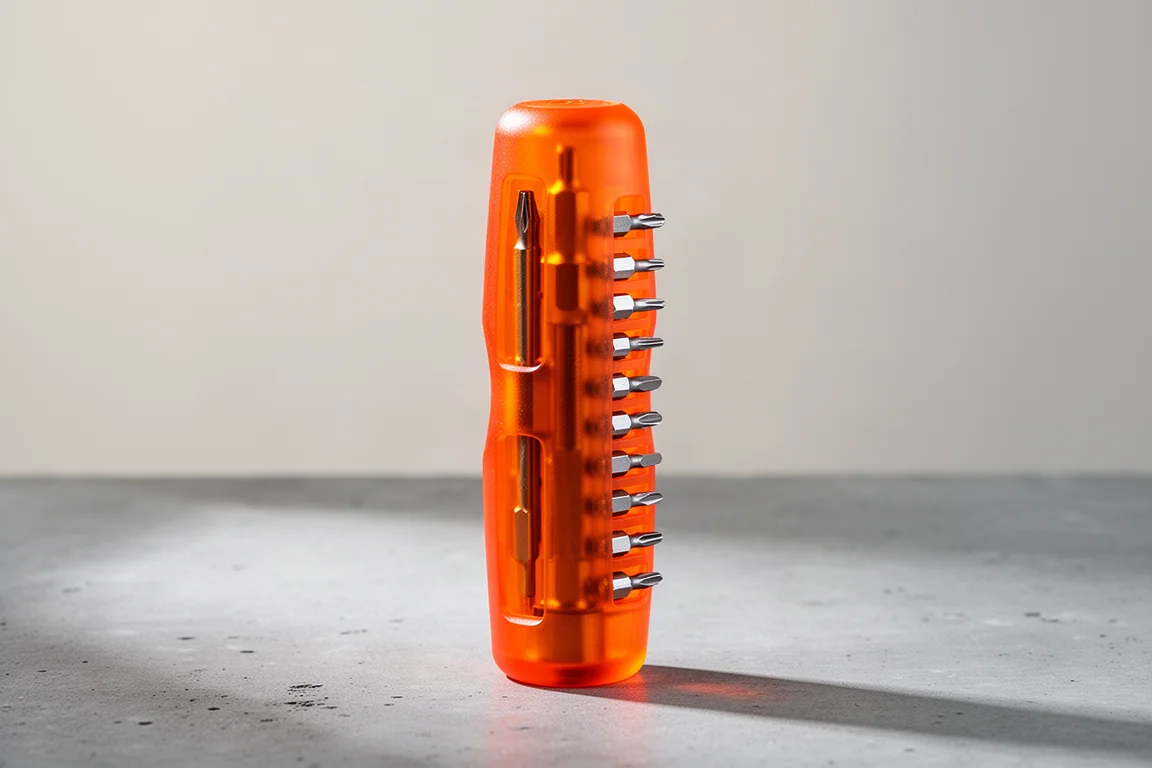
The Six Pack Plus is the newer version of the original PicQuick design. It is the full-size handle in the range and the one that shows the concept at its best: solid construction, secure bit retention, and fast one-motion bit swaps.
If you want one PicQuick to start with, this is the sensible default.
Dash 7: The Compact Favorite
The Dash 7 keeps the same diameter head as the Six Pack Plus but in a slightly stubbier form. It is one of the most appealing handles in the range: all of the same function, in a package that is easier to pocket and maneuver in tighter spaces.
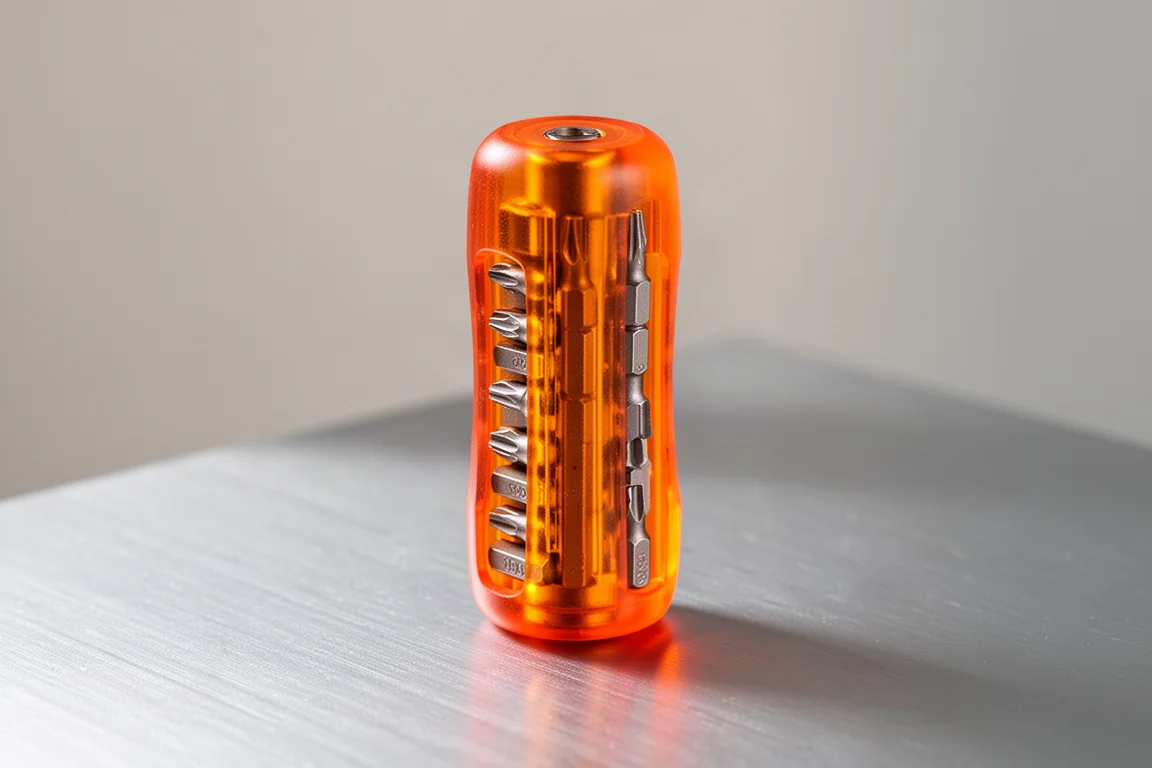
Stubby: Maximum Compactness
Below the Dash 7 sits the full-on Stubby, the shortest handle in the lineup. Same push-through bit system, same color options, just packed into the most compact body PicQuick makes.
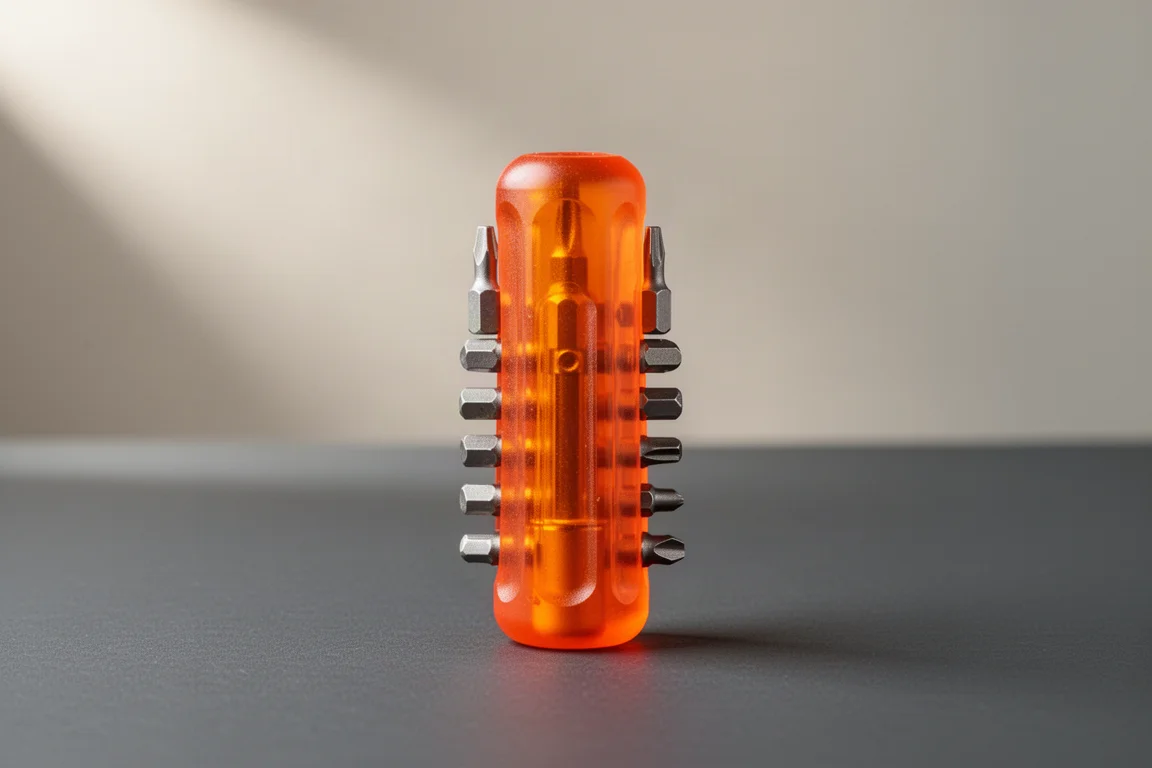
Teeny Turner and Multi-Q: The Small Stuff
The Teeny Turner is the tiny version, built around little precision bits. It uses the same function, shove one bit through and pull the other out, and adds a rubber gasket in the center of the handle. The bits are marked and branded, with tiny Torx options like T6 clearly labeled.
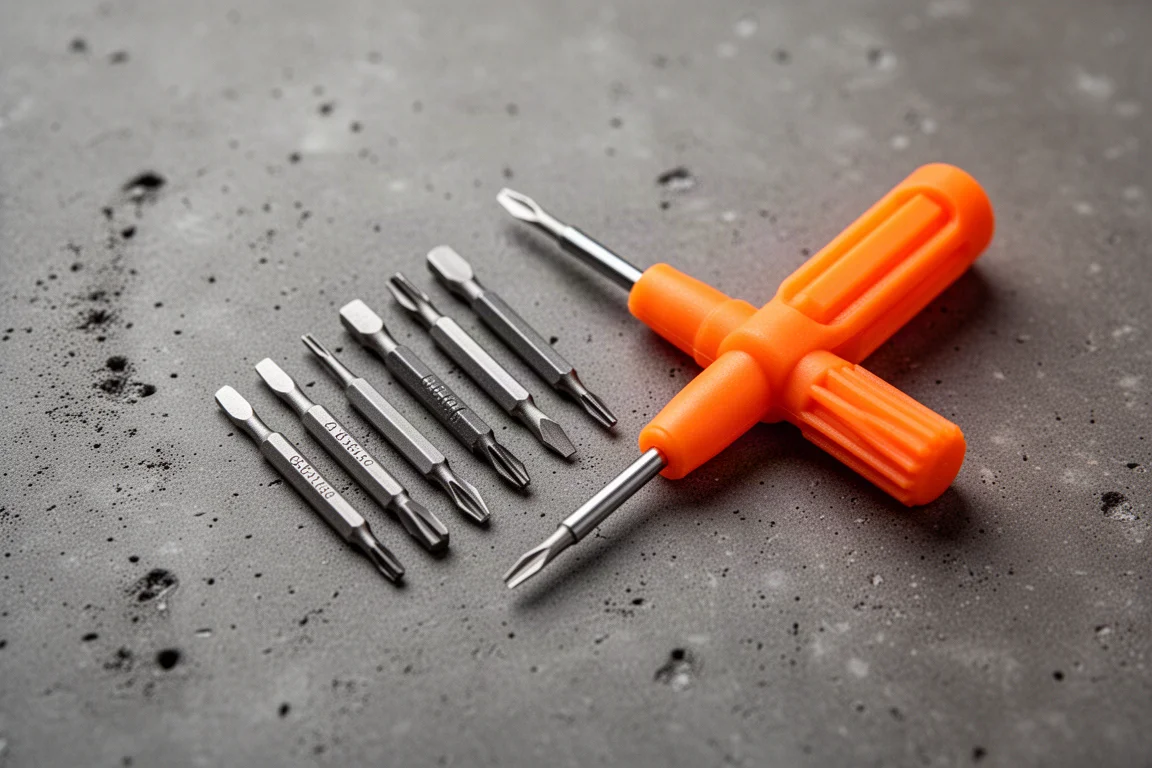
The Multi-Q is a slightly different story. It has a smaller handle, about the same length as the larger one, but with different-sized bits. A conventional bit dropped in does go down quite a ways, though it can usually be popped back out without pliers. It comes with a longer, specially designed bit that works well, but a short bit inserted into it can stay put and need a punch to come through. Anything that gets stuck slides right out to the front, since nothing grabs it inside.
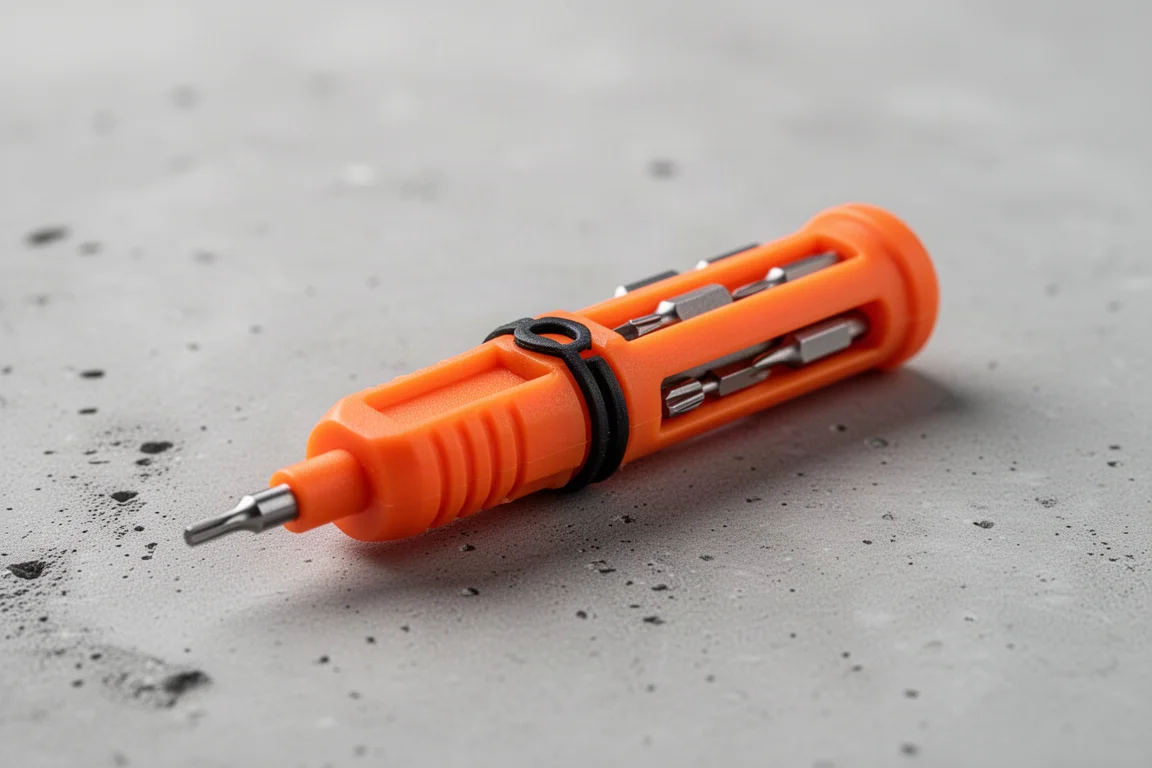
The Pick and the Mariner
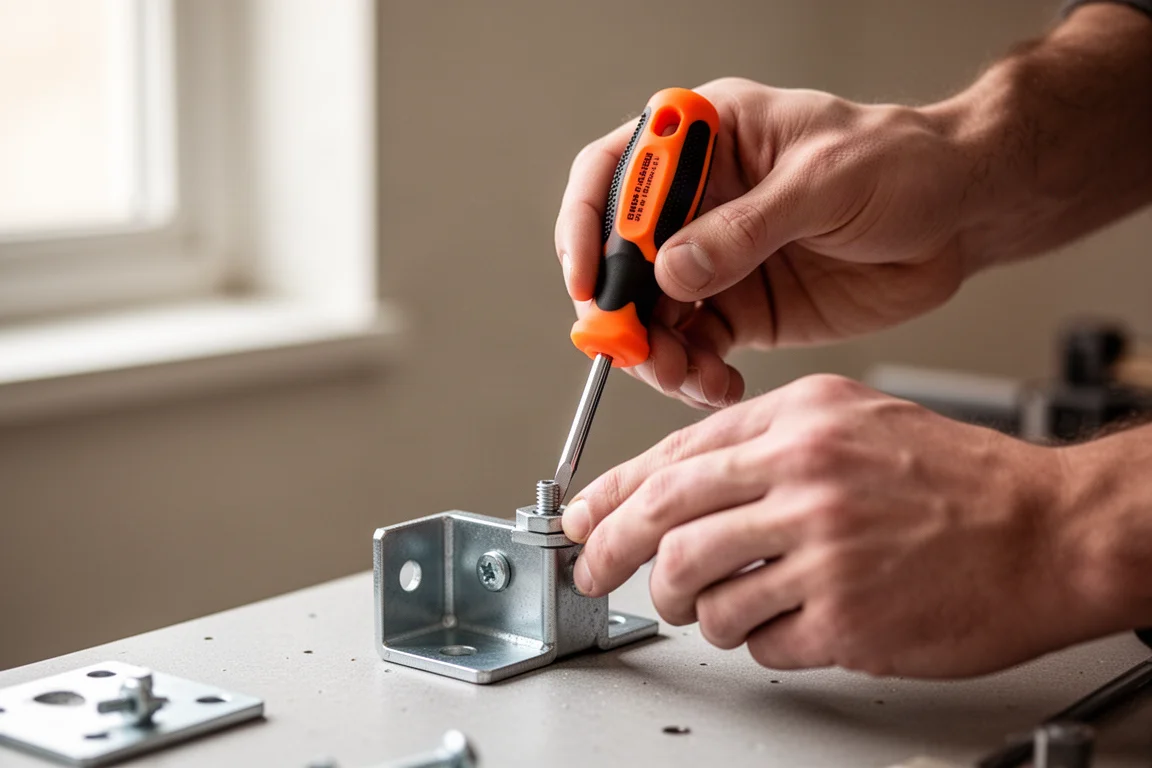
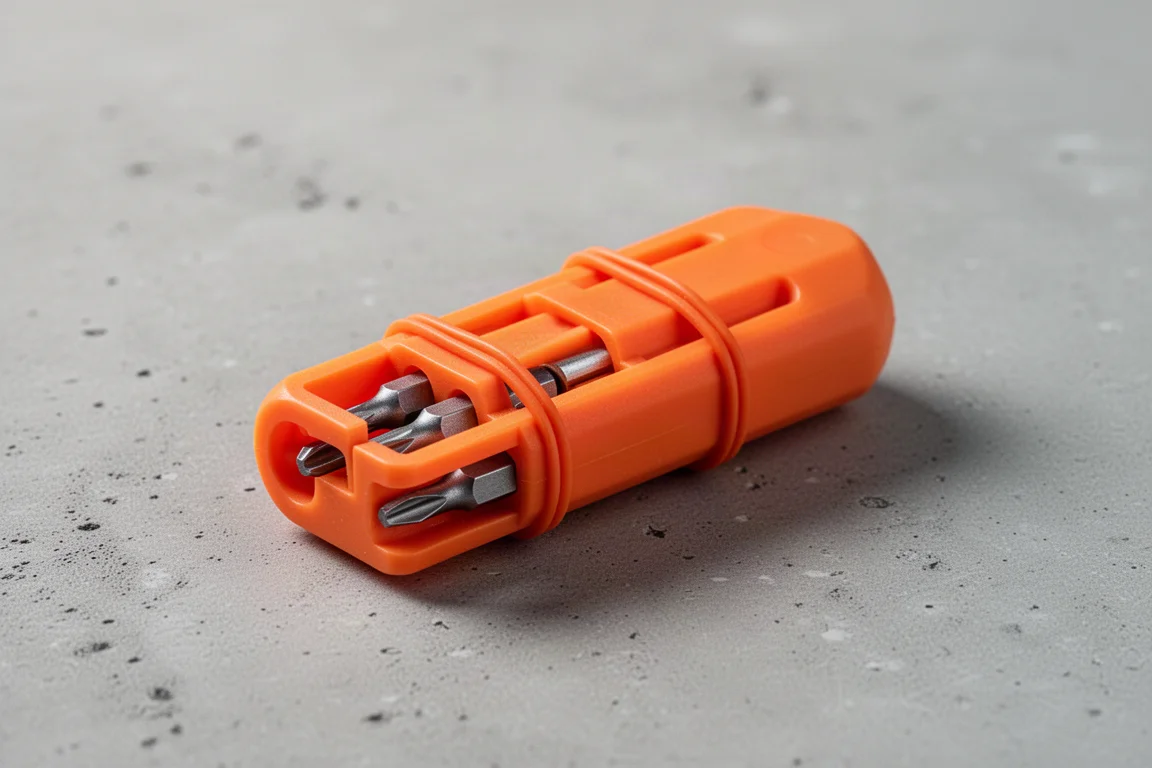
The PicQuick Pick was the entry point for many people into this brand, and it holds three different bits in a flat housing, secured with a couple of O-rings. It is the weakest design in the range. There is not much leverage when using it, more like holding onto a lighter. With a round handle you get multiple points of purchase for your grip, but the flat body only gives you two, and most of that is around the center, so it is hard to apply serious torque. It is also just a plastic housing without the metal or alloy of the other models.
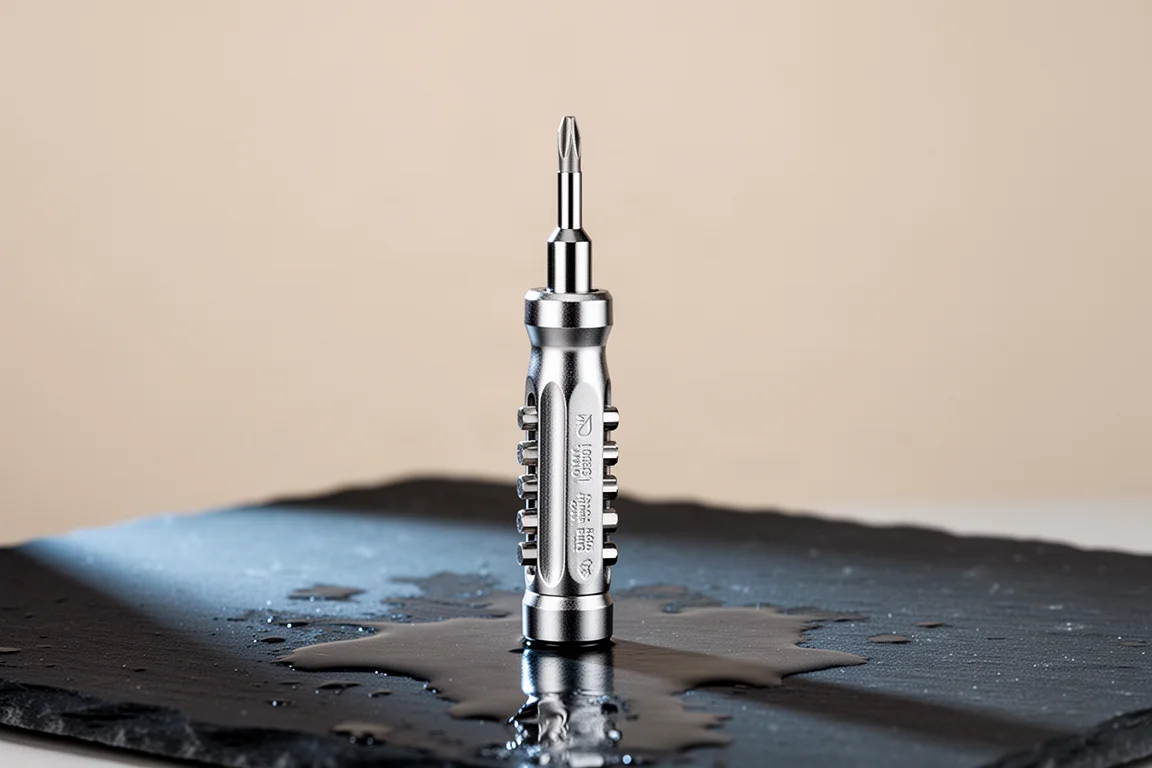
The Mariner is a more interesting proposition. It carries a nickel-plated coating designed to work corrosion-free in saltwater environments, which makes it worth considering for boaters or anyone working near the coast.
Buying Advice
These are on the heavy side for their size, which is the trade-off for a solid handle rather than a hollow one. The orange finish is close in tone to the orange you will find on some well-known tool truck brands, though that is purely cosmetic.
The best strategy is to match the handle to the bits you actually use. Pick the size and variant that suits your work, buy replacement bits as needed, and consider a set if you want to cover several sizes at once. Skip the Pick unless you specifically want a compact three-bit carrier, and lean toward the round-handled models for anything requiring real torque. For marine use, the Mariner is the obvious pick.
Conclusion
PicQuick’s outside-the-handle bit system is a clever, Canadian-engineered answer to a problem every multi-bit screwdriver owner knows well. The full-size and compact round handles deliver on the concept, the precision options extend it to small electronics work, and the Mariner extends it to saltwater. If quick bit access matters to you, this lineup deserves a spot on the bench.
Further reading
Related Reviews
Hand Tools
Best Diagonal Cutters 2026: 16 Pliers Tested for Cutting Power and Durability
We put 16 diagonal cutters through nail, screw, drill bit, and hex key tests to find the best value picks for your toolbox.
Hand Tools
Best Hex L Key Sets 2026: Nine Sets Tested for Real-World Torque
Nine hex L key sets from budget to premium, tested for torque, fit, and durability. See which sets deliver real performance and which ones to skip.
Hand Tools
Best Locking Pliers 2026: Top Picks Tested for Grip and Durability
We tested 18 brands of 10-inch locking pliers for grip strength, jaw bite, build quality, and ease of release to find the best options for tough jobs.