Food & Grocery
Pick The Premium: Bacon, Bread, Chicken and Tinned Tomatoes Put to the Test
Four everyday supermarket staples, each paired with a premium rival, cooked side by side to see where the extra money actually shows up in the pan.
Introduction
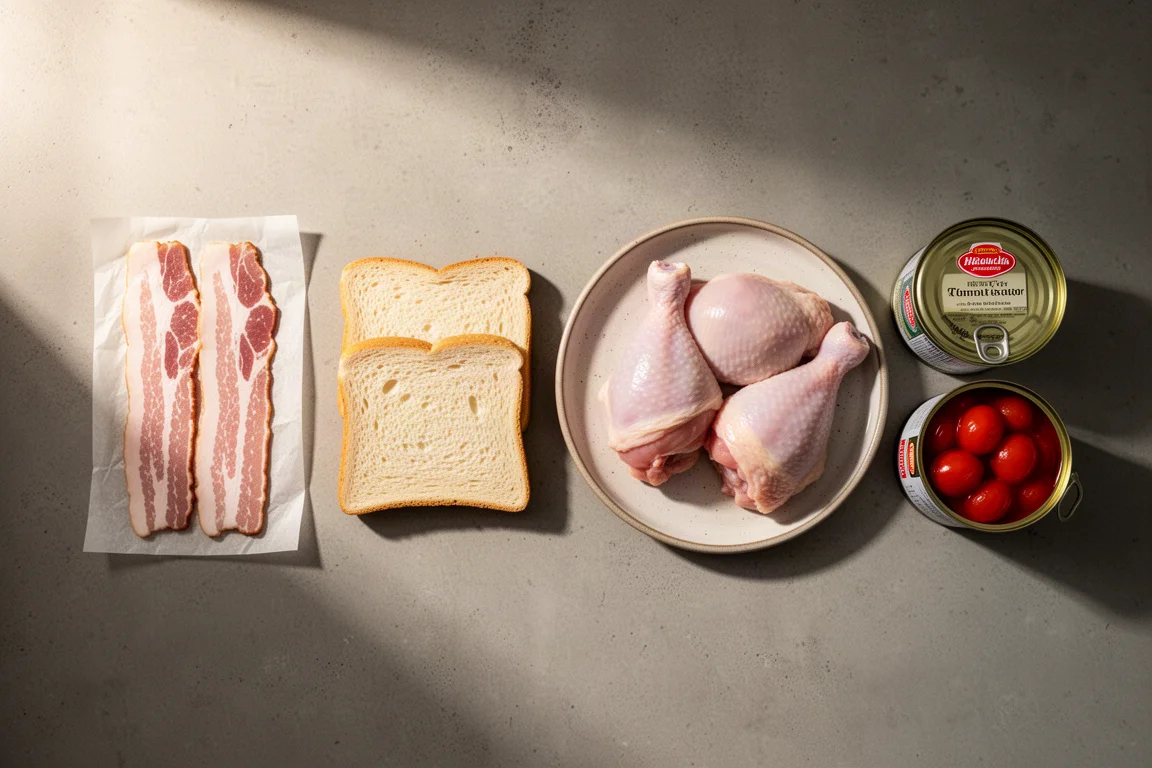
We ran a simple experiment with four everyday shopping staples: bacon, white sliced bread, chicken thighs and tinned tomatoes. In each round, two products went head to head, one premium and one budget, cooked in identical pans under identical conditions. The question was not which looks nicer on the shelf, but how the ingredients actually behave when you cook them.
The results were genuinely useful. Some of the price gap is justified by what happens in the pan. Some of it is about provenance and animal welfare, which you have to take on trust rather than taste. And some of it, frankly, you can skip.
How We Tested
Each pair was assessed raw first, looking at appearance, smell and texture. They were then cooked under exactly the same conditions: identical pans on identical heats, the same seasoning, the same timings. The cheapest option in each round was often many times less expensive than the premium one, so the differences needed to be dramatic to justify the spend.
Round 1: Unsmoked Back Bacon
Raw, the two bacons looked very different. The premium pack had the fatty tail end trimmed off, giving thinly cut, very regular slices of loin. The budget pack was thicker, more irregular and more marbled with fat. The key difference, though, was water. Cheaper bacon often has water, sometimes with salt or sugar, injected into it to add plumpness and volume, up to a legal limit of around 10%. That water has to cook off before the bacon can crisp, taking some protein with it as a gunky white residue.
In identical pans, the premium bacon coloured and crisped faster with more even results, while the budget rashers released noticeably more liquid. A handy cooking tip from the test: do not add oil to bacon. Just a splash of water helps stop sticking and lets the fat render out first, because bacon only crisps once it cooks in its own fat.
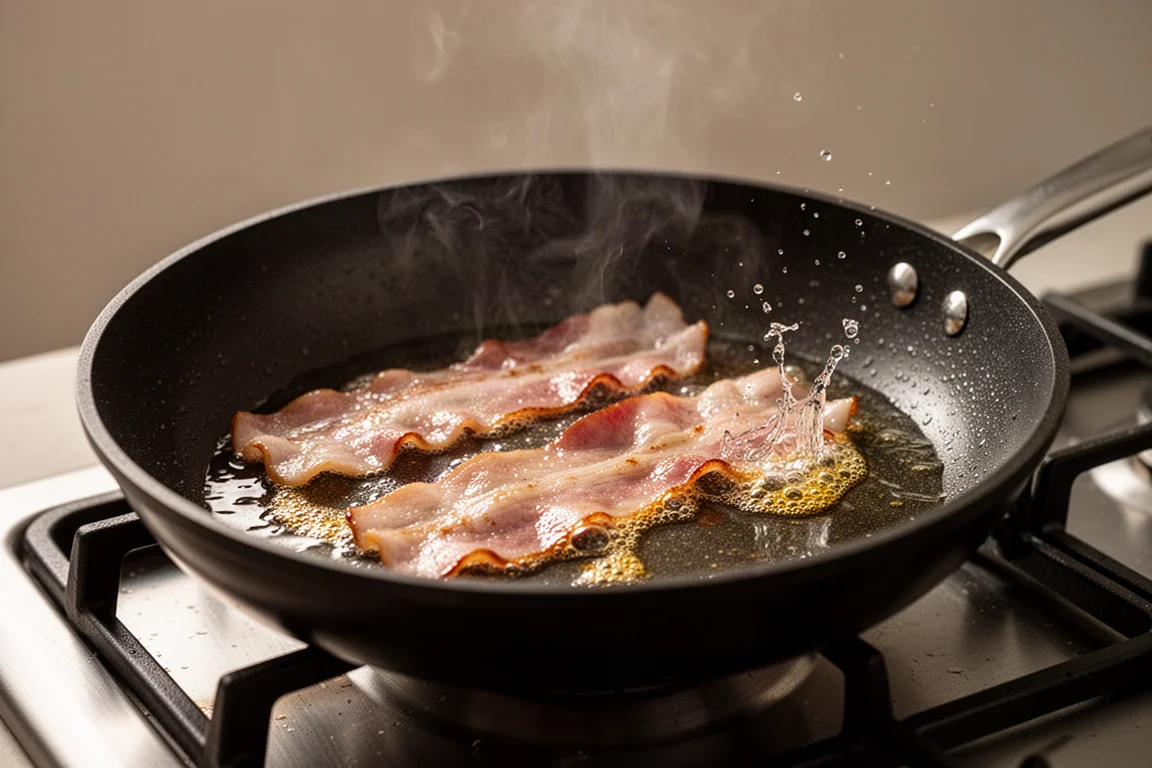
The premium option is Daylesford Organic Outdoor-Reared Unsmoked Back Bacon, which is 96% pork, thinly and evenly sliced from the loin, with the fatty belly-like tail trimmed away for a cleaner, more regular rasher.
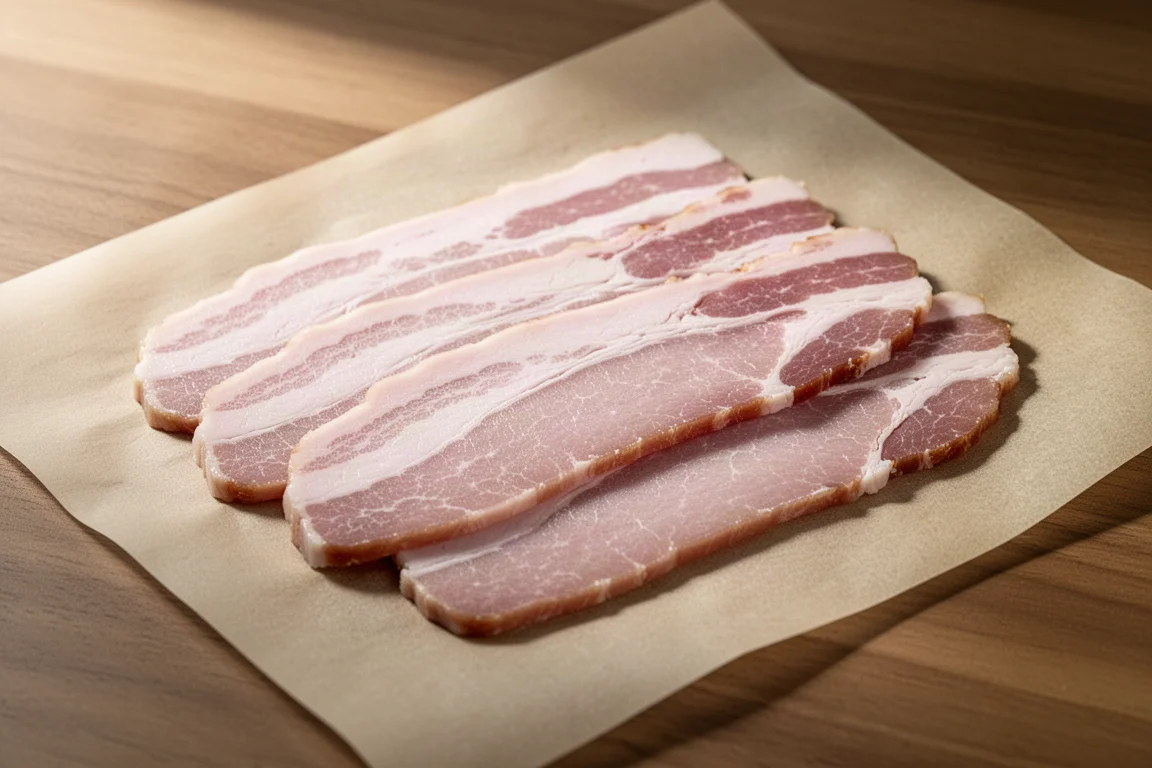
The budget option is ASDA Just Essentials Unsmoked Back Bacon at 87% pork, with the remainder being water injection and preservatives. It is perfectly usable bacon, and it costs a fraction of the price: £4.83 per kilo versus £35.33 per kilo, roughly a £1.45 pack against a £6.50 one.
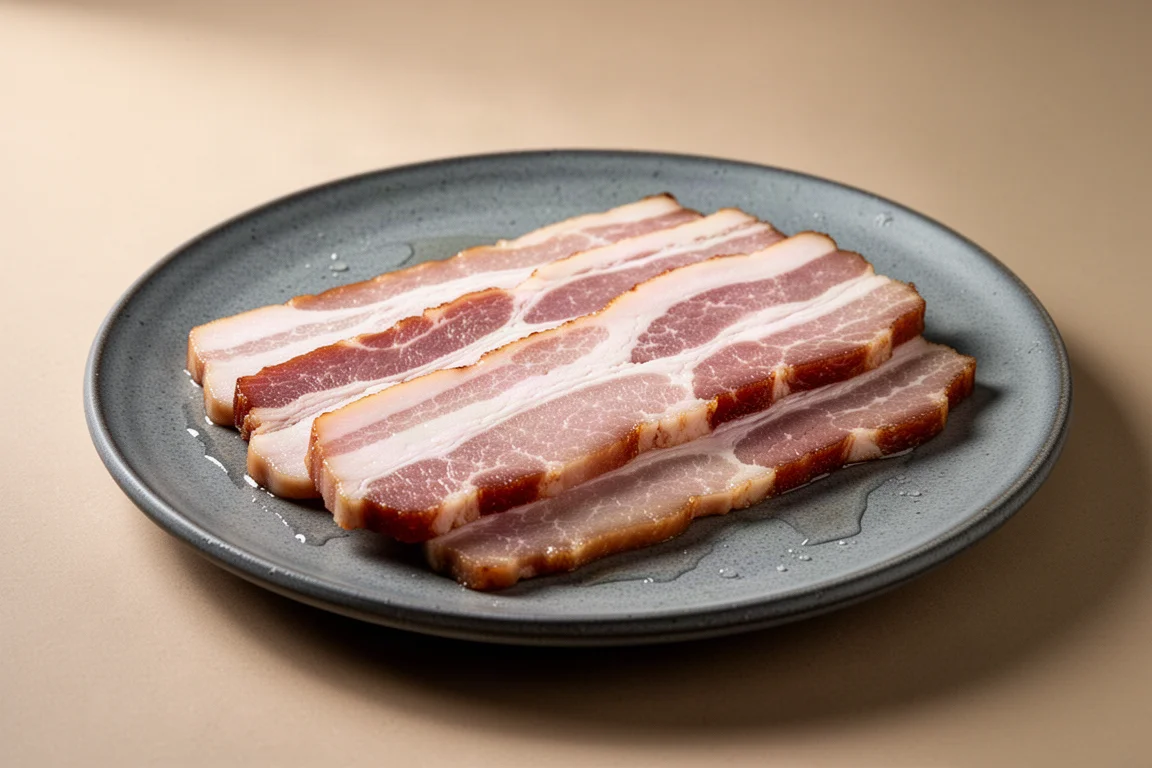
The real lesson here is that much of the Daylesford premium is about what you cannot see: outdoor rearing, traceable sourcing and organic standards. Those intangibles matter to some shoppers and genuinely shape the final flavour, but on pure cooking behaviour alone, the gap is smaller than the seven-fold price difference suggests.
Round 2: White Sliced Bread
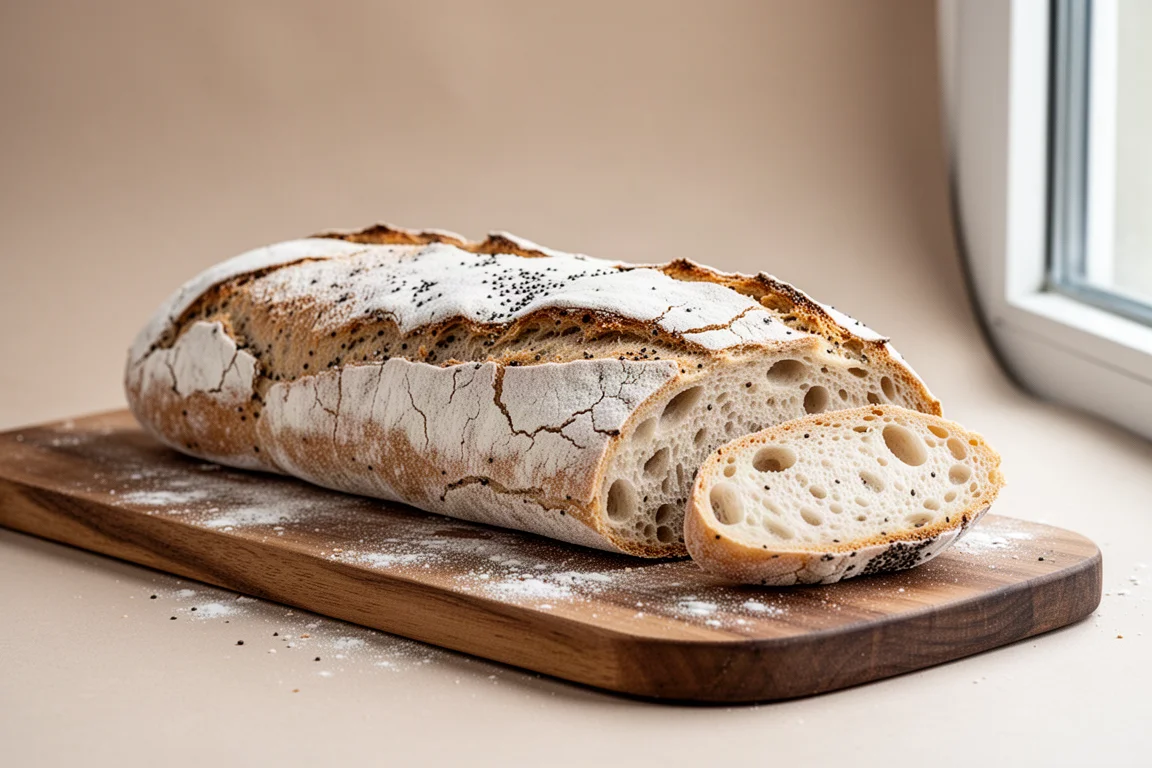
Neither loaf here was the absolute cheapest on the shelf, but the ingredient lists told very different stories. The premium loaf uses a minimal list: fortified wheat flour, water, salt and a sourdough starter made from flour and water. The budget loaf needs all of that plus spirit vinegar, rapeseed oil, calcium propionate, soya flour, emulsifiers, tartaric acid esters of mono- and diglycerides of fatty acids, palm fat, ascorbic acid and palm oil. Those extras exist to make a loaf last longer and cost less.
Both loaves were toasted side by side. Neither contains added sugar, which scotched the theory that cheaper bread toasts faster because of sweetness. The premium slice toasted evenly in one pass; the budget slice needed a second round to catch up, and the resulting crumb was noticeably less even.

The premium option is Jason’s Sourdough White Chia Batton Bread, an award-winning family bakery loaf with a 24-hour ferment and bake using a mother sourdough, giving it a subtle tang. It is also made with premium Canadian wheat flour.
The budget option is Sainsbury’s Toastie Thick Sliced White Bread, a classic soft loaf that costs 75p a loaf, or 90p per kilo, against Jason’s £2 per pack, or £3.40 per kilo. That is roughly three and a half times the price, but bread is something most of us eat daily, which is exactly why it is one of the smartest places to upgrade.
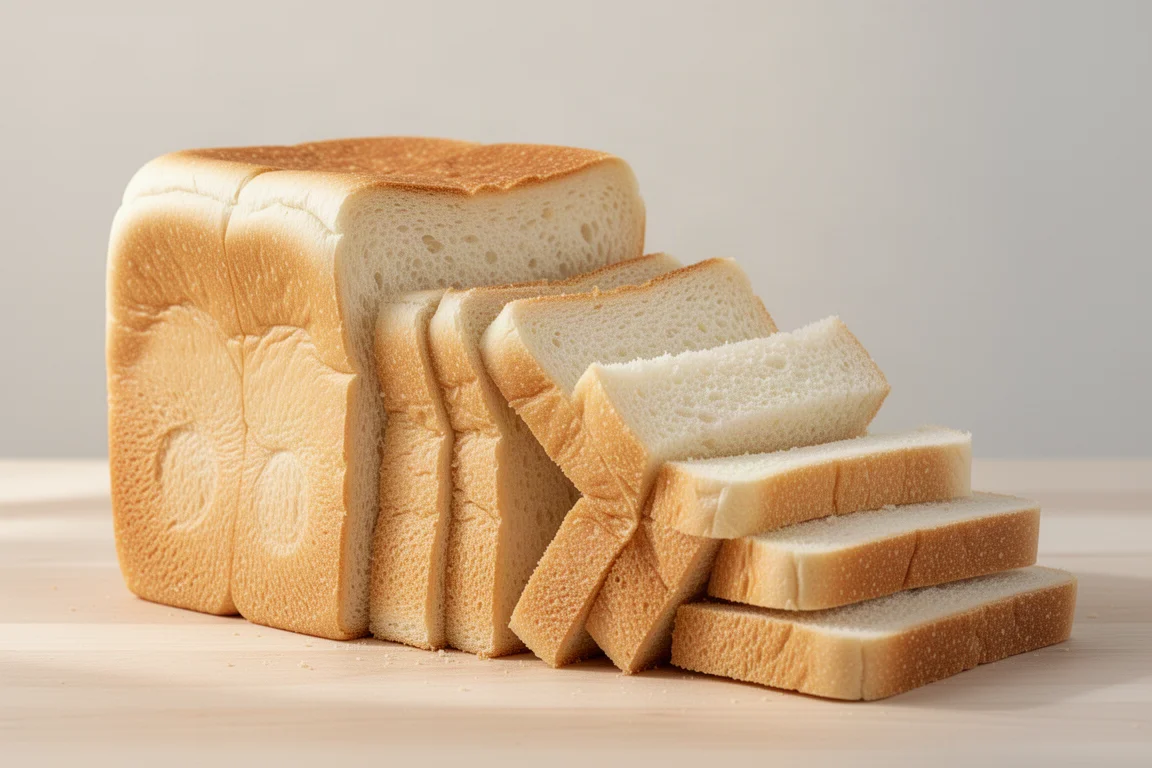
A note on both: UK wheat flour is legally required to be fortified with calcium carbonate, iron, B1 and B3, so neither loaf is worse for you on that front. The premium case here rests on fewer additives, longer fermentation and a genuinely better eating experience rather than nutrition.
Round 3: Chicken Thighs
Both packs were British, skin-on chicken thighs, and even the cheaper one was grade A, meaning plump and free of blood, bruising and blemishes. Raw, the premium thighs had a slightly yellower, corn-fed look to the skin and a juicier glisten, while the budget pack looked firmer. When buying raw chicken, it should never smell funky or farmyard-like, and while a natural shine is fine, it should not be slimy.
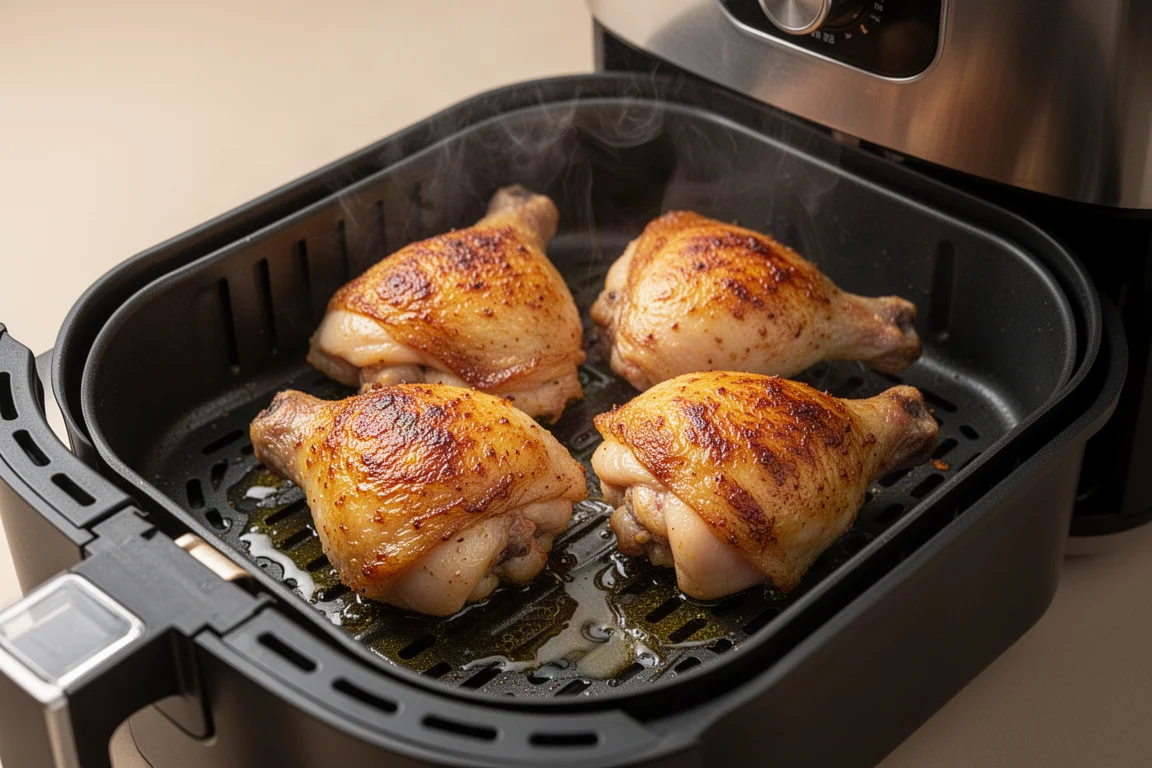
Four thighs from each pack went into separate air fryer drawers, seasoned only with salt and pepper, cooked at 200°C for 15 minutes. The premium thighs crisped to a more attractive, deeper golden skin, and the fat that rendered out was nearly pure fat. The budget thighs released a mix of roughly half fat and half water, and the meat itself looked juicier but wetter.
The premium pick is M&S Select Farms British Free Range Chicken Thighs. M&S was named the best retailer for animal welfare in the UK last year, and the free range option sits at the top of its range, with the birds free to roam and express natural behaviour.
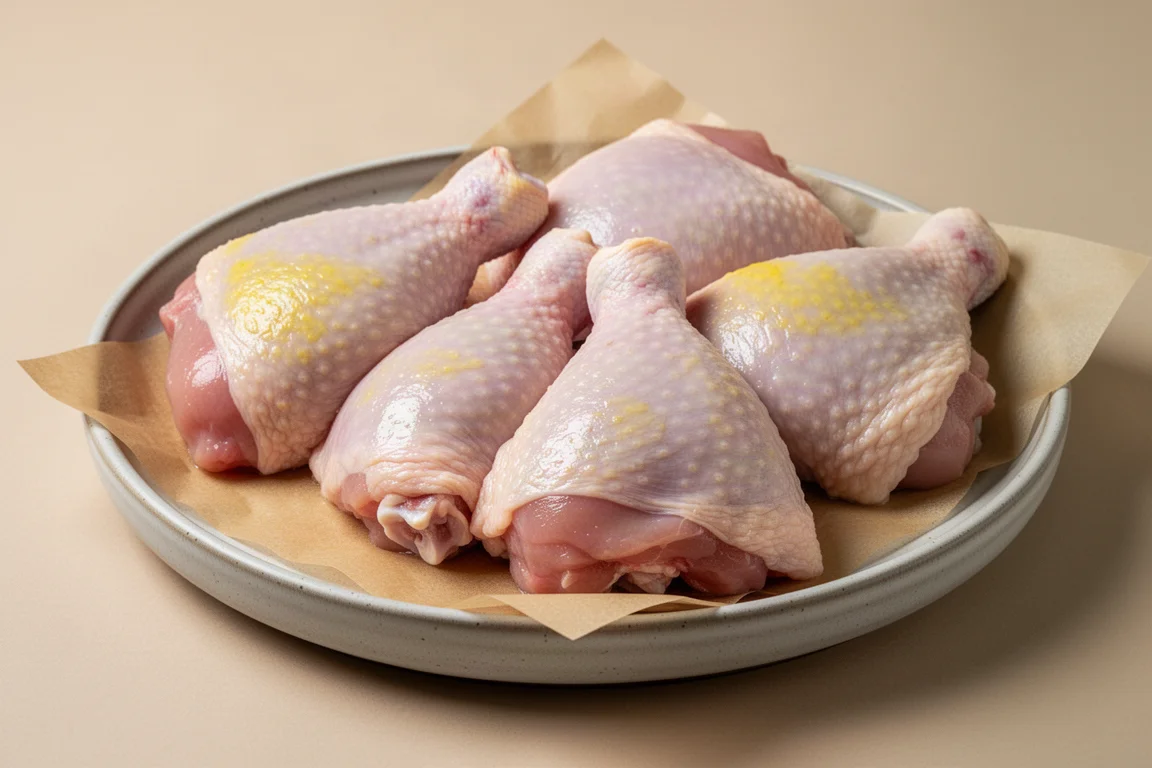
The budget option is Ocado British Chicken Thighs, barn-raised with natural daylight, bedding and perches, and Red Tractor certified. It still carries meaningful assurance and control, just at a lower welfare tier and price.
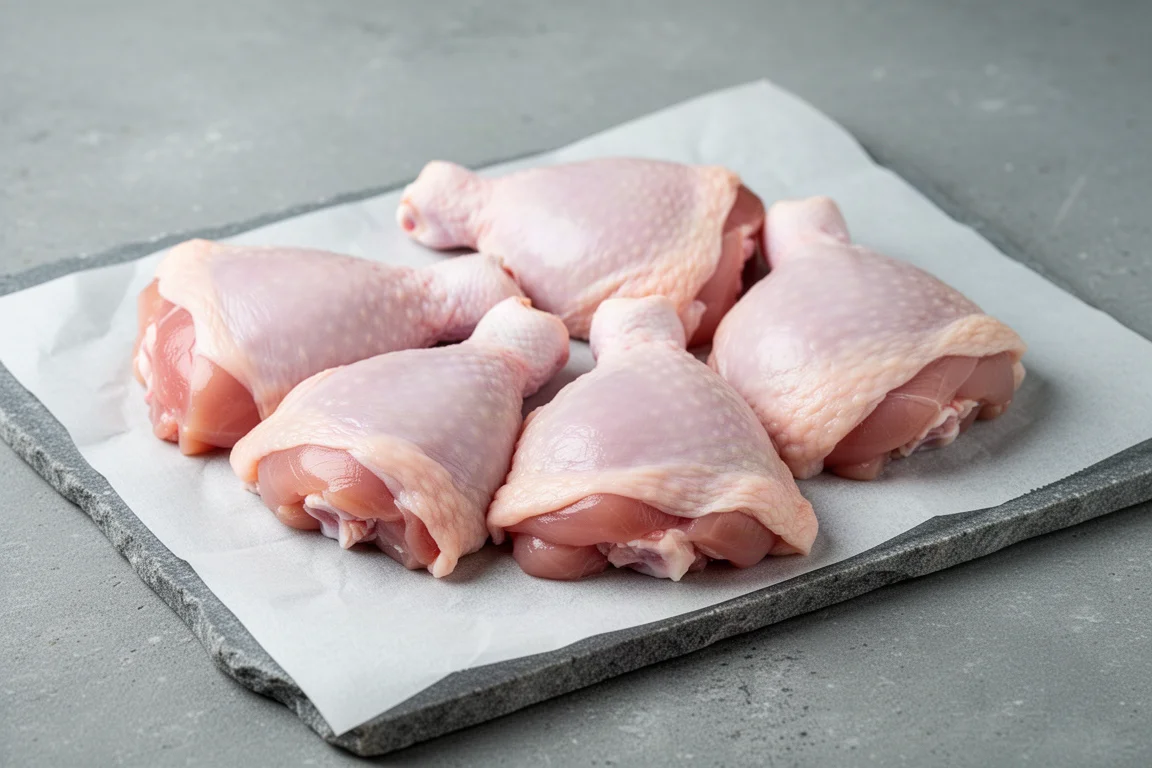
One practical caveat: free range birds work their muscles more, so the meat is denser and can be slightly tougher, needing a longer cook, albeit with better flavour. If you cook thighs regularly in curries or braises, the Ocado option is a perfectly good chicken.
Round 4: Tinned Tomatoes
Tipped cold into pans with nothing but garlic, dried oregano, olive oil and seasoning, the difference was immediate. The premium tin contained big, whole, unbroken plum tomatoes in a thick, dark, viscous sauce, remarkably consistent in size. The budget tin was wetter and seedier, with less consistent tomato sizes and a few broken pieces, partly because it is a chopped product.
After ten minutes of simmering, the premium sauce looked richer and more concentrated, almost like a passata with whole plums in it, while the budget version looked fresher and more vibrant in colour. There is almost a nine-fold price difference between the two.
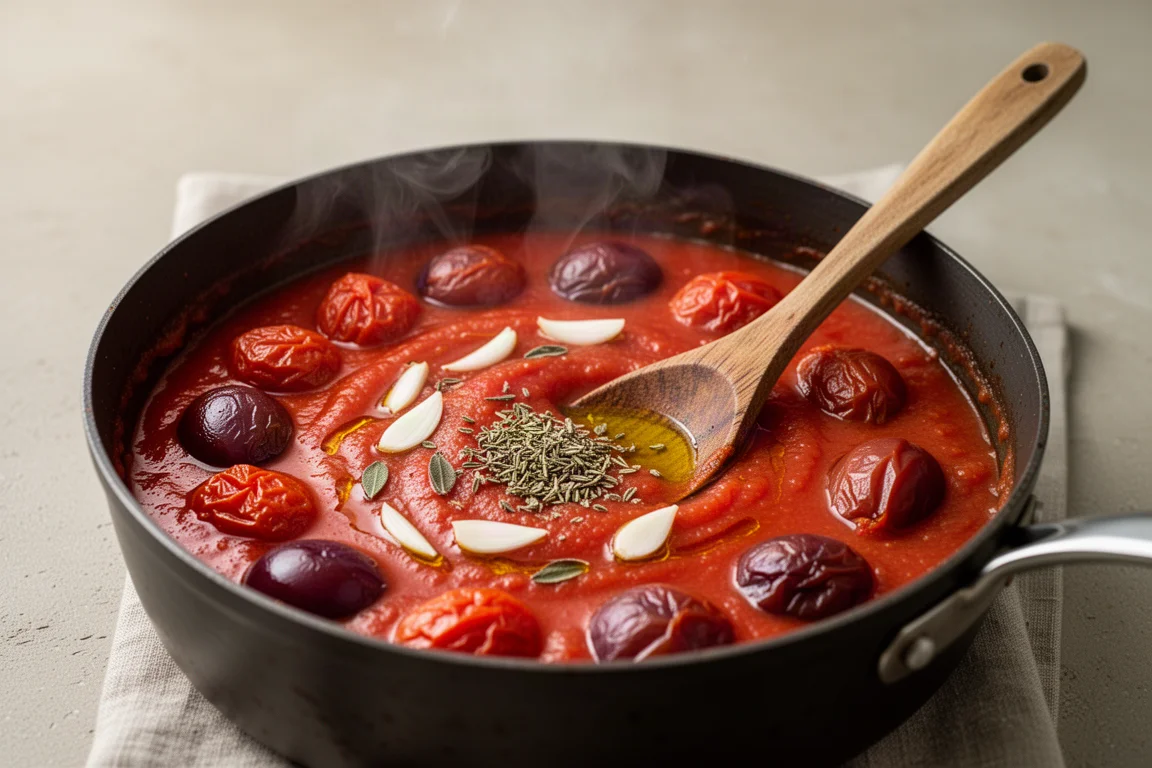
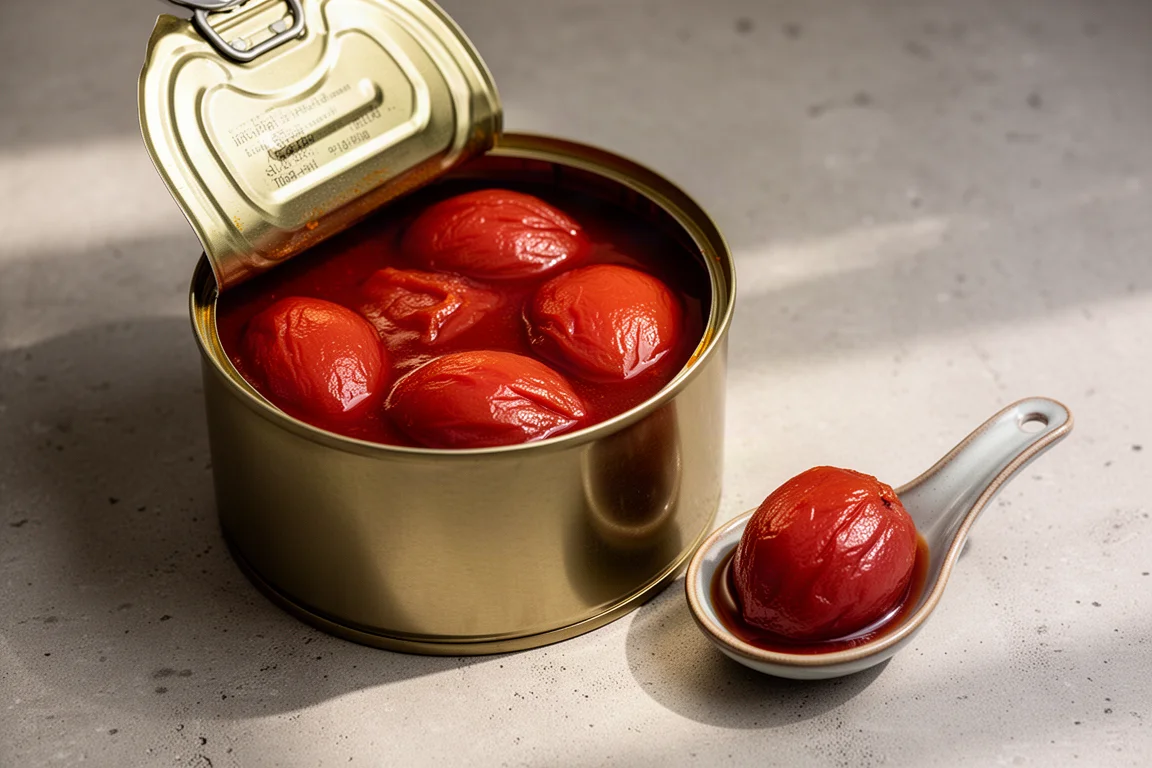
The premium option is Mutti San Marzano Italian Peeled Tomatoes, with just two ingredients in the tin: whole peeled San Marzano tomatoes and San Marzano tomato juice. It also comes with a ring pull, which, as it turns out, does fractionally add to production costs.
The budget option is Tesco Grower’s Harvest Chopped Tomatoes: 60% tomato with concentrated tomato juice, plus citric acid as an acidity regulator for tang and lift. At 45p a tin, it is an absolute bargain for bulk cooking.
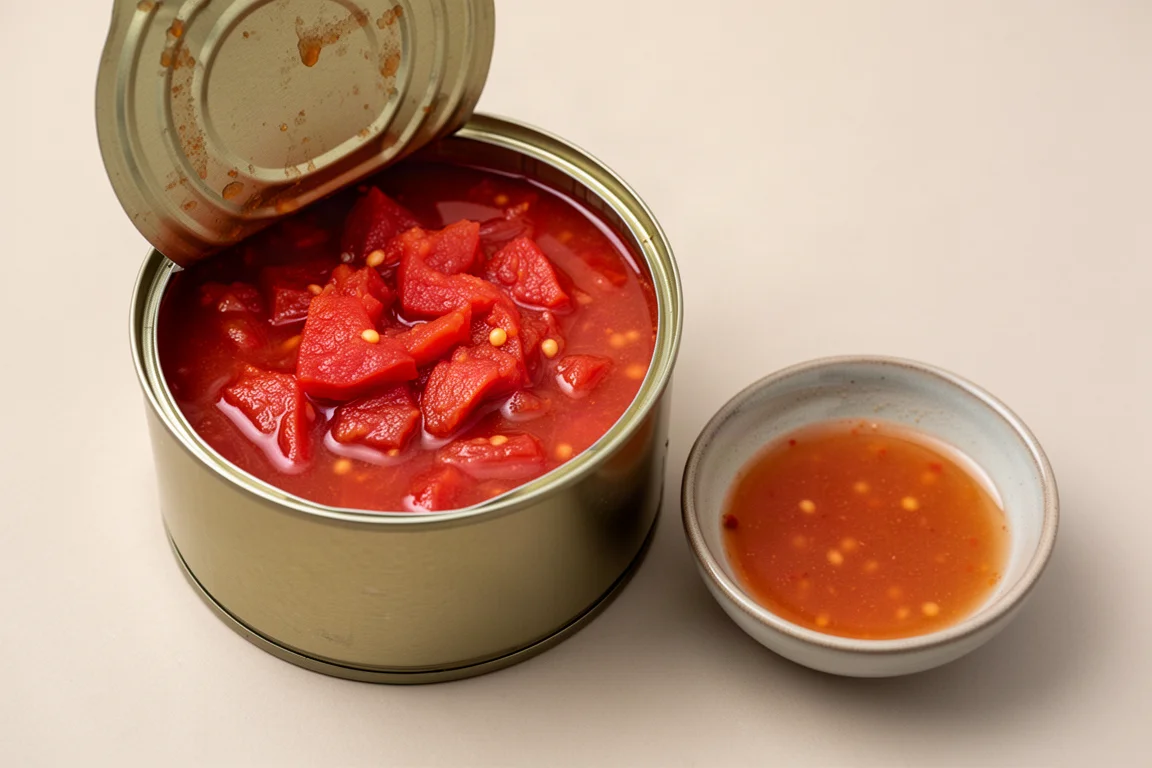
The honest verdict: the Mutti is not nine times better, but it is the right choice when tomatoes are the hero of the dish, such as a pizza base or a tomato-forward sauce. For bulking out a stew or a chilli, the cheap tin holds its own.
Where to Spend and Where to Save
Across all four rounds, a clear pattern emerged. Bread is the upgrade most worth making if you eat it every day, since better ingredients and longer fermentation cost only a little more per loaf. Bacon sits in the middle: the premium trim and lower water content show up in the pan, but the welfare-driven part of the price is a values decision. For chicken thighs and tinned tomatoes, the budget options performed respectably, and spending more matters mainly when the ingredient is the star of the dish.
Conclusion
Premium does not automatically mean better in the pan, and cheap does not automatically mean worse. Water-injected bacon and short-ingredient-list bread showed the clearest, most justifiable differences, while grade A chicken thighs and honest chopped tomatoes proved you can save without much loss. Match the spend to the role the ingredient plays in your cooking, and put your money where it actually changes the result.
Further reading
Related Reviews
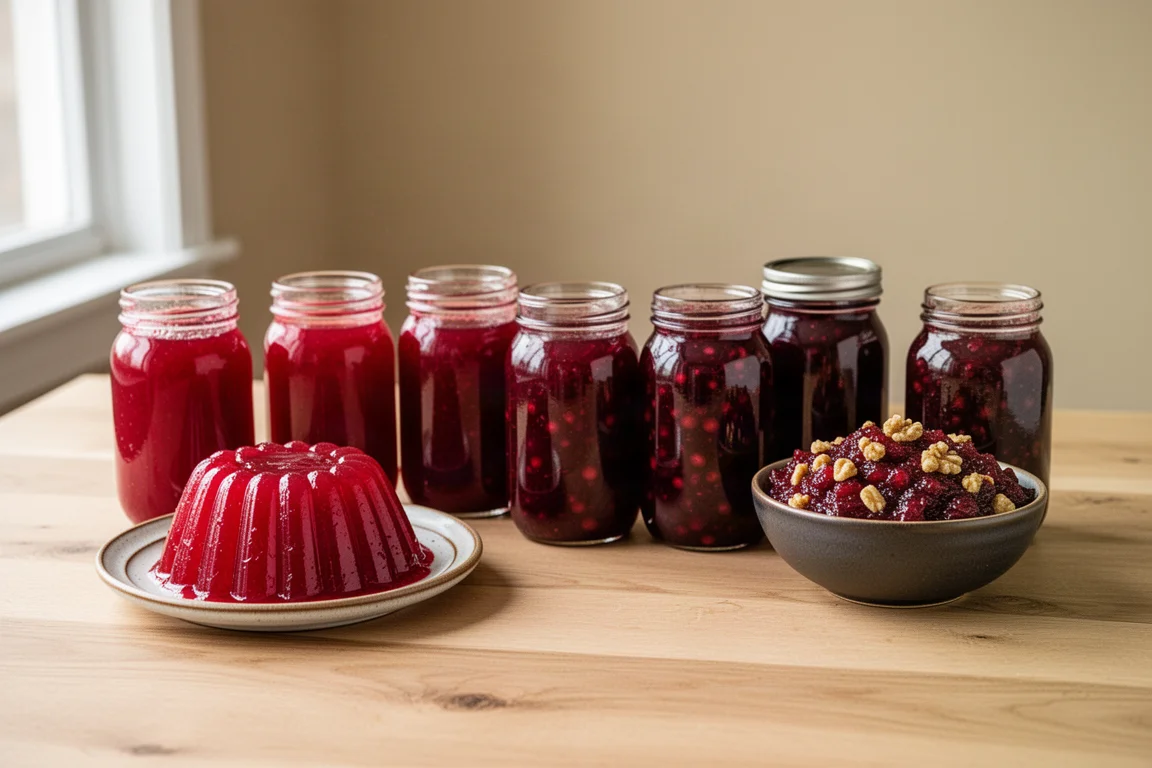
Food & Grocery
Best Store-Bought Cranberry Sauce: 9 Options Ranked for Your Holiday Table
We tasted nine store-bought cranberry sauces, from classic jellied cans to nutty relishes, to find which ones actually earn a spot next to the turkey.
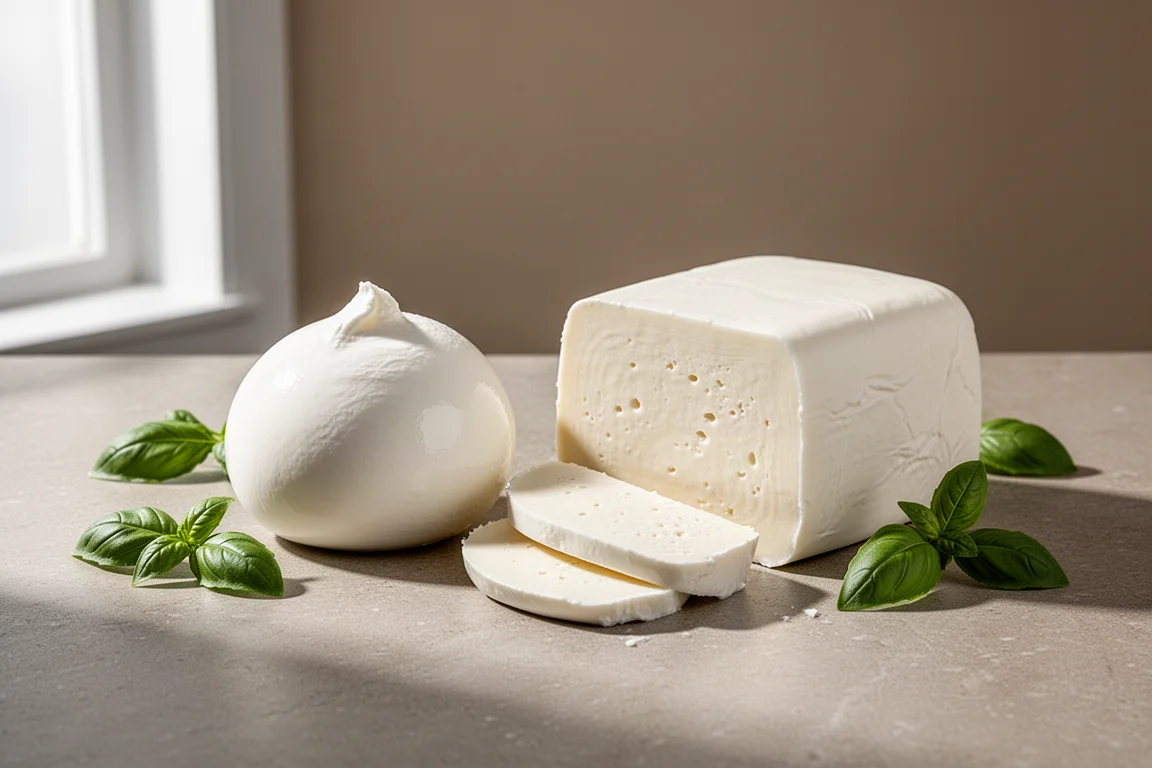
Food & Grocery
Best Mozzarella for Cooking and Salads: Two BelGioioso Cheeses Worth Buying
Fresh mozzarella vs whole milk block mozzarella: how moisture content changes melting, flavor, and which one belongs in your cart.
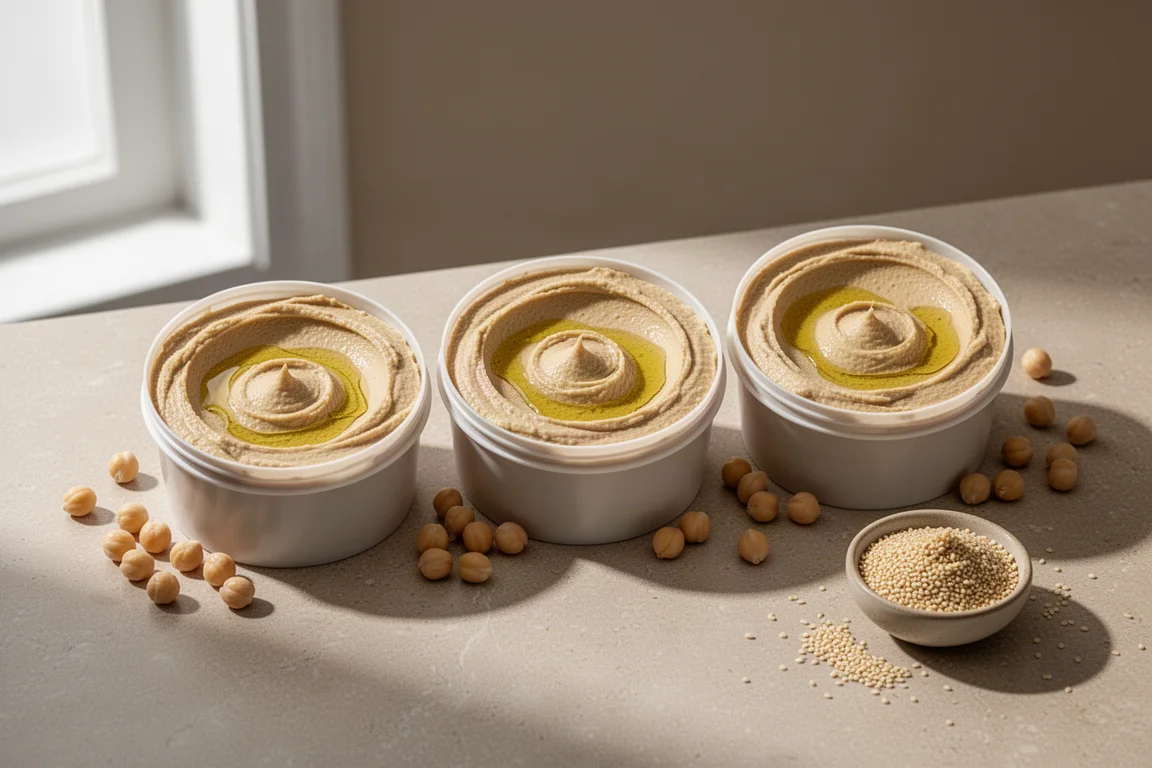
Food & Grocery
Best Store-Bought Hummus: 9 Supermarket Brands Compared
We tasted nine widely available supermarket hummus brands plain and with pita to find which ones actually earn a spot in your cart.