Tool Reviews
Pentalobe P2 Bit Comparison: Klein Tools P2 and P5 vs iFixit P2
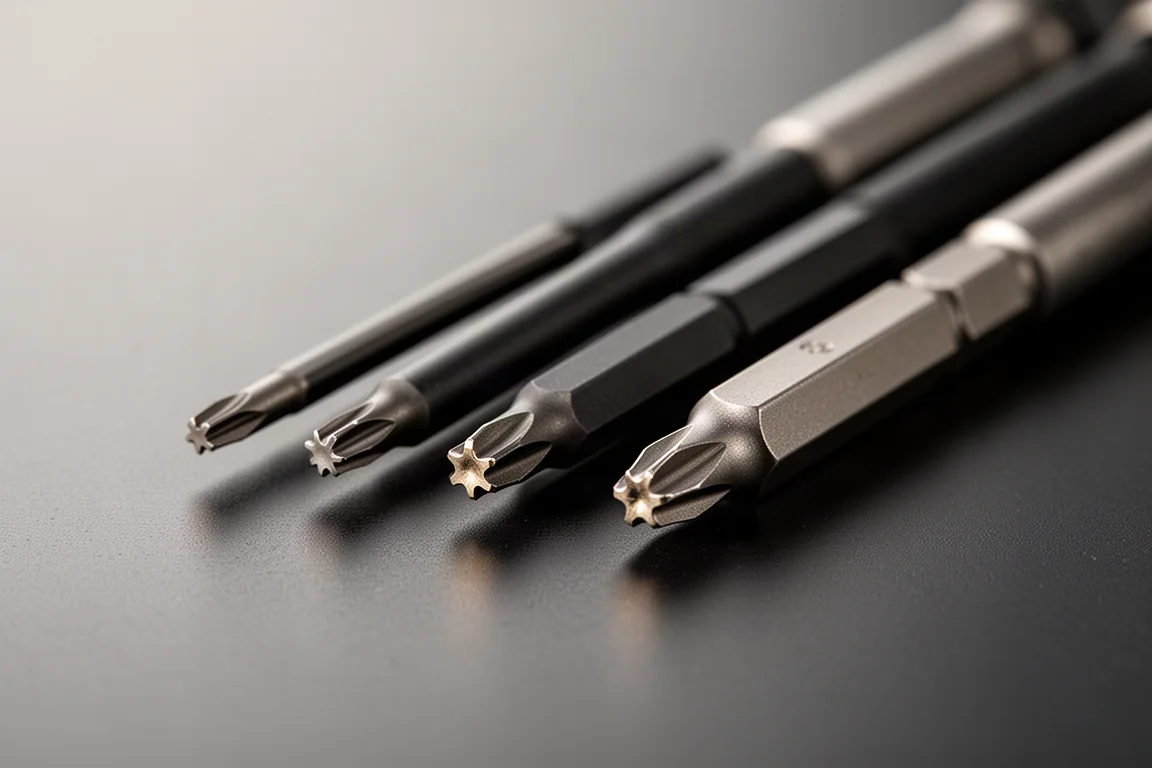
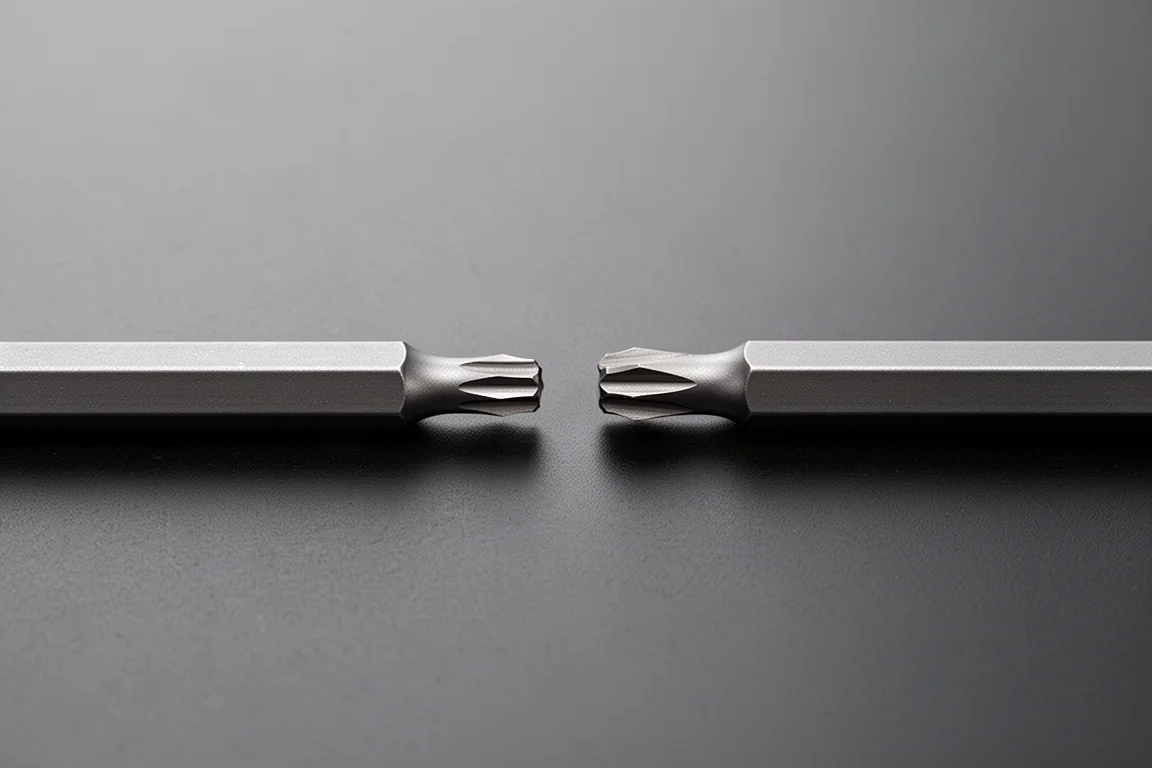
A close-up comparison of three Pentalobe bits reveals a real fit difference between the Klein Tools P2 and the iFixit P2 that matters for iPhone repair work.
Introduction
Pentalobe screws are the security fasteners you meet first when opening an iPhone, so the bit you choose matters more than it might seem. Small differences in tip size can mean the difference between a clean engagement and a screw head you never get out again.
We compared three commonly available Pentalobe bits up close at roughly 20x magnification: the Klein Tools P2 Pentalobe bit, the Klein Tools P5 Pentalobe bit, and the iFixit P2 Pentalobe bit. The goal was simple: see which tips match each other dimensionally and which ones run large.
Three Bits, One Question: Do They Fit?
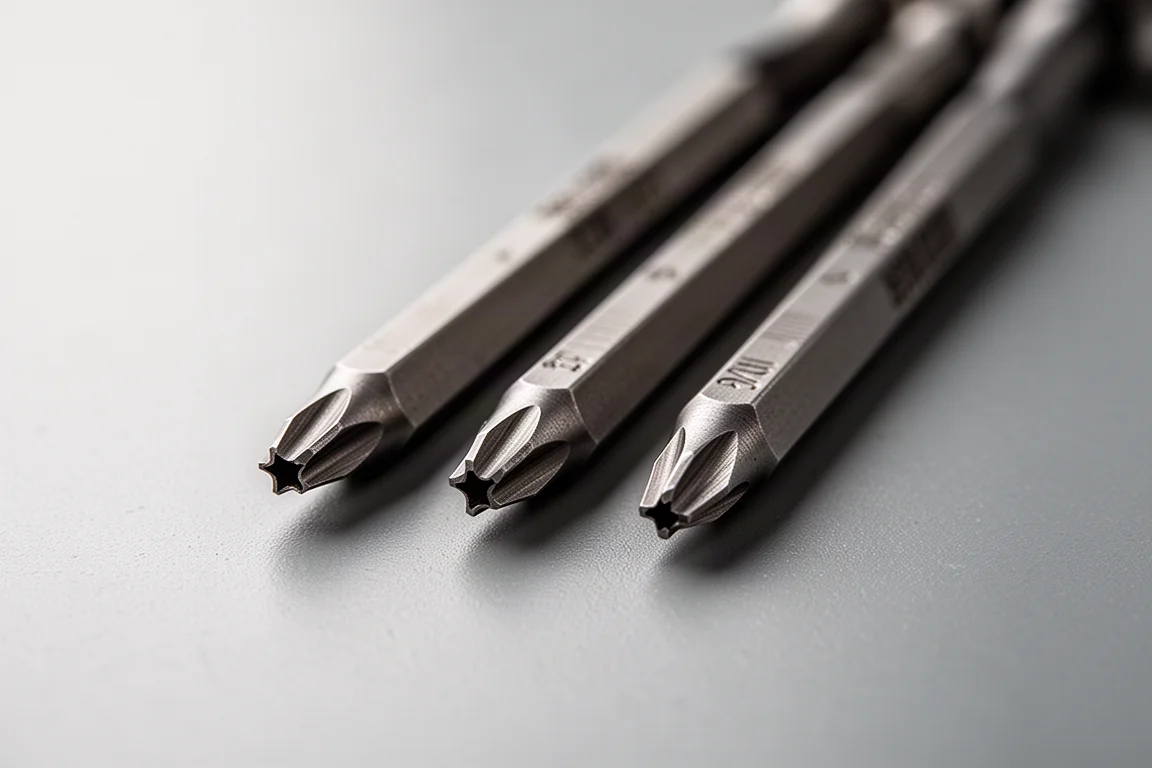
Each bit is clearly marked. The Klein P2 reads “Klein Tool P2 Pentalobe 2”, the Klein P5 reads “Klein Tool P5”, and the iFixit bit carries a stamped “P2” marking. Under magnification, the markings are easy to read and help keep the small bits sorted.
The size jump between P2 and P5 is obvious even before magnification: the Klein P5 is noticeably larger, which is expected since it targets a bigger Pentalobe fastener size. The real question is how the two P2-rated bits from Klein and iFixit compare to each other.
Klein Tools P2 Pentalobe Bit
The Klein Tools P2 is a well-finished precision bit with clear labeling and a solid feel. Up close, however, its tip is visibly larger than the iFixit P2 when the two are compared side by side. That extra size shows up as a looser, wiggling fit when tested against the same Pentalobe screw reference.
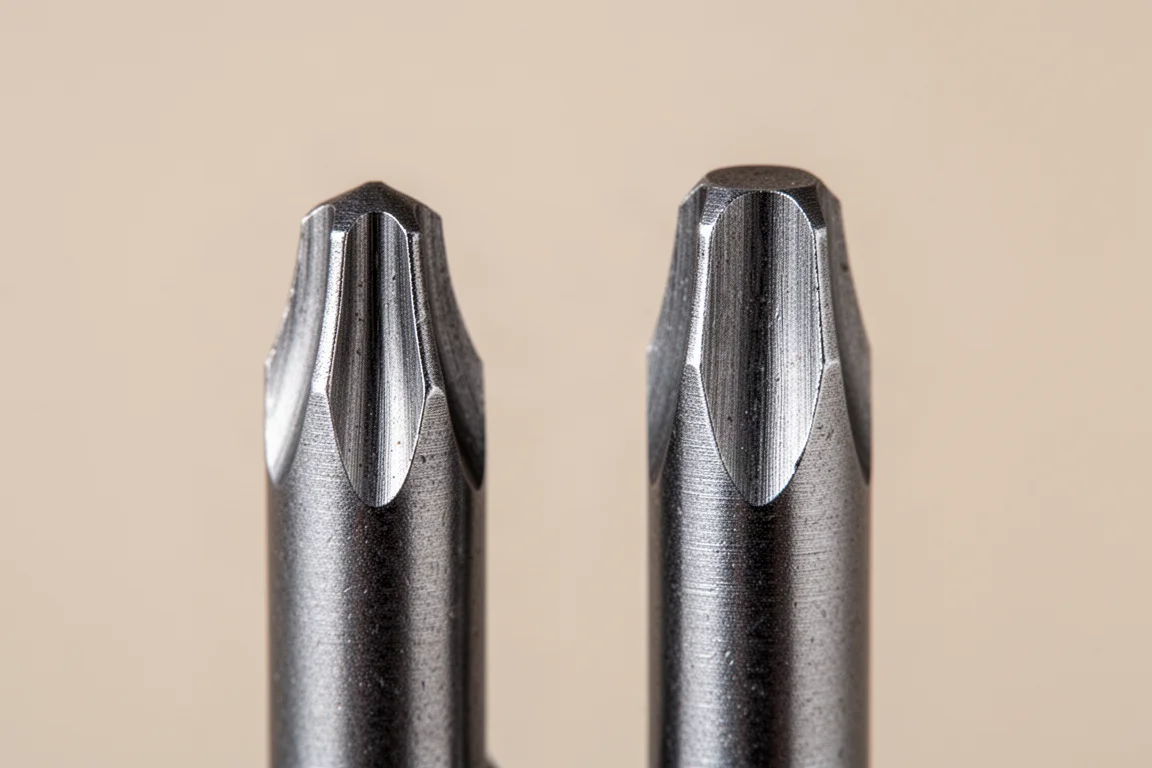
It is not a catastrophic flaw: a slightly oversized tip will still turn many Pentalobe screws, and it may even be a deliberate tolerance choice. But if your priority is a tip that matches the dimensions other P2 bits are cut to, this one runs a little large.
Klein Tools P5 Pentalobe Bit
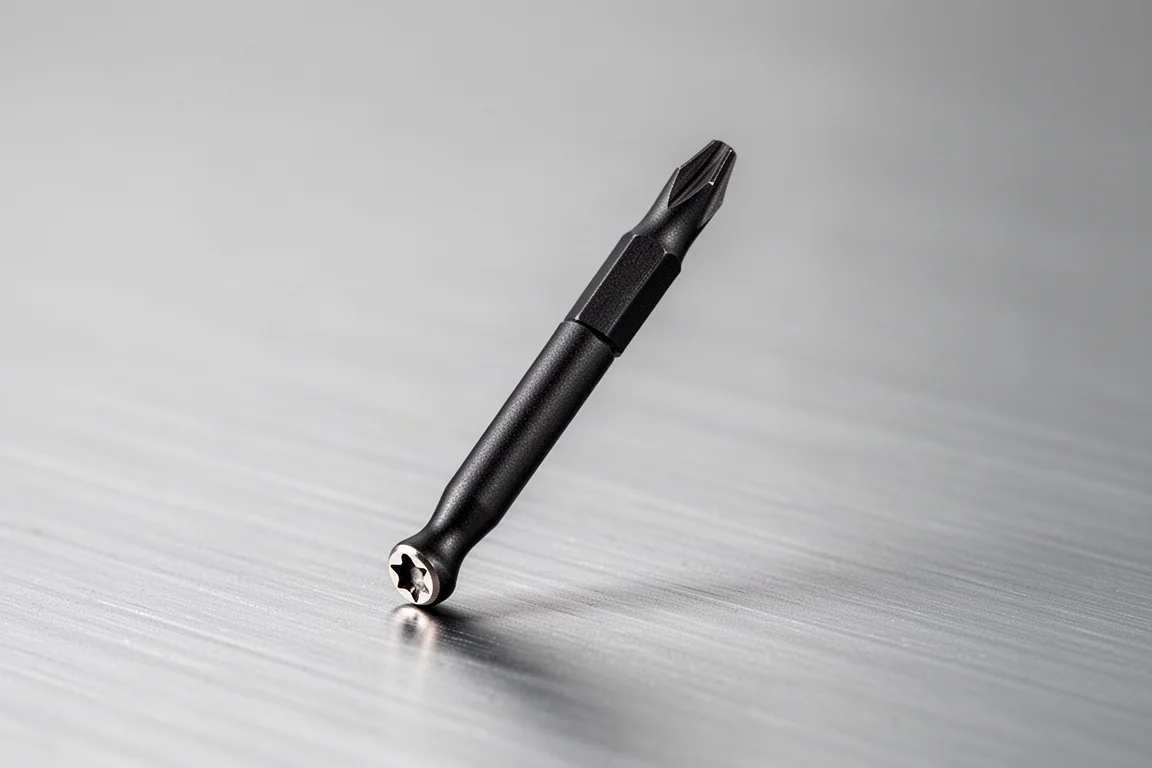
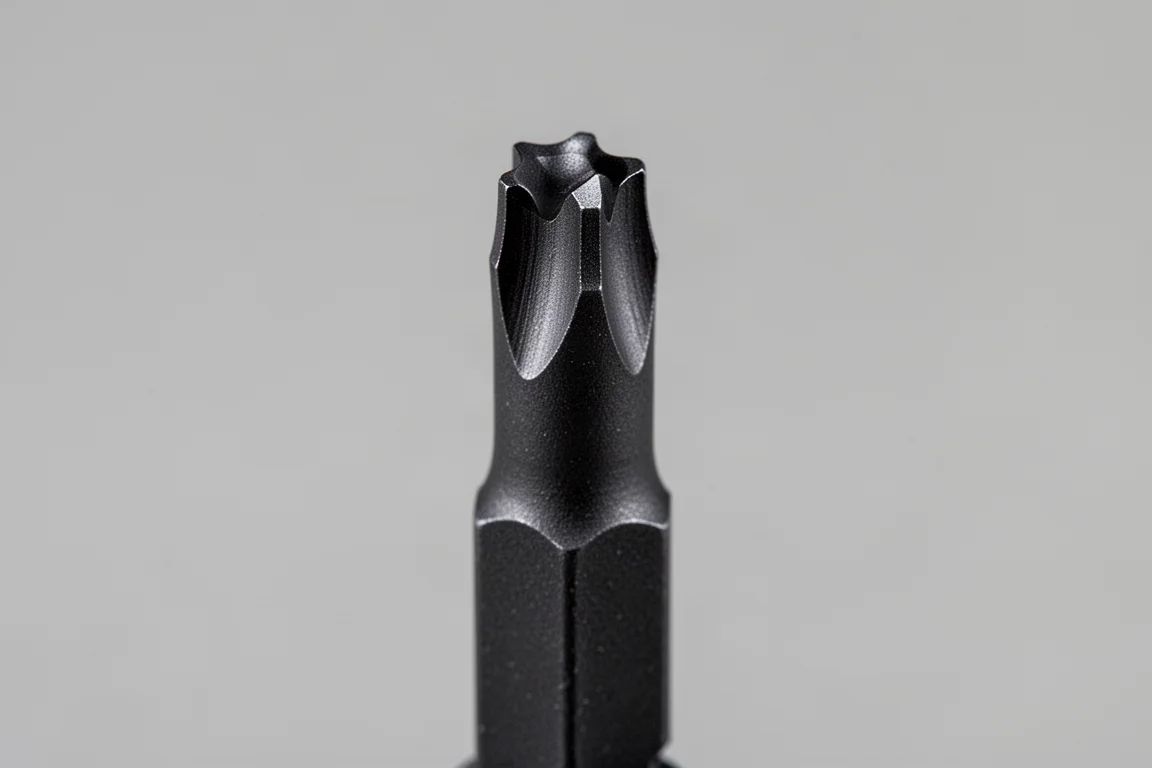
The Klein P5 Pentalobe bit is a different tool for a different job. It is clearly larger than the P2 bits in the comparison, and its size makes it easy to distinguish at a glance even without magnification.
If you work on devices that use the larger Pentalobe size, this bit gives you the same build quality and clear stamping as the rest of the Klein precision range. Just be aware it is not a substitute for a P2: the size difference is substantial.
iFixit P2 Pentalobe Bit
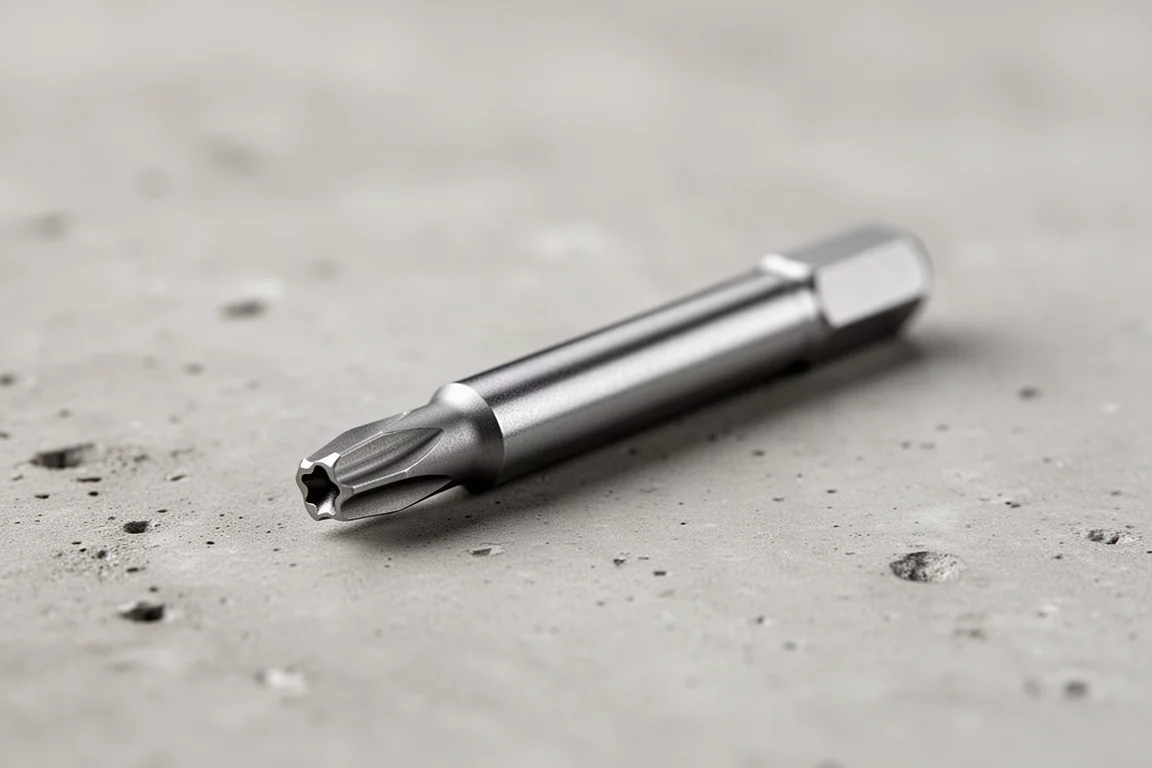
The iFixit P2 proved to be the reference point in this comparison. Its tip dimensions matched the third P2 bit exactly when the two were overlaid under magnification, with no visible wiggle or size gap between them.
That consistency is the main reason it earns a place in an iPhone repair kit. If you want a P2 bit whose fit matches the de facto standard for these screws, this is the one that measured true.
How the Klein P2 Differs
To summarize the dimensional finding: the iFixit P2 and the third P2 bit tested are effectively identical. The Klein P2, lined up against the same reference, is measurably larger at the tip.
For anyone doing delicate iPhone repair work, that difference is worth knowing about before you buy. An oversized tip can cam out or round the shallow Pentalobe lobes more easily than a correctly sized one, especially on a screw that has already been tightened by the factory.
Buying Advice
If you already own Klein drivers and mainly need a P5 for other fasteners, the Klein Tools P5 is a straightforward pick with clear labeling and solid construction.
If your work is specifically iPhone Pentalobe screws, the iFixit P2 is the safer choice given how closely it matched the reference bit. The Klein P2 remains a usable tool, but its slightly larger tip is something to go in aware of, not a dealbreaker for every task.
Conclusion
Under 20x magnification, the differences between these bits are easy to see: the iFixit P2 matched its reference exactly, the Klein P2 runs slightly larger, and the Klein P5 is simply a different size class altogether. Match the bit to the screw, and know which of these P2 tips fits the way you expect before your next repair.
Further reading
Related Reviews

Tool Reviews
Best Mechanic Tool Sets 2026: Ten Sets Tested for Real Workshop Performance
Ten mechanic tool sets compared across wrench strength, ratchet efficiency, back drag, adapter durability, and overall value.

Tool Reviews
Best Tools of 2025: Top Performers Across Nine Categories
A roundup of the standout tools from a year of head-to-head testing, covering drills, saws, blowers, mowers, trimmers, and more.

Tool Reviews
Metmo Fractal Vise 32 and Dual M18 Battery Adapter: Two TikTok Finds Put to Work
We bought two tools that keep showing up in our feed: a fractal vise that clamps almost anything and a dual battery adapter that promises more power and runtime.